What Is the Best Month for Kentucky Lake Catfish Fishing
Trying to figure out the absolute perfect time to hit Kentucky Lake for some serious catfish action can be a real head-scratcher. With such a massive body of water, it feels like there are endless variables, and you might worry about showing up on an off-day. This comprehensive guide is designed to cut through the confusion, helping you understand the seasonal patterns of blue, channel, and flathead catfish on Kentucky Lake, so you can plan your next successful trip with confidence.
Understanding Kentucky Lake Catfish Behavior by Season
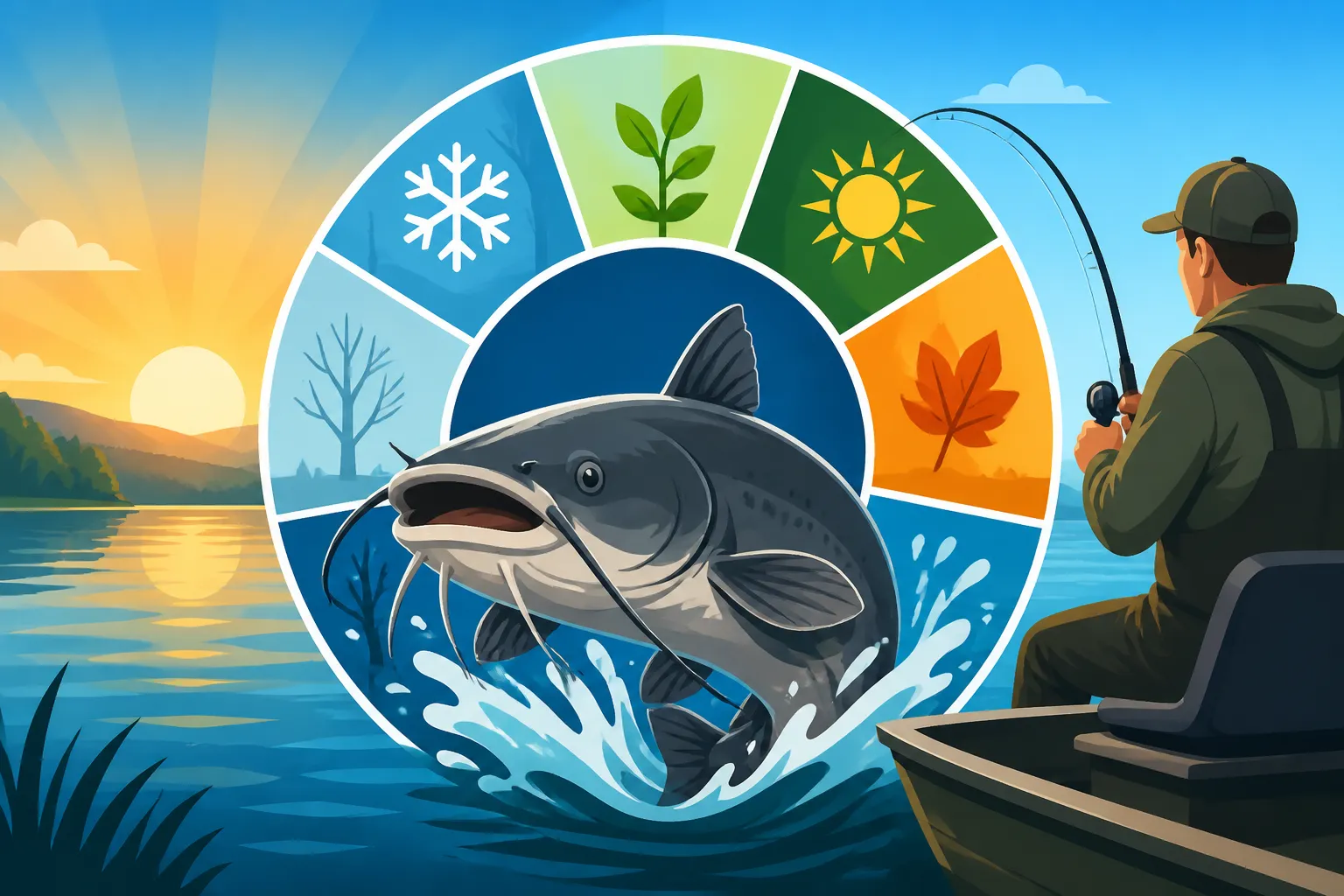
While many anglers might immediately think of summer nights for catfish, the truth is that Kentucky Lake offers fantastic opportunities year-round, provided you know where to look and what tactics to employ. Catfish are driven largely by water temperature and their spawning cycles, which dictates where they'll be and what they'll be willing to eat. Recognizing these patterns is key to consistent success on such a dynamic fishery.
Spring: The Pre-Spawn Feast
As the chill of winter finally recedes and water temperatures slowly start to climb, usually from late March through May, catfish on Kentucky Lake begin to shake off their lethargy. This is a truly fantastic time to target them, especially the bigger fish, as they enter a pre-spawn feeding frenzy to pack on energy for the upcoming spawn. They'll start moving out of their deeper wintering holes and into shallower, warmer waters, often concentrating in areas with abundant forage.
You’ll typically find them cruising along creek channels, points, and flats adjacent to deeper water, particularly where there’s a good food source like shad or other baitfish. This is when the fish are often at their heaviest, aggressively seeking out meals. Look for areas with slight current or structure that offers ambush points. Targeting blues and channels with cut bait in these transition areas can be incredibly productive, as they're not quite as focused on their beds yet. The fish are hungry, active, and willing to chase down a good meal.
Summer: Peak Action and Night Fishing
When the Kentucky sun is high and the water temperatures consistently warm, typically from June through August, you've hit what many consider the absolute prime time for Kentucky Lake catfish. This is when the fish are most active, although their behavior shifts considerably. After the spawn, they’ll disperse a bit, but their metabolism is high, and they need to feed regularly. While daytime fishing can be good, especially for those targeting deeper holes, summer truly shines as the best month for night catfishing on Kentucky Lake.
As the sun sets, catfish, particularly blue and channel catfish, become much more mobile and aggressive, moving into shallower flats, humps, and even shorelines to hunt. They use their keen sense of smell and barbels to locate food in the low light. This is also when the big flatheads become more accessible, often lurking around heavy cover like submerged timber or rock piles. Popular techniques include anchoring over channels or humps and fan-casting multiple lines with a variety of baits. The consistent warmth means fish are spread out but actively feeding, making for exciting and often plentiful catches. Don't be surprised if you pull up multiple species in the same evening during this peak season.
Fall: Feeding Frenzy Before Winter
As summer fades and autumn colors begin to paint the landscape, usually from September through November, Kentucky Lake catfish enter another highly productive feeding period. Similar to spring, they know winter is coming, and they need to gorge themselves to build up fat reserves. This "fall turnover" can sometimes make fishing a bit tricky for a short period as the water column mixes, but once things stabilize, the bite can be incredible.
Fish will follow baitfish into shallower creeks and bays as water temperatures cool, often schooling up. The key here is to locate those baitfish schools, as the catfish won't be far behind. You might find them suspended over deeper channels, or moving onto flats during overcast days. This is a great time for both quantity and quality. The cooler air makes for more comfortable fishing, and the fish are often more predictable in their movements as they actively chase down shad and other prey. Whether you're targeting big blues or seeking out a hefty flathead, fall offers a fantastic window of opportunity before the deep freeze sets in.
Winter: Deep Water Opportunities
Don't let the cold weather deter you; winter, generally from December through March, can still be a very rewarding time for Kentucky Lake catfish fishing, especially if you're prepared to brave the elements and understand their deep-water habits. Catfish, particularly the larger blues and flatheads, will move to their traditional deep wintering holes. These are often major river or creek channels, deep bends, or areas with significant structure like ledges and humps, where the water temperature is most stable.
While their metabolism slows down, they still need to eat. The key to success in winter is often patience and precise bait placement. Vertical jigging or anchoring directly over these deep structure points with large pieces of cut bait can entice a bite. The fish will be less aggressive, but when you find them, they are often grouped up, meaning you can catch several once you locate a productive spot. This is also a fantastic time to target trophy-sized blue catfish, as they are often lethargic but still willing to take a well-presented bait. Success in winter often means fewer bites, but frequently bigger fish, making the effort entirely worthwhile.
Essential Gear and Techniques for Kentucky Lake Catfish
Having the right equipment and knowing how to use it is paramount for successful catfish fishing on Kentucky Lake, especially when dealing with potentially large fish in varied conditions. The lake is vast, and its catfish can be incredibly powerful, so don't skimp on your tackle.
Rods, Reels, and Line for Lake Catfish
For targeting the robust catfish species found in Kentucky Lake, you'll want heavy-duty gear that can withstand powerful runs and deep dives. A medium-heavy to heavy action rod, typically 7 to 9 feet long, is ideal. This length provides good leverage for casting heavy baits and fighting big fish, whether you're fishing from a boat or the bank. Look for rods with a strong backbone but a sensitive tip to detect subtle bites. Many anglers find durable fiberglass or composite rods from brands like Ugly Stik or Catfish Pro to be excellent choices for their durability and sensitivity.
Pair these rods with robust baitcasting or spinning reels known for their strong drag systems and high line capacity. A reel capable of holding 200+ yards of 20-30 pound test line is a good starting point. For serious trophy hunters, 50-80 pound braided line is common, offering superior strength and sensitivity. For channel cats, a good quality monofilament in the 15-20 pound range might suffice, but for larger blues and flatheads, braid is often preferred due to its low stretch and abrasion resistance. Many anglers swear by Best Reels for Catfish Fishing that offer both power and smooth operation. You can find a wide selection of suitable rods and reels on platforms like Amazon, offering options for every budget and preference.
Top Baits and Rigs for Success
When it comes to baits, catfish are primarily scavengers and opportunistic predators, making smelly, natural baits incredibly effective. For blue and channel catfish on Kentucky Lake, fresh cut bait is king. Shad, skipjack herring, or even small pieces of carp or drum cut into chunks are highly effective. For flathead catfish, live bait is almost always preferred. Live bluegill, shad, or even smaller carp presented near submerged cover are often irresistible to these ambush predators. Stink baits and prepared baits also have their place, particularly for channel cats, but fresh cut or live bait generally outperforms them for the bigger blues and flatheads.
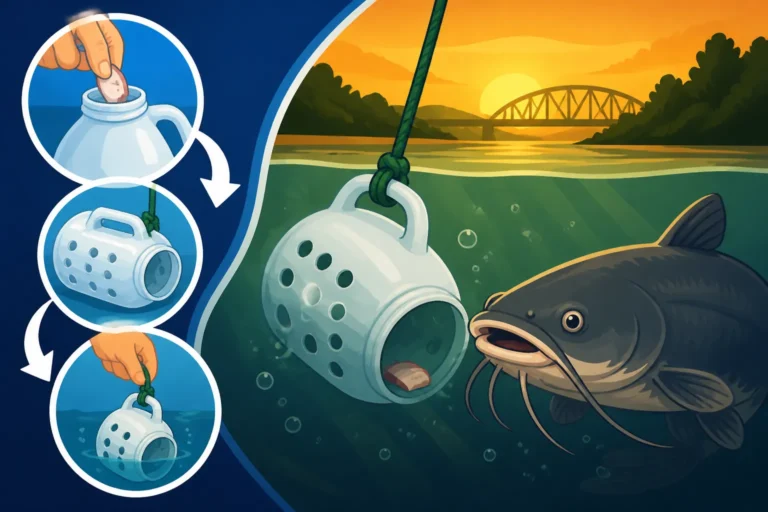
As for rigs, simplicity and strength are key. A Santee Cooper rig or a slip-sinker rig (often called a Carolina rig for catfish) are popular choices. The Santee Cooper rig uses a float above the hook to keep the bait suspended just off the bottom, making it more visible to fish and less likely to snag in cover. For a classic slip-sinker rig, a heavy lead sinker (2-8 ounces, depending on current and depth) slides freely on your main line, followed by a bead to protect your knot, then a swivel, and finally a leader (2-3 feet of heavy monofilament or fluorocarbon) tied to a strong circle hook (sizes 5/0 to 10/0 are common). Circle hooks are excellent as they typically hook fish in the corner of the mouth, making for easier release and less harm to the fish. Check out guides like How to Set Up a Trotline for Catfish or Jug Fishing for Catfish: A Beginner's Guide for other effective methods.
Boat and Bank Fishing Considerations
Kentucky Lake's immense size means that boat fishing often gives you access to the most productive areas, especially for targeting deep channels, river bends, and offshore humps. A good boat, whether it's a dedicated bass boat, a sturdy jon boat, or a comfortable pontoon, allows you to cover vast amounts of water and precisely position yourself over structure. You can set up multiple lines, drift with the current, or anchor in strategic locations. Many anglers find Best Boats for Kentucky Lake and Lake Barkley Fishing to be indispensable for navigating the expansive waters and reaching those prime fishing spots.
However, don't underestimate the potential for bank fishing on Kentucky Lake. There are numerous public access points, parks, and causeways where you can cast out effectively. Look for areas where deeper water is accessible from shore, such as alongside old creek channels, near bridge pilings, or around rip-rap. These areas provide current and structure that attract baitfish and, consequently, catfish. Even without a boat, you can find excellent Best Shore and Bank Fishing Spots in Kentucky that are highly productive, especially during the active summer nights or spring and fall feeding sprees. Just remember to bring sturdy rod holders, a cooler for your catch and bait, and a headlamp if you're fishing after dark.
Maximizing Your Catfish Catch on Kentucky Lake
Successfully targeting catfish on Kentucky Lake isn't just about having the right gear and bait; it's also about understanding the nuances of the lake itself and respecting the regulations in place. A little preparation and local knowledge can go a long way.
Reading the Water and Locating Hotspots
Kentucky Lake is a vast reservoir, and finding catfish can feel like searching for a needle in a haystack if you don't know what to look for. Start by studying maps – bathymetric charts are your best friend. Look for old creek and river channels, submerged roadbeds, humps, ledges, and deep holes. These are classic catfish holding areas. Fish finders and GPS units are invaluable tools for identifying these structures and locating schools of baitfish, which catfish will be shadowing. For instance, many anglers have great success with Best Fish Finders for Kentucky Lake and Lake Barkley when trying to pinpoint prime spots.
During spring and fall, focus on transition zones where shallow flats meet deeper channels. In summer, especially during the day, target deeper sections of the main river channel or significant creek channels. At night, catfish will move shallower onto flats and points to feed. In winter, concentrate your efforts on the deepest, most stable sections of the main lake and major creek channels, where fish will school up to conserve energy. Pay attention to current, even subtle currents can bring food to stationary catfish. The Best Catfish Holes on Kentucky Lake are often found near such structural elements, providing cover and feeding opportunities.
Understanding Daily Limits and Regulations
Before you even cast a line, it's absolutely crucial to familiarize yourself with Kentucky's fishing regulations, especially those specific to Kentucky Lake. While statewide limits apply to many species, some lakes, including Kentucky Lake, can have site-specific regulations that differ. For catfish, the statewide regulations in Kentucky generally allow for a daily creel limit of 15 catfish, with only one fish over 25 inches in length. This applies to blue, channel, and flathead catfish combined.
However, always double-check the latest Kentucky Department of Fish and Wildlife Resources (KDFWR) regulations, as these can change. You don't want to get caught off guard with an unintentional violation. You can easily find the most current information online. Remember that the goal is not just to catch fish, but to ensure the sustainability of the fishery for future generations. Knowing your Kentucky Fishing Regulations Explained and abiding by them helps preserve the incredible resource that is Kentucky Lake.
Final Thoughts on Kentucky Lake Catfish Success
Kentucky Lake offers incredible catfish fishing opportunities almost any time of year, but if we had to pick the absolute best month for sheer action, the peak of summer, particularly July and August, often takes the cake. The warm water ignites their metabolism, driving them to feed aggressively, especially during the cooler nighttime hours. However, spring and fall offer excellent chances for trophy fish, and even winter can yield giants if you know where to look. By understanding the seasonal movements, employing the right gear like heavy-duty rods and reels available on Amazon, and utilizing proven baits and techniques, you can enjoy consistent success. Don't forget that a Kentucky fishing license is mandatory for all anglers over the age of 16, and you'll want to review your Kentucky Fishing License Guide before heading out. So grab your gear, pick your season, and get ready to battle some true Kentucky Lake bruisers!
Disclaimer
Please remember that fishing conditions, regulations, and fish behavior can change. Always consult the latest regulations from the Kentucky Department of Fish and Wildlife Resources (KDFWR) before heading out on any fishing trip. Safety should always be your top priority on the water.