Best Techniques for Early Spring Fishing
The allure of early spring fishing in Kentucky is undeniable, but it often comes with the frustrating challenge of unpredictable weather and sluggish fish. That transition from winter's icy grip to budding warmth can make you feel like you're guessing in the dark, wondering where the fish went and what they're willing to bite. This comprehensive guide is here to demystify early spring angling, arming you with proven techniques to navigate those fickle conditions and find consistent success on Kentucky's diverse waters.
Navigating Kentucky's Early Spring Waters: Understanding the Shift
In Kentucky, early spring isn't a flip of a switch; it's a gradual, often hesitant, thaw. The water, the air, and the fish all take their cues from this slow awakening. Understanding these fundamental changes is your first step to a successful day on the lake or river, as the patterns you relied on in summer or fall simply won't cut it right now. The fish are in a transitional phase, and so must your approach be.
The Dance of Water Temperatures
As winter's chill finally begins to recede, the water temperature becomes your most critical piece of information. Fish are cold-blooded creatures, and their metabolism, activity levels, and where they choose to hold are directly tied to the mercury reading. Even a couple of degrees difference can dictate whether you catch fish or come home empty-handed. This is a time when having a reliable thermometer, perhaps integrated into a quality fish finder, is truly invaluable.
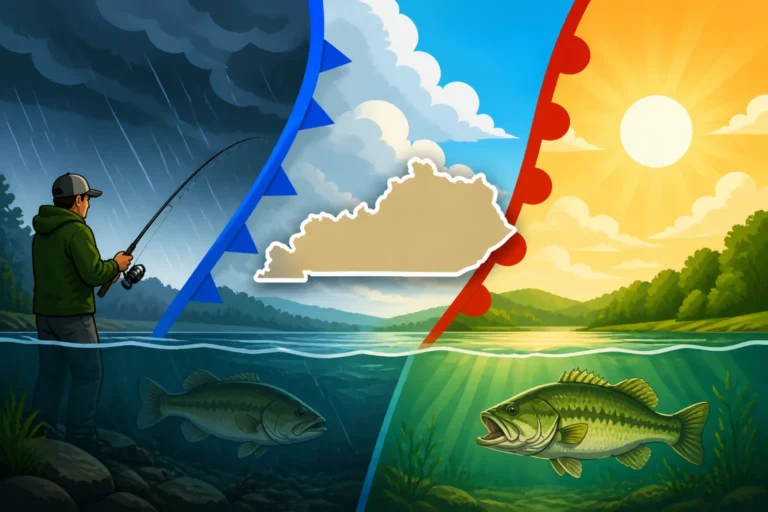
Early spring water temperatures in Kentucky can swing wildly, often oscillating from the low 40s to the mid-50s within a matter of days or even hours. Imagine a warm, sunny day pushing surface temps up, only for a cold front to roll through overnight, chilling the shallows once more. Different depths warm at different rates, too; shallow, dark-bottomed coves might heat up quickly in the sun, while deeper main lake basins remain stubbornly cold. These rapid changes mean that fish are constantly on the move, seeking out their ideal thermal comfort zone.
During this period, thermal stratification, where water layers separate by temperature, might not be fully established, or it could be very subtle. Strong winds can quickly mix surface layers, sometimes making shallow areas even colder than slightly deeper spots if a cold snap hits right after a brief warm spell. This constant flux requires anglers to be adaptable and observant, always paying attention to how recent weather patterns might have affected the water column. Kentucky Fishing Seasons: What to Catch Each Month highlights how these seasonal shifts influence fish behavior throughout the year.
Connecting these temperature fluctuations to fish behavior is paramount. Cooler water means sluggish fish that don't want to expend much energy chasing a meal. Their metabolism is slow, and they're conserving energy, often hugging the bottom or relating tightly to dense cover. Your strategy should, therefore, prioritize targeting areas that warm fastest, such as shallow, north-facing banks or those with dark, heat-absorbing bottoms. Understanding that even a degree or two can determine where fish hold is crucial, especially when considering What Water Temperature Triggers the Crappie Spawn in Kentucky.
Fish Behavior: From Winter Slumber to Pre-Spawn Hunger
Fish in early spring are in a significant transition, moving out of their deep winter patterns and beginning their pre-spawn staging. This phase is all about energy conservation, finding comfortable temperatures, and starting to feed more actively in preparation for the upcoming spawning season. Their movements are often tentative, dictated by the immediate conditions rather than a strong, sustained drive.
For popular species like largemouth, smallmouth, and spotted bass, they're starting to think about spawning, but they're rarely fully committed to shallow water just yet. You'll observe them making "scouting" runs into shallower flats, points, and coves when the sun is out and the water warms. However, they'll quickly retreat to deeper water or dense cover when temperatures drop, or a cloud passes over. This makes their location highly variable and often means they’re positioned on transition areas that offer quick access to both shallow feeding grounds and deep water sanctuary. How Early Does Bass Fishing Start in Kentucky directly addresses this seasonal movement.
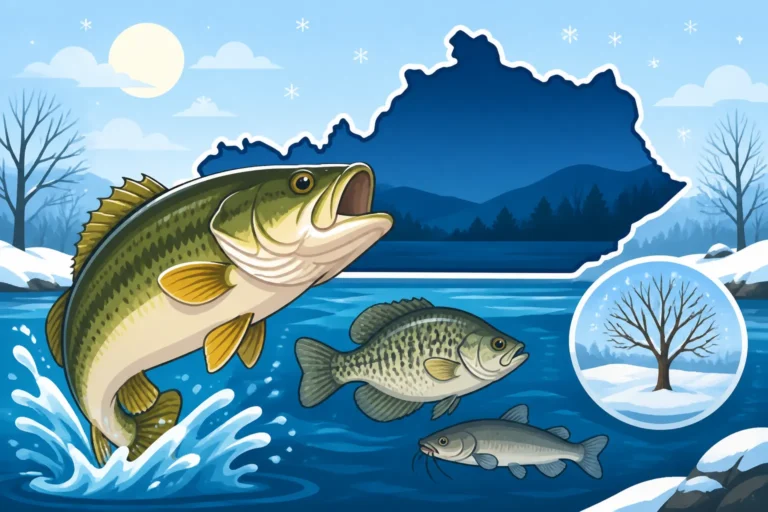
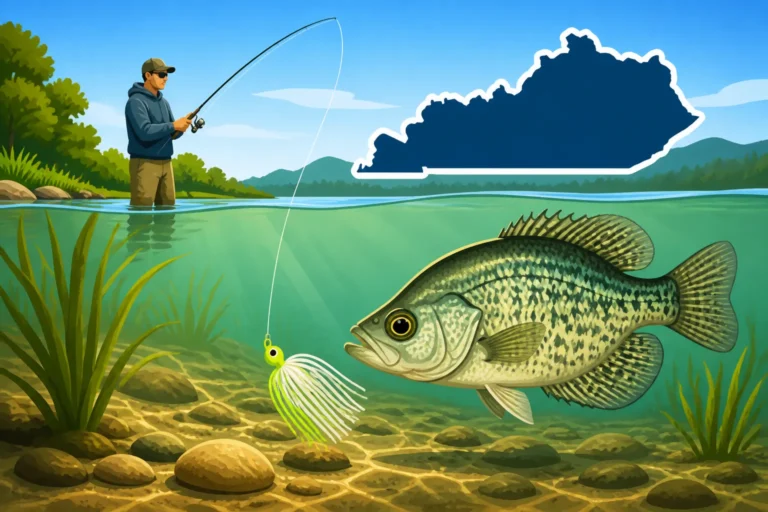
Crappie, too, begin to stage in creek channels and around submerged brush piles, eagerly waiting for that consistent warm-up that signals the full onset of their spawn. They tend to school up in these deeper staging areas, often suspended in groups, making them a challenge to locate precisely. Once found, they can be finicky biters, requiring a precise presentation. It's a game of patience and careful observation to entice these papermouths during this early spring period. The behavior discussed in When Does Crappie Move Shallow in Kentucky is often preceded by this deeper staging.
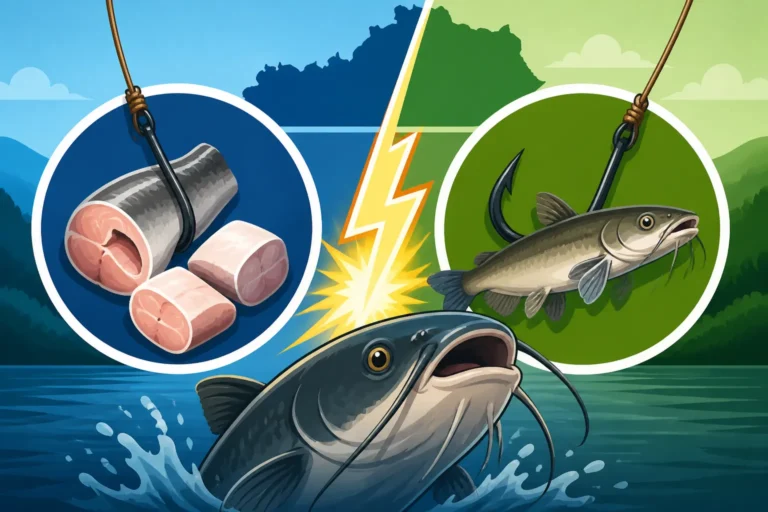
Even catfish, though generally more tolerant of cold water than bass or crappie, will be more active as water temperatures rise. They’ll start to move out of their deep winter holes, venturing into slightly shallower, warmer zones to forage. While they're not on a full-blown summer feeding frenzy yet, they're definitely starting to get hungry and will respond to a well-presented bait. Look for them in deeper holes adjacent to flats or along river channel bends, waiting for an easy meal to drift by.
Strategic Lure and Bait Choices for Fickle Bites
When the fish are lethargic, prone to quick retreats, and the bite is subtle, your bait and lure selection, along with how you present them, becomes absolutely paramount. Forget the fast-moving, reaction baits you might throw in summer; early spring demands a completely different approach that prioritizes subtlety, slower speeds, and making your offering irresistible with minimal effort from the fish.
The Art of Slow Presentation
This is emphatically not the time for power fishing. Early spring fishing success hinges on patience, meticulous attention to detail, and a willingness to work your baits agonizingly slow. If you think you're going slow enough, try slowing down even more. Fish in cold water aren't built for speed; they’re conserving energy, and a fast-moving lure is often simply ignored.
The primary reason why slow is key is simple: fish aren't willing to expend much energy chasing down a meal. Their metabolism is still sluggish, and they're often tucked tight to cover or hugging the bottom. A slow-moving lure or bait looks like an easy, irresistible meal that requires minimal effort to intercept. This principle applies universally, whether you're targeting bass with a jig, enticing crappie with a minnow, or tempting a catfish with cut bait.
There are several techniques that embody this slow approach:
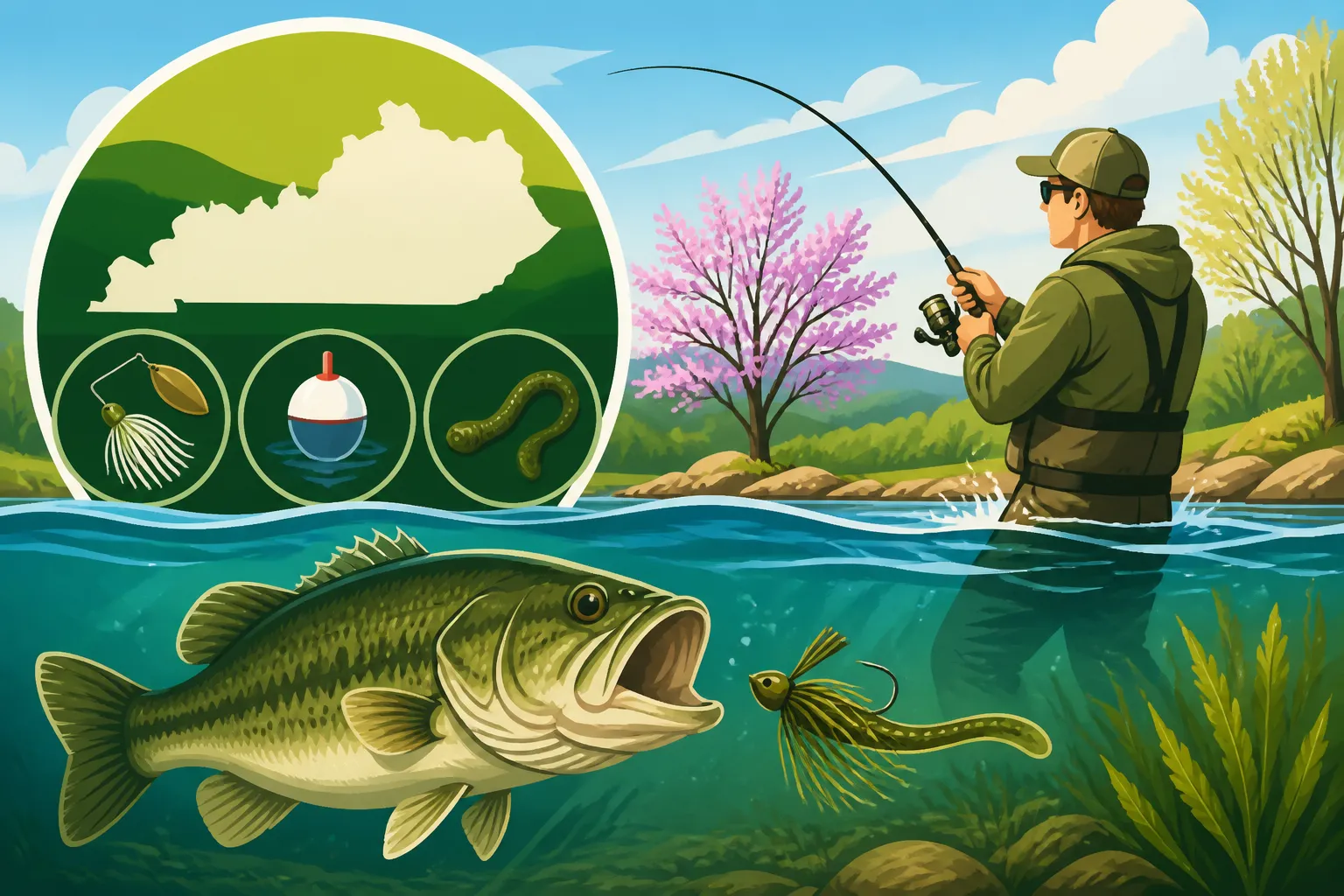
- Drag & Pause: For bottom-hugging bass, this involves using jigs or plastic worms. Cast out, let it sink, then slowly drag it a foot or two, pausing for several seconds. Let it sit, twitch it gently, then let it sit again. Many strikes occur on the pause as the fish decides to inhale the motionless offering.
- Dead Sticking: This technique is often deadly for suspended crappie or bass. It literally means allowing a jig, a minnow, or a suspending jerkbait to hang motionless in the water column at a precise depth. The subtle currents will give it just enough action to appear natural, and a curious fish might eventually commit.
- Slow Roll: If you're using spinnerbaits or certain crankbaits, a "slow roll" means barely turning the reel handle, just enough to keep the blade spinning or the lure wobbling. This presents the bait as an easy target that isn't trying to escape aggressively, often triggering a strike from a hesitant fish.
Emphasizing sensitivity in your gear during these slow presentations is absolutely critical. You'll often be feeling for the most subtle ticks, a spongy resistance, or just extra weight on your line, rather than the aggressive, rod-bending strikes you might get later in the year. A sensitive rod can transmit these subtle signals, helping you detect bites you might otherwise miss. Best Fishing Rods for Largemouth Bass and Best Rods and Reels for Kentucky Fishing provide great insights into choosing the right equipment for this task.
Proven Baits and Lures for Chilly Waters
When water temperatures are low and fish are less aggressive, certain baits and lures consistently perform well because they either mimic a dying, easy meal or provide just enough subtle action to entice a bite. Your tackle box should definitely have a selection of these for early spring.
For bass, jigs are perhaps the quintessential early spring bait. A dark-colored jig and trailer (like black and blue, or green pumpkin) fished slowly on the bottom is a classic choice. The compact profile and subtle action are perfect for sluggish fish. For crappie, small hair jigs or soft plastic jigs are deadly, especially when tipped with a small minnow. You can find a wide selection of jig weights and colors to match local forage patterns on platforms like Amazon.
Suspending jerkbaits are another fantastic option for bass. These lures dive to a certain depth and then literally suspend motionless in the water column when you pause your retrieve, perfectly imitating a dying or injured baitfish. The key to success here is a long, often agonizingly long, pause between jerks. This gives the fish ample time to approach and commit to the lure.
When it comes to live bait, minnows for crappie are often unbeatable in early spring, whether fished under a bobber over brush piles or tightlined in deeper channels. For catfish, nightcrawlers, chicken livers, or various cut baits can also be incredibly effective, especially when fished on the bottom in deeper holes where catfish are beginning to stir.
Finally, don't overlook blade baits and lipless crankbaits. While these can be retrieved slowly, they also offer significant vibration, which can be crucial for attracting fish in murkier water or when they're not actively feeding. A slow, lift-and-drop retrieve, bouncing off the bottom, can create enough commotion to trigger a reaction strike from cold-water fish. The key with all these choices is offering a compact, easy meal that doesn't require the fish to chase much. Don't be afraid to experiment with size and color, but typically, natural or dark colors work well in stained water, while more subtle options are better in clear conditions. For more ideas, check out Best Bass Lures for Spring Fishing.
Where to Find Them: Early Spring Hotspots and Structures
Fish aren't just everywhere in early spring; they're very specific about where they hold, constantly seeking comfort zones that offer both slightly warmer water and easy access to deeper sanctuary. Understanding these preferred locations is just as important as your chosen technique. Knowing where to cast your carefully selected bait is half the battle won.
Sun-Drenched Shallows and Dark Bottoms
These areas are unequivocally the first to warm up under the weak, but increasingly potent, spring sun, making them absolute magnets for early-season fish. Even a few degrees can concentrate fish into specific, productive zones.
Look for shallow, north-facing coves, especially those with dark, rocky, or muddy bottoms. These dark surfaces absorb sunlight far more efficiently than lighter bottoms, creating small "warm water pockets" that can be several degrees warmer than the surrounding water. Even a slight temperature increase is enough to draw in sluggish bass and crappie who are seeking comfort and a metabolic boost. These areas might also hold early concentrations of baitfish, further attracting predators.
Focus intently on shallow flats that are immediately adjacent to deeper water. Fish will make intermittent movements into these warmer, shallower areas to feed when conditions are right, such as during a prolonged sunny period. However, they will quickly retreat to the safety and thermal stability of deeper water when a cloud passes over, or a cold front moves in. This constant "push-pull" migration between shallow feeding grounds and deep sanctuary is a defining characteristic of early spring fishing, and understanding it will help you anticipate fish movements throughout the day.
Don't overlook riprap banks, particularly those that face the sun for most of the day. The rocks absorb and radiate heat, warming the adjacent water and often providing excellent cover in the form of crevices and ledges. These can be prime staging spots for both bass and crappie to gather or even feed on whatever forage lives within the rocky structure. For anglers without a boat, these types of spots are often accessible from shore. In fact, many excellent early spring opportunities can be found by consulting guides like Best Shore and Bank Fishing Spots in Kentucky.
Submerged Cover and Channel Edges
While seeking warmth, fish still instinctively need cover for ambush opportunities and protection from predators and harsh environmental conditions. These deeper forms of structure become critical waypoints in early spring.
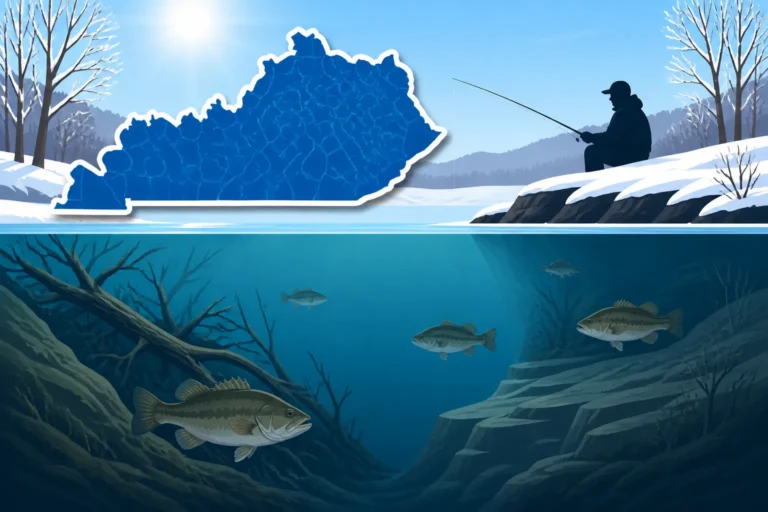
Brush piles, submerged stump fields, and fallen trees in slightly deeper water (think 8-15 feet, depending on the lake) are absolute goldmines during early spring. These structures offer fish a perfect place to hide, rest, and ambush unsuspecting prey without exposing themselves to strong currents or sudden temperature drops. When you locate these, work them thoroughly and patiently with your slow-moving baits, ensuring you hit every angle and depth zone. Sometimes the biggest fish will be tucked deep inside the thickest part of the cover.
Creek channels and river bends often serve as literal highways for fish moving between their deeper wintering holes and their shallower feeding grounds and eventual spawning areas. The edges of these channels, particularly where they meet a flat, a point, or a significant change in bottom contour, can hold significant numbers of fish. Use your boat's electronics to identify these subtle changes in depth and contour, and pay attention to any isolated cover near the channel breaks. If you don't have built-in electronics, consider portable fish finders available on Amazon.
For catfish, deep holes in river bends, scour points below dams, or any significant depression in the river bottom can hold active fish. They'll be looking for slower current and robust structure where they can hold without expending too much energy. These spots are often overlooked but can produce excellent early spring catfish catches, especially on larger river systems like the Ohio River. Kentucky Catfish Fishing: Ohio River and Kentucky Lake Guide offers detailed information on targeting catfish in these prime early season locations.
Gearing Up for Early Spring Success: More Than Just a Rod
Having the right equipment and being properly prepared for the elements can truly make or break your early spring fishing trip. It's not just about what lure you throw, but how you handle the often-chilly and unpredictable conditions. Being comfortable and having gear that enhances your ability to detect subtle bites will keep you focused and on the water longer.
Sensitive Rods and Reliable Reels
The often-subtle, lethargic bites of early spring fish demand responsive gear that can transmit even the faintest tap or change in line pressure. Your rod and reel are your primary connection to the fish, so sensitivity is paramount.
A medium-light to medium power spinning rod with a fast or extra-fast action is often the ideal choice for detecting those faint early spring bites. The lighter power allows for longer casts with lighter baits, which are common in this season, and the fast action ensures the tip is incredibly sensitive, able to telegraph even the slightest nudge. For bass anglers using heavier jigs or suspending jerkbaits, a sensitive baitcasting setup with a moderate-fast to fast action might be preferred, providing more backbone for bigger fish while maintaining sensitivity.
Match your rod with a quality spinning or baitcasting reel that boasts a smooth drag system. This is crucial because even a cold, sluggish fish can make a sudden, powerful run, and a sticky drag can lead to broken lines or lost fish. For line choice, fluorocarbon offers excellent sensitivity, minimal stretch, and low visibility, making it a top choice for finicky fish. Alternatively, braided line with a fluorocarbon leader combines the strength and casting distance of braid with the subtle presentation and sensitivity of fluorocarbon.
Always remember that in early spring, you're often feeling for the absence of something—like when a fish simply picks up a jig and the line just feels "heavy" or "mushy" instead of a sharp strike. Your rod and reel are your direct sensory link to what's happening underwater, so investing in quality components that enhance your feel will significantly improve your bite detection and overall success. For a broader look at equipping yourself, check out Best Rods and Reels for Kentucky Fishing.
Leveraging Electronics and Staying Comfortable
Modern marine technology can give you a significant edge in early spring, helping you pinpoint those key areas where fish are holding. Alongside technology, personal comfort ensures you can stay out long enough to take advantage of those brief windows of opportunity.
A good fish finder is an absolutely invaluable tool in early spring. It helps you locate those subtle depth changes, submerged brush piles, creek channels, and even schools of baitfish or crappie that might be suspended in the water column. Look for units with clear sonar imaging (down imaging and side imaging can be game-changers) and robust GPS capabilities to mark those productive spots for future reference. Many excellent models from various trusted brands are readily available on platforms like Amazon, offering features for every budget.
Equally important are accurate temperature gauges, whether they're integrated into your fish finder or a simple handheld device. Knowing the precise water temperature, especially in different areas of the lake or river, can help you understand fish activity levels and quickly identify the warmest water pockets that are likely holding active fish. This data-driven approach removes much of the guesswork from early season angling.
Finally, do not underestimate the importance of proper attire. Early spring weather in Kentucky can be notoriously unpredictable, swinging from mild, sunny days to bone-chilling, windy, and rainy conditions with little notice. Layering is absolutely key: start with moisture-wicking base layers, add insulating mid-layers, and top it off with a waterproof and windproof outer shell. A good insulated hat, neck gaiter, and waterproof gloves can make a huge difference in staying comfortable enough to focus on fishing, rather than shivering your way through the day. Remember, a valid Kentucky Fishing License Guide and understanding Kentucky Fishing Regulations Explained are also essential components of a successful and legal trip.
Summary of Early Spring Techniques by Species
To help you quickly adapt your approach, here's a quick overview of early spring techniques for popular Kentucky species:
| Species | Preferred Early Spring Location | Go-To Baits/Lures | Retrieval/Presentation | Key Tip |
|---|---|---|---|---|
| Largemouth Bass | Sun-warmed shallow flats, riprap, creek channel edges near cover | Jigs (dark colors), suspending jerkbaits, slow-rolled spinnerbaits | Slow drag/pause, long pauses, slow and steady retrieve | Focus on areas that absorb heat; patience is paramount. |
| Crappie | Submerged brush piles, creek channels, deeper side of flats | Small hair jigs, soft plastic jigs, live minnows | Dead sticking, slow retrieve, vertical jigging | Locate baitfish schools; fish suspended at precise depths. |
| Catfish | Deep holes in river bends, below dams, deep scour points | Cut bait, nightcrawlers, stink baits | Bottom fishing, tightlining, jug fishing (where permitted) | Look for slower currents adjacent to structure; bait close to bottom. |
| Sauger/Walleye | Tailwaters below dams, deeper river channels, main lake points | Blade baits, jigs with minnows, deep-diving crankbaits | Vertical jigging, slow retrieve, bouncing bottom | Often found in current; target transition areas between slow/fast water. |
Early spring fishing in Kentucky, while challenging due to its unpredictable nature, can be incredibly rewarding for those who are willing to adapt and be patient. By understanding the critical role of water temperature, adjusting your presentation to the fish's sluggish metabolism, focusing on key transitional structures, and ensuring you have the right gear and clothing, you'll significantly increase your chances of success. Embrace the slow approach, pay attention to the subtle details, and you'll find that Kentucky's waters offer some fantastic angling opportunities as they shake off winter's chill.
Disclaimer
This article is for general informational purposes only and does not constitute professional advice. Laws, prices and regulations vary by location and change over time. Consult a qualified professional for guidance on your specific situation.