When Do Kentucky Bass Move to Deeper Water in Summer
As the dog days of summer really start to bake, many Kentucky anglers find themselves scratching their heads, wondering where all the bass went. You spent all spring hammering them in the shallows, seeing them on beds, and feeling that satisfying tug, only for your favorite spots to become ghost towns come June and July. It’s a frustrating reality for many, but fear not! This comprehensive guide will pull back the curtain on when and why Kentucky bass make their big move to deeper water during the summer months, and more importantly, how you can adjust your strategy to keep those lines tight.
Understanding the Summer Transition for Kentucky Bass
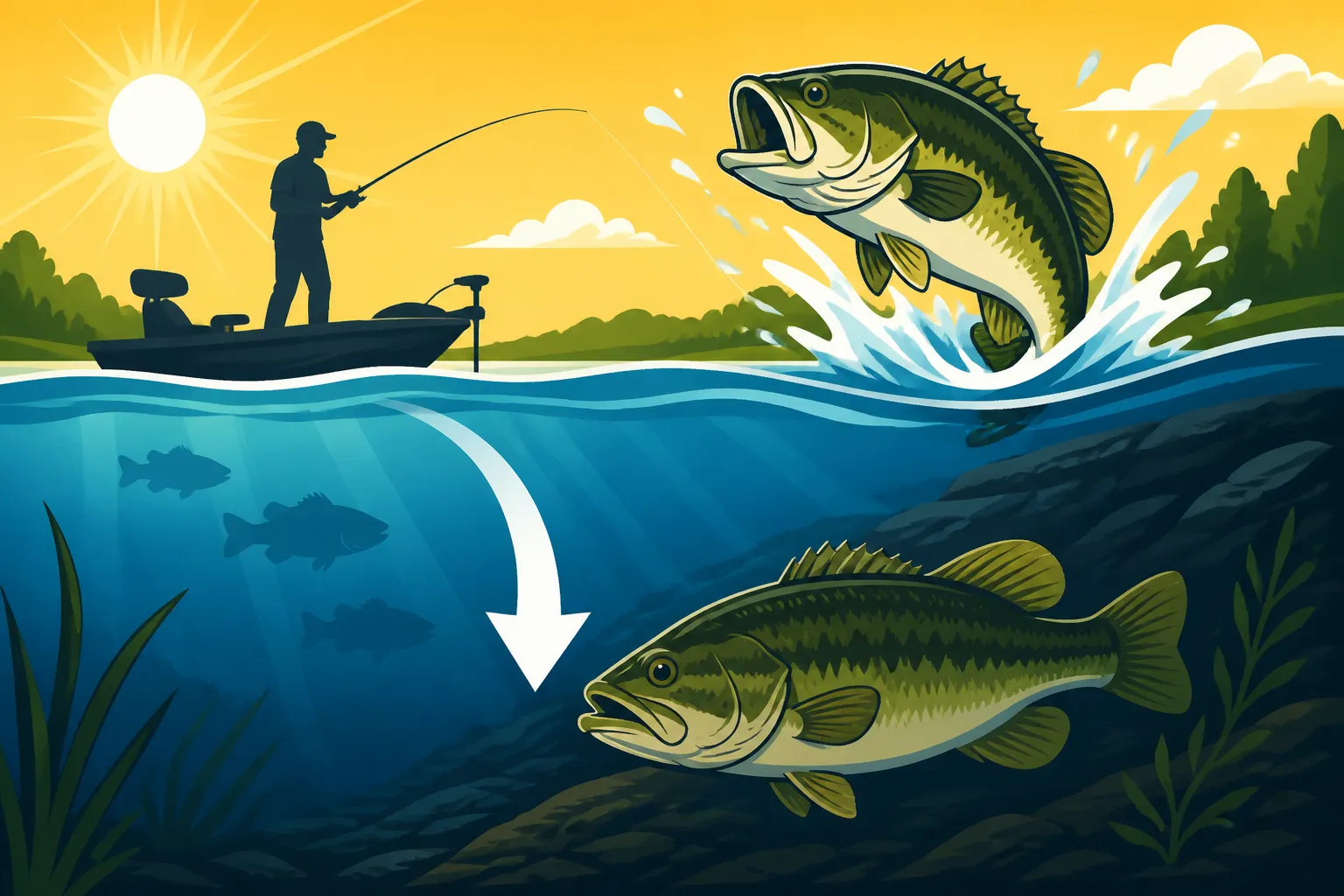
That sudden disappearance of bass from your go-to shallow haunts isn't because they've packed up and left the lake. It's simply a seasonal shift driven by their biological needs and comfort. Just like us, bass don't want to be uncomfortably hot or struggling to breathe. They seek refuge where conditions are more favorable, and that often means heading for the cooler, more stable depths.
Why Bass Seek Deeper Water
Imagine standing outside on a scorching August afternoon in Kentucky – you’d probably seek out the shade, maybe jump in a pool, right? Bass operate on a similar principle. They are cold-blooded creatures, which means their body temperature is the same as the water they're swimming in. When the surface water in large impoundments like Lake Barkley or Kentucky Lake starts to consistently hit the upper 80s or even 90s, it becomes physiologically stressful for them.
This leads them to seek out the thermocline – a distinct layer in the water column where the temperature changes rapidly with depth. Above the thermocline, the water is warm and well-oxygenated. Below it, the water is much colder, but often has lower oxygen levels. Bass will typically hold in or just above the thermocline, finding that perfect sweet spot where the water is cool enough to be comfortable, but still has sufficient dissolved oxygen to thrive. This comfort zone can vary from lake to lake, but it's often a critical depth range you need to locate with your electronics.
Another huge factor is the availability of oxygen. While cooler water generally holds more dissolved oxygen, excessively warm surface water can actually deplete oxygen in very shallow, stagnant areas. Deeper water, especially areas with subtle currents, springs, or consistent fresh inflow, can offer more stable and favorable oxygen levels. Bass are smart; they'll follow these oxygen highways, and knowing this can help you pinpoint areas they might congregate even if the temperature isn't the only driving factor.
Finally, you have to consider the buffet line. Bass are opportunistic predators, and they'll always follow the food. When the surface water heats up, many baitfish, such as shad and minnows, also descend to deeper, cooler water. This creates a chain reaction: baitfish move deep, and the bass, being top-tier predators, will naturally follow their primary food source. So, if you can locate schools of baitfish suspended or holding on deep structure, there’s a very good chance bass are not far behind, ready to ambush their next meal.
Key Environmental Triggers
Several environmental cues signal to the bass that it's time to pack their bags for deeper dwelling. Understanding these triggers can help you predict their movements and stay ahead of the curve.
The most critical trigger is, without a doubt, water temperature. As spring transitions into summer, the sun's intensity increases, and the days get longer. This causes a gradual but persistent rise in water temperatures, particularly in the upper layers of the water column. When surface temperatures consistently climb into the mid-70s and especially as they push into the 80s, bass begin to feel the heat. This typically occurs from late May through early June in most Kentucky reservoirs. Monitoring a reliable water temperature gauge on your boat or kayak can be one of your most valuable tools for tracking this shift.
Intense sunlight is another major driver. While bass will bask in the sun during cooler months, prolonged exposure to bright, high summer sun in shallow, clear water can be unbearable. Deeper water provides a natural shield from this intense light, offering refuge and better ambush opportunities. Think about it: a bass ambushing bait from the shadowy depths has a significant advantage over one exposed in bright, shallow water. This is why you often find bass tucked tight to deep cover or on the shadowy sides of submerged structures during the brightest parts of a summer day.
Beyond temperature and light, the subtle dance of dissolved oxygen levels plays a crucial role. As water heats up, its capacity to hold oxygen decreases. While many deep lakes stratify with a lower oxygen layer, there are still pockets and depths within the water column that offer optimal conditions. These can be around submerged springs, creek channels with slight flow, or even certain types of bottom structure that promote better oxygen exchange. It's a complex interplay, but essentially, bass are looking for that Goldilocks zone: not too hot, not too cold, and enough oxygen to be comfortable and active.
Finally, the availability of their primary forage is paramount. If you see massive schools of shad on your fish finder suspended at 20 feet, it's a strong indicator that the bass won't be far away. These baitfish also react to temperature and oxygen, seeking their own comfortable zones. So, if the bait has moved deep, the bass are almost guaranteed to follow suit, turning those deep offshore humps and ledges into prime feeding grounds.
The Timing of the Deepwater Move
Pinpointing the exact day bass decide to go deep is like trying to nail jello to a wall – it's just not going to happen! However, we can talk about general timelines and what influences them across the great fishing waters of Kentucky.
Seasonal Shift from Spring to Summer
Spring bass fishing in Kentucky, especially during the April-May peak, is often characterized by shallow water action. Post-spawn bass are recovering, feeding aggressively in areas like spawning flats, shallow points, and flooded cover. They're accessible and predictable, leading to some fantastic days on the water. However, as the calendar flips from May to June, you'll start to notice a significant change. This period is the crucial transition phase.
In early summer, usually around the first few weeks of June, bass in many Kentucky lakes begin their initial descent. They might not go straight to the absolute deepest parts of the lake. Instead, they often stage in intermediate depths – think 10 to 20 feet – near creek channel swings, secondary points, or submerged humps adjacent to deeper water. They're still somewhat active, but moving off the very shallow banks they frequented in spring. This is a great time to hit those "in-between" zones with crankbaits or Carolina rigs as bass consolidate before their deeper migration.
By mid to late summer, typically spanning July and August, the deepwater pattern is firmly established. The hottest months see bass holding in truly deep water, often 20 to 40 feet or even deeper, depending on the lake's characteristics and the location of the thermocline. They become much more structure-oriented, relating tightly to channel ledges, submerged timber, or deep rock piles. During these peak summer months, bass will only make brief, opportunistic forays into shallower water, usually under the cover of darkness or during extremely low-light conditions like dawn or dusk. Understanding Why Dawn Is the Best Time to Fish for Bass can still apply here, as they may rise in the water column for a morning feed before retreating.
The speed and intensity of this shift are highly dependent on the weather. A sudden, prolonged heatwave in late spring can accelerate the deepwater migration, pushing bass down faster. Conversely, a cooler, wetter spring and early summer might delay the full transition, keeping some bass shallower for longer. It’s never a hard-and-fast date on the calendar, but rather a dynamic process influenced by sustained environmental conditions. Always check local fishing reports and water temperature readings for the most accurate picture.
Regional Variations Across Kentucky Lakes
Kentucky boasts a fantastic array of fishing destinations, and each one, with its unique characteristics, can influence when and how bass move to deeper water. What applies to one lake might not perfectly translate to another, making local knowledge incredibly valuable.
For instance, very deep, clear lakes like Lake Cumberland are often among the first to see bass go truly deep. The clear water allows sunlight to penetrate deeper, warming the water column more efficiently, and the sheer depth offers ample cool, oxygenated refuge earlier in the season. Anglers targeting bass on Lake Cumberland will need to be prepared for deep water techniques sooner than on some other bodies of water. Conversely, a shallower, more stained lake, like certain sections of Kentucky Lake or Lake Barkley, might see bass utilize different depths and structures. Stained water limits light penetration, meaning shallow water doesn't heat up as quickly, and bass might be comfortable in relatively shallower deep water (e.g., 15-20 feet) compared to a clear lake where they're 30-40 feet down. Exploring a Kentucky Lake: The State's Top Bass Fishing Destination or a Lake Barkley Fishing Guide for Kentucky Anglers will often reveal these nuances.
River systems, such as the Ohio River, present an entirely different dynamic. While temperature still plays a role, current becomes a massive factor. Bass in the Ohio River might not seek absolute depth so much as they seek current breaks – deeper holes, eddies behind wing dams, or submerged structures that offer a reprieve from the flow. Their deepwater patterns are often tied more to these current-related features than purely thermal stratification.
Even within large reservoirs, different sections can have varying characteristics. The upper, riverine arm of a lake might be shallower and more stained, while the lower, dammed end could be deeper and clearer. This means bass in the same lake might establish their deepwater patterns at slightly different times or depths depending on their location. Before you hit the water, it's always a smart move to understand the specific body of water you're fishing. Even if you're a seasoned angler, remember that Kentucky Fishing Rules by Lake and Water can vary, so always do your homework!
Locating Deepwater Bass in Kentucky
Finding bass once they've retreated to the depths can feel like searching for a needle in a haystack if you're not equipped with the right knowledge and gear. However, these fish aren't just swimming aimlessly; they relate to specific structures that offer comfort, cover, and feeding opportunities.
Prime Structures and Cover
When bass go deep, they don't just suspend randomly in the middle of the lake. They gravitate towards areas that provide them with structure, cover, and an advantage for ambushing prey. One of the most common and productive deepwater bass locations in Kentucky are channel ledges and drop-offs. These underwater highways are essentially abrupt changes in depth, often associated with old river or creek channels that were submerged when the lake was impounded. Bass will patrol these ledges, using the deeper water for refuge and the shallower side for feeding. Look for irregularities along these ledges: points, bends in the channel, or areas where smaller ditches meet the main channel.
Humps and offshore points are also absolute magnets for deepwater bass. A hump is an underwater island or elevated section that rises from the lake bottom, often surrounded by deeper water. Offshore points are essentially extensions of land points that continue underwater, eventually dropping into the main channel. Both serve as gathering spots for baitfish and, consequently, for the bass that prey on them. Imagine schools of shad milling around the top of a hump, and bass lurking just off the sides, waiting to strike. These areas are fantastic for finding schooling bass during the summer months.
Submerged timber and brush piles are invaluable pieces of deepwater cover. Whether naturally occurring flooded trees or intentionally placed artificial brush piles, these structures offer incredible ambush points and shelter for bass. They provide shade, vertical complexity, and a sense of security. Many Kentucky lakes, like Herrington Lake, have abundant standing timber or brush piles strategically placed by anglers and wildlife agencies. Learning to effectively fish these can dramatically increase your deepwater success.
Finally, rock piles and rocky ledges are crucial, especially in clearer lakes or those with rocky bottoms. Rocks absorb and hold cooler temperatures, attracting crayfish and small baitfish, which are key forage for bass. These areas can also provide intricate nooks and crannies for bass to hide. On a lake known for its rocky terrain, like Lake Cumberland, finding these deeper rock structures can be a game-changer. These features not only hold bait but also offer bass a perfect place to wait for an unsuspecting meal to swim by.
Essential Gear and Techniques for Deepwater Bass
Successfully targeting deepwater bass in Kentucky requires a shift in your tackle and approach. You simply can't rely on your shallow-water finesse gear to reach fish holding 25-40 feet down.
First and foremost, electronics are non-negotiable for deepwater bass fishing. A quality fish finder with high-definition side imaging and down imaging is your ultimate weapon for locating submerged structures like ledges, humps, and brush piles, as well as identifying fish arches or bait balls. Brands like Lowrance, Humminbird, and Garmin offer incredible technology that can literally show you individual fish holding on a brush pile. Learning How to Read a Fish Finder for Bass Fishing effectively will be the biggest leap in your summer fishing success. You can find a huge selection of these indispensable units on Amazon, often with detailed user reviews.
When it comes to your rod and reel setup, heavy rods and strong lines are essential. For deep cranking, you'll want a longer (7'6" to 8'), moderate-heavy action cranking rod that can launch heavy baits and absorb the shock of a strike. For jigging or working soft plastics, a sensitive but powerful casting rod (7' to 7'6", medium-heavy to heavy action) is crucial for feeling subtle bites and driving a hook home in deep water. Pair these with baitcasting reels spooled with strong fluorocarbon (12-20 lb test) for sensitivity and abrasion resistance, or braided line (30-50 lb test) with a fluorocarbon leader for maximum feel and hook-setting power. You might want to review some of the Best Rods and Reels for Kentucky Fishing to ensure you're geared up correctly.
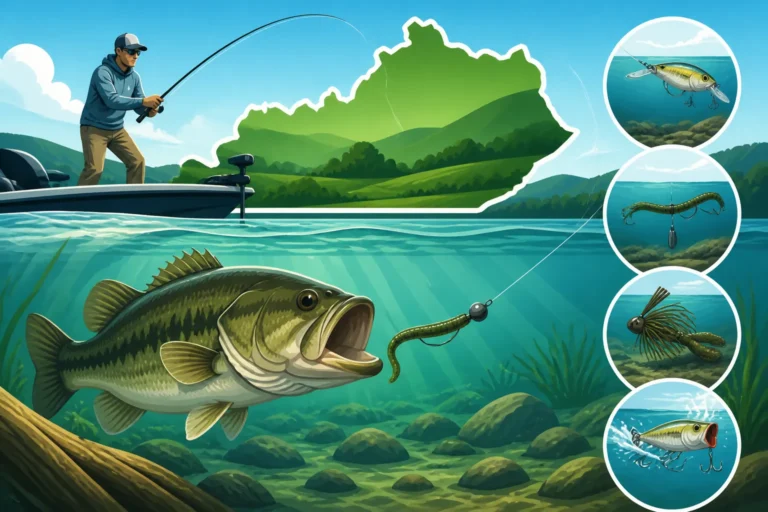
As for techniques, deep cranking and jigging are your bread and butter. Deep-diving crankbaits from companies like Strike King (e.g., 6XD, 8XD) or Berkley (e.g., Dredger series) are designed to reach those profound depths, allowing you to cover water and trigger aggressive reaction strikes as they deflect off cover. For more precise presentations, football jigs (often 3/4 oz to 1 oz) excel at crawling along the bottom of ledges and humps, mimicking crayfish. Drop shots and Carolina rigs, rigged with finesse worms or lizards, are also highly effective for targeting specific fish you see on your electronics or for working sparse cover.
Finally, precise boat positioning and trolling motor control are paramount. Being able to hold your boat directly over a deep brush pile or precisely parallel to a channel ledge is what separates successful deepwater anglers from those just casting randomly. A reliable GPS-enabled trolling motor with "Spot-Lock" or "Anchor Mode" can be a game-changer, allowing you to stay on a productive spot even in wind or current. This level of control allows for repeated, accurate casts to the strike zone, maximizing your chances of hooking up with those elusive deepwater bass.
Adapting Your Approach for Summer Bass Fishing Success
Once you've located those deepwater haunts, the next challenge is to present your lures effectively and trigger a strike. Summer bass can be finicky, but with the right timing and lure selection, you can unlock some incredible action.
Best Times of Day for Deepwater Bass
Even though bass are holding deep during the summer, they still adhere to feeding windows, and understanding these can dramatically increase your catch rate. The early morning and late evening hours are often the most productive. While bass may be deep, they're typically more active and willing to chase bait during low-light conditions. As the sun rises and sets, the light penetration changes, often encouraging baitfish to move higher in the water column, and bass will follow for an easier meal. This is when deep-diving crankbaits or even vertical jigging can be particularly effective as bass are on the prowl. Many anglers find the hour surrounding sunrise and sunset to be prime time for a flurry of activity.
During the mid-day period, when the sun is highest and brightest, bass usually retreat to the deepest, shadiest, and most structurally complex areas. They're often hunkered down, conserving energy, and less likely to chase a fast-moving lure. This is when a more subtle, vertical presentation shines. Think slow-dragging a heavy football jig, meticulously working a Carolina rig, or precisely drop-shotting a finesse worm directly on top of a fish you see on your electronics. Patience is key during these hours, as bites can be very subtle.
Don't discount night fishing for summer bass. While often associated with catfish, bass will take advantage of the complete darkness to move much shallower than they would during the day, feeding actively on topwater baits or shallow-running crankbaits near deepwater access. If you've had a tough day in the scorching sun, switching to a night fishing approach can provide a surprisingly active bite. Just be sure to have all your safety gear and lighting in order!
Finally, overcast days can offer a welcome reprieve from the typical summer deepwater grind. On days with heavy cloud cover or light rain, the reduced light penetration can keep bass more active throughout the day, even in shallower depths (though still likely deeper than their spring locations). These are fantastic opportunities to fish your deepwater spots with a bit more aggression, as bass might be more willing to chase. Always pay attention to the forecast, as these rare days can lead to some unforgettable summer fishing memories.
Lure Selection for Deeper Presentation
Choosing the right lure for deepwater bass is all about getting your bait into the strike zone effectively and mimicking the forage bass are eating. You can't just throw any old bait and expect results.
Deep-diving crankbaits are indispensable tools for covering water quickly and drawing reaction strikes from aggressive bass. Look for models designed to reach depths of 15-25 feet or even deeper, depending on the lake and specific spot. Lures like the Rapala DT series, Bomber Deep Long A, or the afore-mentioned Strike King 6XD and 8XD are classics for a reason. Colors should generally imitate natural baitfish like shad or bluegill, but don't be afraid to experiment with brighter, more aggressive colors if the water is stained or the bite is tough. The vibration and deflection of these baits off deep structure can be irresistible to bass.
For a more precise approach, jigs and soft plastics are your best friends. Heavy football jigs, typically ranging from 3/4 ounce to 1.5 ounces, are excellent for dragging along ledges, humps, and through submerged timber. The heavy head helps maintain bottom contact, and the football shape makes them less prone to snagging. Pair them with a bulky creature bait or chunk-style trailer. Carolina rigs, featuring a heavy sinker, bead, and swivel separated from a weedless soft plastic (like a lizard, worm, or fluke) by a leader, are also fantastic for probing deep, expansive areas. And of course, the drop shot rig with a small finesse worm or minnow imitation is deadly for targeting individual fish you see on your graph or for picking apart sparse deep cover.
Don't overlook spoons and swimbaits for deepwater success. Heavy jigging spoons, like a silver or gold flutter spoon, can imitate a dying baitfish, triggering violent reaction strikes, especially when vertically dropped into schools of suspended bass or bait. Larger paddle-tail swimbaits, rigged on heavy jig heads, can also be highly effective for tempting bigger bass holding on offshore structures. These baits offer a different profile and action that can sometimes be the key when bass are ignoring other presentations.
Finally, consider the importance of scent and color in deeper, darker water. While bass rely heavily on their lateral line to detect vibrations, adding a powerful scent to your soft plastics can provide an extra attractant, enticing bass that might not initially see your lure. Many popular soft plastic brands incorporate scent directly into the bait. As for color, natural tones are usually best, but don't be afraid to try purples, blues, or even black and blue in stained water or on very dark, overcast days, as these colors can stand out better in low light. The right combination of technique, lure, and subtle details will help you unlock those summer deepwater bass in Kentucky.
| Location Type | Typical Depth Range (feet) | Best Techniques | Key Lure Types | Notes |
|---|---|---|---|---|
| Channel Ledges / Drop-offs | 15 – 40+ | Deep Cranking, Carolina Rig, Football Jig | Deep-diving crankbaits, Heavy football jigs, Lizards, Worms | Focus on irregularities, points, and bends |
| Humps / Offshore Points | 10 – 30 | Deep Cranking, Drop Shot, Swimbait | Deep-diving crankbaits, Finesse worms, Paddle-tail swimbaits, Spoons | Excellent for schooling bass and baitfish |
| Submerged Timber / Brush Piles | 15 – 40 | Vertical Jigging, Drop Shot, Texas Rig | Football jigs, Creature baits, Finesse worms | Vertical presentation is crucial to avoid snags |
| Rock Piles / Rocky Ledges | 15 – 35 | Football Jig, Deep Cranking, Jigging Spoon | Football jigs, Deep-diving crankbaits, Jigging spoons | Attracts crayfish and provides thermal stability |
Disclaimer
Fishing involves inherent risks. Always prioritize safety, wear appropriate personal flotation devices, and be aware of weather conditions. Familiarize yourself with all local and state regulations, including Statewide Bag and Size Limits by Fish Species and license requirements, before heading out. This guide is for informational purposes only and does not constitute professional advice.