Best Lures for Kentucky’s April-May Bass Peak
The arrival of spring in Kentucky brings with it an undeniable excitement for anglers, but trying to pinpoint the absolute best lures to maximize your bass catch during the busy April and May peak can feel like navigating a maze. With fluctuating water temperatures and bass in various stages of their pre-spawn, spawn, and post-spawn rituals, knowing exactly what to tie on is a common frustration. This comprehensive guide is here to unravel that mystery, breaking down the top lure choices and techniques to help you consistently land more bass during Kentucky's most anticipated fishing months.
Understanding the April-May Bass Peak in Kentucky
April and May are truly magical months for bass fishing across Kentucky. The longer daylight hours and steadily warming waters trigger a flurry of activity as largemouth, smallmouth, and spotted bass move from their deeper winter haunts into shallower areas to feed and reproduce. It's a period of transition and high energy, making it one of the most productive times to be on the water.
The Dynamics of Spring Bass Behavior
During April, especially in early spring, you'll find bass in what's known as the pre-spawn phase. They're actively feeding, bulking up on forage in preparation for the strenuous spawning process. This means they're often aggressive and can be found staging on points, humps, and secondary breaks leading into spawning coves. As water temperatures climb into the 60s, the full-blown spawn kicks off, typically in late April through mid-May, depending on the specific lake and weather patterns. Bass will move onto beds in shallower, protected areas. Following the spawn, usually by late May, bass enter the post-spawn phase. They're recovering and often suspend near deeper water close to spawning flats or move out to primary lake points. This dynamic movement means you need a versatile tackle box. For a deeper dive into this timing, check out our guide on Kentucky Bass Fishing: The April-May Peak Season.
Key Factors Influencing Lure Selection
The most crucial factors in choosing your lures during this peak season are water temperature, water clarity, and cover. In cooler water, bass can be a bit more sluggish, favoring slower presentations and reaction baits that don't require them to chase far. As the water warms, their metabolism increases, making them more willing to chase faster-moving baits. Water clarity also plays a huge role; in clear water, natural colors and more subtle presentations often shine, while in stained or muddy water, brighter colors and baits with more vibration or displacement are more effective. Finally, understanding where the bass are relating to cover – be it laydowns, grass beds, docks, or rocky banks – will dictate not only the type of lure but also how you fish it. Knowing What Water Temperature Triggers the Crappie Spawn in Kentucky can also give you clues about how warm the water is getting for bass activity, as their spawns often overlap.
Topwater Lures for Spring Bass in Kentucky
When the water gets warm enough, usually in mid to late May, and especially during periods of low light like dawn and dusk, nothing beats the thrill of a topwater strike. Bass exploding on the surface is an experience every angler chases, and spring often provides some fantastic opportunities for it.
Poppers and Walkers: Surface Commotion
Poppers and walking baits are absolute staples for topwater action. A popper, like a Rebel Pop-R or a Heddon Zara Pooch, creates a distinct "bloop" or "pop" sound as you twitch it, mimicking a struggling baitfish or insect on the surface. They're excellent for targeting bass around shallow cover such as submerged timber, lily pads, or dock pilings, especially in calm water. The key is to vary your retrieve, sometimes letting it sit for several seconds before a gentle twitch, other times working it more aggressively.
Walking baits, such as the Heddon Zara Spook, are designed to "walk the dog" – a side-to-side gliding motion that imitates a fleeing baitfish. This retrieve requires a bit of practice but is incredibly effective. They cover more water than poppers and are fantastic for open water flats, long points, or just outside of sparse cover. The erratic action often triggers violent strikes from aggressive post-spawn bass. You might find a great selection of these on platforms like Amazon if your local tackle shop doesn't have the specific colors or sizes you're looking for.
Prop Baits and Frogs: Enticing Strikes from Cover
Prop baits, like the Berkley Choppo or a Zoom Horny Toad, feature small propellers that churn water as you retrieve them, creating a commotion that can draw bass from surprising distances. These are particularly effective around sparse vegetation or over submerged timber where bass might be suspended just below the surface. They can be worked steadily or with intermittent pauses, allowing the props to flutter and entice a strike.
Soft plastic frogs, such as the SPRO Bronzeye Frog, are quintessential for fishing heavy cover like dense lily pad fields, matted grass, or thick slop. Their weedless design allows them to glide effortlessly over the nastiest cover where other lures would snag instantly. The hollow body creates a realistic profile and compresses when a bass bites, improving hook-up ratios. Work them with short twitches and pauses, making them hop and splash across the surface, mimicking a frog or mouse. The wait-and-see after a blow-up is one of the most heart-stopping moments in fishing.
Subsurface Lures for Active Bass
While topwater action is exhilarating, most of your bass will likely come from just beneath the surface or deeper during the April-May peak. These lures are designed to provoke reaction strikes and mimic active forage.
Spinnerbaits and Chatterbaits: Vibration and Flash
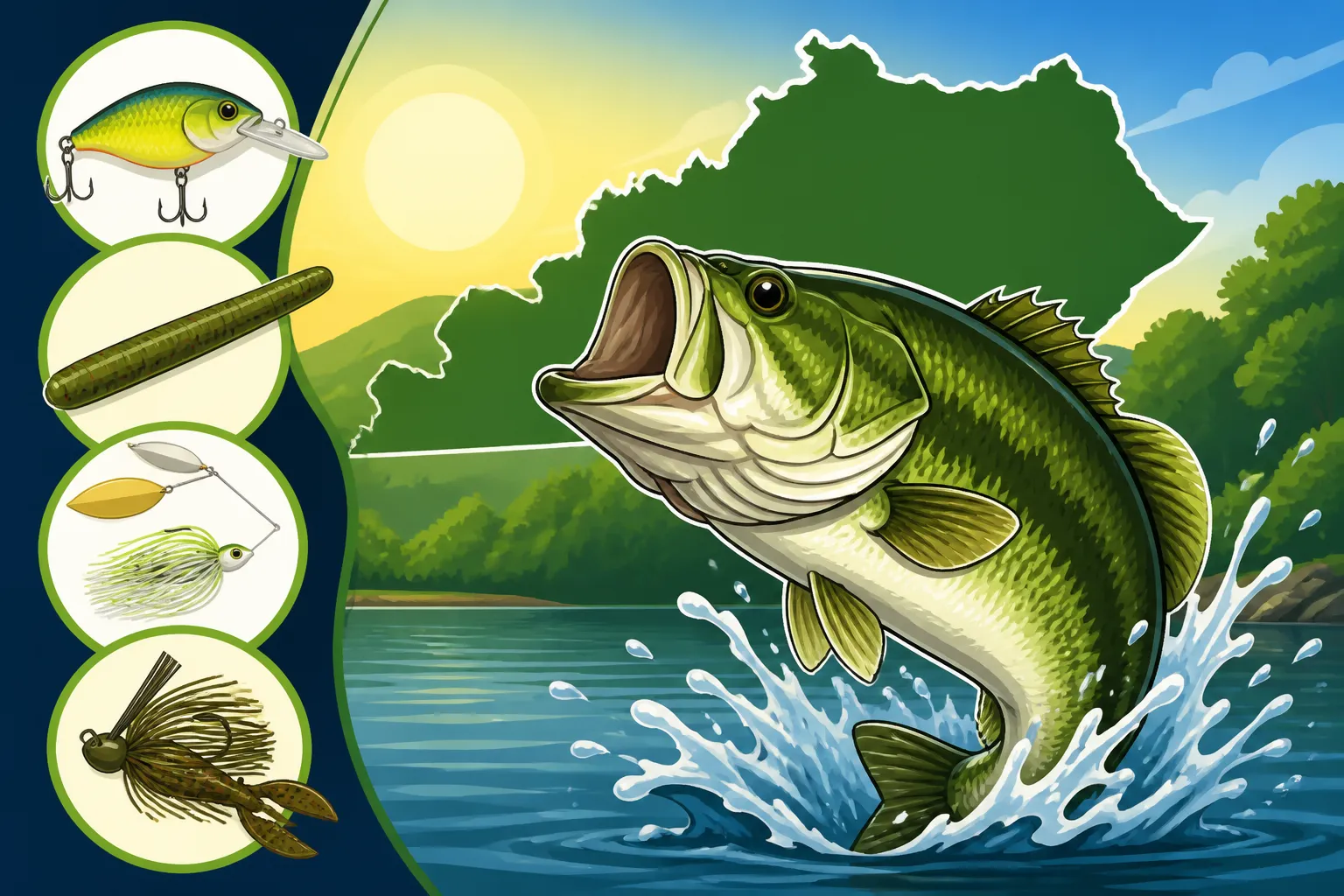
Spinnerbaits are spring classics for a reason. Their flashing blades and pulsating skirt create irresistible vibration and visual appeal, making them deadly in a wide range of conditions, especially in stained or slightly murky water. Single or double Colorado blades are great for slower retrieves and more thumping vibration in cooler or darker water, while willow leaf blades offer more flash and a faster retrieve, ideal for active bass in clearer water. Cast them around shallow cover, across points, or along grass lines. A fast, steady retrieve or a stop-and-go presentation can both be highly effective. They're also excellent for fishing after a cold front when bass might be more hesitant to chase. For more tips on this, read How to Fish a Spinnerbait for Bass.
Chatterbaits, or bladed jigs like the Z-Man Chatterbait, have surged in popularity, and for good reason. The unique hexagonal blade vibrates violently, creating a strong thumping action and an erratic side-to-side dart that drives bass crazy. They combine the flash of a spinnerbait with the erratic action of a crankbait and the subtle presentation of a jig. Work them with a steady retrieve, letting the blade do the work, or use short rips to trigger aggressive bites. They excel around grass, wood, and riprap, and are particularly effective in slightly off-color water. You'll find a wide variety of colors and weights on Amazon to match the conditions of your favorite Kentucky lake.
Crankbaits and Jerkbaits: Diving and Darting Action
Crankbaits are fantastic for covering water and probing different depths. During spring, squarebill crankbaits that dive shallow (1-5 feet) are perfect for bouncing off wood, rocks, and other cover in shallow spawning areas. Their erratic deflections often trigger reaction strikes from bass guarding beds or staging nearby. Medium-diving crankbaits (6-12 feet) are excellent for targeting bass on points, humps, and channel swings. Choose colors that mimic local baitfish or crawfish. Remember, the tighter the wobble, the better in colder water; a wider wobble is generally more effective in warmer water. Our guide on How to Fish a Crankbait Around Cover offers more detailed strategies.
Jerkbaits, like the Lucky Craft Pointer or the Megabass Vision Oneten, are cold-water assassins that remain incredibly effective through the spring transition. These lures are designed to be fished with a "rip, rip, pause" retrieve, darting erratically underwater and then suspending perfectly still, mimicking a dying baitfish. The pause is critical, as bass often strike during this moment of vulnerability. They are exceptionally effective in clear water around rocky points, ledges, and open water where bass are suspending. Their ability to trigger strikes from lethargic or pressured bass makes them a must-have in your tackle box for those early spring days or cooler snaps.
Soft Plastics for Finesse and Cover
Soft plastics offer unparalleled versatility, allowing you to mimic various forage types and adapt to different fishing scenarios, from subtle finesse presentations to punching through heavy cover.
Texas Rigs and Carolina Rigs: Versatile Bottom Baits
The Texas rig is arguably the most fundamental and effective soft plastic rig for bass fishing, especially when targeting bass in and around cover. It's incredibly weedless, making it perfect for fishing laydowns, brush piles, grass, and docks. You can rig various plastics on a Texas rig, including worms, creature baits, and craws. The key is to match your weight to the cover density and depth. A slow, subtle drag or hop along the bottom often entices bites from finicky pre-spawn and bedding bass. To master this technique, check out How to Rig a Texas Rig for Bass Fishing.
The Carolina rig is another fantastic bottom-bouncing presentation, particularly effective for covering expansive flats, points, and humps in deeper water. It consists of a main line, a weight (often an egg sinker), a bead, a swivel, and a leader (typically 18-36 inches long) to which your hook and soft plastic are tied. The weight drags along the bottom, while the unweighted plastic bait floats and undulates enticingly just above the bottom, often mimicking a baitfish or crawfish trying to escape. This setup is excellent for locating scattered bass and can be fished with a slow drag or sweeping retrieve.
Jigs and Creature Baits: Heavy Cover and Bed Fishing
Jigs, especially flipping and pitching jigs, are king for targeting bass in heavy cover. Paired with a creature bait or craw trailer, they imitate crawfish or small baitfish seeking refuge in dense brush, laydowns, or beneath docks. The compact profile and heavy weight allow you to penetrate thick cover where other baits can't reach. The presentation is usually vertical, dropping the jig into small pockets or along the edges of cover. Bass often inhale jigs on the fall, so pay close attention to your line for subtle bites. This is a potent technique for both pre-spawn bass staging on cover and post-spawn bass retreating to it. If you're looking to punch through mats, a heavier jig and a compact creature bait are ideal. For a more detailed look at this, read How to Flip and Pitch for Bass in Heavy Cover.
Wacky rigs and Neko rigs, typically using stick worms like the Yamamoto Senko or a Z-Man ZinkerZ, are finesse powerhouses. The wacky rig involves hooking a stick worm directly through the middle, allowing both ends to shimmy and flutter enticingly on the fall. It's deadly for pressured bass or when a more natural, subtle presentation is needed. Neko rigs are similar but involve inserting a nail weight into one end of the worm, causing it to fall nose-first while the tail slowly undulates. Both rigs are fantastic for targeting bass on beds, around docks, or in sparse cover where a more delicate approach is required.
Reaction Baits for Aggressive Bites
Sometimes, bass just need to be provoked. Reaction baits are designed to elicit an aggressive strike, often out of instinct rather than hunger, by moving quickly or erratically.
Swimbaits: Mimicking Forage with Realism
Soft plastic swimbaits, both paddle tail and boot tail varieties, are incredible at imitating shad, sunfish, or other baitfish that bass feed on. They come in various sizes and can be rigged in multiple ways: on a weighted swimbait hook for single presentations, on an underspin jig head for added flash, or as a trailer for a bladed jig or spinnerbait. Swimbaits are highly effective for covering water and targeting active bass, especially in the pre-spawn and post-spawn phases when bass are actively chasing forage. Work them with a steady retrieve, varying the speed to find what the bass prefer on any given day. The realism of these baits can be unmatched, tricking even the wariest bass.
Larger, harder swimbaits are also incredibly effective for targeting trophy-sized bass. While they require specialized gear and a significant investment, their ability to fool bigger fish is undeniable. These baits can be worked with a slow, sweeping retrieve or a more aggressive twitch-and-pause, depending on the bait's design and the fish's mood. They excel in open water, along deep ledges, or over submerged grass beds where big bass lie in wait.
Hair Jigs and Spoons: Subtle and Flashy Options
Hair jigs, often overlooked in the era of soft plastics, are still incredibly effective, especially in cooler water or for finicky bass. Their subtle pulsation and natural fall can imitate dying baitfish or crawfish with remarkable realism. They are typically fished with a slow, subtle retrieve, often "stroking" or lifting and dropping the jig to give it an irresistible action. They're excellent around rocky banks, bluff walls, and deep points.
Spoons, particularly casting spoons or jigging spoons, can be deadly for targeting suspended bass or those holding on deep structure. Casting spoons, like a Johnson Silver Minnow, can be retrieved with a wobbling action, mimicking a fleeing baitfish. Jigging spoons are designed to be dropped to the bottom and then ripped upwards, fluttering on the fall, which is an excellent way to trigger reaction strikes from bass holding tight to structure or schooled up baitfish. These are particularly useful in late May as bass begin to transition towards their summer patterns and often suspend over deeper water.
Matching Lures to Specific Kentucky Waters
Kentucky's diverse waterways, from vast reservoirs like Kentucky Lake to smaller, clearer impoundments and winding rivers, each present unique challenges and opportunities. Understanding the nuances of your chosen fishing spot will greatly improve your success rate.
Large Reservoirs: Kentucky Lake, Lake Barkley, and Lake Cumberland
On expansive bodies of water like Kentucky Lake: The State's Top Bass Fishing Destination or Lake Barkley Fishing Guide for Kentucky Anglers, you'll encounter a wide variety of conditions and cover. During the April-May peak, these lakes are brimming with opportunities. For the pre-spawn, focus on main lake points, secondary channels, and creek arm entrances. Deep-diving crankbaits, Carolina rigs with creature baits, and football jigs can be incredibly effective for probing these staging areas. As bass move shallow to spawn, squarebill crankbaits, Texas-rigged worms, and pitching jigs around cypress trees, buck brush, and dock pilings become prime choices. Post-spawn bass might be found on offshore humps and ledges, making swimbaits, deep crankbaits, and even large spoons valuable.
Lake Cumberland, known for its deep, clear waters, often calls for a more finesse approach, especially with its significant smallmouth population. Jerkbaits are phenomenal here in spring, worked slowly over rocky points and bluff walls. Drop shot rigs with small worms or tubes can tempt finicky smallmouth, while hair jigs are also highly effective. When you find schooling fish, a small swimbait or a spy bait can be the ticket. Understanding the nuances of these lakes will require checking specific reports, but a versatile tackle box is essential.
Smaller Lakes and Rivers: Herrington Lake and Ohio River Tributaries
Smaller lakes like Herrington Lake, with its steep banks and deep structure, will often see bass move shallower quicker. Target bass along steep rocky banks with jigs, shaky heads, and smaller crankbaits. As the water warms, topwater baits around isolated cover can be fantastic. Don't overlook pitching soft plastics around laydowns and boat docks, which provide critical cover. Our Herrington Lake Fishing Guide, Kentucky's Deep Water Bass Lake provides more specific tactics for this unique body of water.
On river systems, especially the Ohio River and its tributaries, current is a major factor. Bass will often position themselves out of the main current, behind log jams, wing dams, or in eddy pockets. Spinnerbaits and chatterbaits that can be retrieved against or across the current are excellent choices. Flipping jigs and Texas-rigged plastics into wood cover or along riprap banks can also produce consistent bites. For those targeting catfish in these waters, different tactics are needed, which you can learn about in our Kentucky Catfish Fishing: Ohio River and Kentucky Lake Guide.
Table: Kentucky Bass Lure Selection by Water Conditions (April-May Peak)
| Water Condition | Lure Type (Examples) | Best Presentation | Key Considerations |
|---|---|---|---|
| Cool/Clear (Early April) | Jerkbait, Hair Jig, Jig (Football/Finesse) | Slow rip-rip-pause; slow drag/lift; subtle hops along bottom | Finesse is key; natural colors; target rocky points, ledges |
| Cool/Stained (Early April) | Spinnerbait (Colorado Blades), Chatterbait, Squarebill | Slow roll; steady retrieve; slow grind off cover | More vibration/displacement; brighter colors (chartreuse, white) |
| Warm/Clear (Late April-May) | Walking Bait, Popper, Finesse Worm (Wacky/Neko), Swimbait | Walk the dog; twitch/pause; slow fall; steady retrieve | Natural colors; lighter line; target docks, sparse grass, open water |
| Warm/Stained (Late April-May) | Frog, Bladed Jig, Texas Rig (Creature), Punching Jig | Hop across mats; steady retrieve; pitch into heavy cover; punch through vegetation | Bright or dark colors; heavier tackle; target thick cover, matted grass |
| Post-Spawn (Late May) | Deep Diving Crankbait, Large Swimbait, Jigging Spoon | Crank over ledges; slow sweep; drop-and-rip | Target offshore structure, humps, deep points; watch for schooling baitfish |
Conclusion: Mastering the Spring Bass Bite
Fishing during Kentucky's April and May bass peak is truly an unforgettable experience. While it presents its own set of challenges due to the transitional nature of the season, understanding bass behavior and arming yourself with the right lure arsenal can make all the difference. From the explosive topwater strikes on walking baits and poppers to the subtle thumps of a Texas-rigged plastic in heavy cover, and the aggressive reactions to spinnerbaits and crankbaits, there's a lure for every scenario. Remember to pay close attention to water temperature, clarity, and the type of cover available in your chosen fishing spot. Experiment with different presentations, and don't be afraid to try something new, even if you find it on Amazon. The most important thing is to get out on the water, enjoy the beautiful Kentucky spring, and create some lasting fishing memories.
Disclaimer
Fishing conditions and regulations in Kentucky can change. Always consult the latest Kentucky Department of Fish and Wildlife Resources regulations before heading out on the water. This guide provides general information and recommendations for educational purposes only. Local conditions and fish behavior may vary.