Best Gear for Bank Fishing vs Boat Fishing
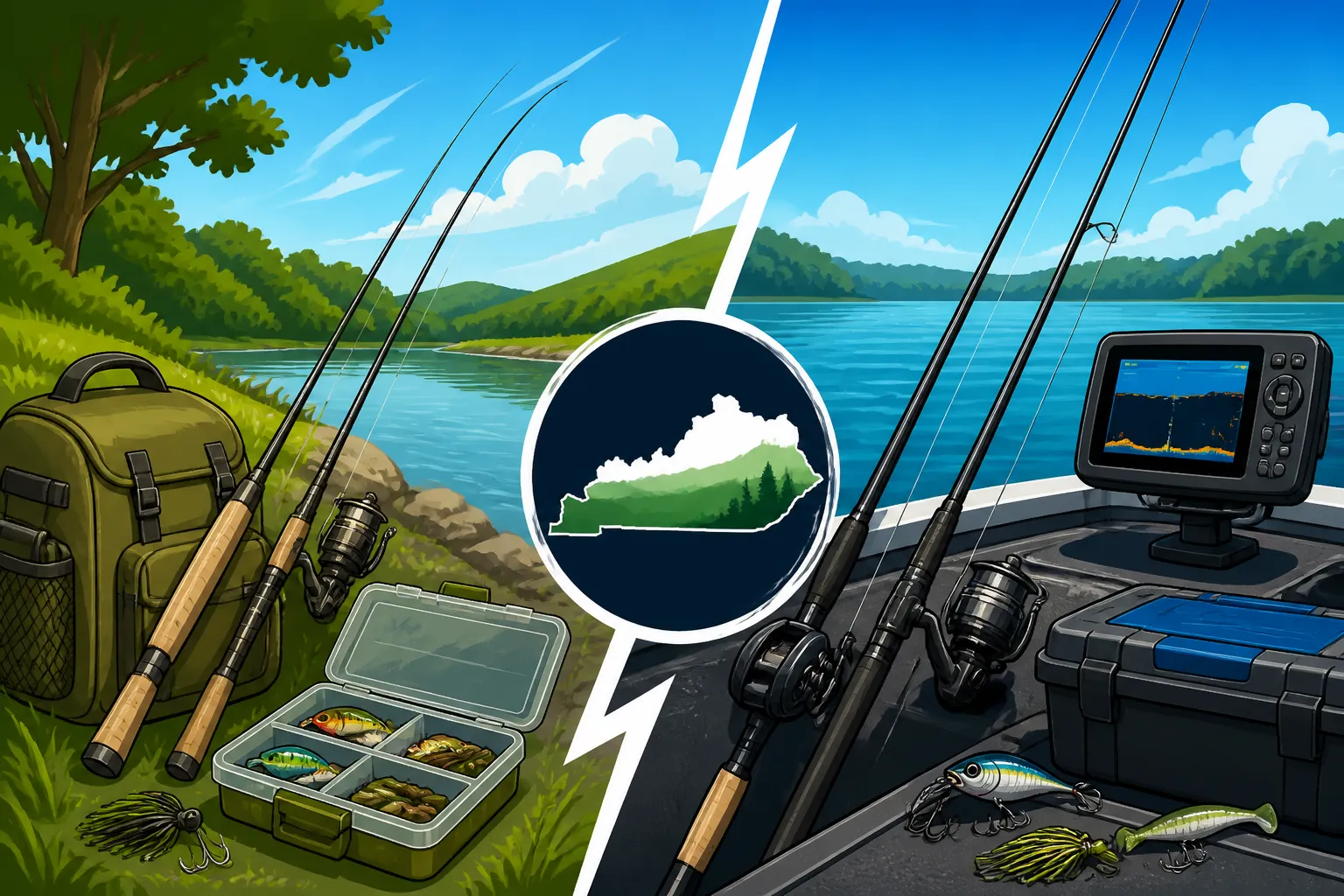
Deciding what fishing gear to bring along can feel like a maze, especially when you're trying to figure out if you'll be casting from the bank or reeling them in from a boat. Many anglers get frustrated trying to decide if they need a minimalist setup or a full arsenal. This guide aims to clear up that confusion, offering a realistic look at the best gear choices for both bank fishing and boat fishing in Kentucky, helping you make informed decisions for your next angling adventure.
Understanding the Core Differences: Bank vs. Boat Fishing
Before we even dive into specific gear, it's crucial to understand that bank fishing and boat fishing are two fundamentally different experiences, each with its own rhythm, challenges, and rewards. Your approach to gear should reflect these distinctions, rather than trying to force one setup to fit both scenarios perfectly. It's not just about where you stand or sit; it's about how you interact with the water, the fish, and the environment around you.
The Bank Angler's Perspective: Simplicity and Portability
Bank fishing, for many, is the quintessential angling experience. It's often about simplicity, portability, and connecting directly with the land and water. The beauty of it lies in its accessibility – you don't need a hefty investment in a vessel, nor do you have to worry about boat ramps, fuel, or maintenance. Just grab your rod and go! This ease of access makes it incredibly appealing for spontaneous trips or for those who prefer to keep things low-key. You can explore hidden coves, wander along riverbanks, or simply find a quiet spot off a pier.
However, this simplicity also comes with inherent limitations. Your casting range is restricted by how far you can throw a line from shore, meaning vast stretches of productive water might be out of reach. Navigating uneven terrain, battling overgrown vegetation, or finding safe and legal access points can be challenging. You might have to hike a bit to find that perfect secluded spot, and carrying heavy gear for long distances can quickly become a deterrent. Therefore, for the bank angler, every piece of gear must earn its place by being lightweight, versatile, and essential. You're looking for efficiency and utility, not excess.
The Boat Angler's World: Mobility and Advanced Capabilities
Stepping into a boat, whether it's a small jon boat, a sleek bass boat, or a comfortable pontoon, completely transforms your fishing landscape. The biggest advantage here is mobility. You're no longer confined to the shoreline; you can explore vast expanses of water, chase schools of fish across a lake, or navigate up and down a river to hit prime spots. Boats allow you to reach deeper waters, structure far from shore, or isolated cover that bank anglers can only dream of. This versatility opens up a whole new world of techniques, from trolling vast areas to precisely positioning yourself over a submerged humps.
However, the boat angler's world is also one of greater complexity and significant investment. Boats require a substantial initial outlay, ongoing maintenance, fuel, storage, and often, specific Kentucky Boat Registration Requirements Explained and safety certifications. Launching and retrieving can be an art form in itself, and navigating safely requires a good understanding of waterways and weather patterns. While you can carry much more gear, this also means more to organize, maintain, and potentially troubleshoot. The boat angler embraces technology and specialization, often outfitting their vessel with advanced electronics and a diverse array of tackle to maximize their time on the water.
Essential Gear for Bank Fishing: Lean and Mean
When you're fishing from the bank, every ounce of gear you carry matters. You're often walking to your spot, sometimes over uneven terrain, and you don't have the luxury of a boat's storage compartments. The name of the game is efficiency, portability, and versatility. You need a setup that can handle a variety of situations without weighing you down. Think minimalist but mighty. For more in-depth advice, consider checking out guides like Best Gear for Bank Fishing.
Rods and Reels for Shore Anglers
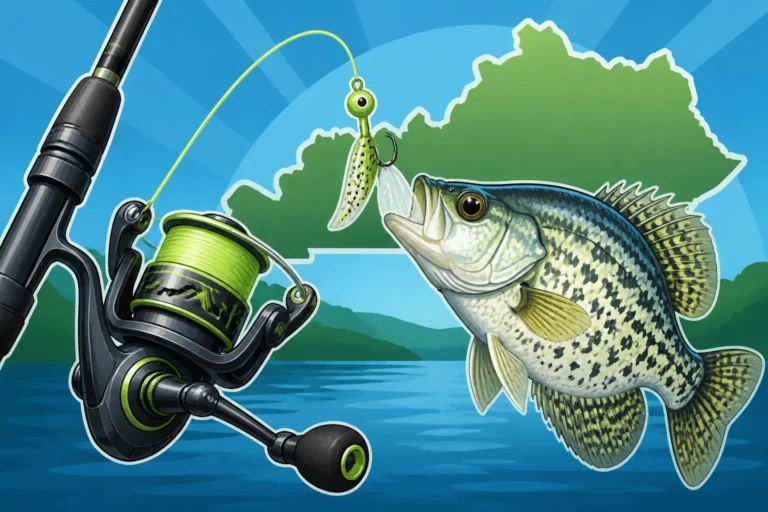
For the bank angler in Kentucky, versatility is paramount. You're not always sure what you'll encounter – it could be panfish in a farm pond, a feisty bass along a creek bank, or a channel catfish in a wider river. That's why a good all-around spinning rod and reel combo is often your best friend. Look for a medium-action rod, typically between 6 to 7 feet in length. This length offers a good balance between casting distance, which is crucial from shore, and maneuverability when you're casting in tighter spots with overhead tree branches or dense brush behind you.
A spinning reel spooled with 6-10 pound monofilament or fluorocarbon line will cover most scenarios. Monofilament is forgiving for beginners and offers good knot strength, while fluorocarbon is nearly invisible underwater, which can be a huge advantage in clear Kentucky waters. You might even consider a braided line with a fluorocarbon leader for added strength and sensitivity. The key is to have a setup that can cast lightweight lures or bait rigs a decent distance, yet still have enough backbone to handle a surprise larger fish. You can find excellent beginner rod and reel combos at local outfitters like Bass Pro Shops, which often offer balanced sets perfect for starting out. For specific recommendations, exploring Best Rods and Reels for Kentucky Fishing can provide further insights.
Tackle Box Essentials and Organization
Your bank fishing tackle box needs to be compact, lightweight, and organized for quick access. Forget the bulky multi-tray monsters you might see on a bass boat. A small tackle bag, a fanny pack, or even a backpack with a few utility boxes is ideal. Prioritize versatile baits and lures that work for multiple species. Think about a selection of hooks (various sizes of Aberdeen, circle, and J-hooks), split shot weights, small bullet weights, bobbers (slip bobbers are great for varying depths), and a handful of essential lures.
For lures, a few small spinnerbaits, inline spinners, soft plastic worms or jigs, and maybe a couple of small crankbaits will give you options for bass, crappie, and panfish. Don't forget live bait essentials: a small container for worms or a minnow bucket if you're targeting crappie. Include essential tools like needle-nose pliers for hook removal, line clippers, and a small rag. Keeping your tackle organized means you spend less time fumbling and more time fishing, especially when you're hopping from one spot to another along the bank. Consider a guide like Best Tackle Box Setup by Species for ideas on what to pack for different fish.
Comfort and Safety for the Bank Angler
Comfort and safety are often overlooked by eager anglers, but they are crucial for an enjoyable and successful bank fishing trip. Since you're often exposed to the elements for extended periods, sun protection is a must: a wide-brimmed hat, sunglasses, and sunscreen. Bug spray is almost non-negotiable, especially during warmer months near Kentucky's lakes and rivers. A small, lightweight folding chair can make a world of difference when waiting for a bite, saving your legs and back.
Sturdy, comfortable footwear is also key, as you might be walking over uneven or slippery terrain. Boots with good ankle support are highly recommended. Always carry a basic first-aid kit for minor cuts, scrapes, or insect bites. A small cooler with water and snacks will keep you hydrated and energized, particularly on long days. Finally, always let someone know where you're going and when you expect to return, especially if you're venturing into more secluded areas. Being prepared not only enhances your experience but also keeps you safe in unpredictable outdoor environments.
Equipping Your Boat: Maximizing Versatility and Efficiency
Once you have a boat, whether it's for serious angling or casual cruising with fishing as a bonus, your gear philosophy shifts dramatically. You're no longer limited by what you can comfortably carry. Instead, you're looking to maximize your capabilities on the water, taking full advantage of your mobility and the increased storage space. This means more specialized rods, a wider array of tackle, and often, advanced electronics that transform how you find and catch fish. For those looking to optimize their vessel, Best Boats for Kentucky Lake and Lake Barkley Fishing offers great foundational advice.
Specialized Rods and Reels for Boat Anglers
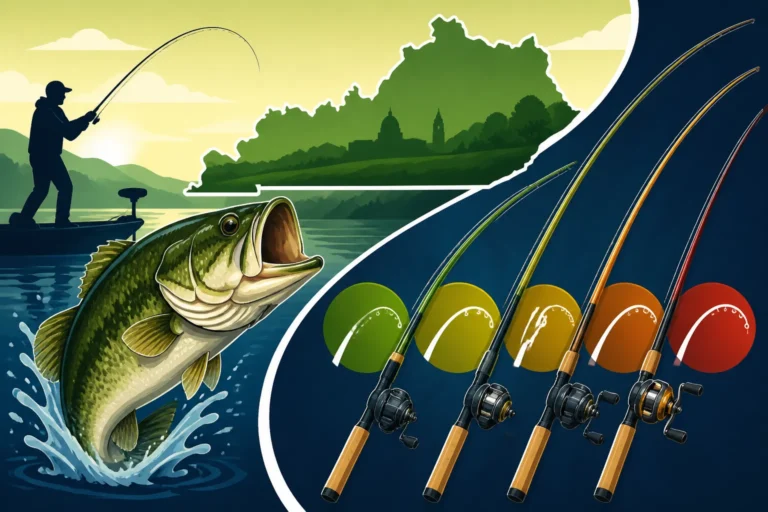
On a boat, you can afford to carry a variety of rods and reels, each tailored to specific techniques or target species. Instead of one "do-it-all" setup, you can have a dedicated rod for bass cranking, another for jigging for crappie, a heavier setup for catfishing, and maybe even a fly rod for trout. This specialization allows you to optimize your presentation and fight, giving you an edge in various situations. For example, a longer, heavier casting rod might be ideal for throwing big swimbaits for trophy bass, while a sensitive, lightweight spinning rod excels at detecting subtle crappie bites with small jigs.
Boat anglers also tend to embrace different reel types. While spinning reels remain popular for many techniques, baitcasting reels become much more prevalent for their accuracy, power, and line capacity, especially when targeting larger species or using heavier lures. Trolling rods, specifically designed to withstand the constant pressure of pulling lures, also come into play for species like sauger or walleye. Having multiple rod holders on your boat is essential for keeping these specialized setups organized and readily accessible, preventing tangles and damage. When fishing for crappie from a boat, techniques mentioned in Boat Fishing Techniques for Crappie often involve multiple rod setups.
Advanced Tackle Management and Storage
With a boat, your tackle storage expands significantly. You can bring multiple, larger tackle boxes, often organized by species, lure type, or fishing technique. This allows you to carry a much wider selection of lures, baits, and terminal tackle, ensuring you're prepared for whatever the fish are biting. Dedicated compartments for soft plastics, hard baits, jigs, and various weights and hooks become standard. Many boats come with built-in storage lockers or large deck compartments specifically designed for tackle trays, keeping everything secure and dry.
Beyond just lures, boat anglers can carry a wider range of accessories: dedicated tools like de-hookers, measuring boards, scale, and a robust first aid kit. Larger nets, gaffs for bigger fish, and specialized cleaning tools can all be neatly stowed. Some anglers even utilize large, clear-front storage bags to keep soft plastics organized by color and size, making it easy to see what they need without rummaging. The goal is to have everything you might possibly need within arm's reach, without cluttering the deck, allowing for seamless transitions between fishing techniques.
Electronics and Navigation Systems
One of the biggest game-changers for boat anglers is the integration of advanced electronics. Fish finders, often combined with GPS mapping, are practically standard equipment on many fishing boats. These devices allow you to not only locate fish but also identify submerged structure, monitor water depth and temperature, and mark waypoints for productive fishing spots. Modern fish finders offer technologies like Side Imaging and Down Imaging, giving you a near-photographic view of what's beneath and around your boat, revealing hidden ledges, brush piles, and schools of baitfish. You can often find a wide array of options for these powerful tools on platforms like Amazon, offering detailed specs and user reviews to guide your choice. For maximizing your electronic advantages, explore Fish Finders and Electronics for Kentucky Lake Fishing.
GPS units are crucial for navigation, especially on large bodies of water like Kentucky Lake or Lake Cumberland. They help you stay on course, return to your favorite spots, and navigate safely in unfamiliar areas or low visibility. Trolling motors, especially those with GPS Spot-Lock capabilities, revolutionize boat positioning, allowing you to hold your boat in place over a fishing spot with the press of a button, freeing you to focus on fishing. These systems represent a significant investment but provide an unparalleled advantage in finding and staying on fish, making your time on the water much more productive.
Key Differences in Essential Accessories
Beyond rods, reels, and tackle, there are numerous other accessories that differ significantly between bank and boat fishing. These items, though often small, play a crucial role in the overall fishing experience, impacting everything from safety to fish handling. Ignoring these differences can lead to frustration or missed opportunities.
Landing Gear: Nets and Grips
The type of landing gear you need is directly influenced by your fishing platform. For bank anglers, portability is key. A compact, often foldable, net with a shorter handle is typically preferred. It needs to be easy to carry, deploy quickly, and effective at landing fish from a fixed position on the bank or a pier. Since you're usually closer to the water's surface, a longer handle isn't as critical. A fish lip grip can also be a handy, space-saving tool for securing fish quickly, especially those with sharp teeth, without the bulk of a net.
Boat anglers, on the other hand, can afford larger, sturdier nets with longer handles. These nets are invaluable for reaching fish at a distance from the boat, especially when battling a large bass or a strong catfish boat-side. The deeper net bag helps contain active fish, preventing them from flopping out of the net. For species like paddlefish or large catfish on the Ohio River, a robust, heavy-duty net is essential to safely bring them aboard. Having a net that's easily accessible and quickly deployable from a boat is critical when a big fish is at the boat.
Livewells and Cooler Solutions
Keeping your catch fresh, whether for the dinner table or for release after a tournament, requires different solutions depending on your fishing style. Bank anglers typically rely on small, portable coolers filled with ice. These are easy to carry and sufficient for a day's catch of panfish or a couple of catfish. Some might use a stringer to keep fish in the water, but this isn't always practical or safe in all locations. For catch-and-release, a quick photo and immediate return to the water is the standard.
Boat anglers, especially those with dedicated fishing boats, often have the luxury of built-in livewells. These are insulated tanks with aeration systems that keep fish alive and healthy for extended periods, crucial for tournaments or when you want to transport fish to a cleaning station later. For those without built-in livewells, large, high-capacity coolers are the go-to. These can hold a substantial amount of ice and fish, keeping them in prime condition. They also serve as convenient storage for drinks and snacks for a long day on the water.
Apparel and Weather Protection
While both bank and boat anglers need to dress appropriately for the weather, there are some distinctions. Bank anglers prioritize comfort, mobility, and protection from sun and insects. Light layers, breathable fabrics, and sturdy walking shoes are standard. A good rain jacket and pants are essential if there's any chance of precipitation, as there's often no immediate shelter.
Boat anglers also need to consider layers and sun protection, but the emphasis often shifts towards more robust rain gear that can withstand prolonged exposure to wind and spray, especially on larger lakes or during fast boat rides. High-quality waterproof jackets and bibs are a common investment. Perhaps the most critical piece of apparel for a boat angler is a U.S. Coast Guard-approved Personal Flotation Device (PFD), or life jacket. While some regulations, like Life Jacket Rules for Boats in Kentucky, specify requirements for children, it's wise for all occupants to have access to and consider wearing a life jacket, especially when underway or in rough conditions. Being able to move freely while fishing is important, so inflatable PFDs are a popular choice for their comfort. Additionally, anyone born after a certain date might need a Kentucky Safe Boating Certificate Requirements, which emphasizes safety gear.
Cost Considerations and Investment Strategies
Let's be real, fishing can be as affordable or as expensive as you make it. The cost difference between outfitting yourself for bank fishing versus boat fishing is significant, and it's a major factor in how many people choose to enjoy the sport. Understanding these financial commitments upfront can help you plan your angling journey wisely and avoid unexpected expenses.
Budgeting for Bank Fishing Gear
One of the biggest draws of bank fishing is its low barrier to entry. You can get started with a relatively small investment. A decent rod and reel combo can be purchased for a reasonable price, especially if you look at entry-level options from reputable brands. Think of it as a small initial outlay for years of enjoyment. You can find perfectly functional combos that will last for years at sporting goods stores or through online retailers. Best Gear for Bank Fishing on Kentucky Lake might still apply, as some basic items are universal.
Your tackle box essentials can be built up gradually. Start with a few versatile lures and baits, and expand as your experience grows and you discover what works best in your local Kentucky waters. Often, the biggest ongoing expense might be live bait! Comfort items like a folding chair, hat, and sunscreen are one-time or infrequent purchases. This low cost makes bank fishing an excellent option for beginners, families, or anyone who wants to enjoy the outdoors without breaking the bank. It also means less financial pressure if you only get to fish occasionally.
The Investment in a Fishing Boat
Acquiring and maintaining a fishing boat represents a substantially larger financial commitment. The initial purchase price of the boat itself can range from a few thousand dollars for a basic jon boat to tens of thousands, or even hundreds of thousands, for fully-equipped bass boats or offshore vessels. Beyond the boat, you'll need a suitable trailer, which is another significant expense. Then come the ongoing costs: fuel (which can add up quickly on large lakes like Kentucky Lake or Lake Barkley), insurance, maintenance (engine tune-ups, repairs, winterization), and storage (if you don't have space at home).
Don't forget the administrative costs like Kentucky Boat Registration Requirements Explained and titling fees, which are recurring. Upgrading electronics, replacing worn-out trolling motor batteries, or adding accessories like shallow water anchors further contribute to the overall expense. While a boat offers unparalleled access and capability, it's a long-term investment that requires careful budgeting and a commitment to upkeep. Many boat owners consider the experience and opportunities it provides to be well worth the cost, but it's vital to go into it with eyes wide open about the financial realities.
Finding the Right Balance for Your Angling Style
Ultimately, the choice between bank and boat fishing, and the associated gear, comes down to your personal angling style, budget, and access. For some, the serenity and simplicity of walking the bank, maybe catching a mess of bluegill for supper, is all they need. For others, the thrill of covering vast waters, targeting trophy fish with advanced electronics, is the ultimate pursuit. There's no right or wrong answer, only what fits you best.
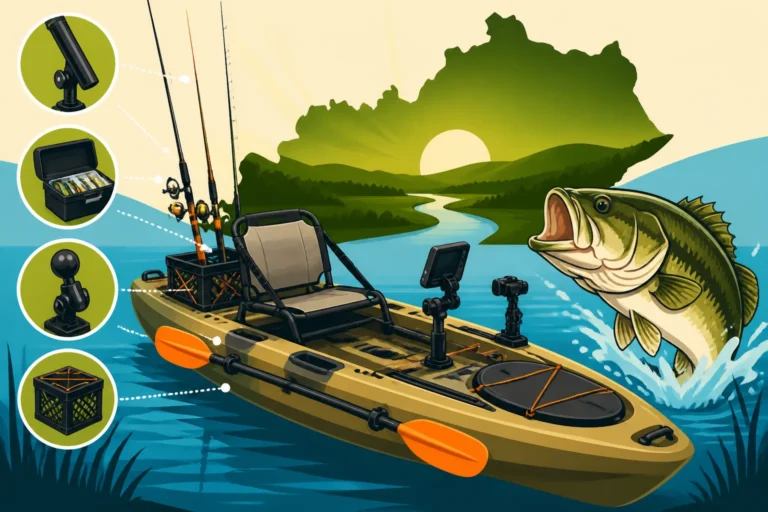
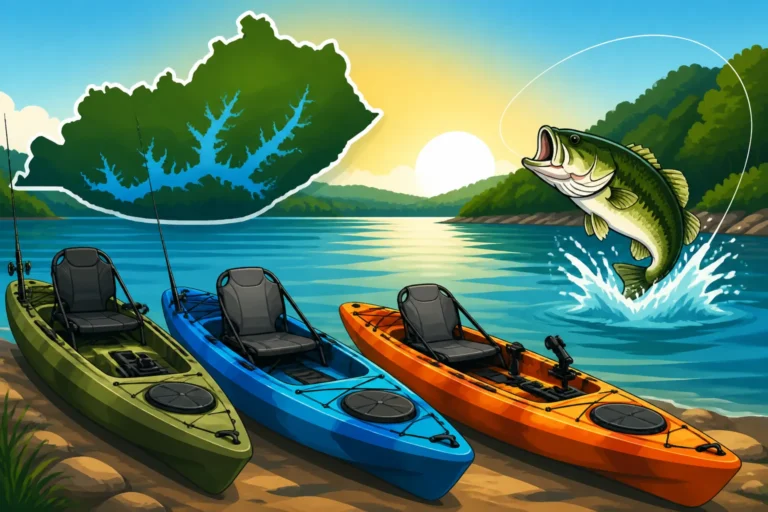
Many anglers find a balance. They might have a basic bank fishing setup for spontaneous trips to local ponds or creeks, and then either rent a boat for specific expeditions, fish as a guest on a friend's boat, or invest in a smaller, more affordable boat like a kayak or a jon boat. Kayak fishing, in particular, offers a fantastic middle ground, providing mobility beyond the bank without the massive investment and maintenance of a full-sized motorboat. Exploring options like Best Fishing Kayaks for Kentucky Lakes and Rivers can provide further insight into this hybrid approach. Evaluate how often you'll fish, what species you primarily target, and how much you're willing to spend, and you'll find the gear setup that makes the most sense for your Kentucky fishing adventures.
| Feature | Bank Fishing Gear | Boat Fishing Gear |
|---|---|---|
| Rods & Reels | 1-2 versatile medium-action spinning combos (6-7 ft) | Multiple specialized rods/reels (casting, spinning, trolling) for various techniques |
| Tackle Box | Small, portable tackle bag/backpack with essential, versatile lures/baits | Large, multi-compartment tackle boxes; extensive lure/bait selection |
| Electronics | Minimal to none (maybe a portable depth finder for specific spots) | Essential: Fish finders (Side/Down Imaging), GPS, trolling motor |
| Landing Gear | Compact, foldable net with shorter handle; lip grip | Large, sturdy nets with longer handles; gaffs for bigger fish |
| Fish Storage | Small portable cooler with ice; stringer | Built-in livewell with aeration; large, high-capacity coolers |
| Comfort/Safety | Folding chair, sun protection, bug spray, first aid, sturdy shoes | Robust rain gear, U.S. Coast Guard-approved PFDs, comprehensive first aid kit |
| Portability | High: designed for carrying over distances | Low: designed for onboard storage and setup |
| Cost Investment | Relatively low entry cost, minimal ongoing expenses | High initial investment, significant ongoing costs (fuel, maintenance, registration) |
| Accessibility | Walk-in access to public shores, piers, creek banks | Requires boat ramp access, trailer, vessel |
Disclaimer
This article is for general informational purposes only and does not constitute professional advice. Laws, prices and regulations vary by location and change over time. Consult a qualified professional for guidance on your specific situation.