Is Crappie Good to Eat?
There's a question that echoes across boat docks and campfire circles all over Kentucky, especially when someone hauls in a stringer of those speckled beauties: "Is crappie good to eat?" Let me tell you, as someone who's spent countless hours chasing these panfish and just as many in the kitchen preparing them, the answer is a resounding, enthusiastic YES! Crappie isn't just "good" to eat; for many, it's considered some of the finest table fare our Kentucky waters have to offer. This guide is dedicated to shedding light on why crappie is such a sought-after delicacy and how you can make the most of your catch from the moment it leaves the water to when it lands on your plate.
The Flavor Profile of Crappie: A Delicate Delight
For anglers and foodies alike, the taste of crappie is often the main draw. It's truly a unique and delightful experience that sets it apart from many other freshwater fish.
What Makes Crappie Taste So Good?
Crappie boasts a white, flaky, and incredibly mild flesh that many compare favorably to some saltwater fish. It's not "fishy" in the way some other species can be, which is a huge plus for those who are a little particular about seafood. The flavor is subtly sweet, almost delicate, allowing it to take on the seasonings and preparation methods you choose without being overpowering.
Think about it: when you're frying up a batch of crappie fillets, that light, sweet meat perfectly complements a crispy cornmeal crust. It doesn't fight against the flavor; it enhances it. This lean, non-oily texture is key. Unlike some fattier fish that can taste heavy or greasy, crappie provides a clean, tender bite. Whether you're pulling them from a clear lake like Lake Barkley Crappie Fishing in Kentucky or a slower-moving river, the quality of their environment plays a role, but generally, crappie maintain this desirable mildness. They feed on insects, small baitfish, and crustaceans, which contributes to their clean, pleasant flavor. It's a taste that brings families back to the table, and for many, it's the taste of cherished memories made by the water.
Common Misconceptions About Crappie Flavor
Now, I've heard it all over the years. Some folks might shy away from crappie because they've had a bad experience or heard old wives' tales. Let's tackle a couple of the most common ones.
First, the "muddy taste" myth. This one usually stems from improper handling or catching fish from genuinely poor water quality. If a crappie is pulled from stagnant, muddy water and not properly bled or cleaned quickly, it can take on an earthy taste. However, this is not inherent to crappie itself. A crappie from clean, flowing water or a healthy lake, when handled correctly, will never taste muddy. It's all about where you catch them and what you do with them immediately after. A good example of clear water crappie fishing is on large reservoirs where the water quality is generally good.
Another common misconception is that crappie are too small to be worth cleaning, implying there's no "meat on their bones." While some crappie might be smaller, even a 9-10 inch crappie yields a respectable, boneless fillet. And let's be honest, cleaning a dozen smaller crappie might take a little longer than one large bass, but the reward of those sweet, delicate fillets is absolutely worth the effort. In fact, for many, the smaller fillets are even more tender. Remember, How Big Do Crappie Get in Kentucky Lakes? can vary, but even average-sized crappie are excellent table fare. Don't let size deter you from enjoying this fantastic fish!
Cleaning and Filleting Crappie for the Best Results
The journey from the hook to the plate is critical. Proper handling and cleaning are paramount to ensuring your crappie tastes as good as possible. It's not just about cooking; it's about preparation.
Proper Handling from Water to Kitchen
The moment a crappie comes out of the water, its quality for the dinner table begins to change. The goal is to keep that fish fresh and cool. My first rule of thumb is to get them on ice or into a livewell as quickly as possible. A stringer is okay for a short time if the water is cool, but a livewell circulating fresh water or, even better, a cooler filled with ice, is ideal. This slows down any deterioration and keeps the flesh firm.
If you're keeping crappie, consider bleeding them immediately. This simple step involves cutting one of the gills or severing the main artery near the tail right after catching. Bleeding removes blood from the flesh, which can contribute to a stronger, less desirable flavor as it breaks down. For smaller fish like crappie, a quick ice bath often achieves a similar effect by rapidly cooling the fish and constricting blood vessels. The quicker you get them cool, the better they'll taste. Plan to clean your catch as soon as possible after your fishing trip, ideally within a few hours. Don't let them sit in a warm cooler overnight.
Step-by-Step Filleting for Maximum Yield
Filleting crappie might seem daunting to a beginner, especially with their somewhat smaller size, but with a sharp fillet knife and a little practice, you'll be a pro in no time. The goal is boneless, skinless fillets.
Here’s a basic breakdown of how I approach it:
- First Cut Behind the Gill Plate: Lay the crappie on its side. Make a cut behind the pectoral fin and gill plate, going down to the backbone but not through it.
- Cut Along the Top: Turn your knife and run it along the top of the backbone, from the first cut all the way back to the tail. Keep the blade close to the bone to maximize meat.
- Separate the Fillet: Once you reach the tail, you can either remove the fillet completely or leave a small section attached to use as a "handle" while skinning. Many prefer to remove it entirely for ease of handling.
- Skinning the Fillet: Lay the fillet skin-side down on your cutting board. Make a small cut at the tail end, just through the skin, to create a tab. Hold this tab firmly and angle your knife slightly downwards. Saw back and forth while pulling the skin, separating the meat from the skin. Again, keep the blade close to the skin to minimize waste.
- Remove Rib Bones: Crappie have a small patch of rib bones. You can either cut a V-shape to remove them or gently run your knife under them, keeping it close to the bone to lift them out. For crappie, I find a simple V-cut works best.
Repeat on the other side. With practice, you can get two beautiful, boneless fillets from each crappie. Investing in a good, flexible fillet knife makes this process much smoother. You can find excellent fillet knives on platforms like Amazon, offering a range of options from budget-friendly to professional-grade. This technique ensures that even if you're catching White Crappie Size Limits in Kentucky, you're getting the most out of each fish.
Storage Tips to Maintain Freshness
Once you have those beautiful fillets, proper storage is key to maintaining that fresh, delicate flavor.
Short-Term Storage: If you plan to cook your crappie within a day or two, simply rinse the fillets in cold water, pat them dry with paper towels, and place them in an airtight container or zip-top bag in the coldest part of your refrigerator. Drying them helps prevent them from becoming slimy and prolongs freshness.
Long-Term Storage (Freezing): For longer storage, freezing is your best bet. My go-to method for crappie is the "water bath" method. Place your clean, dry fillets in a freezer bag. Fill the bag with enough water to completely submerge the fish, squeezing out as much air as possible before sealing. The water creates an ice block around the fish, protecting it from freezer burn. This method can keep crappie fresh for up to 6-9 months, though I always recommend eating them within 3-4 months for the absolute best quality. Don't forget to label your bags with the date! Another option is vacuum sealing, which also does an excellent job of preventing freezer burn and can extend the storage time even further. This way, you can enjoy your delicious crappie long after the Kentucky Fishing License Year Explained has passed.
Popular Cooking Methods for Crappie
Now for the fun part: cooking them up! Crappie's mild flavor and flaky texture make it incredibly versatile in the kitchen.
Classic Fried Crappie: A Kentucky Tradition
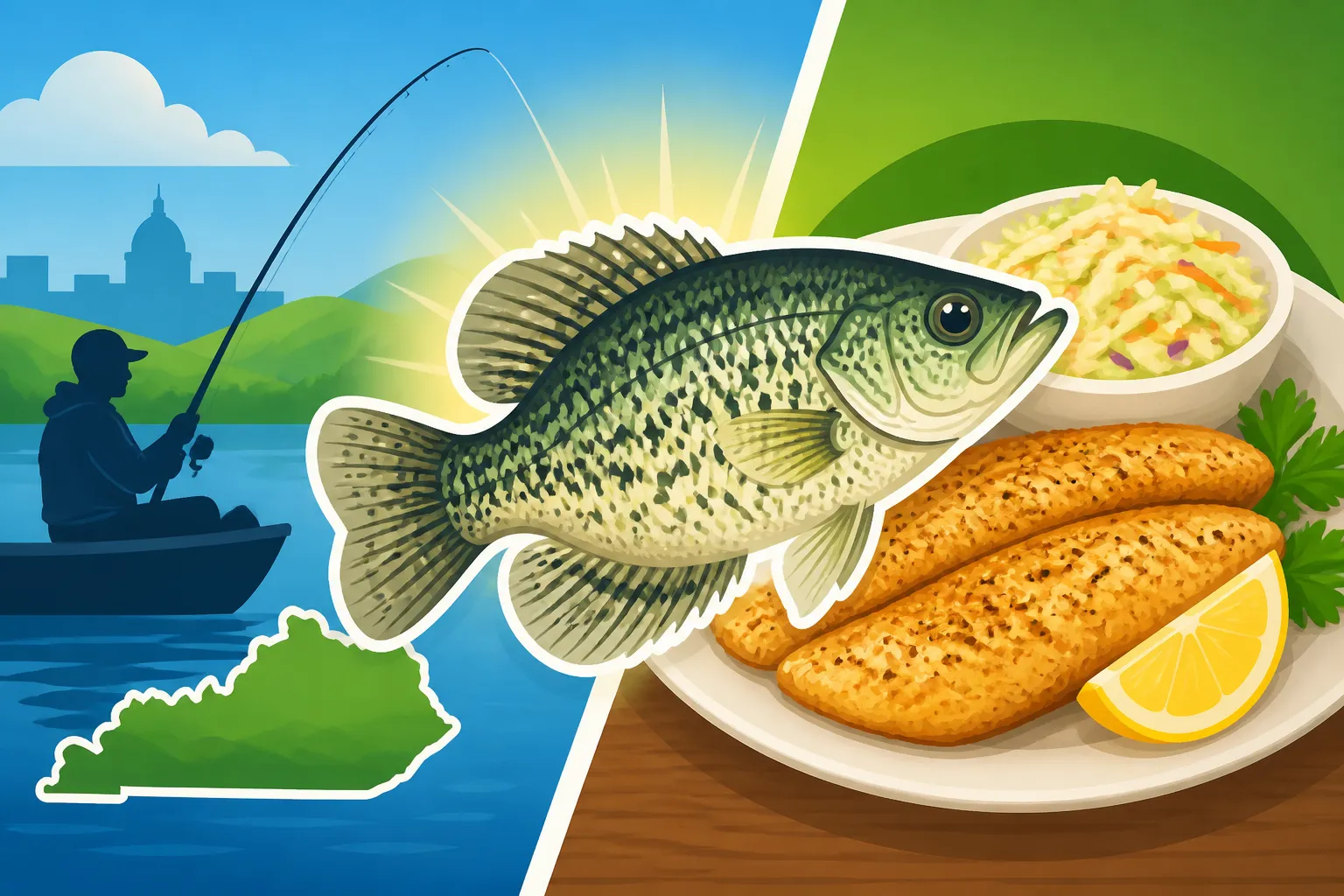
Let's be honest, for many of us in Kentucky, the first thought when it comes to crappie is a plate piled high with golden-fried fillets. It's a tradition, a comfort food, and simply delicious. There's something about that crispy exterior giving way to tender, sweet white meat that just can't be beat.
My favorite way to fry crappie involves a simple cornmeal-based breading. You can certainly use a flour-based dredge or a pre-made fish fry mix, but the cornmeal gives it that classic crunch. A common blend might be seasoned cornmeal, a little flour, and your favorite spices like paprika, garlic powder, onion powder, salt, and pepper. Dip your dry fillets in an egg wash or buttermilk, then dredge them thoroughly in your breading mix, pressing gently to make sure it adheres.
Heat about an inch or two of vegetable oil or peanut oil in a heavy-bottomed skillet to around 350-375°F (175-190°C). Don't overcrowd the pan; fry in batches until golden brown and cooked through, usually 3-5 minutes per side depending on thickness. The fish should flake easily with a fork. Drain them on a wire rack over paper towels to keep them crispy. Serve immediately with hushpuppies, coleslaw, and a squeeze of fresh lemon, and you've got a meal that tastes like pure Kentucky summer. This is often the centerpiece of a family meal after a successful outing following Kentucky Crappie Fishing: Spring Spawn Run Guide.
Healthier Alternatives: Baking, Grilling, and Pan-Searing
While fried crappie is a beloved classic, crappie is equally fantastic when prepared with lighter, healthier methods. Its delicate flavor shines through, and you can enjoy it without the extra calories from deep-frying.
Baking: Crappie fillets bake beautifully. Place them on a baking sheet, drizzle with olive oil or melted butter, season with lemon, dill, garlic, salt, and pepper. You can also add some thinly sliced vegetables like bell peppers or onions. Wrap them loosely in foil to steam, or bake uncovered for a slightly firmer texture. Bake at 375-400°F (190-200°C) for about 10-15 minutes, or until flaky. Baking keeps the fish incredibly moist and tender.
Grilling: For a smoky flavor, grilling is an excellent choice. Since crappie fillets are delicate, I highly recommend using a fish grilling basket or heavy-duty foil packets. For foil packets, combine the fillets with a pat of butter, lemon slices, herbs (like parsley or thyme), and a splash of white wine or broth. Seal the packet tightly and grill over medium heat for 10-15 minutes. If using a basket, lightly oil the fillets and the basket, then grill directly over medium heat for a few minutes per side until cooked through. This method is fantastic for an outdoor summer cookout.
Pan-Searing: This is a quick and easy way to cook crappie with minimal oil. Heat a non-stick skillet over medium-high heat with a tablespoon or two of olive oil or butter. Season your fillets simply with salt and pepper, or a light Cajun spice blend. Sear for 2-3 minutes per side until golden brown and cooked through. A cast-iron skillet creates a wonderful crust. This method is perfect for a weeknight meal when you want fresh fish fast.
Beyond the Basics: Crappie in Soups, Tacos, and More
Don't limit crappie to just the traditional methods. Its mild, flaky nature makes it an incredibly versatile ingredient for a wide range of culinary creations.
Crappie Tacos: This is a personal favorite. Flake cooked (baked, grilled, or lightly fried) crappie into warm tortillas. Top with fresh slaw, a drizzle of spicy crema, salsa, and a squeeze of lime. The mild fish perfectly balances the vibrant flavors of the toppings. It’s a fantastic way to stretch a smaller catch and infuse a little Tex-Mex into your dinner.
Fish Chowder or Stew: Crappie can make a delightful addition to a hearty fish chowder or a lighter fish stew. Its flaky texture holds up well in broths, adding substance without being overly fishy. Combine with potatoes, corn, carrots, and a creamy or tomato-based broth for a comforting meal, especially on a chilly evening after a long day of fishing.
Crappie Cakes: Similar to crab cakes, crappie cakes are a fantastic way to use leftover cooked crappie or make a more gourmet appetizer. Flake the cooked fish, mix with breadcrumbs, mayonnaise, a bit of Dijon mustard, finely diced celery and onion, and your favorite seasonings. Form into patties and pan-fry or bake until golden brown. Serve with a remoulade sauce for an elegant touch.
For exploring these and other creative recipes, a good seafood cookbook can be an invaluable resource. You can often find a wide selection of specialized cookbooks on platforms like Amazon, offering inspiration for every type of angler-chef. Whether you're using a Best Tackle Box Setup by Species to catch them, or a new kitchen gadget to cook them, crappie provides endless possibilities.
Maximizing Your Crappie Fishing and Dining Experience
To truly enjoy crappie from hook to plate, it helps to know a little about the regulations and best practices for both fishing and cooking.
Understanding Kentucky Crappie Daily Limit Rules
Before you even cast your line, it's crucial to be aware of the local fishing regulations. Kentucky has specific rules in place to ensure the sustainability of our crappie populations, and these rules can sometimes vary from lake to lake. The statewide daily limit for crappie is generally 20 fish, with no size minimum, but there are important exceptions. For example, Barren River Lake Crappie Size Limit in Kentucky has a 10-inch minimum size limit and a 20-fish daily creel limit.
Always check the current Kentucky Department of Fish and Wildlife Resources regulations before heading out. This information is typically available online or in a printed guide you can pick up where you buy your Kentucky Fishing License Guide. Knowing these rules helps protect our fisheries for future generations and keeps you from running into any unexpected issues with a game warden. Sustainable fishing practices mean more crappie for everyone to enjoy for years to come.
Finding the Best Crappie in Kentucky Waters
The flavor of your crappie can indeed be influenced by where it's caught. Crappie from clean, clear waters and healthy ecosystems tend to have the best, most pristine flavor. Lakes with good water quality, ample forage, and healthy populations will generally produce the best-tasting fish.
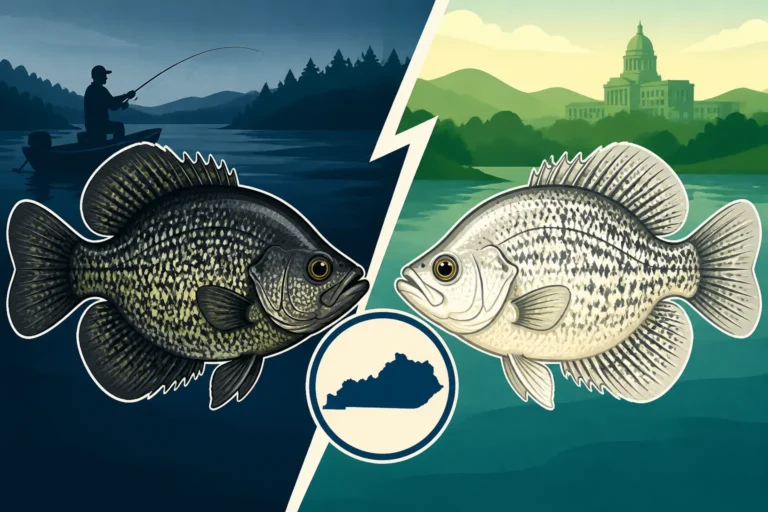
Kentucky is blessed with numerous fantastic crappie lakes. Large reservoirs like Kentucky Lake and Lake Barkley are legendary for their crappie fishing, offering both black and white crappie populations. These vast bodies of water provide diverse habitats, from shallow brush piles to deep ledges. Other great spots include Lake Cumberland, Taylorsville Lake, and Barren River Lake. Look for crappie around submerged structures like brush piles, fallen trees, and docks. They often relate to cover, especially during different seasons. For instance, in spring, they move shallow for the spawn, while in summer, they'll head to deeper, cooler waters. Understanding Best Depth to Fish for Crappie in Spring can make a huge difference in your success. A productive fishing spot with good water quality will undoubtedly lead to a better dining experience.
Essential Gear for Catching and Preparing Crappie
Having the right tools for both fishing and cooking makes the entire process more enjoyable and efficient.
Fishing Gear: For crappie, light to ultralight spinning gear is usually ideal. A sensitive rod helps you feel those subtle crappie bites, and a small reel spooled with 4-6 lb test line is perfect. Jigs are incredibly popular for crappie, and having a variety of colors and sizes, especially those mentioned in Best Crappie Jigs for Kentucky Waters, can make a difference. Small minnows are also a classic crappie bait. A good tackle box setup for panfish might include an assortment of jigs, small bobbers, sinkers, and hooks. Don't forget a net to land your fish and a cooler with ice for immediate storage.
Kitchen Gear: In the kitchen, a sharp, flexible fillet knife is your most important tool for cleaning crappie. A sturdy cutting board is also essential. For cooking, a cast-iron skillet or a deep fryer for classic fried crappie, and a baking sheet or grilling basket for healthier options, will serve you well. A good set of tongs and a metal spatula are also incredibly useful. And of course, your favorite spices and a lemon or two are always a good idea. Investing in quality kitchen tools, easily found on sites like Amazon, will make preparing your catch a pleasure, ensuring that every crappie you bring home turns into a delicious meal.
Crappie truly is a magnificent fish, offering a delightful culinary experience that stands up against any freshwater species. From the thrill of the catch to the satisfaction of a delicious meal shared with loved ones, crappie fishing and eating embody the spirit of Kentucky's rich angling tradition.
Disclaimer
This article is for general informational purposes only and does not constitute professional advice. Laws, prices and regulations vary by location and change over time. Consult a qualified professional for guidance on your specific situation.