What Is a Saugeye?
Have you ever heard whispers about a "saugeye" and wondered if it was just a local legend or a real fish? It's a common point of confusion for anglers, especially when you're out on Kentucky's diverse waters. This guide is here to demystify the saugeye, explaining exactly what this unique fish is, how to identify it, and most importantly, how you can catch one on your next Kentucky fishing adventure.
What Exactly Is a Saugeye?
Let's cut right to it: a saugeye isn't a naturally occurring species. It's a fascinating hybrid, a mix of two popular and hard-fighting fish that anglers adore. Imagine taking the best traits of a walleye and combining them with the robust nature of a sauger. That's essentially what you get with a saugeye. This genetic blending creates a fish that often grows faster, fights harder, and adapts better to various water conditions than either of its parent species alone.
The Hybrid Origin Story
The saugeye is the result of a cross between a female walleye and a male sauger. This isn't a random occurrence in the wild; rather, it's typically done by fisheries biologists in hatcheries. The goal is to create a fish that combines the best characteristics of both parents. Walleye are known for their larger size and excellent table fare, but can sometimes be pickier to catch. Sauger, while smaller, are known for their aggressive bite and tolerance for murkier, warmer waters. By combining them, state fish and wildlife agencies aim to produce a resilient, fast-growing sport fish that thrives in impoundments where pure walleye or sauger might struggle. It's a testament to human ingenuity in enhancing our fishing opportunities.
Benefits of the Hybrid
So, why go to all this trouble to create a hybrid? The benefits for anglers and fisheries management are pretty significant. Saugeye tend to grow faster than sauger and often reach respectable sizes, sometimes even rivaling walleye in weight. They also exhibit a more aggressive feeding behavior than pure walleye, which means more bites for you! Furthermore, saugeye are more tolerant of turbid (cloudy) waters and higher temperatures than walleye, making them ideal for many of Kentucky's reservoirs and rivers. This adaptability means they can be successfully stocked in a wider range of habitats, providing a thrilling fishing experience in places where walleye might not flourish. You're getting a fish that's often easier to catch, puts up a great fight, and tastes fantastic – a true win-win for everyone.
Identifying Saugeye: How to Tell Them Apart from Walleye and Sauger
When you're out on the water, especially in a state like Kentucky where both walleye and sauger are also present, it can be tricky to tell if you've landed a pure species or a saugeye. Trust me, I've seen many folks scratch their heads at the boat ramp trying to figure it out! Knowing the key distinguishing features will not only help you correctly identify your catch but also ensure you're adhering to any specific regulations for each species. It’s all about looking closely at the details.
Distinguishing Features
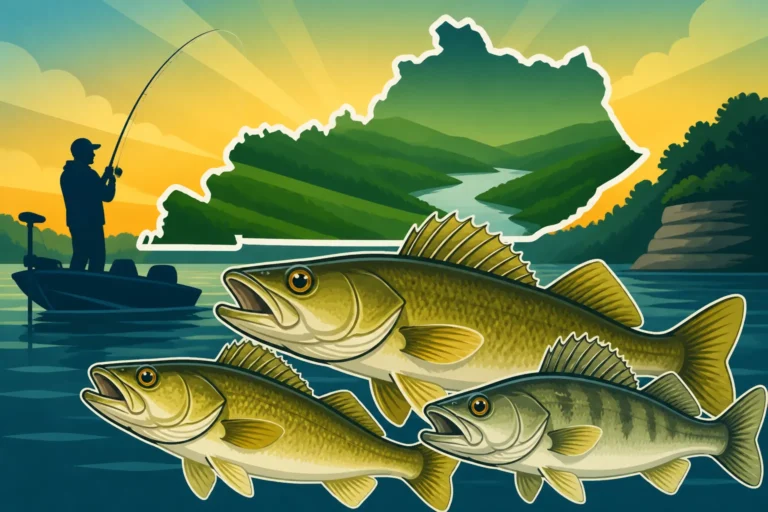
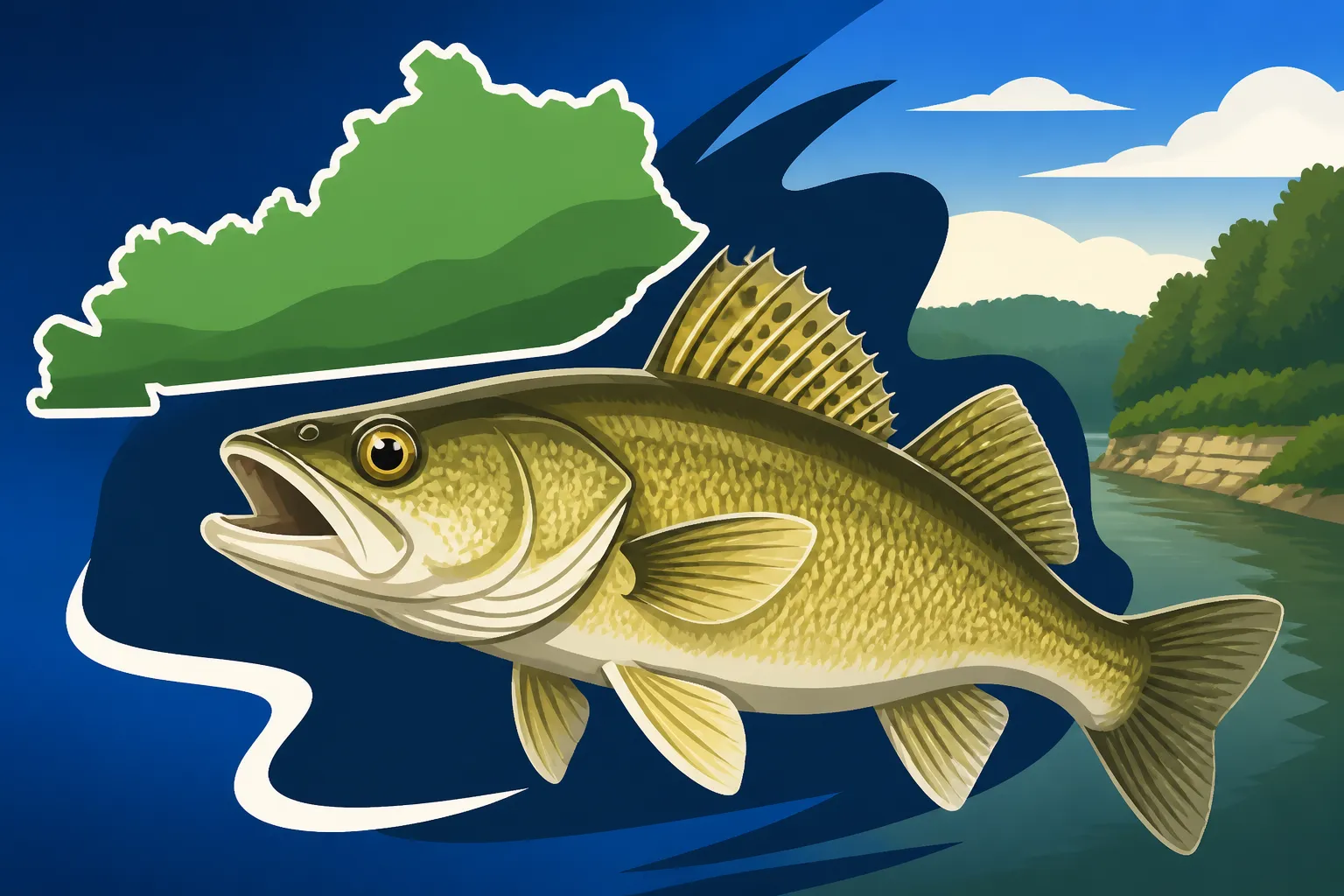
The saugeye, being a hybrid, often exhibits a mix of characteristics from both parents. However, there are a few tell-tale signs that can help you confidently identify one. Look for distinct dark, blotchy saddles or bars along its back and sides – these are more pronounced than on a typical walleye but not as defined as a sauger's blotches. Another crucial identifier is the dorsal fin. A saugeye will usually have dark spots or streaks on its spiny dorsal fin, but it will not have the distinct dark blotch found at the base of the last few spines that is characteristic of a pure sauger. It's a subtle difference, but once you know what to look for, it becomes much clearer. Finally, check the lower caudal (tail) fin lobe: a saugeye will almost always have a noticeable white tip, just like a walleye.
Saugeye vs. Walleye
The primary difference between a saugeye and a walleye lies in their markings and fin coloration. A pure walleye is generally more uniformly colored, often with an olive-green back fading into gold or white sides, and less distinct blotching. While walleye have the prominent white tip on the lower caudal fin lobe, their spiny dorsal fin is typically clear or has only very faint mottling, lacking the distinct dark spots or streaks seen on a saugeye. Additionally, walleye tend to have larger, more opaque eyes, which gives them their "walleye" name. If you're comparing a fish in hand, the blotchy patterns on the body and the spotted dorsal fin are your best bets for identifying a saugeye over a walleye. For a more detailed comparison, check out Walleye Vs Sauger Vs Saugeye: How to Tell Them Apart.
Saugeye vs. Sauger
Differentiating between a saugeye and a sauger can be even trickier because sauger also have distinct blotches and dark spots on their dorsal fin. However, there's one critical feature that sets them apart: the distinct dark blotch at the base of the last few spines on the sauger's dorsal fin. This "sauger spot" is almost always present and is a reliable identifier. Saugeye, while having overall spotted dorsal fins, will lack this specific large, dark blotch at the very end. Sauger also typically lack the bright white tip on the lower caudal fin lobe that both walleye and saugeye possess. Furthermore, sauger generally have rougher, more sandpaper-like scales and are smaller on average than saugeye.
Here's a quick comparison table to help you out:
| Feature | Saugeye | Walleye | Sauger |
|---|---|---|---|
| Body Markings | Dark, blotchy saddles/bars | More uniform, less distinct blotching | Distinct dark blotches/spots on sides |
| Spiny Dorsal Fin | Dark spots/streaks, no distinct basal blotch | Clear or very faint mottling | Dark spots/streaks, distinct dark basal blotch |
| Lower Caudal Fin Lobe | White tip (prominent) | White tip (prominent) | No white tip or very faint |
| Eye Size | Intermediate | Larger, more opaque | Smaller, often darker |
| Average Size | Medium to large | Large | Small to medium |
Where to Find Saugeye in Kentucky
While saugeye aren't native to Kentucky, they've found a good home thanks to strategic stocking efforts by the Kentucky Department of Fish and Wildlife Resources. These fish don't naturally reproduce in large numbers, so maintaining their populations relies heavily on these stocking programs. Knowing which bodies of water are stocked and what kind of habitat they prefer will significantly increase your chances of finding them. It's all about being in the right place at the right time with the right presentation.
Key Kentucky Stocking Programs
The Kentucky Department of Fish and Wildlife Resources has actively stocked saugeye in several impoundments across the state for years, recognizing their potential as a sport fish. While stocking locations can vary annually, some lakes have consistently received saugeye. Historically, lakes like Taylorsville Lake, Guist Creek Lake, and Carr Creek Lake have been prime saugeye fisheries. These stocking programs are carefully managed to ensure a healthy population, providing fantastic angling opportunities for those who know where to look. Always check the latest stocking reports from the state's wildlife agency before you head out, as these programs are dynamic. You might also find them in some river systems where they migrate from stocked lakes or are incidentally present. To learn more about where these efforts are focused, research Kentucky's Saugeye Stocking Program Explained.
Preferred Habitats
Saugeye, much like their walleye and sauger parents, generally prefer deeper, cooler water, but they are also quite adaptable. You'll often find them congregating around structural elements in lakes and reservoirs. Think about points, humps, ledges, creek channels, and submerged timber. They're also quite fond of areas with a bit of current, especially near dams or river bends. During the day, they tend to hug the bottom, especially if the water is clear, to avoid bright light. As evening approaches, or on overcast days, they'll often move shallower to feed. Look for areas where baitfish are congregating, as saugeye are ambush predators. They love to sit in wait for an unsuspecting shad or minnow to swim by. Understanding these habitat preferences is key to locating concentrations of saugeye.
Fishing for Saugeye: Tips and Techniques
Now that you know what a saugeye is and where to find them, let's talk about the fun part: catching them! Fishing for saugeye can be incredibly rewarding because they're known for their strong fight and willingness to bite. They offer a great challenge, but with the right approach, you can have a truly memorable day on the water. It often requires a blend of walleye and sauger tactics, adapting to the specific conditions of the day.
Top Baits and Lures
Saugeye are opportunistic feeders, so a variety of baits and lures can be effective. Live bait is always a strong contender. Minnows, shiners, or even nightcrawlers fished on a jig, a slip bobber rig, or a Lindy rig can be deadly. If you're looking for artificials, jigs are hard to beat. Quarter-ounce to half-ounce jigs tipped with soft plastic grubs, paddle tails, or hair jigs in white, chartreuse, or black are excellent choices. Blade baits like a silver or gold Heddon Sonar or a Johnson Thinfisher are also incredibly effective, especially when jigged vertically in deeper water. Crankbaits, particularly those that dive to the depth where the fish are holding, can also entice aggressive strikes. Medium-diving crankbaits in shad patterns or brighter colors often work well, especially during low light conditions or when the fish are more active. Look for popular brands on Amazon for a wide selection.
Seasonal Strategies
Your approach to catching saugeye will definitely change with the seasons.
- Spring: This is prime time as saugeye move shallower for their spawning run (even though they rarely successfully reproduce, they still exhibit spawning behaviors). Focus on creek channels, rocky points, and shallow flats near deeper water. Jigs and minnows, or small crankbaits, are highly effective.
- Summer: Saugeye retreat to deeper, cooler water during the heat of summer. Target humps, ledges, and channel edges using vertical jigging, trolling deep-diving crankbaits, or even bottom-bouncing rigs with live bait. Early morning and late evening bites are often the best.
- Fall: As water temperatures drop, saugeye become very active again, aggressively feeding to bulk up for winter. They'll be found in similar locations as spring, but often in slightly deeper water on points and flats. Trolling crankbaits or casting jigs and swimbaits can be very productive. This is a great time to hit the water for them! You can also look at Best Time of Year for Walleye Fishing in Kentucky for some general insights that often apply to saugeye.
- Winter: Don't count them out in winter! In milder Kentucky winters, saugeye can still be caught by vertical jigging blade baits or spoons in deeper holes or near current breaks. They'll be slower, but still willing to bite if you present the bait right.
Common Techniques
- Vertical Jigging: This is a go-to technique, especially in deeper water or around structure. Drop a jig or blade bait directly below your boat and impart short, sharp jerks, letting it fall back on a semi-slack line. Pay close attention to your line for subtle bites.
- Casting and Retrieving Jigs: For shallower areas or when fish are more spread out, casting a jig with a soft plastic grub or swimbait and slowly retrieving it along the bottom or through cover can be very effective. Use a steady retrieve with occasional pauses or twitching actions.
- Trolling: When covering large areas or trying to locate schools of fish, trolling crankbaits or spinner rigs with live bait can be productive. Vary your speed and depth until you find the fish's preferred presentation.
- Slip Bobber Rigs: For suspending live minnows or worms at a specific depth, a slip bobber rig is excellent, especially around brush piles or timber. The versatility of a slip bobber allows you to adjust your depth quickly and easily. Many anglers find quality slip bobbers and other tackle on Amazon.
- Bottom Bouncing: If you're fishing a river system or an area with a consistent bottom, a bottom bouncer rig with a worm or minnow can keep your bait right in the strike zone. This technique is fantastic for covering ground while maintaining contact with the bottom where saugeye often feed. You'll want to ensure you're using a Best Rods and Reels for Kentucky Fishing that can handle the specific techniques you're trying.
Why Saugeye Are So Popular
The saugeye isn't just a biological curiosity; it's become a favorite among many Kentucky anglers, and for very good reasons! From the moment you hook one to the moment it hits your plate, these fish offer a truly satisfying experience. They've earned their reputation as a premier sport fish through a combination of hard-fighting nature and delicious flavor.
Fast Growth and Aggressive Nature
One of the biggest draws of the saugeye is its growth rate and aggressive personality. They typically grow faster than sauger and can often reach respectable sizes of 2-5 pounds, with some individuals growing even larger, pushing 8-10 pounds or more. This rapid growth means there's a good chance of hooking into a substantial fish. But it's not just about size; it's about the fight! Saugeye are known for their spirited battles, often making strong runs and head shakes, especially when compared to their walleye parent, which can sometimes be a more subtle fighter. This aggressive behavior also means they're generally more willing to strike a bait or lure, increasing your chances of success on the water. Many anglers debate whether Saugeye Vs Walleye: Which Fights Harder?, but most agree the saugeye brings a serious punch.
Excellent Table Fare
Beyond the thrill of the catch, saugeye are highly prized for their outstanding flavor. They share the same delicate, flaky, white meat that makes walleye one of the most sought-after freshwater table fish. The meat is mild, with no strong "fishy" taste, making it palatable even for those who are typically picky about seafood. They can be prepared in a multitude of ways – pan-fried, baked, broiled, or grilled – and always deliver a delicious meal. Cleaning them is relatively straightforward, and their firm flesh holds up well to various cooking methods. Catching a limit of saugeye not only provides an exciting fishing trip but also guarantees a fantastic dinner for you and your family. So if you're looking for a fish that truly offers the best of both worlds – a fun fight and a delectable meal – the saugeye is definitely one to target in Kentucky.
Disclaimer
This article is for general informational purposes only and does not constitute professional advice. Laws, prices and regulations vary by location and change over time. Consult a qualified professional for guidance on your specific situation.