Yellow Perch Fishing Spots on Kentucky Lakes
For many anglers, the thought of yellow perch fishing immediately brings to mind the ice-covered lakes of northern states. But if you’re fishing here in Kentucky, and you’ve heard whispers of these beautiful, tasty panfish swimming in our waters, you might be wondering where on earth to find them. It's easy to feel a bit lost, especially when most of the chatter revolves around bass, crappie, or catfish. This guide is here to cut through that confusion, helping you identify the most promising Kentucky lakes for yellow perch and giving you the best strategies to finally reel in a few of these often-elusive treasures.
The Elusive Yellow Perch: What Makes Them Special in Kentucky
Yellow perch are a true delight for anglers. Their firm, flaky, white meat is considered a culinary treat by many, and they offer a respectable fight for their size, especially on lighter tackle. However, in Kentucky, they aren't as widespread or as dominant a species as, say, largemouth bass or channel catfish. This makes finding them a unique challenge, one that many dedicated panfish enthusiasts relish.
Where Yellow Perch Thrive
Yellow perch, Perca flavescens, generally prefer cooler, clearer waters with plenty of aquatic vegetation, submerged timber, or rocky structures for cover. They are schooling fish, meaning if you find one, there are likely more nearby. While Kentucky isn't typically known for its vast yellow perch populations like states further north, they do exist in certain lakes, particularly those with deeper water and suitable habitat. They tend to stick to specific areas within these lakes, often in somewhat deeper flats or along drop-offs, especially as water temperatures rise.
Think about areas where the lake transitions from shallow flats to deeper channels, or where there are extensive weed beds providing both cover and a buffet of insects and small minnows. These are the kinds of places where yellow perch will congregate. Understanding their preferred environment is the first step to pinpointing potential fishing spots.
Identifying Yellow Perch
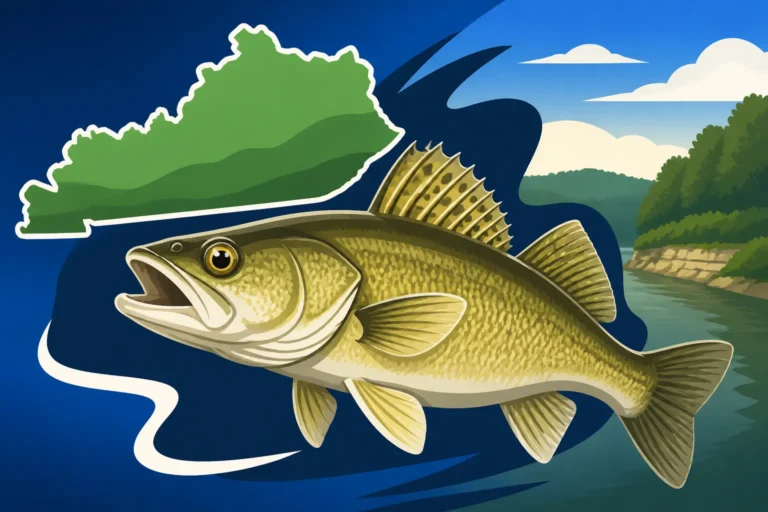
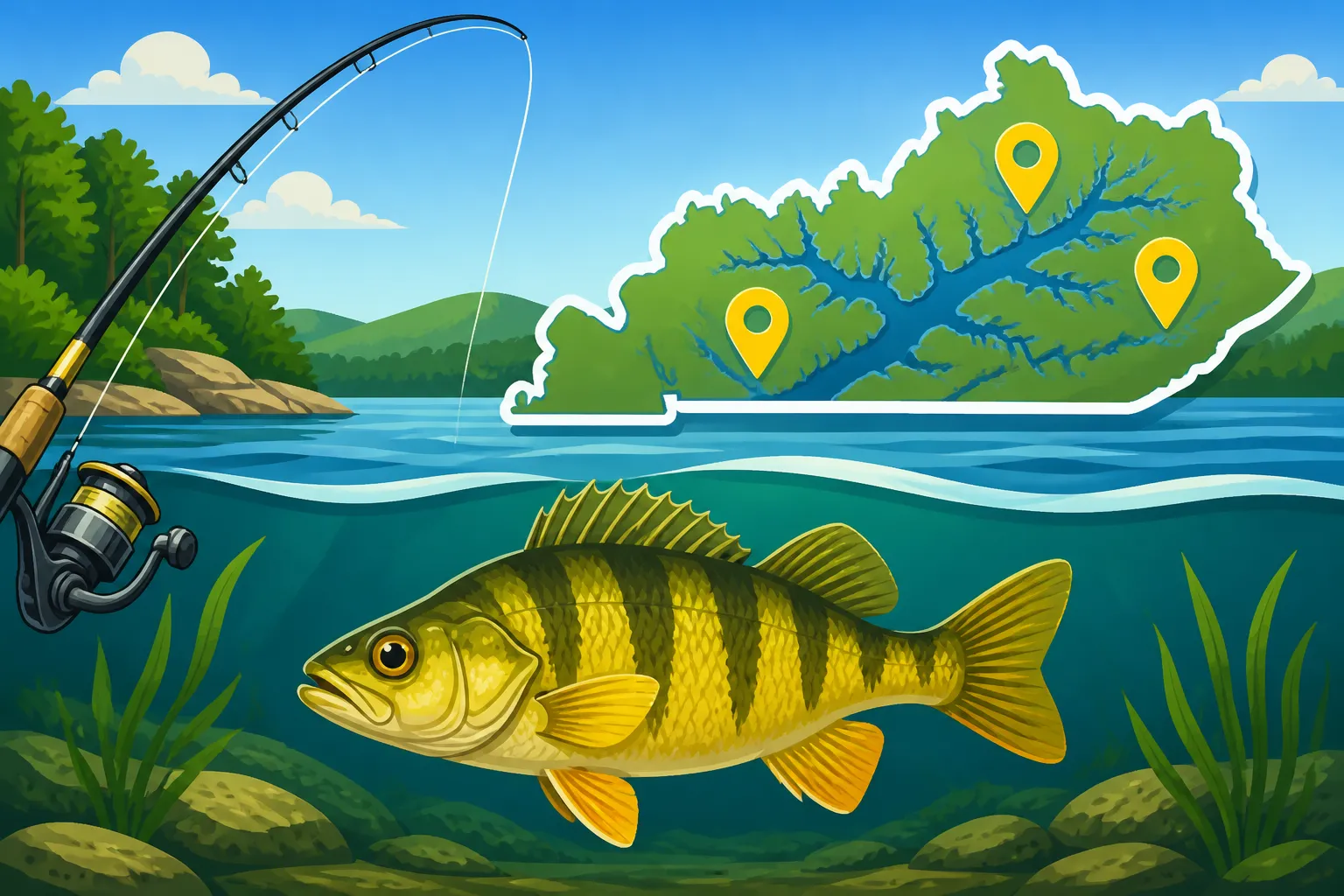
Before you can target them, it helps to know what you're looking for! Yellow perch are easily recognizable with their distinctive markings. They typically have a golden-yellow body with 6-8 dark, vertical bars on their sides, often extending from their back down towards their belly. Their fins can range from pale yellow to a vibrant orange-red, particularly their pelvic, anal, and caudal (tail) fins. They have two dorsal fins, the first being spiny and the second soft-rayed.
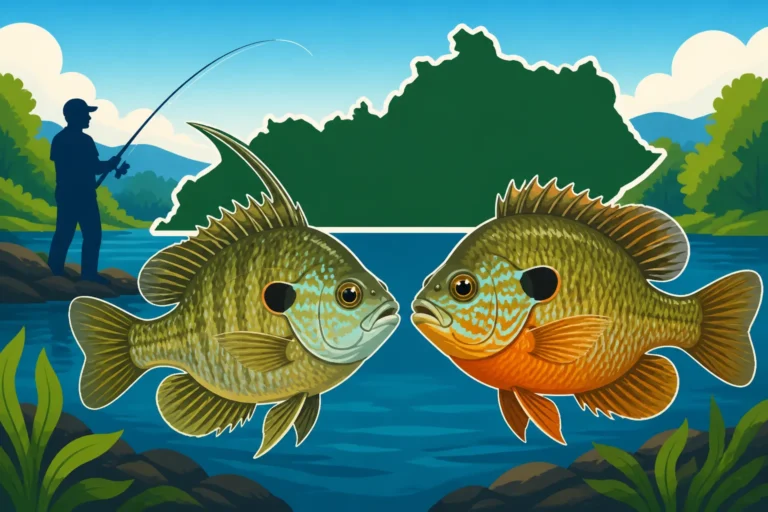
Size-wise, most yellow perch caught in Kentucky will be in the 6 to 10-inch range, though bigger ones can certainly be found. While they don't reach the massive sizes of some other game fish, a 12-inch yellow perch is a real trophy and will provide a fantastic meal. Keep an eye out for these visual cues, as it's not uncommon to catch other panfish like bluegill or crappie while targeting perch.
Key Kentucky Lakes Where Yellow Perch Swim
While yellow perch aren't found in every Kentucky water body, there are specific regions and lakes that offer more consistent opportunities for anglers willing to seek them out. It often requires a bit of local knowledge and sometimes some trial and error, but the reward of a fresh perch dinner is well worth the effort.
Eastern Kentucky Perch Hotspots
In Eastern Kentucky, anglers often turn their attention to lakes within the Daniel Boone National Forest region or other deep, clear reservoirs. These lakes can offer the cooler water temperatures and varied structure that yellow perch appreciate.
One particular lake that gets mentioned is Cave Run Lake. While famous for its muskie fishing, it also supports a decent population of yellow perch. Look for them in areas with submerged timber and rocky points, especially in the deeper sections of the lake. The lake's clear water and varied depths create good habitat. Another spot worth exploring in the region is Laurel River Lake, known for its deep, clear waters. While not a primary perch fishery, persistent anglers have reported finding them in deeper coves and along steeper drop-offs. Always check with local bait shops or the Kentucky Department of Fish and Wildlife Resources for the most current information on these specific lakes.
Western Kentucky Perch Opportunities
Western Kentucky is dominated by the massive Kentucky Lake and Lake Barkley, which are renowned for bass, crappie, and catfish. However, within these expansive waters, yellow perch do exist, albeit in more localized pockets. Anglers focusing on areas with extensive stump fields, old creek channels, or dense aquatic vegetation might have some luck.
For instance, on Kentucky Lake, targeting deeper creek channel edges or large flats with good bottom structure, particularly during the cooler months, can yield results. These big reservoirs offer vast amounts of habitat, so pinpointing the perch often means finding the subtle differences in structure or depth that they prefer. Best Crappie Spots on Kentucky Lake might hold some overlap for perch, as both species often relate to similar types of structure and forage. Don't be afraid to try different depths until you find where they are holding.
Central Kentucky Perch Pockets
Central Kentucky also offers a few promising locations for yellow perch. Herrington Lake, for example, is one of the deepest lakes in Kentucky and is known for its clear waters and steep drop-offs. While most anglers here target bass or crappie, the lake's characteristics make it suitable for yellow perch. Focus on areas with a good combination of depth, rock structure, and submerged brush piles.
Another potential spot is Taylorsville Lake, a popular destination near Louisville. This lake has numerous coves and standing timber, providing ample cover. While perch might not be as abundant as in some other states, dedicated efforts in the lake's deeper, clearer sections, particularly around submerged timber, could yield results. Taylorsville Lake's Best Bass Fishing Spots might give you some ideas for areas with good structure, as perch can often be found coexisting with other species. When exploring these waters, a good map available on Amazon can be invaluable for identifying promising depths and structures.
Here’s a quick overview of some potential yellow perch lakes in Kentucky:
| Lake Name | Region | General Characteristics | Best Times to Fish | Key Structures to Target |
|---|---|---|---|---|
| Cave Run Lake | Eastern Kentucky | Deep, clear, abundant timber | Fall, Winter, Early Spring | Submerged timber, rocky points, deep flats |
| Laurel River Lake | Eastern Kentucky | Very deep, clear, mountainous | Fall, Winter, Early Spring | Deeper coves, steep drop-offs, bluff lines |
| Kentucky Lake | Western Kentucky | Large, varied depths, riverine | Cooler Months | Creek channel edges, stump fields, deeper flats |
| Lake Barkley | Western Kentucky | Large, varied depths, riverine | Cooler Months | Old creek beds, ledges, deep vegetation |
| Herrington Lake | Central Kentucky | Deepest lake in KY, clear water | Year-round (deeper in summer) | Steep drop-offs, rock piles, submerged brush |
| Taylorsville Lake | Central Kentucky | Mid-depth, standing timber, coves | Cooler Months | Submerged timber, old roadbeds, channel bends |
Tactics and Tackle for Targeting Yellow Perch
Successfully catching yellow perch often comes down to using the right presentation and being in the right place at the right time. Since they are typically schooling fish, once you locate a few, you can often enjoy consistent action.
Best Baits and Lures
Yellow perch aren't generally picky eaters, which is good news! Small, live baits are often the most effective. Minnows, especially small fathead or shiner minnows, are a classic choice. Hook them lightly through the lips or just behind the dorsal fin to keep them lively. Worms, particularly pieces of nightcrawlers or small redworms, also work wonders. They are readily available and easy to keep.
For artificial lures, think small. Tiny jigs (1/32 to 1/16 ounce) tipped with a small plastic grub, tube, or even a piece of real worm, are incredibly effective. Colors like chartreuse, white, orange, and black can all produce results. Small blade baits, Kastmasters, or tiny spoons can also entice a bite, especially when vertically jigged over suspected perch schools. Some anglers even use micro crankbaits or grub-tailed spinners. Having a variety of small lures, easily found on Amazon, in your tackle box will increase your chances.
Rods, Reels, and Line
To truly enjoy the fight of a yellow perch, ultralight or light spinning tackle is the way to go. A rod in the 5'6" to 6'6" range with a fast or moderate-fast action will allow you to feel even the most subtle bites and provide an exciting battle with these smaller fish. Pair it with a small spinning reel (size 1000 or 2000) spooled with 4 to 6-pound test monofilament or fluorocarbon line. Braided line can also be used, especially if you're looking for extra sensitivity, but consider a fluorocarbon leader for stealth in clear waters.
The lighter line helps with casting small baits and makes your presentation more natural. It also enhances the sporting aspect of catching perch. Remember, precision and sensitivity are key when targeting these fish, so don't be afraid to go light with your gear. Best Rod and Reel Combo for Beginners is a good article to review if you're just starting out and need help with tackle selection.
Seasonal Strategies for Success
Yellow perch behavior, like most fish, is heavily influenced by the seasons and water temperature.
- Spring: After the ice thaws (if applicable) and water temperatures start to rise, perch move into shallower waters to spawn. This is a great time to find them along weed lines, shallow flats, and around submerged brush. They'll be actively feeding and can be quite aggressive.
- Summer: As water temperatures climb, perch often move deeper to find cooler, more oxygenated water. Look for them along thermoclines, deep drop-offs, or around offshore structures like humps, submerged islands, or deep-water brush piles. Vertical jigging or drift fishing with live bait can be very effective now.
- Fall: As the water cools again, perch become very active, feeding heavily in preparation for winter. They can often be found in medium depths, moving between shallower foraging areas and deeper holding spots. This is a fantastic time for consistent action.
- Winter: While Kentucky doesn't have extensive ice fishing, during colder periods, perch will concentrate in deeper basins or over mud flats, often near the bottom. They become less active but can still be caught with slow, subtle presentations like small jigs or deadsticked minnows. Winter Trout Fishing at Kentucky's Lake Cumberland might offer some relevant cold-water fishing insights, even though it's about trout. Understanding cold-water fish behavior is key.
No matter the season, a good fish finder can be an indispensable tool for locating schools of perch, especially in deeper water. Many portable options are available, and a quick search on Amazon can show you some great choices for your boat or kayak.
Responsible Perch Fishing: Regulations and Conservation
As with any species, responsible angling practices are crucial for maintaining healthy yellow perch populations in Kentucky's lakes. It's not just about catching fish; it's about ensuring future generations can enjoy the same opportunities. Always be aware of and adhere to the current regulations set by the Kentucky Department of Fish and Wildlife Resources.
Size and Creel Limits
While specific size and creel limits can vary by species and even by individual water body, yellow perch generally fall under panfish regulations. Often, there isn't a strict size limit, but there will be a daily creel limit (the maximum number of fish you can keep in one day). It’s essential to consult the latest Kentucky Fishing and Boating Guide or the KDFWR website before each trip. This information changes, and ignorance of the law is never an excuse. Violating these rules can lead to Penalties for Fishing Without a License in Kentucky, and other serious fines or legal consequences.
Even if there isn't a size limit, consider practicing selective harvesting. Keeping a few medium-sized perch for dinner and releasing the smaller ones or the very large, older fish (which are often important breeders) helps maintain a balanced population.
Protecting Perch Populations
Beyond adhering to limits, there are other ways we can help conserve yellow perch. Handling fish gently, especially those you intend to release, is paramount. Use wet hands when handling fish, and try to minimize their time out of the water. If a fish is deeply hooked, it's often better to cut the line as close to the hook as possible rather than attempting to rip the hook out, which can cause internal damage.
Protecting their habitat is also vital. Avoid littering, and be mindful of your boat's impact on shallow weed beds where young perch might be hiding. Supporting local conservation efforts and being an advocate for clean waters directly benefits all fish species, including the yellow perch. After all, we all want to keep Kentucky Fishing Regulations Explained clear and enforceable to protect these resources.
By understanding where to find them, what gear to use, and how to fish responsibly, you can unlock the quiet joy of yellow perch fishing in the Bluegrass State. It might require a bit more effort than targeting more abundant species, but the satisfaction of a successful perch outing, and the delicious reward, is well worth it.
Disclaimer
This article is for general informational purposes only and does not constitute professional advice. Laws, prices and regulations vary by location and change over time. Consult a qualified professional for guidance on your specific situation.