Life Jacket Requirements for Kids Under 12 in Kentucky
Oh, the joys of getting out on Kentucky's beautiful lakes and rivers with the family! There's nothing quite like watching a child's eyes light up with their first catch or the simple pleasure of a day on the water. But let's be honest, navigating all the rules and regulations, especially around something as critical as life jackets for our little ones, can feel like trying to untangle a bird's nest of fishing line. It’s easy to get confused about whether a jacket just needs to be on the boat or actually on your child. This guide is here to clear up all that uncertainty, meticulously breaking down Kentucky's life jacket requirements for children under 12, so you can focus on making memories safely and legally.
The Core Rule: Kentucky's Life Jacket Law for Children Under 12
When you're out enjoying Kentucky's waterways, whether it's a peaceful morning on Lake Cumberland or a lively afternoon on Kentucky Lake, the safety of our children is always paramount. The state of Kentucky, recognizing this, has a very clear and non-negotiable law regarding life jackets for its youngest boaters. It’s a rule designed to prevent tragedies and ensure that even if the unexpected happens, our kids have the best chance of staying safe.
The "Onboard and Wearing" Mandate
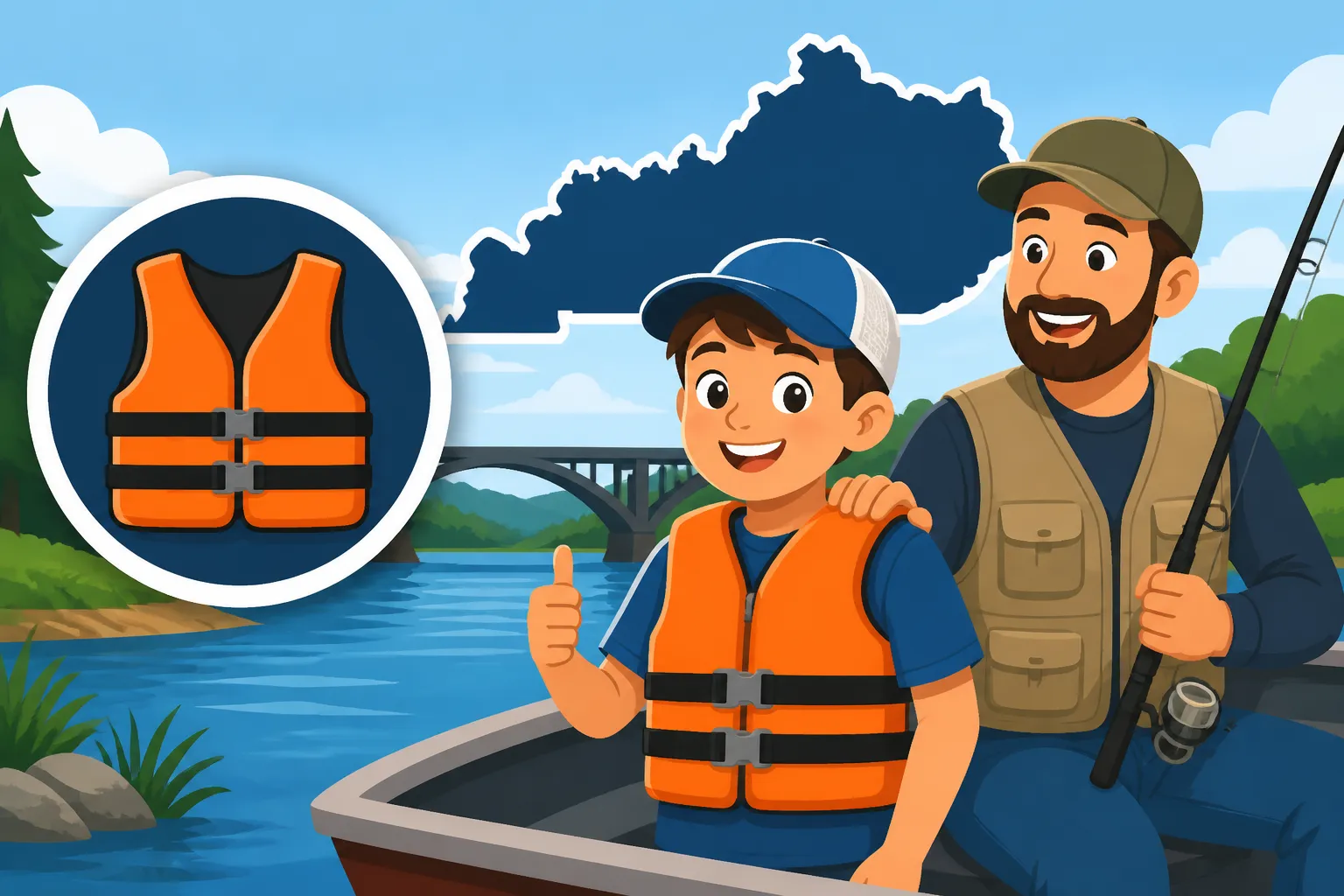
Here's the absolute truth: in Kentucky, any child under the age of 12 must wear a U.S. Coast Guard-approved life jacket at all times while on the open deck or cockpit of a recreational vessel that is underway. This isn't a suggestion; it's a legal requirement. It doesn't matter if they're just sitting quietly, fishing off the side, or playing. If the boat is moving and they're not in an enclosed cabin, that life jacket needs to be securely fastened on them. This law eliminates any guesswork or assumption about whether a child is a good swimmer or if the water is calm enough. The jacket needs to be worn.
Imagine you're cruising down the Green River, enjoying the scenery, and suddenly you hit an unexpected wake or a submerged log. An unexpecting bump could easily send a small child overboard. If their life jacket is simply stowed under a seat, there's often no time to grab it, put it on, and secure it properly. Having it on them means immediate buoyancy and visibility, which are critical in those first few precious moments. This rule is truly the simplest and most effective way to protect our kids when they're enjoying the water.
This regulation applies equally to all recreational vessels, from large pontoon boats to small fishing skiffs and even kayaks. It's a blanket rule for the safety of children, acknowledging their inherent vulnerability on the water. So, before you even cast off from the dock, make sure your young passengers are properly outfitted. For adults, the rules are slightly different, but the general principle of having Life Jacket Requirements for Every Boat Occupant in Kentucky on board is universal.
Specifics for Different Vessels and Situations
The "onboard and wearing" mandate applies to virtually all recreational vessels. This means if you're out on a bass boat, a pontoon, a ski boat, or even a canoe or kayak, and you have a child under 12, they need to be wearing that life jacket. There are no size exemptions for the boat itself. A small johnboat on a quiet pond is just as subject to this rule as a large cruiser on a bustling reservoir.
Now, you might be wondering about specific situations. What if you’re just anchored, fishing? If the boat is truly at rest and not "underway," the wearing requirement might be relaxed. However, I’ve always found it prudent to keep life jackets on children even when anchored, especially if they are active on deck. Kids move, they lean, they get excited. A sudden slip when a boat rocks from a passing wake could still lead to an accident. When in doubt, leave it on. It’s also important to note that this rule applies to children who are in the open portion of the boat. If your boat has an enclosed cabin, like a cruiser with a sleeping area, children within that cabin are generally exempt from the wearing requirement, though a life jacket must still be readily accessible for them.
The key is "underway." If the boat is propelled by machinery, sails, or even being paddled or rowed, it is considered underway. This covers almost any active use of a vessel on the water. So, whether you’re slowly trolling for crappie or zipping across the lake to a favorite swimming spot, your under-12 passengers must be wearing their life jackets. This consistent requirement helps simplify the law and ensures maximum safety for our youngest adventurers.
Why This Law Is Crucial for Child Safety
The reason for such a strict rule is heartbreakingly simple: drowning is a leading cause of accidental death for children. A life jacket dramatically increases a child's chances of survival in the event of an unexpected fall into the water. Children often panic, can't swim well, or might be knocked unconscious. A life jacket provides immediate flotation, keeping their head above water and making them easier to spot and retrieve.
Think about it from a rescue perspective. A child in a brightly colored life jacket is much more visible in the water, especially in choppy conditions or low light, than a child without one. Every second counts in a water rescue, and that immediate visibility can shave critical minutes off response time. Moreover, the cold shock of falling into cold Kentucky waters can incapacitate even strong swimmers. A life jacket provides some insulation and helps prevent hypothermia by keeping more of the body out of the water.
This law isn't about control; it's about protection. It's a proactive measure to safeguard the most vulnerable members of our boating community. While learning to swim is fantastic and highly encouraged, it's not a substitute for a life jacket when on a boat. Even Olympic swimmers wear them in certain boating situations. We might plan for a perfect day, but water, by its very nature, is unpredictable. This law helps us be prepared for those unforeseen moments.
Understanding the Age Cutoff and Practical Exemptions
Kentucky's life jacket law for children is quite specific about who it applies to, and understanding the nuances can help you stay compliant without feeling overly restricted. It's not just about knowing the age; it's about understanding the context of "underway" and the rare instances where the rule might not strictly apply.
What "Under 12" Truly Means
The law defines "under 12" as anyone who has not yet reached their twelfth birthday. It's a straightforward age cutoff, making it easy to determine who needs to wear a life jacket. If your child is 11 years, 364 days old, they need to wear one. The day they turn 12, the wearing requirement typically shifts to the onboard requirement, meaning a life jacket must be readily accessible for them, but they don't necessarily have to wear it unless specific conditions or vessel types require it (like while waterskiing or on a personal watercraft).
This age requirement is consistent across many states and is based on a general understanding of childhood development and swimming ability. Younger children, even those who have had swimming lessons, tend to have less strength, endurance, and judgment in an emergency situation. They also have a higher head-to-body ratio, making it harder for them to keep their face out of the water without assistance. So, if you're planning a fishing trip, and your little one is celebrating their 11th birthday, remember that life jacket needs to be on their person. The Kentucky Fishing License Requirements for Kids also have age-related specifics, so it’s good to check all age-based regulations before heading out.
When you're dealing with multiple children or a mixed-age group, it can sometimes be a quick mental check. My advice is always to err on the side of caution. If there's any doubt about a child's age or ability, a life jacket should be worn. It’s better to have them slightly uncomfortable than to face a preventable tragedy.
When Children Don't Have to Wear a Life Jacket (But Still Need One Onboard)
While the "wearing" rule is strict for children under 12, there are a couple of specific circumstances where it doesn't apply, primarily centered around whether they are in an enclosed area of the vessel or if the vessel is not underway.
The most common exemption is when a child is within an "enclosed cabin." Think of a cruiser with a fully enclosed sleeping area or a larger vessel with an internal compartment that is protected from the elements and from accidentally falling overboard. If the child is inside this secure, enclosed space, they do not have to wear the life jacket. However, and this is crucial, there must still be a U.S. Coast Guard-approved life jacket for that child readily available on board. This ensures that if the vessel encounters trouble and they need to evacuate, a jacket is immediately accessible.
Another practical (though often debated) exemption is when the boat is not underway. If you're completely anchored up, drift fishing with the engine off, or docked, the strict "wearing" requirement might technically be lifted. But again, I strongly recommend keeping jackets on young children even then, especially if they are moving around the boat. Accidents can happen quickly, even at rest. A sudden shift in weight, a slip on a wet deck, or an unexpected wave could still put a child in the water. It’s always safer to keep those vests on until they are safely off the boat.
The Importance of "Underway"
Understanding what "underway" truly means is key to applying Kentucky's life jacket law correctly. In simple terms, a vessel is considered "underway" when it is not anchored, moored, or aground. This means if your boat is being propelled by its motor (even at idle speed), sails, oars, or paddles, it is underway.
This definition is quite broad and covers most active boating situations. So, if you're just slowly puttering along the shore looking for a good fishing spot, you're underway. If you're trolling with an electric motor, you're underway. Even if you're just drifting with the current but haven't actually dropped anchor, you're technically underway. The only times you're definitively not underway are when your anchor is down and set, you're tied up to a dock or buoy, or your boat is stuck fast on the bottom.
This broad definition is why the rule for kids under 12 is so pervasive. It removes ambiguity. You don't have to debate whether "slow" means not underway or if "just drifting" counts. If the boat isn't held in place by an anchor or a line, that child needs their life jacket on. This consistency makes it easier for boaters to comply and for enforcement officials, like game wardens, to ensure everyone is safe. You might encounter a Game Warden Enforcement and License Checks While Fishing at any point on the water, and they will absolutely be looking for compliance with these safety rules.
Choosing the Right Life Jacket and Ensuring a Proper Fit
Finding the right life jacket for your child isn't just about grabbing the first one you see. There's a science to it, and making an informed choice can literally be a lifesaver. It’s about more than just checking a box; it’s about ensuring maximum protection and comfort so your child will actually keep it on.
Navigating US Coast Guard Approval Types
When you're looking for a life jacket, the first thing to always check for is a U.S. Coast Guard (USCG) approval stamp. This isn't just a recommendation; it's a legal requirement for all wearable life jackets on recreational vessels in Kentucky. USCG-approved life jackets are categorized into different "Types" (I, II, III, IV, V), each designed for specific uses and levels of buoyancy. For children, you'll primarily be looking at Type I, II, or III.
- Type I (Off-Shore Life Jackets): These are designed for extended survival in rough, open water where rescue may be delayed. They offer the most buoyancy and are designed to turn most unconscious wearers face-up in the water. They are typically bulky but offer superior protection.
- Type II (Near-Shore Buoyant Vests): These are good for calmer, inland waters or where a quick rescue is likely. They will turn some unconscious wearers face-up in the water but are less certain than a Type I. They are less bulky and generally more comfortable for continuous wear.
- Type III (Flotation Aids): These are also good for calmer, inland waters where rescue is likely. They are designed for conscious wearers, allowing for a wider range of motion and comfort. They do not guarantee turning an unconscious person face-up. This is often the most popular choice for general recreational boating because of its comfort and flexibility, but it's important to remember its limitations.
- Type V (Special Use Devices): These are specific-use jackets like those integrated into fishing vests or work vests. They must be worn to be considered legal and approved for their intended use.
For most family fishing and boating on Kentucky's lakes, a Type II or Type III life jacket is usually sufficient and offers a good balance of safety and comfort for children. Best Life Jackets for Kids on Big Lakes will often highlight these types. Always read the label carefully to ensure it's approved for the child's weight range and intended use.
Here's a quick overview of common USCG life jacket types for children:
| USCG Type | Description | Primary Use Area | Buoyancy Level | Re-right Unconscious Wearer? |
|---|---|---|---|---|
| Type I | Off-Shore Life Jacket | Rough, remote waters | Highest | Most likely |
| Type II | Near-Shore Buoyant Vest | Inland waters, where quick rescue is | Medium | Some likely |
| Type III | Flotation Aid | Calm inland waters, close to shore | Medium | No guarantee |
The Critical Importance of Sizing and Fit
This is where many people make mistakes. A life jacket is only effective if it fits properly. For children, this is even more critical because an ill-fitting jacket can actually be more dangerous than no jacket at all. A jacket that is too big can ride up around their ears, hindering vision and breathing, and could even slip off in the water. A jacket that is too small might not provide enough buoyancy.
Always choose a life jacket based on the child's weight, not their age or chest size alone. Each USCG-approved life jacket will have a weight range printed on the label (e.g., "Infant: under 30 lbs," "Child: 30-50 lbs," "Youth: 50-90 lbs"). Once you have the correct weight range, it's time to check the fit.
Here’s how to check for a proper fit:
- Buckle and Zip: Fasten all zippers, buckles, and ties on the life jacket.
- Lift Test: With the child standing, grasp the shoulders of the life jacket and gently lift. If the jacket rides up to or above the child’s ears, it’s too big. You should only be able to pull it up an inch or two from their shoulders. The jacket should feel snug but not uncomfortably tight.
- Encourage Movement: Have the child move around, sit down, and raise their arms. Does it pinch? Is it restrictive? If it's too uncomfortable, they might try to take it off.
- Practice in Water (if possible): If you can safely do so in a controlled environment, have your child try the jacket in shallow water. Does it keep their head safely above water? Do they feel secure?
Remember, kids grow fast! Always re-check the fit at the beginning of each boating season and as they grow. How to Choose the Right Life Jacket Size for Kids is a detailed guide that emphasizes these points.
Care and Maintenance for Longevity
Even the best-fitting, USCG-approved life jacket won't do its job if it's not properly maintained. Life jackets can degrade over time due to exposure to sun, saltwater (though less of an issue in Kentucky's freshwater), chlorine, and general wear and tear.
Here are some tips for keeping your child's life jacket in top condition:
- Rinse After Use: After each use, especially if it's been in lake water or gotten dirty, rinse the life jacket thoroughly with fresh water.
- Air Dry Completely: Hang it in a well-ventilated area to air dry, away from direct sunlight. Never store a damp life jacket, as this can lead to mold and mildew, which can compromise the material and flotation.
- Store Properly: Store life jackets in a cool, dry place. Avoid leaving them exposed to prolonged direct sunlight or extreme temperatures, which can break down the flotation material.
- Inspect Regularly: Before each season, and periodically throughout, inspect all straps, buckles, zippers, and fabric for tears, rips, frayed seams, or excessive fading. Check for any signs of waterlogging (a jacket that feels heavy when dry) or crushed foam. If a life jacket shows significant signs of wear or damage, or if it no longer provides adequate buoyancy, it's time to replace it. A damaged jacket is a compromised jacket.
- Avoid Harsh Chemicals: Do not use bleach, strong detergents, or other harsh chemicals, as these can damage the fabric and flotation material.
Taking care of your life jackets ensures they will perform as intended when you need them most. It’s a small investment of time for a huge return in safety.
Where to Purchase and What to Look For
Okay, so you understand the "why" and the "how" of life jackets. Now comes the "where." Finding a reliable, well-fitting life jacket for your child shouldn't be a chore. Many reputable retailers offer a wide selection, both in-store and online, making it easier than ever to equip your young boater safely.
Reputable Retailers and Online Options
When it comes to purchasing life jackets, you have a plethora of options. For those who like to see, touch, and try on gear in person, major sporting goods stores are an excellent choice. Places like Bass Pro Shops typically have a dedicated marine or watersports section with a broad range of USCG-approved life jackets in all sizes, including infants, children, and youth. The advantage of going to a physical store is that you can have your child try on different styles and sizes right there, ensuring a proper fit before you buy. Plus, staff at these stores are often knowledgeable and can help guide your selection.
If convenience is your top priority or you're looking for a wider variety of brands and price points, online retailers are incredibly popular. Amazon, for instance, offers a vast selection of life jackets from numerous manufacturers. When buying online, however, it's even more critical to meticulously check the size charts, read customer reviews (especially those mentioning fit for children), and be prepared to return items if the fit isn't perfect. Always double-check that the product explicitly states "U.S. Coast Guard Approved" and includes the specific Type (I, II, III, or V).
Don't overlook local bait and tackle shops or even general merchandise stores that carry seasonal outdoor gear. Sometimes these smaller shops have excellent selections and staff who are intimately familiar with local regulations and popular products. Regardless of where you buy, the core principles of USCG approval and proper sizing remain paramount.
Key Features to Prioritize for Kids
Beyond the USCG approval and correct weight range, there are several features that make a life jacket particularly suitable, comfortable, and safe for children. Prioritizing these can make a big difference in your child's willingness to wear the jacket and its effectiveness.
- Head Support (for Infants/Toddlers): For very young children (infants and toddlers), look for life jackets with a large, padded collar or head support. This feature helps keep their head above water and can turn them face-up if they fall in. It also provides a convenient grab handle for retrieval.
- Crotch Strap: This is a non-negotiable feature for children's life jackets, especially for younger kids. A crotch strap goes between the legs and connects to the front of the jacket, preventing it from riding up around their ears when they are in the water. Without it, a jacket can easily slip off or become ineffective.
- Bright Colors: Choose bright, highly visible colors like orange, yellow, or neon green. These colors stand out dramatically against water and natural backgrounds, making a child much easier to spot in an emergency.
- Comfort and Flexibility: While safety is first, comfort is key to compliance. Look for jackets with softer materials, less bulky designs, and features like adjustable straps for a customized fit. A child who is comfortable is far less likely to complain or try to remove their life jacket.
- Reflective Tape: Some higher-end life jackets include reflective tape, which can be invaluable if you're on the water in low light conditions or at night.
Considering these features will help you select a life jacket that not only meets the legal requirements but also maximizes your child's safety and comfort, leading to a much more enjoyable experience for everyone.
Comparing Features and Value
When you're shopping, it's easy to get caught up in price or brand names. While a good brand can be an indicator of quality, it's essential to compare features against the value offered. A more expensive jacket isn't always the best jacket for your child's specific needs, and a cheaper one might lack critical safety features.
Think about your primary use. Are you mostly fishing from a slow-moving pontoon on calm waters, or are you planning more active watersports? For calmer activities, a comfortable Type III vest might be perfect. If you anticipate more adventurous outings or rougher waters, a Type II with better head support might be a wiser (though potentially bulkier) investment for younger children. Look for durable stitching, robust buckles that won't easily snap, and high-quality foam that won't compact quickly.
Sometimes, a slight increase in price means better materials that are more comfortable, more durable, and better designed for a child's body shape, making it a better long-term investment. Consider the adjustability of the straps; more adjustment points allow for a more precise fit as your child grows. Always remember the true cost of an inadequate life jacket is immeasurable. Investing in a well-fitting, USCG-approved life jacket for your child is one of the most important gear decisions you'll make for any boating adventure. It's truly a piece of What Safety Equipment Is Required on a Kentucky Boat? that no one should compromise on.
Enforcement, Penalties, and Prioritizing Safety
Understanding the law is one thing, but knowing how it's enforced and what the consequences are for non-compliance adds a layer of realism. Ultimately, while penalties exist, the real priority is always the safety of our children on the water.
What to Expect from a Game Warden Check
Out on Kentucky's lakes and rivers, you'll likely encounter conservation officers or game wardens. Their job isn't just to check fishing licenses or monitor game limits; they're also tasked with ensuring boating safety regulations are followed. If a game warden approaches your vessel for a routine check, they will typically verify your Kentucky Fishing License Guide and often ask about safety equipment.
When it comes to life jackets, they will specifically look for:
- USCG Approval: Is every life jacket on board (and being worn) clearly marked as U.S. Coast Guard approved?
- Condition: Are the life jackets in serviceable condition, free from rips, tears, or excessive wear that would compromise their buoyancy?
- Quantity: Is there one readily accessible life jacket for every person on board, regardless of age?
- Children Under 12: Most importantly for this discussion, they will check if all children under 12 are wearing their properly fitted, USCG-approved life jackets when the vessel is underway in an open area.
A game warden's primary goal is education and safety. They want everyone to have a safe and enjoyable time on the water. However, they are also authorized to enforce the law, and non-compliance with critical safety regulations, especially those pertaining to children, is taken very seriously.
Consequences of Non-Compliance
Let's not mince words: getting caught with a child under 12 not wearing a life jacket when required can lead to penalties. The exact penalty can vary, but generally, it involves a fine. While I can't give specific figures, know that these fines are designed to be a deterrent and reflect the seriousness of the safety violation. It's often categorized as a Class B misdemeanor, which carries its own set of legal implications beyond just a monetary penalty.
Beyond the immediate fine, there could be other consequences. Repeated violations could lead to more severe penalties. More importantly, imagine the emotional toll if an accident were to occur and a child was injured or worse, due to not wearing a life jacket. The legal ramifications, including potential liability, would be far more devastating than any fine.
This isn't about scaring anyone; it's about being realistic. Kentucky’s Kentucky Fishing Regulations Explained are in place for a reason. Ignoring them, especially those pertaining to child safety, isn't just a minor oversight; it's a significant risk. The cost of a life jacket and the slight inconvenience of wearing it pales in comparison to the potential legal and, more profoundly, human costs of an accident.
Beyond the Law: Fostering a Culture of Water Safety
While legal compliance is essential, true water safety goes far beyond simply obeying the rules. It's about instilling a culture of safety, especially in our children, so that they grow up with a healthy respect for the water and its potential hazards. This means going beyond just the life jacket law.
- Lead by Example: If adults on the boat also wear life jackets, particularly in uncertain conditions or when the kids are young, it normalizes the behavior. Children learn best by observing. If they see you putting on your life jacket, they'll understand it's an expected part of boating. Coast Guard-Approved Life Jackets for Adults in Kentucky provides guidelines for adult jackets.
- Educate and Explain: Talk to your children about why they need to wear their life jackets. Explain that it’s like a seatbelt for the water, there to keep them safe. Involve them in picking out their life jacket and teach them how to put it on and fasten it correctly.
- Enroll in Swim Lessons: While not a substitute for life jackets, swimming lessons are an invaluable life skill that increases water confidence and competence.
- Review Kentucky Boating Safety Gear Checklist: Make it a habit to go through a safety checklist before every trip, ensuring all required and recommended gear is on board and in good working order.
- Buddy System: For older kids, teach them the buddy system and the importance of looking out for each other on and around the water.
- Emergency Preparedness: Briefly discuss what to do in an emergency, like how to signal for help or what to do if they fall overboard (tread water, stay calm, and rely on their life jacket).
By embracing these practices, we're not just complying with a law; we're building a foundation of responsible and safe boating for the next generation. It’s about creating an environment where everyone can enjoy Kentucky's beautiful waters with peace of mind.
Disclaimer
This article is for general informational purposes only and does not constitute professional advice. Laws, prices and regulations vary by location and change over time. Consult a qualified professional for guidance on your specific situation.