Best Boats for Kentucky’s Lake Cumberland Trout Fishery
Venturing onto the expansive waters of Lake Cumberland to chase trout can be an incredible experience, but it also presents a unique challenge: what kind of boat is truly best suited for this massive, deep lake and its elusive trout? Whether you're a seasoned angler or planning your first trip, choosing the right vessel makes all the difference in your comfort, safety, and success. This guide is here to help you navigate the options, focusing specifically on boats that excel in Kentucky's premier trout fishery.
Understanding Lake Cumberland's Unique Trout Fishery
Lake Cumberland isn't just any lake; it's a colossal body of water, known for its incredible depth, vast open stretches, and the cold, oxygen-rich waters that sustain a thriving trout population. This isn't your typical small pond or creek fishing – this is big water angling, and your boat needs to be up to the task. Understanding the characteristics of the lake and its trout habitat is the first step in selecting the ideal vessel.
The Scale and Depth of Lake Cumberland
One of the most striking features of Lake Cumberland is its sheer size. Stretching over 100 miles with more than 1,200 miles of shoreline when full, it's one of the largest man-made lakes in the country. This means long runs from the boat ramp to your favorite fishing grounds, and potentially navigating significant distances across open water. You're not just puttering around a coved inlet; you're often covering serious mileage.
Beyond its surface area, Lake Cumberland is also famously deep, with depths regularly exceeding 100 feet and some areas plunging much further. This depth is critical for trout, as they thrive in cooler, well-oxygenated water, often found at lower thermocline levels, especially as surface temperatures rise in the warmer months. Your boat needs to be capable of handling these deep-water conditions comfortably and safely. Imagine trying to chase schooling trout in the middle of a vast channel in a small, unstable craft – it's not only uncomfortable but potentially dangerous.
Trout Habitat and Fishing Styles
Lake Cumberland's trout fishery is primarily known for its rainbow trout, but brown trout are also present, especially in the tailwaters of the Cumberland River below Wolf Creek Dam. Anglers often target these fish in a few key ways. Trolling is a hugely popular and effective method, requiring a boat that can maintain slow, consistent speeds and safely handle trolling lines with multiple setups. This often involves downriggers or planer boards to get your lures to the right depth.
Another common method is vertical jigging or drifting bait in deeper water, particularly around ledges, drop-offs, and submerged structures where trout might congregate. This necessitates a boat with good stability, allowing anglers to stand and focus on their electronics without feeling constantly jostled. Bank fishing for trout is certainly possible in some areas, but for consistent success on the main lake, a boat is almost essential. The versatility of your chosen boat will greatly influence how effectively you can adapt to different trout behaviors and locations throughout the seasons. For those interested in year-round opportunities, exploring resources like Winter Trout Fishing at Kentucky's Lake Cumberland can provide deeper insights into seasonal patterns and how your boat choice aligns with them.
Types of Boats Ideal for Lake Cumberland Trout Fishing
When it comes to picking a boat for Lake Cumberland's demanding trout fishery, there isn't a single "perfect" answer. It really boils down to your personal fishing style, how many people you typically fish with, and of course, your budget. However, some boat types clearly stand out due to their design and capabilities on such a large body of water.
Deep-V Hull Boats: The Big Water Workhorses
For many serious Lake Cumberland anglers, a deep-V hull boat, often referred to as a multi-species boat or a walleye boat, is the gold standard. These boats are specifically designed to cut through choppy water, providing a smoother, drier ride than flatter-bottomed vessels. This is a huge advantage on Lake Cumberland, which can get surprisingly rough, especially on windy days or when contending with heavy recreational boat traffic. A solid deep-V will have a higher freeboard, meaning more boat side above the water, offering a greater sense of security and keeping more spray out of the boat.
Their stability at rest is also generally good for their class, allowing anglers to stand and fish with confidence. Many models come equipped with robust outboards that can cover vast distances efficiently, which is a must when you're running from one end of the lake to the other in search of active fish. These boats also tend to have ample storage for rods, tackle, and safety gear, and often feature built-in livewells and cutting-edge electronics mounts. While they can be a significant investment, their performance and safety on big water make them a top contender for dedicated trout anglers. They are fantastic for trolling precisely and for navigating the vast open water sections to reach prime trout holding areas like those discussed in Lake Cumberland's Best Trout Fishing Spots in Kentucky.
Pontoon Boats: Comfort and Versatility for Groups
It might surprise some, but pontoon boats have become incredibly popular on Lake Cumberland, and for good reason – even for fishing. While not typically thought of as dedicated fishing machines, modern pontoons, especially those marketed as "fishing pontoons" or "sport pontoons," offer an unparalleled level of comfort, space, and versatility. If you frequently fish with family or a group of friends, a pontoon boat provides ample deck space for everyone to spread out, cast, and even relax between bites. Their stable, flat platforms are fantastic for standing and jigging, and many come with rod holders, livewells, and even built-in fishing chairs.
The main drawback for serious trout anglers is their performance in rough water. While newer pontoons with larger tubes and more powerful engines handle chop better than older models, they still don't cut through waves like a deep-V. Long runs across open, choppy water can be a slower, wetter experience. However, for those prioritizing comfort, social fishing, and a stable platform for still-fishing or short trolling runs in calmer sections, a pontoon is a fantastic choice. Just be mindful of weather forecasts and boat traffic if you plan on venturing far from shore. For leisurely trips, including those focused on panfish alongside trout, a pontoon offers a truly enjoyable experience.
Jon Boats and Smaller Aluminum Craft: Shallow Water and Budget-Friendly
For anglers operating on a tighter budget or those primarily interested in accessing specific shallower areas or the river sections feeding into Lake Cumberland, smaller aluminum boats like jon boats or basic V-hull fishing boats can be an option. These boats are typically lighter, more fuel-efficient, and easier to launch and retrieve than their larger counterparts. They excel in tight spaces and can get into smaller coves or upstream areas that larger boats can't access, which might hold some surprising fish, though perhaps not the main lake trout.
The significant trade-off, however, is their performance on the main body of Lake Cumberland. Jon boats, with their flat bottoms, are notoriously rough riders in choppy conditions and offer minimal protection from spray. A sudden storm or large boat wake can quickly turn a comfortable outing into a challenging one. While suitable for calm mornings near shore or fishing smaller tributaries, they are generally not recommended for tackling the open waters of Lake Cumberland, especially if you plan to venture out far for trout. Safety and comfort become major concerns. Always ensure you have all the necessary Life Jacket Rules for Boats in Kentucky knowledge before heading out in any boat, especially smaller ones.
Fishing Kayaks: The Stealthy Approach
Kayak fishing has exploded in popularity, and a dedicated fishing kayak can be an incredibly effective and affordable way to target trout on Lake Cumberland, particularly for solo anglers seeking a more intimate experience. Modern fishing kayaks are designed for stability, often featuring wider hulls and specialized seating that allows for standing casts. They are incredibly stealthy, allowing you to approach fish without spooking them, and can access areas that even small boats can't reach.
The obvious limitations are speed, range, and capacity. Covering vast distances on Lake Cumberland in a kayak is time-consuming and exhausting, making them better suited for exploring specific coves, points, or fishing closer to launch sites. While some paddlers use them for trolling, it's a much more laborious process than with a motorboat. Safety is paramount: you're much more exposed to the elements and boat traffic. Always paddle with a partner, wear your Coast Guard-Approved Life Jackets for Kentucky Boaters at all times, and be mindful of weather conditions. Despite these challenges, the unique perspective and solitude offered by kayak fishing for trout can be incredibly rewarding. Many models, found at retailers like Bass Pro Shops, are designed specifically for fishing with features like rod holders and tackle storage.
Key Features to Look For in a Lake Cumberland Trout Boat
Beyond the basic type of boat, several specific features are crucial for a successful and enjoyable trout fishing experience on a lake as formidable as Lake Cumberland. These considerations will enhance your safety, comfort, and ultimately, your ability to catch fish.
Stability and Freeboard: Battling Big Water and Boat Wakes
On Lake Cumberland, especially during peak seasons or on weekends, you're going to encounter boat wakes – big ones. Pleasure cruisers, houseboats, and even other fishing boats can kick up substantial waves that can turn a calm day into a bouncy one. A boat with good stability and a decent amount of freeboard is not just about comfort; it's a major safety factor. High freeboard helps keep water out of your boat, prevents accidental splashes from soaking your gear, and provides a safer feeling for passengers, especially if you have children onboard.
Look for boats with a deep-V hull, as discussed earlier, or wider beams if considering a pontoon. These designs inherently offer more stability. Imagine trying to tie a knot or handle a thrashing trout on a rolling boat – good stability makes all the difference in maintaining your balance and focus. It allows you to concentrate on your fishing rather than constantly bracing yourself, improving your overall experience and reducing fatigue.
Motor Considerations: Navigating Vast Distances and Currents
Given the size of Lake Cumberland, your motor choice is paramount. You'll likely be running significant distances, so reliability and fuel efficiency are key. A powerful enough outboard motor is essential not just for speed, but also for safety. Being able to quickly navigate away from inclement weather or safely handle unexpected currents near the dam or major channels is critical. For instance, comparing the efficiency and power needed for covering the vastness of Lake Cumberland versus a smaller body of water is a good exercise.
For serious trout trolling, a smaller "kicker" motor, typically a 9.9hp or smaller outboard, can be invaluable. This allows you to maintain very slow, precise trolling speeds for hours without putting excessive wear and tear on your main engine, and it's far more fuel-efficient for those long trolling passes. An electric trolling motor, particularly one with GPS-enabled spot-lock technology, is also a game-changer for precise positioning when jigging or holding over specific structure. While your main motor gets you there, a good kicker and electric motor provide the finesse needed for effective trout fishing. Understanding requirements such as Kentucky Motorboat Registration Requirements for New Owners is essential regardless of motor type.
Storage and Livewells: Keeping Your Catch Fresh and Gear Organized
Any serious fishing boat needs ample storage, and a Lake Cumberland trout boat is no exception. You'll want dedicated rod lockers to protect your valuable rods and reels during travel, especially if you're carrying multiple setups for different techniques. Beyond rods, consider storage for tackle boxes, safety gear, anchor, ropes, and extra clothing. Clutter not only creates a tripping hazard but can be incredibly frustrating when you're trying to quickly grab a lure or net a fish.
For trout, a good livewell is highly beneficial, especially if you plan to keep your catch or participate in a tournament. Trout are delicate fish, and a well-aerated, properly sized livewell will help keep them healthy. Some anglers even use built-in coolers or specialized insulated compartments to keep their trout fresh on ice, especially if they are harvesting fish for the table. Think about how many people you typically fish with and how much gear everyone brings – that will help you gauge your storage needs.
Electronics and Navigation: Depth Finders and GPS on a Huge Lake
Fishing Lake Cumberland without quality electronics is like trying to find a needle in a haystack blindfolded. A reliable fish finder with good depth-finding capabilities is non-negotiable. Trout often suspend at specific depths or relate to subtle changes in underwater topography that are invisible from the surface. Side-imaging and down-imaging technologies can give you an incredible view of the underwater world, helping you locate schools of baitfish, submerged timber, and the trout themselves. Many top-tier units are available from a variety of manufacturers through retailers like Amazon.
Given the lake's massive size, a GPS unit integrated with your fish finder or as a standalone device is also incredibly important. It allows you to mark waypoints for productive fishing spots, navigate safely in low light or fog, and track your trolling paths with precision. Having up-to-date mapping data for Lake Cumberland is a huge advantage, showing depths, contours, and points of interest. These tools are your eyes and ears underwater and on the surface, making your fishing far more efficient and productive. You can learn more about general electronic needs at Fish Finders and Electronics for Kentucky Lake Fishing, many of which apply directly to Lake Cumberland.
Navigating Boat Selection: New vs. Used and Budget Considerations
Deciding between a new or used boat, and understanding the financial implications, is often the most challenging part of boat ownership. Lake Cumberland offers incredible fishing, but getting set up with the right boat doesn't have to break the bank if you approach it strategically.
The New Boat Appeal: Customization and Warranty
Buying a new boat is exciting. You get the latest technology, a fresh warranty, and the opportunity to customize it exactly how you want. From choosing your motor size and brand to selecting specific electronics packages and interior layouts, a new boat allows you to tailor your vessel to your precise fishing needs. You also have the peace of mind that comes with knowing the boat has no hidden issues from previous owners and is built to modern safety standards.
However, this luxury comes at a premium. New boats depreciate quickly, and the initial investment can be substantial. For a well-equipped deep-V or fishing pontoon suitable for Lake Cumberland, you're looking at a significant financial commitment. Factor in not just the purchase price, but also taxes, registration fees, potential financing costs, and essential accessories like safety gear, anchors, and dock lines. While a new boat is fantastic, ensure it aligns with your long-term budget and how often you realistically plan to use it. Remember to factor in the specific Kentucky Boat Registration Requirements Explained when budgeting.
The Used Boat Market: Value and Potential Pitfalls
The used boat market can offer incredible value, allowing you to get a larger, better-equipped boat for the same price as a smaller, new model. Many anglers upgrade their boats frequently, meaning there's a good selection of well-maintained used boats available that are perfectly capable of tackling Lake Cumberland. This is a great way to get on the water with a quality vessel without the immediate hit of new boat depreciation.
However, buying used requires careful inspection. Always conduct a thorough pre-purchase inspection, ideally with a marine mechanic, to check the engine, hull, electronics, and trailer. Look for signs of neglect, hidden damage, or deferred maintenance. Don't be afraid to ask for maintenance records and even a sea trial on the water. A poorly maintained used boat can quickly become a money pit. But with due diligence, you can find a fantastic deal that puts you on the trout without emptying your wallet.
Budgeting Beyond the Purchase Price
Many first-time boat owners underestimate the ongoing costs associated with boat ownership. Beyond the initial purchase, whether new or used, you'll need to budget for:
- Registration and Titling: Annually renewed, these fees are mandatory. You can find detailed information on Kentucky Boat Titling and Registration Rules.
- Insurance: Essential to protect your investment.
- Fuel: Especially on a large lake like Cumberland, you'll burn through a lot of gas.
- Maintenance: Routine engine service, winterization, and unexpected repairs.
- Storage: Marina slip fees, dry storage, or secure parking if you keep it at home.
- Trailer Maintenance: Tires, bearings, lights, and brakes need regular attention.
- Accessories: Rods, reels, tackle, coolers, safety equipment – the list is endless!
Creating a realistic budget that encompasses these ongoing expenses will help ensure that your boat ownership experience is enjoyable and sustainable. Consider browsing Best Rods and Reels for Kentucky Fishing and Best Tackle and Gear for Bank Fishing (many bank fishing items are useful on boats too) to get an idea of accessory costs.
Essential Gear and Safety for Lake Cumberland Boating
Once you've chosen your ideal boat for Lake Cumberland, equipping it properly and understanding safety protocols are just as vital as the boat itself. Lake Cumberland is a vast and potentially unforgiving body of water, and being prepared is paramount for an enjoyable and safe fishing trip.
Mandatory Safety Equipment and Best Practices
Kentucky law mandates certain safety equipment be on board all vessels, and these aren't just suggestions – they're there to save lives. Beyond the specific legal requirements, there are best practices that every boater on Lake Cumberland should adopt.
First and foremost, life jackets are non-negotiable. Every person on your boat must have access to a Coast Guard-approved life jacket, and children under a certain age are legally required to wear them while the boat is underway. Always ensure your life jackets are in good condition and fit properly. Beyond that, a fire extinguisher (required for boats with enclosed engines or fuel storage), sound-producing device (like a horn or whistle), visual distress signals (flares for night boating), and navigation lights (for dawn, dusk, or night operation) are all essential. These are basic necessities that can make a monumental difference in an emergency. You can brush up on all requirements with articles like Kentucky Boat Safety Certificate Requirements and Life Jacket Rules for Boats in Kentucky.
Beyond the mandatory items, consider carrying a basic first-aid kit, a tool kit for minor repairs, extra rope or dock lines, and a fully charged cell phone in a waterproof bag. It’s also wise to file a float plan with a trusted person on shore, letting them know where you're going and when you expect to return. This simple act can be life-saving if something unexpected happens.
Tackle and Rigging for Lake Cumberland Trout
Outfitting your boat with the right fishing gear is what turns it into a true trout machine. For Lake Cumberland, a diverse tackle selection is key due to the varied methods used to target trout. You'll want multiple rod and reel setups: some for trolling with downriggers or planer boards, perhaps medium-light to medium-heavy action rods with line counter reels. Other setups for vertical jigging or drifting should be sensitive enough to detect subtle bites in deep water, often a graphite spinning or casting rod with fast action.
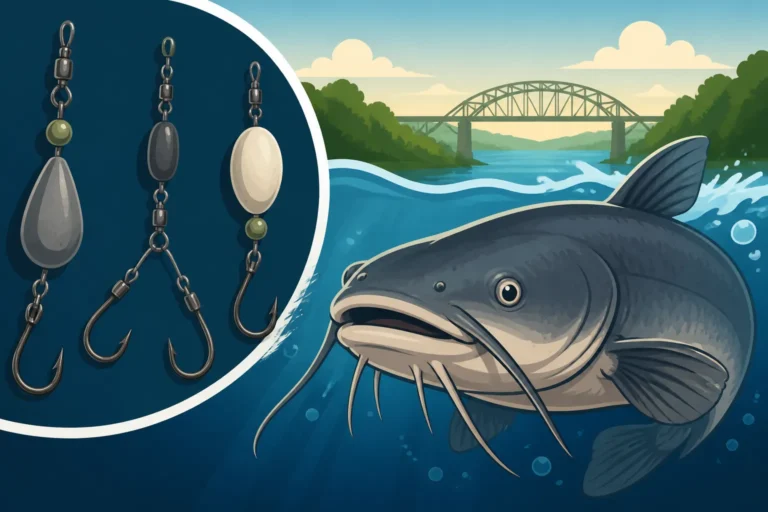
Lure choices will include a variety of spoons, crankbaits, and stickbaits for trolling, often in silver, blue, white, or chartreuse colors to mimic baitfish. For jigging, consider heavy jigs or even live bait rigs with weights to get to the depths where trout often hold. Don't forget swivels, leaders, and a good selection of terminal tackle. A long-handled net is also indispensable for landing large trout, especially when fishing solo. Retailers like Bass Pro Shops are excellent places to stock up on these specialized items, or you can find a vast array of options on Amazon. Having a well-organized tackle box will prevent frustration and maximize your time on the water.
Boat and Trailer Maintenance Essentials
Your boat is an investment, and proper maintenance is crucial for its longevity and your safety. Regular engine service, as recommended by the manufacturer, is paramount. This includes oil changes, fuel filter replacements, and checking spark plugs. Before each outing, do a quick visual inspection: check your propeller for damage, ensure all lights are working, and test your bilge pump.
Your boat trailer is equally important. Many breakdowns happen on the road, not on the water. Before each trip, check tire pressure, inspect trailer lights, and ensure your wheel bearings are in good shape (especially for long hauls to Lake Cumberland). After launching and before heading home, always ensure your boat is securely strapped to the trailer. A good habit is to flush your engine with fresh water after each use, especially if you've been in areas with sediment, to prevent corrosion. Diligent maintenance not only extends the life of your boat but also prevents frustrating and potentially dangerous issues on the water or the road. Exploring resources like Boat Trailer and Ramp Guide for Kentucky Lakes can provide helpful tips for keeping your trailer in top shape.
Table: Boat Types for Lake Cumberland Trout Fishing
To help summarize your options, here's a quick comparison of the common boat types suitable for Lake Cumberland trout fishing:
| Boat Type | Pros | Cons | Ideal Scenario |
|---|---|---|---|
| Deep-V Hull (Multi-species) | Excellent rough water handling, stable, good for long runs, ample storage, efficient for trolling. | Higher cost, can be less stable at rest than a pontoon, requires more powerful tow vehicle. | Dedicated trout anglers, serious trolling, fishing in all conditions, covering large areas. |
| Pontoon Boat | Superior stability at rest, huge deck space, comfortable for groups, versatile for multiple activities. | Can be slow in rough water, poor wave-cutting ability, less nimble for precise fishing maneuvers. | Family fishing, social outings, still-fishing, casual trolling in calmer waters. |
| Fishing Kayak | Stealthy, highly portable, affordable, good for solo anglers and tight spots, intimate experience. | Limited speed and range, minimal storage, exposed to elements, not ideal for rough, open water. | Solo anglers, exploring coves and shorelines, calm days, budget-conscious. |
| Smaller Aluminum Boat (Jon/Small V-hull) | Affordable, lightweight, easy to launch/retrieve, good for very calm, shallow areas. | Very poor in rough water, limited capacity, minimal storage, uncomfortable in chop. | Extreme budget, very calm conditions, short trips, access to small, protected areas. |
This article is for general informational purposes only and does not constitute professional advice. Laws, prices and regulations vary by location and change over time. Consult a qualified professional for guidance on your specific situation.