How to Get a Kentucky Safe Boating Certificate
Navigating Kentucky's beautiful lakes and rivers should be a joy, a time for relaxation, and a chance to make memories, not a source of stress or confusion about regulations. Many folks find themselves scratching their heads, wondering exactly what kind of hoops they need to jump through to legally and safely operate a boat, especially with specific age requirements that can feel a little… well, specific. This guide is here to untangle the requirements for getting your Kentucky Safe Boating Certificate, making sure you understand who needs it, how to get it, and why it's such a valuable asset for every boater on the water.
Understanding the Importance of Your Boating Certificate
Let's be honest, nobody wants more paperwork. But when it comes to boating, a safe boating certificate isn't just about ticking a box; it's about making sure everyone on the water has the knowledge to enjoy themselves responsibly and avoid dangerous situations. Think of it as a driver's license for the water – it proves you understand the rules of the road, or in this case, the rules of the waves. The waters of Kentucky, from the vast expanses of Kentucky Lake to the winding paths of the Cumberland River, are shared spaces, and knowing how to navigate them safely is a commitment to yourself, your passengers, and every other boater out there.
More Than Just a Rule: The Value of Boating Safety Education
While it might seem like just another requirement, boating safety education truly arms you with crucial knowledge. You'll learn about navigation rules, how to respond to emergencies, understanding weather patterns, and identifying aids to navigation. It’s not just theoretical; these are practical skills that can prevent accidents, keep your loved ones safe, and even save lives. Imagine you're out on Lake Barkley, and a sudden storm rolls in, kicking up whitecaps. If you've taken a boating safety course, you'll know how to properly handle your vessel, what safety gear to check, and where to seek shelter. This knowledge turns a potentially terrifying situation into a manageable one. It's about being prepared for the unexpected, which is a huge part of being a responsible boater. This proactive approach to safety is exactly why the Kentucky Department of Fish and Wildlife Resources emphasizes these certifications.
Legal Requirements and Avoiding Unnecessary Penalties
The bottom line is, if you fall within the demographic that requires a boating certificate, it's a legal obligation. Operating a boat without the necessary certificate, just like fishing without a valid license, can lead to fines and other penalties. Law enforcement officers, including game wardens and Kentucky State Police, routinely patrol our waterways to ensure everyone is compliant with safety and licensing regulations. Getting caught without the proper certification can quickly turn a fun day into a frustrating one, with potential monetary penalties and the hassle of dealing with legal repercussions. It's always better to be prepared and carry your documentation. You wouldn't want to face similar consequences to those outlined in Penalties for Fishing Without a License in Kentucky, so it’s wise to take care of your boating certificate ahead of time.
Who Exactly Needs the Kentucky Safe Boating Certificate?
This is where some of the most common confusion arises. Not every boater needs a certificate, but a significant portion does. Kentucky, like many other states, has implemented specific requirements to target younger operators who might have less experience on the water. Understanding these rules is key to staying compliant. It's not about being an "old timer" versus a "newbie," but about a specific birthdate that acts as a dividing line.
The "Born After 1975" Rule Explained
In Kentucky, if you are born after January 1, 1975, and you operate a motorboat or personal watercraft (PWC) on public waters, you are generally required to possess a Kentucky Safe Boating Certificate. This rule ensures that younger generations of boaters receive formal education on safe boating practices before they hit the water. It’s a pretty straightforward cutoff, but it catches a lot of people off guard if they haven't been boating in Kentucky before or if they're just getting into the hobby. So, if your birth year is 1976, 1985, 1999, or any year after 1975, this certificate is for you when you're at the helm of a motorized vessel. This core requirement is further detailed in Do You Need a Boating Certificate If You Were Born After 1975 in Kentucky?.
Exemptions and Special Cases to Consider
While the "born after 1975" rule is broad, there are some specific exemptions and circumstances to be aware of:
- Age Limits for Operators: While the certificate applies to those born after 1975, there are also age restrictions on who can operate a motorboat or PWC at all. Generally, those under the age of 12 have significant restrictions and often must be accompanied by a certified adult.
- Non-motorized Vessels: If you're solely paddling a canoe, kayak, or stand-up paddleboard, or sailing a sailboat without an auxiliary motor, you typically aren't required to have this certificate. The rules primarily apply to motorized watercraft.
- Out-of-State Certification: If you're a nonresident boater and have a valid boating safety education certificate issued by another state or U.S. Coast Guard Auxiliary, or if you've completed a U.S. Power Squadron course, that certification is usually recognized in Kentucky. This reciprocity helps make it easier for visitors to enjoy our waters without having to take a new course.
- Private Waters: Boating safety certificates are generally required for operation on public waters. If you're on a private pond or lake where public access is restricted, the state's boating certificate requirements typically do not apply, though common sense and local regulations always prevail.
- Emergency Situations: In a genuine emergency where life or property is at risk, an uncertified person might operate a vessel to prevent harm, but this is a rare exception and not a loophole for regular operation.
It’s always a good idea to double-check the specifics for your situation, especially if you're involved with special types of vessels like Personal Watercraft (PWCs), as mentioned in Kentucky Boating Certificate for PWC Operators.
Your Step-by-Step Guide to Getting the Certificate
Okay, so you've figured out you need the certificate. What next? The process is thankfully pretty streamlined, designed to be accessible to most people. You have a few options for completing the required education, whether you prefer learning from the comfort of your home or in a classroom setting. The goal is to absorb the safety information, pass a knowledge test, and receive your official documentation.
Choosing an Approved Boating Course
The first step is selecting a state-approved boating safety course. Kentucky accepts courses from a few different reputable providers:
- Online Courses: These are a popular choice for many, offering flexibility to learn at your own pace. You can find several Kentucky-approved online courses from providers that are often advertised on outdoor retail sites like Bass Pro Shops or through general searches on platforms like Amazon for boating safety materials. These courses typically include interactive modules, videos, and quizzes, culminating in a final exam. They are fantastic for busy schedules.
- In-Person Classes: For those who prefer a traditional classroom environment, hands-on learning, or direct interaction with instructors, in-person courses are available. These might be offered by local community centers, marinas, or organizations like the U.S. Coast Guard Auxiliary or U.S. Power Squadrons. Check the Kentucky Department of Fish and Wildlife Resources website for a list of scheduled classes in your area.
- Home Study Options: Some providers might offer a home study guide or workbook that you complete on your own, followed by taking a proctored exam. This is less common now with the prevalence of online courses but can still be an option.
Regardless of the format, ensure the course is approved by the National Association of State Boating Law Administrators (NASBLA) and recognized by the Kentucky Department of Fish and Wildlife Resources. This ensures that the curriculum meets all state requirements.
What to Expect During the Course
The content of an approved boating safety course is comprehensive, covering all the essentials you need to know to be a safe boater. Here's a general overview of what you'll learn:
- Boating Basics and Terminology: Understanding parts of a boat, types of vessels, and common nautical terms.
- Safety Equipment: What essential gear you need to have on board, from life jackets (and understanding Life Jacket Rules for Boats in Kentucky, especially Kentucky Life Jacket Law for Kids Under 12) to fire extinguishers (Fire Extinguisher Requirements for Kentucky Boats).
- Rules of the Road/Navigation Rules: How to avoid collisions, right-of-way rules, and proper navigation in different scenarios.
- Aids to Navigation: Interpreting buoys, markers, and other navigational aids.
- Legal Requirements: Understanding vessel registration, numbering, and operator responsibilities, linking to topics like Kentucky Boat Registration Requirements Explained.
- Emergency Procedures: What to do in case of capsizing, man overboard, fire, or other emergencies.
- Adverse Weather: Recognizing dangerous weather conditions and how to prepare for them.
- Environmental Responsibility: Minimizing your impact on the environment and preventing pollution.
- Personal Watercraft (PWC) Operation: Specific rules and safety considerations for jet skis and similar vessels.
The courses are designed to be engaging and educational, making what could be dry material quite interesting. Instructors often share real-world scenarios and experiences, which can be incredibly helpful for learning and retaining the information. The goal isn't to trick you, but to genuinely educate you for safe enjoyment of the water.
Passing the Exam and Receiving Your Certificate
Once you've completed all the course material, you'll need to pass a final exam. This exam typically consists of multiple-choice questions designed to test your understanding of the safety principles and regulations covered. Don't stress too much; if you've paid attention during the course, you should be well-prepared.
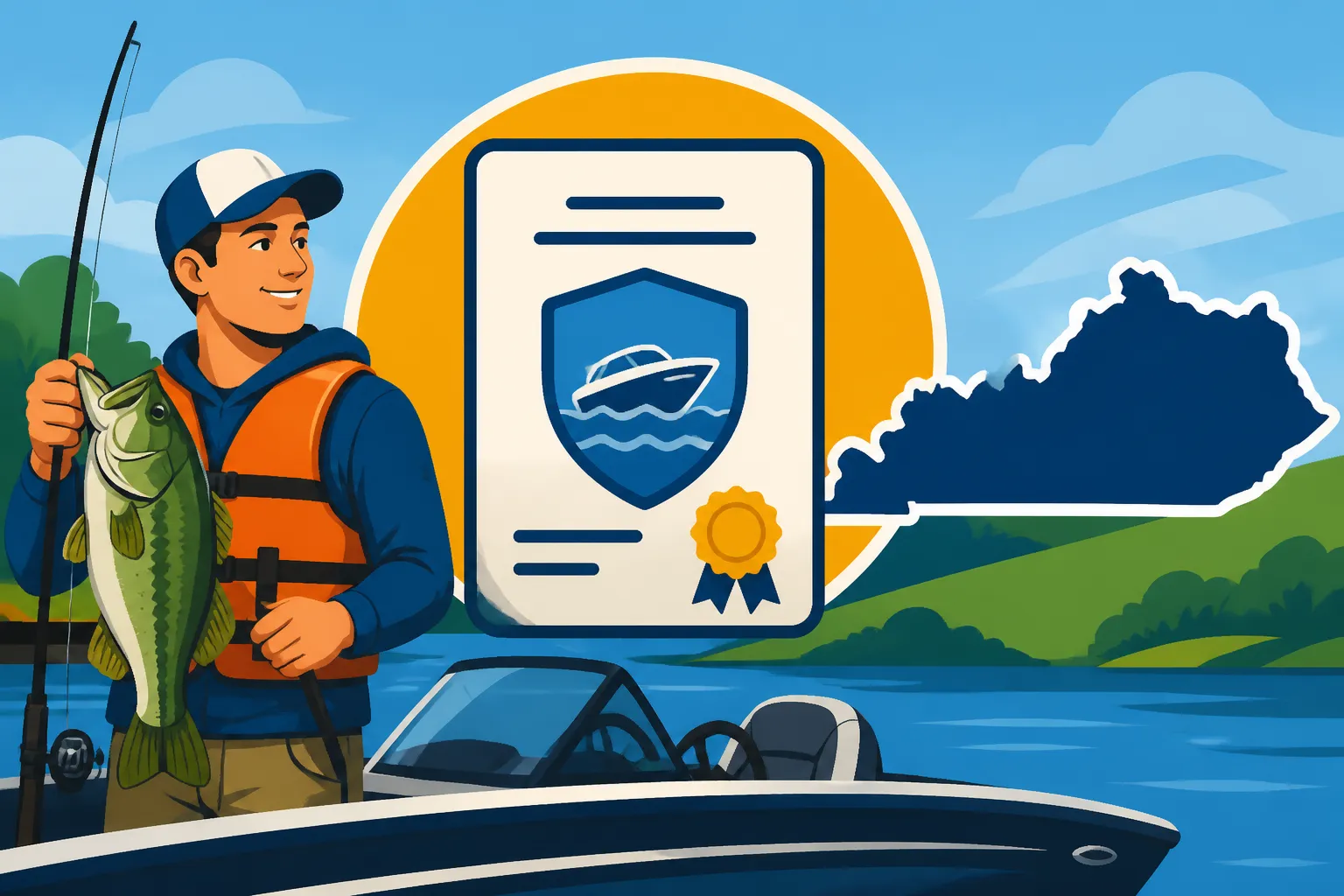
Upon successfully passing the exam, you will receive your Kentucky Safe Boating Certificate. This isn't just a paper certificate; it's your proof of competence and compliance. Some courses might issue a temporary certificate immediately, with the permanent card mailed to you later. It’s important to keep this certificate on hand whenever you're operating a motorboat or PWC, as you could be asked to present it by law enforcement. Think of it as part of your Essential Safety Gear for Every Boat in Kentucky – it's crucial for your personal peace of mind and legal compliance.
Here's a quick comparison of online vs. in-person courses:
| Feature | Online Boating Course | In-Person Boating Course |
|---|---|---|
| Flexibility | High (learn at your own pace, anytime, anywhere) | Low (fixed schedule and location) |
| Cost | Varies, often similar or slightly less | Varies, may include facility or instructor fees |
| Interaction | Limited to online chat/email support | Direct interaction with instructors and classmates |
| Pacing | Self-paced, can review material as needed | Instructor-led, pace dictated by class |
| Study Environment | Your choice (home, coffee shop, etc.) | Classroom setting |
| Certificate Delivery | Often immediate digital proof, physical mailed later | May be issued on-site after passing |
| Learning Style Suitability | Independent learners, busy schedules | Visual/auditory learners, prefer group setting |
Keeping Your Certificate Accessible and Understanding Its Validity
Once you have your certificate, the job isn't quite done. You need to make sure you have it with you when you're on the water and understand that it doesn't expire, but the landscape of boating regulations can always change, so staying informed is key.
Digital vs. Physical Proof: What to Carry
In today's digital age, many certifications can be accessed electronically. While a physical card is traditional, most states, including Kentucky, will accept a digital copy displayed on your smartphone or tablet as valid proof during a safety stop. However, technology can fail (dead battery, lost signal), so carrying a laminated physical card is always a reliable backup. Some anglers even keep a copy with their fishing license in their tackle box, just in case. Regardless of whether you choose digital or physical, ensure it’s clearly legible and matches your identification. Having both might seem like overkill, but it ensures you're never caught off guard during a routine Game Warden Enforcement and License Checks While Fishing.
Certificate Validity and Staying Informed
The good news is that once you've obtained your Kentucky Safe Boating Certificate, it typically does not expire. This is unlike your driver's license or an annual fishing license, which require regular renewal. The certificate is generally a one-time educational achievement. However, this doesn't mean you can forget everything you learned. Boating regulations, safety recommendations, and technology can evolve. It's always a good practice to periodically review boating safety materials or check the Kentucky Department of Fish and Wildlife Resources website for any updates to laws or guidelines. Staying informed helps you remain a truly safe and responsible boater, long after you've passed that initial exam.
Getting your Kentucky Safe Boating Certificate is an investment in safety and peace of mind. It’s about more than just legal compliance; it’s about having the confidence and knowledge to enjoy Kentucky's amazing waterways responsibly.
Disclaimer
This article is for general informational purposes only and does not constitute professional advice. Laws, prices and regulations vary by location and change over time. Consult a qualified professional for guidance on your specific situation.