Best Bait for Crappie Fishing
Oh, crappie fishing! It's one of those pursuits that can be incredibly rewarding, pulling in a cooler full of delicious fillets, but it can also be downright frustrating if you're not using the right bait. You spend hours on the water, you've located the brush piles, maybe even seen them on your sonar, but those speckled beauties just aren't biting. It makes you wonder if you're missing something crucial, and often, that crucial element is the bait. This guide is all about demystifying crappie bait, helping you understand what these fish truly crave, and equipping you with the knowledge to pick the perfect offering for any Kentucky fishing scenario.
Understanding Crappie Preferences: What Makes a Bait Irresistible?
Crappie are fascinating fish, and what makes a bait irresistible to them often comes down to understanding their natural instincts and environment. They aren't always aggressive predators, and sometimes, subtlety is key.
Crappie Foraging Habits
Crappie, whether black or white, are primarily ambush predators, but they're not typically chasing down fast-moving prey over long distances. Instead, they love to hang out around structure – submerged trees, brush piles, dock pilings, lily pads – waiting for an unsuspecting meal to swim by. Their diet primarily consists of smaller baitfish like minnows, shad, and even small crustaceans and insects. They have relatively large mouths for their body size, designed for "inhaling" their prey rather than biting and tearing. This means a bait that's easy to engulf and appears natural or enticingly vulnerable is often the most effective. They are also schooling fish, so where you find one, you often find many, and if you dial into what that school is eating, you're in for a treat.
Key Factors in Bait Selection
Selecting the right crappie bait isn't a one-size-fits-all situation. Several environmental factors play a huge role in what crappie will respond to. Understanding these nuances can dramatically improve your success.
- Water Temperature: This is perhaps the most critical factor. In colder water (early spring, late fall, winter), crappie are less active, and their metabolism slows down. They're looking for an easy meal, often suspended or moving slowly. This is when a small, subtle presentation is best. As the water warms up during the spring spawn, crappie become much more aggressive and will strike at faster-moving baits. During the heat of summer, they often retreat to deeper, cooler water, and a more direct, vertical presentation can be more effective.
- Water Clarity: In clear water, crappie can be very visual feeders. Natural colors, subtle movements, and smaller baits tend to work best as they look more realistic. They can inspect your offering closely. In stained or muddy water, visual cues are reduced, so you need baits that create vibration or offer high-contrast colors (like chartreuse or orange) to grab their attention. Scent can also play a larger role here.
- Depth: Crappie will suspend at different depths depending on conditions like water temperature, oxygen levels, and baitfish location. Your bait needs to be presented right in their strike zone. If they're holding tight to a brush pile at 15 feet, a shallow-running crankbait isn't going to cut it. Learning to "read" your sonar or experiment with different depths is key.
- Time of Year: As mentioned, seasons dictate crappie behavior. Spring means shallower water and spawning aggression. Summer pushes them deep. Fall sees them moving back towards shallower feeding areas as temperatures cool. Winter means slow, deep presentations. Your bait choice should align with these seasonal patterns. You can learn more about specific timing in our guide to Kentucky Crappie Fishing: Spring Spawn Run Guide.
Live Bait: The Undisputed King of Crappie Fishing
When it comes to consistently catching crappie, especially when they're finicky, live bait often reigns supreme. There's just something about the natural movement, scent, and texture that crappie can't resist.
Minnows: The All-Time Classic
If you ask any seasoned crappie angler in Kentucky what their go-to bait is, chances are "minnows" will be at the top of the list. They are simply the most natural and effective presentation for crappie, mimicking exactly what these fish feed on regularly.
There are various types of minnows, but small shiners or fathead minnows are commonly available at local bait shops across Kentucky. Size matters here; you typically want small minnows, usually 1-3 inches long. A minnow that's too large can intimidate a crappie, or they simply won't be able to get it in their mouth.
Rigging minnows effectively is key. A popular method is to hook the minnow lightly through the lips, which allows it to swim naturally and stay alive longer. Another common technique is to hook it just behind the dorsal fin, keeping the hook out of the spine to avoid paralyzing it. You can present minnows under a slip bobber, allowing you to easily adjust your depth, or you can slow-troll them or cast them with a small split shot for a more subtle presentation. For the best results, always use a small, sharp hook (like a size 4 or 6 Aberdeen hook) that won't impede the minnow's natural movement. You can usually find a good selection of these hooks and other terminal tackle at Bass Pro Shops or even online through retailers like Amazon, ensuring you're ready for your next trip to the lake.
Crickets and Worms: Alternative Live Options
While minnows are king, don't overlook other live bait options, especially in certain situations.
- Crickets: These aren't just for bluegill! Crappie, particularly smaller ones or those in stained waters, will readily strike at crickets. Their erratic kicking on the surface or just below can be a huge attractant. Crickets are great when crappie are feeding closer to the surface, maybe around lily pads or shallow cover. Hook them gently through the collar or under the chin to keep them lively.
- Worms (Wax Worms, Mealworms, Red Wigglers): These smaller worms are especially effective on finicky crappie or in colder water when a subtle, slow presentation is necessary. They don't offer the same visual appeal or natural swimming action as a minnow, but their scent and wiggling motion can trigger bites. Often, anglers will tip a small jig with a wax worm to add extra scent and a tempting morsel. This combination can be deadly when the bite is slow. Red wigglers are also a fantastic option, often available at your local bait store or even in your own backyard compost pile!
Artificial Baits: Versatility and Convenience for Crappie
While live bait is hard to beat, artificial baits offer incredible versatility, convenience, and the ability to cover more water quickly. Plus, you don't have to worry about keeping them alive!
Small Jigs: The Angler's Workhorse
Jigs are arguably the most popular artificial bait for crappie, and for good reason. They are incredibly versatile, mimicking a variety of baitfish, insects, and crustaceans.
- Jig Sizes and Weights: For crappie, you're generally looking at very small jigs, typically 1/32 oz, 1/16 oz, or 1/8 oz. The weight you choose depends on depth, current, and the action you want to impart. Lighter jigs fall slower, giving the crappie more time to react, while heavier jigs get down to deeper fish quicker.
- Colors and Materials: Jig heads come in a rainbow of colors, but popular choices include chartreuse, white, black, pink, and various combinations. The body of the jig can be made of hair (marabou jigs) or soft plastic.
- Marabou Jigs: These offer a very natural, "breathing" action in the water, even when barely moved. The soft marabou fibers pulsate enticingly. They are excellent for slow retrieves or when crappie are suspended and less aggressive.
- Soft Plastic Jigs: These come in countless shapes: curly-tail grubs, paddle-tail swimbaits, tubes, straight tails, and more. Colors are crucial here, and sometimes Best Crappie Jig Colors for Stained Water might be chartreuse or bright orange, while in clear water, natural greens, browns, or smoke colors excel. For instance, in clear Kentucky lakes like Lake Cumberland, a subtle green pumpkin grub might outperform a loud chartreuse. The beauty of soft plastics is that you can change them quickly to experiment with different profiles and colors.
- Jigging Techniques: The name says it all! Jigs are meant to be "jigged." This can be a subtle lift-and-drop, a slow retrieve with pauses, or even vertical jigging directly over a brush pile. When crappie are shallow during the spawn, a gentle retrieve just above submerged structure can be deadly. Learn more about effective techniques in How to Jig for Crappie in Shallow Water.
Spinnerbaits and Crankbaits: When to Go Aggressive
While jigs are great for finesse, sometimes crappie want a bit more flash or a faster presentation. This is where small spinnerbaits and crankbaits come into play.
- Tiny Spinnerbaits (Road Runners): These jigs with an attached spinning blade are excellent for adding flash and vibration. The blade creates a disturbance that can attract crappie from a distance, especially in stained water or when they're actively feeding. They are fantastic for casting and retrieving around shallow cover or slow-trolling. The blade size and color can be experimented with—gold for sunny days, silver for cloudy, or brightly colored blades for low light.
- Small Crankbaits: Don't think big bass crankbaits here. We're talking about tiny, shallow-diving crankbaits, often no more than 1-2 inches long. These are fantastic for covering water, especially when crappie are spread out or feeding aggressively in shallow to medium depths. They create a lot of vibration and flash and can trigger reactionary strikes. When crappie are holding shallower, perhaps in the spring, or moving between cover, a slow-rolling micro crankbait can be incredibly effective. Make sure to match the retrieve to the fish's mood – sometimes a steady retrieve is best, other times, a stop-and-go action is what they prefer.
Soft Plastics: Mimicking Natural Prey
Beyond standard jig bodies, a wide array of soft plastic baits exists specifically for crappie, designed to imitate various forage items with subtle movements.
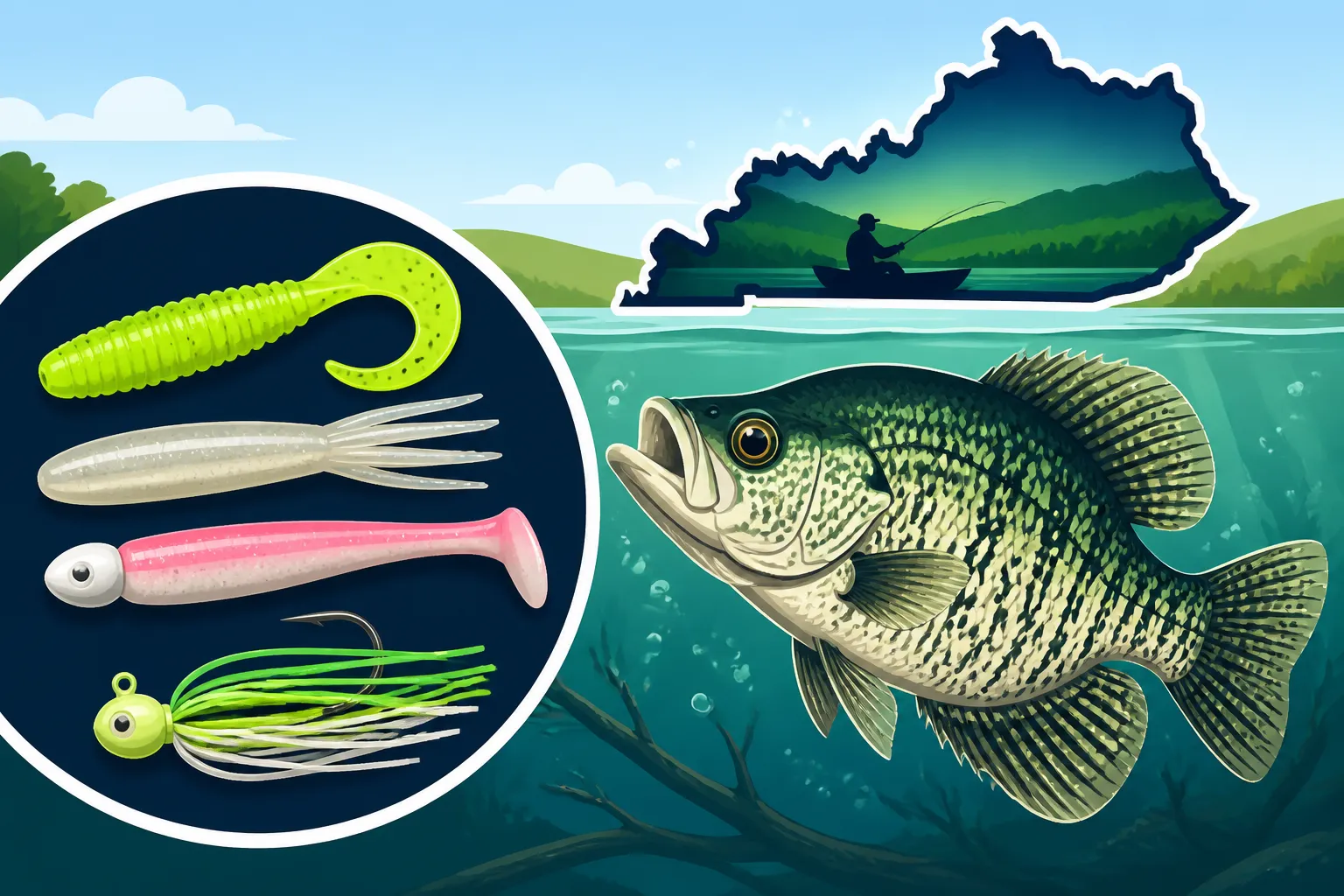
- Curly-Tail Grubs: These are staples. The thin, curly tail provides continuous action even at very slow retrieves, making them irresistible to crappie. They come in many sizes and colors.
- Tubes: Small tubes, often 1.5-2 inches, are another fantastic option. They have a subtle pulsing action and can be tipped with scent or even a small piece of live bait for added appeal. They're excellent for vertical presentations or when jigging over suspended fish.
- Tiny Swimbaits: These miniature versions of bass swimbaits have a paddle tail that creates a natural swimming action. They are great for imitating small baitfish and can be highly effective when retrieved steadily, simulating a lone minnow.
- Spider Grubs: These baits have multiple thin legs or tentacles that wiggle and pulsate with the slightest movement, often used on a "spider rig" for crappie fishing. The natural action of these legs can be very tempting to crappie.
The beauty of soft plastics is their incredible versatility. You can often buy them in bulk from stores like Bass Pro Shops or even online through Amazon, ensuring you have a wide array of options for different water conditions and crappie moods.
Seasonal Bait Strategies for Consistent Crappie Catches
Crappie behavior changes dramatically with the seasons, and so should your bait strategy. Matching your bait and presentation to the time of year is paramount for consistent success.
Spring Crappie: Spawning Frenzy
Spring is arguably the most anticipated time for crappie anglers in Kentucky. As water temperatures rise into the 50s and 60s, crappie move into shallow water to spawn. This is when they are most aggressive and often easiest to catch.
During the spawn, crappie are focused on reproduction and feeding up. They’ll often hold tight to shallow cover like brush, submerged grass, or even riprap.
- Best Baits: Small minnows suspended under a bobber are absolute killers. They present an easy meal to fish that are concentrated and guarding nests. Small soft plastic jigs, particularly curly-tail grubs in chartreuse, white, or black, are also incredibly effective when cast to visible cover. A 1/16 oz or even 1/32 oz jig slowly retrieved or vertically jigged next to a submerged log can trigger a strike. Tiny spinnerbaits, like a 1/8 oz Road Runner, are great for covering water and locating active fish. For deeper insights into this exciting time, check out When Does Crappie Spawning Start in Kentucky and Best Depth to Fish for Crappie in Spring.
Summer Crappie: Deep Water Retreat
Once the spawn is over and water temperatures really heat up, crappie tend to abandon the shallows and move to deeper, cooler, and more oxygenated water. They'll often suspend over creek channels, along ledges, or in the branches of submerged timber.
Finding these deeper schools can be a challenge without good electronics, but once you do, they can be caught in large numbers.
- Best Baits: Live minnows are still a top choice, presented on tightlines or under slip bobbers at precise depths. Vertical jigging with small jigs (1/8 oz or 1/4 oz to get down quickly) is highly effective. Soft plastics like tubes or paddle-tail swimbaits in natural colors (greens, browns, clear with flake) are excellent for this. The key is to get your bait right in their face and use a slower, more deliberate retrieve or jigging motion. Sometimes, dead-sticking a minnow directly above a deep brush pile is all it takes. For targeting these deeper fish, our guide on How to Find Crappie in Deep Water in Summer offers excellent strategies.
Fall and Winter Crappie: Transition and Sluggishness
Fall brings a welcome cool-down and can be an excellent time to target crappie as they feed heavily in preparation for winter. They'll often move back towards shallower flats and creek channels before settling into their winter patterns. Winter fishing can be tough, but rewarding for dedicated anglers.
- Fall: Look for crappie along creek channel bends, secondary points, and brush piles in 10-20 feet of water. They're often schooling tightly. Minnows, small jigs, and even tiny crankbaits can be productive. The bite can be aggressive, similar to spring, as they try to fatten up.
- Winter: This is when crappie are most sluggish and often hold in deep, stable water, sometimes as deep as 20-40 feet, often suspended over the deepest parts of creek channels or large brush piles.
- Best Baits: The slowest, most subtle presentations are usually best. Tiny marabou jigs (1/32 oz or 1/16 oz) or soft plastic micro-jigs tipped with a wax worm or piece of a minnow are incredibly effective. Vertical jigging directly over the fish, with minimal movement, is key. Dead-sticking a live minnow just above the school can also produce bites. Remember, their metabolism is slow, so they won't chase much. Put the bait right in front of them and keep it there.
Here's a quick comparison of popular crappie baits to help you decide:
| Bait Type | Pros | Cons | Best Situations |
|---|---|---|---|
| Live Minnows | Highly natural, effective on finicky fish | Require aeration/care, can be messy | All seasons, especially slow bites, spawning |
| Crickets/Worms | Natural scent, good for subtle bites | Less durable, attract smaller fish | Shallow water, finicky fish, tipping jigs |
| Small Jigs | Versatile, durable, wide color range | Can require more active retrieve | All seasons, various depths, covering water |
| Tiny Spinnerbaits | Flash and vibration, attracts from distance | Less subtle, may spook finicky fish | Active fish, stained water, covering water |
| Small Crankbaits | Covers water quickly, triggers reaction | Can be too aggressive for slow bites | Aggressive fish, searching, shallow to medium |
| Soft Plastics | Versatile, durable, specific actions | Can be torn easily, less natural scent | All seasons, finesse, mimicking specific forage |
No matter the bait you choose, remember that experimentation is part of the fun. One day, crappie might only hit a chartreuse jig, and the next, they might only want a live minnow. Pay attention to what the fish are telling you and be willing to switch things up until you find what they're biting on. Good luck out there, and may your cooler be heavy!
Disclaimer
This article is for general informational purposes only and does not constitute professional advice. Laws, prices and regulations vary by location and change over time. Consult a qualified professional for guidance on your specific situation.