Kentucky Boating Certificate for PWC Operators
It can feel like navigating a maze trying to figure out all the rules and regulations that come with operating a personal watercraft, or PWC, on Kentucky's beautiful lakes and rivers. Many folks assume that because a PWC is smaller than a traditional boat, it might fall under different rules, especially when it comes to getting a boating safety certificate. But missing this crucial piece of information can lead to fines or worse, jeopardize your safety. This guide is here to clear up all that confusion, detailing exactly what PWC operators in Kentucky need to know about obtaining their boating certificate and staying safe on the water.
Understanding Kentucky's Boating Safety Education Requirements
Kentucky takes boater safety seriously, and for good reason. With so many diverse waterways, from the bustling Ohio River to the serene coves of Lake Cumberland, ensuring everyone knows the rules of the road is paramount. The state's requirements for boating safety education are designed to create a safer environment for all water users, and personal watercraft operators are definitely included in these provisions. It's not just about avoiding a ticket; it's about understanding how to prevent accidents and respond effectively if one occurs.
The "Born After 1975" Rule and PWC Operators
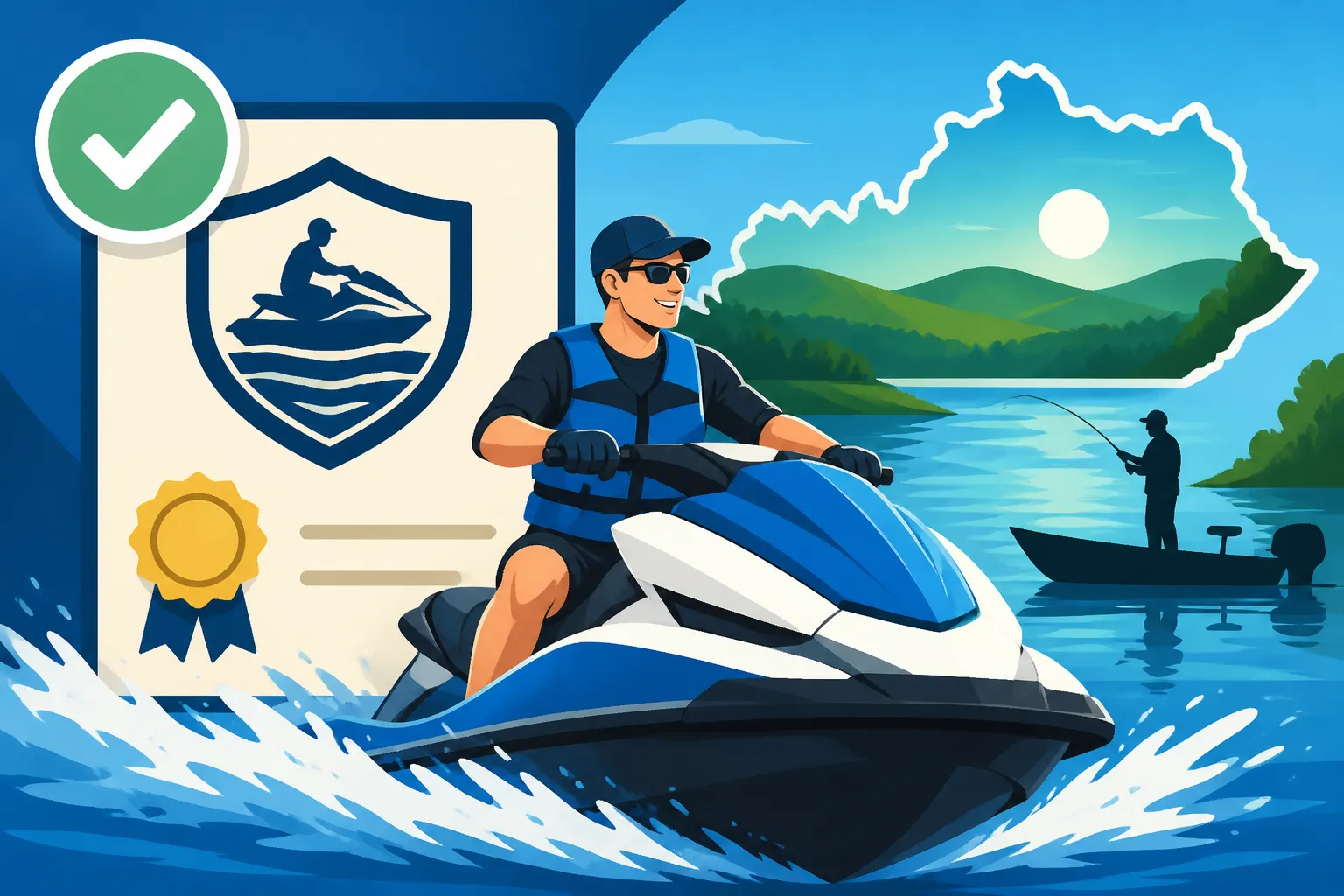
One of the most significant pieces of Kentucky boating law that affects PWC operators is the "born after 1975" rule. This regulation states that anyone born on or after January 1, 1976, must possess a Kentucky Safe Boating Certificate to operate a motorboat, which explicitly includes personal watercraft. This isn't a suggestion; it's a legal requirement designed to ensure that younger generations of boaters are properly educated before hitting the water. If you're out on a PWC and you fall into this age bracket, a Kentucky Fish and Wildlife Resources (KDFWR) conservation officer will expect you to have this certification on hand. It's a key part of your boating credentials, much like a driver's license for the road.
This rule means that even if you've been riding PWCs for years and consider yourself an expert, if you meet the age criteria, you still need to complete the course and get your certificate. There's no grandfathering in based on experience; the law is clear. It impacts everyone from teenagers enjoying their first summer on a jet ski to seasoned adults who just haven't gotten around to taking the class yet. Understanding Kentucky Safe Boating Certificate and the 1975 Birthdate Rule is fundamental for compliance and safe operation.
Why a Boating Certificate Matters for PWC Users
Beyond legal compliance, obtaining a boating certificate offers significant advantages for PWC users. First and foremost, it drastically improves safety. The courses cover essential topics like navigation rules, aids to navigation, safe operating practices, and emergency procedures that are directly applicable to PWC operation. You'll learn about respecting other vessels, understanding channel markers, and how to react in various situations, from encountering rough wakes to avoiding submerged hazards. This knowledge can literally be a lifesaver, not just for you but for everyone else on the water.
Secondly, having the certificate can sometimes translate into insurance benefits. Many marine insurance providers offer discounts to policyholders who have completed an approved boating safety course, as it demonstrates a commitment to responsible operation. It shows them you're less likely to be involved in an accident, which is a win-win for everyone. Ultimately, the certificate proves you've invested in understanding the responsibilities that come with operating a powerful machine on public waters, contributing to a more enjoyable experience for all.
What the Boating Safety Course Covers
The content of a Kentucky boating safety course is comprehensive, providing a solid foundation for responsible PWC operation. You'll delve into the "rules of the road" – how to pass other boats, who has the right-of-way, and how to safely navigate around larger vessels or in busy areas. A significant portion covers required safety equipment, which is especially important for PWCs where space is limited but certain items are still mandatory. You’ll learn about everything from properly fitting life jackets to the use of sound-producing devices.
Furthermore, the courses educate you on environmental responsibilities, like avoiding pollution and understanding wake etiquette to prevent shoreline erosion or disturbance to other water users. You'll also learn about common hazards, emergency preparedness, and the effects of alcohol on boating, which is just as dangerous as drunk driving. These courses are designed to make you a more informed, confident, and ultimately, safer PWC operator, protecting both yourself and the natural beauty of Kentucky's waterways. To get a full overview of what's required for boaters, you might want to look at Kentucky Safe Boating Certificate Requirements.
How to Obtain Your Kentucky Boating Safety Certificate
Getting your Kentucky Boating Safety Certificate doesn't have to be a daunting task. The state offers various pathways to fulfill the education requirement, making it accessible for most individuals. Whether you prefer the flexibility of online learning or the structure of a classroom setting, there's an option that will fit your schedule and learning style. The goal is to ensure you gain the necessary knowledge, not to create unnecessary hurdles.
Online Course Options and Providers
For many PWC operators, online courses are the most convenient way to earn their boating certificate. These self-paced programs allow you to learn from the comfort of your home, fitting study sessions around your work and personal life. Several reputable online providers are approved by the National Association of State Boating Law Administrators (NASBLA) and recognized by the KDFWR. These courses typically include interactive modules, quizzes, and practice exams to prepare you for the final certification test. When looking for courses or even gear, you might find that major retailers like Bass Pro Shops sometimes partner with these online course providers or can point you in the right direction for recognized training.
Before you enroll, always double-check that the online course you choose is approved for Kentucky. The KDFWR website usually provides a list of accepted providers. Once you've completed all the modules and passed the final exam, you'll receive a temporary certificate, with a permanent card typically mailed to you shortly after. This flexibility is a huge benefit, allowing you to get certified without disrupting your busy life.
In-Person Class Benefits
While online courses offer convenience, some individuals prefer the traditional classroom experience. In-person classes provide a structured learning environment, often with certified instructors who can answer questions in real-time and share personal anecdotes that bring the material to life. These classes can be particularly beneficial for those who learn better through direct interaction or who appreciate the discipline of a scheduled class time. They also offer a chance to network with other boaters and PWC enthusiasts, building a sense of community around water safety.
The KDFWR or local boating organizations sometimes offer these classes at community centers, marinas, or other venues across the state. While they might require a fixed schedule, the opportunity for hands-on learning, asking specific questions about Kentucky's unique waterways, and direct interaction can be invaluable. It's a great way to deepen your understanding and ensure you're fully prepared for safe operation on the water.
The Examination and Certification Process
Regardless of whether you choose an online or in-person course, the final step to obtaining your Kentucky Boating Safety Certificate is passing a comprehensive examination. This test verifies that you've absorbed the critical information necessary for safe boating. The exam will cover all aspects of the course material, from navigation rules and legal requirements to safety equipment and emergency procedures. Don't worry, if you've paid attention during the course, you should be well-prepared.
Once you successfully pass the exam, you'll be officially certified. You'll typically receive a temporary proof of completion, which is valid immediately. The KDFWR will then mail you a permanent, wallet-sized card, which you must carry with you whenever you are operating a PWC (or any other motorboat). This card is your official documentation, proving you meet the state's education requirements. For more details on the process, check out How to Get a Kentucky Safe Boating Certificate.
Essential Safety Gear and Practices for PWC Operation
Operating a personal watercraft is a thrilling experience, but it comes with a responsibility to prioritize safety. Having the right gear and adhering to best practices can prevent accidents and ensure everyone enjoys their time on Kentucky's waters. It's not enough to simply have the certificate; you need to be equipped and ready for whatever the water throws your way.
Life Jacket Requirements for PWC Riders
This is a non-negotiable safety item for PWC operators. In Kentucky, every person on a PWC must wear a U.S. Coast Guard-approved life jacket at all times while underway. This isn't just a suggestion; it's a legal requirement that's strictly enforced. PWCs are nimble and can make sharp turns, and riders can be ejected quickly and unexpectedly. A properly fitted life jacket ensures you'll stay afloat if you end up in the water, even if you're unconscious or injured. This rule applies to everyone, regardless of age or swimming ability.
Choosing the right life jacket is crucial. It should be comfortable, allow for a full range of motion, and be approved for your weight and chest size. You can find a wide variety of Coast Guard-approved life jackets at sporting goods stores like Bass Pro Shops or online retailers such as Amazon. Investing in a good quality life jacket that you'll actually wear is one of the smartest safety decisions you can make. Understanding Kentucky Life Jacket Rules for Personal Watercraft Riders is paramount before you launch. You also might want to consult Must You Wear a Life Jacket on a Jet Ski in Kentucky? for specific PWC guidance.
Other Required Safety Equipment
Beyond life jackets, PWCs must carry other specific safety equipment to comply with Kentucky law and federal regulations. While the compact nature of PWCs means they can't carry as much gear as larger boats, certain items are still mandatory. For instance, a sound-producing device (like a whistle or horn) is required to signal other vessels or alert to emergencies. If your PWC has an enclosed engine or fuel compartment, a fire extinguisher is also required. You also need to consider your lighting if you plan to operate at night, which might require additional portable navigation lights.
It's easy to forget these smaller items, but they are critical in an emergency. Always perform a pre-ride check to ensure all your safety equipment is onboard and in good working order. Many boaters find it helpful to create a small, waterproof kit for these essentials. Retailers like Amazon offer convenient bundles or individual items that meet these requirements, making it easy to stock up. A thorough understanding of Fire Extinguisher Requirements for Kentucky Boats and What Safety Equipment Is Required on a Kentucky Boat? will help you gather everything you need.
Responsible PWC Operation Tips
Safe PWC operation goes beyond just having the right gear; it involves practicing responsible habits every time you hit the water. Always maintain a safe distance from other vessels, swimmers, and fixed objects. PWCs create wakes, and being mindful of how your wake affects others, especially smaller boats or those near the shore, is a sign of a courteous boater. Avoid aggressive maneuvers near other people or boats, and never "buzz" another vessel. Respect speed limits, especially in no-wake zones or congested areas.
Furthermore, always be aware of your surroundings. Scan for other boats, buoys, and potential hazards like debris or shallow water. Consider taking a marine radio or a fully charged cell phone in a waterproof case for emergencies. File a float plan with a friend or family member, letting them know where you're going and when you expect to return. Being a responsible PWC operator contributes to a safe and enjoyable experience for everyone sharing Kentucky's waterways.
Common Misconceptions and FAQs for PWC Operators
There are a lot of myths and misunderstandings floating around about boating rules, and PWC operators often fall victim to some of these common misbeliefs. Let's clear up a few of them to ensure you're always on the right side of the law and, more importantly, operating safely. Knowing the facts can save you a lot of hassle and potential trouble.
"I Only Ride on Private Lakes"
This is a very common misconception. Many PWC owners believe that if they only operate their vessel on private lakes or ponds, they are exempt from Kentucky's boating safety education requirements. Unfortunately, this is generally not the case for most "private" lakes where any public access is permitted, even if it's through a private club or a fee-based ramp. Kentucky's boating laws typically apply to any waters where the public has access, whether that's through ownership, easement, or permission. The distinction often hinges on whether the water body is truly and exclusively private, meaning no public access whatsoever.
If the lake is entirely enclosed within private property with no public ingress or egress, and you have explicit permission to operate there, then some state boating laws might not apply. However, most popular lakes, even those with private marinas or residential areas, still fall under state jurisdiction. It's always best to assume the rules apply unless you've thoroughly researched and confirmed otherwise for your specific location. Don't take chances; License-Required Waters Versus Private Ponds covers this in more detail.
"My Out-of-State Certificate is Valid"
Another frequently asked question concerns the reciprocity of boating certificates from other states. If you've obtained a boating safety certificate from another state, you might be wondering if it's valid in Kentucky. The good news is that Kentucky generally recognizes boating safety certificates issued by other states, provided those states' courses are approved by NASBLA. This means if your out-of-state certificate meets the national standard, you should be good to go in Kentucky.
However, it's always a good practice to carry your certificate with you when operating a PWC in Kentucky, regardless of where it was issued. A KDFWR conservation officer may ask to see it, and having it readily available will prevent any delays or potential issues. If you're unsure whether your out-of-state certificate is recognized, you can always contact the KDFWR directly for clarification. This reciprocal agreement makes it easier for visitors and new residents to enjoy Kentucky's beautiful waters without needing to re-certify.
What Happens If You Don't Have One
Operating a PWC without the required Kentucky Boating Safety Certificate (if you were born on or after January 1, 1976) can lead to penalties. If a KDFWR conservation officer stops you and you cannot produce the necessary documentation, you could face a citation and a fine. The primary purpose of these regulations isn't to generate revenue, but to ensure safety on the water. However, the legal consequences are real and can be costly.
Beyond the immediate financial impact, operating without proper certification means you might lack critical safety knowledge, increasing the risk of an accident. An accident could lead to injuries, property damage, and even more severe legal repercussions. It's simply not worth the risk to yourself, your passengers, or other boaters. The minimal time and effort required to obtain the certificate far outweigh the potential fines and dangers of non-compliance. You can find more details about potential consequences in Penalties for Fishing Without a License in Kentucky, which shares similar enforcement principles to boating without proper certification.
Here's a quick summary of who needs a certificate:
| Vessel Type | Operator's Birthdate | Boating Safety Certificate Required in Kentucky |
|---|---|---|
| Motorboat (including PWC) | On or after Jan 1, 1976 | Yes |
| Motorboat (including PWC) | Before Jan 1, 1976 | No (but highly recommended for safety) |
| Sailboat (no motor) | All ages | No |
| Kayak/Canoe (no motor) | All ages | No |
| Motorboat with temporary permit | All ages | No (for duration of permit) |
| Out-of-State certified | All ages | No (if NASBLA approved) |
Disclaimer
This article is for general informational purposes only and does not constitute professional advice. Laws, prices and regulations vary by location and change over time. Consult a qualified professional for guidance on your specific situation.