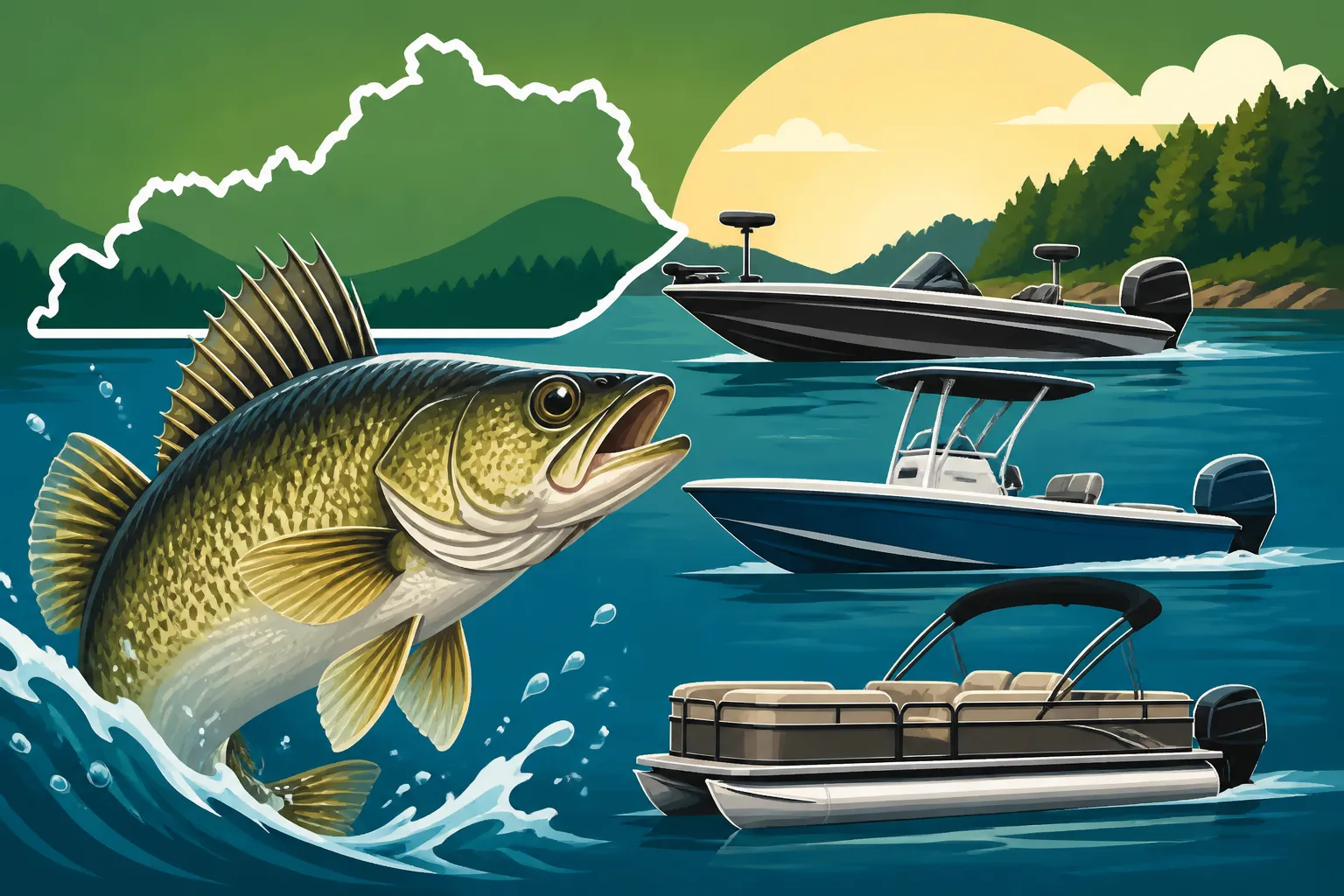
Best Boats for Lake Barkley Sauger Fishing
Standing on the docks of Lake Barkley, staring out at the vast, often choppy waters, you might feel a little overwhelmed trying to figure out what kind of boat is going to give you the best shot at those elusive sauger. It's not just about getting on the water; it's about having the right tool for the job. This guide is all about cutting through that confusion, helping you understand the specific needs of Lake Barkley sauger fishing and which boats are best equipped to meet them, so you can spend less time guessing and more time reeling in those tasty catches.
The Unique Demands of Lake Barkley Sauger Fishing
Sauger fishing on Lake Barkley isn't your average leisurely afternoon on the water. These fish are often found in deeper, cooler waters, especially during their peak seasons. This means you're dealing with specific environmental factors and fishing techniques that directly influence your boat choice. Ignoring these unique demands can lead to a frustrating day, struggling against the elements instead of focusing on the bite.
Navigating Lake Barkley's Waters
Lake Barkley is a large reservoir, part of the Cumberland River system, and it connects with Kentucky Lake via the Barkley Canal. This means you're often dealing with a riverine system that can have current, especially near the dam or in narrower channels. The lake itself can get surprisingly rough, particularly on windy days, with waves that can easily make a smaller, less stable boat feel like a roller coaster. You'll often be targeting sauger in the main lake channels, over humps, and along ledges, which often means being out in the open water where conditions can change quickly. It's a different beast than fishing a calm, sheltered pond.
Sauger Habits and Fishing Techniques
Sauger, being a close cousin to the walleye, typically prefer cooler water and tend to hug the bottom in deeper sections of the lake. This isn't usually a sight-fishing game in shallow cover. Instead, you'll often be employing vertical jigging, slow trolling with bottom bouncers, or dragging small crankbaits.
This type of fishing requires a stable platform from which to work. Imagine trying to precisely jig a small lure while your boat is rocking uncontrollably – it's nearly impossible to feel those subtle sauger bites. Precision matters, and a boat that fights the conditions rather than complements them will hinder your success. How to Jig for Sauger in Deep Water is a prime example of where boat stability and accurate positioning are key.
Ideal Boat Characteristics for Sauger Anglers
When you're out there chasing sauger on Lake Barkley, your boat isn't just transport; it's your fishing station, your gear locker, and your refuge from the elements. Certain characteristics become absolutely crucial for both effectiveness and comfort.
Stability and Comfort for Vertical Jigging
This is probably the number one factor for serious sauger anglers. Vertical jigging requires a boat that doesn't toss you around like a rag doll. You need to be able to stand comfortably, maintain your balance, and keep your lure directly beneath your boat, feeling every tap and tick. A wide beam and a deep-V hull design contribute significantly to stability, especially when drifting or sitting over a fishing spot in a moderate chop. Think about those long hours you'll spend jigging – comfort prevents fatigue, allowing you to stay focused and productive longer. No one wants to end their day with aching legs and a bruised ego because their boat was a tippy mess.
Ample Deck Space and Storage
Sauger fishing might not demand the same amount of tackle as bass fishing, but you still need space for multiple rods, a tackle box or two, maybe a livewell for bait (or your catch!), and certainly your cold-weather gear since sauger often bite best in cooler temperatures. A boat with an open, uncluttered deck allows you to move freely, switch positions, and manage lines without tripping. Designated rod storage, whether in-floor lockers or side racks, keeps your valuable rods safe and out of the way, preventing accidental damage or tangles. You'll appreciate being able to grab a new rod or access your tackle without climbing over everything else in the boat.
Electronics Mounting and Power
Finding sauger on Lake Barkley is heavily reliant on good electronics. You'll be looking for subtle depth changes, baitfish schools, and those tell-tale arches indicating sauger hugging the bottom. This means you need a boat capable of accommodating a quality fish finder with DownScan and SideScan capabilities, often at the console and sometimes a separate unit up front near the trolling motor. Ensure there's ample, secure space to mount your screens and that your boat's electrical system can handle the power demands of these units, along with a powerful trolling motor and potentially other accessories. Having a dedicated battery system for your electronics is a huge plus.
Top Boat Types for Lake Barkley Sauger
Now let's talk about the different kinds of boats you'll typically see (or wish you had) out on Lake Barkley when the sauger bite is on. Each has its pros and cons, and the "best" really depends on your budget, fishing style, and how often you'll be venturing out.
Multi-Species/Walleye Boats
If there's a "hero" boat type for sauger fishing on Lake Barkley, it's probably the multi-species or walleye-specific boat. These boats are practically purpose-built for the kind of fishing sauger demand. They feature deep-V hulls, offering excellent stability in choppy water and a smooth ride to your fishing spots. The spacious, open deck layouts are perfect for vertical jigging or slow trolling, allowing multiple anglers to fish comfortably without getting in each other's way.
You'll find these boats come equipped with abundant rod storage, large livewells that can double as bait tanks, and plenty of space for mounting advanced fish finders and GPS units. Brands like Ranger, Lund, and Crestliner are popular in this category. They're designed to handle big water, navigate current, and provide the precise control needed to stay on those deep sauger schools. While they might come with a higher price tag than some other options, the investment often pays off in comfort and fishing success. Think about it: a boat specifically designed to keep you stable and your electronics humming in the conditions you're most likely to face.
Deep-V Aluminum Boats
For many anglers, a deep-V aluminum boat offers an excellent balance of ruggedness, performance, and affordability. These boats share many of the stability advantages of their fiberglass multi-species cousins but often come in a lighter, more durable package that can take a beating. They are fantastic for handling the occasional chop on Lake Barkley and provide a secure, dry ride.
Many aluminum deep-V models are specifically rigged for fishing, with casting decks, livewells, and good console space for electronics. They tend to be more forgiving if you accidentally bump a submerged log or rock, making them a practical choice for exploring diverse areas of the lake. While perhaps not as luxurious as some fiberglass options, their practicality and lower maintenance make them a favorite among many sauger enthusiasts. You'll find great options from manufacturers like Lowe, Tracker, and Alumacraft, which you can often find at large retailers like Bass Pro Shops.
Bass Boats
Now, hold on, I know what you're thinking – bass boats for sauger? While not their primary design, many bass boat owners successfully chase sauger, especially those who prioritize speed and shallow water access for other species but want to occasionally target sauger. Bass boats are incredibly fast, getting you to your spots across Lake Barkley in a hurry, which can be a huge advantage if you're trying to hit multiple areas or beat other boats to a hot bite. Their large, flat casting decks provide plenty of open space, which can be adapted for vertical jigging if the water is calm.
However, bass boats do have some inherent drawbacks for dedicated sauger fishing. Their lower profile and flatter bottom, while great for speed, can make them less stable when sitting still in choppy water. That deep-V hull design common in walleye boats is truly missed in rough conditions. They also typically have less internal storage designed for vertical jigging rods, and their livewells are often optimized for bass, not necessarily for a mess of sauger. So, while you can fish sauger from a bass boat, especially on calmer days or in more sheltered areas, it's a compromise rather than an optimal setup. Best Bass Boats for Kentucky Lake and Lake Barkley might cover more specific bass boat advantages, but for sauger, you need to weigh the trade-offs carefully.
Other Boat Types
You might also see a few other boat types out on Lake Barkley, each with its own niche.
Jon Boats
These flat-bottomed workhorses are incredibly versatile and cost-effective, perfect for shallower waters or smaller tributaries feeding into Lake Barkley. They're easy to launch, inexpensive to run, and can get into spots bigger boats can't. However, for sauger fishing in the main lake, a standard Jon boat offers very little comfort or stability in chop. They're primarily suited for calm water and can be a wet, bumpy ride when the wind picks up. If you're only targeting sauger in very specific, calm pockets or backwaters, a heavily customized Jon boat could work, but for open water, they are generally not recommended.
Pontoon Boats
Pontoons offer unparalleled deck space and comfort, making them fantastic for family outings, cruising, and even casual fishing. You see a lot of them on Lake Barkley! For sauger fishing, their stability can be a real plus, as the wide platform provides a very steady base for jigging. The challenge with pontoons, however, is often their maneuverability in current and wind, and they typically lack the specialized fishing features, such as integrated electronics mounting, dedicated rod lockers, or powerful trolling motors found on dedicated fishing boats. While you can certainly catch sauger from a pontoon, it might require some creative rigging and a willingness to adapt your techniques.
Essential Boat Features and Gear for Sauger Success
Beyond the basic boat type, certain features and additional gear can dramatically improve your sauger fishing experience on Lake Barkley. These are the tools that turn a decent boat into a sauger-catching machine.
Advanced Fish Finders and GPS
This cannot be stressed enough: good electronics are paramount for sauger fishing. Sauger are structure-oriented fish, and finding them often means locating subtle depth changes, humps, ledges, and deep channels. A quality fish finder with high-resolution DownScan and SideScan imaging is invaluable. These technologies allow you to literally "see" the bottom structure and any fish holding tight to it. You'll be able to differentiate between baitfish and sauger, and pinpoint exactly where to drop your jig.
GPS is equally critical. Once you find a productive spot, you need to be able to mark it accurately and return to it, sometimes within a few feet. Lake Barkley is vast, and without GPS, relocating a specific hump or channel bend can be like finding a needle in a haystack. Manufacturers like Humminbird and Garmin offer excellent units that combine these features, and you can often find them on Amazon or at your local Bass Pro Shops. Fish Finders and Electronics for Kentucky Lake Fishing provides more detail on selecting these vital tools.
Powerful Trolling Motor with Spot-Lock
A good trolling motor is more than just a convenience; it's a tactical advantage for sauger fishing. A powerful electric trolling motor, preferably one with a thrust rating appropriate for your boat size and the windy conditions on Lake Barkley, allows you to stealthily approach spots and maintain your position. The "spot-lock" or "anchor" feature, found on modern Minn Kota and MotorGuide trolling motors, is an absolute game-changer. This technology uses GPS to hold your boat precisely over a waypoint with the press of a button, freeing you from constantly adjusting with the main motor or dropping an anchor. This is invaluable when vertical jigging over a small hump or holding steady in a current. It means more time fishing and less time fighting the wind or current.
Rod Holders and Specialized Tackle Storage
While you can always lean your rod against the console, dedicated rod holders improve safety and organization. Flush-mounted or rail-mounted rod holders allow you to spread out multiple lines when trolling or keep spare rods ready without them cluttering the deck. Sauger rods tend to be medium-light to medium power, often on the shorter side for vertical jigging, so consider rod lockers or racks that can accommodate these lengths safely. Having accessible, organized storage for your jigs, bottom bouncers, and small crankbaits specific to sauger fishing prevents fumbling when the bite is hot.
Maintaining Your Sauger Fishing Vessel
Owning a boat, regardless of the type, comes with the responsibility of maintenance. Proper care ensures your boat is ready when the sauger are biting and protects your investment for years to come.
Regular Checks and Servicing
Just like your car, your boat needs regular attention. Before each trip, do a quick visual inspection: check your battery terminals, fuel lines, bilge pump, and navigation lights. Make sure your trailer lights work and your tires are properly inflated. After your trip, flush your engine if you've been in saltwater (though Lake Barkley is freshwater, it's a good habit) and clean any fish slime or mud from the deck.
Beyond these routine checks, schedule annual servicing for your outboard motor. This includes oil changes, spark plug replacements, and general inspections to catch potential issues before they become major problems. A well-maintained engine means reliable starts and fewer breakdowns out on the water.
Boat Safety Equipment
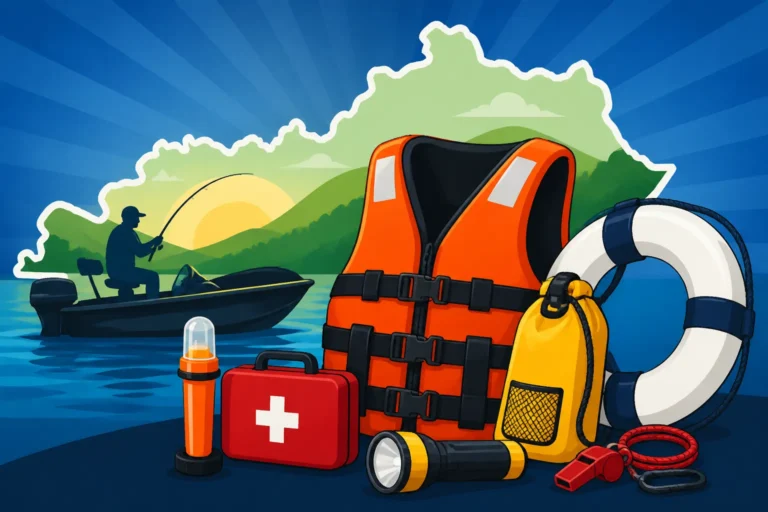
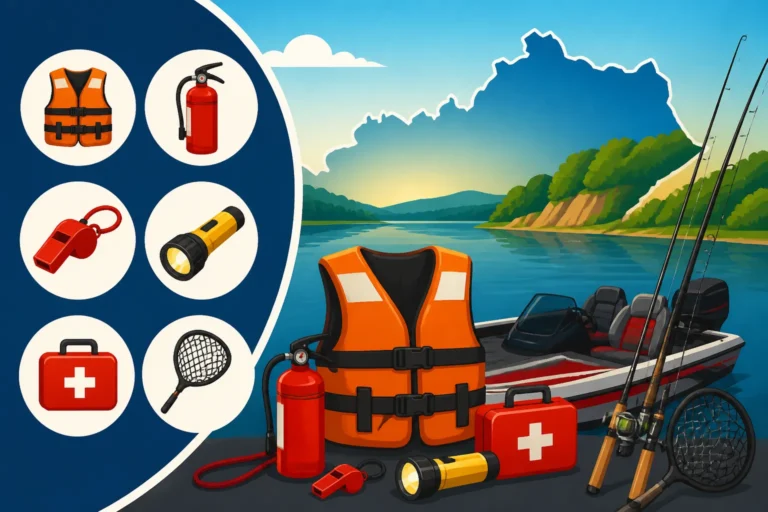
No matter how experienced you are, safety should always be your top priority. Make sure your boat is equipped with all the required safety gear. This typically includes Coast Guard-approved life jackets for everyone on board, a fire extinguisher, a sound-producing device (like a whistle or horn), navigation lights for dawn/dusk/night fishing, and a throwable flotation device. On a large body of water like Lake Barkley, carrying a first-aid kit, a paddle, and a spare anchor with enough rope is also highly recommended. Always tell someone where you're going and when you expect to return, especially if you're fishing alone. You can find more details on Kentucky Boat Safety Certificate Requirements and Life Jacket Rules for Boats in Kentucky to ensure you're always compliant and safe.
Winterizing and Storage
When the cold weather truly sets in, and you're not planning any hardcore winter sauger trips (though they can be caught then!), proper winterization is essential. This process protects your engine, fuel system, and plumbing from freezing temperatures and corrosion. It usually involves stabilizing your fuel, changing engine oil and filter, fogging the engine cylinders, draining and refilling the lower unit gear lube, and checking your battery. If you're not comfortable doing it yourself, most marinas or boat service centers offer winterization services. Proper storage, whether indoors or covered outdoors, will protect your boat from the elements and keep it in top shape for the next season.
Conclusion
Choosing the best boat for Lake Barkley sauger fishing isn't about finding the flashiest or most expensive option; it's about matching your vessel to the specific demands of the fish and the environment. For most dedicated sauger anglers, a multi-species or deep-V aluminum boat will offer the best blend of stability, space, and functionality. However, with the right electronics, a powerful trolling motor, and a focus on safety, you can make almost any fishing-capable boat work.
The most important thing is to understand what features truly contribute to your success and comfort while chasing those delicious sauger in the deep channels and over the humps of Lake Barkley. With this knowledge, you're well on your way to more productive and enjoyable days on the water.
Disclaimer
This article is for general informational purposes only and does not constitute professional advice. Laws, prices and regulations vary by location and change over time. Consult a qualified professional for guidance on your specific situation.