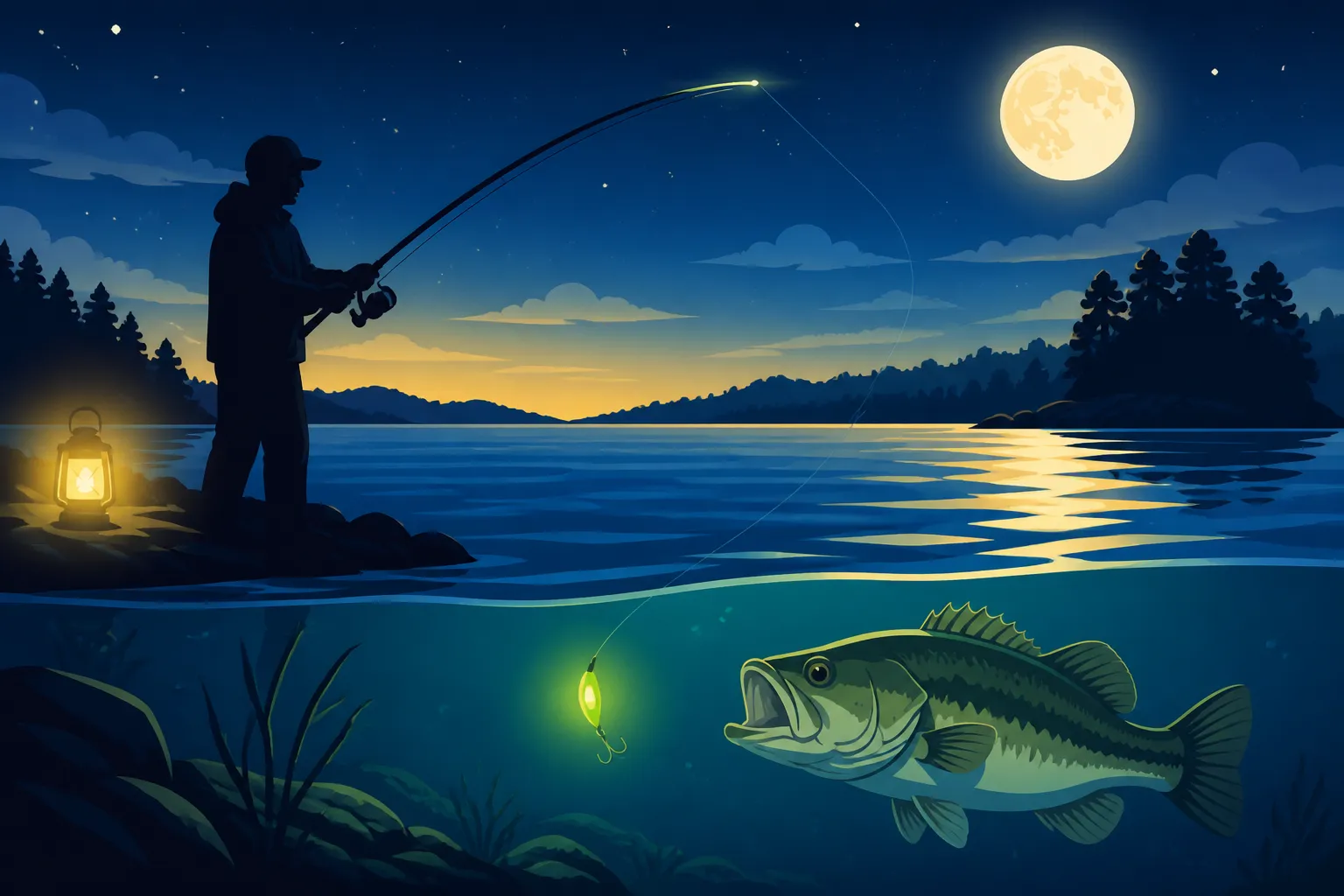
Best Night Fishing Spots on Kentucky Lake
If you've ever found yourself baking under the scorching Kentucky sun on Kentucky Lake, battling boat traffic and crowds while the fish seem to have lockjaw, you know the frustration. Day fishing can be tough, especially during the warmer months. But what if I told you there's a whole other world of angling opportunity that opens up when the sun dips below the horizon? This guide is all about unlocking the secrets to successful night fishing on Kentucky Lake, helping you find those prime spots where the big ones come out to play after dark.
Why Night Fishing on Kentucky Lake is a Game Changer
Night fishing isn't just about avoiding sunburn; it's a completely different experience with its own unique rewards. The entire lake seems to transform, offering a sense of peace and a different kind of challenge that many anglers swear by. It’s a chance to escape the hustle and truly connect with the water.
Beating the Heat and Crowds
Let's be real: summer days on Kentucky Lake can be brutal. Temperatures can soar, and the sheer volume of pleasure boaters, jet skis, and recreational traffic can turn a peaceful fishing trip into a frustrating ordeal. The constant wakes can make boat control difficult, and the noise can certainly put fish off. Night fishing immediately solves these problems. The air cools down considerably, often making for a much more comfortable outing. The recreational boat traffic virtually disappears, leaving the lake quiet and calm, save for a few dedicated anglers and maybe some commercial barges on the main channel. This serene environment isn't just more pleasant for you; it often means less pressure on the fish, making them more inclined to bite. You'll find yourself able to focus on your presentation without constant distractions.
The Nocturnal Bite: What Changes After Dark
Fish behavior shifts dramatically once the sun sets. Many species, especially predatory ones, become more active and confident under the cover of darkness. The low light reduces visibility for both predator and prey, often leading to more aggressive feeding patterns. Bass, which might be hunkered down deep during the day, will often move into shallower water to feed. Crappie, famous for their light-attraction feeding habits, school up around artificial and natural light sources. Catfish, already primarily nocturnal feeders, become even more opportunistic and willing to roam their territories in search of a meal. The water temperatures stabilize after dark, too, creating a more consistent feeding environment rather than the fluctuating temperatures of a sunny day. It's truly a time when some of the biggest fish of the day are caught, as they feel safer to venture out from cover.
Prime Locations for Night Fishing Success on Kentucky Lake
Knowing where to cast your line after dark is crucial. Kentucky Lake is vast, but certain areas consistently produce better results for night anglers due to their structure, depth, and baitfish presence. Whether you're targeting bass, crappie, or catfish, there's a spot calling your name.
Major Creek Channels and Main Lake Points
When you're out on Kentucky Lake at night, targeting the mouths of major creek channels and prominent main lake points is an absolute classic strategy, especially for bigger predatory fish like largemouth and smallmouth bass. During the day, these fish might suspend deep or hide in dense cover, but as twilight deepens, they often push up onto these points and along channel edges to ambush baitfish. Think about areas where the creek channel swings close to a bank or a point that extends far out into the main lake. The current flow around these points can congregate baitfish, which, in turn, draws in the hungry predators.
Consider places like the mouth of Blood River, Big Sandy River, or the larger bays like Jonathan Creek or Bear Creek. These locations offer both shallow flats for feeding and easy access to deeper water for retreat. Use your electronics to find submerged brush piles, rock piles, or old roadbeds on these points during daylight scouting trips, then return at night to fish them. These structures provide excellent ambush points for bass. Slow-rolling spinnerbaits with dark blades or working a big jig slowly along the bottom can be incredibly effective here. Remember, these fish aren't going to chase as aggressively in the dark, so a slower, more deliberate presentation is usually key. You can find more details on these areas in our guide to the Best Bass Fishing Spots on Kentucky Lake.
Around Bridges and Marinas
For crappie and sometimes even bass and catfish, bridges and marinas are absolute magnets for night fishing on Kentucky Lake. Why? Because of the lights. Any artificial light source hitting the water after dark — whether from a bridge, a marina dock, or even a moored houseboat — immediately begins to attract plankton. The plankton then draws in clouds of baitfish, and you guessed it, the baitfish bring in the larger game fish.
Kentucky Lake has several major bridge crossings, such as the Eggner's Ferry Bridge. The pilings and rip-rap around these bridges provide excellent cover and current breaks. If you can position your boat safely near well-lit bridge supports, you'll often find crappie suspended in the light line, just waiting for an easy meal. Minnows under a slip bobber or small, glow-in-the-dark jigs are incredibly effective here. The same principle applies to marinas. Docks, especially those with green or white submersible lights, create their own underwater ecosystems. Anglers often fish around marinas like Paris Landing, Kentucky Dam Marina, or Moors Resort & Marina. Be courteous and mindful of private property, but many marinas have public access areas or provide opportunities to fish from boats. The key is to find that light line where the shadows meet the illumination; that's often where the fish hold. Many anglers even find great success by checking out local fishing charters on FishingBooker, as their guides often know the best-lit docks and bridge pilings that hold fish after dark.
Remote Coves and Submerged Structures
While lights can be fantastic, don't underestimate the power of quiet, unpressured water after dark. Remote coves and areas with known submerged structures, even without artificial lights, can be incredibly productive for bass and crappie, especially if they've been pressured during the day. These spots offer refuge and natural feeding grounds where fish feel safe under the cloak of night.
To find these hidden gems, you’ll need to do some daylight reconnaissance. Use your fish finder and GPS to locate brush piles, standing timber, rock formations, or old creek beds in these secluded coves. Mark them precisely on your GPS. When you return at night, you can navigate right to them using your GPS and a good spotlight, then turn off your bright lights to avoid spooking the fish. For bass, casting dark-colored soft plastics like creature baits or oversized worms, or even a slow-moving topwater bait that makes a lot of noise, can entice explosive strikes. For crappie, vertically jigging small spoons or minnows right over the top of submerged brush can yield excellent results. These less-trafficked areas are fantastic places to experience the solitude of night fishing and potentially hook into some truly impressive catches. For anglers looking for a truly quiet and productive experience, exploring Best Remote Coves on Kentucky Lake for Bass Fishing during the day and returning at night can be a winning strategy.
Essential Gear and Techniques for Kentucky Lake Night Anglers
Night fishing presents its own set of challenges, and being prepared with the right gear and techniques isn't just about catching more fish – it's about staying safe and comfortable on the water after dark. Don't skimp on preparation; a little planning goes a long way when the sun isn't around to light your way.
Lighting, Safety, and Navigation
Safety should be your absolute top priority when you're out on Kentucky Lake at night. The lake can be a confusing place in the dark, even if you know it well. First and foremost, ensure your boat’s navigation lights are fully functional and properly displayed. A white all-around light and red/green bow lights are non-negotiable. Beyond that, a powerful spotlight or headlamp is essential. A good headlamp allows you to keep your hands free for tying knots, rigging baits, or unhooking fish. Choose one with a red-light option; red light preserves your night vision much better than white light, making it easier to see and navigate after you've used your light.
Carry extra batteries for all your lights. A reliable GPS unit, preferably integrated with a detailed chart plotter, is crucial for safe navigation and finding those marked spots you scouted during the day. Always let someone know your float plan – where you’re going, when you expect to return, and who is with you. Dress in layers, as even warm summer days can turn chilly on the water at night. And don’t forget that all Kentucky boating safety regulations, including life jacket requirements, still apply after dark. You can review all the Kentucky Boating Safety Certificate Requirements to ensure you're fully compliant and safe.
Baits and Presentation for After-Dark Success
The choice of baits and how you present them needs a slight adjustment for night fishing. Since visibility is low for fish, they rely more on other senses: vibration, scent, and silhouette.
- For Bass: Darker colors tend to work best because they create a stronger silhouette against the lighter sky or moon. Think black, blue, or purple jigs, Texas-rigged worms, and creature baits. Spinnerbaits with large, thumping blades (like a Colorado blade) create strong vibrations that bass can home in on. Topwater lures like buzzbaits or Whopper Ploppers can be incredibly exciting at night, their noisy commotion drawing strikes from aggressive bass. Work these baits slower than you might during the day. Let them sink longer, pause them more, and retrieve them just fast enough to impart action.
- For Crappie: Minnows are always a top choice, especially around lights. Small jigs (1/16 to 1/32 ounce) in glow-in-the-dark, chartreuse, or black are also excellent. If fishing under lights, vertical jigging is often the most effective technique. If fishing unlit structure, let your bait sit for longer, relying on subtle twitches. Our guide on How to Rig a Jig for Crappie Fishing has some excellent tips for setup.
- For Catfish: Scent is paramount for catfish at night. Cut bait (shad, skipjack herring), chicken livers, nightcrawlers, and prepared stink baits are all highly effective. Fish these on the bottom using a slip sinker rig or a Santee Cooper rig. Catfish will be actively cruising, so spreading out multiple lines with different baits can increase your chances. Try to anchor your boat strategically near channel swings or deep holes where catfish are known to congregate. You can find more targeted strategies in Night Fishing Techniques for Catfish. Many anglers also find that using a professional fishing guide from FishingBooker who specializes in Kentucky Lake catfish can lead to incredible night catches, as they know exactly what baits and presentations are producing.
Seasonal Considerations for Night Fishing
While night fishing can be productive year-round in Kentucky, certain seasons really shine, and understanding the nuances of fish behavior throughout the year will significantly boost your success.
Summer Night Fishing Strategies
Summer is, without a doubt, peak season for night fishing on Kentucky Lake. The daytime heat drives many fish into deeper, cooler waters or dense, shady cover, making them sluggish and harder to catch. But as soon as the sun goes down and surface temperatures begin to drop, those fish often migrate shallower to feed. This is when you'll find bass pushing onto flats and points, crappie congregating under lights, and catfish actively prowling the bottom.
Focus your efforts on areas with easy access to deeper water, like main lake points, creek channel edges, and submerged humps. Bass will often move up onto 5-10 foot flats that are adjacent to 15-20 foot drops. For crappie, look for lights at marinas or bridges where they can ambush baitfish. If you're targeting catfish, the same deep channels and river bends that hold them during the day will still be productive, but they'll be more willing to move and bite. The key is to match your presentation to their more active, yet less visually driven, feeding style. Slower, more deliberate retrieves with noisy or scented baits are crucial. This is also when you'll truly appreciate the cooler air and quieter waters that night fishing provides.
Fall and Spring Night Bites
While summer might be king, don't overlook the opportunities for night fishing in the shoulder seasons of fall and spring on Kentucky Lake. These seasons present different challenges and rewards.
In the spring, as water temperatures rise, fish begin to stage for the spawn. Bass will move into shallower coves and pockets, and crappie will be moving towards shallower brush and timber. Night fishing can be excellent during this pre-spawn period, especially as the fish gorge themselves before nesting. Focus on warming flats and protected areas. The fish might not be as active right after dark as they are in summer, but a few hours after sunset and just before sunrise can be incredibly productive. Use smaller, more subtle baits for crappie, and slow-moving jigs or crankbaits for bass.
In the fall, as water temperatures start to cool, many species go on a major feeding binge to bulk up for winter. This "fall turnover" can make fish unpredictable, but once they settle into a pattern, night fishing can be phenomenal. Bass will chase baitfish in shallow creeks and coves, and crappie can be found schooling up around structure. The key is to follow the bait. If you find schools of shad, the predatory fish won't be far behind, even after dark. You might need to fish a little deeper than in summer, as the cooler temperatures can keep some fish from coming all the way to the surface. Vertical jigging spoons or working deep-diving crankbaits can be effective for bass and crappie holding on deeper structure. Remember that as the air gets colder, layering up with warm clothing becomes even more critical for comfort and safety.
Here's a quick look at some common species you might encounter during your night fishing adventures on Kentucky Lake:
| Species | Best Night Fishing Spots | Go-To Night Baits |
|---|---|---|
| Largemouth Bass | Main Lake Points, Creek Channel Mouths, Remote Coves | Dark Jigs, Large Worms, Buzzbaits, Spinnerbaits |
| Smallmouth Bass | Rocky Points, Deep Creek Channels | Dark Jigs, Tubes, Ned Rigs, Blade Baits |
| Black/White Crappie | Lit Docks, Bridge Pilings, Submerged Brush Piles | Minnows, Glow Jigs, Small Soft Plastics |
| Channel Catfish | River Bends, Deep Holes, Creek Channels | Cut Bait, Chicken Livers, Nightcrawlers, Stink Baits |
| Blue Catfish | Main River Channel, Deep Flats | Cut Bait (Shad, Skipjack), Large Worms |
| Flathead Catfish | Deep Holes with Wood Cover, Bridge Pilings | Live Bluegill, Sunfish, or Perch |
Remember, scouting during the day using your Fish Finders and Electronics for Kentucky Lake Fishing can make all the difference in locating these prime spots before the sun goes down. A little planning combined with the right gear and techniques will ensure your night fishing on Kentucky Lake is not only productive but also an unforgettable experience.
Disclaimer
Please remember that all fishing and boating activities carry inherent risks. Always prioritize your safety, adhere to all Kentucky Department of Fish and Wildlife Resources regulations, and check local weather conditions before heading out on the water. This guide is for informational purposes only and does not substitute professional safety advice or official regulations.