Lake Barkley’s 1,000 Miles of Shoreline: Where to Find the Best Access
Lake Barkley, with its staggering 1,000 miles of shoreline, can feel like a labyrinth if you're trying to figure out where to drop a line. It's an immense body of water, and while that means endless possibilities for anglers, it also means a lot of head-scratching when it comes to finding that perfect, accessible spot. This guide is here to cut through that confusion, helping you unlock the best bank, pier, and boat ramp access points around Lake Barkley so you can spend less time searching and more time fishing.
Understanding Lake Barkley's Vast Shoreline
When you hear "1,000 miles of shoreline," it's easy to get overwhelmed. You might imagine an endless stretch of private property or dense woods, making you wonder if you'll ever find a decent spot to cast. But the truth is, a significant portion of Lake Barkley's shoreline, especially on the western side, falls within the expansive Land Between the Lakes National Recreation Area (LBL), which is a huge advantage for public access. On the eastern side, you'll find more developed areas with state parks, marinas, and various public ramps.
The Sheer Scale and Its Challenges
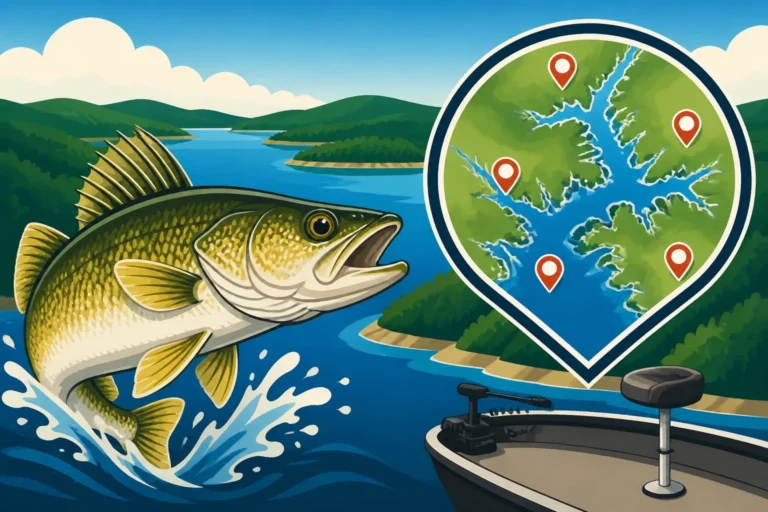
Imagine looking at a map of Lake Barkley; it's not just a simple, smooth oval. It's incredibly intricate, with countless coves, bays, points, and river channels, particularly the Cumberland River that flows into it. This convoluted nature is fantastic for fish habitat, creating diverse structures and cover, but it also makes finding easy public access a real challenge. You might drive for miles down a winding road, only to find a "Private Property" sign at the water's edge. It's enough to make even the most seasoned angler sigh in frustration. The key is knowing which areas are managed for public use and which are best avoided unless you have specific permission.
How the Shoreline Varies
The character of Lake Barkley's shoreline changes dramatically from one end to the other. Down south, closer to the dam and the connection with Kentucky Lake, the banks can be steeper and more rocky, reflecting the impounded river channel. This is where you'll find deeper water close to shore, often favored by bass and catfish. As you move north towards areas like Eddyville and Kuttawa, the terrain tends to flatten out, with more gradual slopes leading to expansive flats and shallower coves. These areas often have more submerged timber and vegetation, making them prime spots for crappie and bluegill, especially during the warmer months.
The Role of the Land Between the Lakes in Access
The Land Between the Lakes (LBL) National Recreation Area is truly a gem for anglers looking for public access on Lake Barkley. This vast peninsula separates Lake Barkley from Kentucky Lake, and because it's federally managed, a huge amount of its shoreline is open to the public. You'll find numerous primitive camping areas, day-use areas, and designated fishing access points scattered throughout the LBL. While some areas require a bit of a hike, others offer drive-up access to the water's edge. This is a fantastic resource if you're comfortable exploring unpaved roads and don't mind a more rustic experience. The LBL is where you can truly escape the crowds and find some solitude, which is often crucial for a successful fishing trip. When planning your trip, consider checking out the LBL's official maps for detailed access information.
Key Public Access Points and Recreation Areas
When it comes to getting on the water or finding a spot to cast from the bank, Lake Barkley offers a variety of options, from sprawling state parks to smaller, lesser-known boat ramps. Understanding these different types of access can help you choose the best starting point for your fishing adventure.
Major State Parks and Marinas
These are typically your most developed and easiest-to-find access points. They offer amenities like paved parking, restrooms, and often a bait shop or restaurant. While convenience is a huge plus, these spots can also be more crowded, especially on weekends and holidays.
- Lake Barkley State Resort Park: Located near Cadiz, this park is a prime example of a well-equipped access point. It features a large marina with multiple boat ramps, ample parking, and even fishing piers. The surrounding areas within the park offer various spots for bank fishing, particularly around the lodge and picnic areas. This is often a go-to for families or those looking for an all-inclusive experience. You can find comprehensive details about the park's offerings, including specific boat ramps and public access points, in our guide on Lake Barkley's Boat Ramps and Marina Access in Kentucky.
- Eddy Creek Marina & RV Park: Situated near Eddyville, this is another popular spot on the lake's eastern side. It provides excellent boat ramps and often serves as a hub for local fishing tournaments. While it's privately run, it’s very angler-friendly, offering bait, tackle, and sometimes even guide services. Access here is straightforward, and the staff are usually a great resource for local fishing reports. If you're looking for a guided trip, sites like FishingBooker can help you find reputable captains operating out of marinas like Eddy Creek.
Less-Known Public Boat Ramps and Bank Access
Beyond the big state parks, there are numerous smaller, often less crowded, public access points managed by the U.S. Army Corps of Engineers or local counties. These can be goldmines for anglers seeking a quieter experience.
- Corps of Engineers Recreation Areas: Many of these sites, scattered around both the LBL side and the eastern side of Lake Barkley, offer free or low-cost boat ramps and designated bank fishing areas. Examples include Cane Creek, Fulton Bay, and Devil's Elbow. These ramps might be single-lane, and parking might be less extensive than at state parks, but they often provide access to excellent fishing grounds away from the main boating traffic. You can usually find these locations marked on detailed fishing maps or by simply exploring the backroads near the lake. For those who prefer the quiet solitude of fishing from shore, these spots often offer some of the Best Shore Fishing Spots on Lake Barkley, Kentucky.
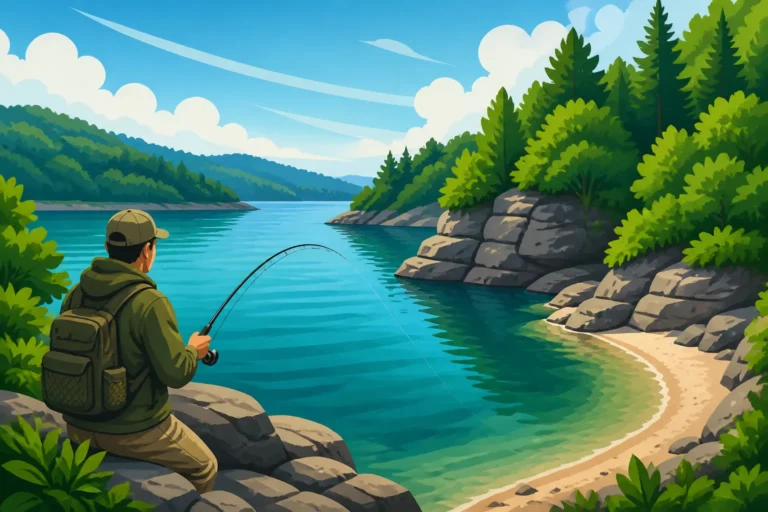
- Roadside Pull-offs and Undeveloped Access: Especially within the LBL, you'll find numerous spots where a gravel road dead-ends at the lake or a small path leads to the water. These are often primitive, with no facilities, but they offer incredible opportunities for bank fishing, especially if you're targeting bluegill or crappie close to cover. Just be mindful of parking safely and respecting any posted signs. Remember, a current Kentucky Fishing License Guide is always required for public waters, even in these less formal spots.
Fishing from Piers and Accessible Spots
For anglers who prefer not to use a boat, or those with mobility challenges, dedicated fishing piers and easily accessible bank areas are invaluable.
- State Park Piers: Lake Barkley State Resort Park, for instance, has fishing piers that extend into the lake, providing access to deeper water without the need for a boat. These are often well-lit for night fishing and can be fantastic for targeting catfish, especially during the summer months. They are also ideal for a Best Family-Friendly Fishing Spots on Lake Barkley outing, allowing everyone to cast a line safely.
- Community Access Points: Some smaller towns or communities along the lake, like Kuttawa, might have small public docks or designated bank fishing areas. These are great for a quick outing and often get stocked with panfish, making them perfect for kids or beginners learning Bank Fishing Techniques for Beginners.
- Accessibility Features: Some Corps of Engineers sites and state parks are making efforts to include accessible fishing platforms or paved paths to the water, ensuring that everyone has a chance to enjoy the lake.
| Access Point Type | Typical Amenities | Crowds (Peak Season) | Best For | Considerations |
|---|---|---|---|---|
| State Parks/Marinas | Paved Ramps, Parking, Restrooms, Bait, Lodge/Food | High | Convenience, Families, Larger Boats, Guides (via FishingBooker) | Can be busy; fees may apply for some services |
| Corps of Engineers Ramps | Paved/Gravel Ramps, Basic Parking (sometimes pit toilets) | Medium | Anglers seeking quieter access, Smaller to Medium Boats | Fewer amenities; check ramp condition for larger boats |
| LBL Primitive Access | Unpaved Roads, Minimal/No Parking, No Facilities | Low | Bank Fishing, Kayaking, Seclusion, Exploring | Requires AWD/4WD for some spots; no amenities; watch for soft shoulders |
| Fishing Piers | Paved Access, Lighting, Benches, Sometimes Covered | Medium | Bank Anglers, Families, Night Fishing | Limited space; popular for certain species |
Navigating Different Types of Shoreline for Specific Fish
Lake Barkley isn't a one-size-fits-all fishing destination. Different sections of its thousand miles of shoreline hold different species, and knowing where to look based on the habitat can dramatically improve your chances of success. It's about matching the fish's preferred environment to the type of shoreline you're accessing.
Targeting Bass Along Structures and Coves
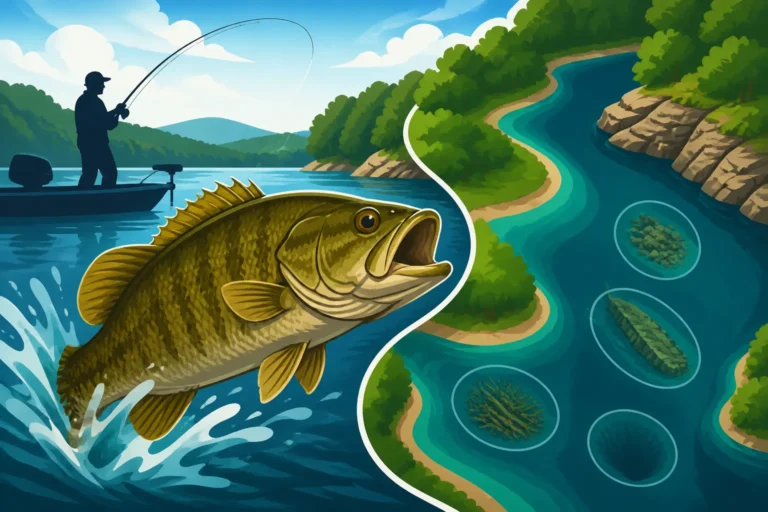
Largemouth and smallmouth bass are abundant in Lake Barkley, and they absolutely love structure. When you're looking for bass from the bank or a small boat close to shore, focus on areas that offer cover and ambush points.
- Rocky Points and Bluffs: These areas, often found closer to the main lake channel, provide excellent habitat for smallmouth bass. Look for areas where the bank drops off quickly into deeper water. Smallmouth will often relate to the rocks and current. For largemouth, target the transitions where rock meets wood.
- Submerged Timber and Brush Piles: Many coves, especially those with shallower, flatter banks, are loaded with standing timber or old brush piles from when the lake was impounded. These are largemouth magnets. Focus on fishing jigs, Texas-rigged worms, or spinnerbaits around these features. Accessing these areas often means finding a smaller, less-used ramp or simply walking the bank in an undeveloped area within the LBL. If you're looking for specific areas, our guide on Lake Barkley Boat Ramps for Bass Anglers in Kentucky can point you to launch points near prime bass habitat.
- Docks and Boat Houses: While many docks are on private property, public docks or those at marinas can hold bass. These structures provide shade and cover, especially on bright, sunny days. Always check for "no fishing" signs, but if allowed, pitching a jig or a shaky head under these structures can be very productive.
Finding Crappie in Submerged Timber and Brush Piles
Crappie are schooling fish that absolutely adore vertical cover, making submerged timber and brush piles their go-to spots. This means that shorelines with plenty of standing timber, especially in the backs of coves or along creek channels, are prime locations.
- Shallow Coves with Timber: During the spring spawn, crappie move into incredibly shallow water, often just a few feet deep, in protected coves with wood structure. If you find a shoreline within the LBL that has visible standing timber or downed trees, you're likely in a crappie hotspot. Small jigs (1/16 to 1/32 oz) tipped with a minnow or a small plastic grub are deadly here. Our article on Kentucky Crappie Fishing: Spring Spawn Run Guide delves deeper into this seasonal behavior.
- Bridge Pilings and Riprap: Crappie will also congregate around bridge pilings and riprap banks, particularly those with a drop-off into deeper water. These areas offer both current breaks and structure. Vertical jigging or using a slip bobber with a minnow are effective tactics. Many of the publicly accessible areas will have some bridge structures that can be fished from the bank. For more specific locations, look into Best Crappie Coves on Lake Barkley, Kentucky.
Catfish Hotspots Along the Main Channel and Deeper Banks
Catfish, particularly channel, blue, and flathead, are true bottom dwellers that prefer deeper water and areas with current, especially when they're actively feeding.
- River Channels and Creek Mouths: The main Cumberland River channel, which forms the core of Lake Barkley, is a prime catfish highway. Look for access points where you can cast into or near the channel, especially at creek mouths where baitfish congregate. Public boat ramps often put you in proximity to these deeper areas.
- Deeper Bank Access: Any shoreline that drops off quickly into 15-20 feet of water or more can be a catfish haven. These spots are excellent for bank fishing, especially at night. Use cut bait (shad is a local favorite), chicken livers, or a variety of stink baits. Our guide on Best Catfish Spots on Lake Barkley offers more targeted advice for these whiskered fighters. Remember to check local regulations for catfish limits; you can generally find this information in a comprehensive Kentucky Fishing Regulations Explained guide.
Sauger and White Bass Runs in Riverine Sections
Sauger and white bass are often found in the more riverine sections of Lake Barkley, especially where current is present. They are particularly active during cooler months and specific seasonal runs.
- Below the Dam and River Inflows: While direct access below the Barkley Dam can be tricky, areas further downriver where the main current is still strong are prime. White bass are famous for their spring spawning runs up tributary creeks and rivers. Look for these runs to occur in the clearer, flowing sections rather than the stagnant lake bays. Our guide on Best White Bass Spots on Lake Barkley, Kentucky highlights some fantastic locations.
- Main Lake Channel and Deep Drops: Sauger, often confused with walleye, prefer cooler, deeper water with current. They'll hug the bottom of the main lake channel, especially during winter and early spring. Jigging spoons or blade baits vertically from a boat are common, but if you can find bank access near a deep drop-off that catches the current, you might be able to target them from shore. Our article on Lake Barkley's Best Sauger Fishing Spots in Kentucky provides more detailed information on where and when to find these elusive fish, especially during Cold-Water Sauger Fishing at Kentucky's Lake Barkley.
Practical Tips for Maximizing Your Shoreline Experience
Finding success on Lake Barkley's vast shoreline isn't just about knowing where to go; it's also about how to approach your trip. A little preparation and strategic thinking can make all the difference, especially when dealing with such an extensive body of water.
Utilizing Maps and Apps
In today's digital age, you don't have to rely solely on paper maps or vague directions. Technology can be your best friend when navigating Lake Barkley's complex shoreline.
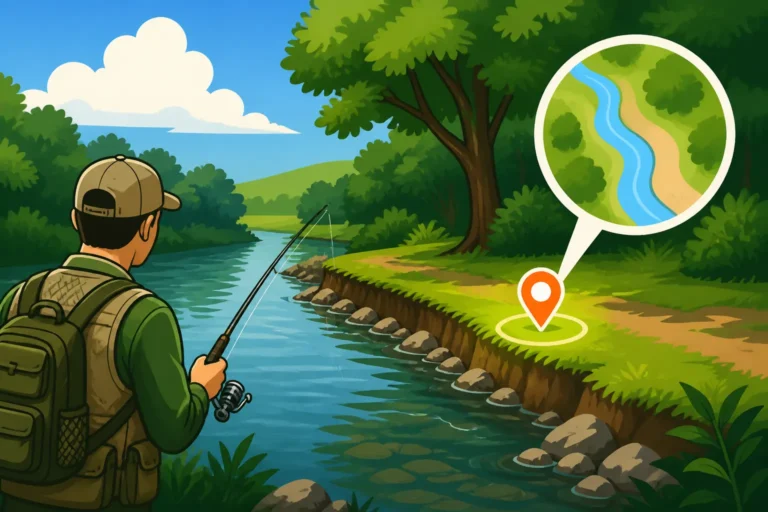
- Nautical Charts and GPS Apps: Apps like Navionics, C-MAP, or even Google Maps (with satellite view) are indispensable. They show contours, depths, boat ramps, and sometimes even points of interest like submerged brush piles. Using the satellite view on Google Maps, you can often spot potential bank fishing areas, identify structures like fallen trees, or see how a road approaches the water's edge before you even leave home. This can save you hours of driving around aimlessly. FishingBooker, for instance, often integrates map data to show you where guides operate from, giving you clues about productive areas.
- Corps of Engineers Maps: The U.S. Army Corps of Engineers, which manages Lake Barkley, often provides detailed maps of their recreation areas, including boat ramps and public access points. These can be found on their website or sometimes at local visitor centers. They're excellent for pinpointing those smaller, less-known spots.
Considering Time of Year and Water Levels
Lake Barkley is a dynamic environment, and conditions change dramatically with the seasons and water levels. What's a great fishing spot in April might be completely dry or inaccessible in August.
- Seasonal Patterns: Fish behavior, and thus their location, changes throughout the year. Spring often means fish moving shallow for spawning, making bank access in coves particularly productive. Summer sees fish moving deeper or relating to shade. Fall brings a feeding frenzy before winter's slower bite. Understanding Kentucky Fishing Seasons: What to Catch Each Month is crucial.
- Water Levels: Lake Barkley's water levels fluctuate throughout the year, especially as it's part of a flood control system. High water might open up new areas for bank fishing that are usually dry, while low water can expose vast mudflats, making access difficult or nonexistent. Always check the current lake levels before you go. This information is usually available on the Corps of Engineers website or local news channels. A spot you fished comfortably from the bank last week might require waders (or be completely underwater) this week.
Safety and Respecting Private Property
While Lake Barkley offers incredible public access, particularly within the Land Between the Lakes, it's essential to always prioritize safety and respect others, especially private landowners.
- Know Your Boundaries: Always be aware of property lines. Just because you can walk to the water doesn't mean it's public land. Look for signs, fences, or other indicators of private property. Trespassing is not only illegal but also harms the reputation of anglers. When in doubt, stick to designated public access points.
- Safety Gear: If you're fishing from a boat, even a small kayak, always have the proper safety gear, including Life Jacket Rules for Boats in Kentucky and other essentials. If bank fishing, tell someone where you're going and when you expect to return, especially if you're exploring more remote areas. Wear appropriate footwear, bring water, and be aware of your surroundings, including wildlife.
- Leave No Trace: Pack out everything you pack in, including fishing line, bait containers, and any other trash. Respect the natural beauty of Lake Barkley and help keep it pristine for everyone to enjoy.
By keeping these tips in mind, you'll be much better equipped to explore Lake Barkley's 1,000 miles of shoreline and find your own slice of fishing heaven, whether you're seeking trophy bass, a cooler full of crappie, or just a peaceful day by the water. Remember, getting a Kentucky Resident Annual Fishing License Costs $24.31 or a Kentucky Nonresident Annual Fishing License Costs $58.14 is a non-negotiable first step before casting a line.
Disclaimer
The information provided in this guide is for general informational purposes only and is subject to change. Always verify current fishing regulations, license requirements, and access rules with the Kentucky Department of Fish and Wildlife Resources or the U.S. Army Corps of Engineers before planning your trip. Fishing conditions, including water levels and fish behavior, can vary. Exercise caution and common sense when recreating outdoors.