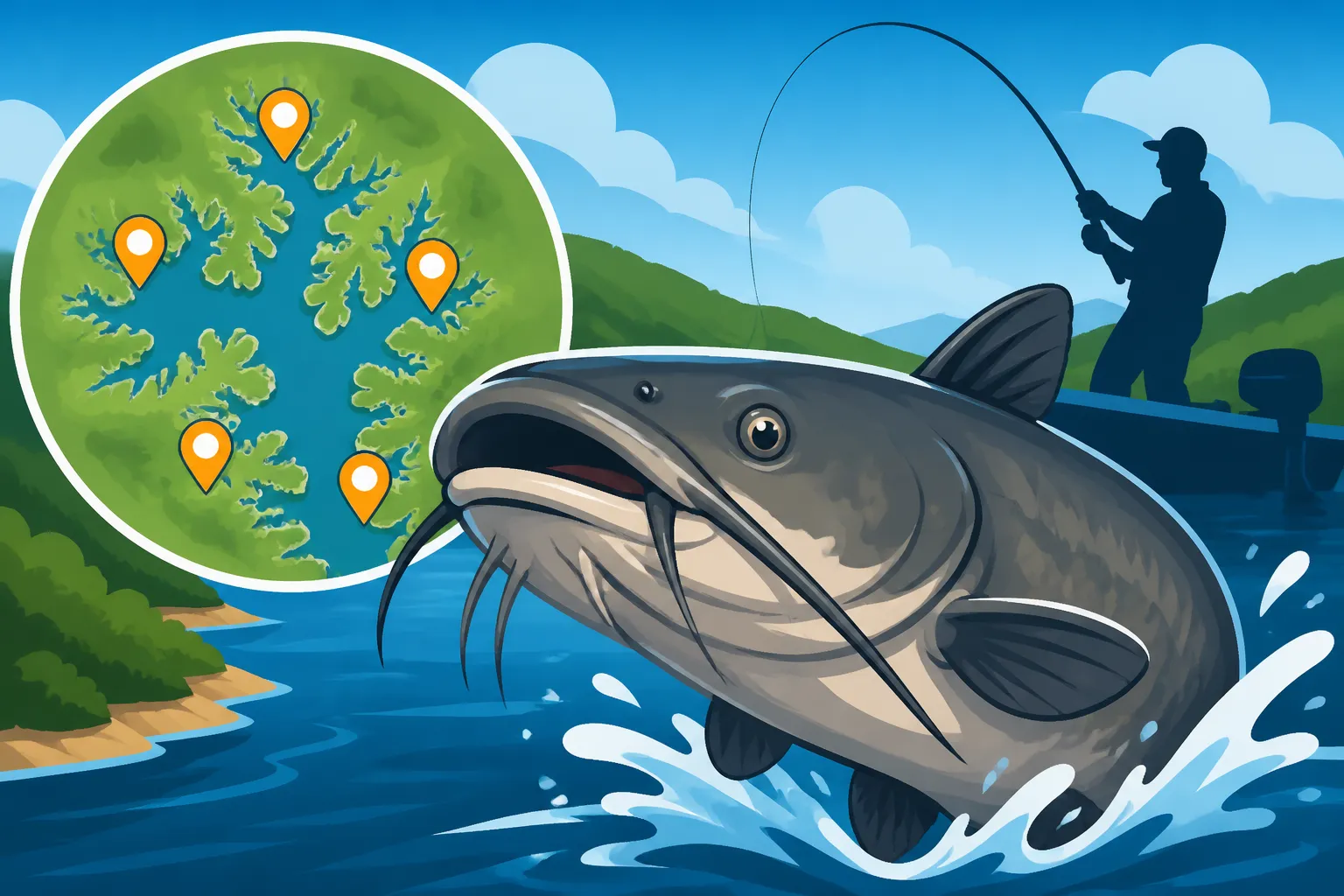
Best Catfish Spots on Lake Cumberland
Trying to find the prime spots for catfish on a massive body of water like Lake Cumberland can feel like searching for a needle in a haystack. It’s a beautiful lake, no doubt, but its sheer size and depth can make locating those whiskered giants a real head-scratcher, leaving many anglers feeling frustrated after a long day with no bites. This guide is here to cut through that confusion, giving you the insider scoop on the best catfish spots on Lake Cumberland, along with the strategies and gear you’ll need to put more fish in your boat.
Navigating Lake Cumberland's Catfish Kingdom: Understanding the Species and Their Habits
Lake Cumberland is a jewel in Kentucky's crown, offering anglers an incredible diversity of fish, and its catfish population is no exception. Before we dive into specific locations, it’s crucial to understand the different types of catfish you’ll encounter here and how their behaviors dictate where you’ll find them. Knowing your target species and their general habits is the first step toward a successful trip, helping you to narrow down the vast expanse of the lake.
The Big Three: Channel, Blue, and Flathead Catfish
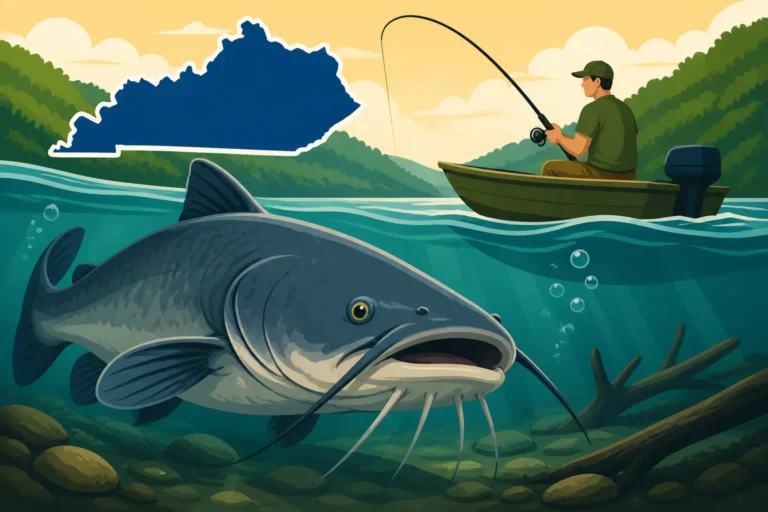
Lake Cumberland is home to the three most popular catfish species: Channel, Blue, and Flathead. Each has its own preferences when it comes to habitat and diet, which influences where you should focus your efforts. Channel catfish are perhaps the most common and widely distributed, often found in a variety of habitats from shallow coves to deeper channels. They’re omnivores, readily taking live bait, cut bait, and even prepared baits. Their fight is often described as energetic, making them a fun catch for anglers of all skill levels.
Blue catfish, on the other hand, are the true giants of Lake Cumberland. These powerful fish prefer deeper, open water areas, especially those with current or significant structure. They are primarily piscivores, meaning they feed heavily on other fish, so fresh cut bait or live baitfish are often the most effective offerings. Catching a trophy blue catfish can be a monumental task, requiring stout gear and plenty of patience, but the reward of landing one of these massive fish is unparalleled. You’ll often find them lurking near the bottom in the main lake channels.
Flathead catfish are the stealthy predators of the lake, known for their solitary nature and preference for ambush points. They are almost exclusively live bait eaters, making them a challenge to entice. You’ll typically find flatheads holding tight to submerged timber, rock piles, or undercut banks, waiting to ambush unsuspecting prey. They tend to stick to areas with plenty of cover, so targeting these spots requires a different approach than chasing blues or channels. Understanding these distinct preferences is key to maximizing your chances on Lake Cumberland.
Where the Catfish Roam: Seasonal Movements and Preferred Habitats
Catfish, like most fish, are highly influenced by water temperature and seasonal changes. In the spring, as water temperatures begin to rise, catfish become more active and start to move into shallower areas to spawn. This is a prime time to target them in creek arms, coves, and flats with new vegetation. They’ll often be found in water depths of 5 to 15 feet, looking for areas with some form of cover like submerged brush or rocky bottoms. This pre-spawn and spawn period can offer some of the most consistent catfishing action.
During the hot summer months, catfish will generally move to deeper, cooler water, though they will still make forays into shallower areas during low-light conditions to feed. Blue and Channel catfish will often congregate in the main lake channels, especially near humps, ledges, and river bends where current can concentrate baitfish. Flatheads will remain tied to heavy cover in deeper water, but they might be found shallower at night. Night fishing techniques for catfish become particularly effective during this time, as the cooler temperatures and reduced boat traffic make the fish more comfortable moving and feeding.
As fall arrives and water temperatures begin to cool, catfish will follow baitfish into shallower creek arms and coves as they prepare for winter. This can lead to another surge in activity, as they feed aggressively to build up reserves. Finally, in winter, catfish will retreat to the deepest parts of the lake, often suspending in schools or holding near major structure in the main channels. While winter catfishing can be challenging, it's not impossible, especially for trophy blues, though it often requires specialized electronics and precise bait placement.
Unlocking Lake Cumberland's Premier Catfish Locations
Lake Cumberland, with its impressive depth and complex structure, offers a multitude of potential catfish hideouts. Knowing the general areas where these fish prefer to reside, especially during different seasons, is crucial. While specific "honey holes" can change year to year, there are foundational areas that consistently produce good numbers of catfish.
Deep Channels, River Bends, and Submerged Structure
The original Cumberland River channel, which now lies deep beneath the lake's surface, is a consistent magnet for catfish, especially the larger blue cats. These deep channels provide cooler, more stable water temperatures and often have subtle currents that concentrate baitfish. Targeting the inside and outside bends of this old river channel can be incredibly productive. Look for areas where the channel intersects with ledges, humps, or points that drop off sharply into deep water. These topographical features act as natural travel corridors and ambush points for predatory catfish.
Many anglers find success by drifting baits along these deeper contours or anchoring on a promising spot and setting out multiple lines. Using a good fish finder is essential here to identify changes in depth, schools of baitfish, and the presence of any submerged structure like old roadbeds, bridge foundations, or rock piles that catfish love to relate to. These underwater features, often remnants from before the lake was flooded, create perfect habitats for catfish seeking cover and feeding opportunities.
For those looking to tackle the truly colossal blue catfish, focusing your efforts on the lower end of the lake, closer to the dam, can be particularly rewarding. The deeper, cooler waters and strong currents in this section create an ideal environment for these giants. Sometimes, even finding a local guide through platforms like FishingBooker can give you an edge, as they often have specific knowledge of these deep-water haunts and the best ways to fish them effectively.
Finding Catfish in the Creeks and Coves
While big blues often prefer the main lake's deep channels, channel and flathead catfish are frequently found in the more accessible creek arms and coves of Lake Cumberland. These areas warm up faster in the spring, drawing catfish in for their pre-spawn and spawning activities. Look for coves with significant feeder creeks, as these bring in nutrients and often create slightly stained water, which catfish appreciate. Areas with standing timber, laydowns, or dense brush offer excellent cover for flatheads to ambush their prey.
During the warmer months, the mouths of these large creek arms can be productive, especially where they meet the main lake. The transition zone from shallow to deep water provides a variety of depths and temperatures for catfish to utilize. Focus on points that extend into the main channel, submerged humps within the coves, and any areas with abundant woody cover. You might even find some excellent bank fishing spots in these quieter areas, especially if you're targeting eaters rather than trophy fish. Exploring the various fingers and tributaries of major creek systems like Beaver Creek, Indian Creek, or Otter Creek can yield fantastic results.
Even in summer, these creek arms can hold catfish, particularly during the early morning or late evening hours, or at night when temperatures are cooler. Many anglers enjoy setting up jug fishing for catfish or trotlines in these coves, letting the baits soak overnight. Just be sure to check the Kentucky Fishing Regulations Explained before deploying any passive fishing gear, as rules can vary.
Dam Area and Tailwaters: A Unique Catfishing Opportunity
The area immediately below the Wolf Creek Dam, known as the tailwaters of Lake Cumberland, presents a unique and highly productive catfishing environment. The generation of electricity creates significant current and oxygenated water, which attracts a wide array of baitfish, and in turn, large predatory catfish. This area is renowned for its incredible catfishing, particularly for giant blue catfish, but also for impressive channel cats. The constantly churning water, rich with nutrients and dislodged food, creates a continuous feeding frenzy.
Fishing the tailwaters requires a different approach due to the strong currents and often crowded conditions. Heavy weights are typically needed to hold your bait on the bottom, and stout gear is a must to handle the powerful fish in the strong flow. Many anglers use heavy bottom rigs, casting out and letting their bait settle in the seams and eddies created by the current. The fishing here can be truly world-class, but always be mindful of water release schedules and safety, as conditions can change rapidly.
While the immediate tailwaters are excellent, the main lake area close to the dam also holds significant numbers of catfish due to the deep water and consistent flow. Look for ledges and drop-offs just outside the main channel, especially where current is present. This area often sees less pressure than the tailwaters themselves but can produce equally impressive fish. If you're planning a trip to this specific area, it’s worth considering what boats for Kentucky Lake and Lake Barkley Fishing might also be suitable here, as they often handle large, deep water environments well.
Master Your Catfishing Game: Techniques, Baits, and Essential Gear
Catching catfish on Lake Cumberland isn't just about finding the right spot; it's also about employing the right techniques, using the most enticing baits, and having the gear to handle whatever bites. The variety of catfish species and their behaviors means you’ll need a versatile approach to be consistently successful.
Choosing the Right Bait and Rig for Lake Cumberland
When it comes to catfish bait on Lake Cumberland, fresh is always best. For blue and channel catfish, cut bait from oily fish like shad, skipjack herring, or even bluegill is highly effective. These baits release natural oils and scents that catfish can detect from a distance. If you can’t get fresh cut bait, commercially prepared stink baits or dough baits can work well for channel catfish, particularly in the warmer months in shallower areas. For flathead catfish, however, live bait is almost non-negotiable. Live bluegill, shad, or even smaller sunfish are top choices, presented alive and struggling to attract the flathead's predatory instinct.
Rigging your bait properly is just as important as the bait itself. The classic slip-sinker rig is a versatile choice for bottom fishing, allowing the fish to pick up the bait and run without feeling the weight of the sinker. A 1/0 to 8/0 circle hook (depending on your target size) on an 18-36 inch fluorocarbon or monofilament leader, attached to a swivel, with an egg sinker free-sliding above the swivel, is a proven setup. For flatheads and big blues in current, a Carolina rig with a heavier sinker might be more appropriate. For stationary fishing in heavy cover, a three-way swivel rig can also be effective, presenting your bait slightly off the bottom. You can learn more about specific setups in guides like How to Rig a Trotline for Catfish.
| Catfish Species | Preferred Habitat | Best Baits | Recommended Rig |
|---|---|---|---|
| Channel Catfish | Shallow coves, creek arms, varied depths | Cut bait, stink baits, worms, chicken liver | Slip-sinker, bottom rig |
| Blue Catfish | Deep channels, river bends, main lake, tailwaters | Fresh cut bait (shad, herring), live baitfish | Heavy slip-sinker, Carolina rig |
| Flathead Catfish | Heavy submerged cover, rock piles, laydowns | Live bait (bluegill, shad) | Slip-sinker, three-way swivel (heavy cover) |
Setting Up Your Tackle for Lake Cumberland's Challenges
Lake Cumberland is a big lake, and the catfish in it can be even bigger. Therefore, you need robust tackle that can stand up to the challenge. For general channel catfishing, a medium-heavy action spinning or baitcasting rod, 7 to 8 feet long, paired with a reel spooled with 15-30 pound monofilament or braided line, should suffice. This setup provides enough backbone to cast heavy baits and fight decent-sized catfish, while still offering some sensitivity.
However, if you're serious about targeting those monstrous blue and flathead catfish, you'll need to upgrade. Heavy to extra-heavy action rods, 7 to 9 feet long, specifically designed for catfish or surf fishing, are ideal. These rods have the power to cast heavy weights and wrestle truly large fish out of deep water or heavy cover. Match these with large capacity baitcasting reels, often known as conventional reels, capable of holding 50-80 pound braided line, or heavy-duty spinning reels with equivalent line capacity. For specific recommendations, check out information on Best Reels for Catfish Fishing. Braided line is often preferred for its strength, lack of stretch, and increased sensitivity, which is crucial when fishing deep.
Don't forget the terminal tackle! Heavy-duty swivels, strong circle hooks (sizes 5/0 to 10/0 are common for trophy fish), and lead weights ranging from 1 to 8 ounces or more, depending on depth and current, are essential. Always carry a net large enough to handle a substantial fish, and a good pair of pliers or jaw spreaders for safe hook removal. A powerful spotlight for night fishing, a necessity if you're on the water after dark, is also highly recommended.
Beyond the Bait: Advanced Strategies for Success
While bait and tackle are fundamental, employing advanced strategies can significantly increase your catch rate on Lake Cumberland. One effective tactic, particularly for blue catfish in the main channels, is drift fishing. By allowing your boat to drift with the wind or current, you can cover a large area, presenting your bait to numerous catfish. Using a drift sock can help control your speed and ensure your bait stays in the strike zone. This method is especially useful when fish are scattered or actively searching for food.
Another powerful strategy, especially for flatheads, is to use your boat's electronics to meticulously scan for submerged timber or rock piles. Once you locate a promising piece of structure, anchor upcurrent and present a live bait directly to the cover. Flatheads are often ambush predators, so putting the bait right in their living room is key. Night fishing techniques for catfish are also highly effective, as many catfish species, particularly blue and flathead, become more active under the cover of darkness. This can mean shallow water feeding binges you won't see during the day.
For targeting channel catfish in shallower areas, especially during the spring, fan-casting multiple baits around likely holding spots like brush piles or weed lines can pay dividends. Vary your retrieve if you're using artificial lures (though live/cut bait is usually king for catfish), or simply let your bait soak in different spots for extended periods. Patience is a virtue in catfishing, but intelligent exploration can turn a slow day into a memorable one.
Planning Your Lake Cumberland Catfish Adventure: Regulations and Practical Tips
A successful and enjoyable fishing trip to Lake Cumberland goes beyond just knowing where and how to catch fish. It involves understanding the local regulations, ensuring your safety on the water, and having a few practical tips up your sleeve.
Understanding Kentucky's Catfish Regulations
Before you even cast a line, it's absolutely vital to be familiar with Kentucky's fishing regulations, especially concerning catfish on Lake Cumberland. Every angler 16 years or older needs a valid Kentucky fishing license, and if you’re fishing from a boat, you’ll need to ensure your Kentucky boat registration requirements are up to date. The statewide limits for catfish are generally quite generous: 15 catfish (blue, channel, flathead in aggregate), but only one of which can be over 25 inches in length. However, specific lakes or sections of rivers can have different, more restrictive rules, so always double-check the latest guide from the Kentucky Department of Fish and Wildlife Resources (KDFWR).
For instance, while the aggregate limit is 15, Lake Cumberland does not typically have special site-specific regulations that differ from the statewide catfish limits, unlike some other species in other lakes. Still, it's always best practice to consult the current KDFWR fishing guide each year to confirm. This guide will also detail rules for methods like trotlines, jug fishing, or set lines, which are popular for catfish but have specific requirements regarding labeling and number of lines. Adhering to these regulations not only avoids potential fines but also helps ensure the sustainability of Lake Cumberland's fantastic catfish fishery for future generations. For a quick reference, check out Kentucky Catfish Limit: 15 Fish, Only 1 Over 25 Inches.
Ensuring Safety and Responsible Fishing on the Water
Lake Cumberland is a massive body of water, and safety should always be your top priority. Always wear a life jacket, especially if you're in a smaller boat or if conditions are rough. It's a legal requirement for kids under 12 to wear one while underway in Kentucky, but it's a smart idea for everyone. Make sure your boat has all the required safety equipment, including fire extinguishers, sound-producing devices, and navigation lights if you'll be out at dawn, dusk, or night. Remember, the Life Jacket Rules for Boats in Kentucky are there to keep everyone safe.
Weather on a large lake can change rapidly. Always check the forecast before heading out, and be prepared for sudden storms, strong winds, or temperature drops. If you're on a multi-day trip, be sure to communicate your plans with someone on shore. When booking a guided trip, many services available through platforms like FishingBooker will prioritize safety and provide all necessary equipment, which is a great option if you're less familiar with the lake or big boat operations.
Finally, practice responsible angling. Take all trash with you, avoid disturbing wildlife, and handle fish with care, especially if you plan to release them. Catfish, particularly large flatheads and blues, are a valuable resource, and proper handling ensures their survival after release. Knowing when to release fish is just as important as knowing when to keep them. By following these guidelines, you'll not only have a more productive and enjoyable trip but also contribute to the health of Lake Cumberland's ecosystem.
Disclaimer
The information provided in this guide is for general informational purposes only and is subject to change. Fishing regulations, conditions, and fish behavior can vary. Always consult the latest official regulations from the Kentucky Department of Fish and Wildlife Resources before planning your fishing trip. Safety on the water is paramount; always prioritize your well-being and adhere to all boating safety guidelines.