Best Boat Ramps on the Ohio River Near Louisville
Finding a reliable and convenient boat ramp on the Ohio River near Louisville can sometimes feel like a treasure hunt, especially with the fluctuating water levels, commercial traffic, and the sheer size of the river. Anglers and boaters often struggle to find spots that offer good access, ample parking, and the right facilities for a smooth launch and retrieval. This guide will meticulously break down the best public boat ramps in the Louisville area, offering insights into their features, suitability, and essential tips for making your Ohio River boating experience as seamless and enjoyable as possible.
Navigating the Ohio River's Unique Challenges Near Louisville
The Ohio River, particularly around a bustling city like Louisville, presents a different set of challenges and considerations compared to fishing on calmer, smaller lakes or reservoirs. It's a major artery for commerce, which means boaters need to be extra vigilant and prepared.
Understanding the Current and Commercial Traffic
One of the biggest distinctions of the Ohio River is its powerful current, which can vary significantly depending on recent rainfall and dam operations. This isn't just a minor inconvenience; a strong current can make launching and loading your boat tricky, especially if you're not experienced. You'll often see large barges and towboats moving up and down the river, creating substantial wakes that can rock your vessel at the ramp or out on the water. These commercial giants have the right-of-way, and it's crucial to understand their movement patterns and give them a wide berth. Many local anglers even check shipping schedules, or simply give themselves extra time and patience when planning a trip.
Beyond the sheer power of the water, the Ohio River is also a busy highway for commercial barges, towboats, and even larger pleasure craft. You need to always be aware of your surroundings, both at the ramp and once you're on the water. Large wakes can create unstable conditions near the ramp, making it difficult to maintain control of your boat during launch or retrieval. Staying alert and understanding how to navigate alongside these larger vessels is paramount for your safety and the safety of everyone else on the water. This also means making sure your vessel is equipped with all the proper navigation lights and signaling devices, especially if you plan to be out during low light conditions.
Finding Reliable Access Points
The struggle to find a good boat ramp often comes down to a few factors: maintenance, parking, and suitability for different boat types. Some ramps might be older, with crumbling concrete or significant drops at the end, making them unsuitable for larger boats with deeper drafts. Others might lack adequate trailer parking, leading to frustrating searches and long walks, especially on busy weekends. The quality and depth of the ramp can also change with water levels. What might be a perfectly usable ramp during high water could become a nightmare of mud and exposed concrete during a low-water period.
It’s not uncommon to drive past several potential access points only to find them unsuitable for your particular boat or too crowded to even consider. Many anglers have stories of pulling up to a ramp only to realize it's too shallow for their bass boat, or the parking lot is completely full, forcing them to find an alternative on the fly. This is where local knowledge truly shines, and why having a few preferred ramps in mind, along with backups, can save you a lot of headache. When looking for a guide or charter, platforms like FishingBooker can sometimes offer insights into popular launch points used by professional captains, helping you avoid these common pitfalls and get straight to the fishing.
Importance of Safety and Preparation
Given the dynamic nature of the Ohio River, safety and preparation are not optional; they are absolutely essential. This means more than just having the right gear; it means knowing how to use it and understanding the river itself. Sudden storms can blow up quickly, changing conditions from calm to chaotic in minutes. Debris, especially after heavy rains, can be a hazard to navigation and your boat's propeller.
Before you even leave your driveway, you should be checking the weather forecast, current water levels, and any advisories from the U.S. Coast Guard or local river authorities. Your boat should be in excellent working order, with all required safety equipment on board. This includes ensuring you meet all of the Life Jacket Rules for Boats in Kentucky, having a fully charged battery, functioning lights, and an emergency kit. Don't forget your fishing license! It's also wise to inform someone of your float plan – where you're going and when you expect to return. Being prepared ensures that unexpected challenges don't turn into dangerous situations. Familiarize yourself with the Kentucky Boating Safety Gear Checklist to ensure you're always ready for any eventuality.
Top Public Boat Ramps on the Ohio River Near Louisville
When it comes to accessing the Ohio River for fishing or recreation, Louisville and its surrounding areas offer several public boat ramps. Each has its own characteristics, pros, and cons that might make it more or less suitable for your needs.
McAlpine Locks and Dam Public Boat Ramp
Located near the iconic McAlpine Locks and Dam, this ramp is a highly popular choice for anglers, and for good reason. It offers excellent access to the main channel of the Ohio River and proximity to some fantastic fishing opportunities, especially for species that congregate around current breaks and structures.
The ramp itself is typically well-maintained with multiple lanes, making it easier to launch even on busy days. Parking is generally ample, with designated spots for boat trailers, though it can still fill up quickly on peak weekends during prime fishing seasons. The concrete is usually in good condition, extending deep enough into the water to accommodate various boat sizes, from smaller jon boats to larger bass boats. A major advantage of this ramp is its direct access to both upstream and downstream sections of the Ohio River, allowing anglers to target different areas depending on their fishing strategy. You'll find many anglers here targeting Best Catfish Fishing Spots on Kentucky's Ohio River or even searching for Where to Catch Sauger on the Ohio River in Kentucky during cooler months. However, due to its popularity and location near the locks, it can experience significant boat traffic, so patience and careful maneuvering are key.
Riverfront Park Boat Ramp (Jeffersonville, IN – Across the River)
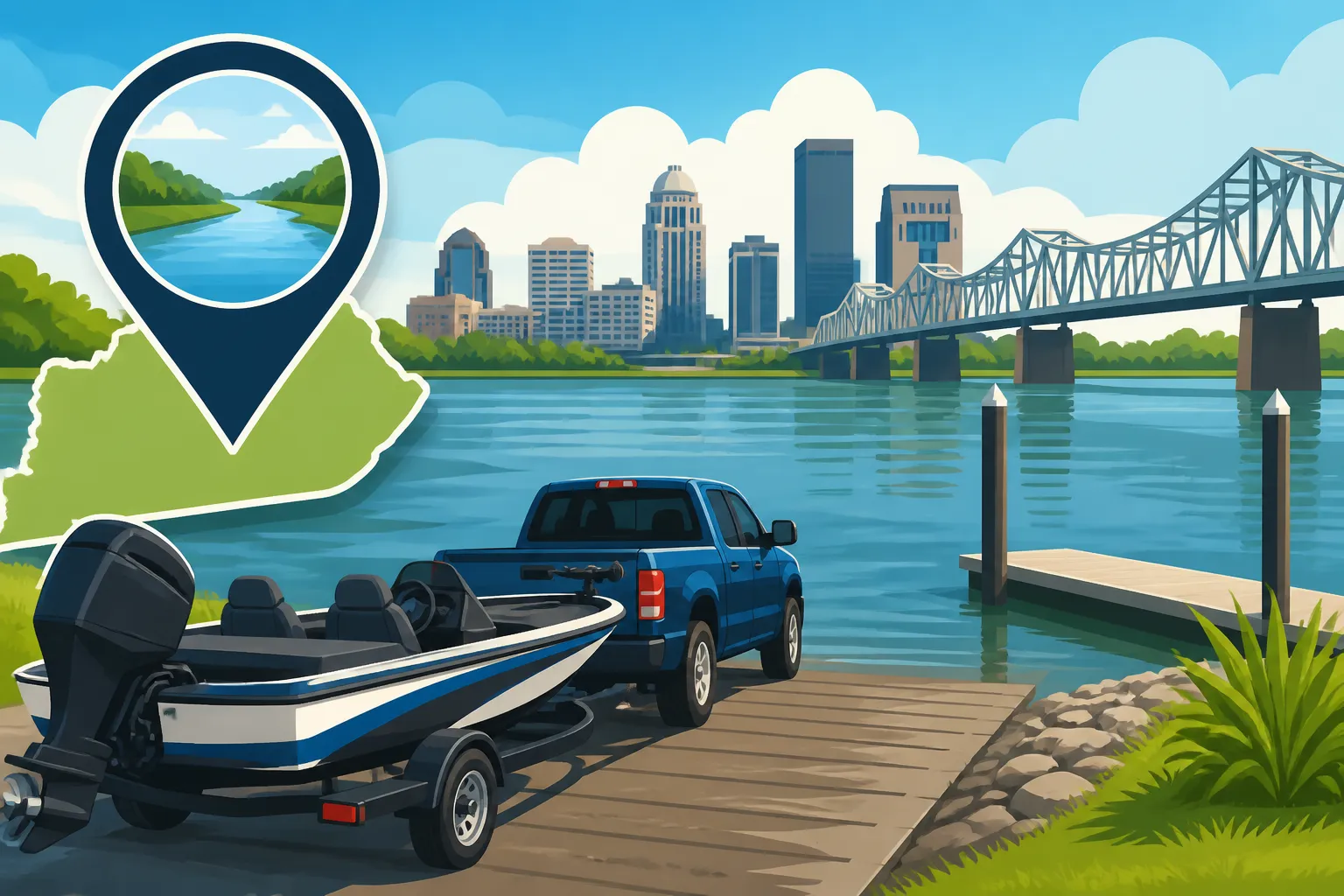
While technically located in Jeffersonville, Indiana, just across the Ohio River from downtown Louisville, the Riverfront Park boat ramp is a convenient and often preferred option for many Louisville-area anglers. It's easily accessible via the Second Street Bridge or the Kennedy Bridge and offers a slightly different perspective of the river.
This ramp usually features well-maintained concrete lanes and a spacious parking area. The surrounding Riverfront Park offers amenities like restrooms and green space, which can be a bonus for families or longer outings. Being on the Indiana side, it often feels a little less congested than some of the ramps directly within Louisville proper, though this can vary. It’s an excellent choice for those wanting to explore the Indiana side of the river or simply enjoy the scenic views of the Louisville skyline from the water. Keep in mind that while you're launching in Indiana, if you plan to fish Kentucky waters, you'll still need a Kentucky Fishing License Guide. Remember to always check current river conditions as the ramp's usability can be affected by water levels, just like any other river access point.
Harrods Creek Boat Ramp (Prospect, KY)
Further upstream from Louisville, nestled in the scenic community of Prospect, you'll find the Harrods Creek boat ramp. This location offers a different kind of experience, often appealing to those looking for slightly less intense river traffic, especially if they plan to fish the creek itself or the main river near its mouth.
Harrods Creek is known for its beautiful residential areas and serene waters, and the ramp here provides access to both the creek and the Ohio River. The ramp itself is generally suitable for various boat sizes, though it might be more popular with smaller craft, kayaks, and jon boats. Parking can be a bit more limited here compared to the larger city ramps, so arriving early on busy days is a good strategy. The calmer waters of Harrods Creek itself can offer a nice respite from the main river's current, providing excellent opportunities for panfish or even some largemouth bass before heading out to the Ohio River. If you're using a smaller vessel, this ramp can be a fantastic entry point, particularly for those looking for Best Jon Boats for Catfishing on the Ohio River or simply a quieter launch.
Cox Park Boat Ramp (Louisville, KY)
Cox Park, located on River Road east of downtown Louisville, also offers a public boat ramp that is quite popular among locals. This park is a well-loved community space, and its boat ramp is an integral part of its appeal, providing accessible river entry close to many neighborhoods.
The boat ramp at Cox Park features concrete lanes and typically offers decent parking, though, like all popular spots, it can get crowded. Its location provides convenient access to the Ohio River, allowing anglers to explore fishing spots both upstream and downstream. Cox Park also offers additional amenities such as walking paths, picnic areas, and green spaces, making it a great spot for a family outing even if not everyone is on the boat. It's a reliable choice for general recreational boating and fishing, and you’ll see a mix of pleasure craft and fishing boats using this facility. Anglers launching here often target crappie and bass along the river's edges or head out into the main channel for catfish. If you're planning a trip with a professional guide, many local charters found through services like FishingBooker might opt for a convenient ramp like Cox Park.
Essential Considerations for Using Ohio River Boat Ramps
Successfully using Ohio River boat ramps, especially near a major metropolitan area like Louisville, involves more than just backing your trailer down the concrete. There are critical factors you need to consider to ensure a safe, efficient, and enjoyable experience.
Checking Water Levels and Conditions
This is arguably the most crucial step before heading out to any Ohio River ramp. The river's depth and flow rate can change dramatically and quickly. Heavy rainfall upstream can lead to rapidly rising water levels and strong currents, potentially submerging ramps or making them dangerous to use. Conversely, prolonged dry spells can cause water levels to drop, exposing the end of ramps, creating significant drop-offs, or making certain areas too shallow for launching larger boats.
Always check current river conditions and forecasts before you leave. The National Weather Service (NWS) and the U.S. Army Corps of Engineers (USACE) typically provide real-time data on river gauges, current flow, and projected levels for the Ohio River. Websites and apps that monitor river conditions are invaluable tools for any Ohio River boater. Imagine driving all the way to a ramp, only to find it completely unusable due to a sudden rise or fall in water; checking ahead saves you time, fuel, and frustration. Pay attention not just to the level but also to any advisories about debris in the water, which is common after high-water events and can pose a serious threat to your boat's lower unit.
Parking, Fees, and Facilities
The practicalities of using a boat ramp – parking, potential fees, and available amenities – can greatly impact your experience. Some ramps are part of larger parks or marinas and might have better facilities like paved parking lots, security lighting, and dedicated trailer spots. Others might be more rudimentary, with gravel parking or limited space.
- Parking: Always consider parking availability, especially if you have a larger truck and trailer. On popular weekends or during peak fishing seasons, parking lots can fill up fast. Have a backup plan or consider arriving very early. Look for designated trailer parking areas; parking in non-designated spots can lead to tickets or towing.
- Fees: While many public ramps are free to use, some might charge a small launch fee, either through an automated machine or at a manned gate. It's always a good idea to have some cash or a credit card ready, just in case.
- Facilities: Beyond the ramp itself, consider what other amenities are important to you. Are there restrooms nearby? A fish cleaning station? Trash receptacles? Some ramps might offer docks for temporary tying up, which can be a huge help during busy times or if you're launching solo. Knowing these details beforehand helps you plan your day. When planning your trip, consider using resources like FishingBooker to scout out locations where guides operate; these often coincide with well-equipped public launch sites.
Safety Protocols and Best Practices
Boating on the Ohio River demands adherence to safety protocols far beyond what might be necessary on a small pond. The river's size, current, and traffic mean increased risks if you're not careful.
- Life Jackets: Ensure everyone on board, especially children, is wearing a properly fitted, Coast Guard-approved life jacket. Familiarize yourself with Kentucky's specific Life Jacket Rules for Kids Under 12, as they are strictly enforced. Even strong swimmers can quickly get into trouble in a strong current if they unexpectedly fall overboard.
- Navigational Lights: If you're out before sunrise or after sunset, or even on a heavily overcast day, your navigational lights must be fully functional and properly displayed. Commercial traffic operates 24/7, and visibility is crucial.
- Awareness: Always be aware of your surroundings. Keep an eye out for other boats, especially large commercial vessels, and respect their right-of-way. Maintain a safe speed and never operate your boat under the influence of alcohol or drugs.
- Communication: Have a reliable means of communication on board, such as a fully charged cell phone or a VHF radio, in case of an emergency. Share your float plan with someone on shore.
- Pre-Launch Checklist: Before you even back down the ramp, do a quick check: drain plug in, tie-downs removed, engine trim up, safety gear accessible, and lights working. A simple oversight can lead to a lot of trouble. All of these points are part of ensuring you have What Safety Equipment Is Required on a Kentucky Boat?.
Maximizing Your Fishing Trip from Louisville Ramps
Once you've successfully launched your boat from one of Louisville's Ohio River ramps, the real adventure begins. To truly maximize your fishing success, it's helpful to connect your launch point with prime fishing areas and understand how to navigate the river efficiently.
Prime Fishing Spots Accessible from These Ramps
The beauty of launching on the Ohio River near Louisville is the vast amount of diverse fishing opportunities available. Each ramp gives you access to a different section of the river, with its own unique characteristics and fish populations.
From the McAlpine Locks and Dam ramp, you're positioned perfectly to target robust populations of channel, blue, and flathead catfish. The current breaks and deeper holes around the dam structure are magnets for these species, particularly during the warmer months. Many anglers focus on the scour holes directly below the dam or the deeper channels. This area is also excellent for Kentucky Catfish Fishing: Ohio River and Kentucky Lake Guide. In the cooler seasons, especially late fall through early spring, you'll find an incredible Best Time to Catch Sauger at Kentucky's Lake Barkley run here, as sauger congregate in the powerful currents. Trolling jigs or vertical jigging are popular and effective techniques.
Further upstream, near the Harrods Creek ramp, anglers can explore the calmer waters of Harrods Creek itself for largemouth bass, crappie, and various panfish. The mouth of the creek, where it meets the Ohio, can also be a productive area, offering transition zones where fish move between the main river and the tributary. Out on the main river, you can expect to encounter similar species as closer to Louisville, but often with less immediate pressure.
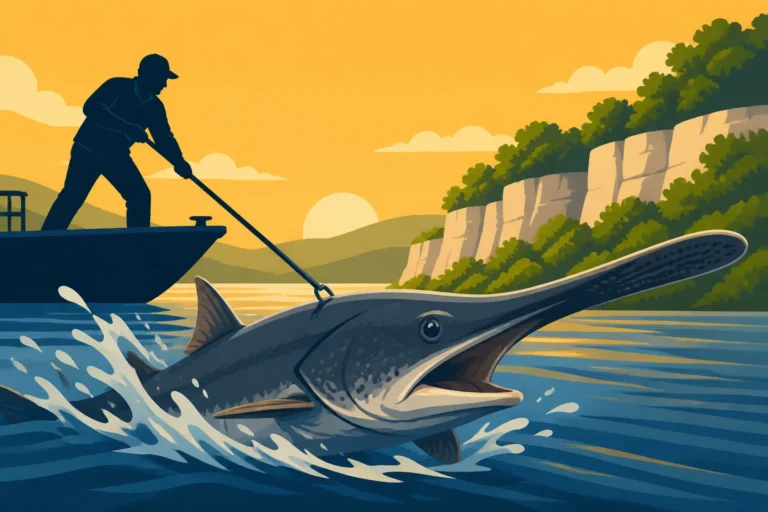
The areas around Riverfront Park and Cox Park offer a good mix of both shallow and deep-water habitats. You can target bass along the riprap banks and submerged structures close to shore, especially during periods of stable water. Deeper channels further out are prime for catfish and also for white bass during their spawning runs. If you're looking for an unforgettable experience, keep an eye out for the Best Paddlefish Snagging Spots on the Ohio River, Kentucky during the spring season. Many local guides, often booked through platforms like FishingBooker, specialize in these particular hotspots and techniques, saving you time and increasing your chances of a trophy catch.
Planning Your Launch and Retrieval
A smooth launch and retrieval process can make or break your trip, especially on a busy river like the Ohio. It's not just about getting the boat in and out of the water, but doing so safely, respectfully, and efficiently.
- Pre-Launch Prep: Do all your preparations before you get to the ramp. Load your gear, check your engine, secure your cooler, and have your lines ready. Nothing is more frustrating than someone hogging the ramp while they're still packing their tackle box. Remove your transom saver and tie-downs in the staging area, not on the ramp itself.
- Driver and Spotter Communication: If you have a passenger helping you, establish clear hand signals or verbal cues. A good spotter can guide the driver, warn of obstacles, and help manage ropes, making the process much smoother.
- Dealing with Current: The Ohio River's current can be intimidating. When launching, try to back your boat in quickly but carefully, allowing the current to help position the boat as you unhitch. For retrieval, approach the ramp slowly against the current, using your motor to maintain control as your trailer is backed down. The current can push your boat sideways, so be ready to adjust.
- Solo Launching: If you're launching alone, consider using a bow line attached to a cleat and walking it down to a courtesy dock if available, or securing it to a piling after backing the boat in. This allows you to park your truck and then easily retrieve your boat.
- Respectful Ramping: Be courteous to other boaters. Don't linger on the ramp. If there's a line, be patient and move as quickly and safely as possible. Help others if they seem to be struggling, but avoid unsolicited advice unless asked. Knowing how to How to Launch a Boat on the Ohio River in Kentucky efficiently is a skill that comes with practice and respect for fellow boaters.
Ohio River Boat Ramps Near Louisville Comparison
To help you choose the best ramp for your next outing, here’s a quick comparison of the top options discussed:
| Ramp Name | Location | # of Lanes | Parking | Fees | Amenities | Suitability |
|---|---|---|---|---|---|---|
| McAlpine Locks & Dam Public | Louisville, KY | Multiple | Ample (can fill) | None | Restrooms (nearby), Docks | All boat types, excellent fishing |
| Riverfront Park (Jeffersonville) | Jeffersonville, IN | Multiple | Ample | None | Restrooms, Park | All boat types, scenic views |
| Harrods Creek Boat Ramp | Prospect, KY | 1-2 | Limited | None | Basic | Smaller boats, kayaks, quieter access |
| Cox Park Boat Ramp | Louisville, KY (River Road) | 1-2 | Moderate | None | Restrooms, Park, Trails | All boat types, family-friendly |
Remember, while this table offers a general overview, it's always a good practice to check specific conditions, parking availability, and any temporary closures before heading out.
Disclaimer
Please note that fishing regulations, boat ramp conditions, and availability can change. Always consult the Kentucky Department of Fish and Wildlife Resources (KDFWR) and local authorities for the most current information before planning your trip. Exercise caution and prioritize safety on the water.