Best Spots to Catch Sauger in Early Spring
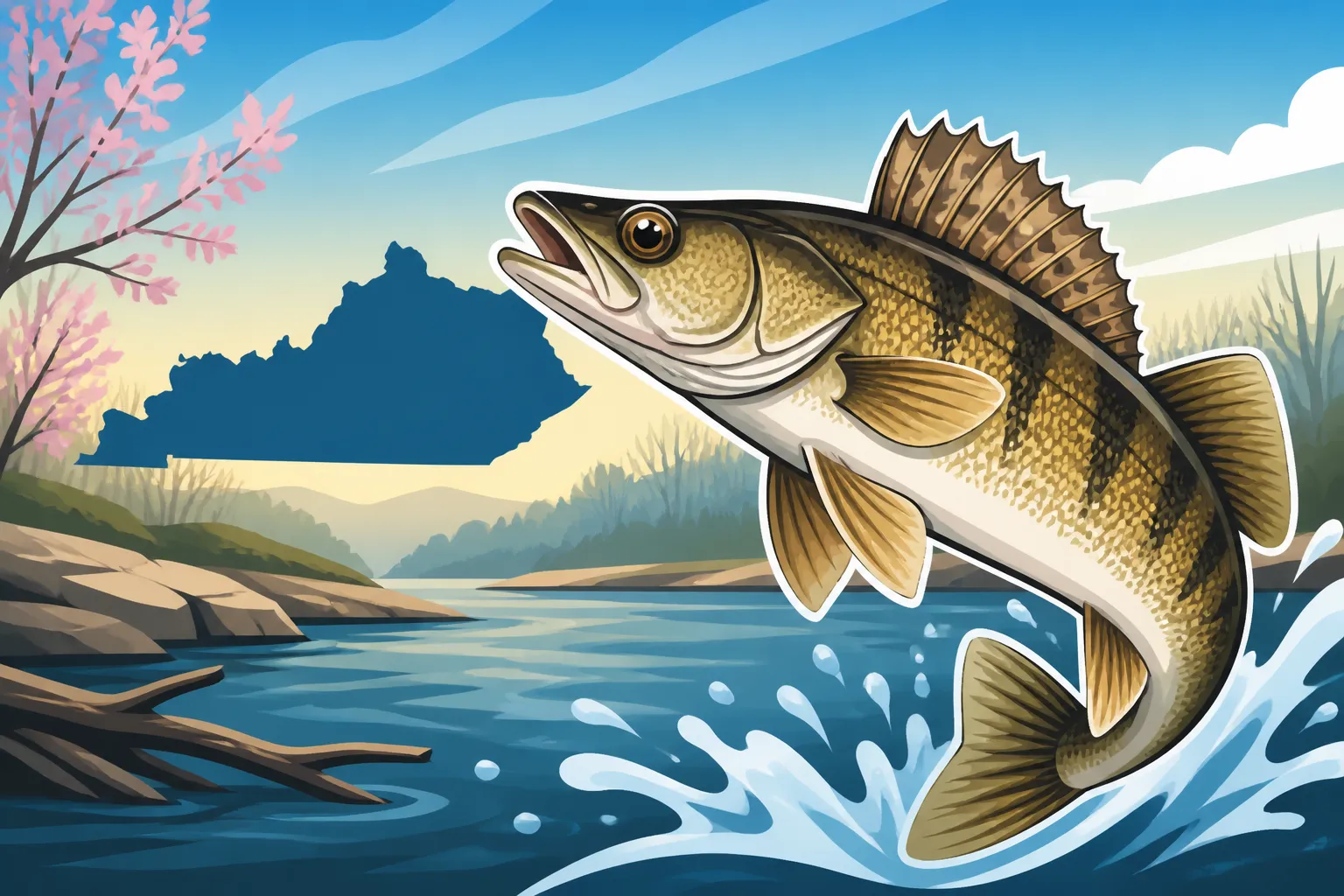
As the chill of winter reluctantly gives way to the first hints of spring, many anglers find themselves itching to get out on the water. For those with a particular passion, the early spring bite for sauger in Kentucky can be absolutely phenomenal, but knowing where these elusive fish gather and how to target them when the water is still cold can feel like cracking a secret code. This guide is dedicated to revealing those prime locations and proven strategies, helping you pinpoint the best spots to catch sauger as the Bluegrass State awakens.
Understanding Early Spring Sauger Behavior in Kentucky
Sauger, often mistaken for their larger walleye cousins, are incredible sport fish known for their delicious fillets and a tendency to thrive in current and cooler water. Early spring in Kentucky presents a unique window of opportunity, as these fish begin to shake off their winter lethargy and prepare for their annual spawn. Understanding their seasonal movements and preferences is absolutely crucial for a successful trip.
Water Temperature and Migration Patterns
Sauger are highly sensitive to water temperature. Unlike some other species that might hang out in warmer, shallower pockets, sauger truly shine in the colder months and early spring. As late winter transitions into early spring, when water temperatures start to nudge up from the low 40s into the high 40s and low 50s, sauger begin a significant migration. They'll start moving out of their deep wintering holes in major river channels and large lake basins, heading upstream towards spawning grounds.
This migration is less about finding warmth and more about positioning themselves for reproduction. They're looking for areas with good current, gravel, and rock bottoms – ideal spots for depositing their eggs. This means that river systems and the main lake channels of large reservoirs connected to major rivers become prime real estate. You might find them stacked up in concentrated schools along these migration routes, making for some truly epic fishing if you hit it just right. The trick is to intercept them during this movement, before they disperse too widely after spawning.
Preferred Habitats in Early Spring
When the water is still quite chilly, sauger aren't typically lounging in sunny coves. Instead, they’re seeking out specific structural elements that offer both cover from current and proximity to potential food sources. Think deep holes, eddies, current breaks, and underwater points or humps, especially those with hard bottoms.
- River Channels: In larger rivers like the Ohio, sauger will often hold in the deepest parts of the channel, particularly where there are subtle bends, scour holes, or any type of current break created by a submerged structure. They're not fighting the fastest current, but rather using it to their advantage, ambushing prey that drifts by.
- Tailwaters Below Dams: This is often a sauger angler's paradise in early spring. The churning water below dams creates consistent current, high oxygen levels, and disorients baitfish, making for easy meals. The concrete structures and riprap also provide excellent ambush points.
- Lake Basins with River Influence: On expansive lakes like Lake Barkley, sauger will relate closely to the old river channel that winds through the lake. They'll use channel swings, deep ledges, and submerged timber along these channels as staging areas before and after their spawning run. Pay close attention to contour lines on your electronics – sauger love to hug these features.
Understanding these habitat preferences is your first step. It allows you to eliminate vast stretches of unproductive water and focus your efforts on areas where these fish are most likely to be holding during the coldest parts of the year.
Top Kentucky Lakes and Rivers for Early Spring Sauger
When you think about sauger fishing in Kentucky, a couple of names immediately jump to mind as undisputed champions, especially during the early spring run. These waters offer consistent action and the chance for some truly impressive catches.
Lake Barkley: The Sauger Hotspot
Without a doubt, Lake Barkley is often heralded as the premier destination for sauger fishing in Kentucky, and early spring is arguably its prime season. This massive reservoir, part of the Kentucky Lake and Lake Barkley system, is fed by the Cumberland River, and it's this riverine influence that makes it so productive for sauger.
As water temperatures creep into the upper 40s and low 50s in late February and March, sauger migrate up the Cumberland River channel, which runs through the heart of Lake Barkley. They're heading for their spawning grounds, often near the upper reaches of the lake or its major tributaries. You'll find concentrated schools of fish along the main river channel ledges, especially on those sharp breaks where the old channel meets shallower flats. Areas around the US-68 bridge or the narrows further upriver near Canton and Eddyville can be particularly productive. Look for deep holes and prominent underwater structures. If you're planning a trip, consider looking into guides through services like FishingBooker who specialize in Lake Barkley sauger, as their local knowledge can be invaluable for finding those specific honey holes. Knowing When Is Sauger Season at Lake Barkley Kentucky is key, and it almost always aligns with this early spring window.
Many anglers find success by focusing on depths between 20 to 40 feet, though they can sometimes be shallower or deeper depending on current and sunlight penetration. Vertical jigging with heavy jigs tipped with minnows or soft plastics is a classic tactic here. Slow trolling crankbaits along the channel edges is also incredibly effective, especially when you're trying to cover more water and locate active schools. The sauger on Lake Barkley can grow to impressive sizes, making for exciting fights and a full cooler.
The Ohio River: Current and Structure
While Lake Barkley might steal the spotlight for sheer numbers, the Ohio River offers its own incredible sauger fishing, particularly for those who appreciate the challenge and reward of river fishing. The vast expanse of the Ohio River forms Kentucky's northern border, and its dams and deeper channels create perfect environments for sauger to thrive, especially in early spring.
The key to Ohio River sauger is identifying current breaks and structure. The tailwaters immediately below the numerous dams along the Ohio, such as the Newburgh Lock & Dam near Henderson, the Cannelton Locks and Dam near Hawesville, or the Meldahl Locks and Dam near Maysville, are absolute magnets. The churning water provides excellent oxygenation and disorients baitfish, creating a feeding frenzy for sauger. Anglers here often anchor upstream of a promising seam and cast jigs or blade baits downstream, letting the current work their lure into the strike zone. You might also find them congregated in deep scour holes and eddy lines created by bridge pilings, rock formations, or even submerged barge wrecks. If you’re fishing the Ohio, remember that Where to Catch Sauger on the Ohio River in Kentucky often means focusing on these specific types of current-heavy areas.
Beyond the dams, look for deep main channel bends, underwater humps, and areas where smaller tributaries feed into the Ohio, creating subtle changes in current and depth. These areas can hold large schools of sauger that are migrating upstream. Live bait, like shiners or minnows, fished on a three-way rig or a simple bottom rig, can be highly effective here. The Ohio River can be a formidable body of water, so always prioritize safety, especially with cold water temperatures and strong currents.
Other Notable Waters
While Lake Barkley and the Ohio River are undoubtedly the titans of Kentucky sauger fishing, other waters can offer opportunities, though perhaps not with the same consistency or sheer numbers.
- Lake Cumberland: Primarily known for its trophy trout and smallmouth bass, Lake Cumberland occasionally produces sauger, particularly in its upper reaches where the Cumberland River feeds in. However, the sauger population here is typically much smaller than on Lake Barkley. If you're targeting trout and happen to hook a sauger, consider it a bonus! You can find more about Kentucky's Lake Cumberland Trout Season Explained if you're exploring this lake.
- Smaller Rivers and Tributaries: Some of the larger tributaries that feed into the Ohio River or the Cumberland River might hold transient populations of sauger during their spawning migrations. Rivers like the Green River or the Kentucky River might have limited sauger populations, but they are not generally considered primary sauger destinations. Anglers pursuing sauger in these smaller systems would need to do significant scouting and focus on similar current-break and deep-hole structures.
- Taylorsville Lake: This lake, located east of Louisville, is another large reservoir. While it's better known for its bass and crappie, a small population of sauger does exist. Success here would likely involve targeting the main lake channel and deeper creek channels, using similar techniques to those employed on Lake Barkley, though expectations should be tempered compared to the top two spots.
For the most consistent early spring sauger action, stick to the proven grounds of Lake Barkley and the Ohio River. Their inherent riverine characteristics and consistent populations make them the best bets for a rewarding trip.
Essential Techniques and Tackle for Early Spring Sauger
Once you've identified your target sauger spots, the next step is to equip yourself with the right techniques and tackle. Sauger fishing in early spring often requires a methodical approach, as these fish can be finicky in cold water, but they are certainly catchable with the right presentation.
Jigging and Trolling Strategies
These two methods are the bread and butter of early spring sauger fishing, and mastering them will significantly increase your success rate.
Vertical Jigging
This technique is incredibly effective when sauger are tightly schooled in deeper holes, along ledges, or below dams where current is present. The goal is to keep your lure directly beneath your boat, making small, controlled movements.
- Jig Selection: Heavy jigs are key, usually anywhere from 1/4 ounce up to 1 ounce, depending on depth and current. You want to maintain bottom contact without snagging too frequently. Colors like chartreuse, orange, white, and various greens are popular, often with some sparkle.
- Tipping: Tipping your jig with a live minnow is a game-changer for sauger. The scent and natural action of a minnow can entice strikes from even the most lethargic fish. Hook the minnow lightly through the lips or behind the dorsal fin. If minnows aren't available or you prefer artificial, scent-infused soft plastics, like Berkley Gulp! or Z-Man ElaZtech minnow imitations, can also be highly effective.
- Presentation: Drop your jig to the bottom, then lift it a few inches (6-18 inches) with a gentle flick of the wrist, letting it fall back to the bottom on a semi-slack line. The bite is often very subtle – sometimes just a slight "thump" or added weight on the line. Pay close attention. If you're on the Ohio River, remember How to Jig for Sauger in Deep Water means precise boat control to stay over the fish in current. Using a good fish finder to locate schools is invaluable for this technique.
Slow Trolling
When sauger are more scattered along channel breaks or covering a wider area, slow trolling can be an excellent way to cover water and locate active fish. This is particularly effective on large bodies of water like Lake Barkley.
- Lure Selection: Long, slender crankbaits that mimic baitfish are ideal. Look for models designed to dive to the depths where you're marking fish (typically 15-30 feet, but adjust as needed). Jointed crankbaits can also provide an enticing wiggle. Blade baits, like Silver Buddies or Vib-E, are also phenomenal for trolling, especially when you want to feel the bottom more consistently.
- Speed: As the name suggests, "slow" is the operative word. Troll just fast enough to get your lures working properly, often around 0.8 to 1.5 mph. Use your trolling motor to maintain precise speed and direction.
- Lead Core or Downriggers: To get your crankbaits to deeper depths, you might need to use lead core line or even downriggers, especially if fish are holding 30+ feet down. This allows you to present your lure at the exact depth the sauger are feeding. Some anglers will also use bottom-bouncing rigs with a snelled hook and a minnow for very slow trolling presentations.
Recommended Gear Setup
Having the right rod, reel, line, and electronics can make a world of difference.
- Rods: A medium-light to medium power spinning or baitcasting rod, typically 6'6" to 7' in length, with a fast action tip is ideal. The fast action allows you to feel those subtle bites and quickly set the hook, while the medium power provides enough backbone to fight a decent sauger in current.
- Reels: A reliable spinning reel in the 2500-3000 size or a baitcasting reel with a smooth drag system is perfect. You don't need heavy-duty saltwater gear, but quality components are always a good investment.
- Line: Many sauger anglers prefer braided line (8-15 lb test) for its sensitivity and lack of stretch, which helps detect those light bites. However, a fluorocarbon leader (6-10 lb test) of a few feet is highly recommended. Fluorocarbon is nearly invisible underwater and provides abrasion resistance against rocks and logs. If you prefer mono, a good quality 8-12 lb test will work.
- Electronics (Fish Finder/GPS): This is arguably the most important piece of gear for sauger fishing, especially on large lakes and rivers. A good fish finder with down imaging and side imaging capabilities will help you locate channel breaks, deep holes, submerged timber, and most importantly, schools of baitfish and sauger. GPS is crucial for marking productive spots and navigating safely, particularly when the weather can be unpredictable in early spring. Services like FishingBooker can help you find guided trips where you can learn to use these tools effectively. For more specifics on what to consider, check out Best Gear for Kentucky Sauger Fishing on Lake Barkley.
By combining these proven techniques with a well-matched tackle setup, you'll be well on your way to a successful early spring sauger fishing adventure in Kentucky.
Seasonal Considerations and Best Practices
Early spring fishing in Kentucky isn't just about finding the fish; it's also about understanding the nuances of the season itself. From unpredictable weather to critical safety precautions, a mindful approach can turn a good day into a great one and prevent potential hazards.
Timing Your Trip
The window for prime early spring sauger fishing can be somewhat fleeting and highly dependent on local conditions.
- Best Months: Generally, late February through March are the peak months for sauger migration and concentration in Kentucky. As April rolls around, many sauger will have completed their spawn and begin to disperse, making them harder to target in large numbers. However, they'll still be present and catchable, just in different patterns. You might also find some good action in January and February if the weather is mild enough to get on the water and the fish are schooled in their wintering holes. If you're wondering What Fish Are Biting in Kentucky in February, sauger are definitely on the list!
- Time of Day: In early spring, the warmer parts of the day, typically late morning through late afternoon, can be most productive. The slight increase in water temperature and sun penetration can make the fish more active. However, sauger are also known for biting well in low light conditions, so don't rule out dawn and dusk, especially on overcast days.
- Weather Patterns: Stable weather is often better than rapidly changing conditions. A few consecutive days of mild, sunny weather can warm the water just enough to kickstart the bite. Avoid fishing immediately after a severe cold front, as this can shut down fish activity for a day or two. Light rain can sometimes improve the bite on rivers, as it adds current and disorients baitfish, but heavy rains can blow out rivers and make fishing challenging.
Safety on Early Spring Waters
Fishing in early spring means dealing with cold water, which presents significant safety concerns. A momentary lapse in judgment or an unexpected accident can quickly turn dangerous.
- Wear a Life Jacket: This is non-negotiable. Cold water can quickly incapacitate you, making it nearly impossible to swim or even stay afloat without assistance. Always wear a Coast Guard-approved life jacket, especially when boating on cold water. Even if you're a strong swimmer, the shock of cold water can take your breath away and make your muscles seize up.
- Dress in Layers: Hypothermia is a real threat. Dress in layers of moisture-wicking materials (avoid cotton, which loses its insulating properties when wet). Include waterproof outer layers to protect against spray and unexpected rain. A warm hat and gloves are also essential.
- File a Float Plan: Let someone know where you're going, when you expect to return, and who to call if you don't check in. This simple step can be a lifesaver if something goes wrong.
- Check Boat Condition: Ensure your boat's motor is in good working order, and all safety equipment (navigation lights, bilge pump, throw cushion, flares) is on board and functional. Cold weather can be tough on batteries, so check yours before heading out. For more on general boating safety, consider reviewing Life Jacket Rules for Boats in Kentucky.
- Be Aware of Changing Conditions: Early spring weather in Kentucky can be highly unpredictable. Monitor forecasts closely, and be prepared for sudden changes in wind, temperature, or precipitation. If conditions deteriorate, err on the side of caution and head for shore.
- Fish with a Buddy: Whenever possible, fish with another person. In case of an emergency, having someone else there can make all the difference.
By respecting the water and the weather, you can ensure your early spring sauger trips are not only productive but also safe and enjoyable.
Comparing Early Spring Sauger Spots
Let's break down the key characteristics of Kentucky's top early spring sauger destinations.
| Feature | Lake Barkley | Ohio River |
|---|---|---|
| Primary Target | Migrating, pre-spawn sauger in river channel | Current-holding sauger below dams & channel structure |
| Best Months | Late February – March (peak) | January – March (consistent through winter) |
| Water Type | Large reservoir (Cumberland River influence) | Large river system with locks & dams |
| Key Structures | Main river channel ledges, deep holes, channel swings | Tailwaters, scour holes, bridge pilings, deep bends |
| Common Depths | 20-40 feet (can vary) | 15-50+ feet (highly dependent on location) |
| Primary Methods | Vertical jigging, slow trolling crankbaits | Vertical jigging, three-way rigs, blade baits |
| Bait/Lures | Live minnows, soft plastic jigs, deep-diving crankbaits | Live minnows, soft plastic jigs, blade baits |
| Boat Access | Numerous ramps, marinas (e.g., Lake Barkley State Resort Park) | Public ramps below dams, municipal ramps |
| Challenges | Wide expanse, finding schools, boat traffic | Strong current, barge traffic, fluctuating water levels |
This table highlights why Lake Barkley and the Ohio River are the go-to choices for early spring sauger. Each offers a unique experience, but both require a keen understanding of sauger behavior and adherence to effective techniques. Whether you prefer the vastness of a reservoir or the power of a major river, Kentucky has a sauger adventure waiting for you. Consider checking out local fishing reports or even hiring a guide through a platform like FishingBooker to get the most up-to-date information before your trip.
Disclaimer
Fishing conditions and regulations in Kentucky can change. Always consult the latest Kentucky Department of Fish and Wildlife Resources (KDFWR) regulations before heading out on any fishing trip. This guide is for informational purposes only and does not constitute legal advice.