Kentucky Fishing Seasons: What to Catch Each Month
It’s incredibly frustrating, isn't it? You get that itch to go fishing, you finally make it out to your favorite Kentucky lake or river, and then… nothing. The fish just aren't biting, and you're left wondering if you picked the wrong time, the wrong day, or even the wrong month. We've all been there. But the truth is, Kentucky's fishing opportunities change dramatically with the seasons, and knowing what's biting when can make all the difference. This comprehensive guide will help you understand the rhythms of the Bluegrass State's waters, breaking down exactly what species to target each month for the best possible chance of success.
Understanding Kentucky's Fishing Seasons
Fishing in Kentucky isn't a static endeavor; it's a dynamic dance with nature, heavily influenced by the changing seasons. Just like we adjust our wardrobe, fish adjust their behavior, feeding patterns, and locations based on everything from water temperature to daylight hours. Ignoring these seasonal shifts is like trying to catch a train that's already left the station – you're just going to miss it. Understanding these patterns isn't just about catching more fish; it's about connecting more deeply with the environment and appreciating the intricate life cycles happening beneath the surface.
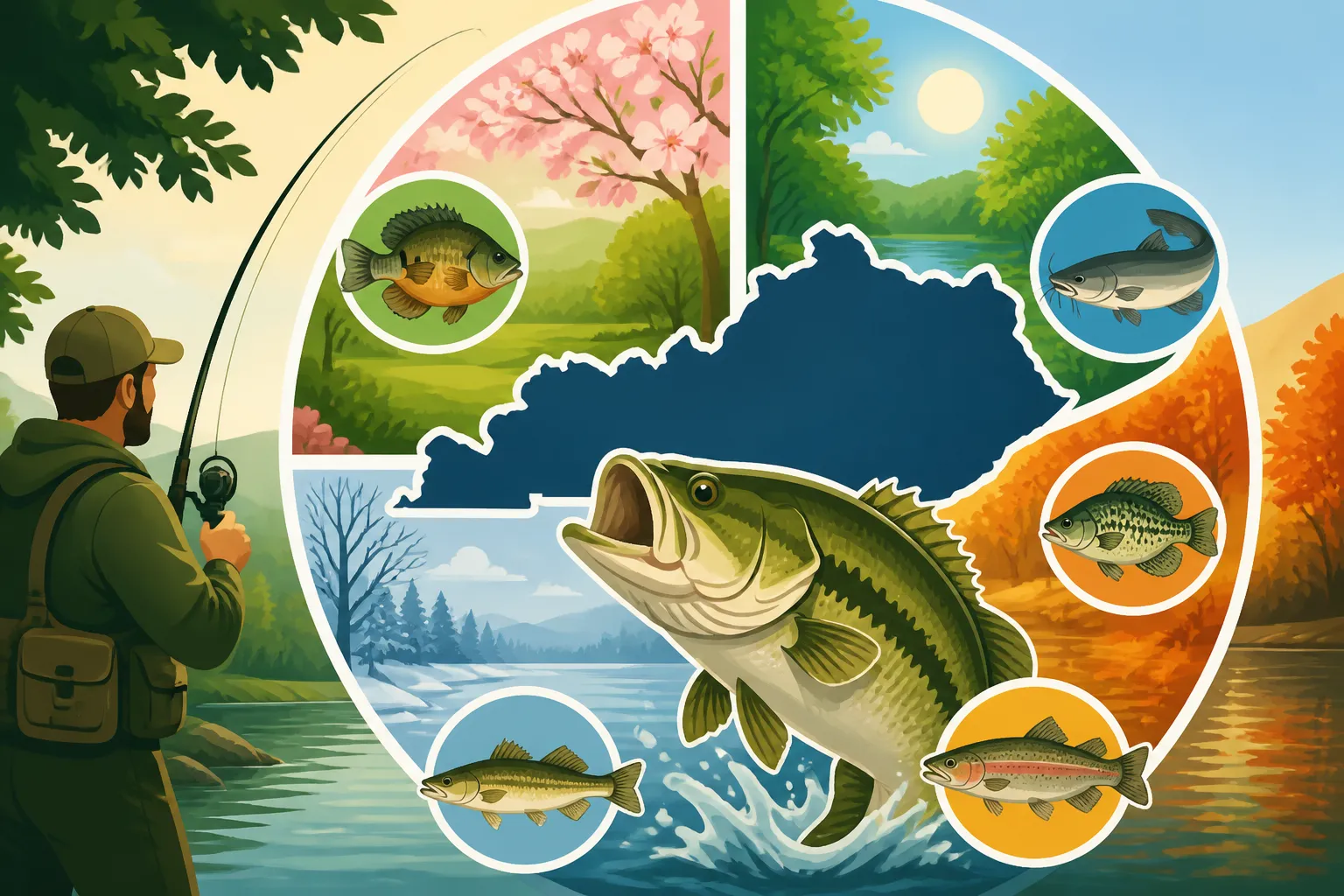
Kentucky boasts a fantastic variety of fish species, from aggressive largemouth bass to elusive crappie, hard-fighting catfish, and feisty trout. Each species has its own biological clock, dictating when it spawns, when it feeds most actively, and when it hunkers down. By aligning your fishing efforts with these natural cycles, you're not just casting a line; you're engaging in a conversation with the water, giving yourself the best possible chance to experience the thrill of a bending rod. It's about working smarter, not just harder, and maximizing every precious moment you spend on the water.
The Impact of Water Temperature on Fish Behavior
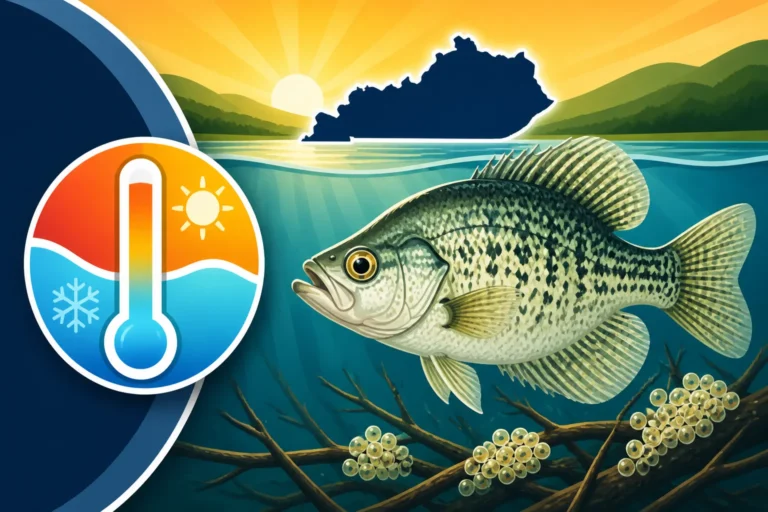
Water temperature is arguably the single most crucial factor influencing fish behavior, especially in a state like Kentucky that experiences distinct four seasons. Think of it as the master switch for their metabolism. As water temperatures rise in spring, fish become more active, their metabolism speeds up, and they need to eat more frequently to fuel their pre-spawn and spawning activities. This is why spring can be such an explosive time for fishing, with fish moving shallow and aggressively feeding.
Conversely, as water temperatures drop in late fall and winter, their metabolism slows significantly. They become lethargic, feeding less often and moving into deeper, more stable thermal refuges. This doesn't mean you can't catch them, but your approach needs to change dramatically. You'll often need to present baits much slower, in deeper water, and be incredibly patient. Every degree Fahrenheit can make a difference, influencing where fish position themselves in the water column and how willing they are to chase a lure. This constant fluctuation requires anglers to be adaptable and keenly aware of the thermal dynamics of the waters they're fishing.
Key Factors Influencing Seasonal Patterns
While water temperature is king, it's not the only courtier in the realm of seasonal fishing patterns. Several other factors play significant roles, intertwining to create the complex tapestry of fish behavior throughout the year. Understanding these elements helps paint a more complete picture of why fish do what they do and, more importantly, where you can find them.
Daylight hours, for instance, trigger hormonal changes in fish, signaling the approach of spawning seasons and dictating feeding windows. Longer days in spring and summer encourage activity, while shorter days in fall and winter prompt fish to conserve energy. Barometric pressure is another silent but powerful influencer. Stable, high-pressure systems often lead to more active feeding, while sudden drops in pressure (often preceding a storm) can shut fish down or send them deep. Many experienced anglers meticulously track barometric pressure changes, knowing it can offer a subtle clue to a good bite.
Then there's the spawning cycle itself, which is a massive annual event for most fish species. For example, the spring spawn brings bass and crappie into very shallow water, making them highly accessible but also potentially vulnerable. Post-spawn, they retreat to recover, before moving back to aggressive feeding patterns. Understanding these biological imperatives is paramount. For a deeper dive into these regulations, be sure to check out our guide on Kentucky Fishing Regulations Explained. The presence of baitfish also dictates where predator fish will be. If the bait is schooling shallow, the predators won't be far behind. If the bait is deep, so too will be the game fish. All these factors combined create a dynamic environment, making every fishing trip a unique puzzle to solve.
Spring Fishing in Kentucky (March – May): The Awakening
Ah, spring! There's an undeniable buzz in the air, a renewed sense of hope, and a palpable excitement among anglers as the ice thaws and the water begins its gradual warm-up. Spring in Kentucky is a truly magical time for fishing, often heralded as one of the most productive seasons for a wide variety of species. As the dormant winter gives way to longer, warmer days, fish shake off their lethargy and move into shallower waters, driven by increasing metabolism and the irresistible urge to spawn. This period offers some of the most consistent and explosive fishing opportunities of the entire year, provided you understand the specific nuances of each spring month.
This "awakening" isn't an instant flip of a switch; it's a gradual process that unfolds over weeks, influenced by spring rains, sunshine, and cold fronts that can temporarily push fish back. You'll often find fish gorging themselves in preparation for the energy-intensive spawning process, making them less wary and more willing to strike a variety of lures and baits. It's a time for covering water, trying different presentations, and being ready for some truly memorable catches across Kentucky's diverse waterways, from the mighty Ohio River to smaller, tucked-away ponds.
March: Early Bites and Pre-Spawn Activity
March in Kentucky can be a real tease. Some days feel like spring has fully arrived, while others remind you winter isn't quite done yet. This transitional month offers exciting opportunities, especially for early-season anglers. As water temperatures begin to climb into the low 40s and 50s Fahrenheit, species like crappie and bass start to stir. They'll move from their deep winter haunts to secondary points and channel swings, beginning to stage for the upcoming spawn. They're not quite in the super shallow stuff yet, but they're definitely moving up.
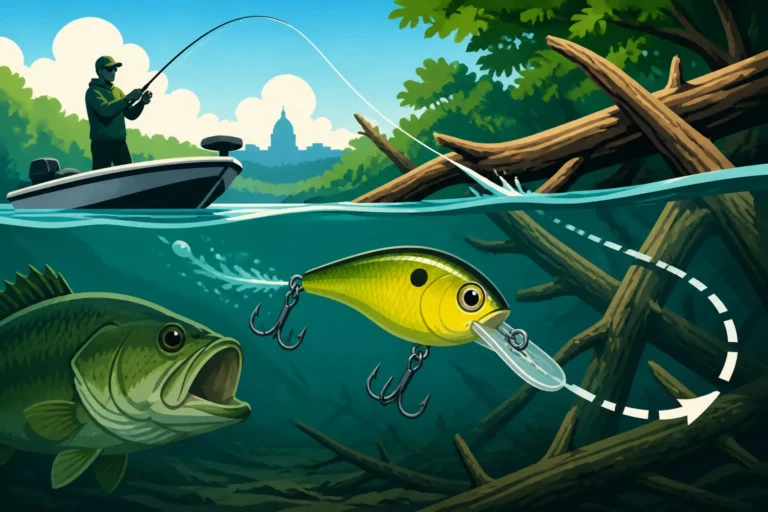
This pre-spawn period is a fantastic time for targeting larger fish that are actively feeding to build energy reserves. For bass, think slower presentations with jerkbaits, jigs, or slow-rolled spinnerbaits around creek channel bends and transition areas. You might find them suspended over humps or relating to vertical structure in slightly deeper water before they commit to the true shallows. Crappie, meanwhile, will start to congregate around brush piles and submerged timber in 10-20 feet of water, often on the sunny side of the lake where the water warms quickest. A small jig or minnow fished vertically can be incredibly effective. Remember, a sudden cold snap can push them back temporarily, so patience is key.
April: Peak Bass and Crappie Spawns
April is, for many Kentucky anglers, the absolute prime time, especially for bass and crappie. The water temperatures are consistently rising, generally sitting in the mid-50s to low 60s, triggering the main event: the spawn. This is when the fish move onto beds in shallow coves, protected bays, and along sunny banks. It's a period of intense activity and aggression, making them relatively easier to locate and catch, albeit with the caveat of respecting the fish during this vulnerable time.
For largemouth bass, you'll find them guarding nests in 1-5 feet of water, often visible in clear conditions. Flipping jigs, creature baits, or even slow-moving topwater frogs near visible cover can elicit powerful strikes. Smallmouth bass will be doing similar things, though often on harder bottoms and around rocky points or gravel beds in slightly deeper, cooler waters, particularly in places like Lake Cumberland or the Cumberland River. For an in-depth look at this thrilling period, check out our guide on Kentucky Bass Fishing: The April-May Peak Season. Crappie fishing also hits its stride, with fish moving right up against cover like docks, downed trees, and brush in very shallow water. Tiny jigs, often in bright colors, or live minnows suspended under a bobber are deadly. Our dedicated guide on Kentucky Crappie Fishing: Spring Spawn Run Guide offers even more detail on this fantastic time.
May: Post-Spawn Feasts and Emerging Species
As April gives way to May, the peak of the bass and crappie spawn often winds down, and fish enter a post-spawn recovery phase. They're usually tired and hungry after the rigors of reproduction, meaning they're still feeding aggressively but might be a little deeper than during the actual spawn. Water temperatures are typically in the upper 60s and early 70s. This transitional period often sees fish relating to offshore cover near their spawning grounds before fully dispersing into their summer patterns.
This can be a fantastic time for a variety of techniques. Topwater baits become incredibly effective as bass recover and look for easy meals near cover. Spinnerbaits and shallow crankbaits can also be great for covering water and finding those aggressive post-spawn fish. Crappie might move out to slightly deeper brush piles or suspended over channel ledges, but they're still catchable on jigs and minnows. May also sees other species becoming more active. Bluegill and other panfish start their own spawning activities, gathering in massive beds in shallow water, making them an excellent target for kids and fly anglers alike. Catfish also become much more active as the water warms, starting their move into shallower, more current-rich areas.
Summer Fishing in Kentucky (June – August): Heat and Deep Water
Kentucky summers are glorious, filled with long, sunny days perfect for enjoying the state's beautiful lakes and rivers. However, for anglers, the rising water temperatures bring a significant shift in fish behavior. The comfortable spring fishing in the shallows often gives way to a more challenging pursuit, requiring different strategies and a willingness to explore deeper waters. While the heat can make midday fishing tough, summer offers incredible opportunities for those who understand how fish adapt to warmer conditions.
Fish, like us, seek comfort when the mercury climbs. This usually means a retreat to cooler, more oxygenated water. They'll often move to offshore humps, ledges, deep points, and the thermocline – that distinct layer in the water column where temperature changes rapidly. Early mornings, late evenings, and even night fishing become incredibly productive, as fish move shallower under the cover of darkness or reduced light to feed. Don't let the summer heat deter you; it simply requires a strategic pivot in your approach.
June: Transition to Deeper Structure
June marks the official start of summer, and with it, a clear transition for most game fish. Water temperatures climb into the mid-70s and 80s, and the majority of the spring spawns are over. Bass, crappie, and many other species begin to abandon their shallow spawning grounds and head for deeper, cooler, and more stable water. They'll often hold on what's called "main lake structure" – underwater humps, creek channel ledges, deep points, and brush piles that offer both cover and access to baitfish.
This is where your fish finder becomes an invaluable tool. Learning to read your electronics to identify baitfish schools, thermoclines, and underwater contours is key. For bass, deep crankbaits, Carolina rigs, shaky heads, and football jigs fished along ledges or offshore brush can be incredibly productive. Look for schools of bass on your electronics, as they often group up in these deeper areas. Crappie, similarly, will relate to deep brush and timber, often suspended at specific depths. Vertical jigging with minnows or small jigs directly over these structures is a common and effective technique. The bigger catfish, especially blue and flathead, will also be very active, cruising channels and river bends, often best targeted at night with robust baits.
July: Beating the Mid-Summer Heat
By July, Kentucky's waters are fully warm, often pushing into the 80s, and the mid-day bite can slow to a crawl. This is the time when dedicated anglers embrace the dark hours or the very edges of daylight. Early mornings, just as the sun peeks over the horizon, and late evenings, as it dips below, offer cooler surface temperatures and reduced light, prompting fish to move shallower to feed. Night fishing for species like bass and especially catfish can be absolutely phenomenal.
During the day, focus entirely on deep water strategies. Identify the thermocline (if present), which is often a key depth zone where fish will suspend, finding cooler, more oxygenated water. Drop shot rigs, deep-diving crankbaits, and heavy jigs are your friends. Work them painstakingly slow. Catfish, however, remain strong contenders throughout the day, often holding in deep holes and current seams in rivers like the Ohio. Using fresh cut bait or live bait on bottom rigs can yield impressive results. Remember to stay hydrated, wear sun protection, and consider a long-sleeved fishing shirt from a reputable brand you can find on Amazon to protect yourself from the intense summer sun.
August: Sustained Deep-Water Bites
August generally continues the patterns established in July, with sustained warm water temperatures. The deep-water bite remains the most consistent during daylight hours, often requiring precision and patience. Fish are well-established in their summer patterns, so if you've found a productive spot, it's likely to continue producing. However, subtle changes can occur as some baitfish begin to mature and school up more tightly, which in turn can concentrate predator fish.
This month is an excellent time for targeting suspended fish with umbrella rigs, or for finesse techniques like drop shots and shaky heads around deep cover. Look for schools of shad or other baitfish on your sonar; the game fish won't be far away. Night fishing continues to excel, particularly for bass and monster catfish. On larger reservoirs like Kentucky Lake, anglers often find success trolling deep-diving crankbaits or umbrella rigs over main lake humps and points, mimicking schools of baitfish. White bass also become very active in open water, chasing schooling bait, often identifiable by birds diving into the water. For excellent insights on fishing these impressive species, refer to our comprehensive guide on Kentucky Catfish Fishing: Ohio River and Kentucky Lake Guide.
Fall Fishing in Kentucky (September – November): The Feeding Frenzy
If spring is the awakening, then fall in Kentucky is undoubtedly the feeding frenzy. As the relentless summer heat begins to wane, and the days grow shorter, a palpable sense of urgency kicks in for many fish species. The cooling water temperatures signal an impending winter, prompting fish to gorge themselves in preparation for leaner times. This makes fall one of the most exciting and productive seasons for anglers, offering a unique blend of aggressive bites and stunning autumn scenery.
The "fall turnover," a natural phenomenon where the cooler surface waters mix with the warmer deeper layers, can temporarily disrupt fishing as fish disperse. However, once the water column stabilizes, fish often become incredibly active. They'll move back into shallower areas, chasing baitfish that are themselves moving shallower. This period is often characterized by fast-paced action and the chance to catch some truly trophy-sized fish as they put on weight for winter. Don't miss out on Kentucky's glorious fall fishing.
September: Cooling Waters and Renewed Activity
September is a transitional month, bridging the hot summer and the cooler, more stable fall. Water temperatures begin to dip from their August highs, usually settling into the 70s and high 60s. This slight cooling is often all it takes to trigger renewed activity among many species. Fish that were hugging deep structure might start to venture shallower, especially during overcast days or early mornings.
This is a fantastic time for covering water with moving baits. Spinnerbaits, crankbaits, and topwater lures can be incredibly effective as bass begin to chase baitfish schools. Crappie will also start to move out of their deepest summer haunts, often suspending around baitfish schools or moving to slightly shallower brush piles. Catfish remain very active, often concentrating in river channels or along creek bends as they continue to feed heavily. Keep an eye on local conditions, as early fall cold fronts can briefly slow the bite before the fish rebound with renewed vigor.
October: Prime Time for Many Species
For many Kentucky anglers, October is the undisputed champion of fishing months. Water temperatures are typically in the optimal range (low to mid-60s), and the fall feeding frenzy is in full swing. Fish are focused almost entirely on accumulating calories, making them aggressive and relatively predictable as they follow schools of baitfish. The fall colors reflecting on the water only add to the magic of the season.
Bass will be busting schools of shad near the surface, often in coves and points where bait congregates. Topwater baits, jerkbaits, and lipless crankbaits are deadly during these "schooling" periods. You might find them in creek arms or on flats where the bait is shallow. Crappie fishing can also be exceptional, with fish moving to brush piles in 8-15 feet of water, often near channel swings. Live minnows and small jigs continue to be consistent producers. Trout fishing in stocked waters or tailwaters also picks up significantly as the water cools, with fish becoming more active and responsive to a variety of presentations. This is definitely a month to be on the water!
November: Last Hurrah Before Winter
As November progresses, the colder breath of winter becomes more noticeable. Water temperatures typically drop into the 50s and even upper 40s by month's end. This signals the final push for many fish to feed heavily before their metabolism significantly slows for winter. While the bite might not be as frantic as October, November can offer incredible opportunities for targeting larger, well-fed fish.
Bass will often hold tight to rocky structure, deep docks, or submerged timber, still chasing bait but with less intensity. Jigging spoons, blade baits, and slow-rolled spinnerbaits can be very effective as fish become more lethargic. Crappie will start to suspend more vertically over deep structure, requiring precise presentations. Catfish remain a reliable target, especially larger blue and flathead cats, which continue to feed aggressively, often on large cut baits. This is also a fantastic month for species like sauger, which thrive in colder water. They'll be found in tailwaters and river systems, often in deep holes and current seams, hitting vertical jigs or heavy grub baits. As you start planning your trips, remember that a valid Kentucky Fishing License Guide is always required for most public waters.
Winter Fishing in Kentucky (December – February): Cold Water Patience
Winter fishing in Kentucky is often overlooked, and for good reason: it demands a different kind of angler. The biting cold, the shorter days, and the generally slower bite can deter many. However, for those willing to brave the elements and embrace a slower, more methodical approach, winter can offer surprisingly rewarding experiences, including the chance at some truly trophy-sized fish that are less pressured. Fish are still there, they still need to eat, but their behavior is drastically altered by the frigid water temperatures, typically in the 30s and 40s Fahrenheit.
Success in winter fishing hinges on patience, precise presentations, and targeting specific areas where fish congregate for warmth and stability. They'll often school tightly in deep holes, along main lake channels, or around power plant discharges where water is slightly warmer. It's a time for slow-moving baits, sensitive gear, and a deep understanding of thermal refuges. Don't pack away your gear just yet; winter has its own unique charm and challenges for the dedicated angler.
December: Early Winter Opportunities
December often provides a bridge between the late fall feeding and the full lethargy of deep winter. Water temperatures continue to drop, moving into the low 40s. Fish are still somewhat active, but their movements are much more deliberate. This is a great time to target them on the edges of their wintering grounds.
For bass, look for them schooled up on deep points, ledges, and channel swings. Vertical presentations like jigging spoons, blade baits, and deep-diving jerkbaits that suspend are excellent choices. Crappie will be tightly grouped around deep brush piles or submerged timber, often suspended at a specific depth. Small jigs or minnows fished with a sensitive rod and reel are crucial. This is also a fantastic month for sauger, especially in the Ohio River tailwaters, where they stack up in deep current breaks. Walleye, while less common, also become more active in cooler waters. For those interested in deeper insights into the necessary gear, many specialized lures and baits perfect for these conditions can be found on Amazon.
January: The Deep Freeze and Niche Fishing
January is typically the coldest month in Kentucky, with water temperatures at their lowest, often hovering in the high 30s to low 40s, and sometimes even ice cover on smaller bodies of water. This is when fish are at their most lethargic, conserving energy and eating infrequently. Success comes to those who are patient and understand where fish seek refuge.
Focus almost exclusively on deep water. For bass, think very slow-moving jigs, spoons, or even live bait fished directly in deep holes, channel bends, or tight to vertical structure. Crappie will be very tight to deep cover, requiring precise vertical jigging. Sauger fishing, however, can be outstanding in tailwaters, where the moving water prevents freezing and concentrates fish. Our detailed article on Winter Trout Fishing at Kentucky's Lake Cumberland highlights how trout thrive in these colder conditions, offering a consistent bite for those targeting them. Don't be afraid to try tiny baits and extremely slow retrieves. This isn't a numbers game; it's about targeting individual, larger fish.
February: Hints of Spring and Pre-Spawn Movement
February, though still cold, often brings the first subtle hints of spring. Longer daylight hours and occasional warm fronts can trigger very early pre-spawn movements in some fish, especially in the latter half of the month. Water temperatures may creep up a degree or two, and this slight change can make a significant difference.
Bass might start to move up to secondary points or shallow flats on sunny days, particularly those with darker, heat-absorbing bottoms. Jerkbaits, slow-rolled spinnerbaits, and even crankbaits in warmer pockets can pick off early movers. Crappie, too, might begin to stage deeper near their spawning grounds. Catfish, while still in their winter patterns, might show increased activity on warmer days. This month requires flexibility; be prepared to fish both deep and shallow, depending on the daily weather and water temperature. It's a month of anticipation, hinting at the explosion of activity to come.
Species-Specific Seasonal Highlights
While the general seasonal patterns apply to most fish, each species has its own particular quirks and peak seasons. Knowing these species-specific patterns can fine-tune your approach and significantly increase your chances of success. Kentucky is blessed with an incredible diversity of game fish, each offering a unique challenge and reward throughout the year.
From the mighty bass that dominates tournament circuits to the beloved crappie that fills stringers, the hard-fighting catfish that provide excellent table fare, and the elusive trout and sauger that thrive in cooler waters, there's always something to target. Understanding the nuances of their seasonal movements and preferred conditions is a crucial step in becoming a truly well-rounded Kentucky angler.
Bass (Largemouth, Smallmouth, Spotted) Year-Round
Bass fishing in Kentucky is truly a year-round affair, though the techniques and locations change dramatically. Largemouth bass are the most widespread, favoring warmer, shallower, and more vegetated waters. Their peak activity is during the spring spawn (April-May) and the fall feeding frenzy (October-November), when they move shallow and feed aggressively. In summer, they retreat to deeper cover, and in winter, they school up in deep holes. Keep in mind that Kentucky Statewide Bass Size and Daily Limit Rules are in place to ensure sustainable fishing.
Smallmouth bass prefer cooler, clearer, and rockier waters, often found in rivers like the Cumberland or the deeper, rockier sections of reservoirs like Lake Cumberland and Dale Hollow Lake. Their peak activity mirrors largemouth, but they tend to stay deeper during the spawn and generally tolerate cooler water better. Spotted bass (or Kentucky bass) are often found in between, thriving in both lakes and rivers, and tolerating a wider range of conditions. They often school in open water more readily than largemouth. During summer and winter, all three species will often relate to deep structure, but their specific preferences for rock, wood, or ledges will vary.
Crappie's Peak Times and Locations
Crappie are arguably one of Kentucky's most popular panfish, beloved for their delicious taste and willingness to bite. Their absolute peak is during the spring spawn, typically from April to early May, when water temperatures hit the mid-50s to low 60s. During this time, they move incredibly shallow, often right up against shorelines, docks, and submerged brush piles in 1-5 feet of water, making them highly accessible to bank anglers and boaters alike. This is when anglers fill their coolers with limits. Our guide on How to Rig a Jig for Crappie Fishing offers excellent advice for this period.
After the spawn, they transition to slightly deeper brush piles and submerged timber in 8-15 feet of water during late spring and early summer. As summer heat intensifies, they move to deep brush, channel ledges, or suspend over deep water, often at the thermocline. Fall sees a resurgence in activity as water cools, and they feed heavily around brush piles in 10-20 feet. In winter, they school tightly on deep timber, often requiring vertical jigging with very small baits. Always consult the Kentucky Crappie Daily Limit Rules before heading out.
Catfish: The All-Season Brawlers
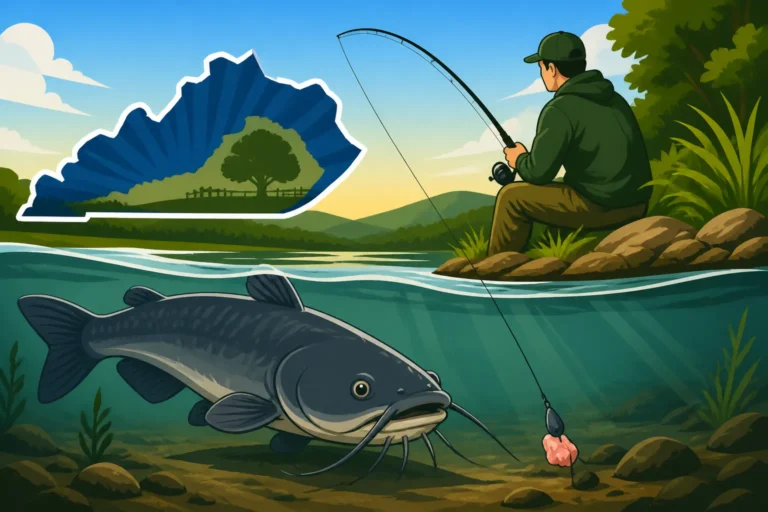
Catfish – channel, blue, and flathead – are the true workhorses of Kentucky fishing, offering consistent action almost year-round. They are incredibly adaptable and can be caught in nearly every season, though their specific locations and feeding patterns will shift. Spring sees them becoming very active as water warms, moving into shallower flats and creek channels, often feeding on anything from dead bait to worms.
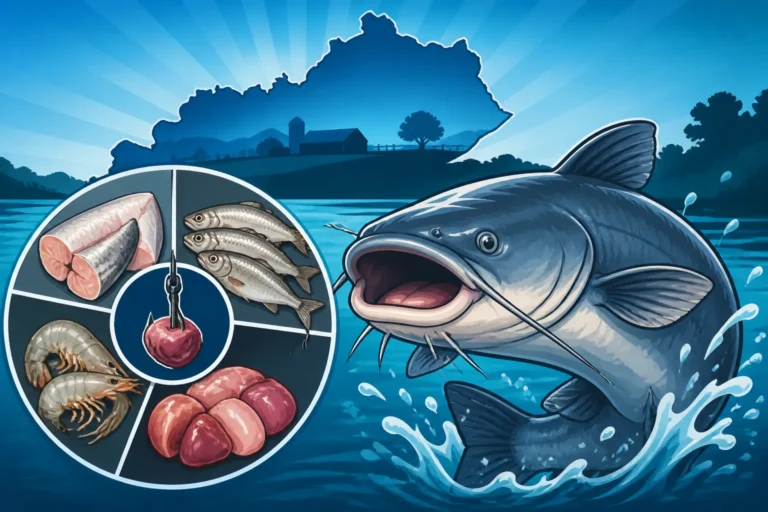
Summer is prime time for catfish, especially at night. They'll cruise river channels, deep holes, and main lake basins. Large cut baits, live baits, and stink baits are all highly effective. The Ohio River is particularly renowned for its trophy blue and flathead cats during these warmer months. Fall sees another peak in activity as they feed aggressively before winter, often found in similar areas to summer but potentially shallower during overcast days. Even in winter, large catfish can be caught in deep holes and current breaks, though the bite is slower. Just remember that the Kentucky Catfish Daily Limit and Trophy Fish Rule applies to ensure these giants remain for future generations.
Trout and Sauger: Cold Water Specialists
Trout and sauger are your go-to species when the water turns cold, offering exciting opportunities when other fish are sluggish. Kentucky primarily has rainbow trout, with some brown and brook trout in specific cold-water streams. They are most active in cooler water, making late fall, winter, and early spring their prime seasons. Stocked trout in tailwaters below dams (like those on the Cumberland River below Lake Cumberland) or designated trout streams provide excellent, consistent fishing, especially during the colder months. Light tackle, small spinners, powerbait, or flies are often the most effective.
Sauger, closely related to walleye, are true cold-water specialists. Their season truly shines from late fall through early spring, particularly in large river systems like the Ohio River and large reservoirs with current, such as Lake Barkley and Kentucky Lake. They congregate in deep holes, eddies, and below dams, where they feed on baitfish. Vertical jigging with minnows or small jigs, and slow-trolling crankbaits, are highly effective techniques for these delicious fish. When other species are locked down, trout and sauger are often your best bet for a productive cold-weather outing.
Planning Your Kentucky Fishing Calendar
Planning a successful fishing trip in Kentucky goes beyond just knowing what's biting; it involves understanding the practicalities of the season, ensuring you have the right gear, and adhering to the necessary regulations. A little forethought can save you a lot of frustration and maximize your enjoyment on the water. It’s not just about showing up with a rod and reel; it’s about preparing for the specific conditions you’ll encounter and ensuring you’re compliant with all state rules.
From checking the weather forecast to understanding the specific nuances of your fishing license, every detail contributes to a smoother, more productive, and more enjoyable experience. Don't let a forgotten item or an expired license cut your trip short. Be prepared, be informed, and you'll be well on your way to a fantastic time on Kentucky's diverse waterways.
Checking Local Forecasts and Water Conditions
This might seem obvious, but it's often overlooked or underestimated. Before every fishing trip, especially one planned months in advance, you absolutely must check the local weather forecast, including predicted temperatures, wind speed and direction, and any precipitation. A strong cold front can shut down a bite, while a sustained warm spell can turn it on. Wind, while sometimes beneficial for creating current and moving bait, can also make fishing unbearable or even dangerous on large bodies of water.
Beyond just the weather, also check local water conditions. Many major lakes and rivers have online resources that provide real-time information on water temperature, lake levels, and discharge rates (especially important below dams). For instance, if the lake level is rapidly rising or falling, fish behavior will be impacted. If there's heavy current coming through a dam, that's crucial information for targeting species like sauger. These details provide invaluable context for choosing your spots and techniques.
Essential Gear for Each Season
Just as you wouldn't wear a swimsuit in December, your fishing gear needs to adapt to the seasons.
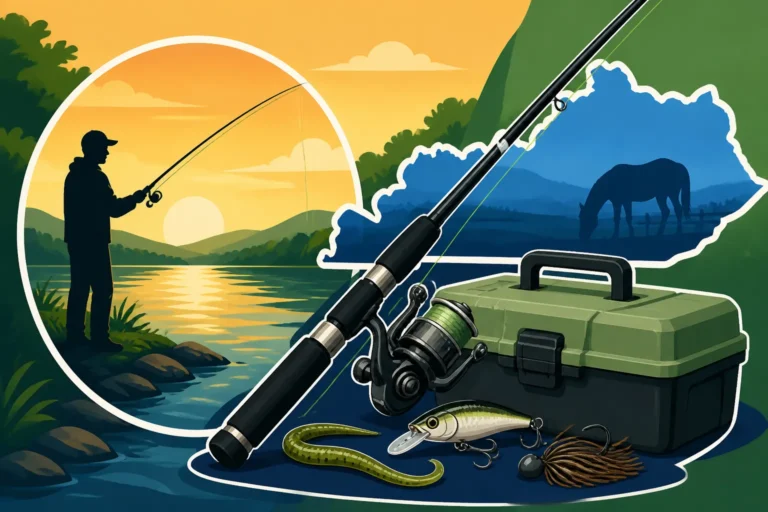
- Spring: Focus on versatile setups. Medium-light spinning rods for crappie (perfect for those tiny jigs you can pick up on Amazon), and medium-heavy baitcasting rods for bass with a variety of lures like jigs, spinnerbaits, and shallow crankbaits. Don't forget rain gear!
- Summer: Shift to slightly heavier tackle for deeper presentations. Deep-diving crankbaits, heavy jigs, and Carolina rigs. Sun protection is paramount: wide-brimmed hats, long-sleeved shirts, and plenty of sunscreen. Headlamps for night fishing are also essential.
- Fall: This is a time for covering water. Keep a variety of rods rigged with topwater, jerkbaits, and lipless crankbaits for bass. Warm layers are a must as temperatures can fluctuate wildly throughout the day.
- Winter: Sensitive gear is key. Ultralight spinning rods with light line for crappie and trout, and sensitive medium-heavy rods for jigging spoons or blade baits for bass. Thermal layers, waterproof outer shells, and warm boots, gloves, and hats are non-negotiable. Ice fishing gear (if conditions permit on smaller waters) will include ice augers, tip-ups, and short ice rods.
Having the right gear not only makes fishing more comfortable but also more effective, allowing you to present baits appropriately for the fish's activity level in any given season.
Understanding Kentucky's Fishing License Year and Regulations
Before you even think about casting a line, you need to make sure you're properly licensed and aware of all current regulations. Kentucky's fishing license year runs from March 1st to the last day of February, meaning it's not a calendar year. Many anglers forget this and accidentally fish with an expired license in March! Our article Kentucky Fishing License Year Explained provides all the details you need to stay current.
Beyond the general license, be aware of any special permits, like the Kentucky Trout Permit Guide, which is required if you plan to fish for trout. It's also crucial to understand statewide and site-specific regulations regarding bag limits, size limits, and tackle restrictions. These can vary significantly from one lake or river to another. For example, some lakes might have stricter bass size limits than the statewide average to protect their fisheries. Always check the latest Kentucky Department of Fish and Wildlife Resources guide before heading out. Ignorance of the law is no excuse, and wardens do patrol regularly, so it's always better to be safe than sorry.
What's Biting Best: A Monthly Guide
Here's a quick overview of what to expect each month in Kentucky waters. Remember, these are general guidelines, and local conditions can always vary.
| Month | Primary Targets | Secondary Targets | Key Techniques & Locations |
|---|---|---|---|
| March | Crappie, Bass (pre-spawn), Catfish | Trout, Sauger | Deep brush, channel swings, creek mouths. Slower presentations. |
| April | Bass (spawn), Crappie (spawn) | Panfish, Trout | Shallow spawning beds, docks, brush. Jigs, minnows, creature baits. |
| May | Bass (post-spawn), Crappie, Panfish | Catfish, Trout | Post-spawn recovery areas, shallow cover. Topwater, spinnerbaits, live bait. |
| June | Catfish, Bass (deep transition), Panfish | White Bass, Trout | Deep structure, ledges, thermocline. Deep crankbaits, jigs, bottom rigs. |
| July | Catfish (night), Bass (deep), White Bass | Panfish, Striper | Deep channels, offshore humps. Night fishing for cats/bass. |
| August | Catfish (night), Bass (deep), White Bass | Striper, Paddlefish (Ohio) | Deep structure, main lake points. Early/late day, night fishing. |
| September | Bass (fall transition), Crappie, Catfish | White Bass, Trout | Shallow to mid-depth cover, chasing bait. Spinnerbaits, crankbaits. |
| October | Bass (feeding frenzy), Crappie, Trout | Catfish, Sauger | Schooling baitfish, rocky points. Topwater, jerkbaits, small jigs. |
| November | Sauger, Trout, Bass (late fall) | Catfish, Crappie | Tailwaters, deep holes, main lake ledges. Vertical jigs, blade baits. |
| December | Sauger, Trout, Catfish | Bass (deep wintering) | Deep river bends, tailwaters, power plant discharges. Slow, vertical presentations. |
| January | Sauger, Trout, Catfish | Bass (lethargic) | Deepest holes, slowest retrieves. Patience is paramount. |
| February | Sauger, Trout, Catfish, Bass (early pre-spawn) | Crappie (early staging) | Deep holes, subtle structure. Slightly increased activity late month on warmer days. |
Disclaimer
The information provided in this guide is for general informational purposes only and is subject to change. Fishing regulations, season dates, and license requirements are set by the Kentucky Department of Fish and Wildlife Resources and can be updated. Always consult the official KDFWR website or their current printed guide for the most accurate and up-to-date regulations before planning any fishing trip.