How to Anchor for Catfish on a River
There’s nothing quite as frustrating as feeling your boat drift relentlessly downstream, dragging your perfectly placed catfish bait right out of the strike zone. You've found that prime eddy, or maybe a promising log jam on the Ohio River, but the current just won't let you settle in and fish effectively. This guide is all about equipping you with the knowledge and techniques to anchor securely, holding your ground against Kentucky's river currents, and finally giving those big channel, blue, and flathead catfish a reason to bite.
Understanding River Currents and Bottom Composition for Catfishing
Anchoring successfully on a river, especially when you're targeting those powerful catfish, isn't just about dropping a heavy hunk of metal overboard. It's a strategic dance with the river itself, requiring you to understand its rhythms and what lies beneath its surface. Ignorance here often leads to frustration, lost anchors, or spooked fish.
The Dance of the Current: Why It Matters for Anchoring
Rivers are dynamic environments, constantly moving, shifting, and creating diverse pockets of water. For a catfisherman, recognizing these patterns is key to not only finding fish but also staying put. The main channel, for instance, typically boasts the strongest, most consistent current. This is where you'll need your heaviest anchoring game, and sometimes, even that feels like a losing battle.
However, catfish often prefer areas with slightly less current, like eddies behind obstructions (such as large rocks, bridge pilings, or even bends in the river) or the calmer water along riverbanks and inside coves. These "slack water" areas offer fish a place to rest out of the main flow while still being close to passing food. When you’re trying to set an anchor here, the current might not be as intense, but you still need to account for any swirling or unpredictable forces that could pull your boat sideways. It’s also crucial to remember that even in seemingly calm water, a powerful current can still run beneath the surface, especially after heavy rains or dam releases on big rivers like the Ohio. You’ll want to drop your anchor far enough upstream from your desired fishing spot to allow the current to pull your boat back into position as the anchor sets. This gives you time to react and adjust.
Reading the River Bottom: Sand, Silt, Rock, and Snags
What your anchor is trying to dig into is just as important as how strong the current is. Imagine trying to get a grip on a bowling ball with a pair of buttered tongs – that’s what it can feel like if your anchor hits the wrong bottom. River bottoms are incredibly varied. You might find soft, silty mud that offers little resistance, or hard-packed sand that allows an anchor to dig in wonderfully. Then there are rocky bottoms, which can be a blessing or a curse. A rock bottom can provide excellent holding power if your anchor fluke can wedge itself securely, but it's also a prime location for getting hopelessly snagged.
The Ohio River, for example, is notorious for its varied bottom, often a mix of sand, gravel, and plenty of submerged debris from years of commercial traffic and natural erosion. Knowing how to "read" your sonar, or even just feeling your anchor as it drags, can tell you a lot. A sudden drop, a sticky retrieve, or a rough rumble can indicate different bottom types. Being able to anticipate these conditions helps you choose the right anchor type and deploy it effectively, saving you from lost gear and ruined fishing spots. It’s a common frustration to lose anchors, but understanding the bottom can significantly reduce that risk.
Choosing the Right Anchor for River Catfishing
Selecting the proper anchor is paramount for effective river catfishing. A tiny grapnel anchor that works fine for a quiet pond simply won't cut it on a flowing river. You need something designed to dig in and hold, often against significant force.
Types of Anchors and Their Best Use Cases
There's a whole family of anchors out there, but a few stand out for river use:
- River (Fluke/Danforth) Anchors: These are very popular and widely available. They have two large, flat flukes designed to dig into soft bottoms like mud, sand, and silt. They offer excellent holding power for their weight in these conditions. However, on rocky bottoms, they can struggle to set and are more prone to getting snagged between rocks. If you’re fishing a stretch of river known for softer bottoms, like many of the slower sections of the Green River or Kentucky River, a heavy fluke anchor is a fantastic choice. You can find a good selection of these on reputable online retailers like Amazon.
- Grapnel Anchors: Typically lighter and often collapsible, grapnel anchors have four or more prongs. They are primarily designed for holding onto rocky bottoms or snagging onto debris. For catfishing, especially if you're targeting areas with lots of submerged timber or rock piles, a heavy-duty grapnel with a breakaway system (which we’ll discuss later) can be very effective. The prongs can grab onto structure, giving you a strong hold where other anchors might just skip over.
- Box Anchors: These are gaining popularity among river anglers for their unique design. A box anchor is exactly what it sounds like – a box-shaped anchor with vents or openings that allow water to flow through it. When deployed, the current pushes against the internal surfaces, forcing the anchor to dig into the bottom. They are often praised for their quick setting capabilities and strong hold in varying conditions, from sand to moderately rocky bottoms. They are also less prone to snagging on flat rocks than a fluke anchor. If you're looking for an all-around performer that handles diverse river conditions, a box anchor might be worth the investment.
- Claw (Bruce) Anchors: Originally designed for offshore use, these three-pronged anchors have a distinctive claw shape. They excel in a variety of bottom types, including mud, sand, and rock, by scooping up a large amount of material as they dig. They offer reliable holding power and reset quickly if dislodged by a strong gust or surge.
When selecting an anchor, always err on the side of caution with weight. For river catfishing, a heavier anchor is almost always better than one that's too light. You're fighting current, not just trying to stay put in a calm lake.
Anchor Rode and Accessories: Chain, Rope, and Buoys
The anchor itself is only one part of the equation. What connects it to your boat – known as the "rode" – is equally crucial for a secure hold.
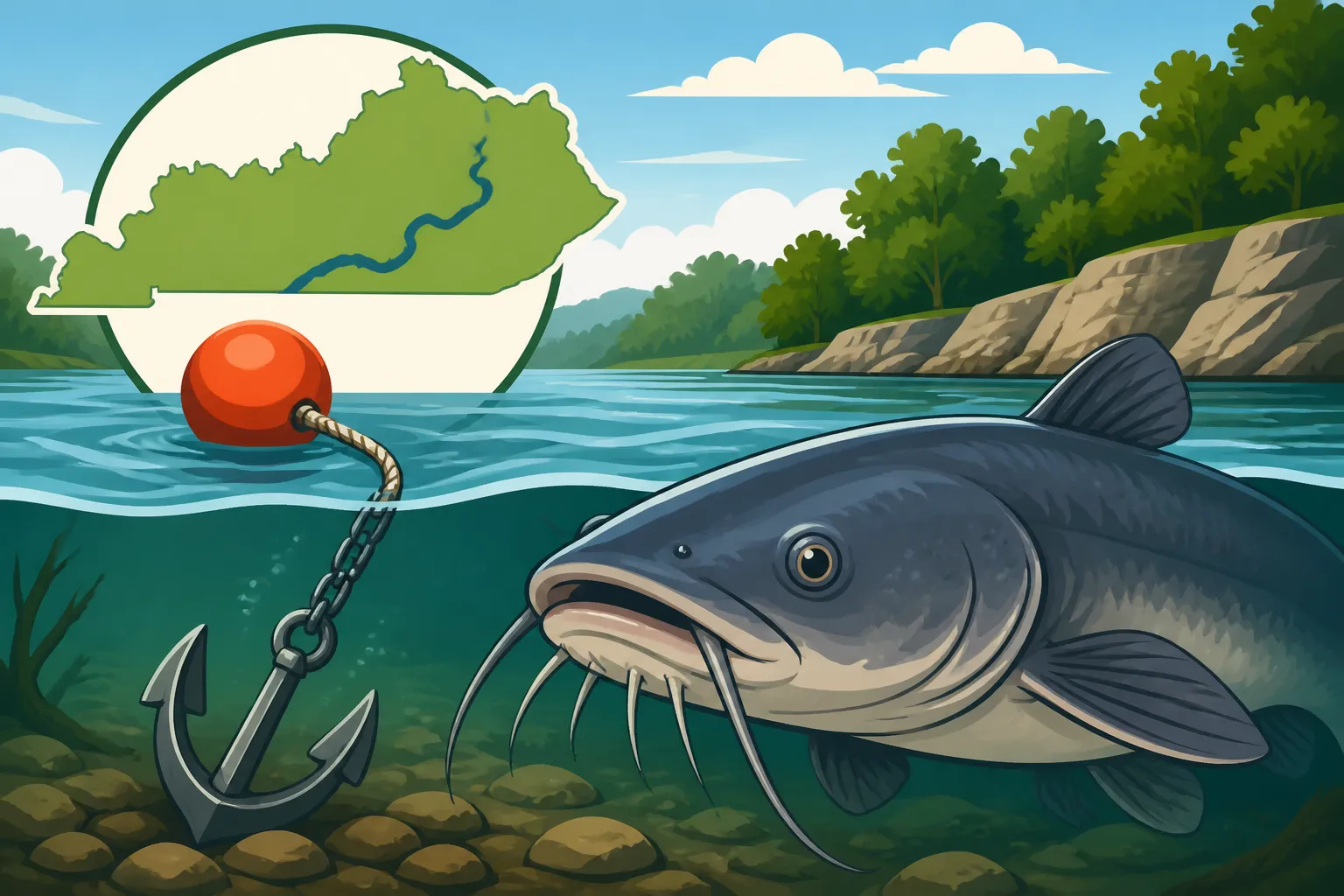
- Anchor Chain: This is perhaps the most overlooked but vital component of a good anchoring setup. You absolutely need at least a few feet of galvanized anchor chain between your anchor and your rope. The chain serves multiple purposes:
- Weight: It adds weight to the critical portion of the rode closest to the anchor, helping the anchor flukes dig in at a more effective, flatter angle. Without chain, the rope pulls the anchor at too steep an angle, causing it to skip rather than dig.
- Durability: Chain is much more resistant to abrasion from sharp rocks or submerged debris than rope, protecting your rode from being cut.
- Flexibility: The chain helps the anchor to conform to the river bottom, allowing it to re-set more easily if it shifts slightly.
A good rule of thumb is to have at least one foot of chain for every foot of boat length, or even more for strong river currents. You can find quality anchor chains and accessories on Amazon.
- Anchor Rope (Line): For river anchoring, you want a strong, durable, and preferably stretchy rope. Nylon rope is an excellent choice because its elasticity helps absorb shocks from waves, boat movement, and strong current surges, preventing sudden jerks that could dislodge your anchor or damage your boat. The diameter of the rope should be appropriate for your boat size and the expected conditions. A common recommendation is 1/8 inch of rope diameter for every 9 feet of boat length, but again, for strong river currents, going up a size isn't a bad idea.
- Breakaway Systems: This is a lifesaver for river catfishermen! A breakaway anchor system involves attaching your anchor chain to the bottom of your anchor shank, then using a weak link (like a zip tie, thin wire, or lighter line) to secure the chain to the top of the anchor shank, where it would normally attach. If your anchor gets hopelessly snagged, a strong pull on the rope will break the weak link, allowing you to pull the anchor out backward, freeing it from the snag. It saves countless anchors and a lot of frustration.
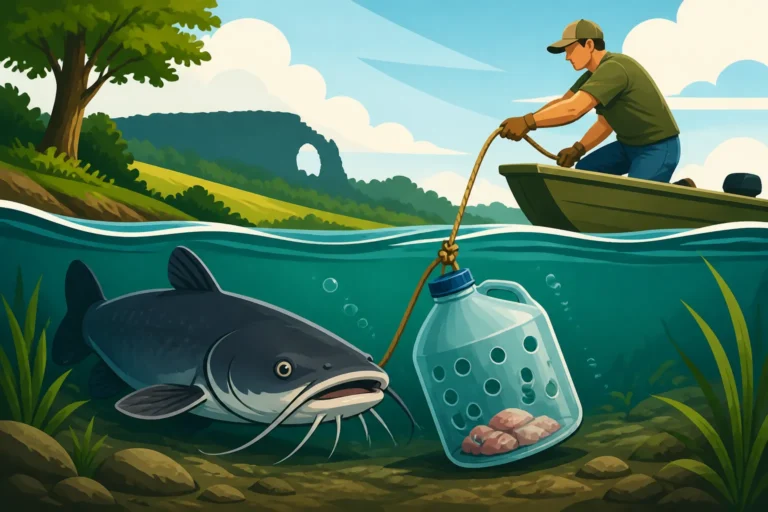
- Anchor Buoys: These are simple, but incredibly useful, especially when fishing solo or in busy areas. An anchor buoy, sometimes called an anchor marker, is a small float that attaches to your anchor line. It serves two main purposes: it marks the position of your anchor on the bottom (useful if you need to maneuver or tell other boaters where your line is), and it can aid in retrieval, particularly if you're using a breakaway system or need to pull your anchor from a different angle.
By carefully considering your anchor type, beefing up your rode with ample chain, and implementing breakaway systems, you're building a reliable foundation for successful river catfishing. Remember, a secure boat means more time fishing and less time worrying about drifting.
Step-by-Step Anchoring Techniques for Catfish on the River
Now that you've got the right gear, let's talk about how to actually get that anchor to hold. It's more than just tossing it over; it's a careful process that respects the power of the river.
The Art of the Approach: Positioning Your Boat
Successfully anchoring in a river begins long before the anchor touches the water. It's all about setting yourself up for success. First, scout your spot. Use your fish finder to locate channel drops, submerged timber, or promising structure where those big catfish might be holding. Once you've identified your desired fishing zone, approach it slowly and deliberately, typically heading upstream against the current.
The key here is overshoot. You want to drive past your target spot by a distance roughly equal to the depth of the water plus a little extra, taking the current's speed into account. So, if you're in 20 feet of water, you might motor 30-40 feet upstream past your fishing mark. This upstream position allows the current to do the work of pulling your boat back over your target as your anchor deploys and sets. Don’t rush this step; a hasty approach often leads to a poorly set anchor and having to repeat the process. If you're planning a trip to a major river like the Ohio, knowing how to handle currents is crucial for safety and success, and this initial approach is critical. For more on navigating those waters, you might find our guide on Best Catfish Fishing Spots on Kentucky's Ohio River helpful.
Setting the Anchor and Ensuring a Secure Hold
Once you're positioned upstream from your target, it's time to deploy.
- Drop Gently (But Firmly): Don't just heave your anchor. Lower it carefully but quickly enough that it sinks to the bottom without getting dragged too far downstream by the current before it has a chance to hit. As the anchor settles, continue backing off slowly, letting out line.
- Achieve Proper Scope: This is arguably the most critical factor for a secure hold. "Scope" refers to the ratio of your anchor rode (chain plus rope) length to the water depth. For river anchoring, you generally want a generous scope, often a 7:1 ratio (7 feet of rode for every 1 foot of water depth). So, if you're in 20 feet of water, you'll need to let out about 140 feet of anchor line. This long, low angle allows the anchor to dig in horizontally rather than being pulled upwards, which would cause it to drag. The weight of your anchor chain is especially important here, helping to maintain that low angle.
- Feel for the Set: As you pay out the line and your boat drifts back, you should feel a distinct "thump" or "clunk" as the anchor makes initial contact. Then, as the boat continues to pull on the line, you should feel the anchor dig in. The boat's drift will slow and eventually stop, indicating a good set. If you continue to drift, your anchor is dragging, and you need to retrieve it and try again, perhaps with more scope or by moving to a different bottom type.
- The "Test Pull": Once you think your anchor is set, put your boat's engine in reverse (very gently!) for a few seconds. This applies extra tension to the anchor, simulating strong current or boat movement. If the anchor holds firm, you're good to go. If it drags, repeat the process. This proactive test saves you from drifting off your spot unexpectedly later.
Remember, patience is key. A few extra minutes spent setting your anchor correctly will save you hours of re-positioning and frustration, allowing you to focus on your Bottom Fishing Techniques for Channel Catfish.
Two-Anchor Systems for Stability and Precision
Sometimes, a single anchor just isn't enough, especially in strong currents or when you need to position your boat with extreme precision. This is where a two-anchor system shines. Using two anchors, typically one off the bow and one off the stern, offers several significant advantages:
- Unmatched Stability: With anchors pulling from two directions, your boat becomes incredibly stable. It won't swing from side to side in the current, which is fantastic for keeping your baits in a tight zone and prevents lines from getting tangled. This stability is invaluable when you’re jigging vertically or using delicate presentations.
- Precision Positioning: A two-anchor system allows you to literally "pin" your boat in place over a very specific piece of structure, like a single log, a rock pile, or a small drop-off. You can adjust the tension on each line to fine-tune your exact position. This is a game-changer for targeting those elusive trophy catfish that often hug tight to cover.
- Easier Retrieval: Often, with two anchors, you can retrieve one anchor first, allow the boat to pivot, and then pull the second anchor from a different angle, making it easier to free if it's lightly snagged.
To deploy a two-anchor system, you typically drop the upstream anchor first, letting out plenty of line as your boat drifts past your desired fishing spot. Then, as you continue drifting slightly further downstream, you drop your second anchor (usually a lighter one for the stern), let out its line, and then retrieve or pull in on the first anchor's line until your boat is perfectly positioned between the two. You’ll adjust the tension on both lines until you’re sitting exactly where you want to be. It takes a bit more practice, but the control it gives you is absolutely worth it. You might even find it useful to have two different types of anchors on hand for this, perhaps a heavy box anchor for the bow and a substantial river anchor for the stern. You can easily find a second anchor or a complete anchor system on Amazon to complete your setup.
| Anchor Type | Best Bottom Types | Holding Power in Strong Current | Snag Risk (Rocky Bottom) | Best Use Case |
|---|---|---|---|---|
| River (Fluke) | Mud, Sand, Silt | Good to Excellent | Moderate to High | Softer river bottoms, less turbulent areas |
| Grapnel | Rock, Submerged Debris | Moderate | High (but good for "grabbing") | Rocky structure, timber, "breakaway" setups |
| Box Anchor | Mud, Sand, Gravel, Moderate Rock | Excellent | Low to Moderate | All-around river performance, quick set |
| Claw (Bruce) | Mud, Sand, Rock | Excellent | Moderate | Versatile, reliable in varied conditions |
Safety Considerations and Responsible Anchoring
While the focus is on catching catfish, safety should always be your top priority on the river. Anchoring, especially in moving water, comes with its own set of challenges and responsibilities.
Dealing with Snags and Retrieval Challenges
Losing an anchor is a rite of passage for many river anglers, but it doesn't have to be a regular occurrence. The best way to deal with snags is to prevent them. Pay attention to your fish finder and bottom readings. If you see a dense cluster of submerged trees or a jagged rock pile, try to anchor just upstream of it, allowing your boat to drift back over the structure, rather than directly into it.
Despite your best efforts, snags happen. This is where a breakaway anchor system (as mentioned earlier) truly shines. It allows you to retrieve a snagged anchor by reversing the pull direction. If you don't have a breakaway, try motoring slowly in a wide circle around the snagged anchor, attempting to pull it from different angles. Sometimes, a strong, steady pull (without excessive jerking) from directly over the anchor can free it. If all else fails, and you've exhausted all options, it's safer to cut your line than to risk capsizing your boat or getting into a dangerous situation trying to retrieve it. Always carry a sharp knife for emergencies.
Navigation and Awareness Around Other Boaters
Sharing the river means being aware of your surroundings, especially when anchored. Your anchor line, though submerged, can be a hazard to other boaters, particularly smaller craft like kayaks or jet skis, or even larger vessels if you’re too close to a navigation channel.
- Visibility: If you're anchoring in low light or heavy fog, ensure your boat's navigation lights are on and visible. Consider adding an anchor light if you plan to stay out after dark.
- Location: Avoid anchoring in narrow channels, busy boating lanes, or directly upstream of dams where currents are unpredictable and traffic might be heavy. Be mindful of areas designated for navigation only.
- Distance: Give other boats plenty of room. If you're using a long scope, your anchor might be a considerable distance from your boat. It’s courteous to indicate your anchor line's position with an anchor buoy, especially in popular fishing spots. This not only protects your gear but also helps prevent accidents. Remember, you might be focused on your Kentucky Catfish Fishing: Ohio River and Kentucky Lake Guide, but others are out there too.
Essential Safety Gear Beyond the Anchor Itself
Anchoring for catfish often means being out in varied conditions, sometimes in remote areas or after dark. Always ensure you have basic safety gear onboard:
- Life Jackets: This is non-negotiable. Everyone on board should have a properly fitted, Coast Guard-approved life jacket, and children under 12 in Kentucky waters are required to wear one while the boat is underway. You can read more about Kentucky Life Jacket Rules for Kids Under 12 to ensure compliance. Having extra life jackets for unexpected guests is also a good idea.
- Fire Extinguisher: Required on most boats with enclosed fuel compartments or engines. Make sure it's easily accessible and in working order.
- Sound-Producing Device: A whistle, horn, or air horn is essential for signaling other boats or for distress.
- Visual Distress Signals: Flares or an electronic distress signal are crucial for emergencies, especially if you're out after dark.
- First-Aid Kit: A well-stocked kit for minor injuries.
- Communication Device: A fully charged cell phone (in a waterproof bag) or a marine VHF radio is vital for emergencies or checking weather forecasts.
- Knife: A sharp knife, easily accessible, is crucial for cutting tangled lines, or in a dire emergency, your anchor line.
By taking these safety measures seriously, you ensure that your catfishing adventures on Kentucky's rivers are not only successful but also safe and enjoyable for everyone onboard. Before heading out, always run through a Safety Gear Checklist for Kentucky Boaters.
Disclaimer
This article is for general informational purposes only and does not constitute professional advice. Laws, prices and regulations vary by location and change over time. Consult a qualified professional for guidance on your specific situation.