How to Fish for Catfish From the Bank
There’s nothing quite like the tug of a big catfish on your line, but let’s be real – not everyone has a fancy bass boat or even a jon boat to get out on the water. It can feel a bit frustrating to watch others head out while you’re stuck on shore. But here's the good news: you don’t need a boat to have an incredible catfish fishing experience here in Kentucky! This guide is going to walk you through everything you need to know to successfully fish for catfish right from the bank, helping you turn those shoreline frustrations into triumphant catches.
Why Bank Fishing for Catfish is So Rewarding in Kentucky
Bank fishing for catfish isn't just a fallback option; it's a legitimate, often highly effective, and incredibly accessible way to enjoy the sport. There's a certain satisfaction that comes from mastering the shoreline, knowing you’re putting yourself in prime position without all the extra gear and expense that comes with a boat. For many of us, it’s how we started fishing, and it remains a cherished method.
Accessibility and Simplicity
One of the biggest advantages of bank fishing is, quite simply, accessibility. You don’t need to worry about boat ramps, trailers, or the often-steep cost of boat ownership and maintenance. This opens up countless fishing opportunities for folks who might not otherwise get to experience the thrill of the catch. Think about it: a quick trip after work, a leisurely Saturday morning with the kids, or even just escaping for an hour or two – it’s all possible when your feet are firmly planted on solid ground. You just grab your gear, maybe a cooler, and head out.
This simplicity also makes it a fantastic option for beginners or those introducing youngsters to fishing. The focus shifts from navigating complex waterways to understanding fish behavior and setting up effective rigs. Imagine packing a small cooler with snacks and drinks, a couple of rods, and a tackle box, then finding a shady spot along the Kentucky River. It’s a low-stress, high-reward way to spend time outdoors, especially when you’re looking to create lasting memories without breaking the bank on a big fishing trip. There’s a calming effect to being on the bank, listening to the sounds of nature, and waiting for that tell-tale tap on your line.
Prime Catfish Habitats Near Shore
It might surprise some, but catfish often patrol closer to the banks than you’d think. They’re opportunistic feeders, and shorelines offer a buffet of fallen insects, small baitfish, and other morsels that get washed into the water. In rivers and creeks, the current carves out deeper pockets, eddies, and slack water areas right along the bank, which are perfect ambush points for catfish. During periods of higher water or after heavy rains, these areas become especially productive as food sources are dislodged and swept downstream.
Lakes and reservoirs also present excellent bank catfishing opportunities. Catfish love structure, and you’ll find plenty of it near the shore: fallen trees, brush piles, old docks, riprap (the rocky banks often found near bridges or causeways), and even submerged creek channels that run close to the bank. These areas provide cover, shade, and a consistent food supply. Additionally, during cooler parts of the day, like early morning or late evening, and especially at night, catfish move into shallower water near the banks to hunt. Knowing these habits allows you to strategically pick your spots, transforming what might seem like a random piece of shoreline into a potential hotspot for a big catch.
Essential Gear for Bank Catfishing Success
You don't need a boatload of expensive gear to catch catfish from the bank, but having the right tools for the job will certainly increase your chances and make the experience much more enjoyable. Think robust, reliable, and practical. Investing in a few key items will serve you well for many seasons to come.
Rods, Reels, and Line
For bank catfishing, you're going to want gear that can handle a fight. Catfish, especially larger ones, are strong, and you need a setup that won’t buckle under pressure. Look for medium-heavy to heavy-action rods, typically in the 7 to 9-foot range. A longer rod can help you cast further from the bank, reaching those deeper channels or submerged structures that might be just out of reach with a shorter pole. Fiberglass rods are often a good, durable, and affordable choice, offering plenty of backbone and flexibility to absorb powerful runs.
When it comes to reels, a sturdy spinning reel in the 4000 to 6000 size range, or a baitcasting reel with a good drag system, will be your best friend. The key is durability and a smooth drag, which is crucial for tiring out bigger fish without breaking your line. Don't skimp on your fishing line either; it's your direct connection to the fish. Monofilament line in the 15-30 lb test range is a popular choice for its stretch and abrasion resistance, which is handy around submerged snags. Braided line, in a similar test, offers superior sensitivity and strength for its diameter, but you'll want to add a monofilament or fluorocarbon leader to it if you’re fishing in clear water. You can often find great deals on reliable rods and reels on platforms like Amazon, ensuring you get quality without overspending. For more in-depth advice on what to look for, check out our guide on the Best Reels for Catfish Fishing.
Terminal Tackle and Baits
This is where the magic happens – the stuff that gets your bait to the fish. For hooks, circle hooks are highly recommended, especially when fishing for catfish. They are designed to hook fish in the corner of the mouth, minimizing gut-hooking and making for easier, safer releases, which is important for conservation. Sizes typically range from 2/0 to 8/0, depending on the size of catfish you’re targeting. For weights, you'll want an assortment of egg sinkers or no-roll sinkers in various sizes, from ½ ounce to 2 ounces or more, depending on the current and how far you need to cast. Swivels are also important to prevent line twist and connect your main line to your leader.
Now, for bait – catfish aren't particularly picky, which is fantastic for bank anglers! Cut bait is a perennial favorite; pieces of shad, bluegill, or even hot dogs can be incredibly effective. Chicken liver is another classic, known for its strong scent, which catfish find irresistible. Just be warned, it can be messy! Pre-made "stink baits" or dough baits are also widely available and often contain ingredients designed to attract catfish from a distance. For channel catfish, corn or worms can also work well. The best strategy is to try a few different baits until you find what the local catfish are biting on that day. Experimentation is half the fun, and sometimes the simplest bait is the most effective.
Finding the Best Bank Catfishing Spots in Kentucky
Kentucky is blessed with an abundance of waterways, offering countless opportunities for bank catfishing. Knowing where to focus your efforts can make all the difference between a slow day and a successful outing. Catfish are creatures of habit, and they tend to congregate in certain types of areas.
Rivers and Creeks
Rivers and larger creeks are fantastic places to target catfish from the bank. These flowing waters naturally create features that catfish love. Look for outside bends in the river where the current has carved out deeper holes – these are prime resting and feeding spots. The confluence of two waterways, where a smaller creek flows into a larger river, is also a hotspot, as the merging currents create eddies and funnel food. Another excellent area to target is any kind of current break, such as behind large rocks, bridge pilings, or log jams. Catfish will sit in the calmer water, expending less energy, while waiting for food to drift by in the faster current.
A great example is the Ohio River, which runs along Kentucky's northern border. Its extensive bank access offers incredible opportunities for all three major catfish species: channel, blue, and flathead. Many public parks and boat ramps along the Ohio provide easy bank access. Smaller rivers like the Green River or the Kentucky River also have numerous public access points where you can find these classic catfishing structures. For more specific recommendations, you might want to explore our guide on the Best Catfish Fishing Spots on Kentucky's Ohio River. Just remember that these river systems can have varying currents, so be prepared to adjust your weight accordingly.
Lakes and Reservoirs
Lakes and reservoirs across Kentucky also hold an impressive population of catfish, and many offer excellent bank fishing opportunities. On these larger bodies of water, the key is to find areas that mimic the features catfish seek in rivers – deeper water, cover, and food sources. Points that extend out into the lake are often productive, as fish will move along these structures. Look for areas where old creek channels or riverbeds run close to the shore, as these underwater highways are frequently used by catfish.
Submerged brush piles, standing timber, and rock piles are magnets for catfish, providing both cover and forage. If you can find these near accessible shorelines, you’re in business. Riprap banks, commonly found near dams, bridges, and causeways, are also fantastic. The rocks provide habitat for baitfish and crawfish, which in turn attract hungry catfish. Lakes like Kentucky Lake, Lake Cumberland, Taylorsville Lake, and Barren River Lake (which also boasts excellent crappie fishing, but its catfish shouldn't be overlooked!) all have productive bank fishing areas. Early mornings, late evenings, and especially after dark can be prime times to target these shallower areas, as catfish move in to feed.
Effective Bank Catfishing Techniques
Bank fishing for catfish is largely about patience and presentation. You want to get your bait in front of the fish and let it do its job. While there are many advanced techniques, mastering a few basic rigs will put you well on your way to consistent success.
Basic Rigging for Static Baits
When you're fishing from the bank, you typically want your bait to stay put in a promising location. This is where static bait rigs shine. The most popular and effective is the Carolina Rig, also known as a slip sinker rig. To set this up, you'll thread your egg sinker onto your main line first, followed by a bead (which protects your knot from the sinker), and then tie on a barrel swivel. To the other end of the swivel, tie a leader line (usually 12-24 inches of monofilament or fluorocarbon) and then your circle hook. This rig allows the fish to pick up the bait and move off with it without immediately feeling the weight of the sinker, giving them time to fully take the hook.
Another similar option is a Santee Cooper Rig, which adds a small float or peg float to the leader, just above the hook. This lifts your bait slightly off the bottom, making it more visible and keeping it out of snags or mud. This can be especially effective when fishing over soft bottoms or in areas with submerged vegetation. Both of these rigs are incredibly versatile and can be used with a variety of baits. The key is to cast them out to your desired spot – perhaps near a submerged log or into a deep channel – and let the bait soak, waiting for a bite. For those looking for more diverse catfishing strategies, our guide on How to Set Up a Trotline for Catfish offers other perspectives, though trotlines are more typically used from a boat or fixed structure.
Fishing Strategy and Patience
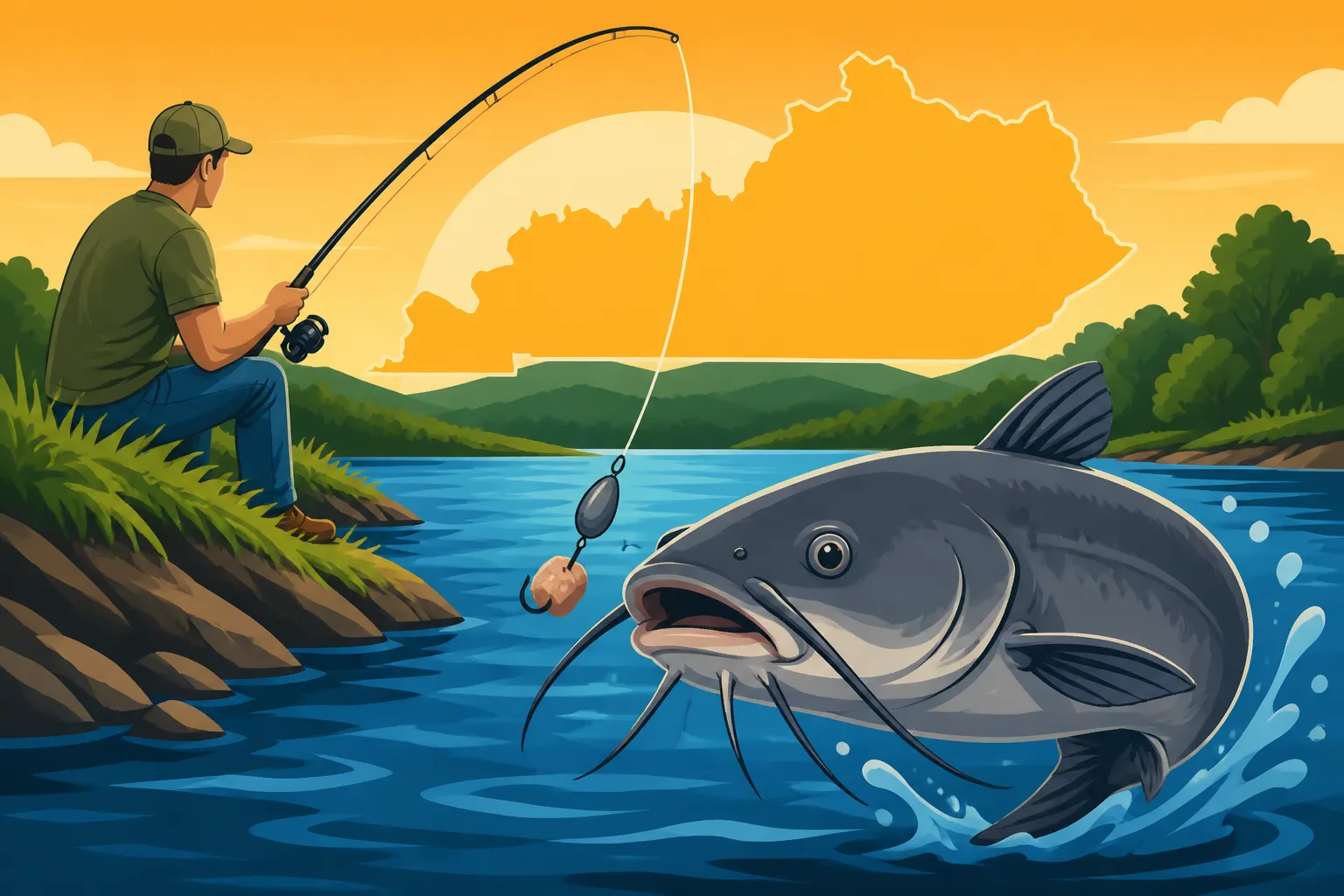
Catfishing from the bank is often a game of patience. Once you've cast your bait to a promising location, the best strategy is often to just let it sit. Catfish are primarily scent feeders, and they need time for the scent of your bait to disperse in the water and attract them. That doesn't mean you just set your rod down and forget about it, though! Keep a close eye on your rod tip for any twitch, bend, or sudden pull. When you get a bite, especially with circle hooks, resist the urge to violently yank the rod. Instead, gently reel in until you feel resistance, allowing the circle hook to do its job and set itself in the corner of the fish's mouth.
The best times to fish for catfish from the bank are often during low-light conditions – dawn, dusk, and throughout the night. Catfish are nocturnal predators, and they become much more active and move into shallower feeding grounds after the sun goes down. Weather can also play a significant role; a stable period of warm weather often means active fish, while sudden cold fronts can put them off the bite. After a good rain, especially if the water is slightly stained and rising, can be an excellent time to fish, as the current washes more food into the water. If you're planning a nighttime excursion, be sure to check out our Night Fishing Tips for Beginners to make sure you're prepared and safe. Remember, catfishing is a marathon, not a sprint, and a relaxed, patient approach will yield the best results.
Maximizing Your Bank Catfishing Experience
Beyond the basic gear and techniques, there are a few extra tips and considerations that can significantly enhance your bank catfishing trips in Kentucky, making them more comfortable, safer, and ultimately more successful.
Safety and Comfort Considerations
When you’re spending extended time on the bank, especially during those prime catfishing hours of dusk and night, comfort and safety are paramount. Always bring a comfortable folding chair – your back will thank you! A headlamp or flashlight is absolutely essential for tying knots, baiting hooks, and safely navigating the shoreline in the dark. Don't forget bug spray, especially in Kentucky's humid summers, as mosquitoes and other biting insects can quickly ruin an otherwise peaceful evening. A cooler with plenty of water, snacks, and perhaps some soft drinks will keep you hydrated and energized.
Consider the bank stability of your chosen spot. Steep, muddy, or overgrown banks can be dangerous, especially in the dark. Look for stable, clear areas where you can comfortably set up your gear and move around safely. If you plan to keep your catch, a stringer or a cooler with ice is necessary to keep the fish fresh. Always let someone know where you are going and when you expect to return, particularly if you’re venturing to more remote spots. A fully charged cell phone is also a must-have safety item.
Regulations and Responsible Angling
Before you cast a single line, always make sure you have a valid Kentucky Fishing License Guide. This is non-negotiable, and game wardens do conduct checks, even for bank anglers. Ignorance of the law is no excuse, and getting caught without one can result in hefty fines. It's also crucial to familiarize yourself with Kentucky's fishing regulations, particularly the Kentucky Catfish Daily Limit and Trophy Fish Rule, as limits can vary by species and even by specific water body. Always check for any site-specific rules for the body of water you plan to fish, as some lakes or rivers may have unique restrictions. You can often find a comprehensive overview in the Kentucky Fishing Regulations Explained.
Practicing responsible angling means more than just following the rules. It means leaving no trace behind – pack out everything you pack in, including bait containers, fishing line scraps, and food wrappers. Consider the welfare of the fish you catch. If you’re not keeping them, learn how to properly handle and release them to ensure their survival. Use a pair of pliers or a hook remover for deep hooks. By being a thoughtful and ethical angler, you contribute to the health of Kentucky's fisheries and ensure that future generations can enjoy the same fantastic bank catfishing experiences you do.
Disclaimer
This article is for general informational purposes only and does not constitute professional advice. Laws, prices and regulations vary by location and change over time. Consult a qualified professional for guidance on your specific situation.