Best Bank Fishing Spots for Beginners
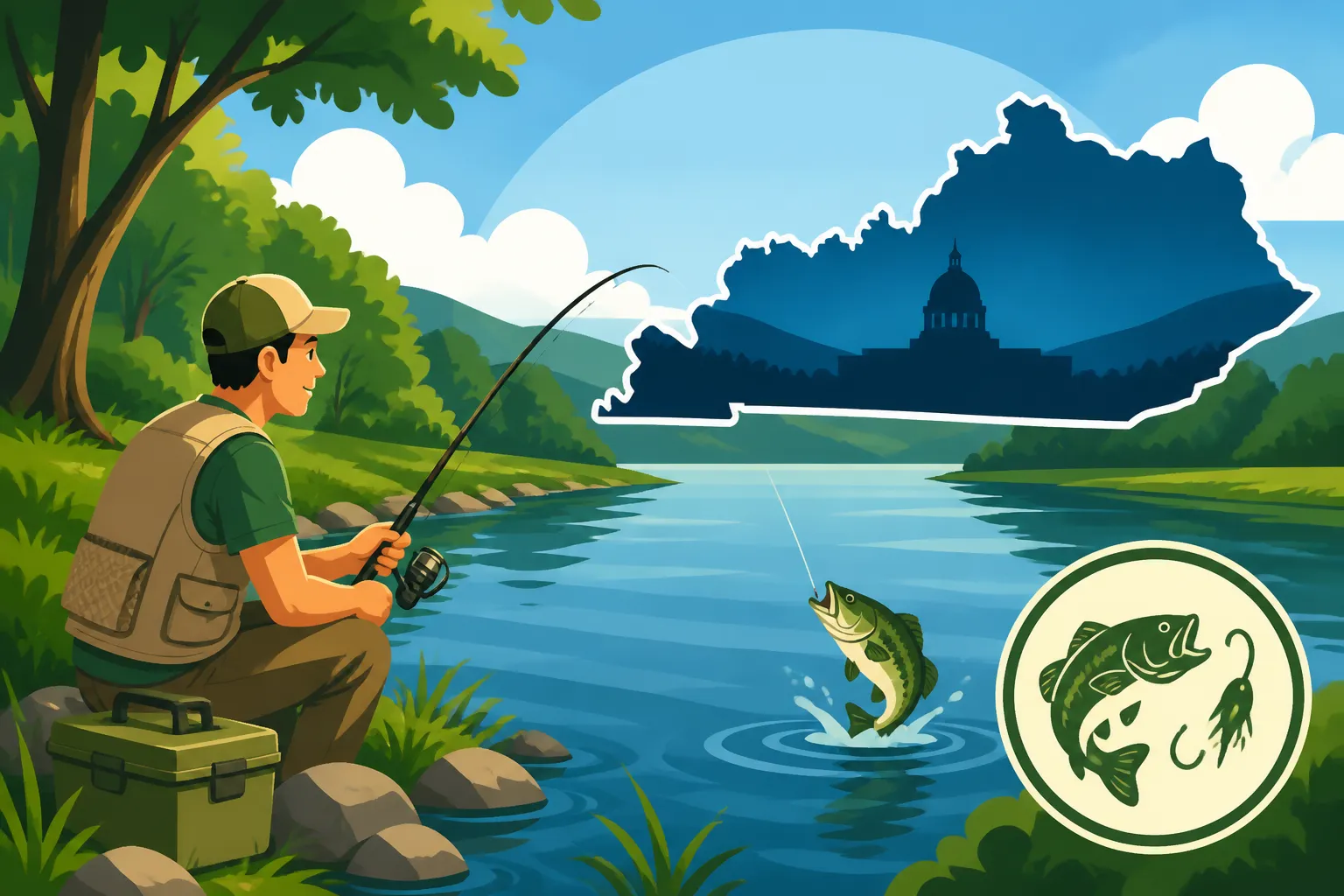
It can feel incredibly frustrating to be a new angler in Kentucky, or even an experienced one without a boat, wondering where on earth you can even start fishing from the bank. The good news is, you absolutely don't need a fancy bass boat or even a kayak to enjoy some fantastic fishing here in the Bluegrass State. This guide is all about pointing you towards those welcoming, accessible spots where you can cast a line with confidence, learn the ropes, and actually catch some fish without needing a vessel.
Why Bank Fishing is Perfect for New Anglers (and How to Make it Easy)
Let's be honest, getting into fishing can seem overwhelming at first. There's so much gear, so many techniques, and then the whole "where do I even go?" question. That's where bank fishing shines, especially for beginners. It strips away a lot of the complexity and lets you focus on the pure joy of the catch.
Overcoming the "No Boat" Barrier
One of the biggest hurdles for new anglers is often the perceived need for a boat. You see all the pros on TV or the seasoned locals with their expensive rigs, and it's easy to feel like you're missing out or can't compete. But trust me, some of the best fishing experiences happen right from shore. You don't have to worry about boat maintenance, launching, trailering, or even navigating tricky waters. Your feet are your transportation, and your local shoreline is your hunting ground. This makes it incredibly cost-effective and low-stress. You can decide on a whim to head out for an hour or two, grab your rod, and go. There's no major commitment needed, which is perfect for trying out different spots and figuring out what you enjoy most.
The Joys of Simplicity: Less Gear, More Focus
Bank fishing also simplifies your gear needs. Instead of needing a plethora of electronics, multiple rod and reel setups, and a tackle box the size of a suitcase, you can get by with just the bare essentials. This means less money spent upfront, less to carry, and less to worry about. You can truly focus on the basics: casting, presenting your bait or lure, feeling the bite, and setting the hook. It's a fantastic way to learn fundamental skills without being distracted by too many variables. Plus, the peace and quiet of finding a secluded spot on the bank can be incredibly therapeutic, offering a chance to connect with nature without all the hustle and bustle often associated with boat launches. For those just starting out, check out our guide on Simple Bank Fishing Tips for New Anglers to really get your feet wet.
Top Picks for Beginner-Friendly Bank Fishing in Kentucky
Kentucky is blessed with an abundance of public access waters, from sprawling reservoirs to tranquil community ponds. The trick is knowing which ones offer easy bank access and a good chance of success for those just starting.
State Parks and Managed Lakes: Your Easiest Starting Points
When you're looking for guaranteed access and often well-maintained facilities, Kentucky's State Parks and large managed lakes are your best friends. These locations usually have designated fishing piers, ample shoreline, and sometimes even rentals for basic gear. They're designed to be welcoming to families and new anglers alike.
- Taylorsville Lake State Park: This is a fantastic option near the Louisville area. Taylorsville Lake offers excellent opportunities for bass, crappie, and catfish right from shore. The state park often has accessible fishing piers, and there are plenty of spots along the shoreline where you can easily set up a chair and cast out. The lake is well-stocked, and fish are generally abundant, making it a rewarding experience for beginners. Plus, the park environment makes for a pleasant day out even if the fish aren't biting constantly. You can find many spots suitable for families, making it one of the Best Family-Friendly Fishing Spots on Taylorsville Lake, Kentucky.
- Barren River Lake State Resort Park: Down near Bowling Green, Barren River Lake is another gem. The state park here provides ample shoreline access, and there are several coves and points where you can fish directly from the bank. Anglers often have good luck with bluegill, crappie, and bass, especially in the spring and fall. The park has good amenities, and the landscape is beautiful, offering a serene backdrop for your fishing adventure. You can find some of the Best Shore Fishing Access on Barren River Lake here.
- Lake Cumberland: While famous for its deep waters and trophy fish, Lake Cumberland also offers surprisingly good bank fishing in certain areas, particularly around marinas and public access points that aren't exclusively boat launches. Look for state park areas or public recreation spots with designated fishing piers or easy sloped banks. You might even stumble upon some of the stocked trout, though a Kentucky Trout Permit Guide will explain that you'll need a special permit for those. For a good overview of this area, consider the Best Family-Friendly Fishing Spots on Lake Cumberland, Kentucky.
Urban Ponds and Community Lakes: Close to Home and Full of Opportunity
You don't always need to drive hours to find a great fishing spot. Many Kentucky cities and counties maintain smaller ponds and community lakes that are specifically managed for easy public access and recreational fishing. These are often stocked regularly with panfish and catfish, making them ideal for beginners and kids.
- Louisville Metro Parks: The Louisville area has several urban fishing ponds, such as those within Cherokee Park, Iroquois Park, and Waverly Park. These are usually easy to get to, have decent bank access, and are often stocked by the Kentucky Department of Fish and Wildlife Resources (KDFWR). They're fantastic for catching bluegill, channel catfish, and sometimes even small bass. These spots are perfect for a quick after-work or weekend trip without a long commute. For more details on these, explore Best Urban Fishing Ponds Near Louisville.
- Lexington's Community Lakes: Similar to Louisville, Lexington offers community fishing opportunities. Jacobson Park Lake is a popular choice, providing plenty of bank space and a good chance to catch a variety of species. These smaller lakes are less intimidating than vast reservoirs and are excellent places to practice casting and retrieve techniques. If you're looking for places to take the little ones, check out Best Kid-Friendly Fishing Spots Near Lexington, Kentucky.
- Local Farm Ponds: If you happen to know a landowner with a private farm pond and get permission to fish, these can be absolute goldmines for bank fishing beginners. Many farm ponds are brimming with eager bass, bluegill, and catfish, and without boat pressure, the fish are often less wary. Remember to always ask for permission first – respect for private property is paramount.
River Access Points: A Different Kind of Challenge and Reward
While larger rivers like the Ohio can be intimidating, they offer unique bank fishing experiences, especially for species like catfish and sauger. Smaller creeks and streams also provide excellent bank access for panfish and smaller bass.
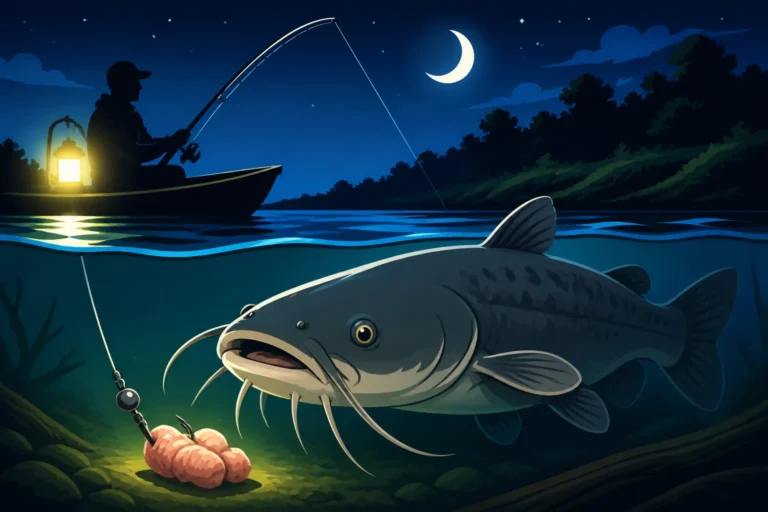
- The Ohio River: Along Kentucky's northern border, the Ohio River offers numerous public access points, particularly around major cities like Louisville, Covington, and Paducah. While the currents can be strong, many parks and riverfront areas have jetties, seawalls, or riprap banks that are perfect for setting up. Catfish are a primary target here, but you can also find sauger and white bass. Fishing for catfish from the bank can be incredibly rewarding. Many of the Best Catfish Fishing Spots on the Ohio River in Kentucky are accessible from shore.
- Smaller Creeks and Tributaries: Don't overlook the myriad of smaller creeks and streams that feed into Kentucky's larger rivers and lakes. While often less publicized, many bridges, public easements, or small park areas offer great access. These spots are fantastic for ultra-light tackle, targeting panfish like bluegill and rock bass, or smaller stream bass. They require a bit more exploring to find, but the reward of a quiet, undisturbed fishing experience can be immense.
Gear Up for Success: What Every Bank Angler Needs
One of the great things about bank fishing is that you don't need to break the bank on gear. A few essential items will get you started, and you can always add more as your passion grows.
The Essentials: Rod, Reel, Line, and Lures
Starting simple is key. A good all-around spinning combo is your best bet for bank fishing.
- Rod and Reel Combo: A medium-light to medium power spinning rod, around 6 to 7 feet long, paired with a matching spinning reel, is incredibly versatile. This setup allows you to cast a variety of baits and lures, from small bobbers for bluegill to heavier rigs for catfish. You can find excellent, affordable combos on platforms like Amazon that are perfect for beginners. For guidance on selecting your first setup, check out our article on Best Rod and Reel Combo for Beginners.
- Fishing Line: Stick with monofilament line, typically 6-10 lb test. It's affordable, easy to tie knots with, and forgiving for new anglers. Fluorocarbon or braided lines have their advantages, but monofilament is the best starting point.
- Hooks, Sinkers, and Bobbers: A basic assortment of hooks (sizes 6-2 for panfish and smaller bass, up to 1/0-3/0 for catfish), split shot or egg sinkers, and clip-on bobbers will cover most bank fishing scenarios.
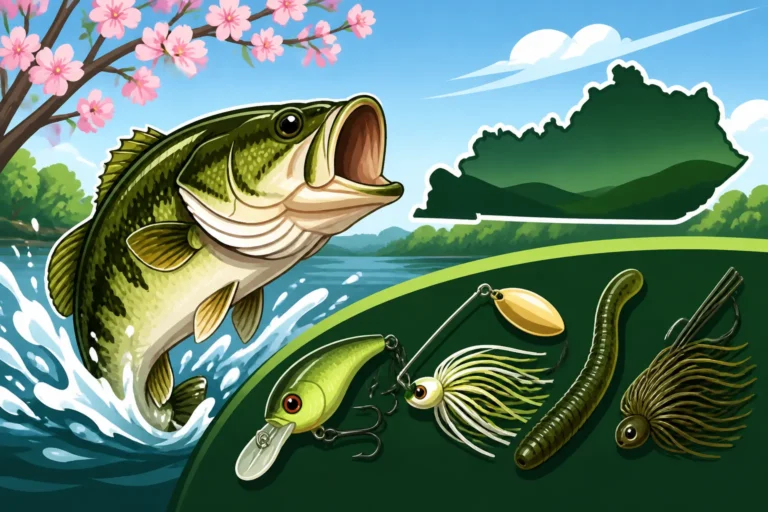
- Baits and Lures: For panfish and catfish, live bait like worms (nightcrawlers or redworms) and crickets are consistently effective. You can often buy these at local bait shops or even order them online via Amazon for convenience. For lures, a small assortment of inline spinners, plastic worms (Texas rig is a great basic setup), and perhaps a few small crankbaits or jigs will give you options for bass and crappie. If you're specifically targeting panfish, our guide on Best Bait for Bluegill in Kentucky Ponds offers excellent suggestions.
Comfort and Convenience: Making Your Bank Trip Enjoyable
Fishing should be relaxing, not a chore. A few non-fishing specific items can make a huge difference in your enjoyment.
- Folding Chair or Bucket: Trust me, standing for hours gets old fast. A lightweight folding chair or even a five-gallon bucket (which can also hold your gear) will be a lifesaver.
- Small Cooler: For drinks, snacks, and keeping any fish you catch fresh on ice.
- Tackle Bag or Backpack: To keep your hooks, weights, pliers, and other small items organized and easy to carry. Forget the huge tackle box for now; a compact bag is much more practical for hiking to a bank spot. There are many great options available on Amazon.
- Pliers/Forceps: Essential for removing hooks safely from fish, and for cutting line.
- Sun Protection: Hat, sunglasses, and sunscreen are non-negotiable, even on cloudy days.
- Bug Spray: Especially important during spring and summer evenings when mosquitoes and gnats can be aggressive.
- Fishing License: Remember, anyone 16 years or older needs a Kentucky fishing license. You can usually purchase one online quickly. Our Kentucky Fishing License Guide covers all the details you'll need.
Mastering the Bank: Tips for Finding Your Own Hotspots
While knowing specific spots is great, learning how to find good bank fishing locations on your own will make you a much more confident and successful angler.
Reading the Water from Shore
When you're walking the bank, train your eyes to look for structures and features that would attract fish. Fish are creatures of habit and seek out cover, food, and comfortable water temperatures.
- Structure and Cover: Look for anything that breaks up the current or provides hiding places. This includes fallen trees (laydowns), submerged brush piles, rock formations, docks (if public access is allowed), and even bridge pilings. These spots offer ambush points for predatory fish and shelter for baitfish.
- Changes in Depth: Where possible, observe areas where the bottom changes rapidly from shallow to deep, often called "drop-offs." These transitions are prime feeding grounds.
- Vegetation: Patches of lily pads, cattails, or submerged grass beds offer excellent cover and insect life, attracting bluegill, crappie, and bass.
- Points and Coves: Points that jut out into the water are like underwater highways for fish, and sheltered coves often hold baitfish and provide calm waters for spawning.
Local Knowledge and Online Resources
Don't be afraid to tap into local knowledge and the vast amount of information available online.
- Talk to Locals: If you see other anglers, especially older ones, don't be shy about striking up a friendly conversation. They often have invaluable insights into local hotspots, what baits are working, and current conditions. Just be respectful and don't expect them to reveal their secret honey holes!
- KDFWR Website: The Kentucky Department of Fish and Wildlife Resources website is a treasure trove of information. They often publish fishing reports, stocking schedules for community lakes, and detailed maps of public access areas. They also provide essential information on Kentucky Fishing Regulations Explained for various species, like the Kentucky Statewide Bass Size and Daily Limit Rules or Kentucky Crappie Daily Limit Rules.
- Online Forums and Social Media Groups: Join local Kentucky fishing groups on social media platforms or online forums. Anglers often share tips, report catches, and discuss conditions. It's a great way to connect with the community and learn about new places.
- Satellite Maps: Before you even leave home, use satellite mapping tools (like those found on Amazon-owned properties or other popular mapping services) to scout potential bank fishing locations. Look for trails, parking areas, and promising shoreline features like coves, points, and sudden depth changes. This can save you a lot of time driving around aimlessly.
Always remember to check the specific regulations for the body of water you're fishing. Even within Kentucky, rules can vary from lake to lake. Being prepared and informed will not only make your fishing trips more enjoyable but also ensure you're fishing responsibly.
Disclaimer
This article is for general informational purposes only and does not constitute professional advice. Laws, prices and regulations vary by location and change over time. Consult a qualified professional for guidance on your specific situation.