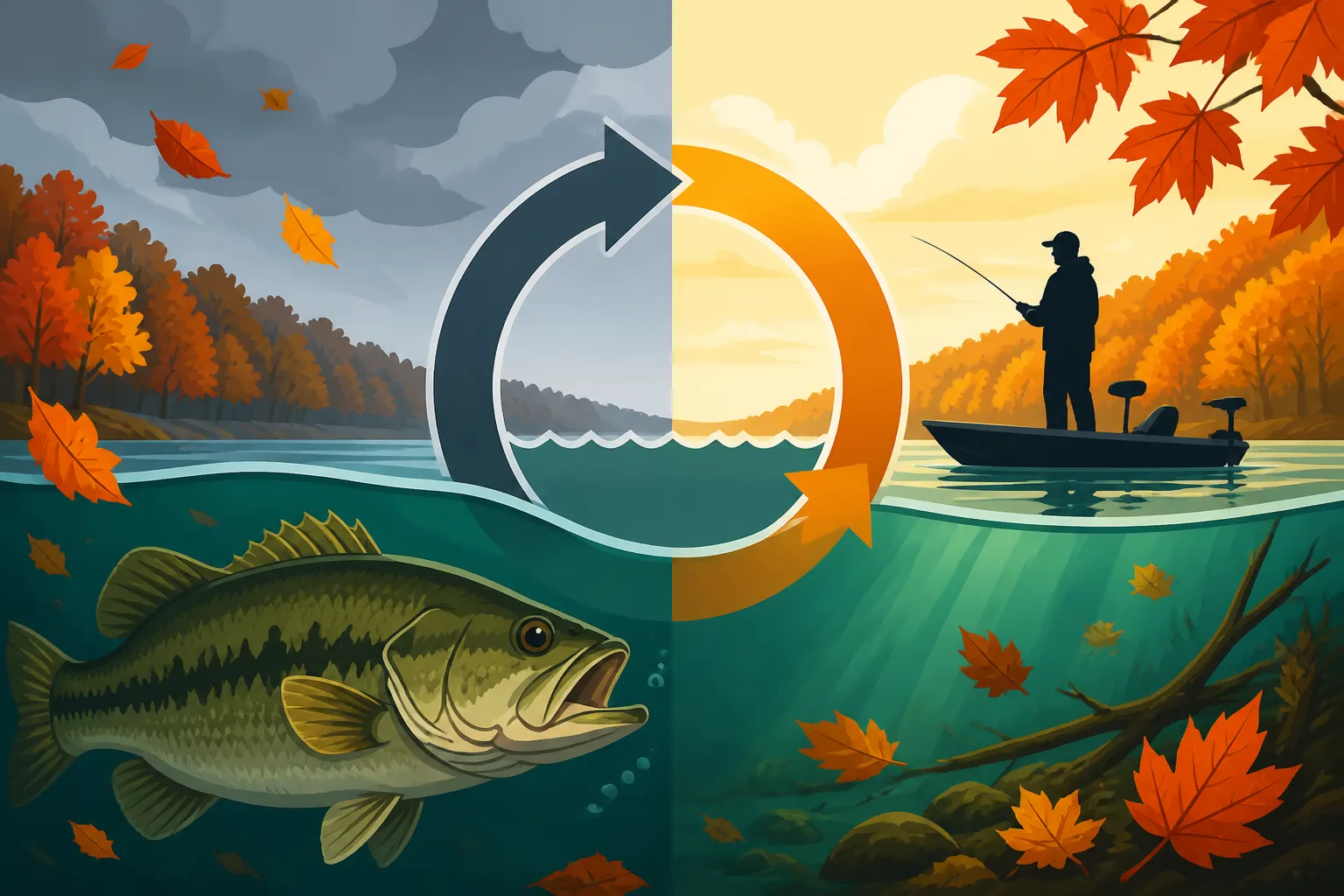
How to Fish During the Fall Turnover
The crisp air of autumn brings with it beautiful foliage and a welcome coolness after a long, hot Kentucky summer. But for us anglers, that shift in temperature means one big, often frustrating, event is on the horizon: the fall turnover. It's a period where our favorite lakes seem to go completely silent, fish disappear, and even the most seasoned fisher can feel utterly bewildered. This guide is here to demystify the fall turnover, explain what’s happening beneath the surface, and, most importantly, arm you with the strategies you need to keep catching fish even when Mother Nature is mixing things up.
What Exactly Is Fall Turnover and Why Does It Happen?
If you've ever been out on a Kentucky lake in late summer, you've probably noticed that the water near the surface feels much warmer than the water deeper down. This phenomenon is called thermal stratification, and it's the root cause of fall turnover. Understanding it is key to wrapping your head around why your fishing gets so tough.
Thermal Layers in Kentucky Lakes
During the summer months, a distinct layering occurs in most Kentucky lakes. You have three main zones:
- Epilimnion: This is the warm, oxygen-rich upper layer where most of the aquatic life, including baitfish and game fish, thrive. Sunlight penetrates this layer, and wind helps keep the oxygen levels high.
- Thermocline: Below the epilimnion is the thermocline, a relatively thin layer where the water temperature drops rapidly with increasing depth. Think of it as a temperature barrier that fish don't typically like to cross unless they have to. This zone also serves as a sort of "comfort zone" for some species, offering cooler water than the surface but still with enough oxygen.
- Hypolimnion: This is the deepest, coldest, and often oxygen-depleted layer. Because it's so dense and dark, there's little to no photosynthesis, and decaying organic matter consumes what oxygen is present. Most fish avoid this area, especially as summer progresses and oxygen levels plummet.
Fish are comfortable in the epilimnion and sometimes along the upper edge of the thermocline. They chase baitfish there, find their food, and enjoy the higher oxygen content. It’s their happy place, and it’s usually where we find them.
The Science Behind the Mixing
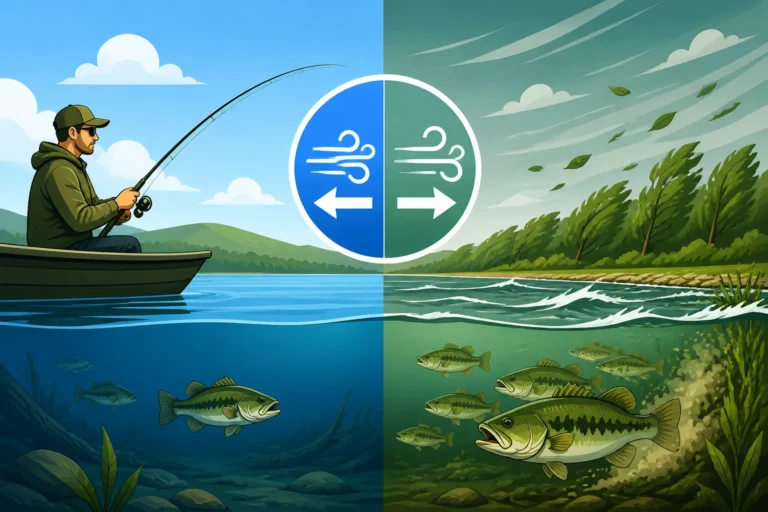
As autumn arrives, the cooler air temperatures begin to chill the surface water of our Kentucky lakes. This cooler water becomes denser and heavier. Imagine pouring cold water into a warm bath – it sinks. The same thing happens in the lake. The surface water cools, sinks, and displaces the warmer water below it. This process continues until the entire water column reaches a fairly uniform temperature and density.
When the water column reaches this uniform state, even a moderate wind can begin to mix the layers completely. This is the actual "turnover" event. The oxygen-poor, often stagnant water from the deep hypolimnion gets brought to the surface, and the oxygenated surface water is pushed down. It’s a complete upheaval of the lake's ecosystem, often leaving a distinct "rotten egg" smell due to hydrogen sulfide gases escaping from the depths. This complete mixing, while vital for the long-term health of the lake, is what throws fish into a tizzy and makes them so hard to find. It redistributes everything from oxygen and temperature to baitfish and fish themselves.
How Fall Turnover Affects Fish Behavior in Kentucky Lakes
The disruption caused by turnover isn't just an inconvenience for us; it's a huge shift for the fish. Their comfortable world gets shaken up, and their predictable patterns go out the window. This makes finding them a real head-scratcher.
Dispersal and Seeking Comfort Zones
Before turnover, fish tend to congregate in predictable areas – around structure, along weed lines, or at specific depths within the epilimnion or thermocline. They're relating to temperature and oxygen content, which are stable. But when turnover hits, these stable conditions vanish. The water column becomes uniform in temperature and oxygen, but often, the overall oxygen level is reduced initially as the deoxygenated deep water mixes in. This widespread, uniform, but sometimes lower-quality water causes fish to scatter.
Instead of being concentrated, they might be found almost anywhere in the water column or along various parts of the lake. They're searching for their new comfort zone, which could be anything from a slight pocket of better oxygen to an area with stable baitfish presence, or just a quiet spot to wait out the chaos. This means the classic "patterns" you relied on all summer for Kentucky Bass Fishing: The April-May Peak Season might just vanish overnight. Don't beat yourself up if your usual spots are barren; the fish simply aren't there.
Baitfish Movement and Foraging Challenges
Just like game fish, baitfish are also affected by the turnover. Their preferred temperatures and oxygen levels change, causing them to move and scatter. This means the schools of shad or other forage that bass and crappie were gorging on might break up or move to entirely new areas. When the baitfish scatter, the predators that feed on them also have to spread out to hunt, making them harder to target.
Furthermore, the overall disruption can make fish less active. Imagine your pantry suddenly being rearranged every day; it would be harder to find your snacks! Fish might become more lethargic, reducing their feeding frequency or making them less willing to chase a lure aggressively. This doesn't mean they stop eating entirely, but they might become more opportunistic feeders, taking advantage of an easy meal rather than actively hunting. For instance, How Falling Water Temperature Changes Fish Behavior notes that fish often feed aggressively before the worst of turnover, stocking up for the tougher times.
Visual Clues and Water Conditions
Another factor that makes fishing during turnover challenging is the change in water clarity. As the deep, stagnant water mixes with the surface, it often brings up silt, decaying organic matter, and algae from the bottom. This can cause the water to become cloudy, murky, or stained. Sometimes, you'll even see a distinct "junk" line on the surface, or pockets of bubbly, dirty water.
Reduced water clarity makes it harder for fish to see your lures and for you to understand what's happening beneath the surface. It also affects a fish's sense of smell and lateral line, making them rely more on instinct and sound. If you're used to sight fishing or clear-water presentations, you'll definitely need to adjust your approach. Checking the water for these visual clues can help you determine if turnover is indeed happening or if it has already passed.
Fishing Strategies During the Fall Turnover in Kentucky
So, the lake is turned over, the fish are scattered, and the water is murky. Sounds like a nightmare, right? While it's certainly challenging, it's not impossible to catch fish. The key is to adapt your tactics and adjust your expectations.
Covering Water and Fan Casting
Since fish are widely dispersed, your strategy needs to be about covering as much water as possible. This isn't the time for meticulously dissecting one small piece of structure. Instead, think about making long casts and working your bait back efficiently. Fan casting – casting to various points of the compass from a single location before moving – is incredibly effective.
Consider baits that allow you to cover water quickly. Fast-moving search baits like spinnerbaits, square bill crankbaits, or even lipless crankbaits can help you eliminate unproductive water quickly and locate scattered fish. The vibration and flash of these baits can also help fish find them in murkier water. Don't be afraid to experiment with retrieve speeds; sometimes a faster retrieve triggers a reaction strike, while other times a slower, more deliberate retrieve is needed to coax a hesitant fish. Look for these types of lures on Amazon, where you can often find a wide variety of colors and sizes.
Targeting Stable Environments
While the main lake might be in chaos, some areas will turn over more slowly or be less affected by the complete mixing. These can be gold mines during the turnover period.
- Shallow Coves and Backwaters: These areas often warm up and cool down faster, and they may not have deep enough water to stratify dramatically in the first place. If they have some fresh incoming water, even better. They can provide more stable water conditions and often hold baitfish seeking refuge. Look for areas with standing timber, laydowns, or weed beds that offer cover.
- Creek Arms and River Channels: In larger lakes like Kentucky Lake or Lake Cumberland, the main river channels or larger creek arms can sometimes have slightly better conditions due to current or inflow. Fish might congregate along these features as they provide a more consistent environment or a pathway for migrating baitfish.
- Rocky Banks and Bluffs: These areas absorb and retain heat differently than muddy banks, potentially creating slight temperature differentials that fish might prefer. They also often provide good cover and ambush points.
Focusing your efforts on these more stable environments can significantly increase your chances of finding active fish. You might find some of the Best Shore and Bank Fishing Spots in Kentucky become prime targets during this time.
Utilizing Reaction Baits and High-Visibility Lures
With fish potentially lethargic and water clarity reduced, triggering a reaction strike becomes paramount. Reaction baits are designed to elicit a strike through sudden movement, vibration, or flash, rather than simply mimicking natural forage perfectly.
- Spinnerbaits and Bladed Jigs: The thumping vibration and flash of these lures are excellent for attracting fish in stained or murky water. Work them around cover or through open water, varying your retrieve.
- Chatterbaits: Similar to spinnerbaits, the unique wobble and vibration of a Chatterbait can be incredibly effective at drawing strikes from scattered fish.
- Deep-Diving Crankbaits: If fish are holding deeper but scattered, a crankbait that can reach those depths and bang off structure can provoke a strike. Make sure to choose colors that stand out in murky water, like chartreuse, fire tiger, or bright oranges.
- Jerkbaits: While often associated with clear water, a jerkbait worked aggressively can also trigger reaction strikes, especially if fish are suspended.
Don't be afraid to experiment with louder, more vibrant lures than you might typically use. Sometimes, the louder the rattle or the brighter the color, the better your chances are of getting noticed. For Best Lures for Fall Bass Fishing, these types of reaction baits often dominate the list.
Adjusting Your Presentation
Beyond lure choice, how you present your bait makes a huge difference.
- Slow Down or Speed Up: This might sound contradictory, but sometimes fish want a super slow, methodical presentation they don't have to work for. Other times, a fast, erratic retrieve is what triggers that impulse bite. Experiment until you find what works that day.
- Focus on Cover: Even if fish are scattered, they still relate to cover. Submerged timber, rock piles, ledges, and transition areas (where different types of bottom meet) can hold fish seeking refuge or ambush points. Pitching jigs or soft plastics to these areas after covering water with reaction baits can be productive.
- Vary Depth: Since fish could be anywhere in the water column, don't limit yourself to one depth. If you're getting no bites shallow, try suspending a bait in mid-water, or drag a Carolina rig along deeper breaks. Tools like a good fish finder from Amazon can really help you pinpoint where fish might be suspended.
Tips for Locating Fish During This Challenging Period
Finding fish during turnover is less about specific spots and more about understanding subtle clues and employing smart search tactics. It requires patience and a willingness to adapt.
Observing Water Conditions and Activity
Your eyes are one of your most important tools during fall turnover.
- Water Clarity and Color: Pay close attention to changes in water clarity and color as you move around the lake. Look for pockets of clearer water, as these might indicate areas that have turned over less severely or have a fresh inflow. Areas that are particularly murky or have that tell-tale "rotten egg" smell might be best avoided for a while.
- Baitfish Activity: Keep an eye out for any signs of baitfish, whether it's dimpling on the surface, nervous schools, or even birds diving. Where the baitfish are, the game fish won't be far behind. Sometimes, baitfish will move into the very backs of coves or shallow pockets to escape the turnover effects in the main lake.
- Surface Activity: While rare during the peak of turnover, any surface disturbance from feeding fish is a huge clue. If you see a bass busting shad, that's your cue to work that area thoroughly.
These visual cues, combined with your understanding of How to Read Water for Fish Location, will be invaluable when trying to piece together a pattern.
Utilizing Fish Finders and Electronics
Modern fish finders are incredibly powerful tools for navigating the complexities of fall turnover. They can help you identify subtle changes that your eyes might miss.
- Temperature Readings: While the water column becomes more uniform during turnover, slight temperature differences can still exist or develop as conditions stabilize. Your fish finder's temperature gauge can help you identify these subtle shifts.
- Bait Balls and Arches: Even if scattered, your electronics can help you locate schools of baitfish or individual fish that are suspending. Pay close attention to "arches" or "clouds" on your screen. If you see a cluster of bait, there's a good chance a predator isn't far away. Many anglers find great deals on reliable electronics on Amazon, ensuring they have the best chance to spot activity below the surface.
- Bottom Composition: Turnover can stir up the bottom, but your fish finder can still help you identify harder bottom areas (rock, gravel) versus softer, muddier areas. Fish often prefer harder bottom or areas with submerged timber that weren't as affected by the stirred-up sediment.
Keep an eye on what your electronics are telling you, especially if you're exploring new areas of Kentucky Lake: The State's Top Bass Fishing Destination or Lake Cumberland: Kentucky's Best All-Around Fishing Lake.
Being Patient and Persistent
Let's be honest: fishing during the fall turnover is tough. It tests your patience and sometimes your sanity. You might go long stretches without a bite, and that's okay. The fish are still there, they're just not as predictable.
- Don't Get Frustrated: If your favorite spot isn't producing, move on. Don't waste precious fishing time on unproductive water. Keep exploring, keep trying different presentations, and maintain a positive attitude.
- Keep a Log: Note down what you tried, where you tried it, and what (if anything) worked. Even small details, like a particular retrieve speed or a specific color, can help you develop a pattern for the next day or the next turnover event. This kind of diligent observation also helps you understand Kentucky Fishing Seasons: What to Catch Each Month more deeply.
- Focus on the Big Picture: Remember that turnover is a temporary phase. It’s essential for the lake's health, and once it passes, fishing can rebound dramatically. Often, the post-turnover period offers some of the best fishing of the year as fish settle into their new fall patterns and begin to feed heavily in preparation for Where Do Fish Go in Winter.
The table below summarizes some key differences in fishing before, during, and after the fall turnover, offering a quick comparison to guide your thinking.
| Factor | Pre-Turnover (Late Summer) | During Turnover (Mid-Fall) | Post-Turnover (Late Fall/Early Winter) |
|---|---|---|---|
| Water Temperature | Stratified: Warm surface, distinct thermocline, cold deep | Uniform temperature throughout water column, generally cooling | Uniform temperature, colder overall, slowly dropping |
| Oxygen Levels | High in epilimnion, low/none in hypolimnion | Mixed throughout, can be lower overall and widespread | Uniform, high oxygen levels throughout |
| Water Clarity | Can be clear to stained, depending on lake | Often murky, stained, debris, "rotten egg" smell | Improving, often very clear as debris settles |
| Fish Location | Stratified: Relate to thermocline, structure, cover | Scattered, searching for comfort, can be suspended anywhere | Relate to structure, baitfish, can be deeper or migrate |
| Fish Activity | Active in preferred zones | Often lethargic, opportunistic, scattered | Active, often aggressive feeding (winter prep) |
| Baitfish Movement | Concentrated in stable zones | Scattered, seeking refuge in stable areas | Re-concentrate in stable areas, can be deeper |
| Recommended Baits | Topwater, jigs, soft plastics, crankbaits, finesse | Reaction baits (spinnerbaits, Chatterbaits, lipless crankbaits), high-vis colors | Jerkbaits, jigs, slow-rolled spinnerbaits, crankbaits, soft plastics |
| Key Strategy | Target depth zones, specific structure, cover | Cover water, find stable areas (coves, creek arms), trigger reaction | Locate bait, target main lake points, deeper structure, humps |
Ultimately, fishing during the fall turnover is a lesson in patience and adaptability. It challenges anglers to think outside the box and truly understand the underwater world. Don't let it discourage you; instead, see it as an opportunity to sharpen your skills and learn more about the amazing Kentucky lakes we love to fish.
Disclaimer
This article is for general informational purposes only and does not constitute professional advice. Laws, prices and regulations vary by location and change over time. Consult a qualified professional for guidance on your specific situation.