Best Tackle for Big Lake Bass Fishing
Fishing on Kentucky's vast reservoirs like Kentucky Lake, Lake Barkley, or Lake Cumberland presents a unique set of challenges compared to smaller ponds or rivers. Anglers often struggle with the sheer scale of these waters, finding it difficult to locate bass and then present the right lure effectively. This guide is here to unravel the mystery of big lake bass fishing, detailing the essential tackle you'll need to confidently target and land those trophy largemouth and smallmouth bass in Kentucky's expansive waters.
Understanding the Challenges of Big Lake Bass Fishing
When you pull up to a boat ramp on one of Kentucky's massive lakes, the sheer expanse of water can feel overwhelming. It's not just a bigger pond; it's an entirely different beast that requires a tailored approach to tackle and technique. The bass behave differently, hide in various types of structure, and often require presentations that are much more robust than what you'd use in a farm pond.
Dealing with Vast Open Water and Depths
One of the biggest hurdles for anglers on big lakes is simply covering water. There are thousands of acres, often with depths plunging well over 50 feet. You can't just cast blindly and expect to find fish. This means your tackle needs to be capable of long casts, deep presentations, and efficiently searching large areas. Think about the open water of Kentucky Lake: The State's Top Bass Fishing Destination or the deep, clear waters of Lake Cumberland – bass can be suspended, relating to offshore humps, or tucked into creek channels far from shore. Your gear must be up to the task of reaching these spots and working your lures at the correct depth for extended periods. It's easy to get frustrated if your lighter gear just isn't cutting it against the current or when trying to dredge a crankbait down to 20 feet.
Navigating Changing Conditions and Forage
Big lakes are also dynamic environments. Weather patterns, water levels, and even baitfish movements can change rapidly, impacting where and how bass feed. One day they might be chasing shad on the surface, the next they could be buried in deep timber after a cold front. This variability means your tackle box can't be a one-trick pony. You need versatility. The bass in Lake Barkley Fishing Guide for Kentucky Anglers, for instance, might be feeding on threadfin shad in the spring, requiring fast-moving lures, but shift to eating crawfish around rocky banks in the summer, calling for jigs or Texas rigs. Being prepared with a range of rod and reel setups, and a diverse selection of lures, is crucial for adapting to these ever-shifting conditions and cracking the code of a big lake bass bite.
The Need for Versatile and Robust Tackle
Given these challenges, your tackle for big lake bass fishing needs to be more than just "good enough." It needs to be versatile, durable, and reliable. You'll encounter bigger fish, tougher snags, and more demanding retrieves. Imagine hooking into a five-pound largemouth in heavy submerged brush – a flimsy rod or weak line simply won't stand a chance. The demands of deep cranking, heavy jigging, or even powerful topwater blow-ups require gear that can withstand significant stress. Investing in quality components and robust designs will save you countless headaches, lost fish, and wasted time on the water. This isn't about having the most expensive gear, but rather the right gear that can perform under the specific pressures of big lake fishing.
Essential Rod and Reel Setups for Big Lake Bass
Your rod and reel are the foundation of your fishing setup. For big lake bass, you'll want a combination that offers power, sensitivity, and the ability to handle various lures and fighting fish. It's not about having one setup for everything, but rather a few key combinations that allow you to adapt.
The Workhorse: Medium-Heavy Casting Combos
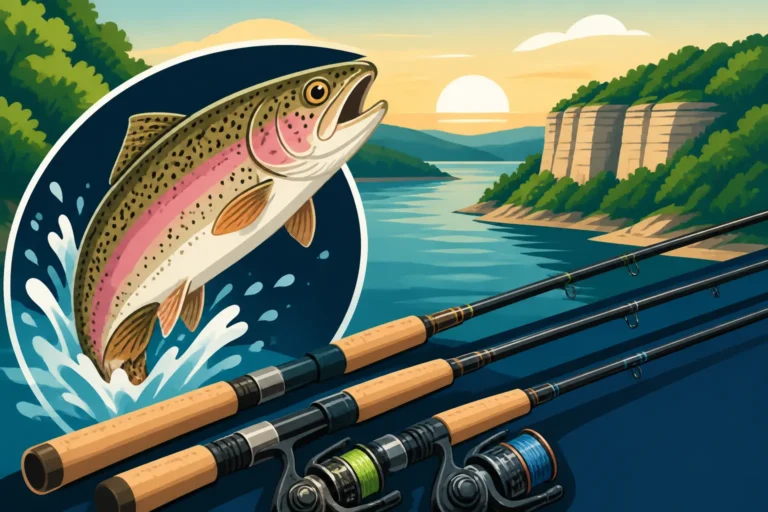
For most big lake bass applications, a medium-heavy (MH) casting rod paired with a reliable baitcasting reel is your absolute workhorse. This setup is ideal for throwing a wide range of lures, from larger crankbaits and spinnerbaits to heavier jigs and Texas rigs. A 7' to 7'6" length offers excellent casting distance and leverage for fighting bigger fish or pulling them out of cover. When considering your Best Rod Action and Power for Bass Fishing, a fast action provides the sensitivity for detecting subtle bites and the backbone for solid hooksets, which are critical in deeper water or when fishing through heavy cover.
For the reel, look for a baitcaster with a smooth drag system and a retrieve ratio that matches your fishing style. A mid-range gear ratio (around 6.x:1 to 7.x:1) is a great all-around choice, offering enough speed for moving baits but still providing plenty of power for slower presentations. You'll want something that feels solid in your hand and can stand up to repeated use. Many anglers find great options available at retailers like Bass Pro Shops, which offer a wide selection of rods and reels designed for these exact conditions.
Finesse and Light Tackle: Spinning Rod Applications
While power fishing dominates many big lake strategies, there are times when finesse is key, especially for pressured fish, clear water, or when bass are feeding subtly. This is where a medium-light (ML) or medium (M) spinning rod, typically 6'6" to 7' in length, truly shines. Paired with a lightweight spinning reel, this setup is perfect for throwing lighter shaky heads, drop shots, weightless worms, or small swimbaits. These techniques often excel when bass are suspended over deep water or holding tightly to sparse cover.
A fast action spinning rod provides the necessary sensitivity to feel light bites and work smaller baits effectively. For the reel, a 2500 or 3000 series size is usually appropriate, offering a good balance of line capacity and a smooth retrieve. The lighter line typically used with spinning gear (often fluorocarbon or monofilament) helps present lures more naturally. Having one or two of these setups ready will give you a crucial advantage when the bass get picky. You can find durable and sensitive spinning combos from various brands, often available with quick shipping from online retailers like Amazon.
Line Choices: Braided, Fluorocarbon, and Monofilament
Your fishing line is the direct connection to the fish, so choosing the right type and pound test is paramount for big lake bass.
- Braided Line: This is your go-to for strength, sensitivity, and casting distance. Its lack of stretch transmits even the lightest bites directly to your rod tip. For heavy cover applications (like flipping jigs into thick mats or pulling bass from deep timber), 30-65 lb test braid is excellent. It's also fantastic for topwater lures due to its buoyancy. Many anglers use braid as a main line and then tie on a fluorocarbon leader for stealth.
- Fluorocarbon Line: Known for its low visibility underwater and excellent abrasion resistance, fluorocarbon is perfect for clear water conditions and fishing around structure. Its moderate stretch offers a good balance of sensitivity and forgiveness. Use 10-20 lb test fluorocarbon for crankbaits, jigs, and Texas rigs. It sinks, which can be an advantage for getting lures down deep.
- Monofilament Line: While less common for primary big lake bass applications these days, monofilament still has its place. Its stretch makes it a good choice for reaction baits like spinnerbaits and topwaters, as it can absorb some of the shock from aggressive strikes and prevent hooks from tearing out. It's also more forgiving when fighting fish, reducing the chances of break-offs with heavy head shakes. Use 12-20 lb test monofilament for these specific applications.
It's wise to have a selection of spools or even entire reels pre-rigged with different line types and sizes to quickly adapt to conditions on the water.
Must-Have Lures and Baits for Big Lake Bass
No matter how good your rod and reel are, they're useless without the right lures. Big lake bass have a diverse diet and can be caught on a wide array of baits. Your tackle box should reflect this versatility. This means having options for covering water, targeting specific structures, and eliciting different types of strikes.
Crankbaits and Jerkbaits for Covering Water
These are your search baits for big water. They allow you to cover vast expanses quickly and identify active fish.
- Crankbaits: From shallow-diving squarebills to deep-diving behemoths that can reach 20+ feet, crankbaits are essential. They imitate baitfish and crawfish, triggering reaction strikes. For deeper presentations, look at models designed to run deep on a long cast. Brands often specify the diving depth on their packaging. Consider having a range of depths and colors, including natural shad patterns and brighter crawfish colors. For specific recommendations, check out a guide on Best Crankbaits for Big Lake Bass Fishing.
- Jerkbaits: These slender, minnow-imitating lures are deadly, especially in cooler water or when bass are suspended. Their erratic, darting action mimics a wounded baitfish, and their ability to suspend in the water column during pauses can be irresistible. A good jerkbait for big lake bass will cast well and have a strong, sharp hook system to deal with powerful strikes. They are a must-have for targeting bass on points and humps.
Jigs and Soft Plastics for Structure Fishing
When you've located bass relating to specific structure – whether it's submerged timber, rock piles, brush piles, or ledges – jigs and soft plastics become incredibly effective.
- Jigs: From football jigs for deep rocky bottoms to flipping jigs for heavy cover, these are fantastic for mimicking crawfish or bottom-dwelling bait. Pair them with a soft plastic trailer to add bulk and action. Keep a range of weights (from 1/4 oz to 3/4 oz) to suit different depths and current conditions. The heavier weights help maintain bottom contact in deeper water or strong currents found in some sections of Kentucky's rivers and large reservoirs.
- Soft Plastics: The versatility of soft plastics is unmatched.
- Worms: Texas-rigged worms are weedless and excellent for fishing through cover. How to Rig a Texas Rig for Bass Fishing can walk you through the setup.
- Creature Baits: These baits offer unique profiles and appendages, often excelling in punching through heavy cover or attracting big bites in murky water.
- Grubs and Swimbaits: From small grubs on a jig head to larger swimbaits, these are superb for imitating baitfish. Use them to target bass that are suspended or cruising open water.
- Senkos/Stick Baits: Simple yet incredibly effective, these often fall with an irresistible wobble. They're great on a weightless wacky rig or Texas rig for a more subtle presentation.
- Drop Shot Rigs: For vertical presentations in deep water, the Drop Shot Rig Technique for Bass Fishing is phenomenal, allowing you to present a small plastic worm or creature bait right in a bass's face.
Having a variety of colors, from natural greens and browns to darker blues and purples, will help you match the forage and water clarity. Many anglers find it helpful to organize these in a dedicated soft plastic binder to prevent them from getting lost or damaged. You can find a huge selection of soft plastics at any Bass Pro Shops or online through Amazon.
Topwater and Spinnerbaits for Active Bass
When bass are active and feeding near the surface, or when conditions are right for reaction bites, these lures shine.
- Topwater Lures: Nothing beats the thrill of a bass blowing up on a topwater bait. Poppers, walk-the-dog lures, and buzzbaits are excellent choices for low-light conditions, calm water, or when bass are feeding on shad. They are particularly effective around shallow cover, points, and flats.
- Spinnerbaits: These classic lures are incredibly versatile. The flash and vibration of the blades, combined with the pulsating skirt, can attract bass from a distance. They are excellent for fishing through submerged grass, around laydowns, or simply covering water, especially on windy or cloudy days. How to Fish a Spinnerbait for Bass effectively can make a huge difference in your success. They come in various blade configurations (willow, Colorado, Indiana) and colors to match different conditions.
These lures are invaluable for finding aggressive fish and can often trigger strikes when other baits fail. For a comprehensive overview, a guide to the Best Lures for Largemouth Bass on Big Water would offer even more specific recommendations.
Key Accessories and Terminal Tackle for Success
It's easy to focus on the big-ticket items like rods and reels, or the flashy lures, but the small stuff — your terminal tackle and accessories — can make or break a fishing trip on big lakes. Don't overlook these critical components.
Hooks, Weights, and Swivels: Don't Skimp on Quality
You've done everything right: located the fish, presented the perfect lure, and gotten a bite. Now, the weakest link can betray you.
- Hooks: Invest in strong, sharp hooks. For Texas rigs and jigs, extra wide gap (EWG) hooks or straight shank hooks in sizes 3/0 to 5/0 are common. For finesse techniques, quality drop shot hooks or small octopus hooks are essential. If you're swapping out treble hooks on crankbaits or jerkbaits, opt for super-sharp, strong treble hooks. A dull or weak hook will result in missed fish, especially with the tough mouths of big bass.
- Weights: You'll need a range of weights for soft plastics and jigs. Tungsten weights are popular due to their smaller profile (less snagging) and increased sensitivity. Have bullet weights (1/8 oz to 1 oz) for Texas rigging, and various sizes of lead or tungsten weights for drop shots and shaky heads. For punching through heavy cover, you might need weights up to 1.5 oz.
- Swivels: While not always necessary for bass, a good barrel swivel or ball bearing swivel can prevent line twist, especially when fishing certain presentations or with monofilament. They are more crucial for species like catfish or when using live bait, but having a few on hand isn't a bad idea.
Always keep a fresh supply of these in your Best Tackle Box Setup by Species. It's a small investment that pays off big time.
Storage and Organization: Keeping Your Tackle in Order
Imagine reaching for that "perfect" lure in the middle of a hot bite, only to find it tangled, rusty, or crushed. Proper storage is key to efficiency and protecting your investment.
- Tackle Boxes/Bags: Hard-sided tackle boxes with adjustable dividers are great for organizing hard baits, jigs, and terminal tackle. Soft-sided tackle bags with multiple utility boxes offer versatility and are easy to transport. Many anglers prefer a system of modular utility boxes for specific lure types or techniques.
- Soft Plastic Binders: Keeping your soft plastics in dedicated binders or specialized containers prevents them from getting mixed up, melting, or being damaged by sun exposure.
- Rod Holders: On the boat, a good set of rod holders keeps your rods secure and untangled while running or while you're fishing with another setup.
- Boat Storage: Utilize all available storage on your boat to keep gear organized and easily accessible. A well-organized boat means less wasted time and more fishing time.
Being organized will ensure you can quickly adapt to changing conditions and spend more time with your line in the water.
Netting and Measuring: Safely Landing Your Catch
Once you've hooked that trophy bass, the job isn't over. Proper landing and handling tools are essential for the fish's health and for documenting your catch.
- Landing Net: A good quality, rubberized landing net is critical for safely bringing big bass into the boat. Rubberized nets are much gentler on the fish's scales and slime coat, and they prevent hooks from getting tangled. Look for a net with a wide mouth and a deep basket.
- Measuring Board and Scale: If you plan on documenting your catches for tournaments or personal bests, a reliable measuring board and an accurate digital scale are indispensable. These allow you to quickly get your data and then safely release the fish.
- Pliers/Forceps: Essential for removing hooks, especially when deeply set. Long-nosed pliers or forceps allow you to extract hooks safely without harming the fish or yourself.
- Livewell: For those who choose to keep their catch (within legal limits) or for tournament anglers, a well-maintained livewell is paramount. Make sure it's functioning correctly and has aeration to keep fish healthy. For tips on setting this up, consult a guide on Best Livewell Setup for Bass Boats. Remember, always prioritize the health of the fish.
Having these accessories on hand will not only make your big lake bass fishing more efficient but also more ethical, ensuring the health of the fish you catch and release. And, as always, be sure to have all your Essential Safety Gear for Every Boat in Kentucky on board before you head out.
Disclaimer
This article is for general informational purposes only and does not constitute professional advice. Laws, prices and regulations vary by location and change over time. Consult a qualified professional for guidance on your specific situation.