Best Spots to Catch a Trophy Largemouth Bass
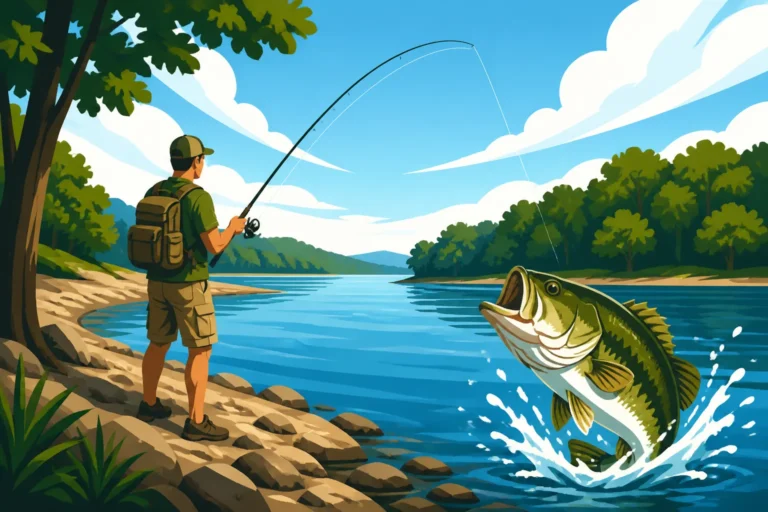
We all dream of that one, don't we? That absolute beast of a largemouth bass that makes your drag scream, your heart pound, and leaves you with stories for a lifetime. But let's be real, simply casting a line into any old water in Kentucky won't magically land you a lunker. Finding those truly colossal bucketmouths requires strategy, knowledge, and heading to the right waters. This guide is all about pointing you toward Kentucky's prime real estate for trophy largemouth bass and giving you the insights you need to make that dream catch a reality.
Understanding Kentucky's Trophy Largemouth Habitat
Catching a trophy largemouth bass isn't just luck; it's about understanding where these big fish live, what they eat, and how they behave. Kentucky has some incredible fisheries, but not all of them are created equal when it comes to consistently producing truly massive bass. It's like finding a needle in a haystack, but knowing what kind of haystack to search in makes all the difference.
Key Characteristics of Big Bass Lakes
So, what makes a lake a trophy largemouth haven? It's typically a combination of several factors that create the perfect environment for bass to grow large and healthy. First and foremost, you need abundant forage. Think about it: a bass won't get to 8, 9, or even 10 pounds if it doesn't have a constant, reliable food source. This usually means a healthy population of baitfish like shad, bluegill, or even smaller crappie. The more protein available, the bigger those bass can get.
Another crucial element is the presence of diverse and extensive cover and structure. Largemouth bass are ambush predators. They love to hide in places where they can surprise their prey. This could be anything from vast stands of standing timber, thick submerged grass beds, rocky points, deep ledges, brush piles, or even old roadbeds and creek channels. These features provide not only hunting grounds but also crucial protection from predators and harsh weather conditions. Without good cover, larger bass are more exposed and less likely to survive to trophy size. Additionally, a lake with a stable water level and good water quality, free from excessive pollution, will always support a healthier, larger bass population.
Seasonal Movements of Trophy Largemouth
Just like us, bass don't stay in one place all year. Their movements are largely dictated by water temperature, spawning cycles, and the availability of food. Understanding these seasonal patterns is absolutely critical for targeting trophy largemouth. In the early spring, as water temperatures start to climb into the 50s and 60s, big bass move from deeper winter haunts into shallower coves and creek arms. This is the pre-spawn period, and they are aggressively feeding to build energy for spawning. This is often considered one of the best times to catch a true monster.
Once the water warms further, typically in April and May, bass move onto their beds for the actual spawn. While some anglers target bedding fish, it's often more productive and less disruptive to focus on the pre-spawn or post-spawn feeding frenzies. After the spawn, bass move into a post-spawn recovery phase, often holding on nearby cover, before transitioning to their summer patterns. During the summer, especially in the heat, trophy bass will often retreat to deeper, cooler waters or seek out dense overhead cover in shallow areas to escape the sun. They might feed more actively during low light conditions like dawn, dusk, or even at night. As fall approaches and water temperatures drop again, bass will often move shallow again for a strong feeding binge before heading to deeper water for winter. Knowing these patterns means you're not just casting blindly, but rather focusing your efforts where the big fish are most likely to be.
Top Kentucky Lakes for Monster Largemouth
Kentucky is blessed with an abundance of fantastic fishing opportunities, but a few lakes truly stand out when you're specifically chasing that wall-hanger largemouth. These are the waters where the conditions align to produce exceptional specimens, year after year.
Kentucky Lake: The Legendary Bass Factory
When you talk about trophy largemouth bass in Kentucky, Kentucky Lake is almost always the first body of water that comes to mind. It's not just a legend; it's a living legend. This massive reservoir, shared with Tennessee, is a sprawling angler's paradise offering over 160,000 acres of water. Its sheer size means an incredible diversity of habitat, from vast shallow flats with submerged grass and stump fields to deep river channels and countless coves. This lake is truly one of the best bass fishing spots on Kentucky Lake, and for good reason.
The abundance of threadfin and gizzard shad throughout Kentucky Lake provides an unending buffet for growing bass, allowing them to reach immense sizes. Anglers here regularly pull out largemouth in the 5-8 pound range, with true trophy fish over 10 pounds making appearances annually. The extensive shallow flats, especially in bays and creek arms, are prime targets during the spring and fall. During the summer, focus shifts to main lake ledges and offshore humps where big schools of bass gather to feed on baitfish. You might find a charter through a service like FishingBooker that specializes in these particular techniques and locations.
Lake Barkley: Right Next Door to Greatness
Just across the narrow canal from Kentucky Lake, you'll find Lake Barkley. While often overshadowed by its behemoth neighbor, Barkley is every bit as capable of producing monster largemouth. This lake shares many of the same characteristics, including a rich forage base and an abundance of flooded timber and submerged creek channels. In fact, many professional bass tournaments often utilize both lakes, highlighting Barkley's trophy potential. If you're looking for a comprehensive overview, checking out a Lake Barkley Fishing Guide for Kentucky Anglers would be a great next step.
Like Kentucky Lake, Barkley offers a diverse array of structure. Its numerous bays, coves, and river bends provide ample shallow water cover for spawning and feeding, while the main lake features deep ledges and humps where big bass retreat during the summer. The fishing pressure might be slightly less intense than on Kentucky Lake at times, which can sometimes translate to less pressured, larger fish. Many anglers find success here flipping jigs into dense cover or cranking ledges with large crankbaits.
Lake Cumberland: Deep Water Giants
While Kentucky Lake and Lake Barkley are famous for their shallow-water largemouth, Lake Cumberland offers a different kind of trophy bass experience: deep-water giants. Known for its incredible depth and crystal-clear water, Cumberland is more often lauded for its smallmouth bass and striped bass. However, don't sleep on its largemouth potential. While not as numerous as in the western lakes, the largemouth in Lake Cumberland are often exceptionally large, thriving on the plentiful threadfin shad and alewives that inhabit its deep, cool waters. If you're looking for Kentucky's best all-around fishing lake, Lake Cumberland is a strong contender, and its largemouth are a testament to that.
Targeting largemouth in Lake Cumberland often involves different techniques. Look for them around rocky points, bluff walls, deep submerged timber, and humps, especially during the warmer months. Carolina rigs, deep diving crankbaits, and even large spoons or shaky heads can be highly effective. The learning curve might be steeper for those accustomed to shallow-water power fishing, but the reward of a massive, hard-fighting Cumberland largemouth is well worth the effort.
Other Notable Lakes for Big Bass
While the big three are undisputed champions, Kentucky has several other lakes that consistently kick out impressive largemouth bass. Herrington Lake, for instance, a deep, narrow impoundment known for its steep bluffs and abundant rocky cover, is home to some genuinely large bass. Anglers frequently report 5 to 7-pound fish, with occasional giants breaking the 10-pound mark. If you're exploring this area, you'll want to check out the Herrington Lake's Best Bass Fishing Coves in Kentucky.
Similarly, Taylorsville Lake, near Louisville, is a fantastic fishery with excellent habitat, including standing timber, stumps, and grass. It consistently produces healthy numbers of largemouth, with plenty of fish in the 4-6 pound class and good potential for bigger ones. These lakes might not have the sheer acreage of Kentucky Lake, but their concentrated structure and healthy populations make them excellent choices for trophy hunters. Don't forget to check out the Kentucky Statewide Bass Size and Daily Limit Rules for any lake you plan to fish, as regulations can vary.
| Lake Name | Key Characteristics | Primary Forage | Typical Trophy Size (lbs) | Best Season for Trophies |
|---|---|---|---|---|
| Kentucky Lake | Vast, shallow flats, river channels, submerged timber | Shad, Bluegill | 6-10+ | Spring, Fall |
| Lake Barkley | Similar to KY Lake, abundant timber, creek channels | Shad, Bluegill | 6-10+ | Spring, Fall |
| Lake Cumberland | Deep, clear water, rocky points, bluff walls, humps | Shad, Alewives | 5-9+ | Summer, Fall |
| Herrington Lake | Deep, steep bluffs, rocky cover, old river channel | Shad, Panfish | 5-8+ | Spring, Fall |
| Taylorsville Lake | Standing timber, stumps, grass, creek channels | Shad, Bluegill | 4-7+ | Spring, Fall |
Strategies for Targeting Trophy Largemouth
Knowing where the big bass live is only half the battle. The other half is understanding how to catch them. Trophy largemouth are not like your average 2-pounder; they're often older, wiser, and much more cautious. You need to present baits in a way that appeals to their predatory instincts and triggers a strike from a truly discerning fish.
Best Baits and Lures for Big Bass
When you're chasing that elusive trophy, you generally want to "go big or go home" with your lure selection. Large, bulky baits often attract larger fish, as they represent a more substantial meal and are therefore more efficient for a big bass to expend energy on. Deep-diving crankbaits are fantastic for covering water and bumping off deep ledges and offshore humps on lakes like Kentucky Lake or Lake Barkley. Look for ones that dive to 15-25 feet or more, mimicking large shad. These are particularly effective during summer and fall.
Jigs, especially flipping and pitching jigs weighing 1/2 ounce or more, are absolute big bass magnets. Paired with a bulky soft plastic trailer, these lures imitate crawfish or injured baitfish and are deadly when worked slowly and meticulously into heavy cover like brush piles, standing timber, or thick grass. A Texas rig with a large plastic worm or creature bait is another staple for getting into dense cover and tempting hesitant bass. If you're curious about specific rigs, consider how to rig a Texas rig for bass fishing to maximize your presentation. Don't overlook large swimbaits, either. Realistic shad or bluegill imitations, whether soft plastic or hard-bodied, can be incredibly effective at drawing out trophy bass that are looking for a substantial meal. Spinnerbaits with large blades can also tempt aggressive bass in shallower, stained water, particularly during the pre-spawn. Understanding what month is best for bass fishing in Kentucky can also help you choose the right baits for the season.
Locating Structure and Cover
Trophy largemouth bass are masters of their environment, and they use structure and cover to their full advantage. They will always be found relating to some sort of feature that provides them with an ambush point, shelter, or access to deeper water. This is why having good electronics, like a reliable fish finder with side imaging or down imaging, is practically essential for serious trophy hunting on Kentucky's larger reservoirs. These tools help you identify subtle changes in bottom contour, locate submerged brush piles, standing timber, rock piles, or old creek channels that hold big fish.
When you're on the water, pay close attention to depth changes, transitions in bottom composition (e.g., mud to rock), and visible cover. Steep bluff walls, isolated humps, main lake points that drop off quickly, and the edges of submerged grass lines are all prime locations. Even boat docks, especially older ones with plenty of submerged structure like cross-members or tires, can hold enormous bass. Don't just cast at random; look for key features and angles where a big bass would naturally position itself to ambush prey or conserve energy. Sometimes, even the smallest pocket of cover on an otherwise barren stretch can hold a giant. For those exploring new areas, using platforms like FishingBooker can sometimes help connect you with local guides who are experts at finding these hidden gems.
Patience and Persistence Pay Off
Let's face it, catching a trophy largemouth bass is not an everyday occurrence for most anglers. These fish are not only rare in size, but they're also incredibly smart and wary. This means that patience and persistence are perhaps your most valuable tools in your tackle box. You might go hours, or even days, without a bite from a truly large fish. Don't get discouraged. Keep casting, keep dissecting the cover, and keep believing that the next cast could be the one.
It's often about making hundreds of precise casts to a single piece of cover, trying different angles, different retrieve speeds, and different baits until you find what triggers that elusive strike. The best time of day to catch bass can also play a huge role; sometimes, waiting for those low-light periods at dawn or dusk can increase your odds dramatically. Learn to interpret subtle bites, especially when fishing slowly with jigs or worms. A trophy bass might just "tick" the line or feel like a subtle weight, rather than a jarring strike. The anglers who consistently catch the biggest bass are not necessarily the luckiest, but the ones who put in the most time, remain focused, and never give up on the pursuit of that dream fish.
Disclaimer
The information provided in this guide is for general informational purposes only and does not constitute professional advice. Fishing conditions, regulations, and fish behavior can vary greatly, and anglers should always consult the most current Kentucky Department of Fish and Wildlife Resources regulations before fishing. Always prioritize safety on the water.