Best Fishing Spots Near Louisville, Kentucky
It's a common angler's lament, isn't it? You live in or near a vibrant city like Louisville, Kentucky, with its bustling energy and urban charm, but all you really crave is the peace and quiet of the water, the thrill of a bending rod. The struggle to find genuinely good, accessible fishing spots close to home without hours of driving can be real. But trust me, you don't have to venture to the far reaches of the state to find fantastic fishing. This guide is all about uncovering those prime angling locations right around Louisville, making it easier than ever to get your line wet and enjoy Kentucky's rich fishing scene.
Finding Your Angling Oasis Close to Home
Louisville, nestled along the mighty Ohio River, offers more fishing opportunities than many realize, from serene city park ponds perfect for a quick escape to expansive reservoirs just a short drive away. The key is knowing where to look and what to expect from each spot. Whether you're a seasoned pro or just looking to introduce the kids to the joys of fishing, there's a perfect spot waiting for you.
Urban Fishing: Parks and Ponds Within City Limits
Sometimes, you just need a quick fishing fix without committing to a full-day excursion. Luckily, Louisville boasts several fantastic urban ponds and lakes within its park system that are regularly stocked and easily accessible. These spots are perfect for an impromptu afternoon trip or for teaching a newcomer the ropes.
One of the most popular and productive urban fishing spots is Iroquois Park Lake. Tucked away in the beautiful Iroquois Park, this small lake is a true gem. It's frequently stocked by the Kentucky Department of Fish and Wildlife Resources (KDFWR) with catfish and rainbow trout, depending on the season, making it a reliable destination. You'll often find a mix of anglers here, from families with young children casting for sunfish to more dedicated folks targeting the stocked species. The lake is easily accessible from multiple points within the park, with plenty of bank access and even some small fishing piers. You can often see bluegill swimming near the edges, making it an ideal spot for beginners learning basic techniques.
Another excellent option is Waverly Park Lake, located in the southwestern part of Jefferson County. This lake offers a slightly more secluded feel than Iroquois Park, despite still being within the urban sprawl. It's known for its decent populations of largemouth bass, channel catfish, and various panfish. The park features a nice walking trail around the lake, providing ample bank fishing opportunities. Many anglers have success here using worms or small jigs under a bobber. For those just starting out, Waverly is a fantastic place to practice those casting skills and perhaps land your first significant catch. When considering a trip with young anglers, remember that getting them hooked on fishing often starts with consistent bites, and these urban ponds deliver. If you're looking for pointers on how to catch these smaller, more abundant species, our guide on Bluegill Fishing Tips for Beginners can offer some fantastic starting points.
The Mighty Ohio: River Fishing Opportunities
You can't talk about fishing near Louisville without mentioning the impressive Ohio River itself. This vast waterway, forming Kentucky's northern border, holds an incredible diversity of fish species and presents unique angling challenges and rewards. While not as serene as a quiet lake, the river offers the chance to catch some truly trophy-sized fish.
The most sought-after species in the Ohio River near Louisville are undoubtedly catfish – blue, channel, and flathead. These whiskered giants thrive in the river's deep channels and abundant food sources. Areas around the Falls of the Ohio State Park, though shallow and rocky in parts, can be productive, especially downstream of the dams where current creates feeding opportunities. The waterfront parks in downtown Louisville, like Waterfront Park or Shawnee Park, offer surprisingly good bank access for catfish anglers, particularly in the evenings or early mornings. Using heavy tackle and sturdy bottom rigs with cut bait or chicken liver is the ticket for these powerful fish. For those serious about targeting trophy catfish, diving into Best Catfish Fishing Spots on Kentucky's Ohio River will give you even more specialized insights into where to find them.
Beyond catfish, the Ohio River also offers exciting opportunities for sauger and hybrid striped bass. Sauger, a close relative of the walleye, are particularly active in cooler months, often congregating below dams and in deeper holes. They respond well to jigs tipped with minnows or soft plastics fished vertically. Hybrid stripers, known for their aggressive strikes and strong fights, can be found throughout the river, especially near current breaks and schooling baitfish. While fishing the Ohio can be intimidating due to its size and current, the rewards can be immense. Local bait shops are invaluable resources for current conditions and hot spots. If you're interested in pursuing sauger, our detailed guide on Where to Catch Sauger on the Ohio River in Kentucky can help you refine your strategy and pinpoint the best locations during their prime season.
Day Trip Destinations: Lakes Within an Hour's Drive
Sometimes, a quick urban pond isn't enough, and you crave the expansive waters of a larger lake without having to drive for hours. Fortunately, Louisville is within an easy hour's reach of some of Kentucky's premier fishing reservoirs, offering diverse species and more traditional lake fishing experiences, whether you prefer boat or bank fishing.
Taylorsville Lake: A Bass Angler's Dream
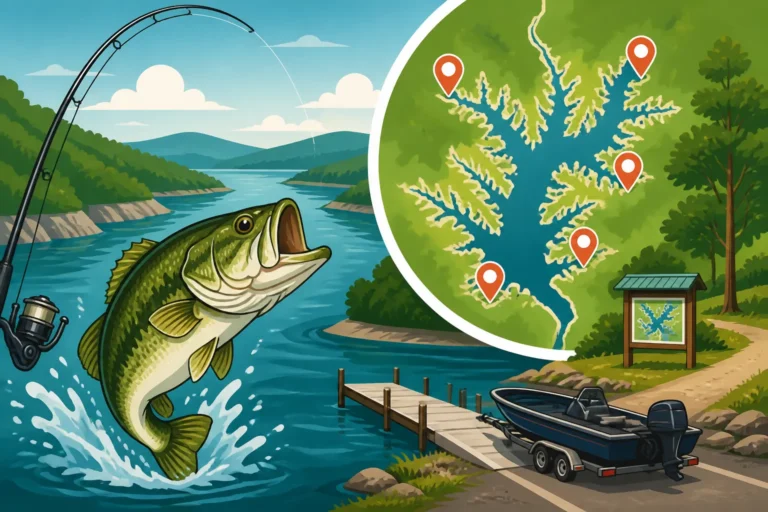
Just a stone's throw southeast of Louisville, about a 45-minute drive, lies Taylorsville Lake, a sprawling 3,050-acre reservoir renowned for its excellent largemouth bass fishing. This lake is a favorite among local tournament anglers and recreational fishermen alike, consistently producing healthy populations of keeper-sized bass, with plenty of opportunities for larger trophy fish. Its diverse habitat, featuring standing timber, submerged creek channels, rock bluffs, and extensive coves, provides ample cover for bass throughout the year.
Springtime at Taylorsville is particularly popular as bass move into shallower waters for spawning. Anglers often have great success with spinnerbaits, crankbaits, and soft plastics fished around visible cover like fallen trees and weed lines. As summer heats up, bass tend to retreat to deeper water, making Carolina rigs, shaky heads, and deep-diving crankbaits effective tools for targeting them along ledges and creek channels. Fall offers another fantastic bite as bass aggressively feed before winter. While boat fishing provides the most access to the lake's vast expanses, there are also excellent bank fishing opportunities, especially within Taylorsville Lake State Park. The park offers accessible fishing piers and shoreline access that can be incredibly productive, particularly for those targeting panfish or catfish closer to shore. If you're serious about landing a lunker, exploring our guide on Taylorsville Lake's Best Bass Fishing Spots will give you a significant advantage in understanding the lake's topography and seasonal patterns. For those looking to truly maximize their time on the water, especially for a trophy bass at Taylorsville, checking out guided trips through services like FishingBooker can be a game-changer, connecting you with local experts who know the lake inside and out.
Guist Creek Lake: Serenity and Good Catches
If you're looking for a slightly smaller, often less crowded alternative to Taylorsville Lake, Guist Creek Lake near Shelbyville is an excellent choice, also about a 45-minute drive east of Louisville. This 317-acre lake is perfect for those seeking a more tranquil fishing experience, often described as a hidden gem by local anglers. Guist Creek is known for its solid populations of largemouth bass, crappie, and channel catfish, making it a versatile destination for different preferences.
The lake's layout, with its numerous coves and standing timber, provides ample habitat for fish. Bass anglers will find success here similar to Taylorsville, using a variety of lures depending on the season and depth. Crappie fishing is also quite popular, especially in the spring when these panfish move into shallower water to spawn. Small jigs and minnows fished around brush piles and submerged structures are often irresistible to them. For catfish enthusiasts, Guist Creek holds a good number of channel cats, and anglers often catch them using chicken liver, cut bait, or worms fished on the bottom. The lake has a public boat ramp, making boat access straightforward. Bank fishing is somewhat limited but still possible in certain areas, particularly near the dam and around the boat ramp area. Its calmer waters also make it a fantastic spot for kayak or canoe fishing, offering a peaceful way to explore its many nooks and crannies.
For families or those new to boating, Guist Creek offers a welcoming environment without the overwhelming size of some of Kentucky's larger reservoirs. It's a great spot to enjoy a relaxed day on the water and still have a very good chance of bringing home a decent stringer. Getting familiar with lake maps and identifying potential crappie hotspots can greatly increase your chances of success.
Essential Gear and Local Wisdom for Louisville Anglers
Having the right gear and understanding a bit about local nuances can make all the difference in your Louisville fishing adventures. You don't need to break the bank, but a few smart choices can significantly improve your experience and success rate.
Recommended Gear for Local Waters
For the diverse fishing opportunities around Louisville, a versatile rod and reel setup is your best friend. A medium-action spinning rod (6'6" to 7' long) paired with a 2500 or 3000 size spinning reel spooled with 8-10 pound monofilament or fluorocarbon line will handle most situations, from panfish in city ponds to decent-sized bass and catfish in the lakes and river. This setup offers enough backbone for larger fish while still being sensitive enough to detect subtle bites. If you're looking for an all-around reliable setup, our guide on Best Rod and Reel Combo for Beginners provides excellent recommendations that fit this versatile need perfectly.
When it comes to bait and lures, variety is key. For urban ponds and crappie fishing, a selection of small jigs (1/16 to 1/8 ounce) in various colors (chartreuse, white, black, pink) and live minnows or worms are always good bets. For bass, carry a few crankbaits, spinnerbaits, plastic worms (Texas-rigged or wacky-rigged), and a topwater lure for early morning or late evening action. Catfish anglers will want stout hooks, heavy weights, and a good supply of chicken liver, cut bait (like shad or skipjack herring), or prepared stink baits. Don't underestimate the effectiveness of simple live bait – worms, minnows, and even crickets are often irresistible to a wide range of species and can be incredibly productive, especially if you're exploring Best Live Bait for Beginner Anglers. Always pack a pair of pliers for hook removal, a small tackle box with essential terminal tackle (hooks, weights, swivels), and a tape measure to check fish against size limits.
Understanding Local Regulations and Best Practices
Before you cast a single line in any Kentucky water, it's absolutely crucial to understand the state's fishing regulations. The first and most important step is ensuring you have a valid Kentucky fishing license. Whether you're a resident or a nonresident, you'll need one if you're 16 years or older. You can easily purchase these online through the KDFWR website, at most sporting goods stores, or at various county clerk offices. Our comprehensive Kentucky Fishing License Guide breaks down all the different types and how to obtain them.
Beyond the license, you must be aware of statewide and sometimes site-specific size and creel (bag) limits for different fish species. For example, Kentucky has a statewide 12-inch minimum size limit for largemouth bass and a daily limit of six. Crappie typically have a daily limit of 20, with no statewide size limit, though specific lakes might have exceptions. Catfish limits are generally quite generous, but trophy-sized blues or flatheads often have specific rules about how many you can keep over a certain length. Always consult the current KDFWR Fishing & Boating Guide, which is updated annually, for the most up-to-date information. It’s also wise to be familiar with our detailed Kentucky Fishing Regulations Explained article to ensure you're fishing legally and responsibly. Practicing catch-and-release, especially for larger breeding fish, helps maintain healthy fish populations for everyone to enjoy for years to come.
Planning Your Louisville Fishing Adventure
A little planning can go a long way in ensuring a successful and enjoyable fishing trip around Louisville. From knowing the best times to hit the water to leveraging modern tools, you can maximize your chances of a great day out.
When to Go: Seasonal Bites Near Louisville
Understanding the seasonal patterns of fish activity is critical for consistent success. Each season brings different opportunities and challenges to the waters around Louisville.
Spring (March-May): This is arguably the best time to fish for many species. As water temperatures rise, fish become more active and move into shallower waters for their spawning rituals. Largemouth bass fishing at lakes like Taylorsville Lake truly heats up, with aggressive bites on a variety of lures. Crappie also move shallow, making them easier to target around brush piles and docks in urban ponds and larger lakes. The Ohio River starts to see increased activity for sauger and white bass as well. If you're wondering when the bite truly gets going, our article on When Does Kentucky Bass Fishing Peak offers specific insights into the best timing.
Summer (June-August): While often hot, summer can still be incredibly productive, especially during early mornings, late evenings, or even night fishing. Catfish on the Ohio River and in local lakes are very active in the warmer months. Bass tend to move to deeper, cooler waters, often congregating around submerged structures or deep creek channels. Topwater lures can be exciting during low-light conditions. Panfish, like bluegill, are also reliably caught throughout the summer, making it a great time for family outings. For those hotter days, consider fishing the slightly deeper, cooler waters of the Ohio River for catfish.
Fall (September-November): Many anglers consider fall to be a second spring. Fish, especially bass, begin to feed aggressively, fattening up for the colder months. They often move back to shallower areas before retreating to deeper water. Crappie fishing picks up again, and the cooler temperatures make for more comfortable fishing conditions. The Ohio River can also be excellent for hybrid striped bass and sauger.
Winter (December-February): Don't hang up your rods just yet! While slower, winter fishing can yield some fantastic catches for dedicated anglers. Trout are often stocked in urban lakes during the colder months, providing unique opportunities. Sauger fishing on the Ohio River can be phenomenal below dams, as these fish thrive in cold water. Catfish can still be caught, though they will be less active, often holding in deep holes. If you’re curious about what you can realistically catch during the chillier months, our guide on What Fish Are Biting in Kentucky in February provides useful information for winter anglers. For those looking to book a guided fishing trip or find local charter information, platforms like FishingBooker often list experienced captains operating in the Louisville area, which can be invaluable for navigating specific seasonal patterns.
Leveraging Technology for Better Fishing
In today's world, technology can be a powerful ally for anglers. Numerous fishing apps are available that provide weather forecasts, solunar tables (predicting fish activity), and even detailed bathymetric maps of popular lakes. Apps like Fishbrain can show you recent catches in your area, giving you an idea of what's biting where.
Beyond apps, online fishing forums and local social media groups dedicated to Kentucky fishing are treasure troves of real-time information. You can ask questions, get recommendations, and learn about recent patterns directly from fellow anglers. Local bait and tackle shops, like The Angler's Outpost in Clarksville, IN (just across the river) or Cabela's in Louisville, are also invaluable resources. The folks working there are often avid fishermen themselves and can provide up-to-the-minute reports on water conditions, bait preferences, and hot spots. Don't be shy about striking up a conversation! And for those who prefer to leave the navigation and expertise to a professional, finding a local guide through platforms like FishingBooker ensures you get on the fish efficiently and learn the local waters from a true expert.
Here's a quick look at some of the best fishing spots near Louisville:
| Fishing Spot | Location | Primary Species | Best For | Access Type |
|---|---|---|---|---|
| Iroquois Park Lake | South Louisville | Catfish, Rainbow Trout, Bluegill | Quick Trips, Family, Beginners | Bank, Piers |
| Waverly Park Lake | Southwest Jefferson County | Largemouth Bass, Channel Catfish, Panfish | Relaxed Fishing, Beginners | Bank |
| Ohio River (Louisville) | Downtown Louisville/Riverfront | Blue Catfish, Channel Catfish, Sauger, Hybrid Striper | Trophy Catfish, River Experience | Bank (parks), Boat Ramps |
| Taylorsville Lake | Spencer County (SE of L'ville) | Largemouth Bass, Crappie, Catfish | Serious Bass Anglers, Boaters | Boat, Bank (State Park) |
| Guist Creek Lake | Shelby County (E of L'ville) | Largemouth Bass, Crappie, Channel Catfish | Quiet Fishing, Kayak/Canoe, All-Around | Boat, Limited Bank |
No matter your preference, Louisville and its surrounding areas offer a fantastic array of fishing experiences. From urban parks to sprawling reservoirs and the majestic Ohio River, there's always a new adventure waiting just around the bend. So grab your gear, check the regulations, and go enjoy some of the best fishing Kentucky has to offer!
Disclaimer
The information provided in this guide is for general informational purposes only. Fishing regulations, conditions, and fish populations can change frequently. Always consult the most current Kentucky Department of Fish and Wildlife Resources (KDFWR) regulations before fishing. Adhere to all local, state, and federal laws and practice safe boating and fishing habits.