Best Remote Fishing Spots on Green River Lake
It's incredibly frustrating when you head out to a beautiful lake like Green River Lake, picturing a peaceful day of fishing, only to find all the prime spots already teeming with other anglers, jet skis buzzing, and the tranquility you craved completely gone. That feeling of being crammed into a popular cove, casting over lines, it just doesn't hit the same. This guide is all about helping you escape those crowded areas and discover the hidden gems and remote fishing spots on Green River Lake where you can truly find peace and, hopefully, some less-pressured fish.
The Allure of Seclusion on Green River Lake
Green River Lake, with its sprawling waters and intricate shoreline, is a gem in central Kentucky. It's known for its excellent bass and crappie fishing, and for good reason! But exactly because it's so popular, especially on weekends or during peak seasons, the main coves and boat ramps can feel like a busy highway. That's where the magic of seeking out remote spots comes in. It's not just about avoiding the crowds; it’s about a completely different fishing experience, one that many anglers, myself included, truly cherish.
Escaping the Hustle and Bustle
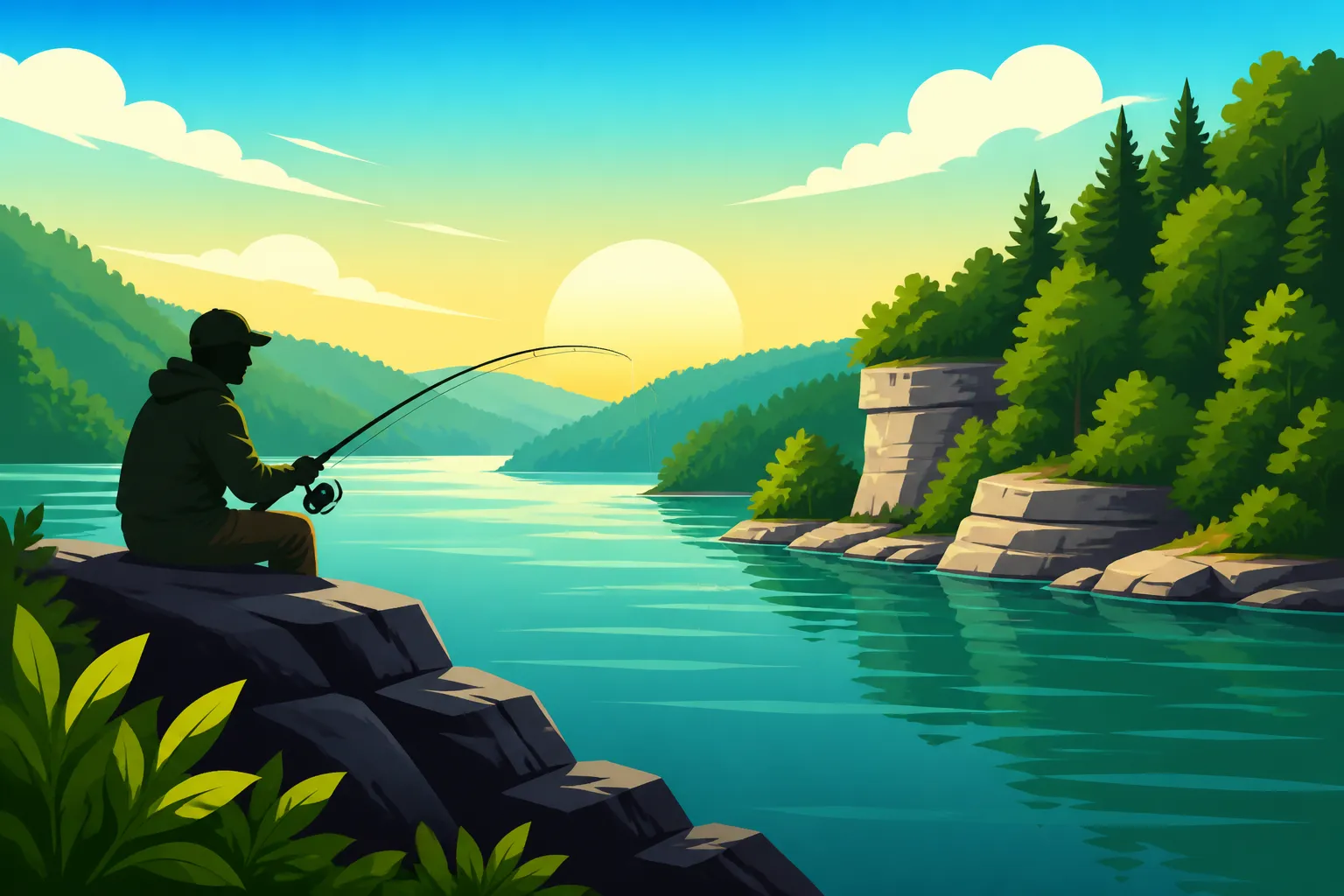
Imagine casting your line into glassy water, the only sounds being the gentle lap against your kayak and the rustle of leaves on the shore. No booming stereos, no speeding boats, just you and the fish. That's the promise of remote fishing. When you venture away from the main channels and popular access points, you step into a calmer world. The fish in these areas tend to be less accustomed to constant boat traffic and fishing pressure, often making them more willing to strike a well-presented lure. It's a chance to truly connect with nature, test your skills in quieter environments, and enjoy the solitude that fishing so beautifully offers.
Uncovering Less-Pressured Fish
Fish in heavily fished areas become wary. They learn to recognize common lures, avoid certain presentations, and generally become harder to entice. It’s an evolutionary adaptation that seasoned anglers know all too well. But in the secluded coves, quiet creek arms, and hidden backwaters of Green River Lake, the fish haven't seen every crankbait or plastic worm under the sun. They're often more aggressive, less suspicious, and therefore, potentially easier to catch. This isn't to say it's always a slam dunk – remote fishing still requires skill and knowledge – but the odds can definitely swing in your favor when you find those untouched pockets. Think of it as a treasure hunt where the prize is a feisty bass or a slab crappie that hasn't been pricked by a hook a dozen times before.
Characteristics of Ideal Remote Fishing Locations
Finding these peaceful havens on Green River Lake isn't just about picking a random spot far from the ramp. There are specific characteristics that make a remote area truly shine for fishing. Understanding these will help you pinpoint potential honey holes on your own map or scouting trips.
Inaccessible Shorelines and Creek Arms
The most remote and productive fishing spots often share one key trait: they’re hard to get to. This is where the magic happens for anglers willing to put in a little extra effort. Think about long, winding creek arms that snake far into the woods, too shallow or snag-ridden for larger boats to navigate easily. These areas often require a kayak, canoe, or a very shallow-draft johnboat to access. When you're looking at a map of Green River Lake, pay close attention to where the main body of water narrows into these tributary creeks. The further you can get up these arms, away from the wider lake, the more likely you are to find undisturbed water. These areas often feature excellent habitat like fallen trees, stumps, and submerged brush, providing perfect ambush points for bass and crappie. Exploring these intricate waterways can often lead you to Green River Lake's Best Bass Fishing Coves.
Hidden Coves and Points
Green River Lake has an incredibly diverse shoreline, full of twists, turns, and countless coves. While many of the larger, easily accessible coves get a lot of attention, there are smaller, less obvious pockets tucked away that are difficult to spot from the main channel or even from some of the more obvious boat routes. These are often shallow, heavily wooded areas, or coves with very narrow entrances. Sometimes, a point that requires navigating around a tricky rock outcrop or a lengthy paddle can also deter casual anglers. These spots, precisely because they require a bit more effort to reach, often hold excellent populations of fish. Look for areas on your map where the contours of the land create these secluded pockets, especially those with steep banks or dense tree cover that provide shade and sanctuary for fish.
Limited Public Access Points
Another major indicator of a remote fishing spot is the lack of obvious public access. If you can't drive right up to it, or if the nearest boat ramp is several miles away via water, chances are it sees less pressure. Consider the Best Boat Ramps on Green River Lake, Kentucky and then look for areas that are a significant distance from any of them. Sometimes, these "remote" spots might even be technically accessible from land, but only through a long hike through thick woods or rough terrain, which naturally thins out the crowd. While these spots might not offer a place to launch a big bass boat, they're perfect for the adventurous angler with a kayak or a sturdy pair of hiking boots.
Specific Remote Areas on Green River Lake and Access Strategies
Alright, let's get down to some specifics. Green River Lake is massive, so identifying "remote" spots takes a bit of local knowledge and an adventurous spirit. While I can't give away every secret honey hole (some things are earned!), I can point you towards types of areas and strategies that consistently lead to success in finding solitude.
The Upper Reaches of the Green River Arm
The Green River arm of the lake, extending upstream from the main body, is a prime example of where to find true remoteness. As you travel further upstream, the lake gradually narrows and becomes more river-like. The water here is often shallower, with more visible timber, stumps, and laydowns – classic fish habitat. This area can be challenging for larger boats, especially during periods of lower water levels or due to the sheer distance from many ramps.
To access these upper reaches, consider launching from a ramp like Holmes Bend or Green River State Park and then making the long run upriver. Better yet, if you have a smaller vessel like a kayak or canoe, you can often put in at points much further upstream, effectively starting your day already in the remote zone. This kind of trip planning is a perfect use case for services like FishingBooker, where you might find a local guide who specializes in navigating these upper waters with smaller boats or even offers guided kayak trips to these hard-to-reach areas. They often know exactly where to drop in for the best success. Remember, these areas are fantastic for both bass and crappie, especially during the spring and fall transitions.
The Goose Creek and Brush Creek Arms
On the southern side of Green River Lake, you'll find the extensive Goose Creek and Brush Creek arms. These areas offer a fantastic network of coves, points, and winding channels that can feel incredibly secluded. Goose Creek, in particular, stretches quite a distance and has numerous smaller feeder creeks branching off. The water here can range from fairly deep in the main channel to very shallow in the back of the coves.
Accessing these areas typically means launching from a ramp on the southern end of the lake, such as the Snake Creek or Holmes Bend areas. Again, a kayak or small aluminum boat is your best friend for truly exploring the nooks and crannies. Look for flooded timber lines, rock bluffs, and gradual sloping banks with cover. These creeks are phenomenal for catching chunky largemouth bass, especially if you focus on fishing around any structure you can find. It's often where you find the biggest crappie too, tucked away in submerged brush. Don't be afraid to put in some paddle time; the reward of a truly untouched fishing spot is usually worth the effort.
Exploring the Deeper, Less-Frequented Coves
Beyond the major creek arms, Green River Lake is dotted with countless smaller coves. While some are popular and get a lot of attention, many are overlooked. These are often coves that don't have prominent landmarks, aren't visible from the main channel, or have somewhat tricky navigation at their entrance. Sometimes, even just the sheer distance from a popular ramp means fewer anglers bother to make the trip.
Think about areas around Smith Ridge or along the northern shore where the land rises steeply, making shoreline access difficult. These deep, secluded coves often have a mix of rock and timber, offering excellent habitat. To find these, you'll need a good contour map of Green River Lake and a willingness to explore. Pay attention to sudden depth changes, submerged humps, and isolated cover. A fish finder with good mapping capabilities can be invaluable here. While not strictly "remote" in the same way as the far upper river, these coves offer a taste of solitude without requiring an hour-long paddle. When thinking about Green River Lake Fishing Guide and Best Spots, remember to layer in the desire for remoteness into your scouting.
| Access Method | Pros | Cons | Ideal For |
|---|---|---|---|
| Kayak/Canoe | Silent, reaches very shallow water, excellent for small creeks and coves, great exercise. | Limited gear capacity, slower travel over long distances, exposed to elements. | Upper river arms, narrow creeks, shallow coves, quiet exploration. |
| Small Aluminum Boat | Can handle slightly rougher water than kayaks, more gear capacity, decent speed, can navigate moderate shallows. | Still limited by very shallow water, can be noisy, less stealthy than a kayak. | Deeper creek arms, medium-sized coves, covering more water quickly. |
| Hiking (Bank Access) | Complete solitude, no boat needed, access to spots unreachable by water. | Very limited range, gear must be carried, difficult terrain. | Remote shoreline points, creek banks on public land with trail access. |
| Larger Bass/Pontoon Boat | Fast travel, large capacity, comfortable, can run long distances. | Cannot access very shallow/tight areas, less stealthy, requires deeper water. | Getting to the entrance of remote arms quickly, then deploying smaller craft or fishing the deeper parts. |
Essential Gear and Techniques for Remote Fishing
Fishing remote spots on Green River Lake isn't just about getting there; it's about being prepared and knowing how to fish these less-pressured waters effectively. Your gear choices and techniques might need to adapt slightly from what you'd use in more conventional areas.
Stealthy Approach and Presentation
One of the biggest advantages of remote fishing is that the fish aren't as spooked by human presence. However, that doesn't mean you should be loud and careless. A stealthy approach is still paramount. When approaching a promising cove or stretch of bank, kill your main motor well in advance and use a trolling motor (on a low setting) or paddle quietly. Kayak anglers have a natural advantage here with their silent propulsion. Long casts are often beneficial, allowing your lure to land far from your position, minimizing any disturbance.
For presentation, think natural and unhurried. Fish in remote areas might not have seen a parade of brightly colored lures, so they might be curious rather than wary. Slower retrieves, subtle twitches, and letting your bait sit for a moment longer can often trigger a strike. Don't be afraid to experiment with natural colors and profiles for your lures. These areas are fantastic for exploring different techniques, from pitching jigs into fallen trees to slowly retrieving a crankbait along a secluded bank. If you're wondering how to effectively use some of these, consider learning How to Fish a Crankbait Around Cover.
Specialized Gear for Remote Access
When venturing into remote territory, your gear needs to be up to the task. If you’re going by kayak, a good quality fishing kayak is essential. Look for stable models that track well and have ample storage for your gear. You might even consider a pedal-drive kayak for hands-free propulsion, which can be a game-changer when covering long distances or fighting fish. For those considering the kayak route, a guide on Best Fishing Kayaks for Kentucky Lakes and Rivers can be invaluable.
For rods and reels, versatility is key. You'll want a medium-heavy spinning or baitcasting combo that can handle a variety of lures and fish sizes. Since you might be hiking or paddling long distances, minimize your tackle. Bring a well-stocked but compact tackle box with a selection of jigs, soft plastics, crankbaits, and topwaters that are known to work in Kentucky waters. Don't forget essentials like pliers, line clippers, a measuring board, and a stringer or livewell for your catch. Also, having a reliable map (digital or physical) and a fully charged phone or GPS device is non-negotiable for navigating these less-traveled areas. It's not just about finding fish; it's about getting back safely! For a comprehensive look, check out Best Rods and Reels for Kentucky Fishing.
Safety and Preparedness
Venturing into remote areas means being self-sufficient. Always let someone know where you're going and when you expect to return. Pack plenty of water, snacks, a first-aid kit, and appropriate clothing for changing weather conditions. A whistle, a headlamp, and sun protection are also crucial. If you’re planning a longer trip, consider a portable battery pack for your electronics. Cell service can be spotty in some remote parts of Green River Lake, so don't rely solely on your phone for navigation or emergencies. Understanding basic Kentucky Fishing Regulations Explained for limits and sizes is also crucial, as game wardens do patrol even the most remote areas.
Finally, respect the environment. Pack out everything you pack in, and leave no trace behind. These remote spots are special, and it's up to all of us to keep them that way for future generations of anglers seeking solitude and great fishing. If you're exploring Kentucky Fishing License Guide information, it's a good reminder that those regulations apply everywhere, even in the most secluded coves.
Timing Your Remote Fishing Adventure
The time of year, day, and even the weather can play a huge role in the success of your remote fishing trip on Green River Lake. While less-pressured fish might be more forgiving, hitting the sweet spot can make all the difference.
Seasonal Considerations for Green River Lake
Green River Lake offers fantastic fishing opportunities throughout the year, but each season presents unique challenges and rewards, especially in remote areas.
- Spring (March-May): This is arguably the prime time for remote fishing, particularly for bass and crappie. As water temperatures rise, fish move into shallower creek arms and coves to spawn. These are precisely the areas that are often remote and harder for larger boats to access. Largemouth bass will be actively cruising shallow cover, and crappie will stage around brush piles and submerged timber in preparation for their spawn. This season is synonymous with Kentucky Bass Fishing: The April-May Peak Season and the exciting Kentucky Crappie Fishing: Spring Spawn Run Guide. Focus on throwing spinnerbaits, jigs, and soft plastics into visible cover.
- Summer (June-August): While the main lake can get busy with recreational boaters, remote creek arms and shaded coves can still hold fish. Bass will often seek deeper, cooler water within these remote areas or move to areas with heavy overhead cover. Early mornings and late evenings are often the most productive times. Topwater lures fished over submerged vegetation or around shaded banks can be incredibly exciting.
- Fall (September-November): As the weather cools, fish become more active, feeding heavily in preparation for winter. This is a fantastic time for remote fishing, as fish can be found both shallow and deep. Look for baitfish schools moving into creek arms, and you'll often find predatory fish right behind them. Crankbaits, jerkbaits, and jigs can be very effective during this period. The crowds also thin out considerably after the summer rush.
- Winter (December-February): While challenging, winter remote fishing can be highly rewarding for dedicated anglers. Fish tend to congregate in deeper pockets within the creek arms or around vertical structure. Slow presentations with jigs or spoons are often best. You'll likely have the lake almost entirely to yourself, offering the ultimate solitude.
Best Times of Day and Weather Patterns
Even in remote spots, the general rules of fishing still apply. Early mornings and late evenings, often referred to as "prime time," typically offer the best bites as fish are more active during lower light conditions. Overcast days, especially those with a light drizzle, can also be excellent for remote fishing, as the reduced sunlight can keep fish more active throughout the day.
Avoid heading into remote areas during strong winds or thunderstorms. Not only are these conditions unsafe, but they can make navigating tricky and fishing unproductive. Heavy rain can muddy the water quickly, but a light, steady rain can sometimes turn on the bite, especially for bass. Pay attention to sudden barometric pressure changes; a falling pressure before a front can often signal an active feeding period. Conversely, a stable, high-pressure system might require a slower, more subtle approach.
When you're trying to figure out the best timing for a specific remote area, don't hesitate to consult local resources or even reach out to a guide through platforms like FishingBooker. They can provide invaluable real-time insights into the current bite, water conditions, and which remote spots are producing.
Responsible Angling in Secluded Waters
Discovering and fishing remote spots on Green River Lake is a privilege, and it comes with the responsibility to protect these pristine environments. Our actions as anglers directly impact the health of the fishery and the quality of the experience for everyone.
Practicing Leave No Trace Principles
The beauty of remote fishing lies in its untouched quality. To preserve this, it’s essential to adhere strictly to Leave No Trace principles. This means packing out everything you pack in, including all trash, fishing line scraps, and any other litter. Never leave behind bait containers, plastic bags, or old lures. If you bring a snack, make sure wrappers are secured so they don't blow out of your boat or backpack.
Even more, be mindful of your impact on the natural environment. Avoid trampling vegetation on the banks, and try to minimize disturbance to wildlife. If you come across a pristine spot, leave it exactly as you found it, so the next person (or even you on your next trip) can enjoy the same unspoiled beauty. These small actions collectively make a huge difference in keeping Green River Lake’s remote areas truly wild.
Respecting Wildlife and Private Property
Remote areas are often home to a diverse array of wildlife, from deer and wild turkeys to various bird species. Observe them from a distance, and avoid disturbing their natural habitats. Remember, you are a visitor in their home. Be especially careful during nesting or breeding seasons.
It’s also critical to be aware of property lines. While Green River Lake is a public resource, much of the surrounding land is privately owned. Always respect "No Trespassing" signs and avoid accessing areas that are clearly private property, whether by land or by walking the shoreline. A good map will often show land ownership boundaries, which can be invaluable when planning your remote expeditions. Missteps here can not only lead to legal trouble but also give anglers a bad name, potentially reducing access to other public waters. Always err on the side of caution and respect the rights of landowners.
Disclaimer
Please note that fishing conditions and regulations can change. Always check the latest Kentucky Department of Fish and Wildlife Resources regulations before heading out. Safety should always be your top priority, especially when exploring remote areas.