Do Bag Limits Still Apply on Kentucky’s Free Fishing Weekend?
There’s nothing quite like the thrill of planning a fishing trip, especially when it coincides with Kentucky’s Free Fishing Weekend. It's a fantastic opportunity to introduce new folks to the joys of angling or simply get out on the water without the usual license hassle. However, a common misconception that often floats around, leading to potential headaches for unsuspecting anglers, is whether all the usual rules — specifically bag and size limits — suddenly vanish for these two special days. Let me tell you, that's definitely not the case, and understanding this crucial detail can save you from an unexpected citation. This comprehensive guide is here to clarify exactly what you need to know about bag and size limits during Kentucky's Free Fishing Weekend, ensuring your experience is both enjoyable and fully compliant with state regulations.
Understanding Kentucky's Free Fishing Weekend
Kentucky’s Free Fishing Weekend is truly a gift to anglers, both seasoned and new. It's designed to remove barriers and encourage more people to discover the incredible fishing opportunities our state has to offer. But like any good thing, there are still some foundational rules that remain in place to protect our precious natural resources.
The Purpose Behind Free Fishing Weekend
The Kentucky Department of Fish and Wildlife Resources (KDFWR) dedicates a specific weekend each year to allow anyone, regardless of age or residency, to fish Kentucky's public waters without needing a fishing license or a trout permit. This initiative usually takes place in the first full weekend of June, offering a fantastic opportunity for families and individuals to try fishing for the first time or for experienced anglers to introduce a friend without the upfront cost of a license. It’s about fostering a love for the outdoors, promoting conservation, and creating lasting memories on the water.
You see, the idea isn't to create a free-for-all, but rather a low-barrier entry point. Think of it as a taste-test for fishing. The hope is that once people experience the tranquility and excitement of reeling in a fish, they'll be hooked (pun intended!) and become regular, licensed anglers throughout the rest of the year. It's a community-building event that strengthens Kentucky's fishing culture, ensuring future generations also get to enjoy the sport. To learn more about the specifics of this special period, you might want to check out our detailed Kentucky Free Fishing Weekend Guide post.
Who Can Participate in Free Fishing Weekend?
One of the beautiful things about Kentucky’s Free Fishing Weekend is its inclusivity. It's open to everyone. That means whether you're a long-time Kentucky resident, just visiting from a neighboring state like Tennessee or Ohio, or even an international visitor, you can legally cast a line in public waters without purchasing a license. There are no residency requirements, no age minimums (though kids under 16 don't need a license any day of the year), and no special permits required.
This broad eligibility makes it perfect for family outings, school groups, or just a spontaneous adventure. Many folks wonder if there are any catches, like specific age restrictions or if it only applies to residents. Rest assured, the KDFWR genuinely wants to make it as accessible as possible. If you're looking for more specifics, our article on Kentucky Free Fishing Weekend Eligibility for All Anglers goes into greater detail about who can participate and what that means for your trip planning. You can also find out if Can Nonresidents Fish Free During Kentucky's Free Fishing Weekend? is an option for your out-of-state friends. Furthermore, if you're planning a trip with younger family members or looking into options for older anglers, our guide on Kentucky Free Fishing Weekend Rules for Kids and Seniors provides valuable insights.
The Crucial Rules: Bag and Size Limits ARE Still in Effect
This is where many anglers, particularly those new to the sport or unfamiliar with the nuances of Free Fishing Weekend, often get tripped up. The most common misconception is that because no license is required, all other regulations, including bag and size limits, are temporarily suspended. This is a myth, and it's essential to understand why.
Debunking the Myth of "Anything Goes"
Let me be absolutely clear: during Kentucky’s Free Fishing Weekend, all statewide and specific lake/stream bag and size limits remain fully in effect. The only thing waived is the requirement to possess a fishing license. Every other regulation concerning the number of fish you can keep (bag limit) and the minimum or maximum length a fish must be to be legally harvested (size limit) still applies. This isn't just an arbitrary rule; it's fundamental to the KDFWR's conservation efforts. These limits are carefully established through scientific research to ensure the long-term health and sustainability of Kentucky's fish populations. Without them, even a single weekend of unchecked harvesting could significantly impact local fisheries, especially for popular species like bass, crappie, and catfish.
Imagine if everyone decided to keep as many fish as they wanted for two days. Our lakes and rivers would be depleted in no time, leading to fewer fish for everyone in the future and potentially harming the ecological balance. Penalties for violating bag or size limits can include hefty fines, confiscation of your catch, and even suspension of future fishing privileges. So, while you're enjoying the freedom of a license-free day, remember that respecting these limits is your responsibility as an ethical angler. It's not worth the risk of facing consequences outlined in posts like What Happens If You Fish Without a License in Kentucky?, even if the situation isn't exactly the same, the enforcement implications are.
Statewide vs. Site-Specific Regulations
Navigating fishing regulations can feel a bit like reading a legal textbook sometimes, but it’s crucial. Kentucky has a set of statewide regulations that apply to most public waters. These are your general rules, like a daily bag limit of 6 largemouth bass per angler or 20 crappie. However, it gets a bit more specific because many individual lakes, rivers, or even sections of a river, have their own site-specific regulations. These exceptions are put in place because different bodies of water have unique ecosystems and fish populations that require tailored management strategies.
For instance, while the statewide bass limit might be a 12-inch minimum length and a daily creel of 6 fish, a specific lake like Lake Barkley might have a slot limit or a different minimum length entirely to manage its particular bass fishery. The same goes for crappie; while the statewide limit is 20 fish daily with no size limit, Barren River Lake has a 10-inch minimum size limit for crappie to protect its spawning stock. It’s absolutely vital to know these distinctions before you even cast your first line, regardless of whether it's Free Fishing Weekend or any other day. A quick check of the KDFWR website or their annual fishing and boating guide (which you can often find digitally or even purchase a physical copy on platforms like Amazon) is non-negotiable. To get a handle on the broader picture, you can consult our article on Kentucky Fishing Regulations Explained. When you're heading to a particular spot, don't forget to review Kentucky Fishing Rules by Lake and Water to be fully prepared.
Here's a quick look at some general limits, but always, always verify for your specific location:
| Fish Species | Statewide Daily Bag Limit | Statewide Size Limit | Example Lake Exception (if applicable) |
|---|---|---|---|
| Largemouth Bass | 6 | 12 inches minimum | Lake Barkley: 15-inch minimum |
| Smallmouth Bass | 6 | 12 inches minimum | N/A |
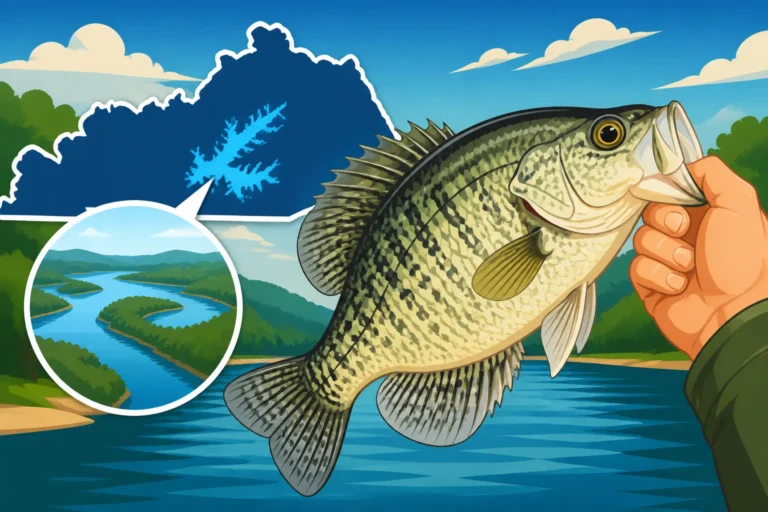
| Crappie (Black/White) | 20 | No minimum size | Barren River Lake: 10-inch minimum |
| Catfish (Channel/Blue) | 15 (only 1 over 25") | No minimum size | N/A (Trophy Blue/Flathead often have different rules) |
| Walleye/Saugeye | 6 | 15 inches minimum | N/A |
This table is a simplified overview, and each species often has more nuanced rules. For a comprehensive look, our guides like Statewide Bag and Size Limits by Fish Species, Kentucky Statewide Bass Limit: 12 Inches, 6 Fish a Day, and Kentucky Crappie Daily Limit Rules are excellent resources. Specifically, if you're planning a trip to Western Kentucky, you'll definitely want to read up on the Lake Barkley Bass Size Limit Exception in Kentucky. And for our crappie enthusiasts, understanding the Barren River Lake Crappie Size Limit in Kentucky is key. Catfish anglers should also be aware of the Kentucky Catfish Daily Limit and Trophy Fish Rule.
Practical Tips for a Responsible Free Fishing Weekend
So, you know the license is waived, but the limits are not. Great! Now, how do you make sure your Free Fishing Weekend is not only fun but also fully compliant and truly responsible? It all comes down to a little preparation and a commitment to ethical angling.
Researching Your Chosen Fishing Spot
The single most important step you can take for a successful and compliant Free Fishing Weekend is to research your specific fishing spot before you leave the house. Don’t just assume statewide rules apply everywhere. The Kentucky Department of Fish and Wildlife Resources (KDFWR) website is your best friend here. They have an interactive map and detailed listings for most public lakes and rivers, often including a "Special Regulations" section for each body of water.
Think of it this way: you wouldn't drive to a new city without a map or GPS, right? The same goes for fishing. Take 10-15 minutes to look up the exact lake or river you plan to fish. Check for any specific length limits on bass, slot limits for crappie, or unique rules for catfish. Some popular spots might even have regulations posted directly at boat ramps or access points, but it's always better to know beforehand. Print out the regulations for that specific lake or save them on your phone so you have them readily available. Being prepared shows respect for the resource and the law. This forethought ensures you're not caught off guard by a well-meaning game warden. You can also pick up a physical copy of the KDFWR fishing guide which contains all these regulations and can be found at local sporting goods stores or even ordered online through retailers like Amazon, making it a handy resource to keep in your tackle box.
Essential Gear and Preparedness
Even though it’s "free" fishing in terms of licenses, you still need the right gear and a safety-first mindset. Make sure you have appropriate rods, reels, line, and tackle for the species you’re targeting. For example, if you’re taking kids out, a simple spincast combo with some worms and bobbers is often all you need for bluegill or small bass. If you plan on doing any boating, remember that all standard boating safety regulations apply. This includes having enough U.S. Coast Guard-approved life jackets for everyone on board, especially for children under 12, who must wear them at all times while the boat is underway.
Don't forget a basic first-aid kit, plenty of water, sunscreen, and bug spray. A cooler with ice is essential if you plan to keep any fish within the legal limits. A measuring tape or a fish ruler is also a non-negotiable item for Free Fishing Weekend, as you'll need to accurately measure your catch to ensure it meets size requirements. You can find excellent, durable fish rulers designed to stick to your boat or tackle box on Amazon, which can be a real lifesaver when you're on the water. Proper preparation extends beyond just bait and hooks; it's about creating a safe, comfortable, and ultimately more enjoyable experience for everyone involved. For boaters, understanding Life Jacket Rules for Boats in Kentucky is paramount for a safe trip.
Embracing the "Catch and Release" Ethos Even When You Can Keep Them
Free Fishing Weekend is a fantastic opportunity to introduce newcomers to the sport, and a big part of responsible angling is understanding the value of catch and release. While you absolutely can keep fish that meet the bag and size limits, consider encouraging a catch-and-release ethos, especially for larger fish or if you’re just fishing for fun. This helps maintain healthy fish populations and ensures there are plenty of fish for future generations.
If you do choose to release fish, handle them with care. Wet your hands before touching the fish to protect their slime coat, use de-barbed hooks when possible to minimize injury, and get them back into the water quickly. Observing how a fish swims away strongly after being released is a rewarding experience in itself. It teaches respect for the resource and helps solidify the idea that fishing isn't just about what you take home, but the entire experience of connecting with nature. It’s a chance to educate new anglers on sustainable practices, showcasing that even during a free fishing event, our responsibility to the environment never takes a holiday.
Disclaimer
The information provided in this guide is for general informational purposes only and does not constitute legal advice. Fishing regulations can change, and it is the angler's responsibility to consult the most current Kentucky Department of Fish and Wildlife Resources (KDFWR) regulations before fishing. Always verify statewide and site-specific rules.