Trout Fishing in Kentucky: Rainbow, Brook, Brown and Lake Trout
Many anglers across Kentucky might feel like trout fishing is a niche sport, limited to a few obscure streams or special stocking events, making it seem inaccessible or overly complicated. But let me tell you, the Commonwealth offers a surprisingly diverse and rewarding trout fishery, far beyond what many initially imagine. This comprehensive guide is here to demystify trout fishing in Kentucky, breaking down everything you need to know about the different species you can encounter, where to find them, and the best ways to bring them to the net.
Understanding Kentucky's Trout Species
When we talk about trout in Kentucky, we're not just talking about one type of fish. There are several distinct species that call our waters home, each with its own quirks and preferred habitats. Knowing these differences is key to understanding where and how to target them effectively, transforming a hopeful cast into a successful one.
Rainbow Trout: The Stocking Stalwart
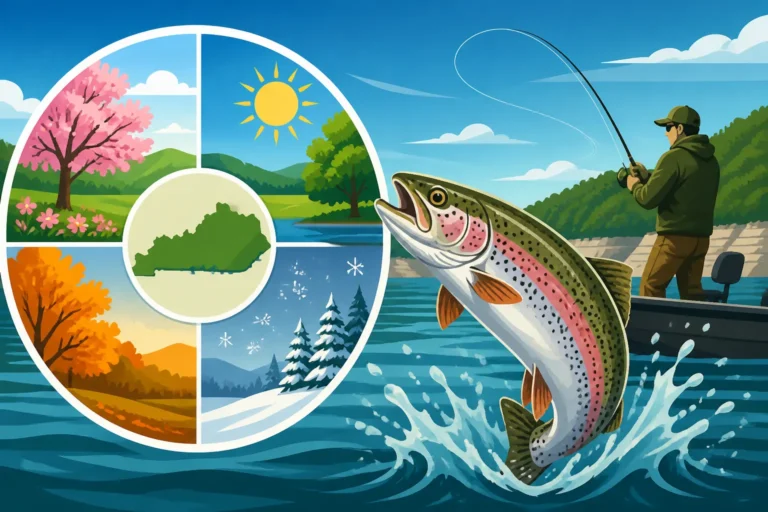
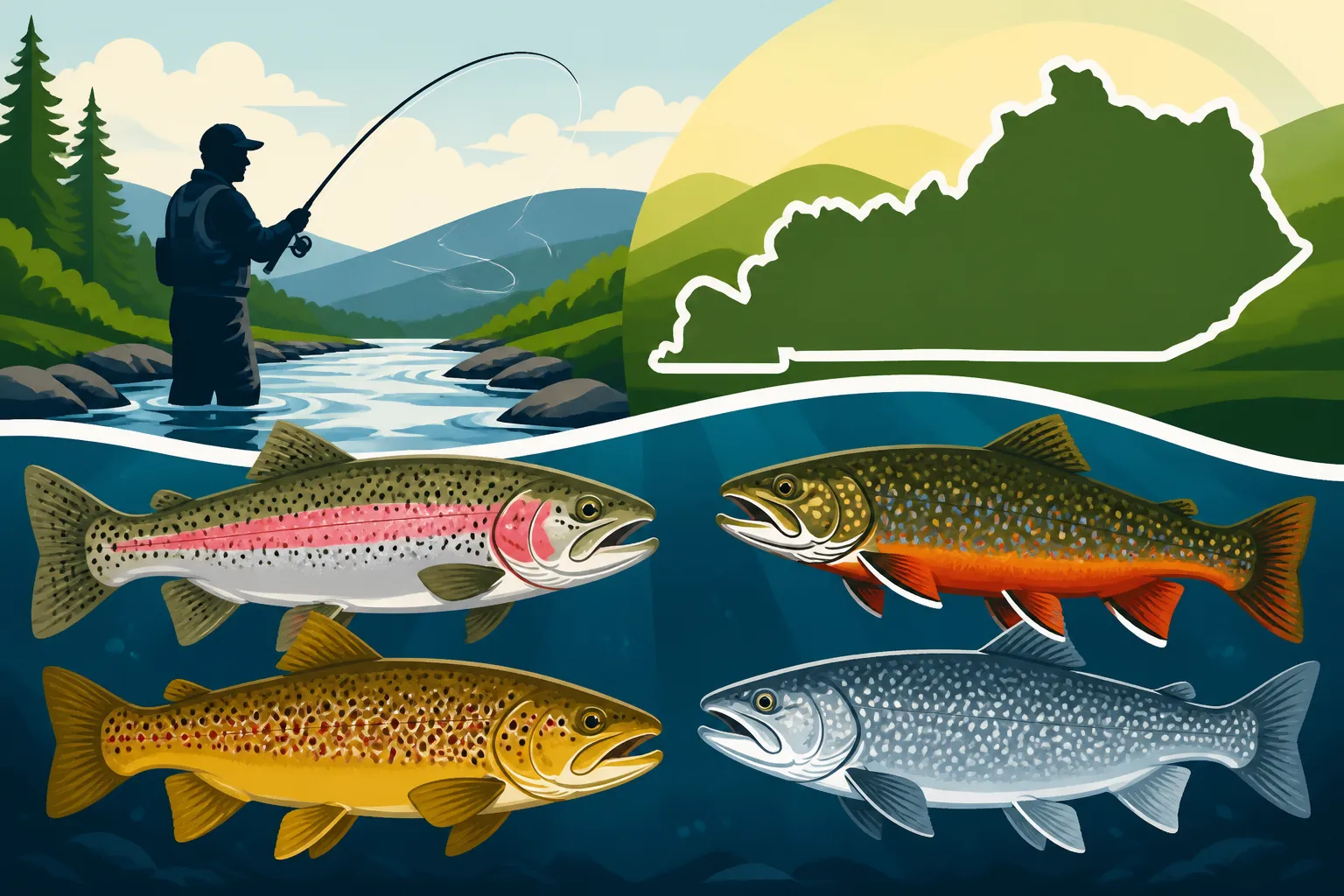
Rainbow trout are undoubtedly the most common trout species you'll encounter in Kentucky, thanks to an active and successful stocking program by the Kentucky Department of Fish and Wildlife Resources (KDFWR). These beautiful fish, easily identified by the iridescent pink or red band running down their side, are beloved by anglers for their feisty fight and willingness to strike a variety of baits and lures. They thrive in cooler, well-oxygenated waters, which is why you'll often find them in tailwaters below dams and numerous smaller lakes and streams across the state.
The stocking program ensures that many waters, even those that wouldn't naturally support trout populations year-round, offer excellent fishing opportunities. These "put-and-take" fisheries are fantastic for beginners and seasoned anglers alike, providing consistent action throughout much of the year. While many stocked rainbows are pan-sized, offering delicious table fare, some grow surprisingly large, especially in nutrient-rich environments.
Anglers often look forward to the spring and fall stocking periods when fresh batches of rainbows are released. These fish are generally quite eager to bite as they acclimate to their new surroundings. Locations like Lake Cumberland, the Cumberland River tailwater, and various community lakes are prime spots to target these readily available fish. Don't underestimate their fighting spirit; even smaller rainbows can put a good bend in a lightweight rod.
Brook Trout: Kentucky's Native Gem
While rainbow trout are widely stocked, the brook trout holds a special place in Kentucky as its only native trout species. These stunning fish, with their worm-like markings (vermiform patterns) on a dark olive-green back and vibrant red spots often ringed with blue halos, are truly a sight to behold. They are also known for their bright white leading edges on their lower fins, which can be quite striking. Unlike the robust rainbows, brook trout prefer the pristine, cold, headwater streams of Eastern Kentucky, particularly in the Appalachian mountains.
Finding wild brook trout in Kentucky means venturing into some of the state's most remote and beautiful wilderness areas. These streams are often small, swift, and heavily canopied, providing the ideal habitat for these sensitive fish. Their populations are much more fragile than stocked trout, and as such, they are often managed under special regulations to ensure their long-term survival. Catch-and-release is a common practice in many of these wild brook trout streams.
Targeting brook trout is a unique experience, often requiring a stealthy approach and lighter tackle. These fish are typically smaller than their rainbow or brown trout counterparts, but what they lack in size, they make up for in beauty and the challenge of fishing their rugged domain. Success often comes from careful presentation in tight quarters, and the reward isn't just the fish itself, but the privilege of experiencing Kentucky's untouched natural beauty. You can learn more about Brown Trout and Brook Trout in Kentucky's Cold-Water Streams.
Brown Trout: The Elusive European
Brown trout, originally from Europe, have been successfully introduced into various Kentucky waters, establishing self-sustaining populations in some key areas, most notably the Cumberland River tailwater below Wolf Creek Dam. These formidable fish are renowned for their cunning, strength, and impressive size potential, making them a highly sought-after trophy species. They are characterized by their olive-brown back, yellowish-brown sides, and distinct dark spots, often surrounded by lighter halos, sometimes with red or orange spots mixed in.
Unlike the more eager rainbow trout, brown trout are often more wary and selective, particularly the larger specimens. They are ambush predators that thrive in rivers with good structure, such as submerged logs, rock ledges, and undercut banks, where they can lie in wait for prey. Their preference for these deeper, more complex environments makes them a challenging but incredibly rewarding catch for experienced anglers.
While you might find some stocked brown trout in specific lakes, the Cumberland River tailwater is truly the jewel of Kentucky brown trout fishing. Here, they grow large and develop incredible fighting power, often making blistering runs and acrobatic leaps. Fishing for them often requires patience, persistence, and a keen understanding of their behavior. Many anglers consider a trophy brown trout from the Cumberland River to be the pinnacle of Kentucky trout fishing.
Lake Trout: A Rarity in the Commonwealth
When it comes to trout in Kentucky, lake trout are definitely the anomaly, the rarest of the rare. You might be surprised to hear they even exist here, and for good reason: they are almost exclusively found in the deep, cold waters of Lake Cumberland. These magnificent fish are native to northern latitudes and require very specific conditions to survive, let alone thrive. They are characterized by their pale spots on a dark grey or olive background, a deeply forked tail, and a generally robust, elongated body shape.
Lake Cumberland's immense depth and the cold-water releases from Wolf Creek Dam create a unique thermal refuge that allows a small, self-sustaining population of lake trout to persist. However, targeting them successfully is a specialized endeavor. They typically inhabit the deepest, coolest sections of the lake, often preferring depths well over 50 feet, making them difficult to locate and present baits to. Anglers often need specialized gear, including heavy jigging spoons, downriggers, or lead core lines, to reach these deep-dwelling giants.
Catching a lake trout in Kentucky is truly a bucket-list achievement for many anglers. It's not an everyday occurrence, and it demands dedication, specialized techniques, and often a good fish finder to locate the thermocline and potential holding areas. While the numbers are low compared to other trout species, the sheer size and unique challenge of a Lake Cumberland "laker" make the pursuit incredibly exciting. You can delve deeper into Lake Trout Fishing in Kentucky: What to Know.
Where to Find Trout in Kentucky
Knowing which trout species inhabit Kentucky waters is one thing, but pinpointing their exact locations is another. Kentucky's diverse geography offers a variety of habitats, from large reservoirs to tiny mountain streams, each supporting different types of trout fisheries.
Tailwaters and Coldwater Releases
The most prominent and productive trout fishing in Kentucky occurs in tailwaters, specifically below large dams that release cold water from the bottom of their reservoirs. This consistent flow of cold, oxygen-rich water creates ideal conditions for trout, even in a generally warm-water state like Kentucky.
The undisputed king of Kentucky's tailwater fisheries is the Cumberland River below Wolf Creek Dam, which impounds Lake Cumberland. This river is a world-class trout destination, renowned for its incredible populations of rainbow and brown trout. The cold water released from the dam, sometimes as low as the mid-40s Fahrenheit, allows these trout to thrive and grow to impressive sizes. Anglers often fish from boats, drifting or trolling, or wade the accessible sections during periods of low water generation. The river offers a mix of deep pools, swift runs, and gentle glides, providing diverse habitats for trout. It's a place where fly anglers can spend hours casting to rising fish, and spin anglers can pull out trophy browns.
Other tailwater areas, though perhaps not as famous as the Cumberland, also offer opportunities. These spots might have smaller trout populations or be stocked less frequently, but they can still provide excellent fishing, especially after recent stockings. Always check with the KDFWR for current stocking schedules and specific regulations for these locations. The consistency of cold water is the key ingredient, and it's what makes these fisheries so special.
Stocked Streams and Lakes
Beyond the major tailwaters, the KDFWR actively stocks numerous smaller streams and lakes across the state, creating convenient and accessible trout fishing opportunities closer to urban centers and rural communities. These "put-and-take" fisheries are primarily stocked with rainbow trout, designed to provide immediate angling enjoyment.
These stocked waters vary widely in size and character, from small municipal ponds like Kinney Lake in Madisonville or Bert T. Combs Lake in Clay County, to larger lakes and stream sections. Many state park lakes and urban fisheries are part of this program, making trout fishing a family-friendly activity that's easy to access. The goal is to provide diverse angling experiences, and these locations often see heavy stocking pressure, especially in the spring and fall.
When targeting these stocked waters, timing can be everything. Fishing shortly after a stocking event often yields the best results, as the trout are still acclimating and typically quite aggressive. Light spinning tackle with corn, salmon eggs, powerbait, or small spinners and spoons are often highly effective. Fly anglers can also do well with simple nymph patterns or attractor flies. These waters are perfect for a quick trip after work or a weekend outing with the kids.
Wild Trout Streams
For the adventurous angler seeking a more primitive and challenging experience, Kentucky offers a scattering of wild trout streams, primarily in the eastern part of the state. These are the natural domains of Kentucky's native brook trout, and occasionally, self-sustaining populations of brown or rainbow trout might be found, particularly in larger tributaries or cold-spring fed creeks.
These streams are typically high-gradient, heavily forested, and often require some hiking to reach. The water is usually crystal clear and incredibly cold, fed by mountain springs. The fish here are not necessarily large, but they are wild, beautiful, and hard-earned, providing an immense sense of accomplishment. Anglers often employ ultralight spin gear or Tenkara rods, or tight-line nymphing techniques with fly rods, to navigate the tight casting quarters and present small offerings naturally.
Fishing wild trout streams is about more than just catching fish; it's about immersing yourself in nature and appreciating the delicate ecosystems that support these resilient creatures. Ethical angling practices, particularly catch-and-release, are paramount in these sensitive environments to protect their fragile populations. Always consult the KDFWR regulations for specific stream sections, as some may have special limits or gear restrictions.
Unique Lake Trout Habitat
As mentioned earlier, Lake Cumberland stands out as Kentucky's singular destination for lake trout. This massive, deep reservoir provides the only significant habitat for this cold-water species in the state. While Lake Cumberland is famous for its striped bass and other warm-water species, its immense depth (over 200 feet in some areas) and the release of cold water from Wolf Creek Dam create a distinct environment suitable for "lakers."
Targeting lake trout in Lake Cumberland is not for the faint of heart or the casually equipped. These fish prefer water temperatures in the mid-40s to low-50s Fahrenheit, which means they spend much of their time in the deepest sections of the lake, especially during the warmer months. Successful anglers often rely heavily on sonar technology (fish finders) to locate submerged structure, baitfish schools, and the thermocline where the lake trout are likely holding.
Specialized techniques like vertical jigging with heavy spoons or large soft plastics, or trolling with downriggers and large crankbaits or bucktail jigs, are typically employed. Anglers will often spend hours methodically working vast expanses of water to find these elusive fish. When you hook one, however, be prepared for a strong, deep fight. While not as acrobatic as rainbows or browns, their sheer power and stamina are impressive. Winter Trout Fishing at Kentucky's Lake Cumberland can be particularly productive.
Essential Gear for Kentucky Trout Fishing
Having the right gear is crucial for a successful and enjoyable trout fishing experience in Kentucky. While some basic tackle might get you by in stocked ponds, targeting wild brook trout in mountain streams or deep lake trout in Lake Cumberland requires more specialized equipment. Thinking about what you need beforehand can save you a lot of frustration on the water. Many anglers find great deals and a wide selection of specialized trout gear on platforms like Amazon, making it easy to prepare for any type of trout adventure.
Rods, Reels, and Line Selection
The "ideal" rod, reel, and line setup for trout fishing in Kentucky truly depends on the species you're targeting and the environment you're fishing in. There's no one-size-fits-all, but generally, lighter is better when it comes to trout.
For most stocked rainbow trout in lakes and larger streams, a lightweight spinning combo is a fantastic choice. A 6-foot to 7-foot ultralight or light-action spinning rod paired with a small spinning reel (size 1000 or 2000) spooled with 4 to 6-pound monofilament or fluorocarbon line is usually perfect. This setup offers sensitivity for detecting subtle bites and enough backbone to handle a feisty rainbow. If you're targeting bigger brown trout in the Cumberland River, you might step up to a medium-light action rod and 6- to 8-pound line for better casting distance and control. Fly anglers will find a 4 to 6-weight fly rod, about 8.5 to 9 feet long, with a matching reel and floating line to be versatile for most situations, allowing for delicate dry fly presentations and nymphing.
When you venture into tight, wild brook trout streams, the need for light tackle becomes even more pronounced. A shorter (5 to 6-foot) ultralight spinning rod or a small fly rod (2 or 3-weight) is ideal for navigating dense brush and making accurate short casts. For line, 2 to 4-pound test monofilament is often sufficient for spin fishing, offering excellent stealth. Fly anglers might opt for even shorter rods, or Tenkara rods, which are incredibly effective in brushy streams. Conversely, for lake trout in Lake Cumberland, you'll need significantly heavier gear. This could mean a medium-heavy conventional rod with a stout baitcasting reel spooled with 20 to 30-pound braided line, often with a fluorocarbon leader, to handle the depth, current, and potentially massive fish.
Baits, Lures, and Flies for Each Species
The vast array of baits, lures, and flies available for trout can be overwhelming, but focusing on what each species prefers in its respective habitat can simplify your choices.
Rainbow trout are perhaps the least finicky. In stocked lakes and streams, they readily hit natural baits like corn, salmon eggs, and powerbait (dough bait or nuggets), often fished off the bottom with a small hook and sinker. Small inline spinners (like Panther Martin or Mepps), tiny spoons (Kastmasters, Little Cleos), and micro jigs are also highly effective on spinning gear. For fly anglers, anything from simple nymph patterns (Hare's Ear, Pheasant Tail) to attractor dries (Elk Hair Caddis, Adams) and even small streamers can elicit strikes. It's often about finding what the recently stocked fish are keyed into.
Brown trout, especially the larger ones, are often more predatory and selective. Live minnows, shiners, or even small crayfish can be excellent baits. For lures, try suspending jerkbaits, swimbaits, small crankbaits that imitate baitfish, and larger spinners. Fly anglers will often use streamers that mimic baitfish (Woolly Buggers, Sculpzillas) or larger nymph patterns in the deeper, swifter sections of rivers. When they are rising, however, they can be incredibly particular about matching the hatch with dry flies. Checking a reputable online retailer like Amazon for a variety of trout-specific lures and flies can help you stock your tackle box for different conditions.
Brook trout in wild streams typically respond best to natural presentations. Small worms, crickets, or grubs are excellent natural baits. Tiny spinners or spoons can work in larger pools, but often small, subtle offerings are best. Fly anglers will find success with small dry flies (such as an Adams or Royal Wulff in sizes 14-18) in the warmer months, or tiny nymphs and wet flies fished near the bottom. Stealth and a natural drift are key. For lake trout, the game changes dramatically. Large jigging spoons, heavy bucktail jigs, tube jigs, and deep-diving crankbaits are common. Live baitfish, if legal and available, can also be presented on downriggers. Finding specific Lake Cumberland lake trout tackle on Amazon might require a bit of searching, but it's worth it.
Wading Gear and Safety Essentials
Regardless of where you're trout fishing in Kentucky, having appropriate wading gear and safety essentials is paramount. Even small streams can have slick rocks and swift currents, and major rivers like the Cumberland can be treacherous if water levels rise unexpectedly.
For most stream and river fishing, a good pair of waders and wading boots is indispensable. Chest waders (neoprene for colder weather, breathable for warmer) will keep you dry and comfortable. Felt-soled wading boots offer superior grip on slippery rocks, though rubber soles with studs are gaining popularity for their versatility. A wading belt is not just for comfort; it's a critical safety item that can prevent your waders from filling completely with water in case of a fall, allowing you to regain your footing more easily. A wading staff can provide extra balance and help you probe depths before stepping.
Beyond wading gear, always carry a small first-aid kit, especially if you're venturing into remote areas. A multi-tool or knife, headlamp (even for daytime trips, just in case), extra water, and some high-energy snacks are also good ideas. If you're fishing from a boat, ensure all required safety equipment, such as life jackets, a fire extinguisher, and a whistle, are on board and easily accessible. Wearing a personal flotation device (PFD) is highly recommended for all trout fishing, whether from a boat or while wading, particularly in swift or deep waters. The cold temperatures of trout streams can quickly lead to hypothermia if an accident occurs. Always let someone know where you're going and when you expect to return. You can check the requirements for Kentucky Life Jacket Rules for Kids Under 12 and Kentucky Life Jacket Requirements for Every Boat Occupant in Kentucky.
Techniques for Catching Kentucky Trout
Trout fishing is as much an art as it is a science, and successful anglers often employ a variety of techniques to entice these wary fish. From classic spin fishing to the delicate dance of fly fishing, understanding different approaches will equip you for various conditions and trout behaviors in Kentucky.
Spin Fishing Strategies
Spin fishing is perhaps the most accessible and popular method for targeting trout, especially for beginners and those new to the sport. Its versatility allows anglers to effectively present a wide range of baits and lures. The key to successful spin fishing for trout lies in understanding water conditions and tailoring your presentation.
For stocked rainbows in lakes and slower-moving streams, still fishing with natural baits like PowerBait, corn, or salmon eggs is incredibly effective. Use a light leader (2-4 lb test fluorocarbon is great for invisibility) with a small hook, and a small split-shot or egg sinker to get your bait to the bottom. Let the bait sit, allowing the trout to find it. In moving water, casting small inline spinners or spoons upstream and retrieving them at a pace that allows them to "swim" naturally with the current can be deadly. Pay attention to how the current moves your lure and try to mimic small baitfish or insects. Vary your retrieve speed and depth until you find what the fish are reacting to.
Targeting larger brown trout in rivers like the Cumberland requires a more refined approach. Jerkbaits and small crankbaits that imitate baitfish are excellent choices. Cast these parallel to undercut banks, submerged logs, or rock piles – prime ambush points for browns – and retrieve with an erratic twitch-and-pause motion. For deep-water lake trout in Lake Cumberland, heavy jigging spoons or tube jigs are dropped directly below the boat to the depth where fish are marked on your sonar. Vertical jigging, with sharp upward snaps followed by a fluttering fall, can trigger aggressive strikes from these deepwater predators. Always consider the water clarity and choose lure colors that stand out or blend in accordingly.
Fly Fishing Approaches
Fly fishing offers a deeply rewarding and often more challenging way to connect with trout, particularly in wilder settings or for more selective fish. Kentucky's cold-water streams and the Cumberland River tailwater are prime venues for fly anglers.
Dry fly fishing is arguably the most iconic form of fly fishing, involving presenting an artificial fly that floats on the surface, mimicking an insect hatch. This method is incredibly exciting when trout are actively rising to feed on surface insects. Matching the hatch – using a fly that closely resembles the size, shape, and color of the natural insects currently present – is often crucial. For example, during a Caddis hatch on the Cumberland, a well-placed Elk Hair Caddis can be irresistible. The key is a delicate cast, a natural, drag-free drift, and a quick hook set when a trout sips or gulps your fly.
When trout aren't feeding on the surface, nymphing becomes the go-to technique. Nymphs imitate the subsurface larval and pupal stages of aquatic insects, which make up the bulk of a trout's diet. Techniques range from indicator nymphing (using a bobber-like indicator to detect strikes) to European nymphing methods (like Czech or French nymphing) that involve direct contact with your flies to feel subtle takes. Fly anglers on the Cumberland River often use multi-nymph rigs to cover different depths and present various patterns. Streamer fishing, using flies that imitate baitfish, crayfish, or leeches, is particularly effective for larger, predatory brown trout. Casting streamers across or down-and-across the current and retrieving them with varying strips and pauses can provoke aggressive strikes. You can find out more about Fly Fishing Techniques for Trout.
Bottom Fishing and Still Fishing
While fly fishing and active lure retrieval grab a lot of attention, sometimes the simplest methods are the most effective, especially for newly stocked or less aggressive trout. Bottom fishing and still fishing are tried-and-true techniques that often outperform more complex presentations.
Still fishing is exactly what it sounds like: casting your bait out and letting it sit motionless in the water, waiting for a fish to find it. This is a fantastic technique for stocked ponds and lakes where trout cruise around, relying on their sense of smell to locate food. Using baits like PowerBait, corn, or salmon eggs on a small hook, often suspended just off the bottom using a small marshmallow or a floating PowerBait nugget, can be incredibly effective. The key is patience, allowing the fish to discover your offering and take it confidently. This method is also excellent for younger anglers or those who prefer a more relaxed fishing experience.
Bottom fishing, which is a variation of still fishing, often involves using a heavier sinker to hold your bait firmly on the bottom. This is particularly useful in rivers or streams with current where you want your bait to stay in a specific spot. A popular rig is the "Carolina Rig" or an "egg sinker rig," where a sliding sinker is placed above a swivel, followed by a leader (12-24 inches) and a hook. This allows the fish to pick up the bait without feeling the weight of the sinker, making for a more natural presentation. This technique works well for channel catfish, too, but for trout, remember to keep your hook size relatively small and your bait appealing. Whether you're waiting for a subtle tap or a firm tug, these techniques offer a consistent way to catch trout without needing constant casting or intricate retrieves.
Best Seasons and Times to Fish for Trout
Understanding the seasonal patterns and daily habits of trout in Kentucky can dramatically improve your success rate. Trout, being cold-water species, are heavily influenced by water temperature, leading to distinct fishing opportunities throughout the year.
Year-Round Opportunities in Tailwaters
The Cumberland River tailwater below Wolf Creek Dam truly shines as a year-round trout fishery. The continuous release of cold water from the depths of Lake Cumberland maintains stable, trout-friendly temperatures regardless of the scorching summer heat or biting winter chill above the dam. This consistent environment means trout are active and feeding throughout all four seasons, making it a prime destination any time of year.
During the warmer months of summer, when most other Kentucky waters become too warm for trout, the Cumberland River remains a cold-water oasis. While surface activity might slow down, trout can be found in deeper runs and pools, often holding near oxygenated currents. Nymphing and streamer fishing are highly effective during this period. As water temperatures rise slightly, so does insect activity, leading to impressive hatches that can trigger aggressive feeding frenzies, particularly for brown trout.
In the winter, the stable water temperatures actually offer some of the most consistent fishing. While air temperatures might be cold, the water temperature rarely drops low enough to make the fish completely lethargic. Often, smaller midge and stonefly hatches occur, and trout will actively feed subsurface. Jigging spoons and heavier nymph rigs can be very productive. Spring and fall are often considered prime times due to mild weather and strong insect hatches, offering fantastic dry fly opportunities and aggressive feeding as trout bulk up. Kentucky's Lake Cumberland Trout Season Explained delves into this further.
Spring and Fall Stocking Seasons
For many Kentucky anglers, the spring and fall stocking seasons represent the most exciting times to target rainbow trout in the state's numerous stocked lakes and streams. The KDFWR strategically releases thousands of trout during these periods when water temperatures are cool enough for the fish to thrive and remain active.
Spring stockings typically begin as soon as water temperatures cool enough after winter or as they start to warm from their winter lows, usually around March and April. The fresh influx of hungry trout into ponds and smaller stream sections creates immediate action, making it an excellent time for beginners and families to get out and catch fish. The trout are often eager to bite on a variety of baits and small lures, as they adjust to their new surroundings. Many anglers plan their trips around the publicly available stocking schedules to maximize their chances.
Similarly, fall stockings provide another fantastic window of opportunity, usually from September through November, as summer's heat gives way to cooler temperatures. These fish are often larger than spring stockings and can be quite aggressive as they prepare for winter. The vibrant fall foliage often adds an extra layer of beauty to these fishing trips. While the primary goal of these stockings is "put-and-take" fishing, some fish may survive over winter in suitable waters, providing holdover opportunities the following year. This is also a good time to check Kentucky Trout Permit Guide to make sure your license is up to date.
Summer Tactics for Cooler Waters
While summer heat can make trout fishing challenging in many parts of Kentucky, it's not impossible, especially if you know where to look and what tactics to employ. The key is to find cooler water and fish during periods when trout are most active.
In smaller, wild trout streams in Eastern Kentucky, summer means fishing the shaded, oxygenated headwaters early in the morning or late in the evening. During the heat of the day, brook trout will retreat to plunge pools, spring seeps, or under dense cover where water temperatures remain tolerable. Using light tackle and presenting small, natural baits or dry flies with stealth and precision is crucial. Long periods of direct sunlight and high temperatures can stress these fish, so quick fights and minimal handling are important for catch and release.
For larger waters like the Cumberland River tailwater and Lake Cumberland, summer means going deep. On the Cumberland River, fish will concentrate in the deepest pools and runs, especially during periods of generation when oxygen levels are highest. Nymphing heavy rigs or deep-running streamers will be most productive. For lake trout in Lake Cumberland, they will be found in their deepest, coldest haunts, often requiring downriggers or heavy jigging spoons to reach them. Fishing at first light or dusk can sometimes bring fish shallower as well. Adapting to the thermal challenges of summer is crucial for continued trout success.
Winter Fishing Considerations
Winter trout fishing in Kentucky can be surprisingly productive, particularly in the state's tailwater fisheries. While many anglers pack away their gear for the colder months, those who brave the chill often find rewarding opportunities.
The Cumberland River tailwater, with its consistently cold-water releases, offers excellent winter trout fishing. The stable water temperatures mean that trout metabolism, while slowed, doesn't shut down entirely. Fish will still actively feed, often concentrating in deeper, slower pools and runs. Midges and small stoneflies can hatch even in cold weather, providing opportunities for fly anglers. Nymphing with small, weighted patterns is often the most effective method, along with slowly retrieved streamers or jigging small lures for spin anglers. Dress warmly in layers, including waterproof outer shells, and consider hand warmers to stay comfortable during long periods outdoors.
In stocked lakes and streams, winter fishing can be hit or miss. If a body of water retains its trout through the winter (i.e., it doesn't freeze solid or warm up too much), trout will become less active but can still be caught. Fishing deeper sections with slow presentations of natural baits or small jigs is often the best strategy. Ice fishing for trout is a possibility in Kentucky during particularly harsh winters when stable ice forms on some ponds, though this is a less common occurrence. Always prioritize safety on the ice, checking thickness thoroughly. No matter the method, a successful winter trout outing is incredibly satisfying, especially when you're one of the few anglers out on the water.
Regulations and Conservation for Kentucky Trout
Responsible angling is about more than just catching fish; it's about understanding and adhering to regulations, and actively participating in conservation efforts to ensure healthy fisheries for future generations. Trout, being a sensitive species, often have specific rules governing their harvest in Kentucky.
License and Trout Permit Requirements
Before you even make your first cast for trout in Kentucky, you need to ensure you have the proper licensing. This is not just a formality; it's a legal requirement and contributes directly to funding the conservation and management efforts that make trout fishing possible in the Commonwealth.
Every angler aged 16 and older must possess a valid Kentucky fishing license. This is your baseline requirement for fishing any public waters in the state. However, for trout, there's an additional requirement: a Kentucky Trout Permit. This permit is mandatory for anyone targeting or possessing trout, regardless of where you're fishing – whether it's the famed Cumberland River, a small stocked lake, or a remote wild brook trout stream. The only exceptions are during Kentucky's Free Fishing Weekend, but even then, special trout regulations like size and creel limits still apply. You can find detailed information on Kentucky Fishing License Guide and Kentucky Trout Permit Guide.
Purchasing your license and trout permit is straightforward. You can do it online through the KDFWR website, at various sporting goods stores (like some larger Walmart or Bass Pro Shops locations), or at county clerk offices. It's often convenient to purchase both your annual fishing license and trout permit at the same time. The funds generated from these permits go directly back into the trout program, supporting stocking efforts, habitat improvements, and research. So, when you buy that permit, you're not just getting permission to fish; you're investing in the future of Kentucky trout. You might wonder, Do You Need a Trout Stamp to Fish in Kentucky?, and the answer is yes, in the form of this permit. Also, remember to look into Kentucky Trout Permit Cost and Requirements.
Size and Creel Limits by Waterbody
Trout regulations, especially regarding size and creel limits (the number of fish you can keep), can vary significantly by waterbody in Kentucky. This is a critical point that many anglers overlook, potentially leading to fines or, worse, impacting fragile fish populations.
For most general stocked waters across the state, there's typically a generous daily creel limit for rainbow trout, often around 8 fish, with no minimum size limit. These are typically "put-and-take" fisheries, designed for anglers to harvest their catch. However, in sensitive or trophy trout waters, regulations become much stricter. For example, the Cumberland River tailwater has very specific and often changing regulations for brown and rainbow trout, sometimes including slot limits (where fish within a certain size range must be released) or reduced creel limits for certain species to promote the growth of larger fish. Always check the current KDFWR Fishing and Boating Guide before each trip, as regulations can change annually.
Wild brook trout streams in Eastern Kentucky often have the most restrictive regulations. Many of these streams are managed under catch-and-release only rules, or have extremely low creel limits (e.g., one or two fish) and often higher minimum size limits to protect the breeding population. These rules are designed to conserve these precious native populations, which are slower to reproduce and more susceptible to overfishing. It's not uncommon for anglers to avoid harvesting any brook trout out of respect for their wild nature. Understanding and adhering to these specific rules isn't just about avoiding penalties; it's about practicing responsible stewardship of Kentucky's unique trout resources.
Catch and Release Practices
While harvest is encouraged in many stocked "put-and-take" trout fisheries, practicing catch and release is a fundamental principle of trout conservation, especially when targeting wild trout, trophy brown trout, or any fish that you intend to put back to fight another day. Proper catch and release techniques significantly increase a fish's survival rate.
The goal is to minimize stress and physical harm to the fish. Here are some key practices: first, use appropriate tackle. Avoid overly heavy line or rods that prolong the fight, exhausting the fish. Conversely, don't use gear so light that you can't quickly bring the fish to hand. Second, use barbless hooks or pinch down the barbs on your hooks. Barbless hooks greatly reduce tissue damage and allow for quicker, easier removal. Many trout streams, particularly wild ones, require barbless hooks by regulation.
When handling the fish, keep it in the water as much as possible. Wet your hands before touching the fish to protect its delicate slime coat, which acts as a barrier against disease. Avoid squeezing the fish, especially around its gills or belly. If possible, remove the hook with forceps or pliers while the fish is still submerged. If you must lift it for a photo, do so quickly, supporting its body horizontally with both hands, never by the jaw or gills alone. Release the fish gently into the water, allowing it to recover before swimming away. If it seems disoriented, hold it upright in the current until it can swim strongly on its own. These small actions make a huge difference in trout survival rates, ensuring future generations of anglers can enjoy these magnificent fish.
Planning Your Kentucky Trout Fishing Adventure
A successful trout fishing trip in Kentucky doesn't just happen; it's the result of thoughtful planning and preparation. From knowing where the fish are being stocked to understanding local conditions, a little homework can go a long way in turning a hopeful outing into a memorable experience.
Finding Up-to-Date Stocking Schedules
For anglers targeting stocked rainbow trout, knowing the stocking schedule is like having a cheat sheet to success. The Kentucky Department of Fish and Wildlife Resources (KDFWR) makes a concerted effort to provide public information regarding their trout stocking program, and savvy anglers leverage this information.
The KDFWR typically publishes an annual stocking schedule, often broken down by season, listing the various lakes and streams that will receive trout, and sometimes even the dates or week ranges when stockings are anticipated. This schedule is usually available on their official website. Additionally, many KDFWR district fisheries biologists or local conservation officers might provide updates or more specific information through local channels, community pages, or their social media accounts. Regularly checking these resources is paramount if your primary goal is to target freshly stocked trout.
Why is this so important? Freshly stocked trout are often more aggressive and less wary than fish that have been in the water for a while. They are actively seeking food and are more likely to strike at a wider range of baits and lures. Fishing within a few days to a week after a stocking event can dramatically increase your catch rate. On the flip side, knowing when a stocking occurred can also help you avoid crowded conditions if you prefer a more solitary experience. A quick search before you head out, perhaps checking the KDFWR site via your phone or tablet before heading out, can make all the difference.
Working with Local Guides and Outfitters
For anglers seeking to maximize their chances, particularly on complex waters like the Cumberland River tailwater or for elusive species like lake trout, hiring a local fishing guide or consulting with a reputable outfitter can be an invaluable investment. These professionals possess a wealth of localized knowledge that's hard to replicate on your own.
A good guide knows the water intimately. They understand the nuances of current flow, generation schedules, fish movements, seasonal patterns, and which baits, lures, or flies are currently most effective. They also have the necessary gear, often including specialized boats for river fishing or sonar equipment for deep-water lake trout. This means less time figuring things out and more time with a line in the water. For example, a guide on the Cumberland River can put you on pods of rising trout during a hatch or show you precisely where trophy brown trout are holding. Many even offer instruction, helping you refine your casting or presentation techniques.
Outfitters, while not always directly guiding, can provide critical information, suggest appropriate gear, and often connect you with local guides. They also sell the tackle that is proven to work in their area, saving you from guessing what to buy. Before booking, check reviews, ask for references, and ensure the guide is licensed and insured. Discuss your goals for the trip – whether it's catching a lot of fish, targeting a trophy, or learning specific techniques – to ensure it's a good fit. While there's a cost involved, the experience and knowledge gained can fast-track your learning curve and lead to truly unforgettable catches.
Respecting Private Property and Public Access
Kentucky's landscape is a mix of public and private lands, and knowing the difference, as well as respecting property rights, is fundamental to being a responsible angler. While many prime trout waters are publicly accessible, some excellent stretches may border or run through private land.
Always assume that land bordering a stream or lake is private property unless clearly marked as public access. Trespassing, even unintentionally, can lead to legal issues and give anglers a bad reputation. Before heading out, especially to smaller streams or lesser-known spots, do your research. Check KDFWR maps, ask local bait shops, or consult with outfitters about designated public access points, fishing easements, or state-owned lands. Many stream sections have limited public access, often only at bridge crossings or designated parking areas.
When you do access public waters that may be adjacent to private land, be mindful of your presence. Park responsibly without blocking driveways or gates. Pack out everything you pack in – leaving no trace is essential. Avoid disturbing livestock, littering, or damaging fences. Remember that fishing from a public waterway does not always grant you the right to walk on adjacent private banks. In many cases, the stream bed itself might be public, but the land on either side is private. Showing respect for landowners and the environment ensures that these valuable fishing opportunities remain available for everyone. Knowing the specific rules for License-Required Waters Versus Private Ponds can also be very helpful.
Trout Species and Characteristics Table
To help you quickly identify the trout you might encounter in Kentucky and understand their key differences, here's a handy table:
| Species | Identification Features | Typical Size (Kentucky) | Preferred Habitat | Common Baits/Lures/Flies |
|---|---|---|---|---|
| Rainbow Trout | Pink/red lateral stripe, dark spots on body & tail, square tail. | 10-18 inches (stocked) | Stocked lakes & streams, tailwaters (Cumberland River). | PowerBait, corn, worms, spinners, nymphs, dry flies. |
| Brook Trout | Worm-like markings (vermiform) on dark back, red spots with blue halos, white leading edge on lower fins, moderately forked tail. | 6-12 inches (wild) | Cold, clear, headwater mountain streams (Eastern KY). | Small worms, crickets, tiny spinners, small nymphs, dry flies. |
| Brown Trout | Olive-brown back, yellowish-brown sides, dark spots often with light halos, sometimes red/orange spots, slightly forked to square tail. | 12-24+ inches (Cumberland River) | Tailwaters (Cumberland River), larger cold streams with structure. | Minnows, jerkbaits, streamers, large nymphs. |
| Lake Trout | Pale spots on dark grey/olive body, deeply forked tail, generally robust build. | 20-30+ inches (Lake Cumberland) | Deep, cold waters of Lake Cumberland (rare). | Heavy jigging spoons, tube jigs, deep-diving crankbaits, live bait. |
Disclaimer
This article is for general informational purposes only and does not constitute professional advice. Laws, prices and regulations vary by location and change over time. Consult a qualified professional for guidance on your specific situation.