How the Ohio River Produces Kentucky’s Biggest Catfish
If you've ever heard whispers of truly colossal catfish being pulled from Kentucky waters, chances are the conversation quickly turned to the mighty Ohio River. It's not just a rumor or a fish tale; anglers constantly grapple with absolute monsters in this expansive waterway. But what makes the Ohio River such a powerhouse, consistently churning out some of the biggest catfish in the state, and indeed, the region? This guide is going to dive deep into the unique conditions, abundant species, and proven techniques that make the Ohio River a trophy catfish mecca.
The Ohio River's Unique Ecosystem: A Catfish Paradise
The Ohio River isn't just a large body of water; it's a dynamic, intricate ecosystem perfectly suited for growing massive catfish. It's a lifeline stretching over 981 miles, forming Kentucky's northern border, and its sheer scale and diverse environment provide everything a catfish needs to thrive and reach truly epic proportions. It's a system that has, over time, consistently proven itself as a top-tier big cat fishery.
A River of Abundance: Forage and Food Sources
Imagine an all-you-can-eat buffet that never closes – that's essentially what the Ohio River offers its catfish. This river is teeming with a prolific array of forage fish, which forms the foundation of its ability to produce such large catfish. Species like gizzard shad and skipjack herring are particularly abundant, schooling in vast numbers. These baitfish are calorie-rich and provide the perfect energy source for catfish to pack on weight rapidly. Large blue catfish, especially, are voracious predators of these schooling fish.
Beyond the schooling baitfish, the Ohio River ecosystem supports a wide variety of other food sources. Mussels and clams are plentiful in many areas, offering a rich protein source that bottom-feeding catfish readily exploit. Crayfish, insects, and even smaller game fish contribute to the diverse diet of the river's catfish population. This constant and varied food supply means that catfish don't have to expend excessive energy searching for meals, allowing them to focus on growth and reaching their impressive sizes. Anglers often find success using natural baits that mimic these abundant food sources.
Depth, Current, and Structure: Ideal Catfish Habitat
The physical characteristics of the Ohio River are practically tailor-made for catfish, providing exactly the kind of habitat these powerful fish prefer for hiding, hunting, and growing. The river is characterized by significant depths in its main channels, often exceeding 50 feet, which offers sanctuary and stable temperatures for large fish, especially during extreme weather. These deep holes and channels are prime locations where trophy catfish will reside, particularly during colder months or when seeking refuge from heavy current.
Furthermore, the Ohio River's currents, while navigable, are robust and consistent. Catfish, especially blue catfish, are powerful swimmers that thrive in current. They use current breaks, eddies, and submerged structures to ambush prey without expending too much energy. The river bottom is a mosaic of different structures: rocky ledges, submerged log jams, sunken trees, old foundations, and bridge pilings. These features provide ambush points, cover from predators, and areas for smaller fish to gather, creating perfect hunting grounds for big catfish. The locks and dams along the Ohio River also create unique current dynamics and deep scour holes, concentrating both baitfish and the predators that feed on them, offering incredible opportunities for targeting giants. You can learn more about specific techniques in Best Catfish Fishing Holes on the Ohio River in Kentucky.
Water Quality and Catfish Health
It's easy to look at a large industrial river and assume its water quality isn't ideal, but the Ohio River has seen significant improvements over the decades. Stringent regulations and ongoing conservation efforts have led to a healthier aquatic environment than many might imagine. While challenges certainly remain, the overall improvement in water quality has been a crucial factor in the resurgence and robust health of the river's fish populations, especially catfish.
Cleaner water means less stress on fish, better oxygen levels, and a more vibrant food web, all contributing to healthier, faster-growing, and longer-lived catfish. This improved environment allows fish to reach their full genetic potential without being stunted by pollution or disease. The cleaner waters also support the prolific baitfish populations mentioned earlier, creating a positive feedback loop for the entire ecosystem. Healthy waters equal healthy fish, and healthy fish grow big!
The Catfish Species Thriving in the Ohio
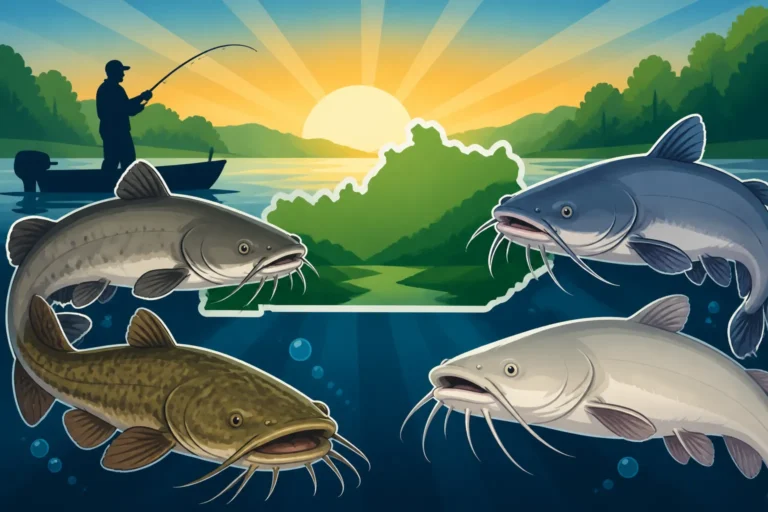
Kentucky is home to several species of catfish, but the Ohio River is particularly famous for three primary types that contribute to its reputation as a trophy fishery. Each species has its own characteristics, but all benefit immensely from the river's rich environment.
Blue Catfish: The River's True Giants
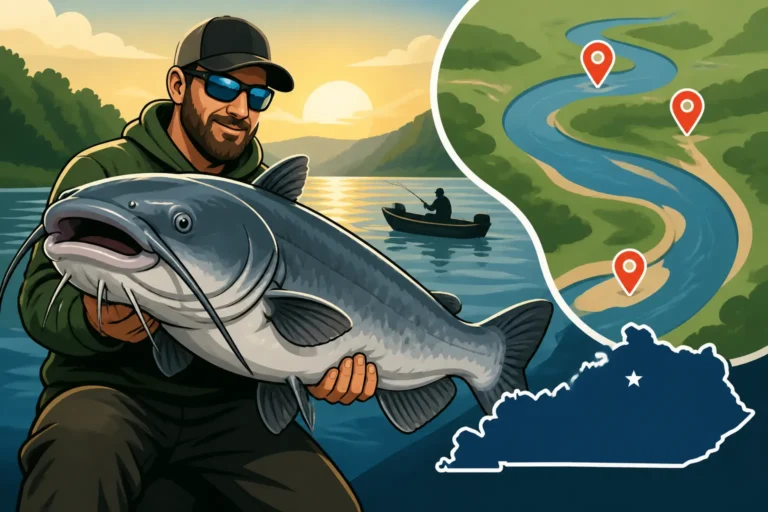
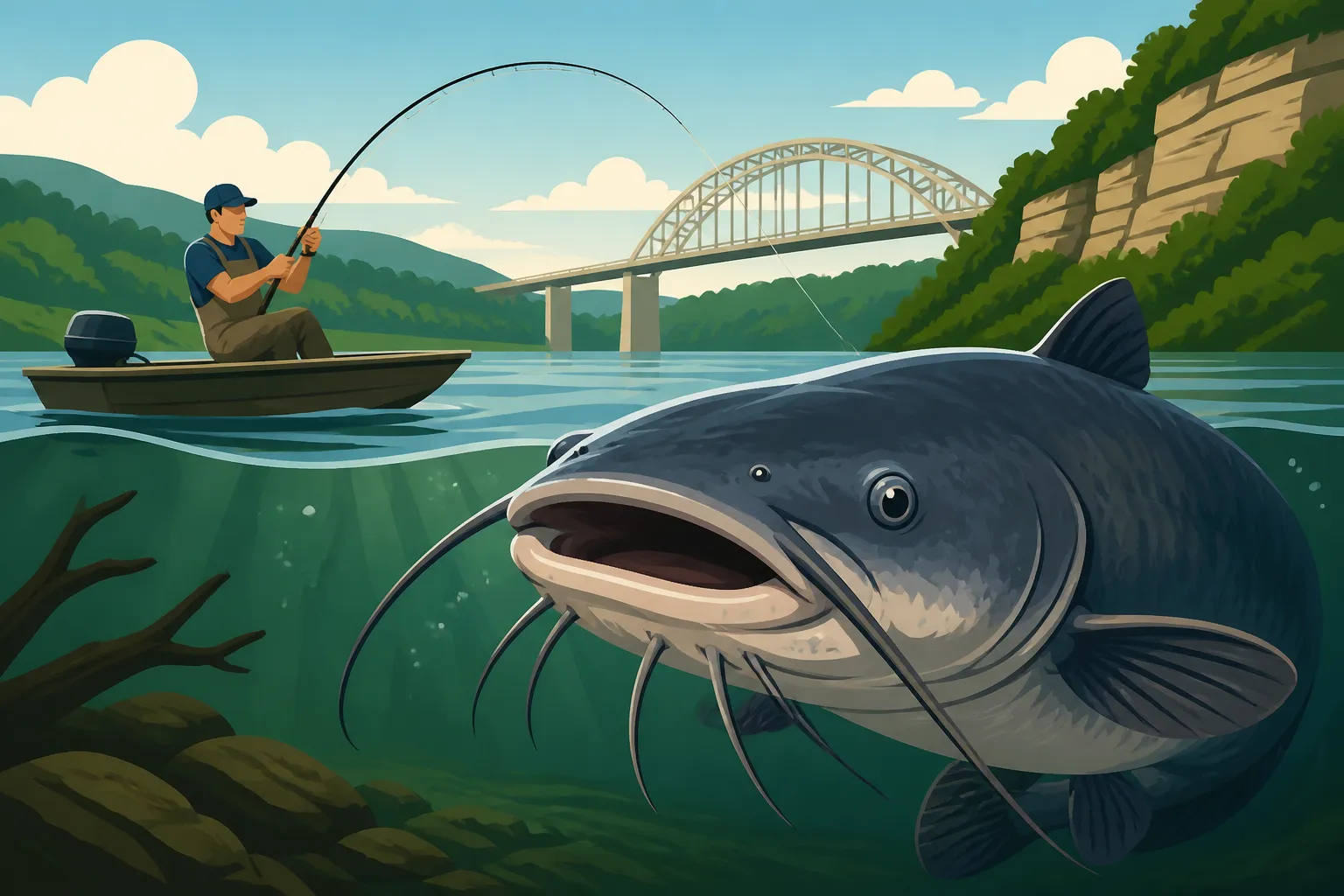
When anglers talk about "monster catfish" on the Ohio River, they are almost exclusively referring to the blue catfish. These magnificent fish are the titans of the Kentucky catfishing scene, capable of reaching truly astounding sizes. It's not uncommon for anglers to pull blues weighing 50, 70, or even over 100 pounds from the Ohio. The Kentucky state record blue catfish, weighing an incredible 106 pounds and 14 ounces, was caught from the Ohio River itself, cementing its legendary status. This river provides the perfect combination of deep, current-rich habitat and an endless supply of protein-packed forage to support such massive growth.
Blue catfish are primarily piscivorous, meaning they eat fish, and they are built for the strong currents of large rivers. They prefer deep holes, main channel runs, and areas with significant current. Their powerful bodies and broad tails allow them to hold their position in the strongest flows, where they lay in wait for schools of baitfish like shad and skipjack. Targeting these giants requires specific strategies and heavy gear, but the reward of hooking into one of these river monsters is unparalleled. Many serious anglers dedicate their entire efforts to chasing these legendary fish, often going on multiple trips before landing a true trophy. For more insights on where to find them, check out Blue Catfish Fishing Spots Near Kentucky's Ohio River.
Channel Catfish and Flathead Catfish
While blue catfish steal the show with their immense size potential, the Ohio River also boasts healthy populations of channel catfish and flathead catfish, both of which can grow to impressive sizes, though typically not quite as large as the biggest blues. Channel catfish are perhaps the most widespread and recognizable catfish species, known for their distinct fork tail and spotted bodies when young. They are opportunistic feeders, eating a wide variety of foods from insects and crustaceans to dead fish and prepared baits.
On the Ohio, channel catfish can reach weights of 20 pounds or more, providing excellent sport and delicious table fare. They are often found in slightly shallower waters or areas with slower currents compared to blues, but they will readily venture into deeper channels for food. Flathead catfish, on the other hand, are ambush predators with a distinct flat head and a mottled, often yellowish-brown coloration. They are solitary and prefer to hide in log jams, brush piles, and other heavy cover, waiting for live prey to swim by. They are almost exclusively live-bait eaters, preferring live sunfish, carp, or suckers. Flatheads in the Ohio River can regularly exceed 40 pounds, with some reaching much larger sizes, offering a powerful, stubborn fight. Understanding the differences between these species is key to targeting them effectively, as outlined in Flathead Catfish Vs Channel Catfish: How to Tell Them Apart.
Fishing Strategies for Ohio River Trophy Catfish
Landing a trophy catfish from the Ohio River isn't just a matter of luck; it requires specific gear, knowledge of the river, and a good dose of patience. These are not small pond fish, and they demand respect in terms of equipment and technique.
Heavy Duty Gear is Non-Negotiable
When you're targeting fish that can easily outweigh a small child, your tackle needs to be up to the task. Light spinning gear simply won't cut it. For Ohio River trophy catfish, heavy to extra-heavy action rods are essential. These rods need a strong backbone to handle the immense power of a large catfish and the leverage to pull them out of heavy current and snaggy cover. Rods in the 7 to 10-foot range are popular, offering good casting distance and shock absorption.
Pair these robust rods with large, durable baitcasting reels capable of holding a significant amount of heavy line. Look for reels with strong drag systems that can withstand sustained runs from powerful fish. Line choice is equally critical; braided line in the 50 to 100-pound test range is highly recommended due to its superior strength, low stretch, and abrasion resistance, which is vital when fishing around rocks and submerged timber. You might find a great selection of these specialized rods, reels, and braided lines on Amazon, ready to be delivered for your next big trip. Don't skimp on terminal tackle either: use heavy-duty swivels, strong hooks (8/0 to 12/0 circle hooks are popular), and weights that can hold bottom in strong currents, often 3-8 ounces or even more. Get more ideas on essential equipment in Best Catfish and Paddlefish Gear for Kentucky's Ohio River.
Mastering Baits and Rigs for Giants
The bait you use is just as important as your gear, especially for trophy catfish. For blue catfish, fresh cut bait is king. Skipjack herring, shad, and carp are excellent choices, cut into large chunks. The oil and scent they release in the water are irresistible to big blues. Some anglers will even use whole skipjack or large pieces of carp for truly enormous fish. Live bait, such as bluegill, sunfish, or small carp, is a go-to for flathead catfish, which prefer live, struggling prey. For channel catfish, cut bait, chicken livers, shrimp, or even prepared stink baits can be effective.
Rigs need to be sturdy and designed to hold your bait on the bottom in strong current. The Carolina rig (also known as a slip-sinker rig) is a classic for its effectiveness in allowing the line to run freely, reducing resistance when a fish picks up the bait. A three-way rig is also popular, especially when you want to suspend bait just off the bottom or use two baits at different depths. Many anglers fishing the Ohio will anchor upriver of a promising spot and deploy multiple rods with different baits and rigs, covering a wider area and increasing their chances of a hookup. Remember, patience is a virtue in trophy catfishing; sometimes it takes hours for a big fish to find your offering. More details on optimal baits can be found in Best Bait for Blue Catfish Fishing.
Understanding Current and Structure
Catfish are intimately tied to current and structure in the Ohio River. Understanding how to "read the water" and identify prime locations is crucial for consistent success. Look for areas where the current flow changes: eddies behind bridge pilings, submerged wing dams, or islands create slack water where baitfish congregate, and catfish lie in ambush. Deep scour holes below dams or along outside bends of the river are also magnets for large catfish.
Pay attention to submerged timber, rock piles, and other bottom irregularities visible on your fish finder or marked on navigation charts. These structures offer cover and current breaks. Positioning your boat upstream of these spots and letting your bait drift into them is a common and effective strategy. During warmer months, catfish might move shallower, especially at night, but trophy-sized fish often hold in deeper, cooler water throughout the day. Knowledge of these patterns, combined with accurate bait presentation, will dramatically increase your chances of connecting with an Ohio River giant.
Why the Ohio River is a Big Catfish Mecca
Beyond the immediate fishing conditions, there are fundamental reasons why the Ohio River continually produces such impressive catfish. It's a combination of environmental factors and fishing pressure dynamics that allows these fish to truly thrive.
Less Pressure, More Growth
Unlike smaller lakes or ponds that can experience intense fishing pressure, the sheer vastness of the Ohio River provides a unique advantage for catfish populations. Many sections of the river are incredibly wide and deep, making it challenging for anglers to consistently fish every prime spot. This often translates to less overall pressure on the fish in certain areas, allowing them to live longer and grow larger without being caught repeatedly.
While popular access points and known honey holes certainly see their share of anglers, there are countless miles of river with deep channels, extensive log jams, and hidden structures that are difficult to reach or effectively fish. These less-pressured areas serve as sanctuaries where catfish can mature undisturbed for many years, accumulating size and age. This low-pressure environment is critical for any fishery aiming to produce truly gargantuan specimens, and the Ohio River delivers on this front.
Longevity and Genetics
The exceptional conditions of the Ohio River contribute to the longevity of its catfish population, a critical factor for growing trophy-sized fish. Big catfish aren't grown overnight; they require many years, even decades, to reach their immense sizes. The stable, food-rich environment, coupled with the ability to find sanctuary in deep, less-pressured areas, allows individual catfish to live out their full lifespans. A blue catfish can live for 20 years or more, and in the nutrient-rich waters of the Ohio, they have every opportunity to do so.
Furthermore, strong genetics play a role. Generations of catfish that have thrived in this challenging yet bountiful environment pass on traits that favor growth and survival. The combination of excellent forage, ideal habitat, and sufficient time means that the Ohio River is not just producing big fish by chance; it's a testament to a robust, healthy, and self-sustaining trophy fishery. These catfish are truly products of their environment, demonstrating the incredible potential when all the right elements align.
The Thrill of the Hunt
Ultimately, the Ohio River offers something truly special for the dedicated angler: the thrill of the hunt for a genuinely massive fish. There's a tangible excitement that comes with casting out into such a legendary body of water, knowing that at any moment, your rod could double over with a fish that might challenge the state record. It's a place where patience can truly pay off with an unforgettable battle against a true river giant.
The challenge of navigating its currents, understanding its depths, and outsmarting its seasoned inhabitants makes every catch a hard-earned victory. For many, the Ohio River isn't just a place to fish; it's an adventure, a proving ground, and a source of incredible stories. Whether you're a seasoned catfisherman or an aspiring trophy hunter, the Ohio River stands as an open invitation to test your skills against some of Kentucky's biggest and most impressive fish.
Ohio River Catfish Species Comparison
To help you distinguish between the magnificent catfish species you might encounter on the Ohio River, here's a quick comparison:
| Feature | Blue Catfish | Channel Catfish | Flathead Catfish |
|---|---|---|---|
| Typical Size | 20-100+ lbs (can exceed 100 lbs) | 5-20 lbs (can reach 30+ lbs) | 10-50 lbs (can exceed 100 lbs, but rarer than blues) |
| Body Shape | Large, robust, often silvery-blue | Slender, often spotted (especially when young) | Flat, broad head; mottled brown/yellow body |
| Tail Fin | Deeply forked | Deeply forked | Moderately forked or squared off |
| Diet | Primarily fish (shad, skipjack), mussels | Omnivorous (insects, crustaceans, fish, prepared baits) | Primarily live fish (bluegill, suckers, carp) |
| Preferred Habitat | Deep main channels, strong current, scour holes | Medium current, diverse habitats, sometimes shallower | Log jams, brush piles, heavy cover, moderate current |
| Mouth | Larger, superior (points slightly upward) | Medium, terminal (straight forward) | Wide, large, slightly inferior (points slightly downward) |
Disclaimer
This article is for general informational purposes only and does not constitute professional advice. Laws, prices and regulations vary by location and change over time. Consult a qualified professional for guidance on your specific situation.