Saugeye Vs Walleye: Which Fights Harder?
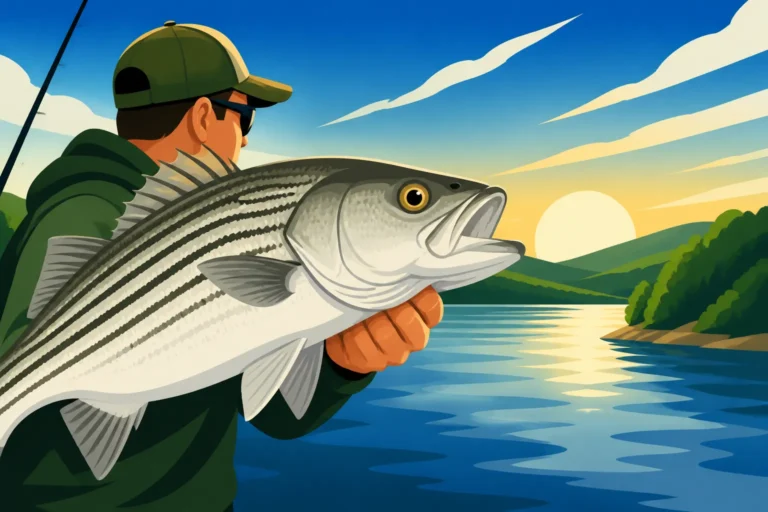
There's a question that gets tossed around fishing camps and tackle shops across Kentucky more often than you might think: when you hook into a walleye or a saugeye, which one is going to give you the tougher fight? It's a debate born from experience, as both of these fish are prized catches, but their lineage and habits often lead to distinctly different encounters at the end of your line. This guide will dive deep into the unique characteristics of each species, their preferred environments, and how these elements play into the adrenaline rush you feel when battling them.
The Age-Old Angler Debate: Walleye vs. Saugeye and Their Fighting Spirit
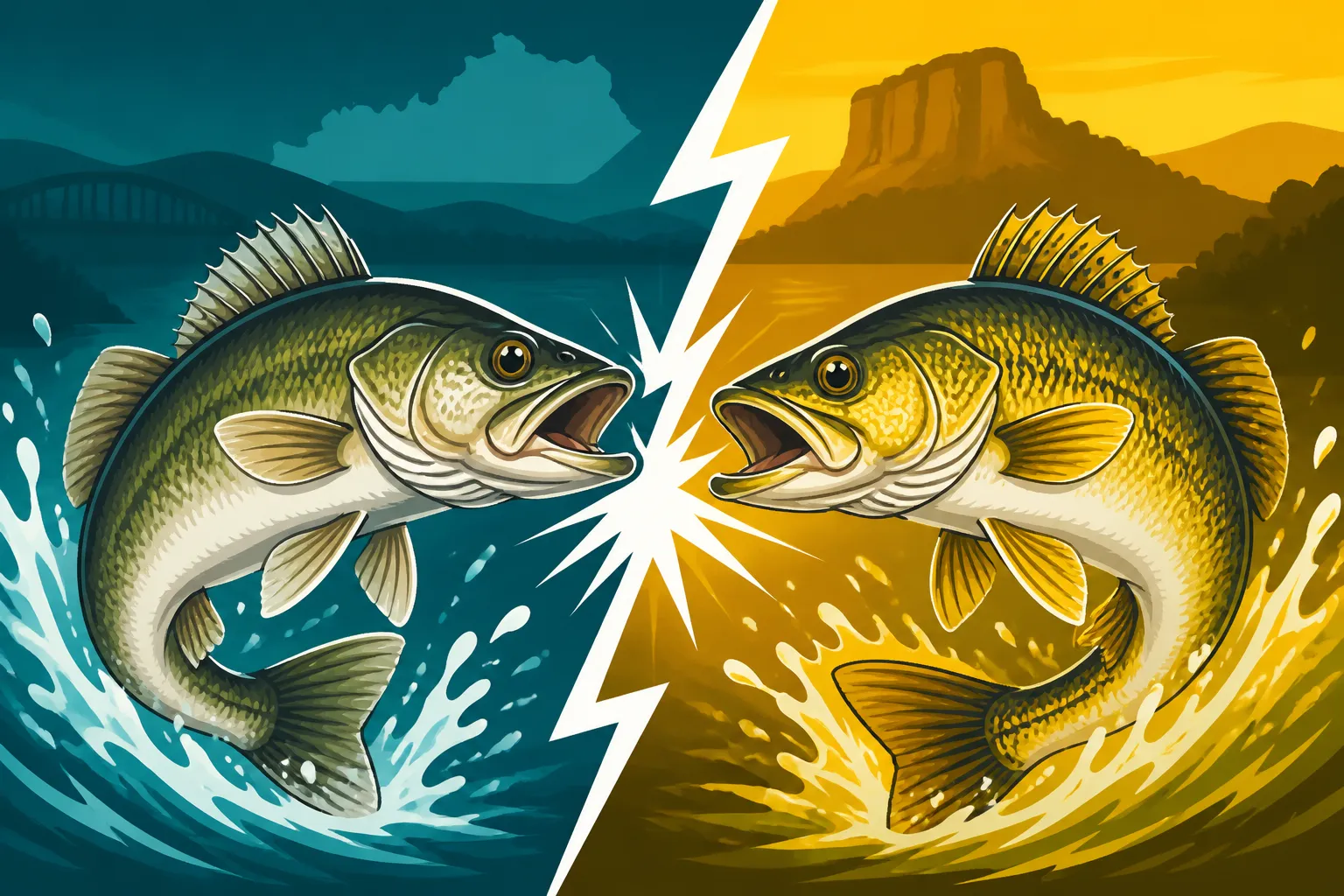
Every angler has their favorite fish to catch, and often that preference comes down to the thrill of the fight. The tug-of-war, the sudden runs, the head shakes—it’s all part of the excitement. Walleye and saugeye are both incredibly popular targets in Kentucky, known for their delicious fillets and the challenge they present. But when it comes to raw fighting power, there’s a nuanced difference that often sparks a friendly debate among seasoned fishermen. Some swear by the walleye's deep, sustained pulls, while others champion the saugeye's aggressive, erratic bursts. Understanding what makes each species tick is key to appreciating their unique fighting styles.
The Elusive Walleye: A Deceptive Fight
Walleye, often called "walleyed pike" by some old-timers, are a bit of an enigma. They're notoriously challenging to find and even more so to convince to bite, earning them a reputation as an elusive, ghost-like fish. But once you've successfully fooled one onto your hook, you're in for a real treat. Their fight, much like their bite, can be subtle at first, only to surprise you with unexpected bursts of power.
Walleye Characteristics and Preferred Haunts in Kentucky
Walleye are distinctive with their large, glassy eyes, perfectly adapted for low-light conditions, which is why they're often most active at dawn, dusk, or even through the night. They typically have a long, slender body, a dark back, golden-yellow sides, and a white belly. A key identifier is the distinct white tip on the lower lobe of their caudal (tail) fin, which is a good way to tell them apart from their sauger cousins. In Kentucky, walleye generally prefer large, clear, deep lakes and rivers with cool, oxygen-rich water and plenty of structure like rock piles, ledges, and submerged timber. You'll find them holding tight to these features, waiting to ambush unsuspecting baitfish. Lake Cumberland, for instance, is a renowned walleye fishery, boasting a healthy population that grows to impressive sizes.
When targeting walleye, anglers often employ vertical jigging, trolling with crankbaits, or slip-bobber fishing with live minnows. The key is often patience and precision, as walleye can be quite particular. Their subtle feeding habits mean you might not feel a violent strike, but rather a slight "thump" or simply the sensation of added weight on your line. This is where a sensitive rod, perhaps a medium-light graphite model you might find browsing on Amazon, really shines, allowing you to detect those faint bites that might otherwise go unnoticed.
The Walleye's Subtlety and Deep-Water Power
Now, let's talk about the fight itself. A walleye's fight often starts with a solid, unyielding pull. They tend to make strong, deep runs, using their broad sides to leverage the water and stay down. It’s not usually a "flashy" fight with a lot of jumps or acrobatics, but rather a powerful, sustained battle, especially when they've been pulled from deeper water. They will often head-shake vigorously, trying to dislodge the hook, and can suddenly surge downward just when you think you're bringing them close to the boat.
Many anglers describe the walleye fight as a series of heavy thumps and strong, unwavering pulls, almost like dragging a heavy wet sack that occasionally comes to life with surprising strength. The bigger the walleye, the more pronounced this deep-water power becomes. It’s a test of steady pressure and controlled reeling, rather than quick reflexes. You'll need to maintain constant tension to prevent them from spitting the hook or burying themselves in structure. For those who enjoy a determined, strong fight with moments of intense pressure, the walleye certainly delivers.
The Hybrid Warrior: Unpacking the Saugeye's Aggression
Enter the saugeye, a fascinating and increasingly popular game fish in Kentucky. The saugeye isn't a naturally occurring species; it's a hybrid, carefully cultivated by fisheries biologists by crossing a female walleye with a male sauger. This genetic blend gives them the best, or perhaps the most aggressive, traits of both parents. They are typically stocked in waters where pure walleye might struggle to thrive, offering anglers a fantastic alternative.
Saugeye: A Blend of Traits and Adaptability
Visually, saugeye are a beautiful mix. They generally possess the darker, mottled coloration of a sauger, often with distinct dark bars or blotches along their sides, but they typically have the more elongated body shape and larger eyes of a walleye. Like the walleye, they have large, light-sensitive eyes, but unlike pure walleye, their tail fin usually lacks the distinct white tip. Instead, it might be clear or have a yellowish tint with dark spots, more reminiscent of a sauger. Perhaps their most notable characteristic is their incredible adaptability. Saugeye can tolerate warmer, more turbid waters than pure walleye, making them excellent candidates for stocking in many of Kentucky's lakes and reservoirs. Lakes like Taylorsville Lake and Cave Run Lake are prime examples of thriving saugeye fisheries. This adaptability means they often grow faster and are more readily caught, providing a consistent angling experience. You can learn more about specific regulations in the Kentucky Fishing Regulations Explained article.
Their diet is broad, and they are opportunistic feeders. Anglers often find success using a variety of baits and lures, including crankbaits, jigs, spinnerbaits, and live bait like minnows or nightcrawlers. Because they can thrive in murkier water, they might be less line-shy than walleye, sometimes making them a bit more aggressive in their strikes. Understanding their habitat preferences is crucial for locating them, so consulting resources like Cave Run Lake Fishing Guide and Best Spots can be very beneficial.
The Spirited Fight of the Saugeye
Now, for the moment of truth: the saugeye fight. This is where many anglers claim the saugeye truly shines, often describing it as a more "energetic" or "spirited" battle compared to a pure walleye. Saugeye are known for their more aggressive strikes and will typically hit a lure or bait with more force. Once hooked, they tend to make faster, more erratic runs, often darting side-to-side and using quick, powerful surges.
It's not uncommon for a saugeye to make several short, powerful bursts followed by furious head shakes. They fight hard from the moment they feel the hook, often giving a good account of themselves all the way to the boat. This combination of aggressive strikes and dynamic runs makes them incredibly exciting to catch, especially for those who love a constant battle on the retrieve. If you're looking for a fish that gives you a constant thrill and keeps your rod bent with rapid movements, the saugeye is likely to impress. They truly are the hybrid warriors of Kentucky waters.
Head-to-Head: What Makes One Fight "Harder" Than the Other?
The question of which fish fights "harder" isn't always as simple as a direct species comparison. There are so many variables that come into play that can dramatically influence how any fish performs once it's on your line. Understanding these factors is crucial to appreciating why one angler might swear by the walleye's tenacity, while another extols the saugeye's explosive power.
The Factors Beyond Species: Size, Water, and Gear
Let's be realistic: a larger fish, regardless of species, will generally fight harder than a smaller one. A 25-inch walleye from Lake Cumberland is going to pull a lot harder than a 15-inch saugeye from a smaller lake. Beyond size, environmental conditions play a massive role. Water temperature, for instance, is a huge factor. Fish in cold water are often more sluggish, conserving energy, while those in warmer (but not too warm) water tend to be more active and, consequently, fight harder. A saugeye caught in warm, shallow water might feel like a much stronger fighter than a walleye pulled from the frigid depths.
Depth also makes a difference. Fish pulled from deep water often fight with a powerful, sustained pull due to pressure changes and the sheer energy it takes to pull them up. Fish in shallower water might have more room to run laterally, leading to a more erratic and visually exciting fight. Your gear is equally important. Using light tackle—a limber rod, thin line, and a smaller reel—will make even a modest fish feel like a monster. Conversely, heavy gear can make a strong fish feel rather subdued. A medium-light setup, often available from retailers like Amazon, is a versatile choice for both. For tips on appropriate tackle, you might find Best Rods and Reels for Kentucky Fishing helpful.
Angler Perceptions and the "Punch-for-Punch" Reality
Ultimately, much of the "who fights harder" debate comes down to individual angler perception and the specific circumstances of the catch.
Walleye are generally seen as more subtle biters, but once hooked, they deliver a determined, deep fight with powerful head shakes and long, strong runs that test your patience and steady hand. They don't typically jump or make crazy dashes, but their consistent, heavy pressure can be exhausting, especially for larger specimens from deep structure. They often feel like they're trying to simply swim away with brute force.
Saugeye, on the other hand, are often characterized by their more aggressive strikes and a faster, more erratic, and energetic battle. They tend to make quick, darting runs and powerful surges, keeping you on your toes with their unpredictable movements. They might not have the sustained, heavy pull of a deep-water walleye, but their bursts of speed and quick changes in direction can feel more dynamic and exciting in the moment. It's often described as a more "punch-for-punch" fight, where you're constantly reacting to their rapid movements.
Here's a quick comparison of their typical fighting characteristics:
| Feature | Walleye (Pure) | Saugeye (Hybrid) |
|---|---|---|
| Initial Bite | Often subtle, light tap or added weight | More aggressive, distinct thump or strike |
| Runs | Strong, deep, sustained pulls | Faster, more erratic, darting runs |
| Head Shakes | Vigorous, powerful head shakes from deeper | Frequent, quicker, often surface-oriented |
| Energy Level | Consistent, heavy pressure, endurance-based | Explosive bursts, dynamic, stop-and-go action |
| Feel on Line | Like a heavy, determined weight | Like an agile, quick-moving fighter |
| Location | Often deeper, cooler, clearer water | More adaptable, shallower, murkier water tolerated |
For many, the saugeye's aggressive nature and quicker, more varied fight is what gives it the edge in the "harder fighter" category, at least in terms of sheer excitement and immediate feedback on the rod. However, don't underestimate a large walleye's ability to simply wear you out with its stubborn, relentless power from the depths. It truly depends on what kind of fight you enjoy! You might want to grab some sturdy hooks and line from Amazon for these determined fighters.
Finding These Fighters in Kentucky Waters
Knowing which fish fights harder is one thing, but actually getting one on the end of your line is another! Luckily, Kentucky boasts some fantastic opportunities for both walleye and saugeye. Understanding their typical haunts and preferred environments will significantly increase your chances of a successful and exciting outing. Don't forget to check the Kentucky Fishing License Guide and Statewide Bag and Size Limits by Fish Species before you head out.
Prime Walleye Fishing Destinations
When it comes to pure walleye, Kentucky's crown jewel is undoubtedly Lake Cumberland. This massive reservoir, often celebrated as Lake Cumberland: Kentucky's Best All-Around Fishing Lake, offers deep, clear, cold waters that walleye absolutely love. Anglers here often target walleye by trolling with deep-diving crankbaits or spoons, especially around main lake points, submerged humps, and ledges. Vertical jigging over structure is also a highly effective method, particularly in deeper channels and river bends. The walleye population in Lake Cumberland is robust, and the fish grow to impressive sizes, making it a prime destination for those seeking that signature deep-water fight.
Other notable walleye fisheries include the tailwaters below major dams on the Cumberland and Kentucky Rivers, where current and oxygen levels create ideal conditions. While more challenging to target consistently than saugeye in some areas, the reward of a hard-fighting walleye from these pristine waters is well worth the effort. For those venturing into tailwaters, understanding how to fish current is essential. You might find general tips in How to Read Water for Fish Location.
Top Saugeye Hotspots in the Bluegrass State
Saugeye, being more tolerant of varying water conditions, are often found in a wider array of Kentucky lakes, especially those that are shallower and may have slightly murkier water. Some of the most productive saugeye lakes in the state include:
- Taylorsville Lake: This lake is consistently stocked with saugeye and offers fantastic opportunities. Anglers often find success casting jigs, crankbaits, or even using live bait around creek channels, points, and humps. The fish here are known for their aggressive bites and spirited fights. For more details, check out Taylorsville Lake Fishing Spots and Access Points.
- Cave Run Lake: While famous for its muskie, Cave Run Lake also has an excellent saugeye population. These fish thrive in its varied habitat, and you can catch them using similar techniques as in Taylorsville. The lake's abundant forage helps saugeye grow quickly, providing exciting action.
- Rough River Lake: Another solid saugeye destination where these hybrids are regularly stocked. The lake's numerous coves and structural elements provide ample hiding places for saugeye.
- Barren River Lake: While known for crappie and bass, Barren River Lake also receives saugeye stockings, offering another option for anglers looking for this feisty hybrid.
Saugeye are particularly active during low-light periods, much like walleye, but they can be caught throughout the day, especially if there's cloud cover or stained water. Many anglers find that saugeye will often be shallower than walleye, making them accessible to both boat and bank anglers. Whether you’re targeting walleye or saugeye, the thrill of the catch in Kentucky’s beautiful waters is an experience you won't soon forget.
Disclaimer
This article is for general informational purposes only and does not constitute professional advice. Laws, prices and regulations vary by location and change over time. Consult a qualified professional for guidance on your specific situation.