Best Bait for Sauger on Lake Barkley
Fishing for sauger on Lake Barkley can be incredibly rewarding, but it’s no secret that these elusive walleye cousins can be finicky. Many anglers struggle to pinpoint the right bait and presentation to entice a strike, especially when targeting them in a big system like Barkley. This guide is designed to cut through the confusion and equip you with the best bait choices and techniques to successfully catch sauger in this fantastic Kentucky lake.
Understanding Lake Barkley Sauger Behavior and Habitat
Before we even talk about hanging a hook, it’s crucial to get inside a sauger’s head (or, you know, understand their typical habits). Lake Barkley is a massive, productive fishery, and sauger here behave in ways that are pretty specific to this riverine reservoir environment. Knowing why a particular bait works means understanding where and when sauger are likely to be found, and what they're naturally looking for to eat.
Where Sauger Hide in Lake Barkley
Sauger are true bottom dwellers and they absolutely love current. Think of them like underwater sentinels, holding tight to structure where the current sweeps food past them. On Lake Barkley, this means you'll find them concentrated in specific areas. The river channel itself is a prime highway for sauger, especially where it snakes through the deeper parts of the lake. Look for abrupt depth changes, deep bends, and submerged humps or ledges that break the flow. These spots create current seams where sauger can hold comfortably, expending minimal energy while waiting for prey.
Another hotspot, especially during colder months, is near the Kentucky Dam and the tailwater areas below it. The consistent flow and oxygenated water here make it an irresistible draw. Deeper holes, rock piles, and even submerged timber within the main channel are also key hiding spots. Remember, Lake Barkley connects to Kentucky Lake via a canal, and this entire system is influenced by the Cumberland River's flow, so understanding the current patterns is paramount. Sauger will often be on the current-breaking side of any structure, just out of the main force, ready to dart out and grab a meal.
Sauger Feeding Habits and Seasonal Movements
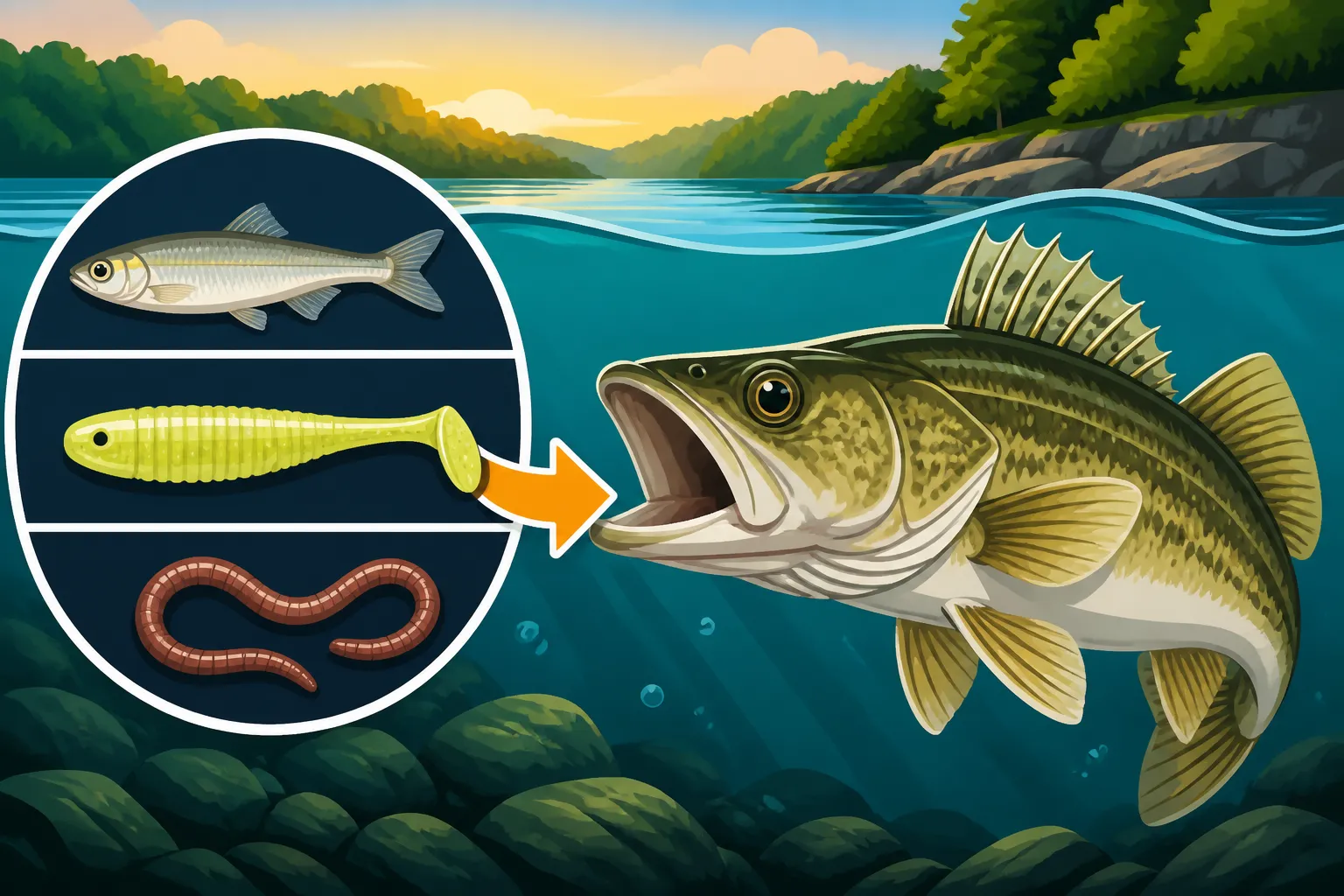
Sauger are opportunistic predators with a diet that primarily consists of smaller baitfish. In Lake Barkley, this usually means shad, especially gizzard and threadfin shad, along with various minnows. They have excellent low-light vision, which is why they often feed most actively during dawn, dusk, or even at night, and they thrive in stained or murky water where their superior eyesight gives them an edge over prey.
Their movements are heavily dictated by water temperature and current. As the water cools in fall and winter, sauger really start to stack up in the deeper river channels and holes, often migrating upstream to follow baitfish concentrated by falling temperatures. This is often When Is Sauger Season at Lake Barkley Kentucky, and a fantastic time to target them. In spring, as water temperatures begin to rise, they’ll move shallower to spawn, but still seek out current and hard bottom areas. During the summer, they might disperse a bit more, but will still be found in deeper, cooler water, often near thermoclines or in the main river channel where oxygen levels are stable. Always think: "where are the baitfish, and where's the current?" and you'll be on the right track for sauger.
Top Live Baits for Lake Barkley Sauger
When it comes to sauger, it’s hard to beat live bait. There’s something about the natural movement, scent, and texture that artificial lures, no matter how good, sometimes can’t replicate. On Lake Barkley, live bait is often the most consistent producer, especially when the bite is tough or the fish are less active.
Minnows: The Unbeatable Choice
If you ask seasoned sauger anglers on Lake Barkley what their go-to bait is, chances are "minnows" will be at the top of their list. Specifically, shiners or fathead minnows are often preferred due to their hardiness and lively action. Their natural erratic swimming motion is simply irresistible to sauger.
To rig them effectively, you have a few options depending on your technique. For vertical jigging or drifting, a simple single hook (like a Kahle hook or a small treble) through the minnow's lip or just behind the dorsal fin is common. Hooking them through the mouth and out the top of the head allows for a very natural presentation and keeps the minnow alive longer. If you're using a jig head, simply thread the minnow onto the hook, leaving the tail free to flutter. When How to Jig for Sauger in Cold Water, a slow presentation with a minnow can be deadly. Keep your minnows fresh and lively – a good aerated bait bucket is essential. You can usually find a good selection of live bait at local tackle shops around Lake Barkley.
Shad and Other Live Forage
While minnows are king, small shad can also be highly effective, especially if you can net them from Lake Barkley itself. Sauger are constantly feeding on the abundant shad population, so presenting a fresh, live shad can mimic their natural forage perfectly. However, be sure to check local regulations regarding the use of cast nets and possession limits for shad. Other small baitfish, like small bluegill or shiners, can also work, but the key is always live and local.
The effectiveness of live bait comes down to its ability to appeal to a sauger's primary senses. The visual flash, the subtle vibrations from its struggling movements, and the scent trail it leaves are all powerful attractants. When sauger are holding tight to the bottom in deep channels, a lively minnow struggling just off the bottom is often the only thing that will get their attention. Presentation is key: you want that bait to look like an easy meal, not something that's tied down. Consider using lighter line and less hardware to make the bait move as naturally as possible, especially in clear water conditions.
Effective Artificial Lures for Lake Barkley Sauger
While live bait holds a special place, artificial lures offer versatility, ease of use, and the ability to cover water more efficiently. Modern lure technology has come a long way, and many artificials are highly effective at mimicking a sauger’s natural prey. For those days when the live bait runs out or you just want to actively fish, these are your best bets on Lake Barkley.
Jigs: The Versatile Sauger Catcher
Jigs are arguably the most popular and versatile artificial lure for sauger on Lake Barkley. Their effectiveness lies in their ability to be presented vertically, mimicking an injured baitfish falling through the water column or a bottom-dwelling creature.
- Hair Jigs: These classic jigs, often tied with bucktail or marabou, provide a natural, pulsing action in the water. Colors like white, chartreuse, black, or combinations thereof are perennial favorites. The key is to use a weight that allows you to maintain consistent bottom contact in the current without dragging too heavily.
- Plastic-Tipped Jigs: Many anglers will tip a jig head with a small minnow, a piece of nightcrawler, or a soft plastic grub tail. This combination adds scent and extra visual appeal.
- Jig Heads with Soft Plastics: Small grub tails, tube baits, or minnow-shaped soft plastics (often 2-4 inches) on a lead jig head are incredibly effective. Chartreuse, white, pumpkinseed, and various shad patterns are excellent choices. The curl in a grub tail creates subtle vibrations that sauger can detect. Look for quality soft plastics and jig heads – you can find a huge variety of options on Amazon to experiment with different colors and styles for Lake Barkley.
When fishing jigs, the technique is usually a subtle lift-and-drop, keeping the lure just above or occasionally bouncing it off the bottom. Vertical Jigging Technique for Sauger is a primary method, especially in the deep channels.
Crankbaits and Blade Baits for Active Sauger
When sauger are more active, either because of feeding windows or stronger currents that push baitfish around, crankbaits and blade baits can be highly productive.
- Crankbaits: Medium-diving crankbaits that reach depths of 10-20 feet are excellent for trolling or casting along channel edges and points. Look for lipped baits that have a tight wobble, mimicking a swimming baitfish. Colors that imitate shad (silver, blueback, chrome) or crawfish (browns, oranges) are typically productive. Experiment with retrieve speeds and pauses. Some anglers find success trolling these along contour lines, keeping them just off the bottom.
- Blade Baits: These vibrating metal lures are fantastic for jigging or casting, especially in deeper water or strong current. Their tight vibration and flash can trigger aggressive strikes. Colors like silver, gold, or chrome are standard, but often have accents of chartreuse or orange. A lift-and-fall retrieve is common, allowing the blade bait to flutter on the drop, resembling a dying baitfish. These are particularly effective during Cold-Water Sauger Fishing at Kentucky's Lake Barkley when fish are less willing to chase. You can find many popular blade bait options on Amazon as well.
These lures are great for covering water and locating active fish, especially when you're exploring new areas of Lake Barkley Fishing Guide for Kentucky Anglers.
Soft Plastics and Grub Tails
Beyond tipping jigs, soft plastics, particularly small grub tails (often 1/8 to 1/4 ounce on a jig head), can be fished standalone and are incredibly effective. These lures offer a subtle presentation, and the soft plastic feels natural to a sauger once it takes the bait, often leading to longer holds.
The key to fishing soft plastics for sauger is a slow, deliberate retrieve. You want the grub tail to wiggle and undulate as it moves, mimicking a foraging minnow or insect. Popular colors include chartreuse, smoke with flake, pumpkinseed, and pearl white. Sometimes, a smaller profile is better, so don't be afraid to downsize to a 2-inch grub. These are excellent for drifting or slow-trolling, keeping the bait just a foot or two off the bottom, or even bounced directly on it.
Presentation Techniques for Success on Lake Barkley
Having the best bait means nothing if you don't present it correctly. Sauger are finicky, and their preference for bottom-hugging, current-driven environments means your technique needs to be precise. These strategies will help you put your chosen bait right in front of a sauger's nose on Lake Barkley.
Vertical Jigging in Channels and Drop-offs
Vertical jigging is perhaps the most iconic and consistently effective technique for sauger, especially in the deep, defined channels of Lake Barkley. This method involves positioning your boat directly over a concentration of fish or structure and dropping your lure straight down.
To master this, sensitive equipment is crucial. A medium-light spinning or casting rod with a fast tip, spooled with light braided line (6-10 lb test) and a fluorocarbon leader (8-10 lb test), will help you feel the subtle bites. Use your fish finder to identify sauger holding tight to the bottom in river channels, submerged timber, or along sharp drop-offs. Once positioned, drop your jig or live bait rig to the bottom, then lift it a few inches to a foot, and let it fall again. The key is to maintain constant contact with the bottom or just above it. Bites often feel like a subtle tick or simply added weight. When fishing near the dam, where current can be strong, heavier jigs might be necessary to stay vertical and maintain bottom contact. How to Find Sauger in Cold Water often involves seeking out these vertical jigging opportunities.
Drifting with Live Bait or Jigs
Drifting is another highly effective method, especially for covering more ground or when fish are scattered. This involves letting your boat (or kayak) be pushed by the current or wind while dragging your bait behind or below you.
For drifting live bait, many anglers use a three-way swivel rig. Tie your main line to one eye, a dropper line (about 6-12 inches) with a bell sinker to another, and a longer leader (2-4 feet) with your hooked minnow or shad to the third. The sinker keeps your bait near the bottom, while the leader allows the bait to swim naturally. You can also drift jigs or soft plastics on a similar rig, or simply use a heavy enough jig to maintain bottom contact as you drift. The speed of your drift is critical – too fast, and sauger won't have time to react; too slow, and you might not cover enough water. Often, a drift of 0.5 to 1.5 mph is ideal. Pay attention to changes in current and depth, and adjust your weight or line out accordingly.
Trolling for Wider Coverage
Trolling is an excellent strategy for covering vast areas of Lake Barkley, especially when sauger are spread out or during warmer months when they might be actively chasing baitfish in open water. This involves slowly moving your boat while dragging crankbaits or spinner rigs behind it.
Long-lining crankbaits or using planer boards to spread out multiple lines are common trolling techniques. Choose crankbaits that dive to the depth you're targeting – usually 15-30 feet in Lake Barkley’s channels. Match your lure colors to the prevalent baitfish, typically shad patterns, or bright colors in stained water. The speed of your troll is crucial; a slower pace (around 1.5-2.5 mph) often works best for sauger, allowing the lure to run true and giving the fish time to react. Varying your speed, making wide turns, and periodically pausing can trigger strikes. Trolling is particularly useful for locating new schools of fish or when Best Time of Day to Catch Sauger is during periods of moderate activity.
Comparing Live and Artificial Baits for Lake Barkley Sauger
To help you decide what to tie on, here's a quick comparison of the strengths of live and artificial baits for sauger fishing on Lake Barkley:
| Feature | Live Baits (Minnows, Shad) | Artificial Lures (Jigs, Crankbaits, Blade Baits) |
|---|---|---|
| Scent/Taste | Natural, irresistible scent and taste. | Often scented or infused, but rarely as natural. |
| Action | Lifelike, erratic swimming movements. | Designed to mimic baitfish, but angler-controlled. |
| Versatility | Limited to natural presentation; requires bait handling. | Wide range of shapes, colors, actions; no bait handling. |
| Ease of Use | Requires sourcing, keeping alive, and careful rigging. | Always ready; simply tie on and fish. |
| Cost | Ongoing expense for bait. | Higher upfront cost, but reusable for many trips. |
| Effectiveness | Often superior for finicky or inactive fish. | Excellent for active fish and covering water. |
| Target Species | Primarily sauger, but can attract other predators. | Can target various species depending on lure type. |
Ultimately, the "best" bait often comes down to the conditions on the day and the sauger's mood. Don't be afraid to experiment with both live and artificial presentations until you find what works. A good strategy is to have both options available, perhaps starting with artificials to cover water and switching to live bait when you locate fish or the bite slows down. Remember to always have your Kentucky Fishing License Guide and understand the Kentucky Fishing Regulations Explained before heading out.
Disclaimer
This article is for general informational purposes only and does not constitute professional advice. Laws, prices and regulations vary by location and change over time. Consult a qualified professional for guidance on your specific situation.