Best Bait for Chain Pickerel
Trying to figure out the best bait to tempt a feisty chain pickerel can feel like a guessing game, especially when you're new to targeting these toothy predators in Kentucky's waters. It's frustrating to spend a day on the water only to come up empty-handed because your bait selection wasn't quite right. This guide is here to cut through the confusion and equip you with the knowledge of what baits truly work for chain pickerel, helping you land more of these aggressive fish.
Understanding Chain Pickerel Behavior and Diet
Before we even talk about specific baits, it's crucial to understand the fish we're trying to catch. Chain pickerel aren't just any fish; they have a distinct personality and a very specific way of hunting that dictates what baits they'll strike. Knowing their habits is half the battle won when you're out on the water.
What Makes Pickerel Unique?
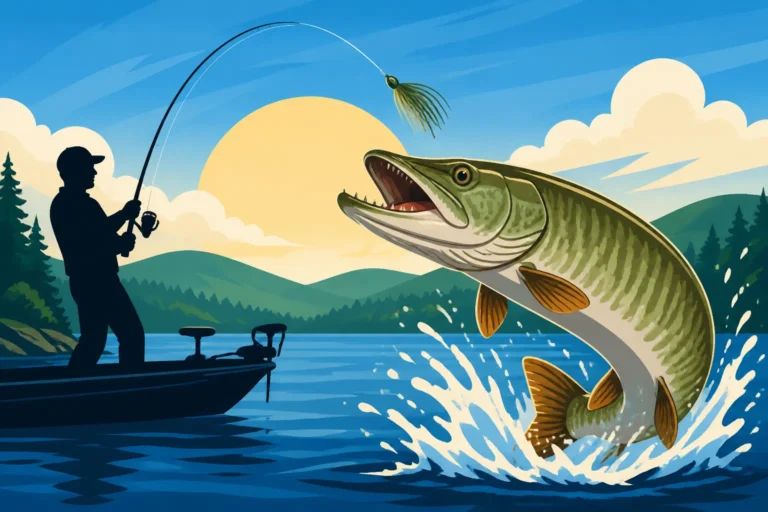
Chain pickerel are often described as aggressive, ambush predators, and for good reason. They are built for quick, explosive strikes. You'll typically find them lurking in shallow, weedy areas, dense lily pads, submerged timber, or along the edges of grass beds. These places provide excellent cover for them to hide and then dart out to surprise unsuspecting prey. In Kentucky, this means looking in the calmer backwaters of larger lakes, slow-moving rivers, or even smaller ponds that have ample vegetation. Their distinctive chain-like pattern on their sides isn't just for show; it's fantastic camouflage in these environments, allowing them to blend in perfectly while they wait. This characteristic predatory behavior means that baits that mimic an easy, vulnerable meal are usually the most effective.
Their Natural Food Source in Kentucky Waters
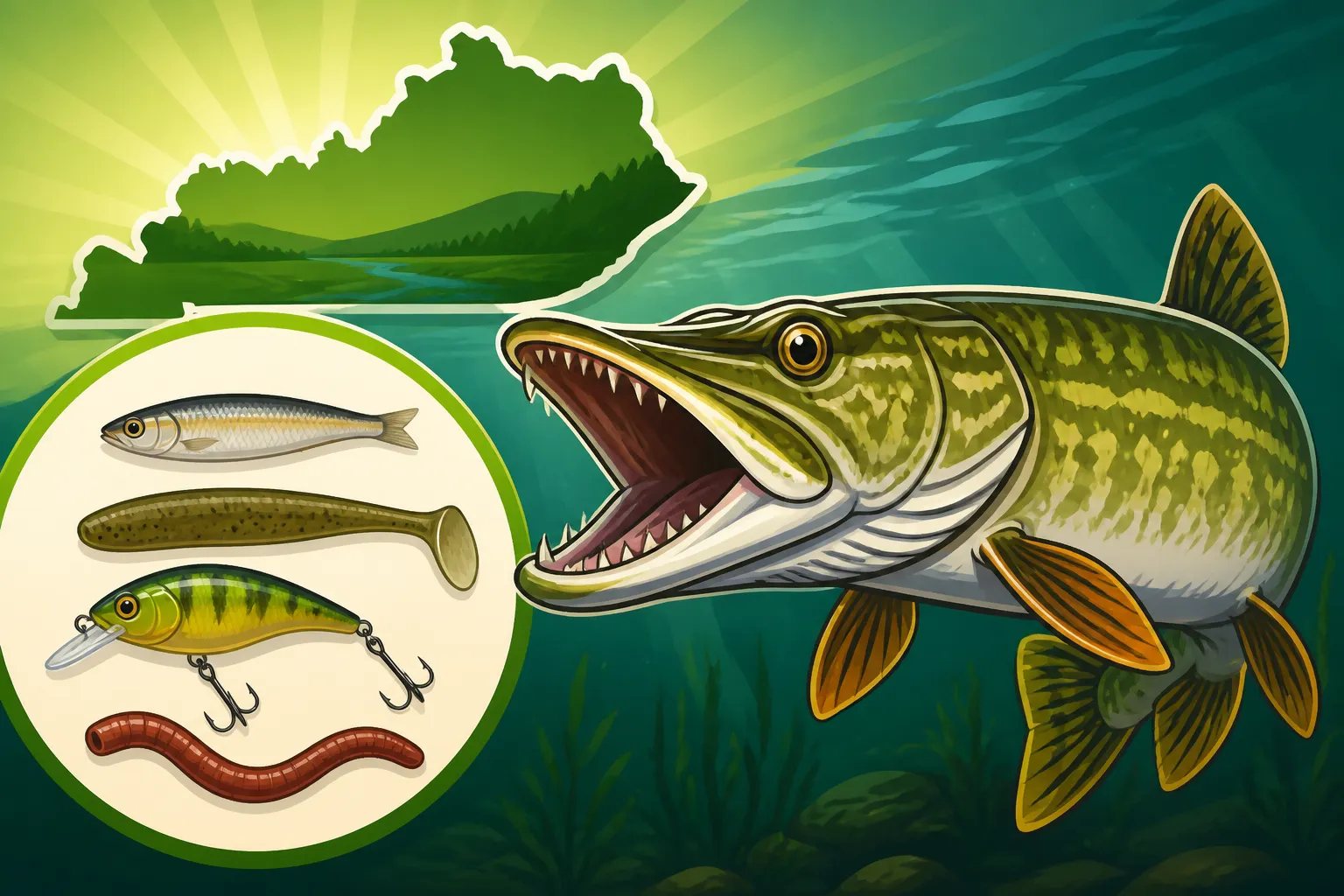
So, what exactly are these stealthy hunters looking for on their menu? Chain pickerel are opportunistic feeders, meaning they'll eat pretty much anything that fits in their mouth and looks like a meal. Their diet primarily consists of smaller baitfish like minnows, juvenile sunfish, shad, and shiners that share their habitat. But they won't stop there! They'll also readily strike at frogs, salamanders, crayfish, and even larger insects. You might occasionally hear stories of them attacking a smaller duckling or a mouse that fell into the water, which just goes to show how truly aggressive and fearless they can be when it comes to feeding. The key takeaway here is that any bait, whether live or artificial, that convincingly imitates these natural food sources and presents itself as an easy target is going to be a winner.
Live Bait: The Undisputed King for Chain Pickerel
When it comes to consistently catching chain pickerel, many seasoned anglers will tell you that live bait is often the most reliable choice. There's just something about the natural movement and scent that pickerel find irresistible.
Minnows and Small Baitfish
Hands down, minnows are a top-tier choice for chain pickerel. Whether you're using golden shiners, fathead minnows, or any other local baitfish, their natural swimming action sends out vibrations and signals that perfectly mimic an easy meal. Pickerel can spot that distressed or unsuspecting movement from a distance and will often track it before launching a full-force strike.
When rigging, simplicity is often best. You can hook a minnow lightly through the back, just behind the dorsal fin, being careful not to hit the spine. This allows the minnow to swim naturally, but prevents it from easily swimming off the hook. Another popular method is to hook it through both lips, which can be particularly effective when drifting or slowly trolling. The goal is to keep the minnow alive and active for as long as possible. You can fish them under a bobber in weedy areas, allowing the minnow to swim freely above the vegetation, or use a slip sinker rig to fish them deeper along drop-offs or submerged structure. For a great resource on ensuring your catch, check out How to Tie a Fishing Knot for Beginners for reliable rigging techniques. You can usually find a good supply of various live minnows at local bait and tackle shops throughout Kentucky.
Frogs and Other Amphibians
While perhaps not as universally available as minnows, small live frogs can be incredibly effective, especially during the warmer months when pickerel are often feeding near the surface or in dense lily pads. The splash and commotion of a struggling frog on the water's surface can trigger an explosive strike from a pickerel hiding below.
If you're lucky enough to have access to small live frogs, rigging them simply with a single hook through one of their tough skin patches, such as a leg or lip, is usually sufficient. Just like with minnows, you want the frog to be able to move somewhat freely to attract attention. While using live frogs can be thrilling, always be mindful of local regulations regarding their collection and use as bait. Artificial frog lures, which we'll discuss later, can also do an excellent job of imitating this tempting meal without the hassle of live bait.
Worms and Nightcrawlers
Now, let's be realistic: worms and nightcrawlers aren't typically the first choice for targeting chain pickerel. These fish are primarily piscivorous, meaning they prefer fish. However, that doesn't mean a pickerel will never hit a worm. If you're fishing for other species like bluegill or catfish with worms and you happen to hook a pickerel, it's usually because it was an opportunistic strike or the pickerel was in a less active feeding mode.
While they're certainly not the most effective option, if you're in a pinch or just using what you have, a wiggling nightcrawler fished near cover might draw a curious bite. Rigging a worm is straightforward: thread it onto a hook, leaving a good portion dangling to create movement. Just don't expect the same consistent results you'd get from a lively minnow or a well-presented artificial lure designed specifically for predators.
Artificial Lures: Mimicking Live Prey Effectively
For anglers who prefer the challenge and versatility of artificial baits, there are plenty of options that will effectively fool a chain pickerel. The key is to choose lures that mimic the movement, flash, and profile of their natural prey.
Spinnerbaits and Inline Spinners
These lures are absolute workhorses for pickerel fishing. The flash of the spinning blade (or blades) combined with the vibration it creates in the water is a powerful attractant. It perfectly imitates a fleeing baitfish, and pickerel, being sight predators, often can't resist.
For spinnerbaits, opt for smaller to medium sizes, typically between 1/4 to 3/8 ounce. Colors like chartreuse, white, or silver are often productive, especially when paired with a skirt that adds bulk and movement. Inline spinners, like those from popular brands such as Mepps or Rooster Tail, are also highly effective. Sizes 2-4 with silver, gold, or brass blades, often dressed with a bucktail or feather, can drive pickerel wild. Retrieve them at a steady pace, just fast enough to get the blade spinning, especially near submerged vegetation or drop-offs. If you're looking for Best Lures for Early Spring Fishing or any other season, spinnerbaits are often on the list for various aggressive species.
Spoons and Jigs
Spoons, with their distinct wobbling action, are another excellent choice for imitating an injured or disoriented baitfish. They cast well, allowing you to cover a lot of water, and their metallic flash can be seen from a distance. Silver, gold, or copper spoons are classic choices, but spoons with painted patterns can also be effective. A slow, erratic retrieve with occasional pauses often gets the most strikes.
Jigs, especially those rigged with soft plastic trailers like grubs, swimbaits, or paddle tails, are incredibly versatile. The soft plastic provides a lifelike profile and subtle action that can be very enticing. Colors that mimic baitfish, like white, pearl, chartreuse, or even a natural brown or green pumpkin, work well. Jig sizes from 1/8 to 1/2 ounce are common. You can fish jigs with a steady retrieve, a lift-and-drop technique, or by hopping them along the bottom, making them seem like a vulnerable prey item. This can be especially good when pickerel are a bit deeper or less aggressive. Many anglers find a wide selection of these versatile lures readily available on platforms like Amazon, making it easy to experiment with different patterns and colors.
Topwater Lures
There's nothing quite like the thrill of a topwater strike, and pickerel are definitely capable of delivering that excitement! Topwater lures like poppers, walking baits, and hollow-bodied frogs can be incredibly effective when pickerel are actively feeding near the surface or in very shallow, weedy areas.
Poppers create a splash and gurgle that mimics a struggling creature on the surface, while walking baits, when retrieved correctly, "walk the dog" back and forth, imitating a wounded baitfish. Hollow-bodied frogs are fantastic for fishing over thick mats of lily pads or submerged grass where other lures would snag. The key to topwater success is often the retrieve – don't just reel it in. Create pauses, twitches, and varying speeds to make the lure seem alive and vulnerable. The best times for topwater action are typically during low-light conditions like dawn or dusk, or on overcast days.
Plugs and Jerkbaits
Plugs and jerkbaits, often designed to mimic baitfish, can be deadly for pickerel. These lures typically have a diving lip and come in various sizes and color patterns. Jerkbaits, in particular, are designed to be fished with a "twitch-twitch-pause" retrieve, causing them to dart erratically and then suspend momentarily, perfectly imitating a wounded or dying fish. This stop-and-go action can be absolutely irresistible to an ambush predator like a pickerel.
When selecting plugs or jerkbaits, look for ones in natural baitfish colors (silver, bluegill patterns, shad patterns) or bright, attention-grabbing colors like firetiger or chartreuse, especially in stained water. Vary your retrieve until you find what the fish prefer on a given day. These can be particularly effective when pickerel are holding around structure like fallen trees or rocky points.
Choosing the Right Gear and Approach
Having the best bait is only part of the equation; you also need the right gear and techniques to successfully land a chain pickerel. These fish are known for their sharp teeth and aggressive fight, so being prepared is essential.
Rods, Reels, and Line for Pickerel
For chain pickerel, a medium-light to medium action spinning rod, around 6 to 7 feet long, is usually ideal. This provides enough backbone to cast lures and handle a fighting fish, while still being sensitive enough to detect subtle bites. Pair this with a reliable spinning reel spooled with 8 to 12-pound test monofilament or fluorocarbon line. Monofilament offers good knot strength and shock absorption, while fluorocarbon is less visible underwater and more abrasion-resistant.
However, the most crucial piece of advice regarding line is the use of a leader. Chain pickerel possess needle-sharp teeth that can easily snip through standard fishing line, leading to lost lures and fish. A steel or heavy fluorocarbon (20-30 lb test) leader, about 6-12 inches long, is highly recommended to prevent bite-offs. Don't let a pickerel make off with your favorite lure because you skipped this crucial step! If you're pondering Best Rods and Reels for Kentucky Fishing, consider gear that can accommodate these leaders.
Presentation and Retrieval Techniques
Pickerel are often found in areas with heavy cover, so accurate casting is important. Try to cast your bait or lure as close to structure (weed lines, lily pads, fallen trees) as possible without getting snagged. Once your bait is in the water, varying your retrieval speed and adding pauses or jerks can make a huge difference. Remember, you're trying to mimic a wounded or fleeing prey item, so erratic movements can often trigger a strike better than a steady, predictable retrieve.
Patience is also key, especially when fishing live bait under a bobber. Let the minnow do its work. For artificial lures, experiment. If a fast retrieve isn't working, slow it down. If a steady retrieve isn't getting bites, try twitching and pausing. Understanding How to Read Water for Fish Location will also greatly increase your success by allowing you to target the most productive pickerel habitats.
Safety and Handling Considerations
Because of those razor-sharp teeth, handling chain pickerel requires caution. Always bring a pair of long-nosed pliers or a jaw spreader with you. These tools will allow you to safely remove hooks without putting your fingers in harm's way. A pair of fish-handling gloves can also provide an extra layer of protection.
When you land a pickerel, try to keep it in the water or handle it gently for a quick hook removal and release. Holding them firmly behind the head and over the back can help control them, but always be mindful of where those teeth are. For conservation-minded anglers, a careful release ensures these exciting fish can continue to thrive in Kentucky's waterways. Always be sure to check the Kentucky Fishing Regulations Explained before you head out, as regulations can change, even for species like pickerel.
Live Bait vs. Artificial Lures for Chain Pickerel
To help you decide which approach might be best for your next outing, here's a quick comparison of live baits and artificial lures for chain pickerel.
| Feature | Live Baits (Minnows, Frogs) | Artificial Lures (Spinnerbaits, Jigs, Plugs) |
|---|---|---|
| Effectiveness | Often highly effective due to natural scent and movement. | Very effective when retrieved correctly to mimic prey. |
| Cost | Can be ongoing expense for bait. | Higher initial cost, but reusable for many trips. |
| Convenience | Requires keeping bait alive, more messy. | Easy to store, clean, no need to keep alive. |
| Versatility | Limited by bait type; generally single presentation. | Wide variety of types, colors, and actions for different conditions. |
| Skill Required | Simpler technique, fish do much of the work. | Requires practice in casting, retrieve, and understanding lure action. |
| Habitat Suitability | Excellent for specific spots, can get snagged. | Good for covering water; weedless options for heavy cover. |
| Catch Rate | Can be very consistent when fish are present. | Can be highly productive, especially with aggressive retrieves. |
Ultimately, the choice between live bait and artificial lures often comes down to personal preference, fishing conditions, and what the pickerel are biting on that particular day. Many successful anglers use a combination of both. You might start with artificial lures to cover water and locate fish, then switch to live bait once you've identified a productive area. Remember, the Kentucky Fishing License Guide is your first step to legal fishing, no matter your bait choice.
No matter your preference, being ready with the right bait will significantly increase your chances of hooking into one of Kentucky's chain pickerel. These fish are a blast to catch, offering aggressive strikes and a spirited fight, making every outing memorable. So grab your gear, pick your bait, and get ready for some exciting action on the water!
Disclaimer
This article is for general informational purposes only and does not constitute professional advice. Laws, prices and regulations vary by location and change over time. Consult a qualified professional for guidance on your specific situation.