Life Jacket Requirements for Every Boat Occupant in Kentucky
There's nothing quite like a peaceful day out on Kentucky's beautiful lakes and rivers, but the serenity can quickly turn to anxiety when you start worrying if you have all your ducks in a row concerning boating safety. One of the biggest areas of confusion, and frankly, one of the most critical, revolves around life jacket requirements. Many boaters, especially those new to our waters or folks bringing friends along, fret about whether everyone on board has the right type of life jacket, if it's worn correctly, or even if they're just present on the boat. This guide is here to clear up all that head-scratching, detailing exactly what the Bluegrass State expects from every single boat occupant when it comes to life jackets.
Why Life Jackets Are Non-Negotiable on Kentucky Waters
When you're out on the water, whether it's the sprawling expanse of Kentucky Lake or a narrower stretch of the Kentucky River, there's an inherent unpredictability that comes with nature. Even on the calmest days, unexpected things can happen. This is precisely why life jackets aren't just a suggestion here in Kentucky; they're a fundamental piece of safety equipment, mandated by law for very good reasons. They’re the first line of defense against tragedy when the unexpected occurs.
Understanding the "Why" Behind the Rules
Let's be real, nobody wants to wear a bulky life jacket on a hot summer day if they don't have to. But the rules aren't designed to inconvenience you; they're designed to save lives. The primary purpose of a life jacket, or Personal Flotation Device (PFD) as the pros call them, is to keep your head above water, allowing you to breathe even if you're unconscious or injured. Imagine hitting a submerged log you didn't see, or being thrown from your boat by a sudden wake from a passing vessel. In those chaotic moments, a life jacket can be the difference between a close call and a devastating outcome. It gives you those precious extra seconds for help to arrive or for you to regain composure and self-rescue.
Beyond the immediate physical safety, there's also the peace of mind. As a boat operator, you're responsible for everyone on board. Knowing that your passengers are properly equipped with life jackets, especially those who might not be strong swimmers, significantly reduces your stress and allows you to truly enjoy your time on the water. It’s about being prepared for scenarios you hope never happen, but must acknowledge as possibilities.
The Legal Obligation and Your Responsibility
Kentucky's boating laws are clear: life jackets are required. Ignoring these regulations isn't just risky; it comes with legal consequences. Game wardens and marine patrol officers regularly check for compliance, and if you're found to be in violation, you could face fines. More importantly, you're putting yourself and your loved ones at unnecessary risk. Think of it like wearing a seatbelt in a car; it's a simple act that dramatically increases safety, and it's the law.
As the captain of your vessel, you bear the primary responsibility for ensuring that all safety equipment, including life jackets, is on board, in good condition, and accessible. For certain age groups, as we'll dive into, wearing them isn't optional. This responsibility extends to educating your passengers, especially children, about the importance of life jackets. By adhering to these regulations, you're not only avoiding legal trouble but also fostering a culture of safety on your boat, setting a positive example for everyone. It's about being a responsible boater and a good steward of our beautiful Kentucky waterways. For general information on other boating requirements, check out Kentucky Boating Safety Gear Checklist.
Specific Life Jacket Requirements for Different Age Groups
Kentucky's life jacket laws are designed with different age groups and activities in mind, recognizing that some individuals are more vulnerable or engage in higher-risk activities. Understanding these specific requirements is key to staying safe and compliant. It's not a one-size-fits-all rule, so let's break it down.
Mandatory Wear for Children Under 12
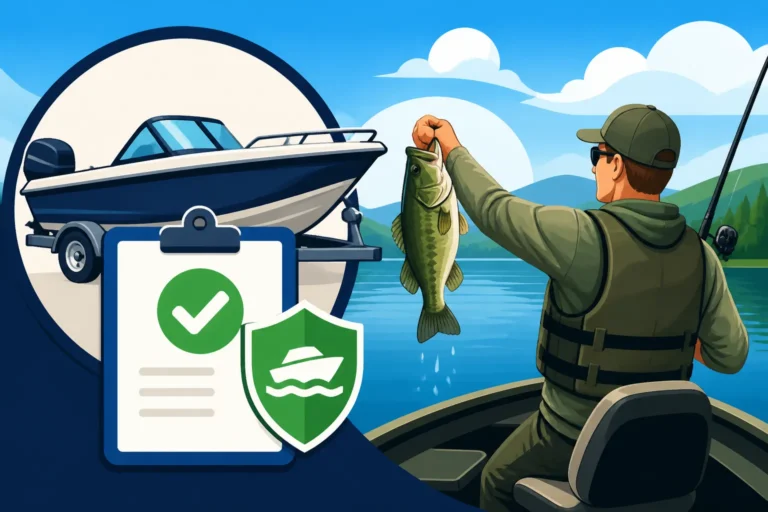
This is perhaps the most important rule for families boating in Kentucky. Any child under 12 years of age must wear a U.S. Coast Guard-approved life jacket at all times while the vessel is underway. "Underway" means when the boat is not anchored, moored, or aground. This applies to all open decks, meaning if your child is out in the open air of the boat, they need to be wearing that PFD. There are no exceptions for strong swimmers or calm waters when it comes to this age group.
I've seen it happen countless times: a boat is cruising along, a child stands up suddenly to point at something, and a minor bump or wake sends them tumbling overboard. Without a life jacket securely fastened, even a quick rescue can be complicated and terrifying. Children, especially, can panic in the water, and a life jacket keeps them afloat, face up, and visible. When choosing a PFD for a child, make sure it fits snugly – too loose and it could slip off or ride up, rendering it ineffective. Kentucky Life Jacket Law for Kids Under 12 provides even more detailed guidance. Remember, you can find a great selection of reliable, child-specific PFDs at stores like Bass Pro Shops or even online through Amazon. It’s a small investment for massive peace of mind.
Requirements for Adults and General Occupants
For adults and children 12 years of age and older, the rules shift slightly but remain critical. While they are not generally required to wear a life jacket at all times on an open boat, there must be a readily accessible, U.S. Coast Guard-approved life jacket for every single person on board the vessel. "Readily accessible" is the key phrase here. It doesn't mean it's buried under a pile of gear in the bottom of a storage locker. It means it can be retrieved and put on quickly in an emergency. Think about grabbing it in a few seconds, not a few minutes.
This requirement ensures that if an emergency arises – a sudden capsize, someone falling overboard, or an unexpected boat issue – everyone has immediate access to a flotation device. While you hope you never need it, having a PFD within arm's reach for every adult can be life-saving. Many boaters opt to keep PFDs stored in clearly marked bags, under seats, or in accessible compartments. It’s also important to consider the type of PFD, as some are better suited for specific activities or comfort levels, which we'll explore shortly.
Life Jackets for Personal Watercraft PWC Riders
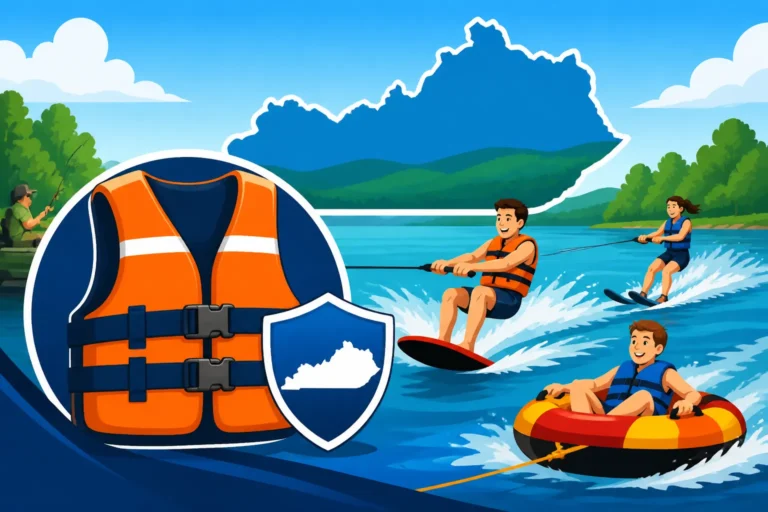
Personal Watercraft (PWCs) like jet skis, and activities like water skiing or tubing, come with their own set of rules due to the higher speeds and increased risk of falling into the water. In Kentucky, anyone operating or riding on a PWC must wear a U.S. Coast Guard-approved life jacket at all times. This is non-negotiable, just like for young children on regular boats.
The same mandatory wear rule applies to anyone being towed behind a vessel, such as on skis, a wakeboard, or an inflatable tube. These activities inherently involve a high likelihood of entering the water, often at speed or unexpectedly, making the consistent wearing of a PFD absolutely essential. The impact of hitting the water at speed can be disorienting, and a life jacket ensures you stay afloat and are easily visible to the boat operator. You can find more specific rules for PWCs in Must You Wear a Life Jacket on a Jet Ski in Kentucky?. When you’re out on the lake enjoying these exhilarating sports, make sure your PFD is not only on but properly fitted.
Types of Life Jackets and When to Use Them
Navigating the world of life jackets can feel a bit like learning a secret code, with all the different "Types" and classifications. But trust me, understanding these distinctions is incredibly important for choosing the right PFD for your specific boating needs and for ensuring you're compliant with Kentucky law. They're not all created equal, and knowing the differences can genuinely enhance your safety on the water.
Decoding US Coast Guard Approved PFDs
The U.S. Coast Guard classifies life jackets into different types, primarily based on their buoyancy, design, and intended use. All PFDs used on Kentucky waters must be Coast Guard-approved, which means they've met strict safety standards. You'll usually see the approval stamp right on the label.
Here’s a quick rundown of the common types:
- Type I (Offshore Life Jackets): These are designed for rough, open, or remote waters where rescue may be delayed. They have the most buoyancy and are designed to turn an unconscious person face-up in the water. They're bulky, but incredibly effective for serious conditions.
- Type II (Near-Shore Buoyant Vests): Good for calm, inland waters or where there’s a good chance of a quick rescue. They're less bulky than Type I but may not always turn an unconscious person face-up.
- Type III (Flotation Aids): These are comfortable for continuous wear and designed for calm, inland waters where rescue is likely to be swift. They allow for freedom of movement, which makes them popular for various recreational activities. However, they generally won't turn an unconscious person face-up.
- Type IV (Throwable Devices): These are not designed to be worn but are meant to be thrown to someone in distress. Think ring buoys or buoyant cushions. While required on many boats as additional safety equipment, they do NOT count towards the "one PFD per person" requirement for wearable life jackets.
- Type V (Special Use Devices): These are specialized PFDs approved for specific activities, like kayaking, windsurfing, or even work vests. They must be worn to be counted as a legal PFD. Many inflatable PFDs fall into this category.
For most recreational boating on Kentucky's lakes and rivers, Type II or Type III PFDs are the most common and appropriate. However, for serious offshore fishing or challenging conditions, a Type I might be a better choice. Always check the label for the Coast Guard approval and the type designation. You can delve deeper into these classifications with Coast Guard-Approved Life Jackets for Kentucky Boaters.
Here’s a handy table to help visualize the differences:
| PFD Type | Intended Use | Buoyancy | Turns Unconscious Face-Up? | Comfort/Mobility |
|---|---|---|---|---|
| Type I | Offshore, rough/remote waters | Highest | Yes (most likely) | Lowest |
| Type II | Near-shore, calm/inland waters | Moderate | Sometimes | Medium |
| Type III | Calm, inland waters, quick rescue | Moderate | No (user must assist) | Highest |
| Type IV | Throwable device (not worn) | N/A | N/A | N/A |
| Type V | Special use (must be worn) | Varies | Varies | Varies |
Choosing the Right Life Jacket for Your Activity
Selecting the right life jacket isn't just about meeting legal requirements; it's about comfort, safety, and enhancing your enjoyment on the water. A PFD that's uncomfortable is less likely to be worn, and one that's not suited for your activity might hinder more than help.
- Fishing: If you're an angler, especially one who spends hours casting from a boat or kayak, comfort is paramount. Many fishermen opt for Type III vests that are designed for mobility, or even inflatable PFDs (Type V), which are incredibly lightweight and barely noticeable until inflated. Some fishing-specific vests even come with pockets for tackle, which is a neat bonus. For serious fishing on large waters like Kentucky Lake, you might consider something more robust, but for everyday lake fishing, a comfortable Type III will often suffice. You can find excellent fishing-specific PFDs at Bass Pro Shops or by browsing options on Amazon. More tips for specific gear can be found in Best Life Jackets for Fishing on Big Water.
- Kayaking and Paddleboarding: These activities put you very close to the water, and you're likely to get wet. A Type III or Type V PFD designed for paddle sports offers good arm mobility and often has a high back to clear kayak seats. Inflatables are also a popular choice for stand-up paddleboarding due to their minimalist design.
- Watersports (Skiing, Tubing, Wakeboarding): For these high-impact activities, you'll need a Type III or Type V PFD specifically rated for watersports. These are often designed to withstand impacts and provide secure flotation. They need to be snug to prevent them from riding up when you hit the water.
- General Boating: For cruising or simply enjoying a day on the lake with family, a comfortable Type II or Type III vest for each person is usually sufficient. Just remember the "readily accessible" rule for adults and mandatory wear for kids under 12.
No matter the activity, always ensure the life jacket fits properly. A PFD that’s too big can slip off, and one that’s too small won’t provide enough buoyancy.
Common Misconceptions and Important Reminders
Even with clear regulations, a few common misunderstandings about life jackets persist, which can unfortunately lead to unsafe situations. It's crucial to bust these myths and reinforce some key reminders to ensure everyone stays as safe as possible on Kentucky's beautiful waterways.
"Just Having Them On Board is Enough" Myth
This is perhaps the biggest misconception out there, and it's one that a lot of boaters, especially those with years of experience, sometimes fall prey to. While it's true that for adults (12 and over) on most vessels, you only need to have a Coast Guard-approved life jacket for each person on board, the critical caveat is "readily accessible." And for certain groups, like children under 12 or anyone on a PWC or being towed, simply having a life jacket on board is absolutely not enough – they must be worn.
Imagine this scenario: you're cruising on Lake Cumberland, and suddenly, a rogue wake from a much larger boat hits you broadside. Your boat pitches violently, and a passenger is thrown overboard. If their life jacket is stowed away in a locked compartment, or under a mountain of towels, they won't be able to get to it in time. The moments immediately after falling into the water are chaotic and disorienting. A PFD that's easily reachable, or better yet, already on, drastically improves the chances of a positive outcome. "Readily accessible" means you can literally grab it and put it on within seconds. It means it's not tangled, not buried, and not stuck.
The Importance of Fit and Condition
A life jacket is only as good as its fit and condition. A perfectly compliant PFD on paper means nothing if it doesn't do its job in the water.
- Proper Fit: For children, this is particularly vital. A life jacket that is too loose can ride up around their ears, actually pushing their head underwater or making it difficult to breathe. When trying on a child's PFD, pick them up by the shoulders of the jacket; if it slides up past their ears, it's too big. For adults, it should feel snug but not restrictive, allowing for full range of motion. Pay close attention to How to Choose the Right Life Jacket Size for Kids.
- Condition Check: Life jackets aren't designed to last forever. Over time, exposure to sun, saltwater (if you venture to coastal areas or have a PFD that's seen a lot of use), and general wear and tear can degrade the buoyancy material and straps. Before each boating season, and ideally before every trip, inspect your PFDs. Look for:
- Tears or rips: Even small punctures can compromise buoyancy.
- Faded or brittle fabric: A sign of sun damage, which weakens the material.
- Broken buckles, zippers, or straps: These are essential for a secure fit.
- Mildew or mold: Can weaken fabric and be a sign of improper storage.
- Waterlogging: If a PFD feels heavier than it should, its buoyancy might be compromised.
If you find any of these issues, it's time to replace the life jacket. Don't try to repair it; its life-saving capability is too important to compromise. You can often find replacement PFDs at sporting goods stores or online.
Special Considerations for Cold Water and Remote Areas
Kentucky might not be known for arctic temperatures, but our waters can get surprisingly cold, especially in early spring, late fall, or winter. Cold water immersion is a serious danger, even for strong swimmers wearing a life jacket. Hypothermia can set in quickly, impairing judgment and physical ability.
In cold water, a life jacket not only keeps you afloat but also helps conserve some body heat by keeping you out of the water as much as possible. However, wearing a life jacket alone isn't enough in truly cold conditions. Consider adding layers of appropriate clothing and investing in a PFD with additional thermal protection or one that offers more coverage. When fishing in colder months, like during the Winter Trout Fishing at Kentucky's Lake Cumberland season, or targeting Cold-Water Sauger Fishing at Kentucky's Lake Barkley, preparedness for a cold plunge is key.
For remote areas, where help might be a long time coming, wearing your life jacket continuously, regardless of age, is a wise precaution. The longer you're exposed to the elements or waiting for rescue, the more crucial that flotation becomes. Always file a float plan with someone on shore when venturing to remote spots.
Enforcement and What to Expect on the Water
It's natural to wonder about how these life jacket rules are actually enforced and what happens if you're not in compliance. The Kentucky Department of Fish and Wildlife Resources (KDFWR) conservation officers (game wardens) and local marine patrol units are the primary enforcers of boating safety laws on our waters. They're out there not to ruin your day, but to ensure everyone's safety.
Game Warden Checks and Inspections
When you're out enjoying a day of fishing on Kentucky Lake or cruising on the Ohio River, it's quite common to see a KDFWR patrol boat. These officers have the authority to stop any vessel to conduct a safety inspection. This isn't just a random act; it's part of their mission to keep boaters safe.
During a routine stop, the officer will typically approach your vessel, identify themselves, and ask to see your registration and proof of safe boating education (if applicable). Then, they'll usually move on to checking for essential safety equipment. For life jackets, they'll be looking for several key things:
- Quantity: Is there one U.S. Coast Guard-approved wearable PFD for every person on board?
- Condition: Are the life jackets in good, serviceable condition? No rips, tears, or excessive fading. They'll likely physically inspect a few.
- Accessibility: For adults, are the PFDs "readily accessible"? This means they aren't tied down, buried, or in a hard-to-reach locker.
- Wear: Are children under 12 wearing their PFDs if the vessel is underway? Are all PWC operators and towed individuals wearing theirs?
The officers are often friendly and educational, especially if it's a minor infraction. They want to ensure you understand the rules and why they're important. Being polite, cooperative, and having your documents and equipment readily available will make the process smooth and quick. It’s always a good idea to have a general safety gear checklist on hand, as outlined in Kentucky Boating Safety Gear Checklist. They might also check other items like Fire Extinguisher Requirements for Kentucky Boats.
Penalties for Non-Compliance
If a game warden finds that you're not in compliance with the life jacket requirements, there can be consequences. While specific fines can vary, violations of boating safety regulations in Kentucky typically result in citations and monetary penalties. These fines are designed to be a deterrent and reinforce the importance of safety.
Beyond the immediate financial cost, there's also the potential for more serious repercussions if a lack of proper life jackets contributes to an accident or injury. In such tragic circumstances, the legal ramifications can be far more severe, potentially involving criminal charges or civil lawsuits. It's a sobering thought, but it highlights why these seemingly simple rules are so crucial.
Remember, the goal of enforcement isn't just to issue tickets. It's to educate boaters, prevent accidents, and save lives. A game warden would much rather see every boater safely equipped and enjoying their time on the water than have to respond to a preventable tragedy. So, take the rules seriously, ensure everyone on your boat is protected, and enjoy the incredible fishing and boating opportunities Kentucky has to offer. For context on other types of violations, consider Penalties for Fishing Without a License in Kentucky, though boating violations have their own specific scales.
Disclaimer
This article is for general informational purposes only and does not constitute professional advice. Laws, prices and regulations vary by location and change over time. Consult a qualified professional for guidance on your specific situation.