Essential Safety Gear for Every Boat in Kentucky
We’ve all been there: you're itching to get out on Kentucky Lake or a quiet stretch of the Kentucky River, the boat's gassed up, and the cooler's packed. But in the rush to hit the water, it’s all too easy to overlook some of the most critical items that keep you and your loved ones safe. This comprehensive guide will walk you through the essential safety gear every boat in Kentucky needs, from what’s legally required to those extra items that can truly make a difference when the unexpected happens, ensuring your next outing is fun, safe, and stress-free.
The Absolute Essentials: Required Gear by Law in Kentucky
When you're out enjoying Kentucky's beautiful waterways, the last thing you want is a run-in with a game warden or, worse, an actual emergency where you're unprepared. Kentucky boating laws, much like federal regulations, are in place for a reason: to keep everyone safe. Understanding these requirements isn't just about avoiding a fine; it's about being responsible on the water.
It can feel like a lot to keep track of, especially if you’re new to boating or just bought a different kind of vessel. But once you get these basics sorted, it becomes second nature. Think of it as a pre-flight checklist for your boat – just as crucial.
Personal Flotation Devices PFDs
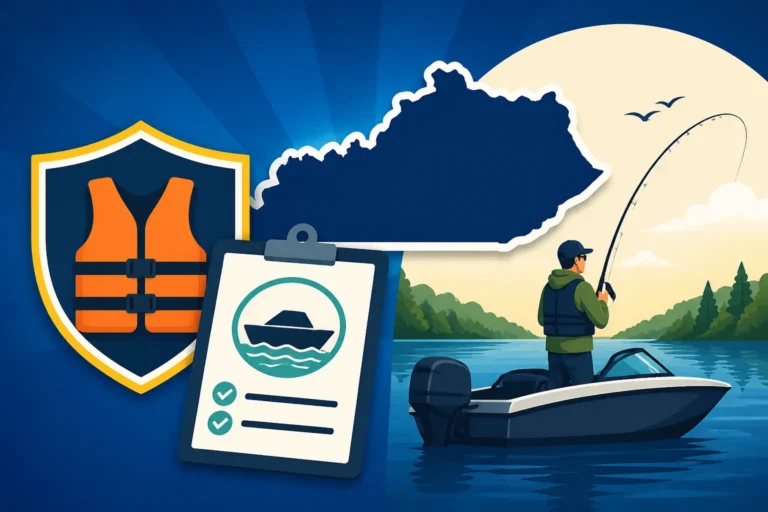
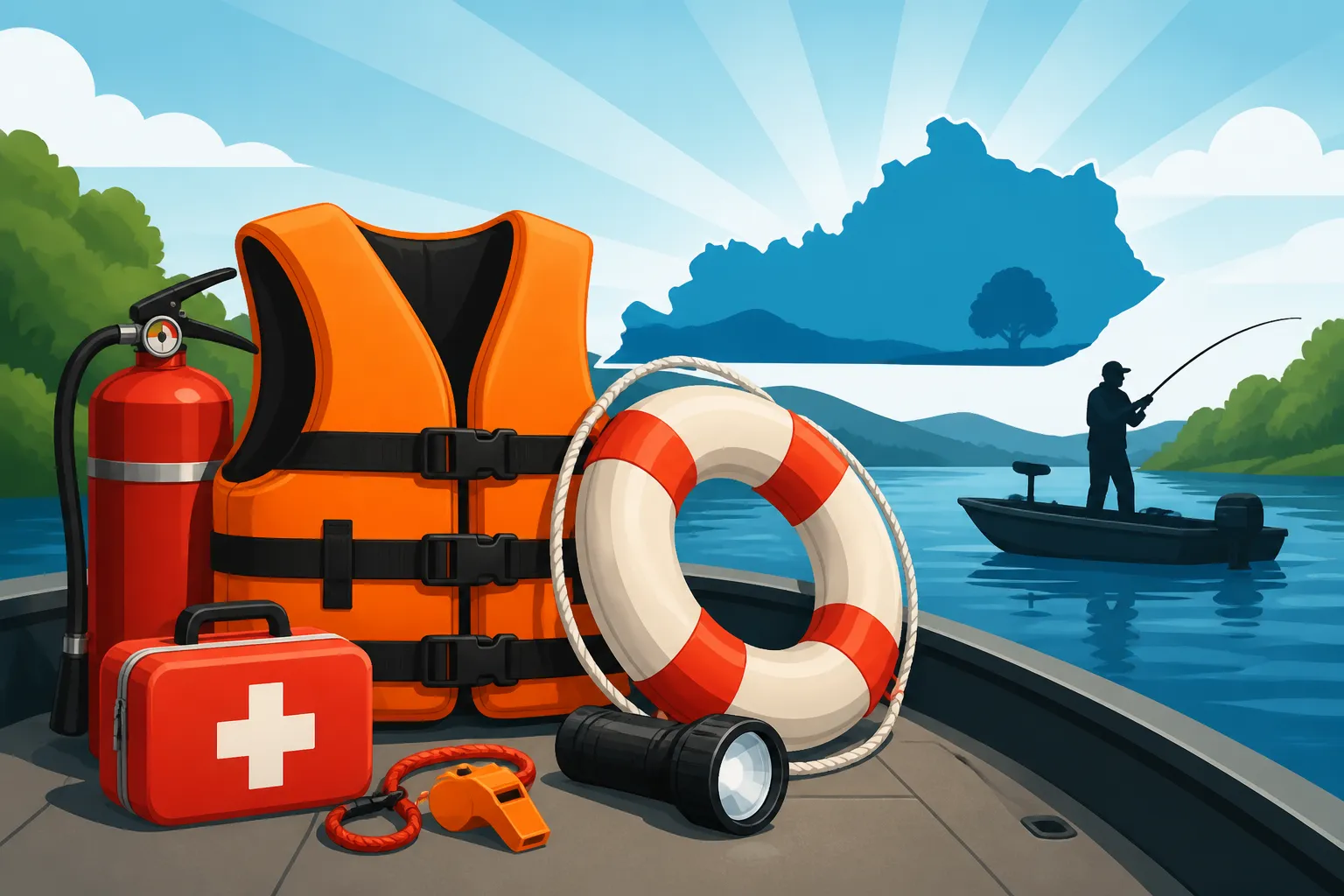
Let’s be honest, life jackets can sometimes feel like a nuisance, especially on a hot summer day. But they are, without a doubt, the single most important piece of safety equipment on any boat. In Kentucky, every vessel must have at least one readily accessible, Coast Guard-approved wearable PFD for each person on board. "Readily accessible" means it shouldn't be stowed away under a pile of gear in a locker that takes five minutes to dig out. It should be where someone can grab it in seconds.
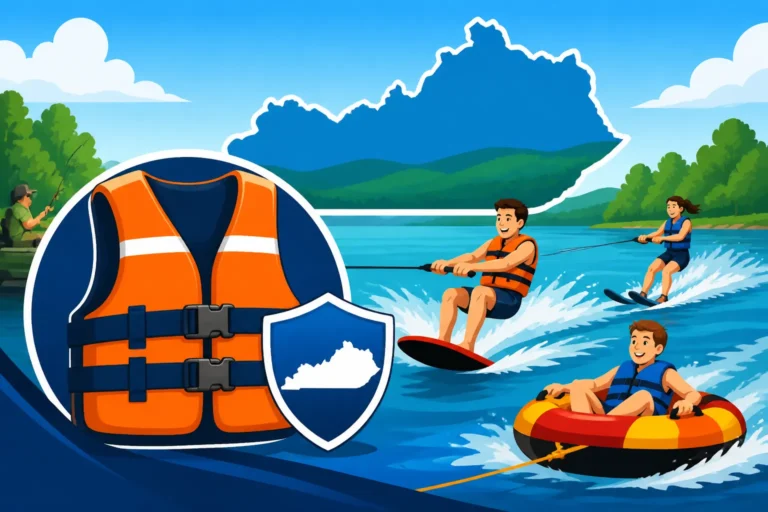
For children, the rules are even stricter, and rightfully so. Any child under 12 years of age must wear a Coast Guard-approved PFD while on the open deck of a recreational vessel that is underway. This means if you have kids on your boat, make sure their life jackets fit properly and are worn at all times while the boat is moving. It’s a small inconvenience for a huge peace of mind. You can find more details on this topic in Kentucky Life Jacket Law for Kids Under 12.
Different types of PFDs exist, from traditional foam vests to inflatable models. While inflatable PFDs are popular for their comfort, they aren't approved for everyone, particularly children under 16 or non-swimmers, so always check the label. Make sure the PFDs you carry are in good, serviceable condition – no rips, tears, or broken buckles. A damaged life jacket might not save a life. Retailers like Bass Pro Shops and online platforms such as Amazon offer a wide variety of Coast Guard-approved options, so you can choose what best fits your crew and your boating style.
Fire Extinguishers
Picture this: you're out on Lake Barkley, enjoying a peaceful day, and suddenly you smell something burning from the engine compartment. Fires on boats can escalate quickly, especially with fuel and oil on board. That's why fire extinguishers are a non-negotiable requirement for many vessels in Kentucky. Most recreational boats that are not "open boats" (meaning they have enclosed fuel tank compartments, an inboard engine, or other enclosed spaces where flammable vapors could accumulate) are required to carry a Coast Guard-approved fire extinguisher.
The type and number of extinguishers depend on the size of your boat and whether it has a fixed fire extinguishing system. For most smaller recreational boats (under 26 feet) without fixed systems, one B-I type extinguisher is usually sufficient. This isn't just a suggestion; it's a critical tool. Ensure your extinguisher is charged and easily accessible, not buried in a locker or left to rattle around in the bilge. Knowing how to use it is just as important as having it on board.
Always check the gauge on your extinguisher regularly to ensure it's still charged. The last thing you want is a safety device that fails when you need it most. For specific rules, consider reviewing Fire Extinguisher Requirements for Kentucky Boats. It’s a vital piece of gear that you hope to never use, but when you do, you'll be incredibly grateful it's there.
Sound-Producing Devices
Ever found yourself out on the water in a thick fog, or needing to signal another boat about your intentions? That's where a sound-producing device comes in. Every vessel must carry a sound-producing device that can signal intentions and position in periods of reduced visibility. For boats under 40 feet, a whistle or a horn is usually sufficient. For larger vessels, a bell might also be required.
This isn't just for emergencies. Sound signals are part of the "rules of the road" on the water. For instance, a short blast indicates "I intend to pass you on my port side," while two short blasts mean "I intend to pass you on my starboard side." A prolonged blast can signal a warning or alert in limited visibility. Think about that time you rounded a bend on the Ohio River and another boat was coming the other way; a quick horn blast can prevent a hazardous situation.
Make sure your whistle or horn is in good working order. If it's a manual air horn, check that it has enough air. If it's electric, ensure the wiring is solid. This simple device is crucial for communicating with other boaters and ensuring everyone knows your presence and intentions, particularly on busy lakes like Kentucky Lake or Lake Cumberland.
Navigation Lights
Boating after sunset in Kentucky can be absolutely magical, but it also comes with increased risks. Proper navigation lights are absolutely non-negotiable for any vessel operating between sunset and sunrise, or during periods of restricted visibility like fog or heavy rain. These lights communicate your boat’s size, direction, and whether it’s underway or anchored to other vessels.
The specific light configuration depends on the size and type of your boat. Generally, you’ll need a masthead light (white, 360 degrees, visible from all directions) if you're under power, sidelights (red for port, green for starboard), and perhaps a stern light. Boats less than 23 feet (7 meters) in length with an outboard motor may use a white all-around light and sidelights.
Faulty navigation lights are a serious safety hazard. Always check your lights before heading out for a night cruise. Carry spare bulbs if your lights aren’t LED. Imagine cruising down the Tennessee River channel in the dark with no lights on; it's an accident waiting to happen. Ensure your lights are clean, working, and not obscured by gear or passengers. Being seen is just as important as seeing others when darkness falls over Kentucky's waters.
Visual Distress Signals VDS
While required primarily for coastal waters and certain larger inland bodies of water, it’s still wise to be familiar with visual distress signals (VDS). For boats operating on federally controlled waters (which include many of Kentucky's larger lakes and rivers that connect to other states or the sea, like the Ohio River or Kentucky Lake), you must carry Coast Guard-approved VDS.
These signals help you alert others to an emergency, especially if you're stranded or in trouble. Common types include:
- Flares: Pyrotechnic devices that emit bright light. They are effective but have expiration dates and must be handled carefully. Both handheld and aerial flares are available.
- Flags: A distress flag (orange square and black circle) can be flown during the day.
- Electric Lights: An electric distress light can be used at night and is a non-pyrotechnic option that doesn't expire.
While not all Kentucky waters mandate VDS, having a set, especially non-pyrotechnic ones, is a smart move. Imagine your engine dies on a remote part of Green River Lake, and you need to signal for help. A VDS could be the difference between a long, cold night and a timely rescue. Always keep them dry and readily accessible.
Beyond the Law: Recommended Safety Items for Peace of Mind
Meeting the legal requirements is your starting point, but true preparedness means thinking beyond the bare minimum. Many experienced Kentucky anglers and boaters carry additional gear that isn't mandated by law but is incredibly valuable in real-world situations. These items often make the difference between a minor inconvenience and a full-blown emergency.
Think about a common scenario: you’re fishing for crappie on Taylorsville Lake, and someone gets a nasty hook stuck in their hand. Or perhaps your engine unexpectedly sputters out miles from the nearest ramp. Having these extra items on board can alleviate stress and help you handle these situations effectively.
First Aid Kit
This is probably one of the most frequently overlooked "non-required" items, and it's something every boat should have. Cuts, scrapes, bee stings, sunburn, motion sickness, a rogue hook—these are common occurrences on the water. A well-stocked first aid kit can address these minor injuries and ailments quickly, preventing them from escalating.
Your kit should include basics like bandages, antiseptic wipes, pain relievers, allergy medication, motion sickness remedies, and a pair of small scissors. Consider adding any personal medications that you or your regular crew might need. Keeping it in a waterproof container is key, as humidity and splashes can quickly ruin supplies. You can buy pre-made marine first aid kits from places like Bass Pro Shops or Amazon, or assemble your own. Just be sure to check and replenish it regularly, especially after each season. More information can be found in Best First Aid Kits for Boaters.
Anchor and Line
You'd be surprised how many smaller boats head out without a proper anchor, especially on rivers where people assume they'll just drift. But what if your engine dies in a strong current on the Cumberland River, or you need to hold position to make a quick repair? An anchor is your best friend in these situations. It can prevent your boat from drifting into hazards, allow you to safely assess a problem, or simply let you stop and enjoy a meal without constantly battling the wind.
Ensure your anchor is appropriately sized for your boat and the waters you fish. You’ll need enough rode (anchor line) for the depth you’ll be anchoring in, typically a 7:1 scope (7 feet of line for every 1 foot of depth). Don't forget a sturdy chain lead, as this helps the anchor set properly. Knowing how to properly deploy and retrieve your anchor is also vital. A good anchor means you're not at the mercy of the elements if something goes wrong.
Communication Devices
Cell phones are wonderful, but they aren't always reliable on the water, especially in remote coves on Lake Cumberland or if you venture out of signal range. Plus, a wet phone often means a dead phone. That's why having a dedicated marine communication device is a smart move. A VHF marine radio allows you to communicate with other boats, marinas, and the Coast Guard (or local emergency services, via a relay) in an emergency.
Handheld waterproof VHF radios are excellent for smaller boats, while fixed-mount units offer more power and range for larger vessels. Even if you rely on your cell phone, keep it charged and consider a waterproof case or bag. For serious offshore or very remote trips, a satellite messenger or EPIRB/PLB could be considered, though these are typically overkill for most recreational boating on Kentucky's inland lakes and rivers. The bottom line: have a reliable way to call for help if your primary means of communication fails.
Tool Kit and Spare Parts
A broken hose clamp, a loose battery terminal, a fouled spark plug, or a prop that's taken a hit—these are all common issues that can leave you stranded. A basic tool kit can often get you back up and running. Include items like screwdrivers, pliers, wrenches, electrical tape, zip ties, a utility knife, and spare fuses.
For spare parts, consider carrying extra spark plugs, a spare propeller and prop wrench, hose clamps, and belts. If your engine is notorious for a certain type of failure, make sure you have the tools and parts to fix it. Knowing how to perform basic repairs is empowering and can save you from an expensive tow. Think of it as roadside assistance for your boat, but you’re the mechanic!
Bailing Device
Even if your boat is self-bailing, it’s always a good idea to have a manual bailing device on board. This could be a simple bucket, a scoop, or a hand-operated bilge pump. If your bilge pump fails or your boat takes on water faster than the pump can handle (from a wake, a leak, or heavy rain), a manual bailing device can buy you critical time.
It's a low-tech solution for a potentially high-stakes problem. Keep it accessible, preferably attached to the boat with a lanyard so it doesn't float away if you truly need it. It’s cheap, effective, and can prevent a bad situation from becoming catastrophic.
Maintaining Your Gear: Staying Ready for Anything
Having all the safety gear on board is only half the battle. If your life jackets are mildewed and ripped, your fire extinguisher is discharged, or your flares are expired, they won't do you any good in an emergency. Regular inspection and maintenance of your safety equipment are just as crucial as having it in the first place. This is where the veteran boater really shines—they know that preparedness is a continuous effort, not a one-time checklist.
Regular Inspections
Make it a habit to inspect your safety gear at the beginning of each boating season and before any major trip. For life jackets, check for tears, frayed straps, and working buckles. For fire extinguishers, check the pressure gauge and ensure the seal isn't broken. Look at the expiration dates on flares and replace them if needed. Test your horn and check navigation lights.
It’s easy to get complacent when things are going smoothly, but Mother Nature has a way of reminding us that things can change in an instant. A quick 10-minute check of your gear can prevent a lot of headaches and ensure that if an emergency arises, your equipment is ready to perform. This also gives you a chance to make sure everything is clean and stored properly.
Proper Storage
How you store your gear is important for its longevity and readiness. Life jackets should be stored in a dry, well-ventilated area to prevent mildew. Fire extinguishers should be mounted in an easily accessible spot, away from extreme heat. Flares should be kept in a waterproof container. A first aid kit needs to be dry and protected from crushing.
Clutter is the enemy of safety on a boat. Designate specific, accessible spots for each piece of safety gear. Everyone on board, especially those who regularly boat with you, should know where everything is located and how to use it. Imagine trying to find a first aid kit in a crammed storage compartment during an emergency; seconds count.
Replenishment and Updates
Safety equipment isn't a "set it and forget it" item. Batteries die, flares expire, and first aid supplies get used. Make a list of all your safety gear and note any expiration dates or maintenance schedules. Set reminders on your phone or mark it on your calendar.
If you add new crew members or change your boating habits (e.g., start night fishing), reassess your safety gear needs. A solo trip to a quiet part of Barren River Lake has different considerations than a family outing with several children on a busy Lake Cumberland weekend. Staying current with your gear ensures you’re always prepared for the unexpected, no matter where your Kentucky fishing adventures take you. You can learn more about general requirements in Kentucky Boating Safety Gear Checklist.
Safety Gear Checklist for Kentucky Boaters
To help you keep track of everything, here's a handy checklist. Print it out, stick it in your boat, and make it a ritual to review before each trip!
| Category | Item | Required (R) / Recommended (Rec) | Notes |
|---|---|---|---|
| Personal Safety | PFDs (Life Jackets) | R | One per person, Coast Guard-approved, readily accessible. Kids <12 must wear. |
| First Aid Kit | Rec | Waterproof, well-stocked, regularly checked. | |
| Sunscreen | Rec | Prevents burns, especially on long days. | |
| Whistle/Horn | R | For signaling intentions and distress. | |
| Visual Distress Signals (VDS) | R (on certain waters) / Rec | Flares (check expiration), flags, or electric light. Keep dry. | |
| Vessel Safety | Fire Extinguisher | R (most boats) | Coast Guard-approved, charged, accessible. Check gauge. |
| Navigation Lights | R (night/low visibility) | Functioning red, green, and white lights. Carry spare bulbs if not LED. | |
| Anchor & Line | Rec | Sized for boat and conditions. Enough rode for depth. | |
| Bailing Device (Bucket/Scoop) | Rec | Manual backup for bilge pump. | |
| Oars/Paddles | Rec | Especially for smaller boats, as a backup propulsion. | |
| Communication & Tools | Cell Phone | Rec | Charged, waterproof bag. Don't rely solely on it. |
| VHF Marine Radio | Rec | Handheld or fixed-mount for marine communication. | |
| Basic Tool Kit | Rec | Pliers, screwdrivers, wrench, electrical tape, fuses. | |
| Spare Propeller & Wrench | Rec | For unexpected prop damage. | |
| Owner's Manual | Rec | For quick reference on boat/engine issues. | |
| Documentation | Boat Registration | R | Current copy on board. Kentucky Boat Registration Requirements Explained |
| Fishing License | R | Current license for all anglers. Kentucky Fishing License Guide | |
| Boating Safety Card | R (if applicable) | Required for certain operators. Kentucky Boat Safety Certificate Requirements |
Remember, this isn't just a list of things to buy; it's a commitment to safety for yourself, your passengers, and fellow boaters. By taking the time to understand and maintain your essential safety gear, you're investing in countless enjoyable, worry-free days on Kentucky's beautiful waters.
Disclaimer
This article is for general informational purposes only and does not constitute professional advice. Laws, prices and regulations vary by location and change over time. Consult a qualified professional for guidance on your specific situation.