Barren River Lake’s 10-Inch Crappie Size Limit
It’s a tale as old as time for Kentucky anglers: you head out to your favorite fishing spot, ready to reel in some crappie, only to realize the rules for this specific lake are completely different from what you learned for the general statewide regulations. This kind of localized rule can be incredibly frustrating, especially when it comes to something as fundamental as a size limit. For those of us heading to Barren River Lake, it’s crucial to understand that there’s a distinct 10-inch minimum size limit for crappie, a rule designed to protect and enhance the fishing experience for everyone. This comprehensive guide will walk you through exactly what this regulation means, why it’s in place, and how you can best adapt your fishing strategies to comply and succeed on Barren River Lake.
Why Barren River Lake Has a Special Crappie Size Limit
You might wonder why Barren River Lake gets its own specific crappie regulations when most other lakes follow a broader statewide rule. It’s not just to make things complicated, I promise! These specialized regulations are put in place by the Kentucky Department of Fish and Wildlife Resources (KDFWR) after extensive research and monitoring. They're trying to achieve a delicate balance, ensuring that the crappie population remains healthy, sustainable, and capable of producing quality fishing opportunities for years to come.
The Science Behind the Regulation
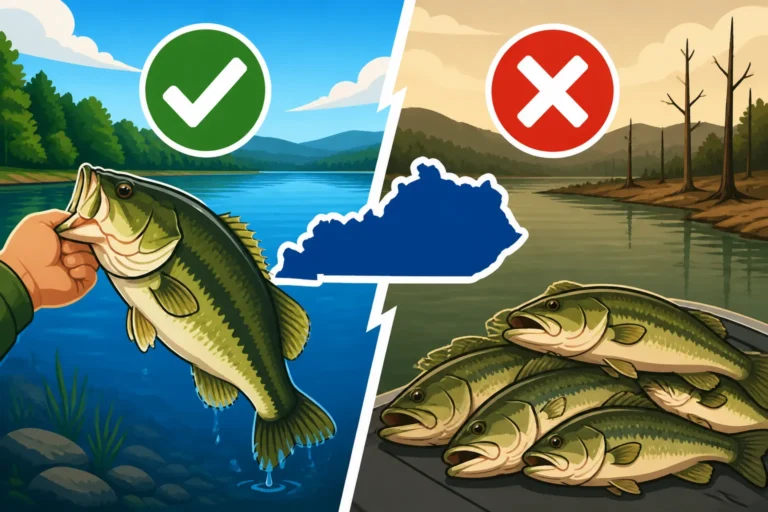
The 10-inch minimum size limit on crappie at Barren River Lake is a direct result of biological studies unique to this body of water. In many lakes, crappie populations can experience what biologists call "stunting," where a large number of fish are present, but they don't grow to a desirable size. This often happens when there's an abundance of smaller fish competing for limited food resources, or when angling pressure removes too many of the larger, faster-growing individuals. When anglers consistently keep crappie under a certain size, it can reduce the number of fish that survive to spawn multiple times or reach larger, more desirable sizes.
At Barren River Lake, the KDFWR likely found that crappie were either being overharvested before they had a chance to reach sexual maturity and reproduce effectively, or that the population structure needed to be tweaked to favor the growth of larger fish. By implementing a 10-inch minimum, they're giving those smaller crappie a chance to grow, mature, and contribute to the next generation. It’s an investment in the future of the fishery, ensuring that while you might release a few more fish today, you’ll be catching bigger, healthier ones tomorrow. It's a prime example of how specific local conditions often dictate nuanced rules, something you also see with exceptions for bass limits in certain waters, like the specific rules for Lake Barkley.
Benefits to the Fishery and Anglers
This regulation, while sometimes requiring a bit more vigilance from us anglers, actually brings significant benefits. For the crappie population itself, it means more fish get to reach an age where they can spawn effectively, leading to more robust recruitment of young fish into the system. It also allows fish to grow into larger, more satisfying catches. Think about it: wouldn't you rather catch fewer but bigger crappie than a boatload of tiny ones you have to constantly measure and throw back? That’s the long-term goal.
For us, the anglers, this translates into a higher probability of catching "slab" crappie – those impressive, plate-sized fish that make for a fantastic fight and an even better meal. While it might feel a little restrictive at first to adhere to a 10-inch minimum, the payoff is a healthier, more vibrant fishery with consistently larger fish over time. It’s all about sustainable fishing, ensuring that our kids and grandkids can enjoy the same great crappie fishing we do today. This careful management is a big part of what makes Barren River Lake one of the Best Crappie Fishing Lakes in Kentucky and keeps anglers coming back year after year.
Understanding the Specifics: The 10-Inch Minimum and Daily Creel Limit
Navigating fishing regulations can sometimes feel like trying to solve a puzzle, especially when statewide rules are superseded by site-specific ones. For Barren River Lake, the crappie regulations are straightforward once you know them, but they definitely deviate from the general Kentucky crappie rules. It’s crucial to understand both the size minimum and the daily creel limit to avoid any issues during your trip.
Decoding the 10-Inch Rule
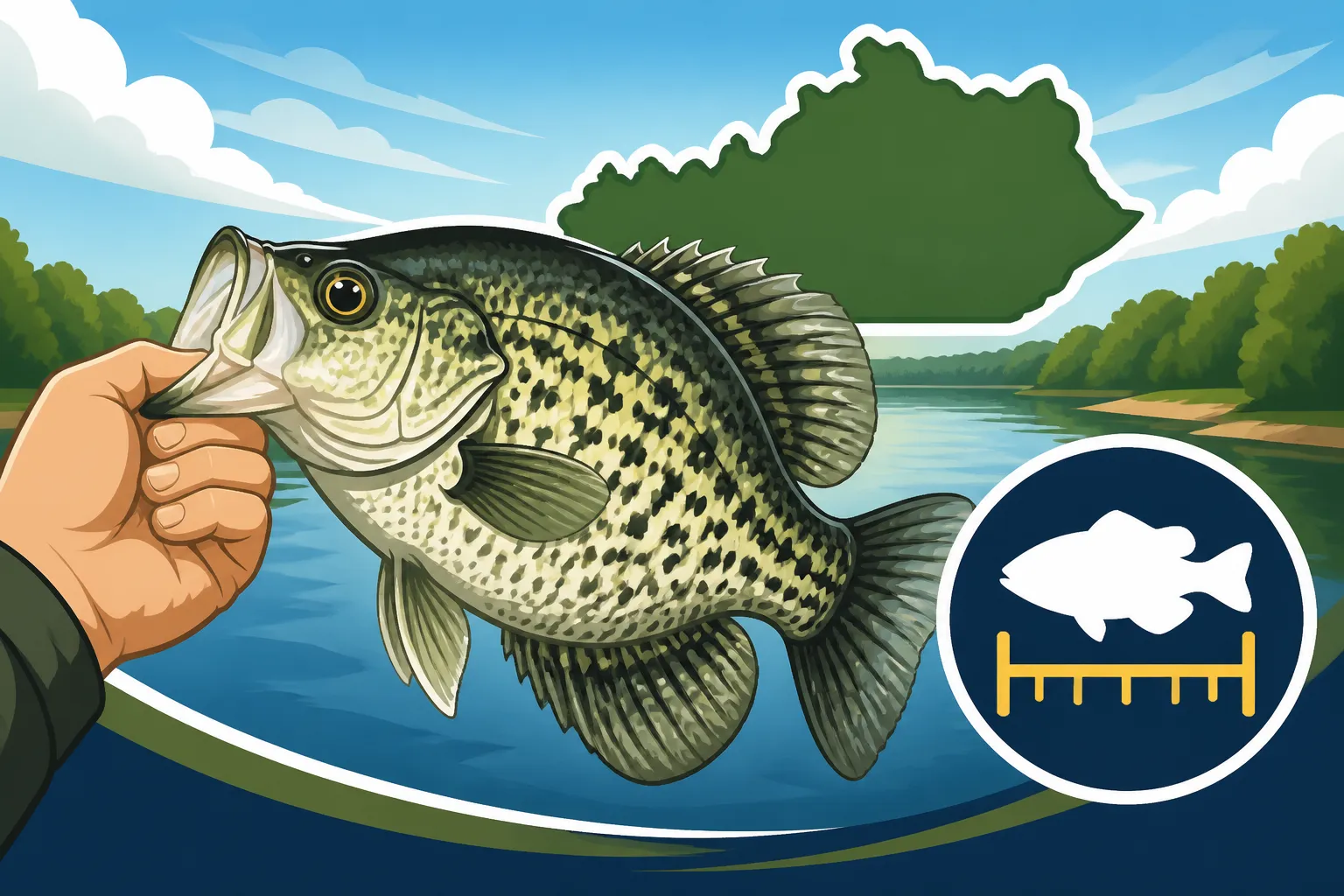
The 10-inch minimum size limit means that any crappie you catch on Barren River Lake must measure 10 inches or more from the tip of its snout to the end of its tail, with the tail compressed, to be legally kept. If a crappie measures 9.9 inches, it absolutely must be released immediately and unharmed. This is where a reliable measuring device becomes your best friend. I always keep a simple, foldable fish ruler or a measuring board handy in my tackle box, easily purchased from retailers like Amazon. It eliminates guesswork and ensures you're always on the right side of the law.
Imagine you're out on the lake, the crappie are biting, and you're pulling in fish after fish. It's easy to get excited and perhaps a little complacent. But every single fish you intend to keep needs to be measured. If you accidentally put an undersized fish in your livewell or cooler, even if it was unintentional, it’s still a violation. This rule demands careful attention to detail for every fish, not just the ones that look "iffy." It's better to measure twice and keep once than to face potential penalties for having an illegal catch.
Statewide Daily Limit vs. Barren River Lake
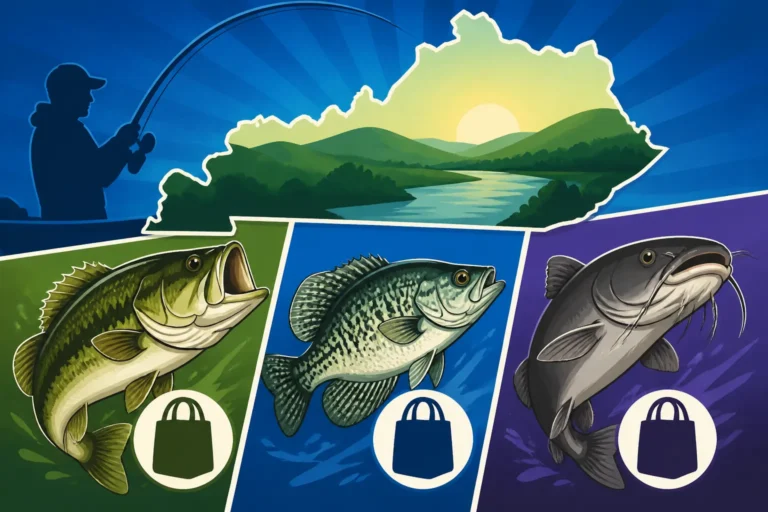
While the size limit is lake-specific, the daily creel limit for crappie on Barren River Lake aligns with the Kentucky Crappie Daily Limit: 20 Fish Statewide. This means that even if all the crappie you catch are over 10 inches, you are still limited to keeping a maximum of 20 crappie per angler per day. This combination of a minimum size limit and a daily creel limit works together to manage the population. The size limit helps ensure fish reach maturity and grow larger, while the creel limit prevents overharvesting of those legal-sized fish.
Here’s a quick comparison of the crappie limits:
| Regulation Type | Statewide Crappie Limit | Barren River Lake Crappie Limit |
|---|---|---|
| Minimum Size | No minimum size | 10 inches |
| Daily Creel | 20 fish per angler | 20 fish per angler |
This table clearly illustrates the key difference. While most of Kentucky's waters don't have a minimum size for crappie, Barren River Lake is a notable exception. This is why knowing your specific body of water's rules is absolutely critical, even if you’re fishing within the same state. Always make it a habit to check the current Kentucky Fishing Regulations Explained before heading out on any trip, especially to a new lake.
Practical Tips for Fishing Barren River Lake Crappie Under These Rules
Adapting your fishing strategy for a 10-inch crappie size limit isn't just about measuring; it's also about optimizing your chances of catching those legal-sized fish while ensuring the survival of any undersized ones you encounter. A little preparation and a few adjustments can make all the difference.
Measuring Your Catch Accurately
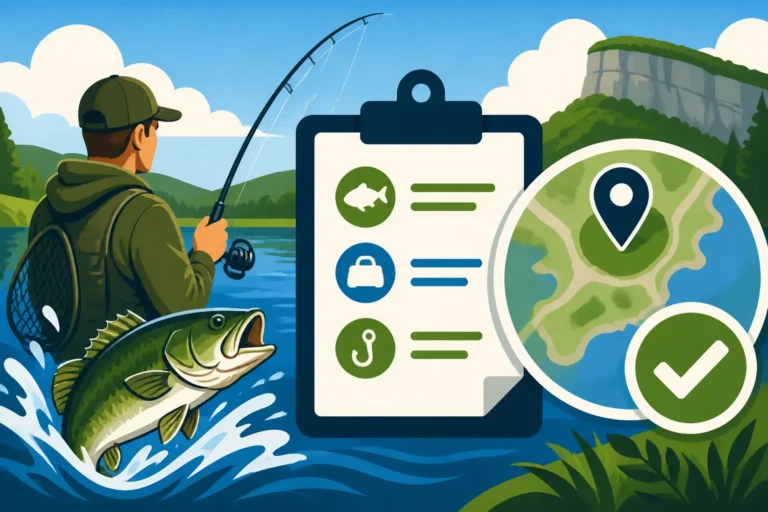
First and foremost, invest in a good, reliable measuring device. A simple bump board or a flexible measuring tape that adheres to your boat or kayak is ideal. Many anglers keep a small, inexpensive plastic fish ruler in their tackle box, which you can find on Amazon or at any local bait shop. When measuring, lay the fish flat on its side, with its snout touching the "zero" mark or the bump end of your ruler. Gently squeeze the tail fin together to get the maximum length. The measurement should be taken to the longest point of the tail.
It’s tempting to estimate, especially when the bite is hot, but estimations can lead to costly mistakes. If you're fishing with friends or family, make sure everyone understands the proper measuring technique. It’s also wise to do this immediately upon catching the fish, before placing it in a livewell. If it's undersized, a quick measure and release are essential for its survival.
Responsible Catch and Release
Since you’ll likely be releasing a good number of crappie under 10 inches, proper catch and release techniques are paramount. This isn't just a nicety; it's critical for the fish's survival and the health of the fishery.
- Handle with Care: Minimize the time the fish is out of the water. Hold it horizontally, supporting its belly, especially if it's a larger fish. Avoid squeezing its body or putting your fingers in its gills.
- Remove Hooks Gently: Use needle-nose pliers or a hook-remover tool to quickly and cleanly extract the hook. If the fish is deeply hooked and removing the hook would cause significant damage, it's often better to cut the line as close to the hook as possible and release the fish with the hook still in. Barbless hooks can also make removal much easier.
- Revive If Needed: If the fish seems sluggish or stressed after being caught, hold it gently in the water, facing into the current (if any), and allow water to flow over its gills until it regains strength and swims away on its own.
- Avoid Dry Surfaces: Try to keep the fish off hot, dry surfaces like boat decks or concrete. A wet towel or a designated measuring board is much better.
By being mindful of these practices, you significantly increase the chances that those smaller crappie will survive, grow, and become future keepers.
Gear and Lure Considerations for Larger Crappie
While crappie can be caught on a variety of gear, if you’re specifically targeting those 10-inch-plus slabs at Barren River Lake, you might want to subtly adjust your approach.
- Jig Size: Instead of tiny 1/32 or 1/64 ounce jigs, consider moving up to 1/16 or even 1/8 ounce. Larger jigs can sometimes deter smaller fish and appeal more to bigger crappie. Paired with soft plastic bodies in the 2-inch range, these can be very effective. You can find a wide array of options for Best Crappie Jigs for Kentucky Waters at your local tackle shop or online.
- Minnow Size: If you're using live minnows, slightly larger minnows might also help select for bigger crappie.
- Fishing Depth: Often, larger crappie will hold in deeper water or around more substantial cover, even during the spawn. While you can certainly catch them shallow, don't be afraid to target brush piles, submerged timber, or creek channels in 10-20 feet of water. Understanding Crappie Fishing Around Brush Piles can be a game-changer.
- Line Strength: While ultralight gear is fun, a slightly heavier line (like 6-8 lb test mono or fluorocarbon, or even light braid) can give you more control over larger fish, especially when pulling them out of heavy cover, and reduce break-offs.
- Rod Selection: A sensitive, medium-light action spinning rod between 6 to 7 feet is versatile for crappie fishing. It allows for accurate casting and feeling those subtle bites from larger fish. For those who prefer a more specialized approach, a dedicated How to Rig a Jig for Crappie Fishing pole, often longer and more flexible, can offer excellent control in vertical jigging scenarios.
By slightly adjusting your presentation and targeting methods, you can increase your odds of encountering and successfully landing those legal-sized crappie at Barren River Lake.
The Importance of Adherence and Consequences of Violation
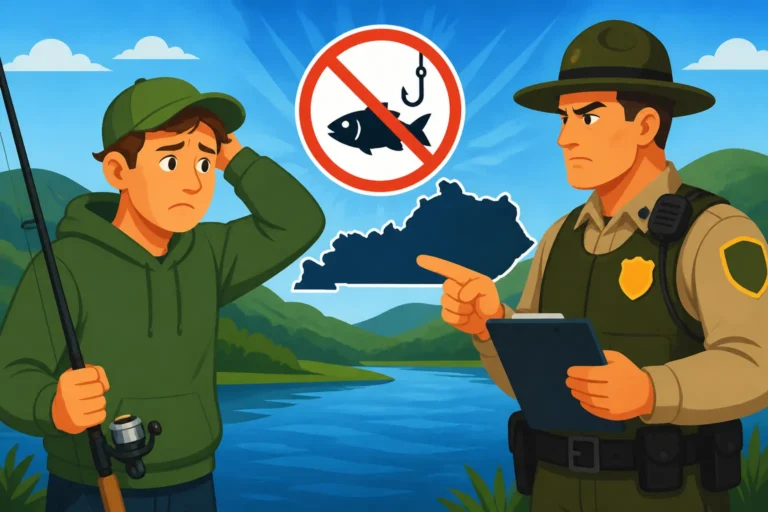
Understanding and following fishing regulations isn't just about staying out of trouble; it's about being a responsible steward of our natural resources. However, it's also essential to be aware of the serious implications if you unintentionally or intentionally break the rules. Game wardens are out there, and they are doing their job to protect the fishery.
Staying Informed is Key
Fishing regulations, while generally stable, can sometimes change. The Kentucky Department of Fish and Wildlife Resources regularly publishes updated fishing guides, both online and in print. Before every season, or even before heading to a new body of water, it’s always a good idea to quickly review the most current regulations. This is particularly true for lakes with site-specific rules like Barren River Lake. Don't rely solely on what you "heard" from a buddy or what applied last year. Take a few minutes to confirm the rules, especially the Statewide Bag and Size Limits by Fish Species and any localized exceptions.
A quick visit to the KDFWR website or picking up a physical copy of the guide from a bait shop is all it takes. Ignorance of the law is not an excuse, and game wardens are not usually sympathetic to anglers who haven't bothered to check the rules.
Penalties for Non-Compliance
Getting caught with undersized crappie or exceeding the daily creel limit on Barren River Lake can lead to more than just a stern warning. Penalties for Fishing Without a License in Kentucky are well-known, but violating size and creel limits also carries significant consequences. Depending on the severity of the violation and the discretion of the wildlife officer, you could face:
- Fines: These can range from moderate to substantial, especially for repeat offenses or for having numerous illegal fish.
- Confiscation: Your catch for the day, including any legal fish, might be confiscated.
- Equipment Confiscation: In more serious cases, especially involving gross violations or repeat offenders, your fishing gear, including your rod, reel, and even your boat, could be confiscated.
- License Revocation: Your Kentucky fishing license could be suspended or revoked, preventing you from fishing legally for a certain period. This could even impact your ability to get a fishing license in other states.
- Court Appearances: You might be required to appear in court, adding legal fees and time lost to the mix.
These aren't empty threats. Wildlife officers regularly patrol lakes like Barren River, and they are trained to spot violations. They conduct Game Warden Enforcement and License Checks While Fishing, and they will absolutely check your livewell and measure your fish. It's a risk simply not worth taking. Always remember that the rules are there to protect the resource, and by following them, you're contributing to a better fishing future for everyone in Kentucky.
Disclaimer
Please note that fishing regulations can change. While every effort has been made to provide accurate and up-to-date information in this guide, it is the angler's responsibility to verify current regulations with the Kentucky Department of Fish and Wildlife Resources (KDFWR) before heading out to fish. This article is for informational purposes only and should not be considered legal advice.