Do Kids Need a Fishing License in Kentucky?
There's nothing quite like the joy of watching a child reel in their very first fish, but for many parents and guardians, the excitement can be overshadowed by a nagging question: "Do kids need a fishing license in Kentucky?" It's a common source of confusion, and frankly, the last thing anyone wants is to unknowingly break the rules when you're just trying to enjoy a peaceful day on the water with your little ones. This guide is here to clear up all that uncertainty, so you can focus on making memories, not worrying about regulations.
Understanding Kentucky's Youth Fishing License Exemptions
Navigating fishing regulations can feel like deciphering a complex legal document, especially when it comes to the nuances of youth licenses. The good news is that Kentucky is pretty clear about when and where younger anglers need a license, and often, it's more forgiving than you might think. The core idea is to encourage participation, not create barriers for new generations of fishermen and women.
The Age Cut-Off: When Kids Can Fish for Free
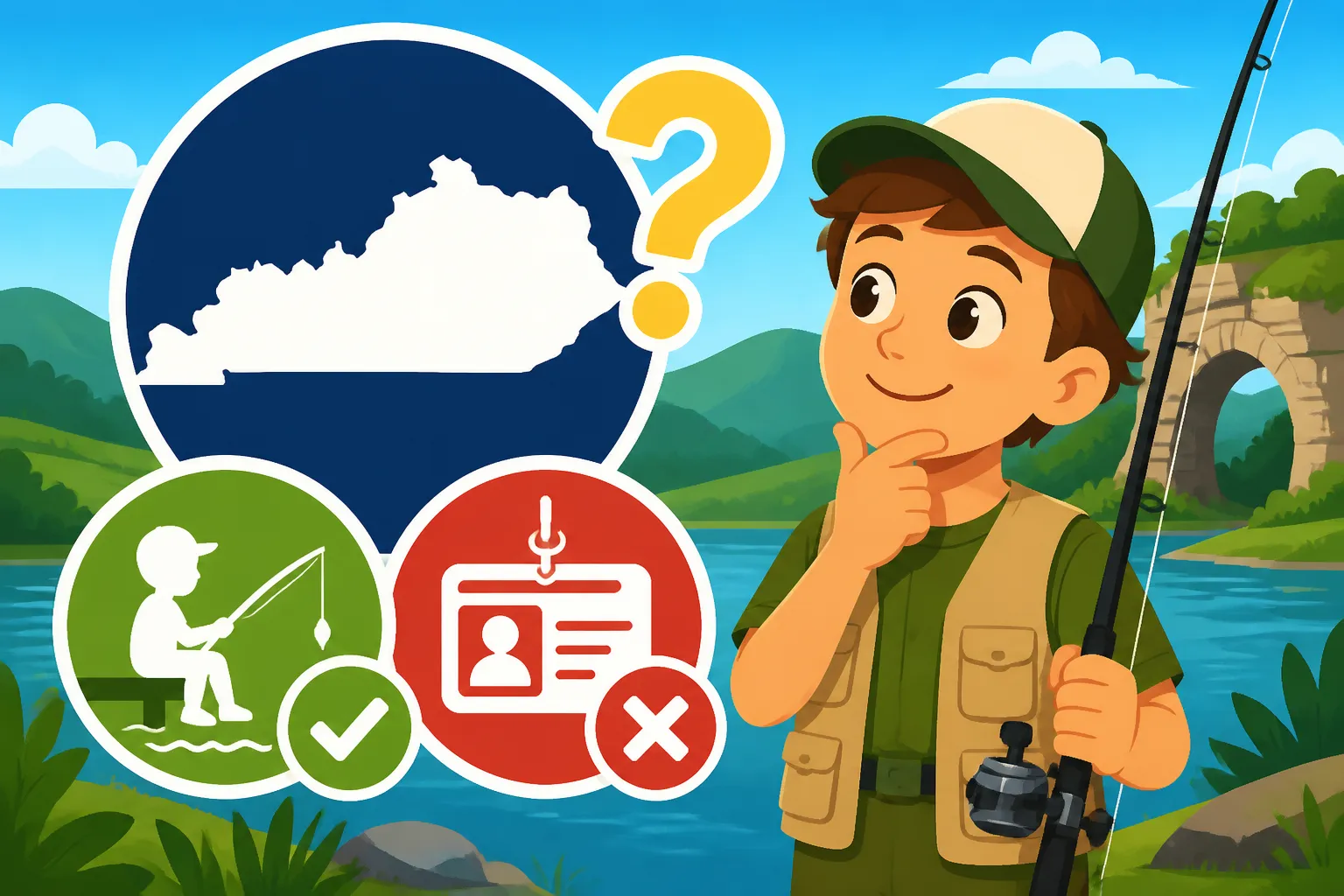
Let's get right to the heart of the matter: in Kentucky, children under the age of 16 are generally exempt from needing a fishing license. That's right, if your little angler hasn't hit their sixteenth birthday yet, they can legally cast a line in most public waters without you having to purchase an additional license for them. This is a huge relief for families, as it significantly reduces the cost and paperwork associated with introducing kids to the sport. Imagine heading out to your favorite spot on Lake Herrington or a quiet bend on the Kentucky River without having to worry about one more piece of plastic in your wallet for the younger crowd. It truly simplifies things and helps make fishing accessible. This rule means you can focus on teaching them how to cast, identify different fish species, or simply enjoy the tranquility of nature, rather than stressing over administrative details.
However, while the statewide rule for fishing licenses is straightforward, it's crucial to remember that this exemption only applies to the general fishing license. If you're targeting specific species like trout in designated trout waters, for instance, a special permit might be required for everyone, regardless of age, though these instances are rare for casual youth fishing. Always double-check the specifics for highly regulated species. This general exemption is a fantastic way for families to explore the Best Fishing Spots in Kentucky without an extra financial burden.
Common Misconceptions About Youth Fishing Rules
It's easy to get tangled up in misinformation when it comes to fishing regulations, and youth licenses are no exception. One common misconception is that if an adult has a license, their child is automatically covered, even if the child is over 15. This isn't true. Once a child turns 16, they are considered an adult in the eyes of the Kentucky Department of Fish and Wildlife Resources (KDFWR) and must possess their own valid Kentucky Fishing License Guide to fish in public waters. Another myth is that private ponds always require a license, regardless of age. While many private pond owners don't require a license if you have permission to fish, this isn't a universal rule. If the pond is stocked by the state, or if it's connected to public waterways, the same rules apply. The best practice is always to clarify with the property owner or check KDFWR regulations if there's any doubt about License-Required Waters Versus Private Ponds.
It’s also important to understand that while children under 16 don't need a license, they are still subject to all other fishing regulations. This includes statewide bag and size limits, as well as any lake-specific rules. For example, if you're fishing for bass on Kentucky Lake, your child still needs to adhere to the Kentucky Statewide Bass Size and Daily Limit Rules, or the specific rules for Lake Barkley's bass. You can’t just let them keep every fish they catch because they’re young; conservation rules apply to everyone. This is a great opportunity to teach them about responsible angling and how important it is to protect our natural resources.
Practical Scenarios: Fishing with Different Age Groups
Let’s walk through a few real-world examples to make this crystal clear.
- Scenario 1: Your 8-year-old and 13-year-old are fishing with you.
- Neither your 8-year-old nor your 13-year-old needs a Kentucky fishing license. They are both under 16. You, as the accompanying adult, do need a valid license.
- Scenario 2: Your 15-year-old and 17-year-old are fishing together.
- The 15-year-old does not need a license. The 17-year-old, having passed their 16th birthday, must have their own valid Kentucky fishing license. This is a perfect example of when the age cut-off matters. They might look like adults, but only one is legally considered one for fishing purposes.
- Scenario 3: Your 10-year-old is fishing on a private pond with permission from the landowner.
- Generally, if the pond is truly private and not connected to public waters or stocked by the state, your 10-year-old would not need a license. However, always confirm with the landowner. If it's a private lake that is stocked by the KDFWR, then technically the statewide rules for public waters would apply.
These scenarios illustrate why it's so important to know the precise rules. You don't want a pleasant fishing trip to turn into a stressful encounter with a game warden. Understanding these details upfront means a smoother, more enjoyable day for everyone involved.
Essential Rules for Accompanying Adults
Even if your child doesn't need a license, your role as an accompanying adult is crucial. It’s not just about driving the boat or baiting hooks; it’s about ensuring everyone is compliant with the law and fostering a safe, responsible fishing environment. Your knowledge and preparation are key to a hassle-free outing.
Your License Responsibilities as a Guardian
As the adult supervising children under 16, you are responsible for holding a valid Kentucky Resident Annual Fishing License Cost or appropriate license for yourself. It might seem obvious, but it’s a critical point often overlooked. If you’re fishing alongside your kids, casting a line yourself, or even just holding a rod for a minute while they take a break, you need a license. The KDFWR sees anyone actively engaged in fishing or aiding in the act of fishing as needing a license. So, while your child is enjoying their license-free status, make sure your own paperwork is in order. It's not uncommon for game wardens to check the licenses of all adults present, even if they claim they're "just helping the kids." Don't put yourself in a sticky situation by assuming you're exempt because you're with children. Think of it this way: your license is the foundation upon which your family's fishing adventure is built. You can easily How to Buy a Kentucky Fishing License Online before your trip.
Furthermore, as the adult, you're ultimately responsible for ensuring that the children you're supervising also adhere to all other fishing regulations. This includes respecting catch limits, size restrictions, and knowing what fish are in season. For instance, if you're at Barren River Lake, and your child catches a crappie, you'll need to know about the Barren River Lake Crappie Size Limit in Kentucky and ensure they release any undersized fish. It's a fantastic opportunity to teach them about ethical angling and the importance of conservation, making you not just a fishing buddy, but also a mentor.
Keeping Up with Statewide and Lake-Specific Regulations
Kentucky has diverse fisheries, and with that diversity comes a variety of rules. While there are statewide regulations for popular species like bass, crappie, and catfish, many lakes and rivers have specific exceptions that you absolutely need to know before you cast a line. For example, while the statewide bass limit might be a certain size, a particular lake like Lake Barkley might have a Lake Barkley's 15-Inch Bass Size Limit Explained that's more restrictive. Failing to check these site-specific rules can lead to fines, even if you had good intentions. Always consult the current KDFWR Fishing & Boating Guide, which is updated annually, or use their online resources to verify rules for your chosen fishing spot.
It's a good habit to check the regulations for your specific lake or river before every trip. Water bodies like Lake Cumberland, the Ohio River, or Taylorsville Lake each have their own nuances. This isn't just about fish size and bag limits; it can also include rules about bait restrictions, designated fishing areas, or even specific times when certain types of fishing are allowed. For example, paddlefish snagging on the Ohio River has very specific seasons and methods. Being prepared means a more relaxed and enjoyable trip, free from the worry of unknowingly breaking a rule. You can find comprehensive details in the Kentucky Fishing Regulations Explained guide.
Preparing for a Game Warden Check
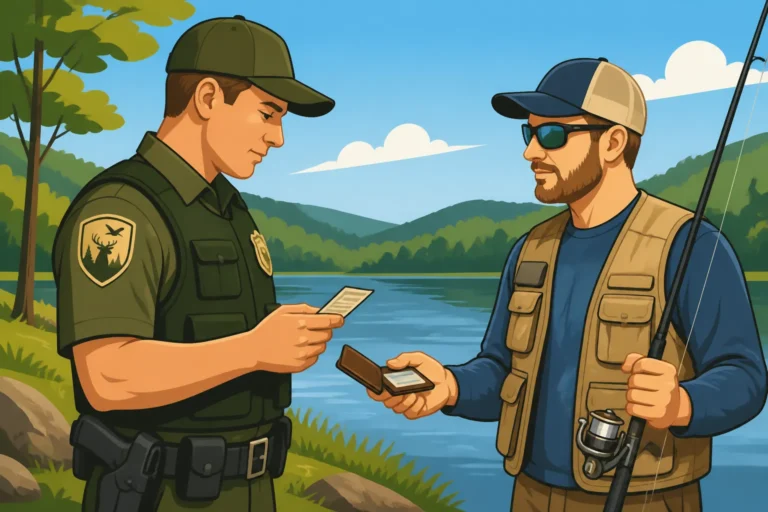
It's an inevitable part of fishing in public waters: eventually, you'll encounter a Kentucky game warden. These dedicated professionals are out there to protect our natural resources and ensure everyone is following the rules. When they approach, always be courteous and cooperative. It makes the experience much smoother for everyone. A game warden will typically ask to see your fishing license, and if you're with children, they may ask about their age and confirm they are under the licensing age. They might also want to inspect your catch to ensure you're within legal limits for size and number of fish.
To be fully prepared, make sure you have your license readily accessible, whether it's a physical card or a digital copy on your phone. Have a measuring device on hand (a flexible tape measure is ideal) to quickly verify fish sizes. It’s also wise to keep a copy of the current regulations guide, or at least have access to the KDFWR website on your phone, to reference any specific rules if questioned. Being organized and knowledgeable shows respect for the law and for the game wardens doing their job. A calm and prepared demeanor will help ensure a positive interaction. For more details on what to expect, check out Game Warden Enforcement and License Checks While Fishing.
Planning a Successful Family Fishing Trip in Kentucky
Taking kids fishing is about so much more than just catching fish. It's about spending quality time together, teaching them patience, fostering an appreciation for nature, and creating lasting memories. Planning ahead can make all the difference between a frustrating outing and a truly magical one.
Choosing Kid-Friendly Fishing Spots
When you're fishing with kids, especially younger ones, the "best" fishing spot isn't necessarily the one with the biggest trophy fish. Instead, look for locations that offer easy access, amenities, and a good chance of catching something to keep their attention. State parks often have excellent options, like the fishing pier at Barren River Lake State Resort Park, which is perfect for beginners. Smaller lakes or ponds are also usually better than vast, open reservoirs, as they can be less intimidating and often hold abundant panfish like bluegill, which are eager biters.
Consider spots with shaded areas, restrooms nearby, and safe banks or piers. Lakes like Barren River Lake are known for being family-friendly. Avoid areas with strong currents, dense vegetation that can snag lines easily, or steep, slippery banks. If you're looking for ease, many local city or county parks in Kentucky have small, stocked fishing ponds that are specifically managed for youth and beginner anglers. These spots usually have easy bank access and are prime for panfish. Think about spots like those in the Best Family-Friendly Fishing Spots on Barren River Lake, Kentucky or other similar state park options that offer designated fishing areas.
Gearing Up for Young Anglers
You don't need expensive, high-tech gear for kids to have a blast. In fact, simpler is often better. A basic spinning rod and reel combo, typically a 5 to 6-foot ultralight or light action, is perfect for little hands. Look for something durable and easy to cast. You can find excellent starter combos on sites like Amazon that are specifically designed for children. Pre-spooled lines and push-button reels (spincasters) are fantastic for avoiding frustrating tangles.
For bait, stick with the basics: live worms, crickets, or small pieces of corn are irresistible to panfish. A small bobber that's easy to see, a few split-shot weights, and small hooks (size 8 or 10) are all you really need. Pack a small tackle box with just the essentials to keep things organized. Don't forget essentials like a pair of pliers for removing hooks, a small cooler for drinks and snacks, sunblock, insect repellent, and a towel. Having a bucket for their catches can also add to the excitement! For some ideas on what kind of gear works best, you might want to explore articles like Best Rods and Reels for Kentucky Crappie Fishing as crappie gear is often light and suitable for younger anglers.
Making It Fun: Beyond Just Catching Fish
Remember, the goal is to make fishing an enjoyable experience that kids will want to repeat. If the fish aren't biting, don't let it ruin the day. Shift gears! Explore the shoreline for interesting rocks or shells, look for wildlife like birds or turtles, or simply enjoy a picnic by the water. Teach them about casting techniques, how to identify different fish, or even basic knot-tying. Showing them how to safely handle a fish before releasing it is a valuable lesson in conservation.
Consider bringing along a small net to help them land fish, which can be very exciting. Even if they only catch one small bluegill, celebrate it like it’s a state record! Take photos, tell stories, and focus on the overall experience. Sometimes, the best memories are made during the quiet moments between bites, or when a heron lands nearby. The aim is to cultivate a love for the outdoors and the sport, not to fill a cooler. This long-term approach will create lifelong anglers and cherished family traditions. For tips on attracting those first bites, Bluegill Fishing Tips for Beginners can be incredibly helpful for keeping kids engaged.
| Age Group | License Required | Adult Supervision | Bag & Size Limits Apply |
|---|---|---|---|
| Under 16 | No | Yes | Yes |
| 16 and Over | Yes | N/A | Yes |
Additional Considerations for Young Anglers
While the basic license rule is clear, there are a few other elements to consider that can enhance or affect your family's fishing experiences in Kentucky. These details can help you plan even more effectively.
The Kentucky Free Fishing Weekend: A Great Opportunity
Kentucky offers a fantastic opportunity each year with its Kentucky Free Fishing Weekend Guide. Typically held in early June, this designated weekend allows everyone, residents and non-residents alike, to fish in public waters without needing a fishing license or a trout permit. This is an absolutely ideal time to introduce children to fishing, especially those who might be close to the 16-year-old cutoff or for families who are hesitant to purchase licenses initially. It removes any licensing hurdles entirely, making it purely about the joy of fishing.
During Free Fishing Weekend, all other fishing regulations, such as size and daily limits, remain in effect. So while the license requirement is waived, responsible angling practices are still paramount. It's a perfect chance to visit a new lake, try a different fishing spot, or just enjoy an impromptu fishing trip with minimal fuss. Many communities and state parks often host special events during this weekend, like kids' fishing derbies, which can add even more fun and educational value to the experience. Keep an eye on the KDFWR calendar to mark this important date!
Special Permits for Specific Species or Locations
It's vital to reiterate that the "under 16, no license" rule applies to the general fishing license. While rare for typical youth fishing, there are instances where special permits might be required, even for younger anglers. The most common example is a trout permit. If your family decides to target trout in specifically designated "trout waters" (often smaller streams or certain sections of larger lakes like Lake Cumberland that are heavily stocked), then generally everyone needs a trout permit, regardless of age. This isn't usually an issue for a casual trip to a local pond for bluegill, but if you're planning a dedicated trout expedition, like trying to catch rainbow trout in the cold waters below Wolf Creek Dam, you'll want to double-check the Kentucky Trout Permit Guide to ensure everyone is covered.
These specific permits exist to help fund the management and stocking of those particular fisheries, ensuring their sustainability. Always review the KDFWR regulations guide for your chosen fishing location and target species to avoid any surprises. You can often purchase these permits online or at local sporting goods stores, like those found through an Amazon search for "Kentucky fishing permits."
Youth Hunting and Fishing Licenses for Older Kids
As kids get older and approach that 16-year-old milestone, they might want to consider the broader options available. For those between the ages of 12 and 15, Kentucky offers a Youth Hunting and Fishing License. While not strictly required for fishing under 16, this license provides an affordable way for young outdoor enthusiasts to participate in both hunting and fishing opportunities, including all applicable permits like the trout permit, without needing to purchase them separately. It also allows them to start carrying their own license and feel a greater sense of ownership over their outdoor pursuits.
Once your child turns 16, they are required to purchase an adult fishing license, and often, an annual license is the most cost-effective option if they plan to fish more than a few times a year. At this age, they might also start getting interested in hunting, and a Kentucky Senior Lifetime Sportsman's License Cost is a great option, though often people confuse the senior options with youth options due to the "sportsman's" terminology. They are different. Encouraging them to take responsibility for their own licensing is a great step in their journey as independent and responsible anglers. They can even purchase their own license easily online or at participating vendors across the state, and print it out right at home.
Disclaimer
Please note that fishing regulations can change. While every effort has been made to provide accurate and up-to-date information, it is always the angler's responsibility to consult the most current Kentucky Department of Fish and Wildlife Resources (KDFWR) Fishing & Boating Guide or their official website before heading out. This content is for informational purposes only and should not be considered legal advice.