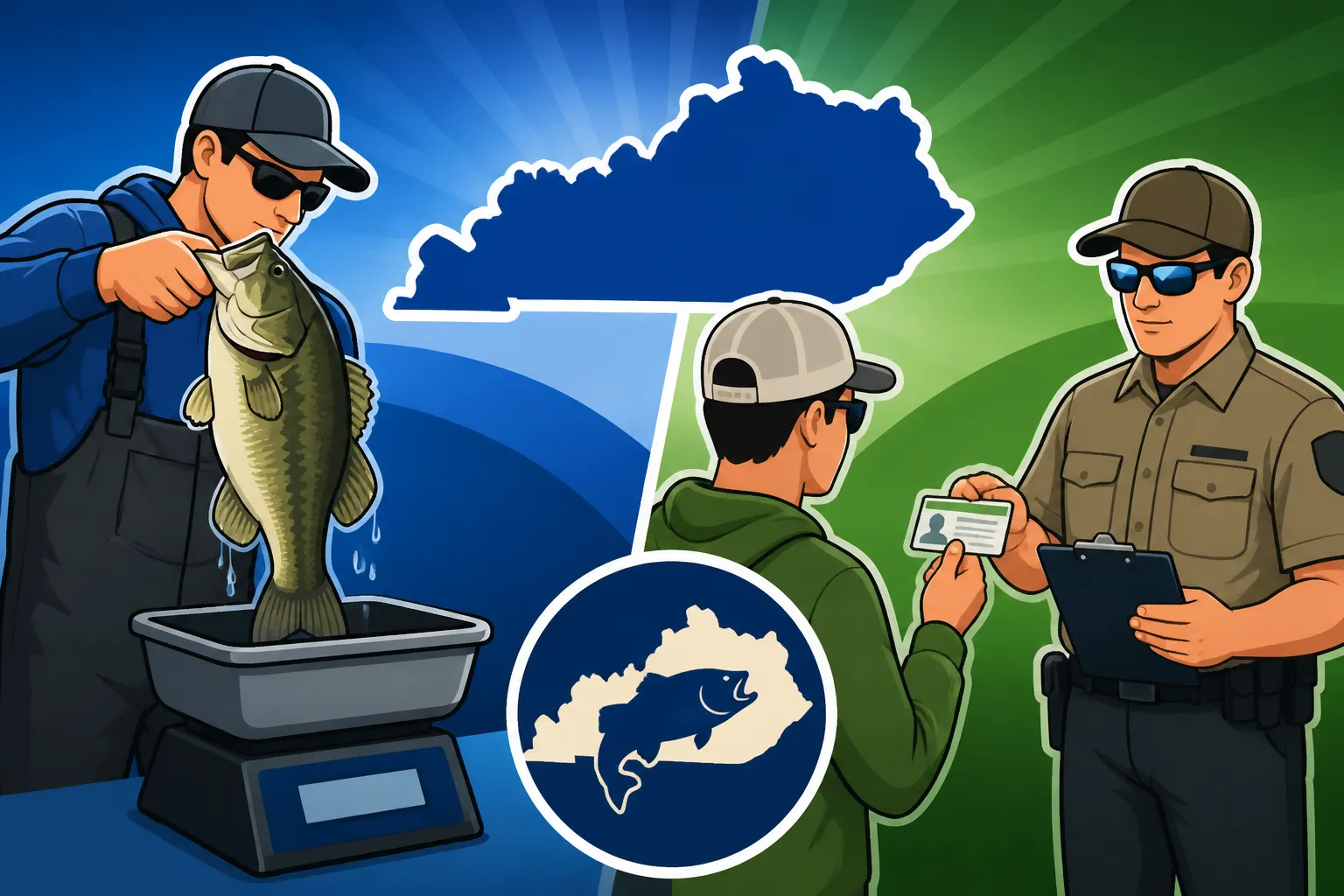
Tournament Weigh-Ins and License Checks Explained
There’s nothing quite like the adrenaline rush of a fishing tournament in Kentucky. You’ve put in the hours, battled the elements, and now you’re headed to the weigh-in, hoping your hard work pays off. But amidst the excitement, a little voice in the back of your head might whisper, "What if I get checked?" It’s a common worry, and one that can easily be addressed with proper preparation. This guide is here to walk you through everything you need to know about game warden interactions and license checks, especially when you’re proudly presenting your catch at the scales.
The Reality of License Checks During Tournaments
Let's be real, the thought of a game warden checking your license and gear can be a bit intimidating, especially when you're focused on a weigh-in. But it's a vital part of protecting our fisheries and ensuring fair play. These checks are a regular and expected occurrence, not a sign that you've done something wrong. Understanding why they happen and what to expect can ease a lot of that pre-weigh-in anxiety.
Why Game Wardens Focus on Tournaments
It might seem like game wardens specifically target tournaments, and in a way, they do – but not in a negative sense. Think about it: tournaments bring together a large concentration of anglers, all operating under specific rules and regulations. This provides an efficient opportunity for the Kentucky Department of Fish and Wildlife Resources (KDFWR) to ensure everyone is compliant. There's increased visibility, higher stakes involved with prize money, and frankly, more potential for honest mistakes or, unfortunately, intentional violations. By being present, wardens uphold the integrity of the sport and protect Kentucky's valuable fish populations. They're there to make sure the playing field is level and that our natural resources are being respected by everyone, from casual anglers to seasoned pros.
Common Scenarios for License Checks at Weigh-Ins
You might encounter a license check in several places during a tournament. Sometimes, a warden might pull alongside your boat on the water as you're making your way back to the ramp, especially if it's a busy event. They might also be stationed at the boat ramp itself, observing boats as they come off the water, or even walking the docks. However, one of the most common times for a check is directly at the weigh-in station. As you're waiting in line to present your fish, a warden might approach and politely ask for your documentation. It’s important to remember that this is standard procedure. Don’t take it personally or assume you’ve drawn suspicion. They’re simply doing their job, ensuring that everyone participating has the necessary Kentucky Fishing Regulations Explained knowledge and proper licensing.
What Wardens Are Looking For
When a game warden initiates a check, they’re primarily concerned with a few key things. First and foremost, they want to see a valid Kentucky fishing license for everyone on board who is required to have one. If you're targeting specific species like trout, they'll also verify you have a current Kentucky Trout Permit Guide. Beyond personal licenses, they’ll be checking for compliance with general fishing regulations, such as minimum size limits and daily creel limits for species like bass, crappie, and catfish. This often involves a quick look at your livewell and the fish you intend to weigh. For those operating a boat, they’ll also ensure your vessel meets all state requirements, including proper registration and essential safety equipment like life jackets and fire extinguishers. It’s all about making sure you’re fishing legally, safely, and responsibly.
Essential Documents and Information to Have on Hand
The key to a stress-free license check is preparation. Knowing exactly what documents and information you need to present, and having them readily accessible, can make the entire process smooth and quick. It’s not just about avoiding a penalty; it’s about demonstrating your commitment to responsible angling.
Your Kentucky Fishing License Details
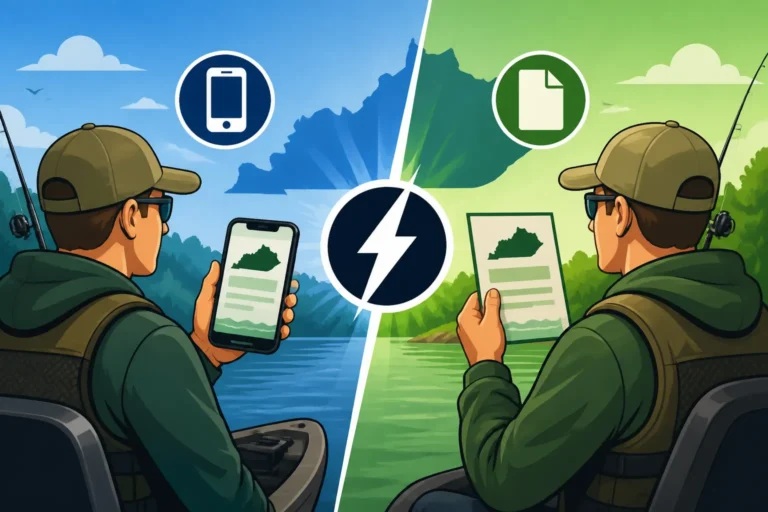
First and foremost, you need proof of a valid Kentucky fishing license. The KDFWR accepts both physical copies and digital versions displayed on your smartphone. While carrying a physical card in a waterproof wallet is always a solid plan, having a digital copy saved to your phone or accessible through the official KDFWR app is also perfectly acceptable. Just make sure your phone is charged! It's also incredibly helpful to know your license number by heart or have it quickly accessible, as this speeds up verification. If, for some reason, you've misplaced your physical license, don't panic. You can often look up your information or print a new copy online. For more details on this, you can refer to our guide on Kentucky Fishing License Lookup by Name or Number. Always ensure your license is current and hasn't expired, especially since the Kentucky Fishing License Year Runs March 1 to February 28.
Required Boat and Safety Documentation
If you're fishing from a boat, there's a whole other set of documentation and equipment you need to have in order. The KDFWR takes boating safety very seriously, and tournaments are prime times for these checks. You'll need your current Kentucky Boat Registration Requirements Explained on board, typically a registration card, and proof of ownership. Make sure the registration decals are properly affixed to your boat's hull.
Beyond paperwork, physical safety equipment is paramount. This includes having the correct number and type of U.S. Coast Guard-approved life jackets for everyone on board, readily accessible. Remember, there are specific Life Jacket Rules for Boats in Kentucky, especially for children under a certain age. You'll also need a fire extinguisher, a horn or whistle for signaling, and navigation lights if you're out during low light. Having a comprehensive Kentucky Boating Safety Gear Checklist can help you ensure you're fully compliant before heading out on the water. Many boaters find it useful to keep these documents and a copy of their fishing license in a small, waterproof bag that's easy to grab in an emergency or during a check. You can find durable, waterproof document holders for marine use on platforms like Amazon.
Tournament-Specific Regulations
While state-wide regulations form the baseline, many tournaments have additional rules that anglers must adhere to. These might include specific livewell requirements to ensure the health of the fish, rules about culling practices, or even particular size limits that differ from general state regulations. For instance, while the Statewide Bag and Size Limits by Fish Species provide a general framework, a specific lake like Lake Barkley might have a unique Lake Barkley Bass Size Limit Exception in Kentucky, or Barren River Lake could have its own Barren River Lake Crappie Size Limit in Kentucky. It's your responsibility as an angler to not only know the KDFWR rules but also to thoroughly understand and follow the rules set by the tournament organizers. Often, game wardens are aware of these specific tournament rules and may check for compliance with them as well, as they often align with conservation efforts. Always read the tournament rulebook carefully before you launch.
What to Expect During a License and Safety Check
A game warden check isn't meant to be an interrogation, but rather a routine verification. Knowing the typical flow of such an interaction can help you remain calm and ensure everything goes smoothly, allowing you to get back to the excitement of the weigh-in quickly.
The Interaction with a Game Warden
When a game warden approaches, whether on the water or at the weigh-in, the best course of action is to be polite, cooperative, and respectful. They will typically identify themselves and state the purpose of their stop. They might ask for your fishing license, boat registration, and potentially proof of your identity. Simply provide the requested documents promptly. Don't fumble around or make them wait unnecessarily. They might also ask a few questions, such as where you've been fishing, what you've caught, or if you've had a good day. Answer truthfully and concisely. Remember, they are law enforcement officers dedicated to conservation and public safety. A friendly, compliant attitude goes a long way and helps keep the process brief and pleasant for everyone involved. Any unnecessary resistance or argument can escalate a simple check into a more prolonged and less desirable situation.
Typical Checks at the Weigh-In Station
At the actual weigh-in station, wardens often perform specific checks related to the fish you're presenting. They might visually inspect your catch to ensure all fish meet the legal size limits and that you haven't exceeded the daily creel limits for that particular species or body of water. This is particularly important for species that have varying limits depending on the lake, as discussed in the section on tournament-specific regulations. They'll confirm your fishing license is active and, if you're weighing in trout, that you have the appropriate trout permit.
Sometimes, a quick check of your livewell might occur. Wardens want to ensure that fish are being held in a humane manner, with adequate aeration and water temperature. This isn't just about ethics; it's often a tournament rule designed to ensure fish survival after release. While they won't typically dismantle your boat, they do look for obvious violations or signs of distress among the fish. They're also ensuring you haven't brought in fish from a different water body, which is a serious violation designed to prevent the spread of invasive species and diseases.
Handling Compliance Issues or Violations
Nobody wants to face a compliance issue, but it's important to understand what might happen if a violation is found during a check. Depending on the severity and nature of the infraction, a warden might issue a verbal warning, a written citation, or a summons to appear in court. Fines can vary significantly, ranging from relatively minor for certain safety infractions to substantial for serious fishing regulation violations, such as possessing undersized fish or exceeding bag limits. Fishing without a license, for example, can result in significant penalties, as detailed in our guide on Penalties for Fishing Without a License in Kentucky.
If you are issued a citation, listen carefully to the warden's instructions, ask questions for clarification, and understand your options, which typically involve paying a fine or appearing in court to contest the charge. It's always best to rectify any issues promptly. For instance, if you genuinely forgot to renew your license, some jurisdictions might allow you to purchase a license on the spot, though a fine may still apply for the period you were unlicensed. The best defense, of course, is prevention: always double-check your documents and equipment before you leave the dock.
Proactive Steps for a Smooth Tournament Experience
Being prepared is truly the secret weapon against weigh-in worries. A little bit of planning before your tournament can save you a lot of headache and ensure your focus stays where it should be: on the fishing!
Before You Leave Home: The Checklist
Creating a thorough checklist of everything you need to bring and verify before each tournament is an absolute game-changer. This isn't just for documents; it extends to all aspects of your fishing trip. Start with your personal fishing license and any required permits, like a trout permit. Confirm their expiration dates to avoid any surprises. Next, move to your boat: is the registration current? Are the decals in place? Do you have all the required safety gear – life jackets for every person, fire extinguisher, horn, throwable device, and navigation lights – and is it all in good working order and easily accessible? Ensure you've reviewed the specific tournament rules, as well as any unique Kentucky Fishing Rules by Lake and Water that apply to the lake you're fishing. Many anglers print a small, laminated copy of these rules to keep in their boat. Having a dedicated fishing bag or waterproof container for all your critical documents, like those available on Amazon, can also keep things organized and protected.
Staying Informed on Regulations
Kentucky's fishing and boating regulations are dynamic, with occasional updates and changes, not to mention lake-specific rules. It's crucial for every responsible angler to stay informed. The official Kentucky Department of Fish and Wildlife Resources (KDFWR) website is your best friend here. They publish the most up-to-date regulations, often available as a printable guide or through a mobile app. Make it a habit to quickly review the regulations for the specific body of water you'll be fishing, especially if it's a new location or if it's been a while since your last trip. Don't rely solely on what you think you remember from last season. Things change! For instance, a quick check can confirm the current Kentucky Crappie Daily Limit Rules or clarify if specific tackle is permitted. Ignorance of the law is never an excuse, and game wardens expect anglers to be knowledgeable.
Essential Gear for Preparedness
Beyond your rod, reel, and tackle box, there are a few pieces of gear that can dramatically improve your preparedness for a game warden check or just generally make your tournament experience smoother. A high-quality, waterproof document holder is paramount for keeping your license, registration, and any other important papers dry and secure. Many excellent options can be found on Amazon, designed specifically for boating environments. Secondly, a reliable fish measuring board is critical. Ensure it's accurate and clearly marked, as this will help you verify your catch meets all size limits before you even get to the scales. If you're relying on a digital license, always carry a fully charged phone and consider a portable power bank, especially for those long tournament days, so your "license" doesn't run out of battery before you do!
| Item Category | Specific Item | Purpose | Notes |
|---|---|---|---|
| Personal Documents | Valid Kentucky Fishing License | Legal requirement for all anglers | Physical copy, digital on phone, or both. Check expiration! |
| Kentucky Trout Permit (if applicable) | Required for trout fishing | Must be purchased in addition to regular fishing license. | |
| Photo ID | For identity verification | Driver's license or state ID. | |
| Boat Documents | Kentucky Boat Registration Card | Legal requirement for motorized vessels | Keep on board; decals must be displayed. |
| Proof of Boat Ownership | May be requested for verification | Bill of sale or title. | |
| Safety Equipment | U.S. Coast Guard Approved Life Jackets | One for each person on board, accessible | Special rules for kids under 12. |
| Fire Extinguisher | For onboard fire safety | Type B-I or B-II, depending on boat size and fuel system. | |
| Sound Producing Device (horn/whistle) | For signaling in emergencies | Required for vessels 16ft and over. | |
| Throwable Flotation Device | For man overboard situations | Required for vessels 16ft and over. | |
| Navigation Lights | For operation during low light/night | Must be functional and displayed correctly. | |
| Tournament Prep Gear | Accurate Fish Measuring Board | To verify size limits pre-weigh-in | Essential for avoiding penalties for undersized fish. |
| Waterproof Document Holder | Protects critical papers | Can be found on Amazon. | |
| Tournament Rulebook/Regulations | Essential for understanding specific event rules | Review thoroughly, know exceptions to statewide rules. |
Disclaimer
This article is for general informational purposes only and does not constitute professional advice. Laws, prices and regulations vary by location and change over time. Consult a qualified professional for guidance on your specific situation.