Kentucky Lake: The State’s Top Bass Fishing Destination
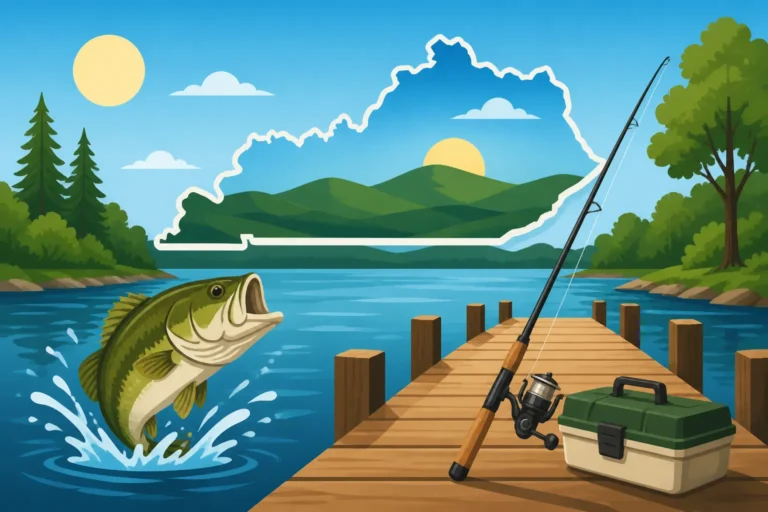
There's a reason seasoned anglers and wide-eyed newcomers alike often find themselves dreaming of a fishing trip to western Kentucky: Kentucky Lake. This colossal reservoir, formed by the impoundment of the Tennessee River, isn't just a big body of water; it's practically a legend in the bass fishing world. Many folks find themselves overwhelmed by its sheer size, wondering where to even begin, but this guide is here to cut through the confusion and show you exactly why Kentucky Lake is considered the state's top bass fishing destination and how you can experience its incredible fishery.
Why Kentucky Lake Reigns Supreme for Bass
Let's be honest, there are a lot of fantastic fishing lakes in Kentucky, each with its own charm and species specialties. But when it comes to chasing green fish, particularly largemouth bass, Kentucky Lake stands head and shoulders above the rest. Its reputation isn't just hype; it's built on decades of consistent production of both numbers and trophy-sized fish.
A Legacy of Lunker Largemouths
Kentucky Lake has an undeniable legacy of producing some truly impressive largemouth bass. For generations, anglers have recounted tales of massive bucketmouths pulled from its sprawling waters. This isn't just anecdotal; the lake consistently ranks among the top bass fisheries in the nation, drawing professional tournaments and recreational anglers seeking their personal best. The combination of nutrient-rich water, abundant forage, and diverse habitat creates an ideal environment for bass to thrive and grow to substantial sizes. When you hook into a true lunker here, you're not just fighting a fish; you're connecting with a piece of fishing history that runs deep in these waters.
Prime Habitat for Healthy Bass Populations
What makes Kentucky Lake such a perfect home for bass? It boils down to habitat, and this lake has it all in spades. Imagine miles upon miles of shoreline dotted with standing timber, submerged brush piles, rocky points, and expansive grass beds – that's Kentucky Lake. These varied structures provide bass with everything they need: ambush points for feeding, cover from predators, and safe havens for spawning. The constant flow from the Tennessee River also contributes to a healthy ecosystem, ensuring a steady supply of oxygen and nutrients. It's a complex underwater world, and understanding these diverse habitats is key to consistently finding fish. Whether the bass are holding tight to a shallow stump field or suspended over deep submerged humps, there's always a place for them to hide and hunt.
Tournament Hotspot Status
You know a lake is a serious contender when professional bass fishing circuits repeatedly choose it as a destination. Kentucky Lake has hosted countless major tournaments, from the Bassmaster Classic to various FLW and MLF events. This isn't just for show; it's because the lake reliably delivers competitive weights and exciting finishes. When the pros come to town, they aren't just looking for big fish; they're looking for consistent patterns that can produce a five-fish limit day after day. The fact that Kentucky Lake can meet this challenge time and again speaks volumes about its sustained productivity and the quality of its bass fishery. It also means that a lot of cutting-edge techniques and strategies are developed and refined right here, offering a fantastic learning opportunity for any angler looking to step up their game.
Understanding Kentucky Lake's Unique Bass Fishery
Kentucky Lake isn't just one big, homogenous body of water. It's a dynamic and complex system, and understanding its unique features is crucial for successful bass fishing. Think of it as a series of interconnected environments, each presenting its own opportunities and challenges.
The Massive Scale and Main Lake Features
One of the first things that strikes you about Kentucky Lake is its sheer size. Spanning over 160,000 acres with more than 2,000 miles of shoreline, it can feel intimidating. The main lake channel, which is essentially the old Tennessee River bed, runs through the entire reservoir and forms the backbone of its fishery. This main channel features prominent ledges, humps, and submerged islands that act as highways and feeding grounds for bass, especially during warmer months. Fishing these main lake structures requires a different approach than working shallow coves; it often means relying heavily on your electronics and understanding how current influences fish positioning. Don't be afraid to explore the vastness; sometimes the most productive spots are those less pressured main lake features.
Backwater Bays and Creeks: Hidden Gems
While the main lake gets a lot of attention, the numerous backwater bays and creek arms are truly the unsung heroes of Kentucky Lake's bass fishing. These areas offer a stark contrast to the open main lake, providing calmer, often shallower, and more protected environments. They are particularly vital during the spring spawn, when bass move into these areas to lay their eggs. Throughout the year, these creeks offer abundant cover in the form of flooded timber, lily pads, and natural grass, making them fantastic targets for anglers who prefer to fish closer to shore or target visible cover. Names like Big Sandy Creek, Blood River, and Jonathan Creek are legendary for a reason, holding significant populations of bass that follow predictable patterns within these sheltered waters. Taking the time to explore these creeks can often lead to some incredible fishing, especially when the main lake bite is tough.
The Influence of the Tennessee River
It's impossible to talk about Kentucky Lake without acknowledging the Tennessee River. This mighty river is the lifeblood of the lake, constantly flowing through it and influencing everything from water levels to current. This current is a huge factor in bass behavior, often positioning fish in predictable ambush points where they can let the current bring food to them. Understanding the dam generation schedules from Kentucky Dam to the north and Pickwick Dam to the south can give you a significant advantage, as current changes often trigger feeding windows. Furthermore, the river's historical path has created the extensive submerged ledges and drop-offs that are so iconic on Kentucky Lake, providing deep-water structure that holds bass year-round. You can learn more about specific regulations, including how current might affect them, by looking into the Kentucky Fishing Regulations Explained.
Seasonal Strategies for Kentucky Lake Bass
One of the joys of fishing Kentucky Lake is that it offers fantastic bass fishing opportunities throughout the year, but success truly hinges on adapting your strategy to the seasons. What works in April will likely fall flat in August, so being versatile is key.
Spring Spawn: Shallow Water Excitement
Ah, spring! This is arguably the most anticipated season for bass anglers on Kentucky Lake. As water temperatures begin to climb into the upper 50s and low 60s Fahrenheit, bass abandon their deeper winter haunts and push into the shallow backwater bays and protected creek arms to spawn. This period, often peaking in April and May, offers some of the most exciting fishing of the year.
- Pre-Spawn Build-Up: Before the actual spawn, bass are hungry and aggressive, gorging themselves to build energy. Look for them staging on secondary points, submerged humps, and the edges of shallow flats leading into spawning pockets. Lipless crankbaits, spinnerbaits, and even jerkbaits can be incredibly effective during this stage. The bass are actively looking for a meal and aren't shy about chasing down fast-moving baits.
- The Spawn Itself: Once water temperatures stabilize in the mid-60s, bass will move onto beds. Targeting visible beds with soft plastics like creature baits, tubes, or senkos is a popular and effective method. However, remember to practice ethical catch and release during this sensitive time to protect the fishery. If you're looking for specifics on when this action really kicks off, you might want to check out Kentucky Bass Fishing: The April-May Peak Season.
- Post-Spawn Recovery: After the spawn, bass can be a bit sluggish as they recover, but they'll still be in the general vicinity of the spawning areas, often retreating to slightly deeper cover nearby. Topwater lures can be deadly during this time, especially in the early mornings or late evenings, as bass are often ambushing baitfish near the surface. The females will be regaining energy, so presentations that mimic an easy meal can be very productive.
Summer Patterns: Deep Structure and Early Mornings
When the scorching Kentucky summer sun beats down and water temperatures soar into the 80s, the bass largely vacate the shallows and seek refuge in deeper, cooler water. This is where those main lake ledges, humps, and channel breaks become prime real estate.
- Ledge Fishing Dominance: Summer on Kentucky Lake is synonymous with ledge fishing. Bass will school up in significant numbers on these deep structures, often relating to specific irregularities like turns, points, or hard spots. Heavy Carolina rigs, deep-diving crankbaits, and large football jigs are go-to baits for dissecting these offshore havens. Success often depends on finding these schools with your electronics and then presenting baits accurately.
- Early Morning and Late Evening Bites: Even in summer, bass will still push shallow during the low-light hours of dawn and dusk, especially on windy banks or around isolated cover. Topwater lures like walking baits and poppers can provide explosive action during these times before the sun gets too high and drives the fish back deep. These brief shallow feeding windows can be incredibly productive for those willing to get up early or stay out late.
- Night Fishing for Catfish and Bass: Don't discount night fishing during the summer. While often associated with species like catfish (which also bite well at night here, as detailed in Best Catfish Holes on Kentucky Lake), bass will also feed under the cover of darkness, especially around lighted docks or shallow points. Large worms, spinnerbaits, and dark-colored jigs can entice bites from wary nocturnal bass.
Fall Feeding Frenzy: Following the Baitfish
As autumn paints the trees in vibrant hues and water temperatures gradually cool, Kentucky Lake experiences another surge of incredible bass fishing. This is a time of transition, with bass moving from their deep summer spots back into shallower and mid-depth areas, often following schools of baitfish.
- The Shad Migration: Fall is all about the shad. As the baitfish move into creeks and backs of bays, the bass will be right on their heels, creating massive feeding frenzies. Look for schooling bass on the surface, especially in the mornings, busting bait. Spinnerbaits, swimbaits, and crankbaits that mimic shad are incredibly effective during this time. It's an exciting period where you can cover a lot of water and often find large numbers of active fish.
- Covering Water with Reaction Baits: Since bass are actively hunting, covering water efficiently is key. Fast-moving reaction baits like shallow-running crankbaits, jerkbaits, and bladed jigs allow you to quickly locate aggressive fish. Focus on main lake points, creek channel swings, and any areas where baitfish are congregating. The bass are putting on weight for winter, so they are often less selective about what they strike.
- Jig Fishing Around Wood: As the water continues to cool, some bass will begin to relate more closely to wood cover in the creeks and pockets. Flipping and pitching jigs into brush piles, laydowns, and stump fields can pick off larger, more lethargic fish that aren't chasing bait as aggressively. This often produces quality over quantity, but the fish you catch can be significant.
Winter Persistence: Targeting Subtle Bites
Winter fishing on Kentucky Lake can be challenging, but it can also be incredibly rewarding for the persistent angler. Bass are less active in the cold water, but they still need to eat.
- Deep Water Dwellers: During the coldest months, most bass will retreat to deep water, often holding tight to main lake ledges, channel swings, and deep points. Vertical presentations with spoons, drop shot rigs, and slow-rolled umbrella rigs can be effective. Patience is paramount, as bites will be subtle, and fish will often be sluggish.
- Sun-Warmed Banks: On sunny winter days, especially during a warming trend, some bass will move onto north-facing banks or rocky areas that absorb and radiate heat. These shallow warming zones can concentrate baitfish and, in turn, bass. Slow-moving jigs or small crankbaits might tempt a bite from these shallow-foraging fish.
- Riverine Sections: The current in the Tennessee River section of Kentucky Lake can actually concentrate fish in winter, particularly below the dam or in deeper holes within the river channel. Fish can often be found stacked up, and if you locate them, you can have a banner day. Using sensitive gear is critical to detect those faint winter bites.
Top Techniques and Lures for Kentucky Lake Bass
Catching bass on Kentucky Lake isn't just about showing up; it's about employing the right tools and techniques for the conditions. The lake's diversity demands a versatile tackle box and an understanding of when to use what.
Power Fishing: Crankbaits and Spinnerbaits
When bass are active and aggressive, covering water quickly with power fishing techniques is often the most effective way to fill your livewell. These methods are designed to elicit a reaction strike from fish rather than trying to perfectly imitate natural forage.
- Deep-Diving Crankbaits: These are absolutely essential for summer ledge fishing. Lures like a Strike King 6XD or a Norman DD22 can dive to depths of 15-25 feet, allowing you to effectively target those deep-holding schools of bass. Color choice can be critical, with shad patterns often being a top performer, but don't be afraid to experiment with brighter colors if the water is stained. The key is to make contact with the bottom or submerged cover, deflecting the lure to trigger a strike.
- Lipless Crankbaits: Perfect for covering vast shallow flats, especially in spring and fall, lipless crankbaits create a lot of vibration and flash. They are excellent for searching out active bass over grass beds or rocky bottoms. Brands like Rat-L-Trap or Bill Lewis' Rattlin' Rap can be retrieved at various speeds, allowing you to adapt to the fish's mood. A fast, yo-yo retrieve can often generate violent strikes.
- Spinnerbaits: Versatile and effective year-round, spinnerbaits excel in situations where you need to penetrate cover like brush piles or standing timber, or when fishing in stained water. Their pulsating blades create a strong visual and vibratory signature that bass can't ignore. Double willow leaf blades are great for open water, while Colorado blades are better for slower retrieves or more vibration in murky conditions. For the best options when the bite is hot, consider researching Best Lures for Kentucky's April-May Bass Peak.
Finesse Approaches: Jigs and Soft Plastics
When bass are pressured, lethargic, or holding tight to cover, a finesse approach with jigs and soft plastics often becomes the most productive strategy. These baits mimic natural prey more subtly and allow for slower, more precise presentations.
- Jigs (Football, Flipping, Swim): Jigs are arguably one of the most versatile bass lures. Football jigs are fantastic for fishing deep ledges and rocky bottoms, mimicking crawfish. Flipping and pitching jigs (like those from Strike King or War Eagle) excel in heavy cover like laydowns, docks, or grass mats. And swim jigs, retrieved like a spinnerbait but with a more natural profile, are deadly around submerged vegetation. The right trailer, whether a craw, chunk, or grub, can dramatically change the jig's action and appeal.
- Texas Rigs and Carolina Rigs: These are bread-and-butter soft plastic rigs for a reason. A Texas rig, featuring a worm or creature bait rigged weedless with a bullet weight, is perfect for working through brush, grass, and stumps. It's a fantastic choice for probing isolated cover. The Carolina rig, on the other hand, uses a heavier weight sliding up the line, followed by a swivel and a leader to a worm or lizard. This rig is superb for dragging across main lake points and ledges, presenting a bait that tantalizes bass holding on the bottom. If you're new to these setups, learning How to Rig a Texas Rig for Bass Fishing can be a game-changer.
- Drop Shot Rigs: When bass are suspended or extremely finicky, the drop shot rig shines. This rig keeps your soft plastic bait (often a small worm or creature bait) suspended off the bottom, allowing it to subtly twitch and flutter with minimal rod movement. It's incredibly effective for targeting deep fish or those that are not actively chasing. The lighter line and smaller hooks used in a drop shot make it a true finesse tactic.
Mastering Topwater Action
There's nothing quite like a bass blowing up on a topwater lure. While often most effective during low-light conditions or specific seasons, topwater fishing on Kentucky Lake can be absolutely explosive and visually thrilling.
- Walking Baits: Lures like a Heddon Super Spook or a Lucky Craft Sammy are designed to "walk the dog" across the surface, creating a tantalizing side-to-side sashay that mimics an injured baitfish. This retrieve requires practice but is incredibly effective when bass are actively feeding on the surface, especially in calmer water conditions. They're great for covering open water over submerged grass or around main lake points.
- Poppers and Chuggers: These lures, such as a Rebel Pop-R or a Rapala Skitter Pop, create a distinctive "chugging" or "popping" sound and splash when retrieved, attracting bass from surprising distances. They are excellent for working around specific pieces of cover, like isolated stumps or docks, where you want to call fish out. Their stop-and-go action can be irresistible to bass lurking in ambush.
- Frogs and Toads: For fishing over thick grass mats, lily pads, or other dense vegetation, soft plastic frogs and toads are your best friends. Rigged weedless, they can be dragged or hopped over cover where other lures would snag. The bass will often explode through the cover to engulf them, making for heart-stopping strikes. This is especially fun in the calmer backwaters of Kentucky Lake.
Essential Gear and Electronics for Success
Kentucky Lake is a big place, and tackling it effectively for bass requires more than just a rod and reel. Having the right gear, especially your electronics, can make a monumental difference in your success.
Rods, Reels, and Line Selection
Matching your tackle to your technique is paramount on a lake as diverse as Kentucky Lake. You wouldn't use the same setup for flipping heavy cover as you would for throwing a finesse worm.
- Rods: For power fishing with crankbaits and spinnerbaits, medium-heavy to heavy power casting rods (6'10" to 7'6" in length) with a moderate-fast action are ideal. This action provides enough backbone for strong hooksets but also enough flex to keep fish pinned on treble hooks. For flipping and pitching jigs into heavy cover, opt for a heavy or extra-heavy power rod (7'6" to 8'0") with a fast action for maximum control and leverage. For finesse presentations, a medium-light to medium power spinning rod (6'6" to 7'0") with a fast action offers the sensitivity needed to detect subtle bites.
- Reels: Baitcasting reels in a 6.4:1 to 7.3:1 gear ratio are versatile for most power fishing techniques, allowing for both fast retrieves and sufficient torque. For pitching and flipping, a faster 7.3:1 or 8.1:1 gear ratio helps you pick up slack quickly. Spinning reels in the 2500-3000 size are perfect for finesse applications, offering smooth drag and precise casting with lighter lines.
- Line: The choice of line is critical. For heavy cover and flipping jigs, 15-25 lb fluorocarbon or even braided line (30-65 lb test) is often preferred for its strength and abrasion resistance. For crankbaits and spinnerbaits, 12-20 lb fluorocarbon or monofilament provides the right balance of castability and shock absorption. For finesse techniques, 6-10 lb fluorocarbon or braided line with a fluorocarbon leader ensures stealth and sensitivity. Having the Best Rods and Reels for Kentucky Fishing tailored to different techniques can greatly improve your day.
The Importance of High-Quality Electronics
Fishing Kentucky Lake without modern electronics is like trying to navigate a maze blindfolded. Your fish finder and GPS are your eyes and ears underwater, revealing the hidden world beneath your boat.
- Sonar (2D, Down Imaging, Side Imaging): High-definition sonar, especially with side imaging capabilities, is indispensable for finding bass on Kentucky Lake's vast ledges and structure. Down imaging provides a photographic view directly below your boat, while side imaging allows you to scan wide swaths of the bottom, identifying schools of baitfish, submerged timber, and bass holding tight to structure. Learning How to Read a Fish Finder for Bass Fishing effectively takes time, but it's a skill worth mastering here. Brands like Humminbird and Lowrance offer excellent options that are widely used on the lake.
- GPS and Mapping: Integrated GPS with detailed mapping (like LakeMaster or Navionics charts) allows you to precisely navigate the lake, mark waypoints on productive spots, and follow contours. This is crucial for returning to specific ledges, humps, or brush piles that you've identified as holding fish. The ability to identify old creek channels, roadbeds, and submerged structures on your map before you even drop a line gives you a huge advantage. These devices are so critical they are mentioned extensively in articles like Fish Finders and Electronics for Kentucky Lake Fishing.
Navigating with Confidence: GPS and Mapping
Beyond just finding fish, your GPS and mapping capabilities are essential for safe and efficient navigation across such a large body of water.
- Waypoint Management: Develop a system for marking and managing your waypoints. Pinpoint productive brush piles, channel swings, and even isolated stumps. This allows you to return to these exact spots with precision, maximizing your fishing time. Over time, your waypoint library will become a treasure map of your personal honey holes.
- Contour Following: Detailed contour maps help you understand the underwater topography. Learning to read these contours allows you to identify transition zones, drop-offs, and subtle changes in depth that often concentrate bass. Many successful anglers spend a lot of time "contour trolling" with their trolling motor, scanning for fish with side imaging while staying parallel to a specific depth line.
- Safety and Awareness: On a large lake like Kentucky Lake, especially during busy times, your GPS helps you stay aware of your location, navigate safely around hazards, and find your way back to the ramp, even in changing weather conditions. Always have a backup plan and keep an eye on the weather forecast.
Accessing and Navigating Kentucky Lake
Getting onto Kentucky Lake and moving around it efficiently is part of the fishing challenge and adventure. Luckily, there are plenty of resources to help you.
Key Boat Ramps and Marinas
With its immense size, Kentucky Lake boasts numerous public and private boat ramps and marinas, ensuring anglers have ample access points.
- Popular Public Ramps: Some of the most popular public access points include Jonathan Creek, Kenlake State Resort Park, and Big Sandy in Tennessee (just across the border, but a crucial access point for many Kentucky-side anglers). These ramps often feature multiple lanes, ample parking, and sometimes even courtesy docks. For a detailed list, check out Kentucky Lake Boat Ramps and Public Access Points.
- Marinas with Amenities: Many marinas around the lake, such as Moors Resort & Marina or Kentucky Dam Marina, offer more than just a ramp. They often have fuel, bait and tackle shops, restaurants, and lodging, making them ideal bases for a multi-day fishing trip. These facilities are incredibly convenient, providing everything you might need on or off the water.
- Choosing Your Launch Point: Your chosen launch point can significantly impact your day. If you plan to fish the northern end of the lake, launching near Kentucky Dam or Aurora makes sense. If your focus is the mid-lake region or the sprawling Big Sandy area, a central launch site like Jonathan Creek or Paris Landing (in TN) is more efficient. Consider what areas you want to target before deciding where to put in.
Understanding Lake Levels and Navigation Hazards
Kentucky Lake's water levels fluctuate, and understanding these changes is crucial for both fishing success and safety. The Tennessee Valley Authority (TVA) manages the lake levels, and these fluctuations can dramatically affect where fish hold and how accessible certain areas are.
- TVA Lake Level Information: Always check the TVA's lake level forecasts before your trip. High water can flood new cover, while low water can expose hazards like stumps and shallow bars. Knowing the current level helps you adjust your fishing strategy (e.g., fishing shallower in high water, focusing on main channel in low water).
- Submerged Hazards: The lake bed of Kentucky Lake is riddled with submerged timber, old roadbeds, and foundations from before the lake was flooded. While these provide excellent fish habitat, they can be dangerous for boaters. Always pay close attention to your depth finder and GPS, especially when venturing into unfamiliar areas or moving off the main channel. Use caution and idle through areas you suspect might hold hidden obstacles.
- Current and Debris: Especially after heavy rains or periods of strong current generation from Kentucky Dam, debris can wash into the lake. Be vigilant for floating logs, branches, and other hazards that could damage your boat. The main river channel can also have strong current, which requires careful navigation, especially for smaller boats.
Hiring a Local Guide for a Head Start
If you're new to Kentucky Lake or want to maximize your chances of success, especially on a shorter trip, hiring a local fishing guide is one of the best investments you can make.
- Expert Local Knowledge: A good guide lives and breathes Kentucky Lake. They know the current patterns, the best baits, and where the fish are holding at any given time. This insider knowledge is invaluable, cutting down on wasted time and putting you on fish faster. They can teach you the subtle nuances that only years on the water can provide.
- Learning Opportunity: Beyond just catching fish, a guided trip is a fantastic learning experience. Guides can teach you how to effectively use your electronics, present different lures, and read the water. It’s a hands-on seminar that accelerates your learning curve. You can pick up tips that would take you years to figure out on your own.
- Access to Prime Equipment: Guides typically use top-of-the-line boats, rods, reels, and electronics. This allows you to experience the lake with the best tools available without having to invest in them yourself. Plus, they often have a tackle box full of proven baits tailored to the current conditions. If you're looking for an easy way to connect with experienced local guides, online platforms like FishingBooker can provide listings and reviews, making it simple to find someone who fits your needs.
Regulations and Conservation for Sustainable Fishing
Responsible angling is crucial for preserving Kentucky Lake's reputation as a world-class bass fishery. Understanding and adhering to regulations, along with practicing good conservation habits, ensures that future generations can enjoy the same incredible fishing experiences we do today.
Kentucky Lake Specific Bass Limits
While Kentucky has statewide fishing regulations, specific bodies of water often have unique rules to manage their fisheries. Kentucky Lake, due to its significance and the intensity of its fishing pressure, has some specific bass limits you need to be aware of.
- Size and Creel Limits: Always double-check the current Kentucky Department of Fish and Wildlife Resources (KDFWR) regulations for Kentucky Lake's bass limits. These can change periodically based on scientific data and fishery management goals. Typically, there's a minimum size limit to protect juvenile fish and a daily creel limit to prevent overharvesting. Currently, for largemouth and smallmouth bass on Kentucky Lake (and Lake Barkley), the daily creel limit is six fish, with no minimum size limit, but only one bass can be 15 inches or longer. This unique regulation is designed to encourage harvest of smaller, more abundant bass while protecting the larger, trophy-sized fish. It's a bit different than the standard Statewide Bag and Size Limits by Fish Species.
- Possession Limits: Be mindful of possession limits, especially on multi-day trips. These usually refer to the maximum number of fish an angler can have in their possession at any given time, regardless of when they were caught. Always consult the official KDFWR guide to ensure you're compliant. Ignorance of the law is not an excuse, and game wardens do patrol the lake diligently.
Catch and Release Practices
For many bass anglers on Kentucky Lake, especially those targeting trophy fish, catch and release is a standard practice. Proper handling of fish is essential for their survival.
- Minimizing Stress: When you catch a bass, especially a large one, try to minimize the time it spends out of the water. Handle fish gently with wet hands to protect their slime coat, which is their primary defense against disease. If you're using a net, make sure it's knotless and soft to reduce scale and fin damage.
- Proper Hook Removal: Use needle-nose pliers or a de-hooking tool to quickly and carefully remove hooks. If a fish is deeply hooked, it's often better to cut the line as close to the hook as possible rather than risk further injury trying to remove it. Barbless hooks can also make hook removal much easier and less traumatic for the fish.
- Reviving Exhausted Fish: If a bass is particularly exhausted after a fight, take the time to revive it before releasing. Hold it gently in the water, facing into the current, allowing water to flow over its gills until it's strong enough to swim away on its own. Watch for strong tail kicks before letting it go. Releasing a healthy fish means it can grow bigger and spawn, contributing to the future of the fishery.
Protecting the Resource for Future Anglers
Conservation isn't just about regulations; it's about a mindset of stewardship. Every angler has a role to play in protecting Kentucky Lake.
- Respecting the Environment: Pack out everything you pack in. Don't leave trash, fishing line, or discarded baits on the shore or in the water. Properly dispose of old fishing line, as it can be harmful to wildlife. Every small effort contributes to a cleaner, healthier lake.
- Reporting Violations: If you witness someone violating fishing regulations, such as keeping undersized fish or exceeding creel limits, report it to the KDFWR. These rules are in place for a reason, and upholding them protects the resource for everyone.
- Supporting Conservation Efforts: Consider supporting organizations that work to improve fish habitat, conduct research, or promote ethical angling practices on Kentucky Lake. These efforts often involve everything from planting new grass beds to educating youth about fishing, ensuring the lake remains a vibrant fishery for years to come. Remember, you'll need a Kentucky Fishing License Guide before you even cast a line, and adherence to all rules, including those specific to this lake, is non-negotiable.
Beyond the Bass: Other Species and Activities
While Kentucky Lake is a bass fishing paradise, it's far from a one-trick pony. The lake offers incredible opportunities for other popular game fish, making it a truly versatile destination for any angler or family outing.
Crappie and Catfish Opportunities
If you love panfish or the thrill of a hard-fighting catfish, Kentucky Lake has you covered. These species thrive in its abundant waters and offer fantastic fishing throughout the year.
- Crappie Fishing Excellence: Kentucky Lake is renowned for its crappie fishing, particularly for both black and white crappie. The lake's vast expanses of submerged timber, brush piles, and creek channels provide ideal habitat for these popular panfish. Spring is a prime time as crappie move shallow to spawn, but they can be caught year-round by targeting brush piles and channel breaks in deeper water during the summer and winter months. Small jigs, minnows, and spider rigging techniques are incredibly effective. For detailed spots, you might want to look into Best Crappie Spots on Kentucky Lake.
- Catfish Abundance: If you're after whiskered warriors, Kentucky Lake is home to healthy populations of channel, blue, and flathead catfish. The main river channel and its deeper holes are prime territory for blue and flathead cats, which can grow to impressive sizes here. Bank anglers often target channel catfish in the feeder creeks and shallower embayments. Bottom fishing with cut bait, chicken livers, or live bait is the most common and effective method. Night fishing during the warmer months can be especially productive for big cats. You can find more targeted information in Best Catfish Holes on Kentucky Lake.
Family-Friendly Amenities and Attractions
Kentucky Lake isn't just a hardcore fishing destination; it's a fantastic spot for a family vacation with plenty of activities beyond fishing.
- Lake Barkley & Land Between the Lakes: Kentucky Lake is connected to Lake Barkley via a canal, and together they form one of the largest man-made lake systems in the world. The Land Between the Lakes National Recreation Area, a massive peninsula between the two lakes, offers hiking, biking, wildlife viewing, camping, and educational programs. It's a perfect place for non-anglers in the family to explore while others are out on the water.
- State Parks and Resorts: Kenlake State Resort Park and Kentucky Dam Village State Resort Park both offer comfortable lodging, campgrounds, marinas, golf courses, and various recreational activities. These parks provide a convenient and amenity-rich base for your trip, ensuring there's something for everyone in the family to enjoy. Many of these parks also feature excellent public access to the lake.
- Boating and Water Sports: Beyond fishing, Kentucky Lake is a hub for all sorts of boating and water sports. You'll see everything from pontoon boats cruising the scenic shoreline to jet skis and wakeboarders enjoying the wide-open waters. Renting a boat or bringing your own provides endless opportunities for fun on the water, whether it's tubing, swimming, or simply exploring the lake's many coves and islands.
No matter what your fishing passion, or what your family enjoys, Kentucky Lake offers an unparalleled outdoor experience.
| Fish Species | Primary Season(s) | Preferred Habitat | Key Baits/Techniques | Daily Creel Limit (Kentucky Lake) |
|---|---|---|---|---|
| Largemouth Bass | Spring, Summer, Fall | Ledges, Creek Channels, Brush Piles, Grass | Crankbaits, Jigs, Soft Plastics, Topwater | 6 (only 1 > 15") |
| Smallmouth Bass | Spring, Fall, Winter | Rocky Points, Main Lake Structures, Current Seams | Jigs, Tubes, Spinnerbaits, Jerkbaits | 6 (only 1 > 15") |
| White Crappie | Spring, Fall | Submerged Timber, Brush Piles, Creek Channels | Jigs, Minnows, Spider Rigging | 20 |
| Black Crappie | Spring, Fall | Submerged Timber, Brush Piles, Creek Channels | Jigs, Minnows, Spider Rigging | 20 |
| Channel Catfish | Summer, Fall | Creek Mouths, Shallow Flats, Backwaters | Cut Bait, Chicken Livers, Worms, Stink Bait | 15 (only 1 > 25") |
| Blue Catfish | Summer, Fall, Winter | Main River Channel, Deep Holes, Ledges | Cut Bait (shad, skipjack), Live Bait | 15 (only 1 > 25") |
| Flathead Catfish | Summer | Heavy Cover, Log Jams, Deep Holes | Live Bait (sunfish, shad) | 15 (only 1 > 25") |
| White Bass | Spring, Summer, Fall | Open Water, Main Lake Points, Current | Small Crankbaits, Spinnerbaits, Spoons, Jigs | 30 |
Note: Always verify current regulations with the Kentucky Department of Fish and Wildlife Resources before fishing, as rules can change.
Disclaimer
The information provided in this guide is for general informational purposes only and is not intended as legal or professional advice. Fishing regulations, conditions, and best practices can change rapidly. Always consult the official Kentucky Department of Fish and Wildlife Resources (KDFWR) website and local authorities for the most up-to-date and specific information regarding fishing licenses, regulations, and safety requirements before engaging in any fishing activities. The author and publisher are not responsible for any incidents, accidents, or regulatory violations that may occur as a result of using this information. Fish responsibly and safely.