Kentucky Lake State Park Fishing Access
It's incredibly frustrating when you're itching to get out on the water, you know a lake like Kentucky Lake holds incredible fishing opportunities, but you just don't know where to start or how to access those prime spots without a private boat or exclusive access. Many anglers, especially those visiting or new to the area, feel overwhelmed by the sheer size of Kentucky Lake and the challenge of finding reliable, accessible fishing spots. This comprehensive guide is designed to cut through that confusion, diving deep into everything you need to know about Kentucky Lake State Park's fantastic fishing access, helping you pinpoint the best locations, understand the regulations, and gear up for a truly memorable angling experience.
Exploring Kentucky Lake State Park's Premier Fishing Access Points
Kentucky Lake State Park isn't just a pretty place to visit; it's a bonafide angler's paradise, offering some of the most accessible and diverse fishing opportunities on the legendary Kentucky Lake. Nestled right on the shores of this massive reservoir, the park provides a perfect blend of convenience and prime fishing real estate. You don't have to navigate miles of confusing backroads or hunt for elusive private access points; everything you need is right here, well-maintained and ready for your lines.
Centralized and Diverse Public Access
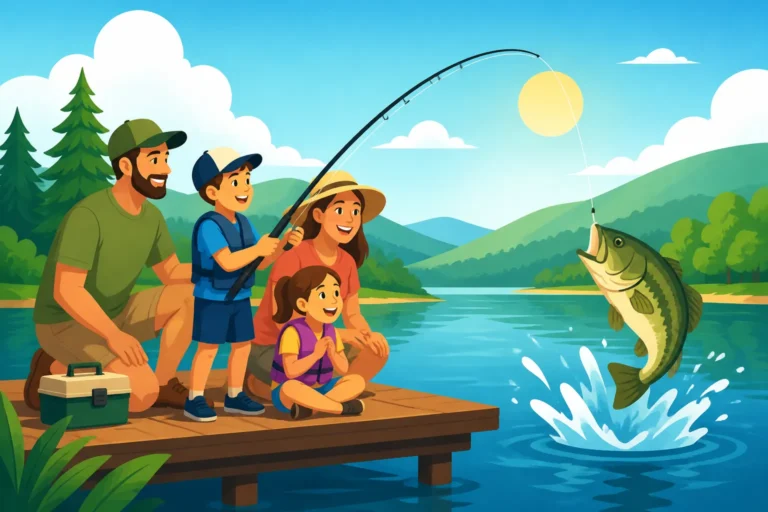
Think of Kentucky Lake State Park as your go-to hub for getting onto Kentucky Lake. It’s centrally located on the western shore, making it an ideal base camp whether you're coming from nearby Murray or further afield. The park itself sprawls along a significant portion of the lake, meaning you're not just confined to one tiny spot. Instead, you'll find a variety of shoreline types, from gentle slopes perfect for bank fishing with the kids to deeper channels easily reachable by boat. This diversity is a huge plus because it means you can often find good fishing regardless of the wind direction or the specific technique you prefer. If you're bringing the family, the ease of access and the safety of a state park environment truly take the stress out of the trip, allowing everyone to focus on the fun of catching fish.
Boat Ramps and Marina Facilities
For those who prefer to explore the vast expanse of Kentucky Lake by boat, the state park delivers with excellent facilities. You'll find multiple well-maintained boat ramps designed to handle everything from small jon boats to larger bass boats and pontoons. These ramps typically have ample parking for your truck and trailer, which is a lifesaver during busy weekends when other public ramps can get congested. Having a reliable place to launch and retrieve your boat seamlessly is crucial for maximizing your time on the water.
Beyond just the ramps, the park's marina often provides essential services that can make or break a fishing trip. We're talking about fuel docks, bait and tackle shops stocked with local favorites, and sometimes even boat rentals if you didn't bring your own or want to try something different. It’s incredibly convenient to be able to top off your tank, grab some fresh minnows, or pick up that hot new lure the locals are raving about, all within steps of where you launch. For more detailed information on getting your boat into the water, check out our guide on Kentucky Lake Boat Ramps and Public Access Points.
Designated Bank and Pier Fishing Areas
If you're an angler who prefers to keep your feet on solid ground, or if you're introducing someone new to the sport, Kentucky Lake State Park offers fantastic bank and pier fishing options. The park features well-constructed fishing piers, some of which are even lit for those magical night fishing sessions. Imagine casting a line under the stars, feeling the cool night air, and hoping for a big catfish or crappie to bite! These piers often extend into deeper water or near productive structure, increasing your chances of a catch without needing a boat.
The shoreline also offers numerous spots where you can set up a chair, cast a line, and just relax. Many of these areas are easily accessible and relatively clear of heavy snags, making them ideal for less experienced anglers or kids. The park also prides itself on providing accessible fishing spots, ensuring that anglers of all abilities can enjoy the sport. These designated areas often mean you're fishing in known productive waters, removing a lot of the guesswork you might encounter trying to find a good bank spot elsewhere on the lake.
Prime Fishing Opportunities at Kentucky Lake State Park
Kentucky Lake is world-renowned for its fisheries, and the areas surrounding Kentucky Lake State Park are no exception. Whether you're chasing trophy bass, filling a cooler with crappie, or battling a monster catfish, the park's access points put you right in the middle of the action. The diverse habitat, from shallow coves to deep channels and submerged timber, supports a thriving ecosystem of game fish.
Targeting Kentucky Lake's Legendary Bass
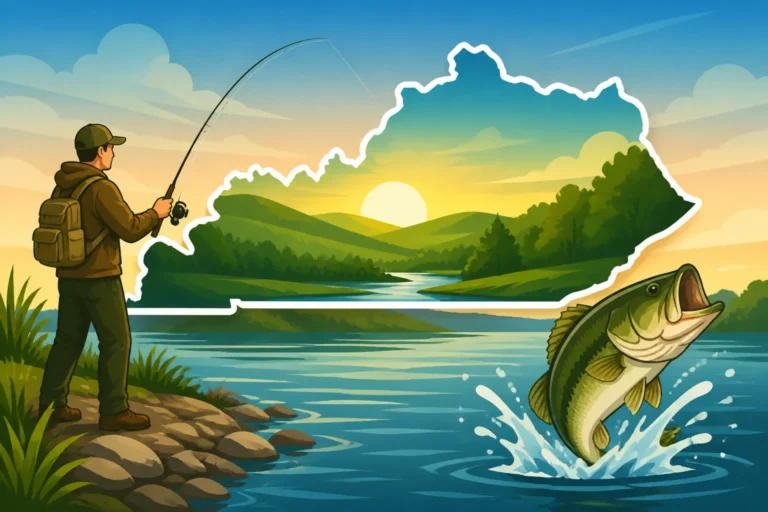
When people talk about Kentucky Lake, they often talk about the bass. Both Largemouth and Smallmouth bass thrive here, and the waters around the state park offer excellent opportunities to hook into them. In the spring, as water temperatures rise, you'll find bass moving into the shallower coves and around docks within the park boundaries, preparing for the spawn. This is a fantastic time for throwing spinnerbaits, crankbaits, or even pitching jigs into visible cover.
As the summer heats up, bass tend to move deeper, seeking cooler water and submerged structure. This might mean targeting ledges, humps, or old creek channels a short boat ride from the park's ramps. In the fall, they'll become more aggressive, feeding heavily before winter, and you can often find them chasing baitfish in open water or staging around points. For a deeper dive into techniques and locations, our guide on Best Bass Fishing Spots on Kentucky Lake is a great resource, and remember that Kentucky Lake is widely considered Kentucky Lake: The State's Top Bass Fishing Destination.
Crappie and Panfish Hotspots
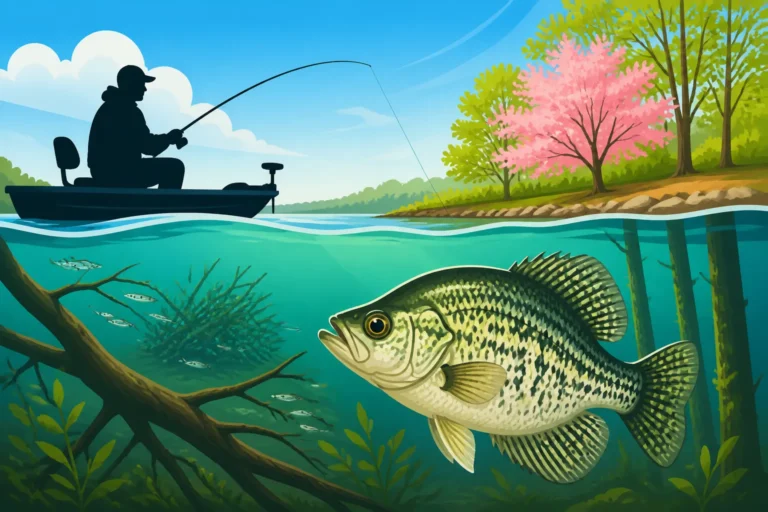
If crappie is your game, Kentucky Lake State Park's surroundings are a dream come true. Crappie are abundant in Kentucky Lake, and the park area provides access to classic crappie habitats. Look for submerged brush piles, standing timber, and bridge pilings, especially during the spring spawn when these fish move into shallower waters. Jigging with small tube jigs or fishing with live minnows under a bobber are incredibly effective techniques here. Many anglers will spider rig for crappie, covering a lot of water with multiple poles.
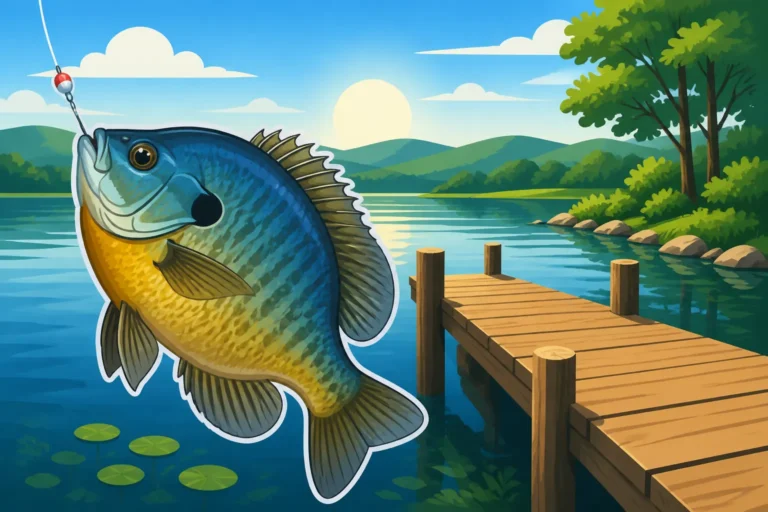
Beyond crappie, the lake is teeming with panfish like bluegill and redear sunfish, often referred to as "shellcrackers." These feisty little fish are a blast to catch, especially for kids or beginners, and make for excellent table fare. You'll find them in shallow, weedy coves and around any type of cover, often biting readily on worms or tiny jigs. Learning Bluegill Fishing Tips for Beginners can guarantee a fun day for the whole family.
Catfish and Other Bottom Dwellers
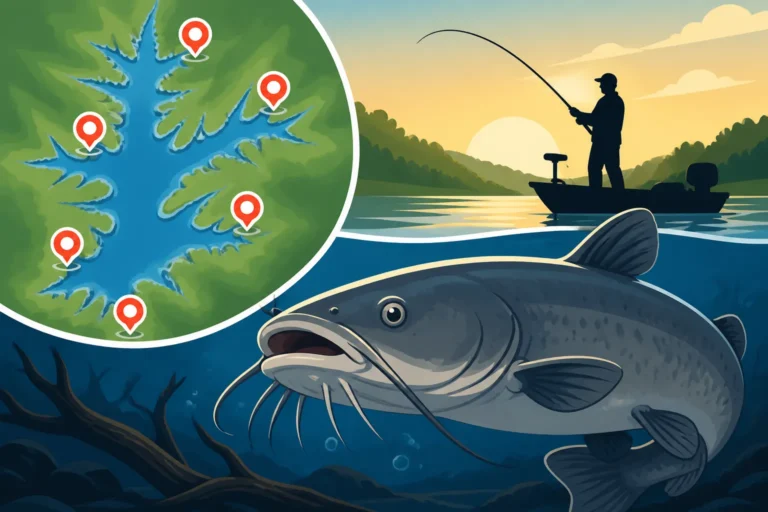
For those who enjoy the thrill of a hard-pulling fight and the reward of a delicious meal, catfish fishing at Kentucky Lake State Park is superb. Channel, Blue, and Flathead catfish all call these waters home. The deeper channels near the park, as well as areas with current or significant drops, are prime locations. Catfish are often most active during the warmer months, and many serious catfishermen prefer to fish at night when these bottom dwellers are on the prowl.
Popular baits include cut bait (especially shad), chicken livers, and various stink baits for channel cats. For bigger blue and flathead catfish, live bait like bluegill or shad can be incredibly effective. Setting up trotlines or jug fishing are also common methods for targeting catfish on Kentucky Lake, though be sure to check local regulations for these methods. If you’re looking to find the biggest whiskerfish, our guide to Best Catfish Holes on Kentucky Lake will point you in the right direction.
| Fish Species | Best Time of Year | Common Location near Park | Recommended Bait/Lure |
|---|---|---|---|
| Largemouth Bass | Spring, Fall | Around docks, submerged timber, coves | Crankbaits, plastic worms, jigs |
| Smallmouth Bass | Spring, Fall | Rocky points, deeper structure | Jigs, crankbaits, swimbaits |
| Black Crappie | Spring | Brush piles, bridge pilings, standing timber | Jigs, live minnows |
| White Crappie | Spring | Brush piles, shallow flats, docks | Jigs, live minnows |
| Channel Catfish | Summer, Night | Deeper channels, near bottom structure | Cut bait, chicken liver, stink bait |
| Blue Catfish | Summer, Night | Main river channel, deep holes | Cut bait (shad), live bait |
| Bluegill | Spring, Summer | Shallow coves, near weeds, docks | Worms, small jigs, crickets |
| Redear Sunfish | Spring, Summer | Shallow hard bottoms, shell beds | Worms, small jigs |
Essential Tips for a Successful Trip to Kentucky Lake State Park
Fishing at a popular destination like Kentucky Lake State Park is fantastic, but a little preparation goes a long way. Understanding the rules, having the right gear, and knowing where to get local insights can significantly enhance your chances of a successful and enjoyable trip.
Understanding Kentucky Fishing Regulations
First and foremost, you absolutely need a valid Kentucky fishing license. Getting caught without one is a surefire way to ruin your day and lighten your wallet, so make sure you're properly licensed before you even cast a line. For a complete overview of what you need, check out our Kentucky Fishing License Guide. Beyond the license, Kentucky Lake, like many large reservoirs, has specific length and creel limits for certain species that can sometimes differ from statewide regulations. For instance, bass regulations might have minimum length requirements, and crappie limits are often generous but still capped.
It's vital to check the most current Kentucky Department of Fish and Wildlife Resources (KDFWR) regulations before each trip. These regulations can change annually, and what was legal last year might not be this year. Ignoring them, even accidentally, can lead to fines. Our detailed article, Kentucky Fishing Regulations Explained, offers a great starting point, but always double-check the KDFWR official website for the latest updates, especially concerning Statewide Bag and Size Limits by Fish Species. Knowing these rules protects the fishery and ensures everyone can enjoy it for years to come.
Recommended Gear and Tackle
Having the right gear makes all the difference. For bass fishing, a medium-heavy spinning or baitcasting rod paired with a matching reel spooled with 12-17lb fluorocarbon or monofilament is a versatile setup. You'll want a selection of lures, including crankbaits, plastic worms, jigs, and spinnerbaits, to adapt to different conditions. Crappie anglers often prefer ultralight rods with sensitive tips, using 4-6lb test line, perfect for small jigs and minnows. For catfish, a heavier action rod, a sturdy baitcasting reel, and 20lb+ monofilament or braided line will handle the bigger fish you might encounter.
Don't forget the essentials for your tackle box: a variety of hooks (J-hooks and circle hooks), sinkers of different weights, swivels, and bobbers. Beyond fishing-specific gear, remember to bring a comfortable chair for bank fishing, a cooler for your catch, sunscreen, insect repellent, plenty of water, and a first-aid kit. Having a comfortable pair of polarized sunglasses is also invaluable for spotting fish and protecting your eyes from UV rays.
Maximizing Your Experience with Local Resources
One of the best ways to ensure a successful trip, especially if you're new to Kentucky Lake, is to tap into local knowledge. Start by visiting a local bait and tackle shop near the park. The folks working there are usually anglers themselves and can provide invaluable, up-to-the-minute information on what's biting, what baits are working, and any recent changes in fish patterns. They might even share a secret spot or two!
Consider hiring a local fishing guide if you're serious about learning the lake and want to quickly get on fish. A guide knows the waters like the back of their hand, understands seasonal movements, and can teach you specific techniques for Kentucky Lake. This is where services like FishingBooker can be incredibly helpful. You can easily find and compare local fishing charters and guides operating out of Kentucky Lake State Park or nearby marinas, ensuring you get paired with an experienced captain who can put you on the fish. They often provide all the necessary gear and bait, making it a hassle-free way to experience the lake's bounty.
Why Kentucky Lake State Park Stands Out for Anglers
Kentucky Lake State Park isn't just another access point; it's a destination that genuinely enhances the fishing experience, offering unique benefits that set it apart. It’s more than just a place to launch a boat; it’s a full-service gateway to one of the country’s premier fisheries.
Family-Friendly Environment and Activities
One of the biggest advantages of fishing at Kentucky Lake State Park is its family-friendly atmosphere. Unlike some more rugged or remote fishing spots, the park offers paved roads, clean restrooms, picnic areas, and often playgrounds. This means that if you're bringing kids or non-fishing family members, there are plenty of other activities to keep them entertained while you're focused on your line. You can easily plan a day where some family members fish from the pier, while others enjoy a hike, a swim in the designated area, or a picnic. This makes it an ideal spot for a stress-free outing, truly earning its place among the Best Kentucky Lakes for a First Family Fishing Trip. The safe and welcoming environment encourages everyone, even the most hesitant beginner, to cast a line and potentially fall in love with fishing.
Abundant Fisheries and Consistent Action
Kentucky Lake’s reputation as a fishing powerhouse is well-deserved, and the state park's location puts you right in the heart of that action. The lake's vast size and diverse habitat support incredibly healthy populations of various game fish, from chunky bass to prolific crappie and giant catfish. This abundance means you generally have a higher chance of consistent action, which is incredibly rewarding for anglers of all skill levels. You’re not just hoping for a bite; you’re often expecting one.
Whether it’s the spring crappie run, the summer bass bite, or fall's aggressive feeding frenzies, there's almost always something biting near the park. The KDFWR actively manages these fisheries, ensuring stocking programs and habitat improvements contribute to sustainable populations. This consistent productivity makes it a reliable choice for your fishing adventures, year after year.
Planning Your Visit and Accommodations
The convenience of Kentucky Lake State Park extends beyond its fishing access; it also offers a variety of accommodation options right on-site or very close by. The park often features a lodge with comfortable rooms, cabins, and even campgrounds for those who prefer to rough it a bit more. Staying within the park means you're just minutes away from the boat ramp or fishing pier, allowing you to maximize your time on the water without long commutes.
It's wise to plan your visit and book accommodations well in advance, especially if you're targeting peak fishing seasons like the spring bass spawn or crappie run, or popular times like the Kentucky Free Fishing Weekend Guide. Utilizing resources like FishingBooker isn't just for guides; it can also give you insights into peak fishing times and help coordinate your trip to align with the best chances of success. Having a comfortable place to relax and recharge after a long day of fishing is truly the cherry on top of a perfect angling adventure in Kentucky.
Disclaimer
The information provided in this guide is for general informational purposes only and is based on typical conditions and regulations. Fishing conditions, regulations, and fish behavior can change rapidly due to weather, season, and environmental factors. Always consult the official Kentucky Department of Fish and Wildlife Resources (KDFWR) website or local authorities for the most current rules, license requirements, and safety guidelines before heading out on the water. Fishing inherently involves risks, and safety precautions should always be observed.