Kentucky Crappie Fishing: Spring Spawn Run Guide
There’s nothing quite like the anticipation of spring for a Kentucky angler, especially when your thoughts turn to crappie. Many folks find themselves scratching their heads when the weather starts to warm up, wondering exactly when those slabs are going to move shallow and what it takes to actually catch them when they do. This comprehensive guide will walk you through everything you need to know to successfully navigate the exciting world of Kentucky crappie fishing during the spring spawn run, from understanding their behavior to mastering the right techniques.
Understanding the Crappie Spawn in Kentucky
The spring crappie spawn is a magical time, but it's not just a flip-of-a-switch event. It’s a process driven by nature's subtle cues, and understanding these can make all the difference in your fishing success. Crappie, both black and white, are very predictable once you know what they're looking for, and their annual pilgrimage to the shallows is a rite of passage for many Kentucky anglers.
What Triggers the Crappie Spawn
The primary trigger for the crappie spawn is water temperature. As the cool grip of winter recedes, the sun's rays begin to warm the shallow waters, sending an undeniable signal to crappie that it's time to reproduce. Typically, crappie will start to move towards spawning areas when the water temperature consistently hits the low to mid-50s Fahrenheit. However, the true "peak" of the spawn often occurs when temperatures reach the mid-60s, usually somewhere between 60 and 68 degrees. This range is crucial for optimal egg development and fertilization. You'll find that different lakes and even different areas within the same lake can warm up at slightly different rates, so paying attention to specific water temps on your chosen fishing grounds is far more important than just looking at the calendar. A sudden cold snap can actually push them back out to deeper water temporarily, delaying the bite until conditions stabilize. For a deeper dive into this, you might want to read about the What Water Temperature Triggers the Crappie Spawn in Kentucky.
Beyond temperature, increasing daylight hours also play a role. Longer days signal the change of seasons, contributing to the hormonal shifts in crappie that initiate the spawning urge. Additionally, rising water levels from spring rains can sometimes draw crappie into newly flooded vegetation, providing excellent cover for nesting. Conversely, rapidly falling water can pull them out and make them scatter, creating a more challenging bite. These environmental cues work in concert, creating the perfect storm of conditions that ignite the crappie spawn throughout Kentucky's many lakes and rivers.
Identifying Crappie Spawning Behavior
Once the water warms, crappie behavior shifts dramatically. They move from their deeper winter haunts into shallower, protected areas. Male crappie, in particular, will develop darker, almost black coloration during this time, a visual cue to attract females and ward off other males. You might even see them swimming in pairs or small groups, actively searching for suitable nesting sites. Observing these visual changes can be a strong indicator that you’re in the right place at the right time.
The most tell-tale sign of spawning activity is when you start catching fish with rough, sandpaper-like patches on their heads and fins. These are male crappie that have been actively fanning nests, and their skin roughens up from the constant contact with the bottom. Females, on the other hand, will often be full of roe, appearing plump and heavy-bodied. You'll often find females slightly deeper than the males during the initial stages of the spawn, as they move in, deposit their eggs, and then often retreat, leaving the males to guard the nests. Learning these subtle behavioral cues can help you adjust your presentation and depth to target the most active fish.
Where Crappie Build Their Nests
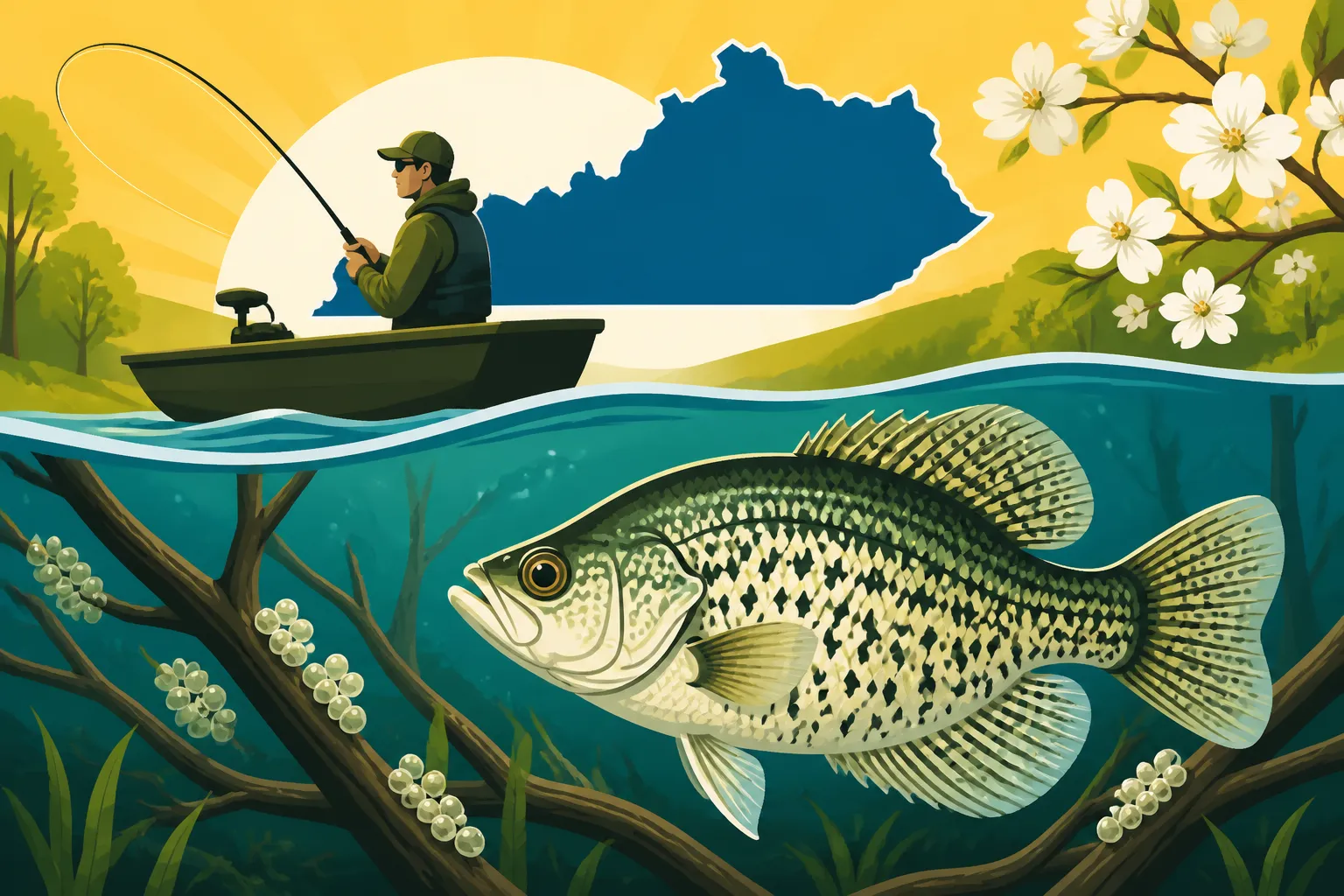
Crappie are masters of finding secure, sheltered spots to lay their eggs. They prefer firm bottoms, often gravel, sand, or even hard clay, in shallow water generally ranging from 1 to 5 feet deep. Look for areas protected from strong winds and currents, which could disturb their delicate eggs. These protected zones are typically found in the backs of coves, along gradual sloping points, or in shallow flats adjacent to deeper water.
Vegetation, whether it's submerged grass beds, lily pads, or even flooded brush, provides crucial cover and structure for crappie nests. In lakes with less natural vegetation, crappie will readily use man-made structures such as brush piles, old Christmas trees, dock pilings, and even submerged logs. These features offer protection for the eggs and fry, and also attract baitfish, creating an ideal nursery. Knowing where to look for these types of structures in the shallows is key to locating active spawning beds. Many anglers spend considerable time mapping out these spots during the off-season so they're ready when the When Does Crappie Spawning Start in Kentucky kicks off.
Timing is Everything: When to Target the Spring Crappie Run
Hitting the crappie spawn at precisely the right moment can mean the difference between a few bites and a boatload of slabs. The crappie run isn't a single event, but a progression from pre-spawn staging to the intense peak, and then the scattering of post-spawn. Each phase requires a slightly different approach.
Early Spring: Pre-Spawn Tactics
As winter’s chill slowly gives way, crappie begin to shake off their lethargy and move from their deep-water wintering holes towards shallower staging areas. This pre-spawn phase usually happens when water temperatures are in the upper 40s to low 50s. The fish aren’t on the beds yet, but they’re actively feeding and building up energy for the upcoming spawn. They’ll often congregate in large schools in transition zones, such as channel swings, creek bends, or deeper points leading into spawning flats.
During this period, crappie are often found suspended around submerged timber, brush piles, or even bridge pilings in 8 to 15 feet of water, though sometimes shallower on sunny days. Vertical jigging or slow trolling with small jigs or minnows can be incredibly effective. The fish are often schooled tightly, so once you find them, you can experience fast action. Lures that mimic small baitfish, like a small tube jig or a curly tail grub, presented slowly, often trigger bites. Patience is key in the pre-spawn; fish might not be as aggressive as they will be during the peak, but they are certainly catchable. Keeping an eye on the Kentucky Crappie Spawn Timing by Water Temperature can help you pinpoint these early movements.
Peak Spawn: The Golden Window
This is what every crappie angler dreams of – the "golden window" when crappie are aggressively on their beds and easily accessible in shallow water. As mentioned, this typically occurs when water temperatures are consistently in the low to mid-60s. During the peak spawn, both male and female crappie will be in the shallows, focused on reproduction. Males will be fanning beds, while females move in to lay eggs.
You'll find crappie concentrated in dense numbers during this period, often within just a few feet of the bank. Look for areas with submerged cover such as brush, stumps, or weeds in 1 to 4 feet of water. Targeting these visible pieces of structure, or even just working open flats in protected coves, can yield incredible results. Small jigs, live minnows under a bobber, or even micro-spinners are all highly effective. The key is to present your bait slowly and accurately, often dropping it right into the cover. This is when you can fill a cooler quickly, provided you adhere to the Kentucky Crappie Daily Limit Rules. Many anglers schedule their trips around this peak time, sometimes even taking vacation days, because the action can be that good.
Post-Spawn: Adjusting Your Approach
Once the spawning is complete, typically when water temperatures climb above 70 degrees, crappie begin to disperse and move away from the immediate spawning grounds. This post-spawn phase can sometimes be challenging, as the fish are often recuperating and can be scattered. Females, exhausted from laying eggs, will move to slightly deeper water to recover, while males might stay on the beds for a short period to guard the fry before also moving off.
During post-spawn, look for crappie to be in transition areas, similar to pre-spawn, but often a bit deeper. They'll stage along creek channels, on the edges of main lake points, or suspended over deeper brush piles at depths of 10-20 feet. They’re still feeding, but usually not as aggressively. Slow trolling with multiple rods, often referred to as spider rigging, can be very effective for covering water and finding scattered post-spawn fish. Live minnows or small jigs are still top choices. Pay attention to structure and depth changes, as crappie will often relate to these features as they transition back to their summer patterns. Knowing How Long Does the Kentucky Crappie Run Last can help you determine if you're in the post-spawn phase.
Prime Locations for Spring Crappie in Kentucky
Kentucky is blessed with an abundance of fantastic crappie waters, each with its own character and hot spots. Knowing where to focus your efforts is paramount, especially during the spring spawn when crappie concentrate in specific types of areas. Whether you’re fishing a vast reservoir or a smaller lake, certain features consistently attract spawning crappie.
Shallow Coves and Backwaters
These are perhaps the most classic and reliable spots for finding spawning crappie. Shallow coves and protected backwaters warm up faster than the main lake body, creating an inviting environment for crappie to move in and nest. Look for coves that are relatively calm, sheltered from strong winds, and have a gradual sloping bottom. These areas often contain submerged timber, brush piles, or flooded terrestrial vegetation.
Many of Kentucky's major lakes, like Kentucky Lake and Lake Barkley, have countless coves that become crappie havens in the spring. For instance, on Lake Barkley Fishing Guide for Kentucky Anglers, you'll find numerous shallow bays and tributary arms off the main lake that fit this description perfectly. On a sunny day, these shallow areas will absorb heat, and you can often find crappie holding literally in inches of water, especially black crappie. You can often spot them cruising, or even see their nests if the water is clear enough. These coves are also great for bank fishing, offering easy access to anglers without a boat.
Brush Piles and Submerged Cover
Crappie are synonymous with structure, and during the spawn, brush piles and other submerged cover become irresistible magnets. These structures offer protection for nesting males, a place for females to stage before dropping eggs, and an ambush point for feeding crappie. Anglers frequently sink their own brush piles, often using old Christmas trees or bundles of cut saplings, to create these fish magnets.
When targeting brush piles, focus on those located in 2 to 5 feet of water within coves or along shallow points. Both natural and man-made brush piles will hold fish. If you’re not sure where the brush piles are, using your electronics is key. A good fish finder can pinpoint these submerged havens, revealing schools of crappie holding tight to the cover. Pitching a jig or a live minnow right into the heart of the brush pile, or carefully dropping it along the edges, can provoke immediate strikes. Remember, sometimes the biggest crappie will be right in the thickest part of the cover.
Specific Kentucky Lakes and Rivers
Kentucky boasts a fantastic array of fishing destinations where crappie thrive. Knowing which ones consistently produce during the spring spawn can help you plan your trips.
- Kentucky Lake and Lake Barkley: These sister lakes are legendary for their crappie populations. Their vast networks of bays, coves, and creek channels, combined with abundant submerged timber and brush, create prime spawning habitat. Anglers flock here annually for the spring run. Areas like Big Sandy and Blood River on Kentucky Lake are well-known hotspots. You can often find fantastic information on where the crappie are biting by checking local bait shops or online fishing forums specific to Kentucky Lake: The State's Top Bass Fishing Destination.
- Lake Cumberland: While famous for its trout and big bass, Lake Cumberland also offers excellent crappie fishing, particularly in its upper reaches and major creek arms. Look for shallower coves with standing timber.
- Barren River Lake: This lake, with its fertile waters and abundant standing timber, is another top crappie destination. The shallower areas and backwaters near the Barren River Lake State Resort Park often hold good numbers of spawning crappie. It's worth noting that Barren River Lake Crappie Size Limit in Kentucky might have specific regulations, so always double-check before you go.
- Taylorsville Lake: Closer to Louisville and Lexington, Taylorsville Lake provides excellent crappie opportunities, especially in its numerous flooded timber areas and creek channel bends.
- Ohio River Backwaters: Don’t overlook the quieter backwaters and embayments of the Ohio River. These areas warm quickly and provide stable environments for crappie to spawn, especially in areas with rock riprap or fallen trees.
Essential Gear and Tackle for Spawn Crappie
Having the right tools for the job can significantly improve your crappie fishing success during the spring spawn. While you don't need to break the bank, choosing appropriate rods, reels, lines, and lures designed for crappie can give you a distinct advantage. It’s all about sensitivity, accurate presentations, and being able to handle a fighting crappie without tearing the hook out of its papery mouth.
Rods, Reels, and Line Choices
For spring crappie fishing, light tackle is generally preferred. A sensitive rod allows you to detect subtle bites, which are common when crappie are focused on their nests.
- Rods: Opt for a light to ultralight action spinning rod, typically 6 to 7.5 feet in length. The extra length can aid in casting light jigs and provide better line control. Some anglers even prefer longer "crappie poles" or telescopic rods, up to 12-16 feet, for spider rigging or vertical jigging around heavy cover. These allow you to reach into tight spots without spooking the fish. For close-quarters combat around brush, a shorter, more stout rod might be preferred, but overall sensitivity is key. You can find excellent options on Amazon, often in bundles with reels, perfect for beginners.
- Reels: A small, lightweight spinning reel (sizes 500-1000) that balances well with your rod is ideal. Smooth drag is crucial for not breaking off light line or pulling hooks.
- Line: When it comes to line, 4 to 6-pound test monofilament or fluorocarbon is the standard. Monofilament offers good knot strength and some stretch, which can act as a shock absorber. Fluorocarbon is nearly invisible underwater and has less stretch, providing more sensitivity. Some anglers use braided line for increased sensitivity and strength, but often add a fluorocarbon leader to reduce visibility. Make sure your line is fresh each season, as old, brittle line can easily snap.
Best Baits and Lures for Spawning Crappie
Crappie during the spawn are often aggressive, but they can also be finicky. Having a variety of baits and lures in your tackle box will cover all your bases.
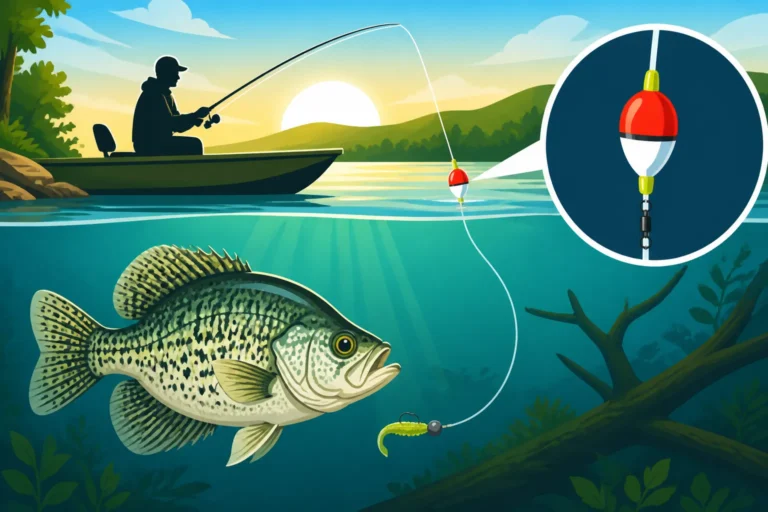
- Live Minnows: It’s hard to beat a live minnow during the spawn. They are natural food for crappie and their struggles are often irresistible. Hooked lightly through the lip or back, a minnow suspended under a small bobber, or fished naked on a light jig head, is incredibly effective. For those fishing around heavy cover, a bobber setup helps keep your minnow out of snags.
- Jigs: Small jigs (1/32 to 1/8 ounce) are a staple for crappie fishing. Soft plastic bodies like tube jigs, grub tails, or minnow imitations in various colors are highly productive. Chartreuse, white, black, and pink are perennial favorites, but don’t be afraid to experiment based on water clarity and sunlight. Darker colors tend to work better in stained or muddy water, while lighter, more natural colors shine in clear water. For specific color advice, check out Best Crappie Jig Colors for Stained Water. You can find a huge selection of crappie jigs and soft plastics on Amazon.
- Small Spinners and Spinnerbaits: Tiny inline spinners or crappie-sized spinnerbaits can be very effective, especially when crappie are actively chasing bait. The flash and vibration can draw strikes from a distance. Again, lighter weights and smaller blades are key.
- Jigging Spoons: In deeper sections of spawning coves, or when crappie are staging, a small jigging spoon can be effective for vertical jigging on fish located with your electronics.
Electronics and Accessories
Modern electronics can significantly enhance your crappie fishing, particularly during the spawn.
- Fish Finder/Sonar: A good fish finder is invaluable for locating submerged brush piles, identifying schools of crappie, and understanding depth contours. Side imaging and down imaging technologies can help you literally "see" brush piles and fish tucked away in cover. Brands like Humminbird and Garmin offer excellent units that can drastically cut down your search time.
- Trolling Motor: A quiet electric trolling motor is essential for stealthily navigating shallow spawning coves and maintaining boat position over brush piles. Spot-Lock features on newer models are fantastic for holding your boat precisely where you want it.
- Landing Net: A fine-mesh landing net is a must-have for safely landing crappie, especially larger slabs, without losing them at the boat or damaging their delicate mouths.
- Cooler and Livewell: Keep your catch fresh and lively. A quality cooler with ice for your kept fish, or a functional livewell if you plan to release, is important. You can find durable coolers of all sizes on Amazon.
- Pliers and Line Clippers: Essential for removing hooks and cutting line efficiently.
Effective Techniques for Catching Spawning Crappie
Knowing where the crappie are is only half the battle; the other half is understanding how to present your bait effectively. During the spring spawn, crappie can be both aggressive and incredibly shy, depending on pressure and conditions. Employing a variety of techniques will increase your chances of success.
Jigging and Pitching to Cover
This is arguably the most popular and effective method for catching spawning crappie. Once you've located a brush pile, stump, or any other piece of submerged cover where crappie are likely nesting, your goal is to present a jig or live minnow right into or adjacent to that cover.
- Pitching: Using a light spinning rod, cast your jig or a small, unweighted minnow rig gently towards the cover. Allow it to sink slowly, watching your line for any twitch or pause that might indicate a bite. Crappie often hit on the fall. You want to get as close as possible without spooking the fish or getting snagged immediately. Sometimes, a short, accurate pitch is better than a long cast. The idea is to make a quiet, controlled entry into the fish's immediate vicinity. For guidance on different jig presentations, check out How to Rig a Jig for Crappie Fishing.
- Vertical Jigging: If you're directly over a brush pile that you've marked with your fish finder, vertical jigging is highly effective. Drop your jig or minnow straight down into the cover. Lightly "jig" it up and down with subtle rod tip movements, just enough to give the bait some action. Pay close attention to your line, as crappie bites can be incredibly subtle – sometimes it's just a slight "mushy" feeling or your line simply stops falling. This technique is often used in conjunction with a longer crappie pole, allowing you to easily guide your bait through dense brush.
Slow Trolling and Spider Rigging
When crappie are more scattered in pre-spawn or post-spawn, or when you're trying to cover a large flat to locate fish, slow trolling and spider rigging become incredibly effective strategies. These methods allow you to present multiple baits at varying depths and speeds, increasing your chances of finding active fish.
- Slow Trolling: This involves moving your boat very slowly, often with an electric trolling motor, while dragging jigs or minnows behind you. You can use a single rod or multiple rods spread out from the boat. Experiment with different depths by adjusting jig weights or adding small split shots. The idea is to mimic baitfish cruising through the water. This technique is particularly good for covering creek channels and the edges of spawning flats.
- Spider Rigging: This is an advanced form of slow trolling where you use multiple long rods (often 6 to 8 or more) deployed around the boat like spider legs, hence the name. Each rod typically has a single jig or minnow rig set at a specific depth. By moving slowly, you can cover a wide swath of water, systematically searching for crappie. Spider rigging is especially potent for covering large, shallow flats or the edges of channel drops where crappie might be scattered. The beauty of this technique is its efficiency; you're essentially presenting a buffet to any crappie in your path. Learn more about this setup by looking into How to Spider Rig for Crappie.
Live Bait Presentations
Live minnows remain a gold standard for crappie fishing, and there are several ways to present them effectively during the spawn.
- Under a Bobber: This classic setup is simple, highly effective, and perfect for anglers of all skill levels, especially beginners or those fishing with kids. A small slip bobber allows you to easily adjust your depth, setting the minnow just above the suspected crappie beds or brush piles. The bobber also provides a clear visual indicator of a bite. When a crappie takes the minnow, the bobber will usually dip, move, or go completely under. This is fantastic for targeting specific visible cover or for bank fishing. Understanding the nuances of a slip bobber can greatly improve your success; consider researching the Slip Bobber Technique for Crappie Fishing.
- Tightlining: This involves fishing a minnow (or jig) without a bobber, relying solely on the feel of the line. It's often used when vertical jigging or when fishing in light current. You'll feel the subtle takes as the crappie mouth the bait. This method requires a sensitive rod and a keen sense of touch.
- Carolina Rig/Drop Shot: While more commonly associated with bass fishing, a scaled-down Carolina rig or drop shot can be effective for crappie, particularly in slightly deeper water or when they are finicky. These rigs keep your bait off the bottom and in the strike zone, with the weight below the hook, allowing for a more natural presentation.
Navigating Regulations and Limits for Crappie
Fishing in Kentucky comes with responsibilities, and understanding the regulations is just as important as knowing how to catch fish. The Kentucky Department of Fish and Wildlife Resources (KDFWR) sets rules to ensure sustainable fisheries for everyone. Ignoring these rules can lead to fines and legal trouble, so always be prepared.
Statewide Crappie Limits and Exceptions
Kentucky has statewide regulations for crappie, but it's crucial to remember that certain lakes or bodies of water may have site-specific exceptions.
- Statewide Daily Limit: The general statewide daily limit for crappie in Kentucky is 20 fish per angler. This means you can keep up to 20 crappie of any size in most waters.
- No Statewide Size Limit: Generally, there is no minimum size limit for crappie statewide. However, this is where the exceptions come in, and they are critical.
- Site-Specific Regulations: Several major lakes in Kentucky have special regulations designed to improve their crappie populations. For example, some lakes might have a 9-inch or 10-inch minimum size limit, or even slot limits where you can keep fish below and above a certain size, but not within a specific "slot." A prime example is Barren River Lake's 10-Inch Crappie Size Limit. Always, and I mean always, check the current KDFWR fishing guide or their website for the specific lake you plan to fish. These regulations can change year to year, so relying on old information is risky. It's best practice to carry a copy of the regulations with you or have them readily accessible on your phone.
Licenses and Permits
Before you even think about casting a line in Kentucky, you need to make sure your paperwork is in order.
- Kentucky Fishing License: If you are 16 years of age or older, you must possess a valid Kentucky fishing license to fish in public waters. This is non-negotiable. You can purchase these licenses online through the KDFWR website, at various retail agents (like Walmart or sporting goods stores), or at county clerk offices. There are different types of licenses available, including annual resident, annual nonresident, 1-day, and 7-day options. If you're unsure which one is right for you, consult the Kentucky Fishing License Guide.
- Trout Permit: While not directly related to crappie, if you happen to be fishing in waters that are stocked with trout (even if you're targeting crappie), and you decide to keep a trout, you will need a Kentucky Trout Permit in addition to your fishing license. It's always a good idea to be familiar with this, especially if you're fishing a multi-species lake.
- Proof of License: Always carry proof of your license while fishing. A digital copy on your phone is usually acceptable, but a physical copy is also fine. Game wardens frequently conduct checks, and being caught without a valid license can result in significant fines, as detailed in Penalties for Fishing Without a License in Kentucky.
Respecting Private Property and Public Access
Kentucky has a lot of private land, and respecting property rights is crucial for maintaining good angler relations and access.
- Public vs. Private Water: Most major lakes and rivers offer ample public access, including boat ramps, fishing piers, and shoreline access points. However, many smaller ponds and sections of streams are on private property. You generally need permission from the landowner to fish on private property, even if the water itself is public. "No Trespassing" signs should always be heeded.
- Shoreline Access: Even on public lakes, access to the shoreline can sometimes be restricted by private property that extends to the water's edge. Be mindful of property lines and signage. If in doubt, err on the side of caution or seek clarification. Using public boat ramps and designated fishing areas ensures you're on legal ground. Always leave an area cleaner than you found it, pack out all your trash, and show courtesy to other anglers and landowners. Good stewardship ensures that future generations will have the same fantastic fishing opportunities we enjoy today.
Beyond the Spawn: What to Expect After Spring
The crappie spawn is undeniably a highlight for many anglers, but it’s just one chapter in the year-round pursuit of these delicious panfish. Understanding what crappie do after the spring frenzy can help you extend your fishing season and adapt your techniques for continued success. They don’t just disappear after they lay their eggs; they simply change their behavior and location.
Summer Crappie Patterns
As water temperatures continue to climb into the 70s and 80s, crappie transition from their shallow spawning grounds to deeper, cooler water. They seek refuge from the intense summer sun and higher surface temperatures. This can make them a bit harder to locate, as they're often suspended or relating to structure in deeper zones.
During summer, look for crappie to congregate around submerged brush piles, standing timber, main lake points, and deep creek channel edges at depths ranging from 10 to 30 feet, or even deeper in some clear lakes. They'll often suspend over these structures or along the thermocline if one is present. Vertical jigging directly over marked fish with jigs or live minnows, or slow trolling deep diving crankbaits and jigs, can be effective. Early mornings, late evenings, and even night fishing can also be productive during summer when crappie might move slightly shallower to feed. Patience and good electronics are your best friends for summer crappie, allowing you to pinpoint those deep schools.
Fall and Winter Crappie Fishing
Don't hang up your crappie gear just because summer is over! Fall and winter can offer some fantastic, albeit different, crappie fishing opportunities. As water temperatures begin to drop in the fall, crappie become more active again, often schooling up and feeding aggressively to fatten up for winter.
- Fall: In the fall, crappie often follow baitfish into creek channels and tributaries, or they might move to the edges of flats where they can ambush schools of shad. Look for them to be somewhat shallower than in summer, but still relating to structure like brush piles, channel bends, and bluff walls. Slow trolling, casting jigs to structure, and tightlining minnows can all be productive. The cooler water means crappie are often more concentrated and willing to bite.
- Winter: During the coldest months, crappie typically return to their deepest wintering holes. They'll often suspend over the deepest brush piles, standing timber, or steep channel edges in 20 to 50 feet of water. Their metabolism slows down, so presentations need to be very subtle and slow. Vertical jigging tiny jigs or dead-sticking live minnows right in their faces are often the most successful techniques. While the bites can be light, the fish you catch are often healthy and robust. Don't be surprised to find large schools of crappie packed into small areas during winter.
Preparing for Next Spring
Successful crappie fishing isn't just about what you do during the spawn; it's also about preparing for it throughout the year.
- Scouting: Use your off-season to scout new locations. Pay attention to water levels and identify potential shallow coves, brush piles, and fallen trees that would become prime spawning habitat when the water rises and warms.
- Brush Pile Creation: Many dedicated crappie anglers spend time sinking their own brush piles in strategic locations during the late fall or winter. These man-made structures provide excellent cover for crappie year-round, including during the spawn. Just be sure to sink them legally and safely, marking their locations on your GPS.
- Gear Maintenance: Take the time to clean and maintain your rods and reels, replace old line, and stock up on your favorite jigs and minnow buckets. Having everything ready to go means you won't miss a beat when those water temperatures start to climb again. By continuously learning and adapting to the crappie's seasonal movements, you can enjoy fantastic fishing opportunities throughout the entire year, not just for a few weeks in spring.
Common Mistakes and How to Avoid Them
Even experienced anglers can make mistakes, and when it comes to the spring crappie spawn, a few common missteps can easily lead to a frustrating day on the water. Avoiding these pitfalls can dramatically increase your catch rate and overall enjoyment.
Fishing Too Deep or Too Fast
One of the most frequent errors anglers make during the spring spawn is fishing too deep. Crappie come shallow to spawn, often in water that's surprisingly skinny. If you're accustomed to fishing deep structure, it can be hard to adjust.
- The Mistake: Many anglers continue to target depths of 8-15 feet or more, missing the fish that are literally in 1-4 feet of water. Additionally, fishing too fast with a retrieve that's too quick for lethargic or nest-guarding crappie will result in missed opportunities. During the spawn, crappie are often focused on their nests or slowly cruising, not aggressively chasing fast-moving baits.
- The Solution: Focus your efforts in extremely shallow water, especially in protected coves and backwaters. Don't be afraid to cast or drop your bait into just a foot or two of water. Use a very slow retrieve or allow your jig/minnow to sink slowly, pausing frequently. Let the bait "soak" in the strike zone for an extended period, especially around cover. Crappie bites can be incredibly subtle, so a slow presentation gives them time to react and you time to detect the take. Sometimes, all it takes is a slight twitch of the line to indicate a bite.
Ignoring Water Temperature and Clarity
Water conditions are paramount during the crappie spawn, and failing to pay attention to them is a recipe for disappointment. Temperature dictates when and where crappie spawn, and clarity affects their behavior and your lure choices.
- The Mistake: Assuming crappie will be spawning just because the calendar says "spring" or ignoring sudden changes in water temperature due to cold fronts or heavy rains. Anglers might also use bright lures in clear water or natural colors in muddy water, which can hinder visibility and attractiveness.
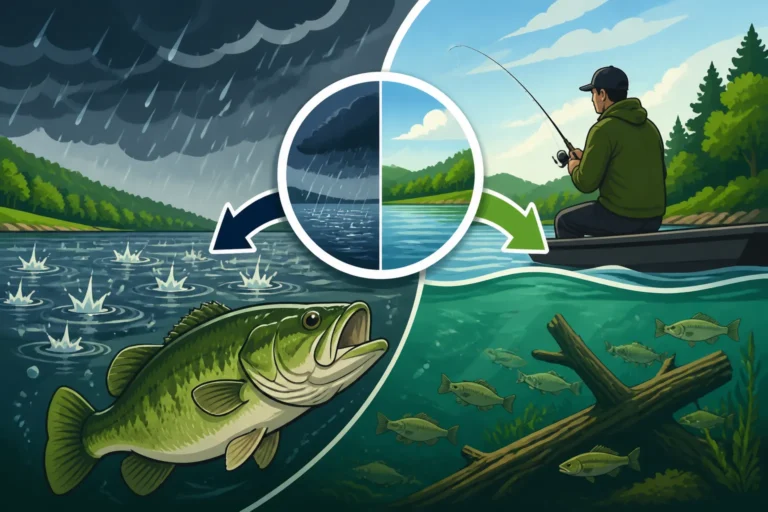
- The Solution: Always check the current water temperature of the lake you're fishing. A simple thermometer can be your best friend. Remember, crappie start moving shallow around 50-55°F and really get on the beds in the 60-68°F range. If the temperature drops significantly due to a cold front, crappie may temporarily pull back to slightly deeper water until it stabilizes. Similarly, heavy rains can muddy up shallow coves. In muddy water, try brighter colors like chartreuse or orange, and consider baits that displace more water to create vibration. In clearer water, opt for more natural colors like white, pearl, or grey, and use lighter line. Learning these subtle cues is crucial for a productive day.
Not Adapting to Changing Conditions
Fishing is rarely static; conditions change, and so do the fish. Stubbornly sticking to one technique or location when it's not working is a common frustration for many anglers.
- The Mistake: Many anglers find a spot or technique that worked yesterday, or even an hour ago, and then fail to adjust when the bite dies. The crappie spawn is dynamic; fish may move, water clarity can change, or pressure from other anglers can make them shy. If you're not getting bites, but you know fish are there, it's time to switch things up.
- The Solution: Be flexible! If your shallow jig presentation isn't working, try a live minnow under a bobber. If fish are spooky in ultra-shallow water, try fishing the immediate drop-offs in 4-6 feet. If one cove isn't producing, move to another. Experiment with different jig colors, sizes, and retrieve speeds. If other boats are catching fish, observe their techniques and try to replicate them. Sometimes a subtle change in jig head weight, or even how you hook your minnow, can make all the difference. Think of it as a puzzle; if one piece doesn't fit, try another until you solve it. Continuous adaptation is the hallmark of a successful crappie angler.
| Crappie Spawn Phase | Typical Water Temperature | Primary Location | Recommended Baits/Techniques | Key Characteristics |
|---|---|---|---|---|
| Pre-Spawn | 48-55°F | Deeper staging areas (creek channels, points, brush piles) 8-15ft | Small jigs, live minnows, vertical jigging, slow trolling | Fish schooling, actively feeding, moving towards shallows |
| Peak Spawn | 60-68°F | Shallow coves, backwaters, brush, timber, 1-5ft | Jigs, live minnows under bobber, pitching to cover | Fish on nests, aggressive, often visible, dark males |
| Post-Spawn | 70°F+ | Transition areas, deeper channel edges, submerged structure 10-20ft | Slow trolling, spider rigging, jigs, live minnows | Fish scattered, recuperating, less aggressive |
Disclaimer
The information provided in this guide is for general informational purposes only and is subject to change. Fishing regulations, license requirements, and local conditions can vary. Always consult the official Kentucky Department of Fish and Wildlife Resources (KDFWR) website or current fishing guide for the most up-to-date and specific regulations before planning your fishing trip. Ensure you possess all necessary licenses and permits and adhere to all local, state, and federal laws. Fishing inherently carries risks; always prioritize safety on the water.