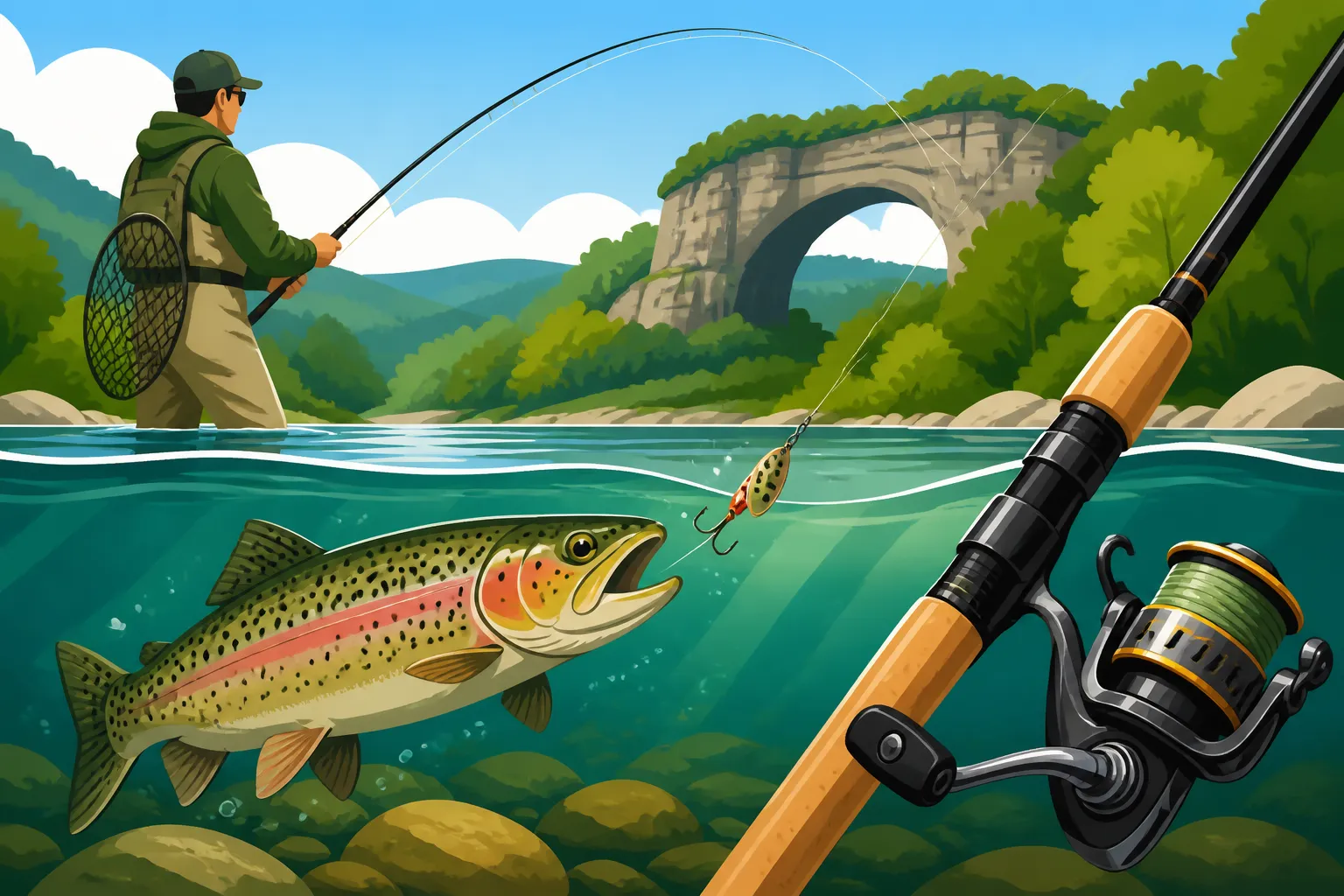
Spin Fishing for Trout: Gear and Technique
Trying to figure out the best way to approach trout fishing in Kentucky can feel a bit overwhelming, especially when you're wading through advice that seems geared towards fly-fishing purists or complex techniques. Many anglers just want to grab a spinning rod, some simple tackle, and enjoy the beautiful waters of the Bluegrass State. This guide is here to cut through the confusion and give you a comprehensive, realistic look at spin fishing for trout in Kentucky, covering everything from essential gear to proven techniques, so you can spend less time guessing and more time catching those elusive, vibrant trout.
Understanding Kentucky's Trout Fisheries
Kentucky isn't typically the first state that comes to mind when you think of world-class trout fishing, and that's a common misconception that can make anglers feel like it's not even worth trying. But the truth is, the Kentucky Department of Fish and Wildlife Resources (KDFWR) has put a lot of effort into creating some fantastic trout opportunities, primarily through strategic stocking programs. These efforts mean that while we might not have vast, naturally reproducing trout rivers like some western states, we have dedicated fisheries that provide excellent sport for spin anglers willing to learn the local nuances.
Stocked Waters vs. Native Streams
It's crucial to distinguish between Kentucky's stocked trout waters and the very few native or wild trout streams. Most of the trout you'll encounter will be rainbow trout, followed by some brown trout and, in rarer cases, brook trout, all thanks to the KDFWR's stocking efforts. These stocked fish behave a bit differently than their wild counterparts, often being less wary initially but quickly adapting to their new environment. Understanding this distinction is key to choosing the right approach.
For instance, places like the tailwaters below Wolf Creek Dam on the Cumberland River, which feed into Lake Cumberland, are prime examples of highly productive trout fisheries. Here, the cold, oxygen-rich water released from the dam creates an ideal habitat for trout to thrive after stocking. You'll also find designated "put-and-take" streams and lakes all across the state, from urban ponds to more remote state park lakes, that receive regular trout stockings. These are fantastic places for spin anglers, especially beginners, as the fish are often more concentrated and eager to bite shortly after stocking. On the other hand, the very rare native brook trout streams, usually found in the extreme eastern mountains, are often very small, remote, and require specialized, ultra-light tackle and a much more delicate approach. For the purposes of accessible spin fishing, we'll focus mostly on the stocked environments where your chances are much higher.
Popular Kentucky Trout Fishing Locations
When you're planning a trip to target trout with your spinning gear, knowing where to go is half the battle. Kentucky offers a variety of spots, each with its own character and challenges. The granddaddy of them all for trout, hands down, is the Cumberland River below Wolf Creek Dam. This isn't just a local secret; it's a nationally recognized trout fishery. The sheer volume of trout stocked and the quality of the water make it a phenomenal place to test your spin fishing skills, whether you're drifting bait or casting small spinners. For those looking for a truly comprehensive guide on this amazing water, you might want to check out our article on Kentucky's Lake Cumberland Trout Season Explained.
Beyond the Cumberland River, numerous other locations offer excellent spin fishing opportunities. State parks often manage lakes or ponds that are part of the KDFWR's "Trout-in-the-Neighborhood" program, meaning they receive regular stockings and are usually easily accessible with amenities like fishing piers. Think places like General Butler State Resort Park Lake or Dale Hollow Lake (on the Kentucky side) which offer good numbers of rainbow and sometimes brown trout. Even smaller, designated community lakes and streams across the state get their share of trout, providing fantastic, convenient options for a quick trip. Always remember to check the KDFWR's stocking schedule and local regulations before you head out, as these can dictate your success and ensure you’re fishing legally. You’ll also need to be sure you have your Kentucky Trout Permit Guide alongside your standard fishing license!
Essential Spin Fishing Gear for Kentucky Trout
Alright, let's talk brass tacks about the gear you'll need. One of the beautiful things about spin fishing for trout is that you don't need to break the bank on highly specialized equipment. You probably already own some of the basics, and with a few specific additions, you'll be well-prepared to hit Kentucky's trout waters. The key here is balance and sensitivity, allowing you to feel those subtle trout bites and make precise casts with small lures and baits.
Rod and Reel Selection
For spin fishing trout in Kentucky, you're looking for a setup that is light, responsive, and easy to handle. A good starting point for a rod is an ultralight or light action spinning rod, typically ranging from 5 to 7 feet in length. Why this specific setup? Because trout, especially those in clearer, colder waters, can be quite finicky. An ultralight rod provides the sensitivity to detect the slightest nibble, even from a small trout, and offers enough flex to handle those lighter lines and smaller baits without fear of snapping them off on a cast. It also makes even a modest 10-inch rainbow feel like a real fighter, which is half the fun!
Pair that rod with a small spinning reel, something in the 1000 to 2500 series size. These reels are designed for lighter lines and offer a smooth drag system, which is critical when a spirited trout decides to make a run. Brands like Shimano, Daiwa, or even more budget-friendly options like Pflueger President (often found on Amazon with great reviews) offer excellent performance for the price. The goal is a balanced setup that feels comfortable in your hand, allowing for long casting sessions without fatigue and the finesse needed for trout. If you're looking for guidance on choosing your entire setup, our article on Best Rods and Reels for Kentucky Fishing provides a broader overview.
Line and Leader Choices
When it comes to line for trout spin fishing, less is often more. You want something that's low visibility, strong for its diameter, and has good knot strength. Monofilament line in the 2 to 6-pound test range is a classic choice and still incredibly effective. It has a bit of stretch, which can be forgiving when a trout suddenly thrashes, and it's relatively inexpensive. Brands like Stren or Berkley Trilene XL are reliable options. If you're fishing in very clear water and trout are being particularly shy, you might consider stepping down to a fluorocarbon leader. Fluorocarbon is nearly invisible underwater and has excellent abrasion resistance, which can be a lifesaver around rocks or submerged logs. A 2 to 4-pound test fluorocarbon leader, tied to your main monofilament line with a small swivel or a double-uni knot, can make a significant difference.
Some anglers opt for braided line as their main line, usually in 4 to 8-pound test, due to its incredible sensitivity and lack of stretch. If you go this route, a fluorocarbon leader is almost mandatory because braid is very visible underwater. The no-stretch property of braid allows you to feel every bump and tick, but it also means you need to be careful with your hookset, as it can rip hooks out of a trout's mouth if you're too aggressive. For most beginner and intermediate spin anglers, a good quality monofilament or a mono main line with a fluorocarbon leader will serve you exceptionally well for trout in Kentucky.
Essential Terminal Tackle and Tools
Your tackle box for trout spin fishing doesn't need to be huge, but it does need to contain a few critical items. These are the small but mighty components that connect your line to your lure or bait.
First up, hooks: You'll want small, sharp hooks. Size 8 or 10 Aberdeen or bait holder hooks are perfect for live bait like worms or corn. For artificial baits, a small treble hook might already be on the lure. Single hooks are generally preferred if you plan to release fish, as they cause less damage. Always keep a hook sharpener handy; a dull hook is a missed fish.
Next, sinkers: A small assortment of split shot sinkers is indispensable. You’ll use these to add just enough weight to get your bait down to where the trout are, or to help with casting lighter lures. Have sizes from small BB-sized up to a few larger ones. Swivels are also important. Small barrel swivels or snap swivels (size 10-14) help prevent line twist, especially when fishing with spinners that rotate.
Don't forget a small pair of needle-nose pliers or hemostats for hook removal, especially if you're practicing catch and release. A small net can also be incredibly useful for landing trout gently, particularly on slippery banks or when fishing from a boat. Lastly, having a small stringer or a cooler with ice is important if you plan on keeping your catch. Remember, you can consult our article on Best Tackle Box Setup by Species for more generalized advice, but these specific items are key for trout.
Selecting the Right Lures and Baits
When it comes to trout, they can be surprisingly opportunistic eaters, but also incredibly picky at times. The key to successful spin fishing is having a variety of options to present to them, whether it's something flashy to grab their attention or a natural offering that they can't resist. Trout often feed on small insects, aquatic invertebrates, and smaller baitfish, so mimicking these natural food sources is your best bet.
Popular Artificial Lures for Trout
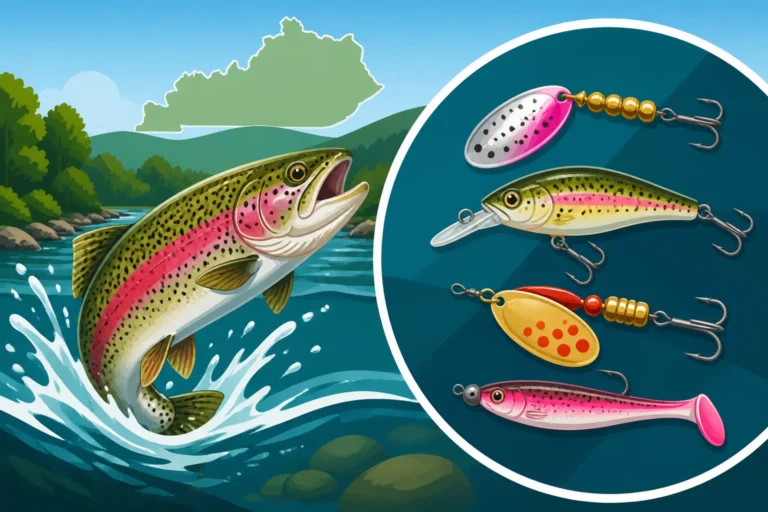
Artificial lures are a fantastic choice for covering water and actively searching for trout, especially in streams and larger lakes. One of the most classic and consistently effective lures for rainbow and brown trout are inline spinners. Brands like Mepps, Rooster Tail, and Panther Martin are absolute legends in the trout world for a reason. Their spinning blade creates flash and vibration that drives trout wild. Typically, sizes from 1/16 oz to 1/8 oz are ideal for Kentucky waters. Experiment with different blade colors – silver and gold are always good, but sometimes a chartreuse or orange blade can be irresistible, especially in stained water.
Another excellent category is small spoons. Dardevle, Little Cleo, and Kastmaster spoons, in sizes like 1/16 oz or 1/8 oz, flutter enticingly on the retrieve, mimicking a struggling baitfish. These are particularly effective in deeper sections of rivers or lakes where trout might be holding. The flash and erratic action can trigger aggressive strikes. Finally, small crankbaits or jerkbaits, typically 1 to 2 inches long, can also be deadly. These hard-bodied lures dive to a specific depth and have a tight wobbling action. Brands like Rapala (CD series) or Rebel Wee-Crawfish are great for mimicking small minnows or crayfish, which larger trout, especially brown trout, often key in on. Having a selection of these artificial lures in your tackle box means you're prepared for various water conditions and trout moods. Our guide on Best Lures for Rainbow Trout Fishing dives deeper into specific options.
Effective Live Baits and PowerBait
Sometimes, despite your best efforts with artificials, trout just want a natural meal. This is where live bait and prepared baits shine, especially in slower-moving waters or for more finicky, recently stocked fish.
Worms are a universal trout bait and arguably the most effective natural offering. Red wigglers or nightcrawlers (either whole or cut into smaller pieces for smaller hooks) are irresistible to trout. The natural scent and wiggling action are hard to beat. You can rig them on a small hook with a split shot or two a foot or so above, allowing them to drift naturally with the current or slowly sink in still water.
Corn might sound unusual, but trout absolutely love it, especially hatchery-raised fish that are often fed a corn-based diet. A few kernels on a small hook can be incredibly effective, and it’s a cheap, readily available option. Just be mindful of local regulations, as some waters might restrict corn or other baits.
For prepared baits, PowerBait (often available on Amazon in a wide variety of colors and scents) is practically synonymous with stocked trout fishing. It comes in various forms – nuggets, dough, or even artificial worms – and is packed with scents and flavors that attract trout. Chartreuse, rainbow, and white are perennial favorites. The key with PowerBait dough is to mold it into a small ball, just big enough to cover your hook, allowing it to float off the bottom and entice cruising trout. When fishing PowerBait, a slip-sinker rig with a short leader (1-2 feet) and a small treble hook (or single hook) is a common and highly effective setup. This allows the fish to pick up the bait without feeling the weight of the sinker.
Matching Bait to Conditions
Choosing between artificial lures and natural/prepared baits, or even specific types within those categories, often comes down to the conditions you're facing and the behavior of the fish. If you're fishing a wider river or lake and trout are actively feeding, artificial lures that you can cast and retrieve, like spinners or spoons, are excellent for covering water and finding active fish. They allow you to be mobile and search.
However, if the water is very clear, the fish are pressured, or you're fishing a smaller pond where trout might be more stationary, natural baits often become the superior choice. The subtle presentation of a drifting worm or a floating PowerBait can be exactly what it takes to tempt a wary trout. In colder water, trout are often less active and prefer a slow, easy meal; drifting a worm or letting PowerBait sit on the bottom can be more effective than a fast-moving spinner. Conversely, in warmer water (though still within safe trout temperatures), a flashy, aggressive retrieve with an inline spinner can trigger a reaction strike from more active fish. Don't be afraid to switch things up throughout the day. Start with an artificial to scout, and if that's not producing, slow down and try a natural bait. Often, having both options at the ready will give you the most success.
Mastering Spin Fishing Techniques
Having the right gear and bait is only part of the equation; knowing how to present it effectively is where the real artistry of spin fishing comes into play. Trout are intelligent, wary fish, and even stocked trout quickly learn what looks natural and what doesn't. Your technique can make all the difference between a frustrating day and a memorable one.
Casting and Retrieval Techniques
Precision casting is crucial, especially in smaller streams or when targeting specific holding spots. You’ll want to be able to cast accurately near cover, seams, or deeper pools without spooking the fish. For overhead casts, aim for a smooth, fluid motion, letting the rod do the work. Don't over-power the cast, especially with light lures, as it can lead to tangles or snap off your bait. Sidearm or roll casts can be useful in tight quarters with overhead obstructions.
Once your lure or bait hits the water, the retrieve becomes paramount. For inline spinners, a steady, medium-speed retrieve is usually best, just fast enough to get the blade spinning properly. You want the lure to swim naturally, not helicopter. Sometimes, a slight twitch or pause during the retrieve can induce a strike from a hesitant trout. With small spoons, a "lift and drop" retrieve, letting the spoon flutter on the fall, often imitates a dying baitfish effectively. For small crankbaits, a steady retrieve combined with occasional jerks or pauses can be very productive. The key is to experiment. Watch your lure in clear water if possible, or imagine how a natural food source would move. Trout are visual predators, but they also respond to vibrations, so vary your retrieve until you find what they're reacting to.
Drifting and Still Fishing Strategies
Beyond active retrieving, mastering drifting and still fishing can unlock even more trout. Drifting is particularly effective in rivers and streams. The goal is to present your bait or lure as naturally as possible, letting the current carry it downstream as if it were a dislodged insect or a free-floating worm. This technique requires careful line management – you want just enough slack to allow the bait to drift naturally, but not so much that you can't feel a bite or set the hook. Using a minimal amount of weight, like a single split shot, can help your bait sink to the right depth without impeding its natural drift.
For still fishing, often done in lakes or slower pools, the strategy is about patience and presentation. When using PowerBait or worms, you'll typically use a bottom rig. The most common is a slip-sinker rig: a small egg sinker slides freely on your main line, tied to a swivel, with a 1 to 2-foot fluorocarbon leader (2-4 lb test) ending in a small hook. The key here is that when a trout picks up the bait, the line slides through the sinker, and the fish doesn't feel any resistance, allowing it to take the bait fully. This gives you time to react and set the hook. This method is particularly effective when trout are holding in specific areas or feeding subtly off the bottom. Remember, trout often cruise in specific depth zones, so varying your leader length or depth can be critical.
Hook Setting and Landing Trout
So, you've got a bite! Now what? Setting the hook and landing the fish properly are crucial for success and for the health of the fish, especially if you plan to release it. With trout, especially on light line and ultralight rods, a gentle but firm sweep of the rod tip upwards or to the side is usually all it takes to set the hook. Don't rear back like you're trying to set a bass hook on heavy braided line; you'll likely rip the hook out of the trout's delicate mouth or snap your light leader.
Once hooked, keep steady pressure on the fish. Your rod should be bent, acting as a shock absorber. Let the fish run if it wants to, but don't let it take too much line, especially near snags. Work the fish towards you, using the rod's flex to tire it out. The smooth drag system on your reel is your best friend here – it should be set light enough to allow line to peel off when the fish pulls hard, but tight enough to maintain pressure. When the fish is close, a small net is ideal for scooping it up, minimizing stress on the fish and preventing it from flopping off the hook at the last second. If you're bank fishing without a net, slide the fish onto the bank rather than lifting it by the line. Handle trout gently with wet hands, remove the hook quickly, and if releasing, allow it time to revive before letting it go.
Reading the Water and Locating Trout
Catching trout isn't just about throwing a lure out there; it's about understanding where trout live and why they choose those specific spots. This "reading the water" skill is developed over time, but there are some fundamental principles you can apply to almost any trout water in Kentucky.
Identifying Prime Trout Holding Lies
Trout, like many fish, are creatures of habit and efficiency. They want to be in a spot that offers three things: food, cover, and favorable water conditions (usually cold, oxygenated water). In streams and rivers, look for areas where the current slows down, creating a "seam." This is often found behind rocks, logs, or bends in the river. Trout will sit in these slower currents, expending less energy, while waiting for food to be swept by in the faster current nearby. Deeper pools, especially those with some overhead cover from trees or undercut banks, are also prime holding lies. Trout feel secure in these spots and often feed on insects that drop from above or minnows lurking in the depths.
In lakes and ponds, trout will often congregate near cooler water sources, such as springs or feeder creeks. During warmer months, they tend to seek deeper, cooler water. In spring and fall, they might move shallower. Look for submerged structures like fallen trees, rock piles, or even artificial habitat placed by wildlife agencies. Points and drop-offs where the bottom contour changes significantly can also be excellent ambush points for trout. Understanding that trout are often seeking refuge from strong currents or bright sunlight, and proximity to food, will guide your search immensely.
Understanding Current and Structure
The interplay of current and structure is perhaps the most critical factor in locating trout in moving water. Picture a large boulder in a stream. The water rushing around it creates a pocket of slower water immediately downstream – this is called the "eddy" or "current break." Trout will sit in this eddy, conserving energy, while keeping an eye on the faster current to their sides, waiting for food. The "seams" created where fast water meets slow water are also hotspots.
Similarly, submerged logs, brush piles, and undercut banks provide both current breaks and excellent cover from predators and bright light. Don't be afraid to cast right up against these features, letting your bait or lure drift naturally into the strike zone. In flatter, slower sections of streams, deeper runs or riffles with good oxygenation can hold fish. The key is to observe the water's flow, identify where it changes speed or direction, and then look for associated structure. Your casts should aim to present your offering to these specific, often small, zones. This nuanced approach will give you a significant edge over just casting randomly.
The Importance of Water Temperature and Clarity
Water temperature is a huge factor for trout. They are cold-water fish and thrive in temperatures typically below 65 degrees Fahrenheit. As water temperatures rise above this, trout become stressed and less active, often retreating to the deepest, coolest parts of a lake or river, or even ceasing to feed entirely. This is why fishing the Cumberland River below Wolf Creek Dam, where the water is consistently cold, is so productive – the temperature is always just right for trout. Pay attention to water clarity too. In very clear water, trout can be incredibly wary. You'll need lighter lines, smaller baits, and longer casts to avoid spooking them. Cloudy or slightly stained water can sometimes make trout more aggressive, as they feel less exposed, allowing you to use slightly heavier line or more aggressive lures.
Conversely, excessively muddy water after a heavy rain can shut down the bite, as visibility is reduced and trout struggle to find food. When faced with high, muddy water, look for areas where clear feeder creeks enter the main body, creating a distinct "seam" of clearer water. Fish will often concentrate in these transitional zones. Always check local fishing reports or recent weather patterns before heading out, as these factors greatly influence trout behavior and your chances of success. Understanding these environmental cues will transform your fishing from a guessing game into a strategic hunt.
Seasonal Considerations for Kentucky Trout
Kentucky's climate means that trout fishing can be a year-round endeavor, but your tactics and the specific locations you target will certainly change with the seasons. Just like us, trout react to shifts in temperature, water levels, and available food sources throughout the year. Knowing what to expect can help you plan your trips for maximum success and enjoyment.
Spring and Fall Fishing
Spring and fall are generally considered the prime times for trout fishing in Kentucky. The milder air and water temperatures are ideal for trout activity. In spring, as the weather warms, trout become very active and hungry after the colder winter months. Stocking efforts are often ramped up during this period, meaning there are plenty of fresh fish to target. This is an excellent time for both artificial lures and live baits. Inline spinners, small spoons, and PowerBait are all incredibly effective. Trout will often be found in shallower areas of lakes and streams, actively feeding on emerging insects. The period immediately following a stocking can be particularly productive. Our guide on What Trout Are Stocked at Lake Cumberland Each Season can help you plan for specific timings.
Fall brings another peak in activity. As air temperatures drop, water temperatures cool to a comfortable range for trout. Many anglers consider fall trout fishing to be exceptionally rewarding, often with fewer crowds than in spring. Trout are busy feeding and bulking up for winter, making them aggressive and willing to strike. This is a fantastic time for artificial lures like small crankbaits and spinners, as trout are often chasing baitfish. Drifting worms or PowerBait can also be very effective, especially as fish settle into deeper holes and runs. Both spring and fall offer incredible opportunities for spin anglers, with trout often being more accessible and active.
Summer and Winter Challenges
Summer and winter present unique challenges for Kentucky trout anglers, but also offer rewards for those willing to adapt. In summer, as temperatures soar, water temperatures in many of Kentucky's shallower streams and lakes become too warm for trout to comfortably survive. This means you need to focus on specific, cold-water fisheries. The Cumberland River below Wolf Creek Dam becomes the absolute go-to spot during the summer months because the deep-water releases from the dam maintain consistently cold temperatures, even when air temps are in the 90s. In other locations, look for deeper lakes with spring feeds, or target early mornings and late evenings when water temperatures are at their coolest. Fishing slower and deeper with natural baits like worms or PowerBait, or slowly jigging small spoons, can be more effective than fast retrieves. This is where patience truly pays off.
Winter fishing for trout in Kentucky, while often overlooked, can be surprisingly productive. Trout are still active, but their metabolism slows down, meaning they'll be less inclined to chase fast-moving lures. The key in winter is to slow down your presentation considerably. Focus on deeper pools in streams or deeper sections of lakes where trout will congregate. Small jigs tipped with PowerBait or a piece of worm, fished very slowly or even vertically jigged, can be deadly. Drifting natural baits through deep runs with minimal weight is also a great tactic. Ice fishing, though less common in Kentucky due to inconsistent ice, can also be an option on some smaller, stocked lakes during prolonged cold snaps. For those brave enough to bundle up, winter can offer peaceful, rewarding trout fishing.
Comparison of Popular Trout Lures/Baits for Kentucky
| Lure/Bait Type | Best Season | Best Water Conditions | Retrieval/Presentation | Pros | Cons |
|---|---|---|---|---|---|
| Inline Spinners | Spring, Fall | Clear to Stained | Steady retrieve | Covers water quickly, strong vibration/flash, triggers aggressive strikes | Can cause line twist, less effective in very deep or slow water |
| Small Spoons | All Seasons | Clear to Stained | Lift/drop, slow retrieve | Mimics baitfish, good for varying depths, effective for both active and sluggish trout | Can snag easily in heavy cover, less natural scent |
| Small Crankbaits | Spring, Fall, Summer | Clear to Stained | Steady, jerk & pause | Mimics minnows/crayfish, good for larger trout, dives to specific depths | Less effective on very small, recently stocked trout, can be expensive |
| Worms (Live) | All Seasons | All Conditions | Drift, still fish | Natural scent & action, highly effective on all trout, readily available | Can be messy, harder to keep on hook, attracting other species too |
| PowerBait | All Seasons | Still, Slow Current | Still fish (floating) | Highly attractive to stocked trout, easy to use, floats off bottom, many color/scent options | Less effective on wild trout, not natural, can be easily thrown by trout |
| Small Jigs (Tipped) | Winter, Summer | Clear to Stained | Slow jigging, drift | Finesse presentation, good for sluggish fish, can be scented | Requires sensitive rod, less casting distance without added weight |
No matter the season, remember to keep a keen eye on the weather, water conditions, and recent stocking reports. Being flexible with your techniques and willing to adapt will make you a much more successful trout angler in Kentucky's diverse fisheries.
Disclaimer
Fishing involves inherent risks. Always prioritize safety, wear appropriate safety gear including life jackets if on a boat, and be aware of your surroundings. Regulations and fish populations can change, so always consult the most current Kentucky Department of Fish and Wildlife Resources (KDFWR) regulations before heading out. This guide is for informational purposes only and does not guarantee fishing success.