How to Rig a Texas Rig for Bass Fishing
There are few things more frustrating than knowing big bass are lurking in thick cover, only to have your bait snagged, tangled, or simply ignored because it doesn't look natural. Bass are notoriously shy when it comes to heavily pressured areas, and getting your presentation into their living room without getting hung up can feel like an impossible task. If you've ever felt this struggle, you're not alone. This comprehensive guide will walk you through the ins and outs of rigging and fishing the classic Texas Rig for bass, ensuring your bait gets where it needs to be and enticing those wary fish in Kentucky's diverse waters.
What Exactly is a Texas Rig and Why Does it Work?
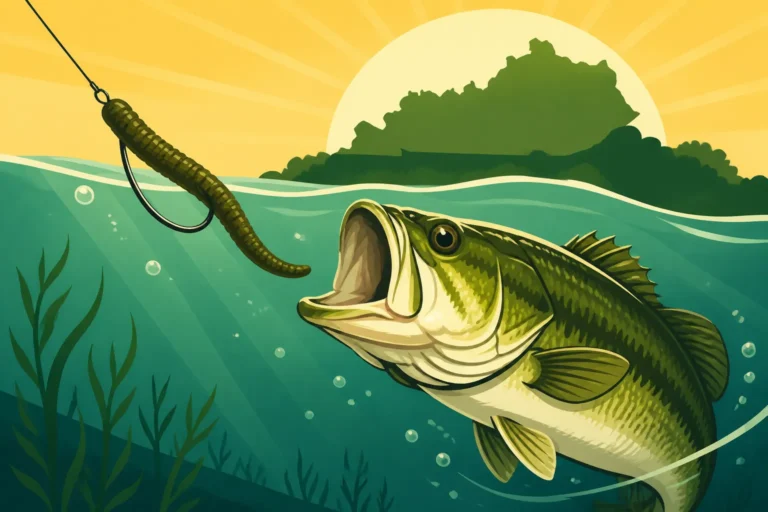
The Texas Rig isn't just a fancy name; it's a fundamental technique that every serious bass angler in Kentucky needs in their arsenal. At its core, it's a soft plastic bait rigged in such a way that the hook point is concealed within the bait itself, making it virtually weedless. This simple yet brilliant design is what allows you to confidently cast into the gnarliest brush piles, dense weed beds, or rocky crevices where monster bass love to hide, without constantly losing your lure to snags.
Think about fishing on Lake Barkley or Kentucky Lake, where submerged timber and thick hydrilla can dominate large sections of the water. Throwing a traditional exposed hook bait into these areas is a recipe for frustration. The Texas Rig, however, glides through these obstacles, increasing your fishing time and, more importantly, your chances of a bite.
The Genius Behind the Weedless Design
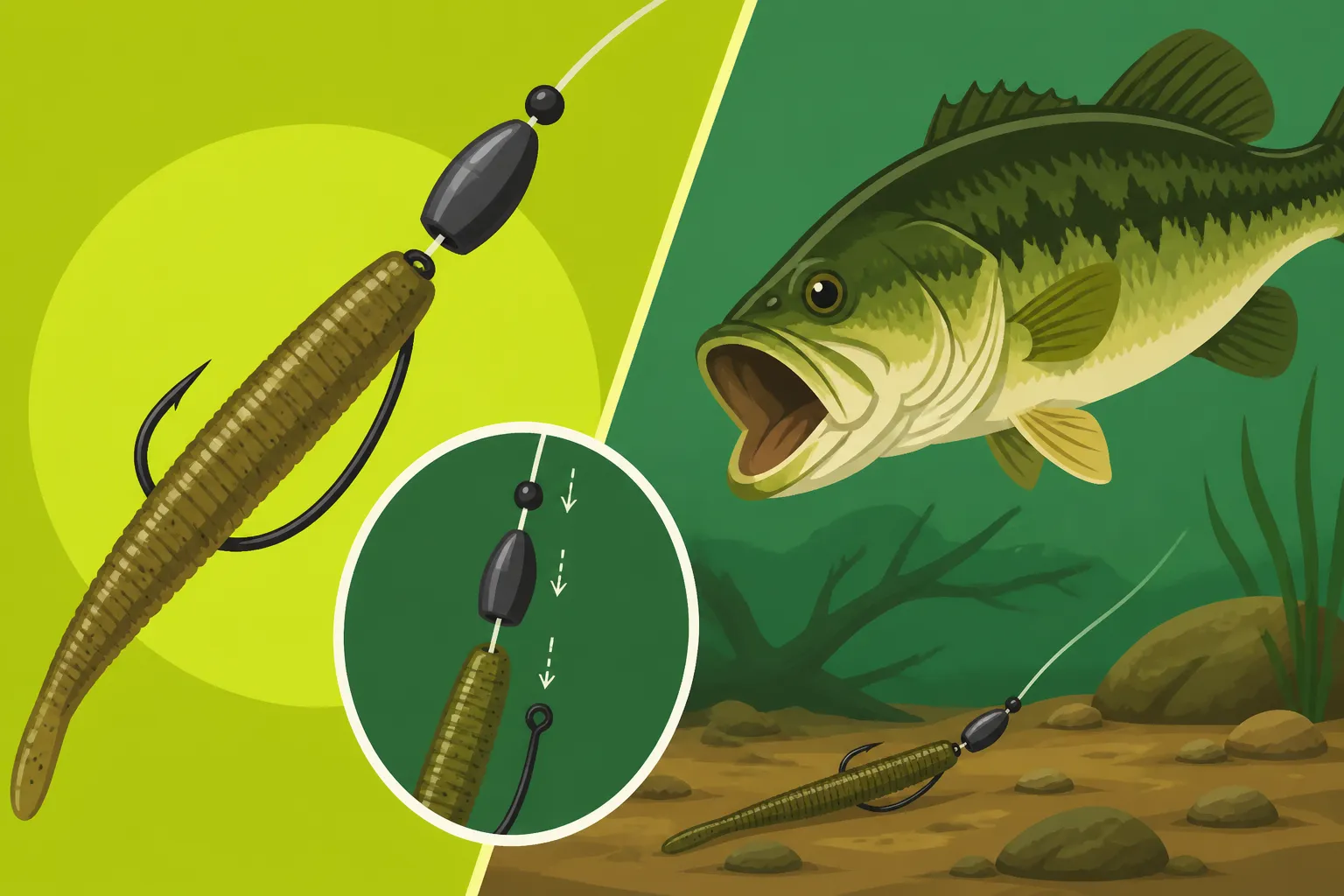
The magic of the Texas Rig lies in its components and how they come together. You've got a worm-style or creature bait made of soft plastic, a special "worm" hook, and typically a bullet-shaped weight. The bullet weight is usually pegged, meaning it's held in place just above the hook, or allowed to slide freely. This combination creates a streamlined profile.
When you rig the soft plastic, the hook point is inserted into the head of the bait, threaded through a short distance, and then rotated so the point comes out of the belly. Crucially, the hook point is then re-inserted just under the skin of the plastic, laying flat and flush with the bait's body. This hides the sharp point, preventing it from grabbing onto weeds, sticks, or rocks. When a bass bites, the soft plastic compresses, exposing the hook point for a solid hookset. It's a design that’s been fooling bass for decades because it looks incredibly natural as it falls through cover, mimicking a struggling creature or an easy meal.
When to Choose a Texas Rig Over Other Setups
While versatility is a hallmark of the Texas Rig, there are specific situations where it truly shines and should be your go-to presentation. If you’re fishing anywhere with substantial cover, whether it’s the thick hydrilla flats of Kentucky Lake or the drowned timber in the deep canyons of Lake Cumberland, the Texas Rig is your best friend.
Imagine you're targeting largemouth bass that have buried themselves deep in a patch of lily pads or cattails along the edges of a slow-moving river like sections of the Ohio River. A jig with an exposed hook would constantly snag, but your Texas Rig will slip right through. It's also fantastic when bass are holding tight to cover, reluctant to move far for a meal. The slower, more controlled fall of a Texas Rig, especially with a lighter weight, can coax bites from finicky fish. It's also excellent for pitching and flipping into tight spots, allowing you to present your bait precisely where the fish are hiding. When bass are staging in the pre-spawn or hunkering down in the heat of summer, this rig can be incredibly effective. Sometimes, on those tough days, knowing How to Fish a Plastic Worm for Bass can be the difference between a skunk and a limit.
Gathering Your Essential Texas Rig Components
Before you can start slinging Texas Rigs, you'll need to gather the right gear. Matching your equipment to the conditions and the size of bass you're targeting is crucial for success. You wouldn't use the same setup for panfish as you would for a trophy largemouth, and the same principle applies here.
Rod, Reel, and Line for Success
For a Texas Rig, you're generally going to want a baitcasting setup. This combination offers the power and control needed to cast accurately, pull fish out of heavy cover, and execute strong hooksets.
- Rod: A medium-heavy to heavy power rod, typically 6'8" to 7'6" in length, with a fast or extra-fast action, is ideal. The fast action means the rod bends mostly in the tip section, giving you excellent sensitivity to detect subtle bites and enough backbone to drive a stout hook through a bass's jaw. On Kentucky Lake, where you might be pulling big bass out of heavy grass, a 7'3" heavy power, fast action rod is a popular choice among serious anglers. If you're wondering about the best options, checking out guides on the Best Fishing Rods for Largemouth Bass can be very helpful.
- Reel: A baitcasting reel with a gear ratio between 7.1:1 and 8.3:1 is a great all-around choice. The faster retrieve allows you to quickly pick up slack line after a cast or when a fish makes a run towards cover, keeping you in control. Companies like Shimano and Lew's offer excellent options in this range that can handle the abuse of heavy cover fishing.
- Line: Fluorocarbon line is the reigning champion for Texas Rigs. It has low stretch, providing superior sensitivity for detecting bites, and it's virtually invisible underwater. Choose a line in the 15-20 pound test range for most situations. For really heavy cover, like dense matted grass or thick brush, you might even consider bumping up to 25-pound fluorocarbon or braided line with a fluorocarbon leader for maximum abrasion resistance. Braided line offers extreme strength and sensitivity, but its visibility can sometimes be a deterrent in clear water.
Hooks, Weights, and Soft Plastics
These are the core components that make up the business end of your Texas Rig. The choices you make here will depend heavily on the size of your bait, the type of cover, and the overall presentation you're aiming for.
- Hooks: You'll want a wide gap or extra wide gap (EWG) hook specifically designed for soft plastics. These hooks have a wider bend, allowing the plastic to compress easily on a hookset and providing enough gap for the hook point to clear the bait and penetrate the fish's mouth. Sizes generally range from 3/0 to 5/0, with 4/0 being a common all-rounder. Popular brands like Gamakatsu and Owner offer excellent options. You can easily find a good selection of these on platforms like Amazon.
- Weights: Bullet weights are the standard. They're streamlined, allowing your bait to slip through cover easily. Tungsten weights are increasingly popular over lead due to their smaller size (for the same weight), greater density, and increased sensitivity. Common sizes range from 1/8 oz for light cover and a slow fall, up to 1/2 oz or even 3/4 oz for punching through thick mats or getting down deep quickly. You'll also need small rubber bobber stops or "peg-its" to peg your weight in place, which keeps it from sliding up the line and helps maintain the weedless profile, especially when fishing vertical cover.
- Soft Plastics: This is where you can really get creative! The Texas Rig works with a vast array of soft plastic baits.
- Plastic Worms: From 6-inch finesse worms to 10-inch ribbon-tail monsters, worms are a staple. Zoom's "Ol' Monster" or Strike King's "Rage Tail Worm" are legendary for a reason. These are great for versatile presentations, mimicking anything from a swimming snake to an injured baitfish.
- Creature Baits: These often have appendages, flaps, and claws that create a lot of action and disturbance in the water. Think about baits like the Zoom "Brush Hog" or the Gene Larew "Biffle Bug." They excel at mimicking crawfish or other critters hiding in cover.
- Flukes/Stickbaits: While less common for a traditional Texas Rig, baits like a Zoom "Fluke" or a Yamamoto "Senko" can be rigged Texas style, especially weightless, to provide a slow, tantalizing fall in open pockets within cover.
- Craws: Imitating a crawfish scuttling along the bottom, these are fantastic when bass are keying in on crustaceans. Berkley PowerBait offers some great options, readily available on Amazon, that bass just can't resist.
The color of your soft plastic is also a major consideration. Common choices for Kentucky waters include green pumpkin, watermelon red, black and blue, and various junebug patterns. Always consider water clarity and light conditions when making your color selection. For some excellent insights into seasonal bait choices, consider reading up on Seasonal Bait Choices for Bass Fishing.
Step-by-Step Guide to Tying a Perfect Texas Rig
Learning to tie a Texas Rig correctly is a fundamental skill. A properly rigged bait will be weedless, present naturally, and give you the best chance for a solid hookset. Don't rush this process; a little attention to detail here goes a long way out on the water.
Threading the Weight and Tying the Hook
Let's get down to the mechanics. This is where your chosen components come together.
- Prepare Your Line: Start by sliding your bullet weight onto your main line, with the narrow, pointed end facing towards your rod tip.
- Pegging the Weight (Optional but Recommended): If you're going to peg your weight, now is the time to add your bobber stop. Slide it down the line until it's snug against the wider, skirted end of the bullet weight. This keeps your weight from sliding up the line during casting or when pulling through cover, maintaining contact with your bait and enhancing sensitivity. For situations where you want the weight and bait to separate on the fall, allowing the bait to glide more naturally, you can skip pegging it.
- Tie on Your Hook: Now, tie your chosen wide gap or EWG hook to the end of your line. A Palomar knot is an excellent choice for this, known for its strength and ease of tying. It's a knot you'll use often in bass fishing, so it's good to master it. Ensure the knot is pulled tight and secure. You don't want a trophy bass making off with your carefully selected bait!
Rigging Your Soft Plastic for Optimal Presentation
This is the critical step for achieving that famed weedless design and natural look.
- Insert the Hook Point: Take your soft plastic bait and insert the hook point directly into the center of the head of the bait, just a small amount, perhaps about 1/4 to 1/2 inch, depending on the size of the bait.
- Thread Through: Push the hook point through the plastic until the barb and the eye of the hook are fully embedded within the bait. The goal is to have the eye of the hook just barely emerge from the bottom or side of the bait, where the hook bend starts. The plastic should be snug against the eye of the hook.
- Rotate and Measure: Now, rotate the hook 180 degrees so that the hook point is facing the body of the bait. Hold the hook against the bait to measure where the hook bend naturally aligns with the body. This is where the hook point will exit the bait.
- Re-insert the Hook Point: Pinch the plastic at the point you just measured. Insert the hook point into the belly of the plastic bait at that exact spot. Push the hook point through and then slightly embed it just under the skin of the plastic. The aim is for the hook point to be completely concealed, yet ready to pop out with minimal pressure.
When you're done, your soft plastic should hang perfectly straight on the hook, without any kinks or bends. This ensures a natural presentation in the water.
Troubleshooting Common Rigging Mistakes
Even seasoned anglers sometimes make little mistakes that can impact their Texas Rig's effectiveness.
- Crooked Bait: If your bait isn't hanging straight, it could be due to not threading the hook eye completely through the head, or not re-inserting the hook point at the correct spot. A crooked bait will spin awkwardly in the water and won't look natural, often leading to fewer bites. Take your time during the "rotate and measure" step. If it's crooked, un-rig and try again.
- Exposed Hook Point: If your hook point is showing, even slightly, it defeats the purpose of the Texas Rig's weedless design. This will lead to snags and frustration. Make sure the hook point is firmly embedded just beneath the skin of the plastic. You should be able to press on the plastic over the hook point without feeling the sharp barb.
- Plastic Bunching: If the plastic bunches up on the hook, it means you threaded too much or too little of the plastic onto the hook shank in the first step. The bait should be stretched out naturally along the hook's shank. Adjust your initial entry point or the amount of plastic you thread through the head.
- Too Much Weight: While heavier weights get your bait down faster, too much weight can make your presentation unnatural and lead to fish dropping the bait quickly. If you're getting bites but failing to hook up, try a lighter weight. Conversely, too little weight can make it difficult to penetrate thick cover or reach deeper fish. It's a balance you'll learn with experience. Don't be afraid to experiment with different sizes, from 1/4 oz for general purpose to 1/2 oz for punching through thicker cover.
Mastering the Art of Fishing a Texas Rig in Kentucky Waters
Rigging is one thing, but knowing how to effectively fish a Texas Rig is where the true art lies. Kentucky's diverse waterways, from the massive reservoirs to the smaller river systems, offer countless opportunities to put this technique to work.
Key Techniques for Different Cover Types
The beauty of the Texas Rig is its adaptability. You can use it in almost any type of cover you encounter across Kentucky.
- Wood Cover (Laydowns, Brush Piles, Stumps): This is classic Texas Rig territory. Cast or pitch your rig as close to the wood as possible, letting it sink slowly. As it hits the bottom, give it a few short hops or drags with your rod tip, mimicking a crawfish or creature foraging. Pay close attention to your line as the bait falls; many bites happen on the initial descent. On places like Lake Barkley, known for its extensive timber, casting your Texas Rig into a submerged brush pile and letting it slowly fall can be deadly. Remember, bass often position themselves on the shady side or deeper parts of the cover. This is where your choice of hook and weight become crucial for getting into tight spaces without getting hung up.
- Grass Beds (Hydrilla, Milfoil, Pond Weed): Whether you're fishing shallow grass flats or deeper weed lines, the Texas Rig is outstanding. Cast into pockets within the grass, or directly onto dense mats. If you're fishing dense mats, use a heavier weight (3/8 oz to 1/2 oz or more) to "punch" through the vegetation. Once it's through, let it settle, then work it slowly, popping it up and letting it fall back down. For lighter grass, a lighter weight (1/4 oz to 3/8 oz) allows a slower, more natural fall into open areas or over submerged hydrilla. Many of Kentucky's larger reservoirs, like Kentucky Lake, boast expansive grass beds that hold some truly enormous bass, making a Texas Rig indispensable.
- Rock and Riprap: Bass love rocks for ambush points and crawfish habitat. Cast your Texas Rig parallel to riprap banks or into rocky points. Let it tumble down the rocks, then slowly drag it along the bottom, feeling for subtle changes in bottom composition or small ledges. When you feel a rock, pause, then gently lift and let it fall. The weedless design prevents most snags, allowing you to fish these notorious lure-eaters effectively. This is particularly useful on rivers like the Kentucky River where rocky banks are common.
Reading the Bite and Setting the Hook
Detecting a bite on a Texas Rig often requires a keen sense of feel and observation, especially when fishing in heavy cover.
- The "Thump": The most unmistakable bite is a distinct "thump" or "tick" felt through your rod. This is usually a bass sucking in your bait. React immediately.
- Line Movement: Sometimes, you won't feel anything, but you'll see your line suddenly twitch, jump, or start swimming off to the side. This is a tell-tale sign of a bite.
- Weightlessness: Another common scenario is when your bait is falling, and it suddenly feels "mushy" or stops falling prematurely. This often means a bass has grabbed it on the fall.
- Setting the Hook: When you detect a bite, resist the urge for a small, quick wrist flick. Instead, reel down quickly to take up any slack line until you feel the weight of the fish. Then, execute a powerful, sweeping hookset by raising your rod sharply from about the 9 o'clock position to the 1 o'clock position, using your whole body. This ensures the hook penetrates the plastic and the fish's jaw. It's a common mistake for beginners not to set the hook hard enough, especially with a stout rod and heavy line, so don't be shy!
Seasonal Considerations for Kentucky Bass
The effectiveness of your Texas Rig can vary with the seasons, and understanding Kentucky Bass Fishing: The April-May Peak Season is key.
- Spring (Pre-spawn & Spawn): As water temperatures rise, bass move shallower. A Texas Rig fished slowly around submerged logs, rock piles, and early grass beds near spawning flats is highly effective. Lighter weights and slower presentations often work best as bass are still sluggish. For insight into what months are best for bass fishing in Kentucky, check out What Month Is Best for Bass Fishing in Kentucky.
- Summer (Post-spawn & Summer Heat): Bass often retreat to deeper, cooler water or seek out dense overhead cover to escape the summer sun. Heavier Texas Rigs can punch through thick mats of vegetation or drop quickly to deep structure like humps and ledges. Creature baits mimicking crawfish are particularly effective as bass gorge themselves. Fishing during dawn and dusk can also be highly productive, as detailed in articles about Dawn and Dusk Fishing Patterns for Bass.
- Fall (Turnover & Feeding Frenzy): As water temperatures drop and the fall turnover begins, bass often become more active, chasing baitfish. The Texas Rig can still be effective, especially around transition areas where bass are ambushing bait. Look for them in areas where cover meets open water, or along creek channels. Adjust your retrieval speed to match the bass's activity level.
- Winter (Deep & Slow): During the coldest months, bass become lethargic and seek the deepest, most stable water they can find. A Texas Rig can still catch fish, but you need to fish it extremely slowly. Think tiny hops and long pauses on deep structure. Lighter weights are often preferred to ensure a slow, tantalizing fall that doesn't spook cold-water bass.
Remember to always check the specific Kentucky Fishing Regulations Explained for the waters you're fishing, as limits and sizes can vary from statewide rules, especially for species like bass, on certain lakes.
Here’s a quick guide to help you choose the right soft plastic for your Texas Rig, available on platforms like Amazon for convenience:
| Soft Plastic Type | Description | Best Use Cases |
|---|---|---|
| Soft Plastic Type | Description | Best Use Cases |
| Large Plastic Worm (8-12 inches) | Long, skinny worms, often with a ribbon or paddle tail. | Targeting deeper fish, probing submerged timber, flipping into thick cover, especially in larger Kentucky reservoirs like Lake Cumberland or Kentucky Lake. Works great in summer and fall. |
| Creature Bait | Resembles crawfish, lizards, or other aquatic critters with various appendages. | Fantastic for punching through heavy grass mats, flipping into brush, or fishing rocky bottoms. Excellent when bass are feeding on crawfish. Great year-round, especially in spring and fall. |
| Craw/Tube Bait | Mimics a crawfish with pincers. Tubes are hollow, cylindrical. | Rigging on a jig head or Texas Rig for skipping under docks or pitching into tight cover. Effective when bass are keying on crawfish, particularly in rocky areas or around natural springs. |
| Stick Bait (e.g., Senko) | Simple, cylindrical soft plastic with subtle action. | Weightless Texas Rig in sparse cover or open water for a slow, tantalizing fall. Can be Texas-rigged with light weight for a slightly faster descent into clearer water. |
Learning to rig and effectively fish a Texas Rig is a game-changer for any bass angler, especially in the diverse and often challenging waters of Kentucky. It's a testament to its effectiveness that it has remained a staple for decades. By taking the time to master this technique, you'll open up countless new fishing opportunities and significantly increase your chances of landing that next trophy bass from the Bluegrass State.
Disclaimer
Fishing involves inherent risks. Always follow local regulations, practice responsible angling, and prioritize safety on the water. The information provided in this guide is for informational purposes only, and anglers should exercise their own judgment and consult official Kentucky Department of Fish and Wildlife Resources guidelines for specific rules and conditions.