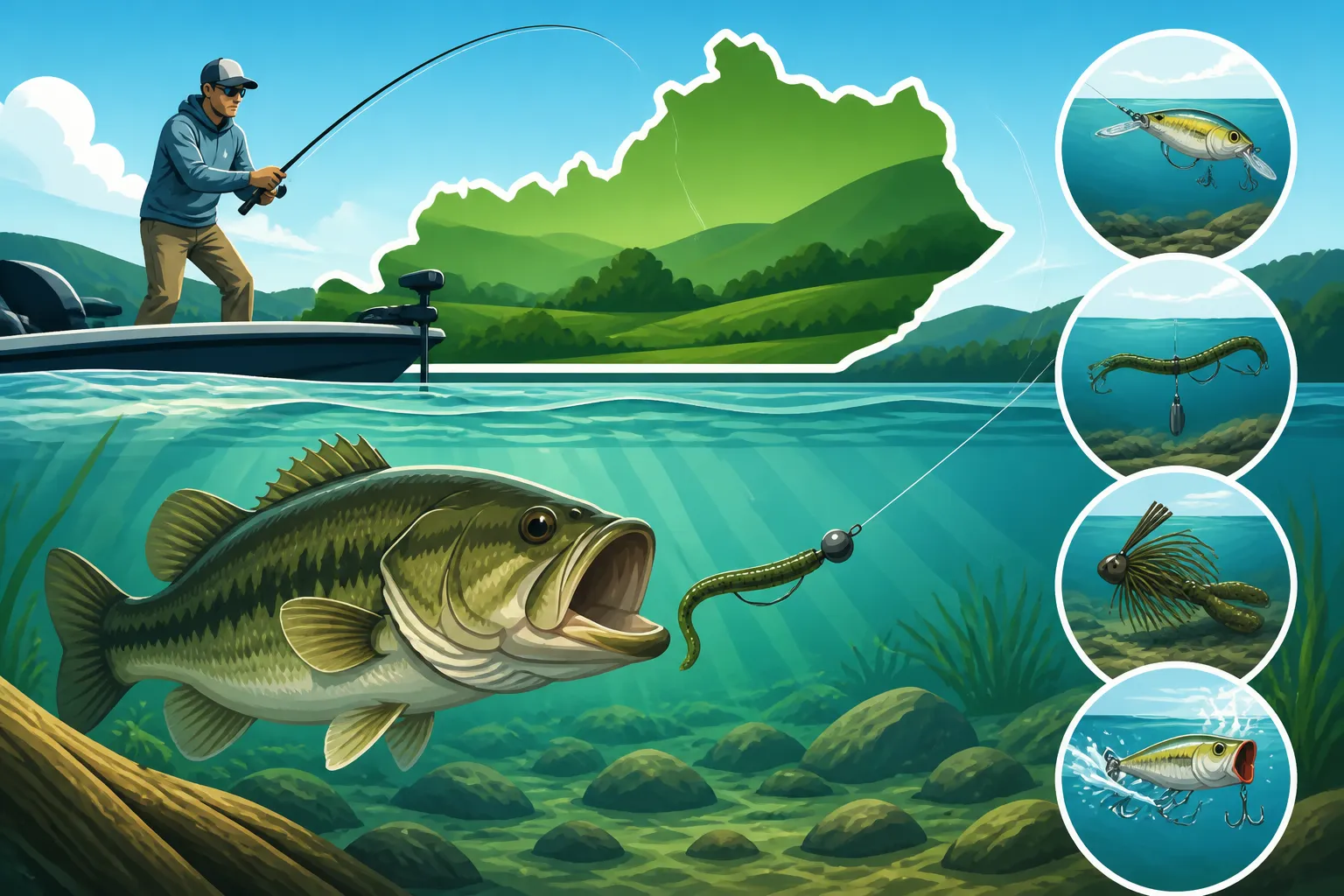
Best Bass Fishing Techniques for Clear Water
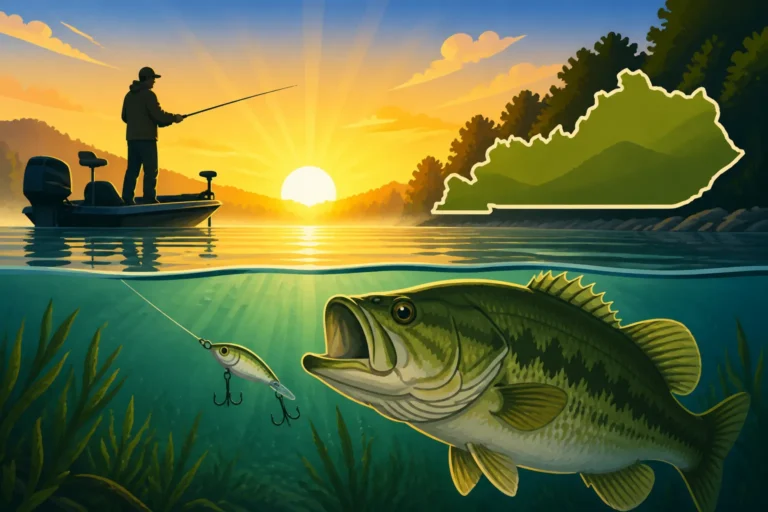
Few things are more frustrating than pulling up to a beautiful, crystal-clear lake in Kentucky, only to find the bass acting as if they’ve spotted you from a mile away. You cast, you retrieve, and they seem to scatter before your lure even gets close. This guide is all about tackling that specific challenge, giving you the best bass fishing techniques for clear water so you can turn those spooky fish into trophy catches.
Understanding Bass Behavior in Clear Water Environments
When you're fishing in gin-clear water, it's a whole different ballgame compared to murky or stained conditions. Bass in these environments aren't just seeing better; they're also reacting differently to light, noise, and your presentation. It’s crucial to understand these behavioral shifts to effectively target them. They become more cautious, relying heavily on their eyesight, and are easily spooked by anything that seems out of place.
The Impact of Visibility and Light Penetration
In clear water, sunlight penetrates much deeper, illuminating the entire water column. This increased visibility works both ways: bass can see their prey from further away, but they can also see you and your gear with startling clarity. Imagine trying to sneak up on a deer in a wide-open field on a sunny day – that's often how bass feel about anglers in clear water. Every flash, every shadow, every unnatural movement on your part becomes a red flag. This is why stealth becomes paramount. You can't just crash through the brush to get to your spot or stomp around in the boat. Even the subtle glint of a cheap swivel can be enough to send a wary bass darting for cover.
Furthermore, bright conditions often push bass deeper or into denser cover where they can find shade and feel more secure. They're trying to escape the direct light and the eyes of predators, or even the eyes of fellow bass. This means your approach has to be adjusted to target these deeper, shadier haunts. Think about how many times you’ve seen bass suspend just under a dock or tight against a shaded rock wall in clear water – they’re not just hanging out; they’re hiding.
Increased Caution and Sensitivity to Disturbance
Bass in clear water are inherently more cautious. They've evolved to be wary because anything moving in their line of sight could be a predator or a competitor. This heightened sensitivity means that noise and vibration travel further and are interpreted more acutely. A heavy footfall on the bank, a dropped tackle box in the boat, or even an outboard motor running too close to a prime spot can send them fleeing.
Beyond sound, even the most subtle unnatural presentation can be a deal-breaker. Is your line too heavy? Does your lure have too much flash? Is your retrieve too fast or too erratic? All these factors, which might go unnoticed in stained water, become glaring inconsistencies in clear conditions. They have more time to inspect your bait, making them much pickier eaters. This is why lighter lines, natural colors, and subtle presentations often win the day. They want to see something that looks and acts like their natural forage, not a neon-colored plastic chunk with a thick cable attached to it.
Optimal Lure Selection for Clear Water Bass
Choosing the right lure for clear water is about subtlety, realism, and mimicking natural prey without giving away the illusion. You’re not trying to attract attention with gaudy colors or loud rattles; you’re trying to deceive a highly visual predator.
Natural Colors and Translucent Baits
In clear water, bass rely heavily on their eyesight. This means your lure's color and finish are incredibly important. Forget the bright chartreuses and fire-tigers, unless you're fishing exceptionally deep or on a very dark, overcast day. Instead, reach for natural, muted tones that blend seamlessly with the environment. Think greens, browns, watermelon, pumpkinseed, and natural shad or bluegill patterns.
Translucent baits are often a secret weapon. Soft plastics that allow light to pass through them create a more natural, almost ghost-like appearance in the water, mimicking small baitfish or crawfish. Colors like clear with silver flake, smoke, or light greens can be deadly. When the sun hits them, they shimmer and disappear rather than creating a solid, easily identifiable shape. For hard baits, choose colors that imitate the local forage, like smallmouth bass fishing often requires imitating crawfish or minnows. Pay attention to the subtle details – holographic finishes on jerkbaits or crankbaits can replicate the flash of a real baitfish without being overly aggressive.
Finesse Lures and Smaller Profiles
Clear water often calls for a finesse approach. This means scaling down your gear and lure size. Smaller baits look less threatening and more like natural, vulnerable prey. Think about how a tiny minnow or a small insect would appear in clear water – delicate and unassuming.
Drop shot rigs are incredibly effective in clear water because they allow you to present a small, soft plastic bait just above the bottom, giving it a natural, quivering action with minimal movement of your line. You can explore the Drop Shot Rig Technique for Bass Fishing to master this presentation. Similarly, a weightless wacky-rigged Senko or a small jig with a subtle trailer can be irresistible. These baits have a slow fall and a seductive shimmy that bass can't resist, especially when they're inspecting it closely. Even when targeting bigger bass, sometimes a 3-inch creature bait on a light jig head will outperform a bulky 6-inch jig, simply because it appears more natural and less intimidating. Remember, in clear water, the bass have time to scrutinize your offering. A smaller, more realistic profile often wins them over.
| Lure Type | Best Conditions | Key Features for Clear Water | Retrieval Tips |
|---|---|---|---|
| Drop Shot | Calm, Sunny, Deep Water | Small soft plastics, natural colors, thin line | Minimal rod tip quivers, slow lifts, long pauses |
| Jerkbait | Cool Water, Cloudy/Sunny | Translucent, natural shad patterns, subtle flash | Twitch-twitch-pause (long pauses are key) |
| Finesse Jig | Bottom Contact, Structure | Green pumpkin, brown, small profile, light weed guard | Hop, drag, swim, subtle shakes |
| Wacky Worm/Senko | Calm, Shallow, Structure | Green pumpkin, watermelon, natural falls, weightless | Cast, let sink on slack line, twitch occasionally |
| Swimbait (Small) | Baitfish Schools, Open Water | Natural shad/bluegill patterns, soft plastic, subtle tail kick | Slow, steady retrieve, occasionally pause or twitch |
Presentation and Stealth for Spooky Fish
Once you have the right lures, the next critical step is how you present them. In clear water, your presentation needs to be impeccable, and your stealth needs to be top-notch. Any mistake here can ruin your chances.
Longer Casts and Invisible Line Choices
In clear water, bass can see your boat, your shadow, and your line from a considerable distance. This means you need to increase the distance between yourself and your target. Making longer casts becomes essential, allowing your lure to enter the strike zone without the bass even knowing you're there. To achieve this, a longer, lighter action rod paired with a smooth casting reel is often beneficial.
Equally important is your line choice. Forget heavy, bright monofilament. In clear water, fluorocarbon line is your best friend. It has a refractive index very close to that of water, making it nearly invisible beneath the surface. Using a lighter test fluorocarbon leader, or even spooling your entire reel with fluorocarbon (especially for spinning gear), will drastically improve your bite ratio. When you're fishing for Best Bass Fishing Techniques for Clear Water, a thin, low-visibility line can make all the difference. For situations where you need to cast even further or feel more subtle bites, braid can be used as your main line, but always tie on a fluorocarbon leader using a strong knot like an FG or Alberto. You can find excellent quality fluorocarbon lines and leaders on Amazon, which can significantly enhance your presentation. Learning about the Best Fishing Line for Big Lake Bass will give you even more insights into optimizing your setup.
Subtle Retrieves and Natural Movements
This is where many anglers go wrong in clear water. They retrieve too fast, too erratically, or with too much overt action. Remember, a bass in clear water has more time to inspect your lure. It's looking for natural, effortless movements.
Slow down your retrieve dramatically. For jerkbaits, longer pauses (sometimes 10-15 seconds) can be the key. For jigs, a subtle drag along the bottom, or tiny shakes of the rod tip, often works better than big hops. When fishing soft plastics, think about how a dying baitfish or an injured crawfish would move – slowly, weakly, and with occasional twitches. Let the lure do the work. The natural buoyancy and action of a soft plastic like a Senko on a weightless retrieve are often all you need. Don't overwork the bait. Less is often more. Sometimes, simply letting a lure sink on a slack line will get more bites than any retrieve you can impart. It mimics something falling naturally, something that isn't trying to escape. This is a great tip, especially when considering How to Fish a Plastic Worm for Bass in highly visible conditions.
Optimal Times and Conditions for Clear Water Success
Even with the best lures and techniques, timing and conditions play a huge role in clear water bass fishing. Knowing when and where to fish can greatly increase your odds.
Low Light Conditions: Dawn, Dusk, and Overcast Days
Bass in clear water are often more active and less wary during low light periods. The sun's penetration is reduced, their vision advantage isn't as pronounced, and they feel more comfortable venturing out of heavy cover to feed. This makes dawn and dusk prime times for clear water bass fishing.
During these periods, you can often get away with slightly more aggressive presentations or even a topwater lure. The reduced visibility on the surface creates a silhouette effect, making your lure appear more natural against the darkening sky or the breaking dawn. Overcast days offer similar advantages, providing a natural "filter" for the sun's rays all day long. On these days, bass may stay shallower and be more willing to chase. This is why knowing the Best Time of Day to Catch Bass is critical, especially when dealing with super clear water.
After a Frontal Passage and During Stable Weather
Weather changes significantly impact bass behavior, and this is amplified in clear water. Immediately after a strong cold front passes, the bluebird skies and high pressure typically associated with clear water can make fishing incredibly tough. Bass often get lockjaw and become very lethargic, retreating to the heaviest cover or deepest water. Understanding Fishing Techniques After a Cold Front is crucial here; you'll need to slow down your presentations even further and downsize your baits.
However, once the weather stabilizes for a few days after a front, or during prolonged periods of stable, fair weather, bass can become more predictable. They'll settle into their patterns and feed more consistently. When you see a stable weather forecast for several days, that's often your cue to hit those clear water spots. While a slight chop on the water surface can help by breaking up light penetration and the fish's sightlines, flat calm, sunny days often mean deeper fish and more finicky bites. So, always keep an eye on the forecast and adjust your strategy accordingly. This insight is essential for effective fishing, as How Weather Fronts Affect Fishing Times can dramatically alter fish behavior.
Gear Considerations for Clear Water Bass Fishing
The right gear complements your techniques and helps you execute those subtle presentations with precision. It's not just about the rod and reel, but also the small details that can make a big difference.
Light Rods and Reels for Finesse
When you're dealing with clear water, a heavy-action rod and a powerful baitcasting reel designed for throwing big swimbaits probably aren't your best bet for the primary approach. Instead, consider lighter spinning tackle or a medium-light baitcasting setup. A spinning rod in the 6'6" to 7'6" range with a medium-light to medium power and a fast or extra-fast action is ideal for throwing small jigs, drop shots, and weightless worms. This allows for long casts with light baits and provides the sensitivity to detect subtle bites that often occur when bass are cautiously inspecting your offering.
Pair this with a smooth spinning reel in the 2000-3000 size range, spooled with a sensitive, low-stretch line. This combination gives you maximum feel, allowing you to react quickly to those delicate takes. Even if you prefer baitcasters, a lighter model that can handle 8-12lb fluorocarbon and cast smaller lures effectively will serve you well. You can find many excellent options for these setups on Amazon, offering a good balance of quality and value. When selecting your rod, consider its Best Rod Action and Power for Bass Fishing to match your clear water techniques perfectly.
Essential Accessories: Polarized Sunglasses and Line Conditioner
Two often-overlooked accessories become absolutely essential when fishing clear water: polarized sunglasses and line conditioner. Polarized sunglasses cut through the glare on the water's surface, allowing you to see deeper into the water column. This isn't just about spotting fish; it's about seeing structure, cover, and observing how your lure is behaving. Being able to visually confirm your lure's action and presentation is invaluable for refining your technique. Without them, you're fishing blind in conditions that demand visual precision.
Line conditioner, while seemingly minor, helps manage your line, especially fluorocarbon. Fluorocarbon can be stiff and prone to memory, especially on spinning reels. A good line conditioner softens the line, reduces memory, and allows for smoother, longer casts, which as we discussed, is crucial in clear water. It also helps prevent frustrating tangles and wind knots, keeping you focused on fishing rather than untangling. Keeping your line in top condition ensures your lure can perform its best, preventing any unnatural kinks or twists that might put off a scrutinizing bass.
By embracing these strategies and adapting your approach, you'll find that clear water doesn't have to be a deterrent. Instead, it can open up a whole new world of exciting and challenging bass fishing opportunities here in Kentucky.
Disclaimer
The information provided in this guide is for general informational purposes only and does not constitute professional advice. Always check the latest Kentucky Department of Fish and Wildlife Resources regulations before fishing, as rules and conditions can change. Fishing involves inherent risks; please prioritize safety and environmental responsibility.