How to Set Up a Crappie Jig Pole
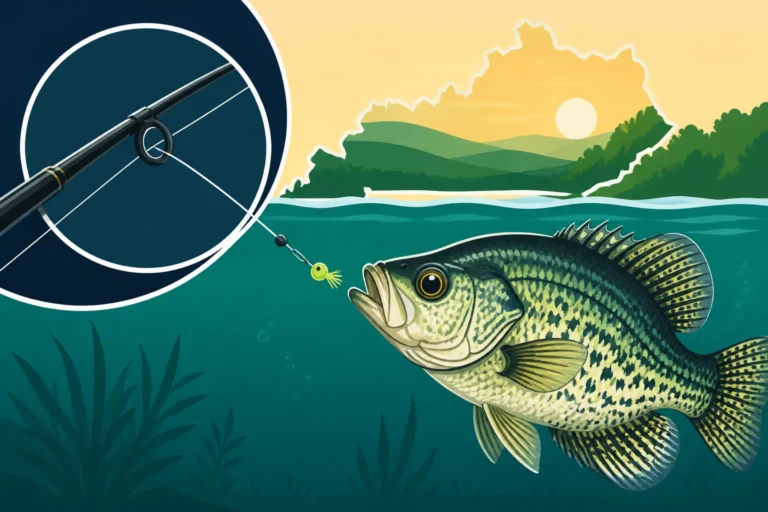
There's nothing quite as frustrating as heading out to your favorite Kentucky lake, knowing the crappie are biting, only to find your gear isn't quite up to the task. Whether your rod feels like a pool noodle or your line keeps breaking, a poorly set up crappie jig pole can turn a promising day into a disappointing one. This comprehensive guide is here to walk you through every step of building and optimizing a crappie jig pole that will have you confidently pulling in slabs all season long.
Understanding the Fundamentals of Crappie Jig Poles
Before we dive into the nitty-gritty of selecting specific components, let's talk about why a dedicated crappie jig pole is so important and what its core elements are. Many anglers, especially those new to crappie fishing, might think any light spinning rod will do, but there are subtle differences that make a world of difference when you're trying to entice those finicky papermouths.
Why a Dedicated Jig Pole Makes a Difference
Imagine trying to drive a nail with a screwdriver – it might eventually work, but it’s far from efficient or effective. The same principle applies to crappie fishing with a general-purpose rod. A dedicated crappie jig pole is engineered for precision, sensitivity, and the delicate presentation that crappie often demand. These poles are typically longer and lighter than your average spinning rod, which gives you several key advantages.
For starters, sensitivity is paramount. Crappie often have a very subtle bite; it can feel like nothing more than a slight tap or even just a bit of slack in your line. A rod designed specifically for jigging will transmit these faint signals much more clearly to your hand, allowing you to detect strikes you might otherwise miss. This enhanced feel means more hook-sets and, ultimately, more fish in your cooler, especially when you're working a small jig deep in a brush pile on Lake Barkley or Herrington Lake.
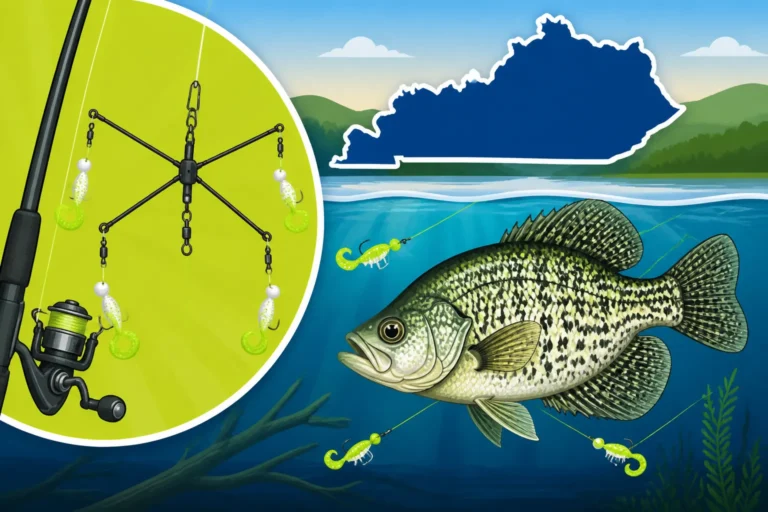
The length of a crappie jig pole is another game-changer. While shorter rods (under 6 feet) are great for dock shooting or tight quarters, many crappie anglers prefer poles ranging from 7 to 14 feet, or even longer for spider rigging. This extra length provides better reach, allowing you to cast further, keep your boat away from spooking fish in shallow water, and even reach into submerged timber or under docks without constantly repositioning your boat. It also aids in line management, keeping more line off the water, which helps with sensitivity and reduces wind-induced line bow, which can mask those subtle bites. When you're trying to fish around tricky submerged cover, like those famous Christmas tree attractors in Kentucky Lake, that extra reach can be absolutely invaluable.
Key Components of a Crappie Jig Pole
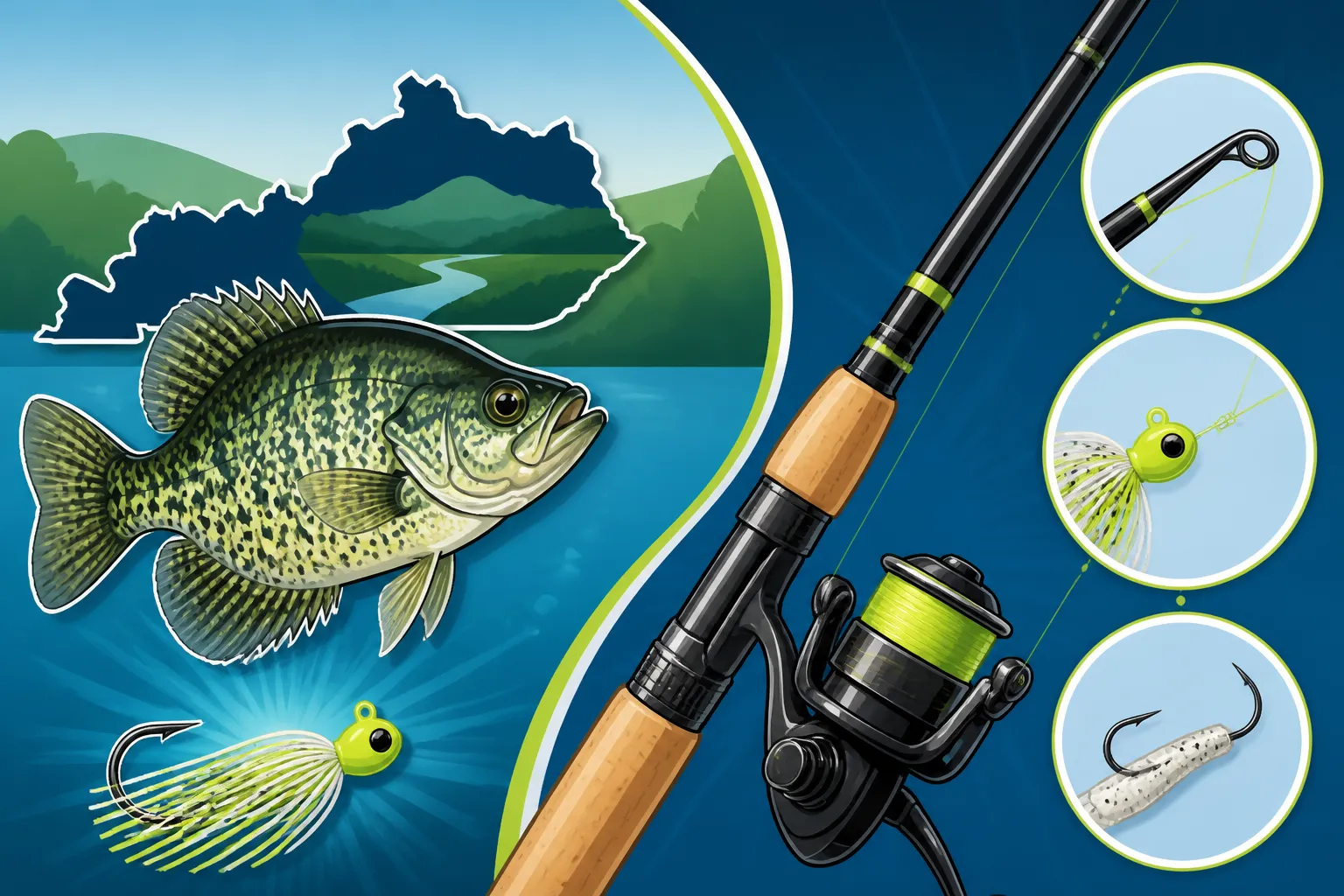
A crappie jig pole isn't just a rod; it's a carefully balanced system consisting of the rod, the reel, and the fishing line. Each component plays a critical role in the pole's overall performance. Understanding these parts and how they interact is fundamental to setting up a pole that truly excels.
The rod itself is the backbone of your setup. It's typically made from materials like graphite, fiberglass, or a composite blend. Graphite rods are renowned for their lightness and exceptional sensitivity, making them popular among serious crappie anglers who want to feel every nibble. Fiberglass rods, while heavier and less sensitive, are incredibly durable and often more forgiving, which can be a real plus for beginners or those who are a bit rougher on their gear. The rod's action (how much it bends and where it bends) and power (how much force it takes to bend the rod) are also crucial considerations, directly impacting how well you can cast light jigs and fight lively crappie.
Next, we have the reel. For crappie fishing, spinning reels are by far the most popular choice due to their versatility and ease of use with light lines and small jigs. They allow for smooth casting and retrieve, and their open-face design makes it easy to monitor your line. Spincast reels, while simpler to operate, sometimes lack the sensitivity and drag refinement needed for consistent crappie success, though they can be a great option for younger anglers or those just starting out. The reel's drag system is particularly important for crappie, as their soft mouths can tear easily, so a smooth, consistent drag is essential to prevent breaking off fish.
Finally, the fishing line is your direct connection to the fish. Your choice of line type – monofilament, fluorocarbon, or braided line – significantly impacts sensitivity, casting distance, and overall strength. Monofilament is stretchy and affordable, offering forgiveness but less sensitivity. Fluorocarbon is nearly invisible underwater and very sensitive but can be pricier and stiffer. Braided line offers extreme strength and sensitivity with no stretch, but its visibility can be a concern for shy crappie, often necessitating a leader. Balancing these factors is key to matching your line to your fishing style and the conditions you face, whether you're targeting shallow water or deeper haunts.
Selecting Your Crappie Jig Pole Components
Now that we've covered the basics, let's dive into the specifics of choosing each component for your ultimate crappie jig pole. This isn't a one-size-fits-all situation; your choices will depend on your preferred fishing techniques, the conditions you typically encounter, and your personal budget. Don't be afraid to mix and match to find what feels right in your hands.
Choosing the Right Rod Length and Action
The length and action of your rod are perhaps the most critical decisions you'll make when setting up a crappie jig pole. These characteristics directly influence your casting ability, sensitivity, and how you fight a fish. Many anglers gravitate towards rods in the 7 to 10-foot range for general-purpose crappie fishing, offering a good balance of reach and maneuverability. However, there are specialized lengths for specific techniques.
For example, if you're a fan of "spider rigging" – running multiple rods off the front of your boat, often used on expansive waters like Kentucky Lake – you might opt for much longer rods, sometimes 12 to 16 feet or even more. These longer poles allow you to spread out your baits, covering a wider swath of water and keeping your boat from passing directly over the fish, which can be crucial for enticing hesitant crappie. On the other end of the spectrum, if you primarily fish docks, boat slips, or heavy cover using a technique called "dock shooting," a shorter, fast-action rod of 4 to 5 feet might be ideal for making precise, underhand casts into tight spaces. This technique is deadly on many of Kentucky's lakes with abundant docks.
When it comes to action, you'll typically be looking at fast, moderate-fast, or moderate actions. A fast action rod bends primarily in the tip section. This provides maximum sensitivity and allows for quick, powerful hook-sets, which is great when you're trying to drive a hook through a crappie's papery mouth on a subtle bite. However, a fast action can also make it easier to tear the hook out of a crappie's mouth if you set the hook too aggressively. A moderate-fast action bends more into the middle of the rod, offering a good balance of sensitivity and forgiveness. This is a popular choice for all-around crappie fishing. A moderate action rod bends even further down the blank, providing a more parabolic bend. These rods are excellent for casting very light jigs a long distance and are incredibly forgiving, reducing the chance of tearing hooks. They are fantastic for techniques where a softer presentation and fight are desired. Learning How to Jig for Crappie in Shallow Water often benefits from understanding these action differences, as a more moderate action can help keep finicky fish from getting spooked by an overly aggressive presentation.
Pairing Your Rod with the Perfect Reel
Choosing the right reel to complement your crappie rod is essential for a balanced and effective setup. As mentioned, spinning reels are the clear favorite among crappie anglers for their versatility and ease of use. When selecting a spinning reel, consider its size, weight, gear ratio, and drag system.
For most crappie jigging applications, a smaller, ultralight spinning reel in the 500 to 1000 series (sometimes referred to as a 05 or 10 size) is usually perfect. These reels are lightweight, balancing well with the delicate crappie rods, and designed for the light lines (2-8 lb test) that crappie fishing often requires. Look for a reel that feels smooth when you turn the handle and has minimal wobble or play. A good quality reel will make a noticeable difference in your comfort and ability to retrieve jigs smoothly, especially after a long day on the water.
The gear ratio of your reel determines how many times the spool rotates with one turn of the handle. A common gear ratio for crappie fishing might be around 5.2:1 or 6.2:1. A higher gear ratio means faster line retrieval, which can be useful for quickly bringing in a fish or taking up slack line, while a lower ratio provides more torque for fighting larger fish or retrieving heavier baits (though crappie jigs are rarely heavy). For crappie, a moderate to high gear ratio is usually preferred. Most importantly, ensure the reel has a smooth, finely adjustable drag system. Crappie have very fragile mouths, and a sticky or jerky drag can easily lead to lost fish. Being able to precisely adjust your drag allows you to apply just enough pressure to fight the fish without ripping the hook out. Many anglers find great deals on quality ultralight reels on Amazon, often with detailed reviews to help make an informed choice. You might even find a great combo deal that includes a suitable rod, like the popular Shakespeare Micro Series.
Spooling Up with the Ideal Fishing Line
The fishing line is your crucial link to the fish, and selecting the right type and weight can significantly impact your crappie fishing success. There are three main types of line to consider, each with its own advantages and disadvantages for crappie fishing.
Monofilament (mono) line is the classic choice and remains popular for good reason. It’s relatively inexpensive, easy to tie knots with, and offers a good amount of stretch. This stretch acts as a shock absorber, which can be very forgiving and prevent hooks from tearing out of a crappie's mouth, especially during an aggressive hook-set. However, monofilament's stretch also means it has less sensitivity than other lines, making it harder to detect those subtle bites. It can also retain "memory," leading to coils off the spool, and it's more visible underwater than fluorocarbon. For crappie, 4 to 6 lb test monofilament is a common choice, offering a good balance of strength and manageability.
Fluorocarbon (fluoro) line has become increasingly popular, especially as main line or leader material. Its key advantage is its near-invisibility underwater, as it has a refractive index very similar to water. This makes it ideal for clear water conditions or when crappie are particularly skittish. Fluorocarbon also offers excellent sensitivity due to its low stretch and is more abrasion-resistant than monofilament. The downsides are that it can be stiffer, more prone to memory, and generally more expensive. If you choose fluorocarbon as your main line, a 4 to 6 lb test is usually sufficient.
Braided line is made of multiple strands woven together, offering incredible strength for its diameter, no stretch, and maximum sensitivity. You'll feel every bump, tick, and subtle bite with braid. However, braid is highly visible underwater, which can spook wary crappie. For this reason, many crappie anglers use a light braided main line (e.g., 6-10 lb test) and tie on a 2 to 4-foot fluorocarbon leader (e.g., 4-6 lb test) to provide the invisibility near the bait while retaining the sensitivity and strength of braid. Braided line can also be harder on rod guides if you're not using quality guides, and it can be a bit trickier to tie knots with. When considering specific colors, remember that Best Crappie Jig Colors for Stained Water might influence your line color choice if you're not using a leader.
Here's a quick comparison of fishing line types for crappie:
| Line Type | Key Advantages | Key Disadvantages | Ideal Scenarios | Common Test Weights |
|---|---|---|---|---|
| Monofilament | Forgiving stretch, good knot strength, affordable | Less sensitive, visible, higher memory | All-around, beginner-friendly, aggressive bites | 4-6 lb |
| Fluorocarbon | Near-invisible, high sensitivity, abrasion-resistant | Stiffer, higher memory, more expensive | Clear water, subtle bites, leader material | 4-6 lb |
| Braided | Maximum sensitivity, extreme strength, no stretch | Highly visible, can be noisy, cuts easily | Heavy cover, deep water, with a fluoro leader | 6-10 lb (main line) |
For more specific guidance on line selection, check out our guide on Best Line Weight for Crappie Jigging.
Rigging Your Crappie Jig Pole for Success
Once you have your rod, reel, and line chosen, it's time to put it all together and get it rigged up. This is where your personal preferences for baits and techniques come into play. There are countless ways to rig for crappie, but understanding a few fundamental setups will get you started on the right foot.
Basic Jigging Rigs for Crappie
The beauty of crappie fishing often lies in its simplicity, and the basic jigging rig is a prime example. The most common setup involves simply tying a jig head directly to your main line. For this, strong, reliable knots are essential. The improved clinch knot is a workhorse that many anglers trust, easy to tie, and holds well for light tackle. For fluorocarbon or braided lines, which can sometimes slip with basic knots, a Palomar knot is often preferred for its exceptional strength and reliability.
A single jig setup is straightforward: tie your preferred jig head to the end of your line. This is incredibly versatile and allows for a natural, unencumbered presentation. You can cast it, vertically jig it, or even troll it. For many crappie anglers, a single jig is all they ever need to fill a cooler. When using a single jig, ensure the jig head weight is appropriate for your line and rod action – too heavy, and you lose sensitivity; too light, and you can't cast effectively or get to the desired depth.
Sometimes, to cover more water or present different bait profiles, anglers will opt for a double jig setup. This involves tying a jig to the end of your line and then tying another jig a foot or two above it on a dropper loop or short leader. This rig is fantastic for quickly determining what depth the crappie are holding at or what color they prefer on a given day, as you can try two different colors or sizes simultaneously. Just be aware that two jigs can lead to more snags, especially in heavy cover.
Another highly effective rig, especially when crappie are suspended at a specific depth, is the slip bobber rig. This rig allows you to easily adjust your bait's depth without having to re-tie. It uses a bobber stop, a bead, and a slip bobber threaded onto your main line, with your jig tied below it. When cast, the bobber slides down the line until it hits the bobber stop, presenting your jig at the predetermined depth. This is a game-changer for precise depth control, particularly useful when you've located a school of crappie on your fish finder or know they're holding at a specific level, say 10 feet down over a 20-foot channel. For a step-by-step guide on this, check out our article on the Slip Bobber Technique for Crappie Fishing.
Essential Terminal Tackle and Baits
Beyond your chosen rig, the terminal tackle – specifically jig heads and soft plastics – and bait you select are paramount to enticing crappie. These small details can make a significant difference.
Jig heads come in a dizzying array of weights, hook sizes, and colors. For crappie, common jig head weights range from 1/32 oz to 1/8 oz, sometimes up to 1/4 oz for deeper or windier conditions. The hook size needs to match the soft plastic or live bait you're using, typically a #4, #2, or #1 hook. The color of the jig head can also be important, with chartreuse, pink, and white being popular choices. Sometimes, a bright jig head combined with a contrasting soft plastic can trigger a bite that a plain lead head won't. You can often find a wide selection of jig heads on Amazon from brands like VMC or Bobby Garland.
Soft plastics for crappie are incredibly diverse. You’ll find tiny grub tails, tube baits, minnow imitations, and paddle tails, each with its unique action and profile. The key is to experiment to see what the crappie prefer on any given day. Popular colors in Kentucky often include chartreuse, pearl white, black/chartreuse, and various shades of pink and orange. Sometimes the crappie want a subtle jig with minimal tail action, other times they want something with a lot of vibration. Keep a variety in your tackle box. Don't forget to check our guide on Best Crappie Jigs for Kentucky Waters for more specific recommendations.
While artificials are effective, sometimes nothing beats live bait, especially small minnows. Minnows, hooked lightly through the back or lips, are an irresistible meal for crappie. They can be fished solo on a bare hook, under a bobber, or tipped onto a jig head. When crappie are finicky, a lively minnow can often coax a bite when plastics fail. If you're planning to use live minnows, you'll need to know How to Fish Minnows for Crappie effectively. Beyond jig heads and soft plastics, consider carrying small swivels to prevent line twist, especially if you're using certain trolling techniques, and occasionally split shots or small sinkers to add extra weight if needed, though most crappie jigs are designed to sink on their own.
Advanced Tips for Kentucky Crappie Anglers
To truly elevate your crappie game in Kentucky, a few advanced tips can make a significant difference. These insights go beyond the basic setup and delve into maximizing your pole's performance and adapting to challenging conditions.
One of the best ways to enhance sensitivity, especially when using braided main line, is to use a fluorocarbon leader. Tying a small, reliable knot (like an FG knot or a double-uni knot) to connect a 2-4 foot section of 4-6 lb fluorocarbon to your braid gives you the best of both worlds: the no-stretch sensitivity and strength of braid, combined with the invisibility of fluorocarbon right at your bait. This can be crucial in clear waters or when crappie are heavily pressured, common on popular Kentucky fishing spots like Lake Cumberland.
Don't underestimate the power of scent attractants. Crappie rely heavily on their sense of smell, especially in stained or muddy water. Applying a liquid or gel attractant to your soft plastics or live bait can significantly increase your chances of getting a bite and encourage the crappie to hold onto the bait longer, giving you more time to set the hook. Brands like Berkley PowerBait or Pro-Cure offer effective crappie-specific scents available readily on Amazon.
Understanding water clarity and its impact on color choices is another advanced technique. In clear water, natural colors like smoke, clear, or light greens often work best, as they mimic natural baitfish. In stained or muddy water, bright colors like chartreuse, orange, or hot pink really shine, providing a visual target for crappie in low visibility conditions. When considering your Best Crappie Jig Colors for Stained Water, remember that a mix of bright and natural in your tackle box prepares you for any condition.
Finally, master the art of working around cover. Crappie love structure – brush piles, fallen trees, dock pilings, and even bridge columns. These spots offer ambush points and protection. Learn to present your jig precisely into these areas, using your rod length to your advantage, and be prepared for quick strikes. Sometimes, just bumping the cover with your jig can trigger a reactionary bite. For more strategies on this, our article on Crappie Fishing Around Brush Piles offers invaluable advice for navigating these tricky spots effectively. Remember that crappie will often move to different depths around cover depending on the season and time of day, so knowing the Best Depth to Fish for Crappie in Spring or any other season is key.
Maintaining Your Crappie Jig Pole for Longevity
You've invested time and money into setting up your perfect crappie jig pole, so it's only natural that you want it to last. Proper maintenance isn't just about preserving your gear; it's about ensuring it performs flawlessly every time you hit the water. Neglecting your pole can lead to decreased sensitivity, sticky drags, and ultimately, a breakdown at the worst possible moment.
Regular Cleaning and Inspection
After every fishing trip, or at least after a few trips, take a few minutes to give your crappie jig pole a little TLC. This doesn't have to be an arduous task, but a little routine care goes a long way.
Start by wiping down your rod blank and reel with a damp cloth, especially if you've been fishing in brackish water or dirty conditions. Pay extra attention to removing any mud, grime, or fish slime. A mild soap solution can be used if things are particularly messy, but always rinse thoroughly with clean water afterward and dry completely to prevent corrosion. For your reel, a cotton swab can help clean out tight spots where grime might accumulate. This prevents grit from entering the reel's internal mechanisms, which can degrade performance and lead to costly repairs down the line.
Inspect your rod guides meticulously. Run your finger, or better yet, a cotton swab, around the inside of each guide. If you feel any nicks, cracks, or rough spots, or if the cotton snags, it indicates damage. Damaged guides can abrade and weaken your fishing line, leading to unexpected break-offs, especially during a fight with a good crappie. If a guide is damaged, it's best to have it replaced by a professional or learn how to do it yourself if you're handy.
Lastly, inspect your fishing line for any nicks, abrasions, or twists. Even a small nick in your line can be a weak point, costing you a trophy crappie. If you notice any damage, cut off the affected section, or if it's extensive, consider re-spooling your reel entirely. Twists in your line, often caused by spinning baits or fighting fish, can lead to tangles and knots, so it's good practice to occasionally let out a long length of line behind your boat and reel it back in under light tension to help remove twists. This routine check ensures your line is always in prime condition for detecting those subtle bites.
Proper Storage and Transport
How you store and transport your crappie jig pole is just as important as regular cleaning. Improper storage can lead to bent rods, damaged guides, or reels that collect dust and debris.
For rods, investing in individual rod sleeves or a multi-rod rod tube is a smart move. Rod sleeves, often made of mesh, prevent rods from tangling and protect the blank and guides from scratches when stored together. Rod tubes offer more rigid protection, ideal for transporting rods in a vehicle or storing them in a garage where they might be bumped. Never store a rod leaning against a wall in a way that puts pressure on the tip or guides, as this can cause permanent bends or breaks. Lay them flat or hang them vertically by the butt end. Many anglers find high-quality rod sleeves and tubes on Amazon to protect their prized possessions.
For your reels, always loosen the drag completely before storing. This relieves tension on the drag washers, prolonging their life and ensuring they remain smooth and consistent. Consider a small reel cover or neoprene pouch to protect your reel from dust, dirt, and accidental knocks when not in use or during transport. Keeping your reel protected will prevent external damage and keep internal components cleaner.
When transporting your crappie jig pole in your vehicle, avoid simply tossing it in the back. Rods and reels can be easily damaged by shifting cargo. Use bungee cords, rod holders, or the aforementioned rod tubes to secure your pole safely. If you have a multi-piece rod, consider breaking it down for transport to reduce its overall length and vulnerability. By taking these simple steps, your crappie jig pole will be ready for action whenever the bite is on, for many seasons to come.
Disclaimer
Please be aware that fishing regulations, license requirements, and local rules can change. Always consult the official Kentucky Department of Fish and Wildlife Resources (KDFWR) website or current regulations guide before heading out to fish. The information provided in this article is for general guidance only and should not be considered a substitute for official regulations.