How to Fish After a Cold Front
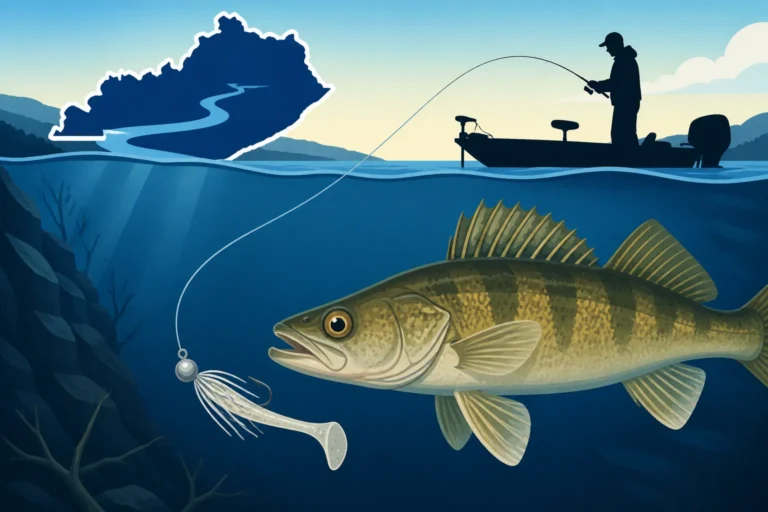
There's nothing quite like the excitement of planning a fishing trip, only to wake up to crisp, clear skies and a sudden drop in temperature – the tell-tale signs of a cold front sweeping through Kentucky. This drastic shift can turn a promising day into a frustrating blank, leaving many anglers scratching their heads wondering why the fish have suddenly shut down. This guide is here to walk you through exactly what happens to our finned friends after a cold front hits and, more importantly, how you can adapt your tactics to still find success on Kentucky's diverse waters.
Understanding the Impact of a Cold Front on Kentucky Fish
A cold front isn't just a change in the air temperature; it's a profound atmospheric event that sends ripples, both literal and metaphorical, through the entire aquatic ecosystem. For fish, these changes can be jarring, forcing them to adjust their behavior and feeding patterns dramatically. Ignoring these shifts is often the reason anglers struggle, while understanding them is the first step toward a more productive day on the water.
What Happens Underwater When a Front Hits?
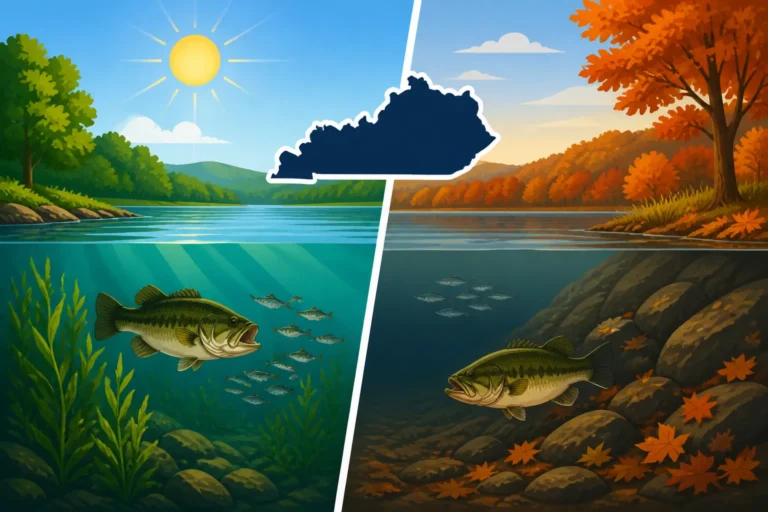
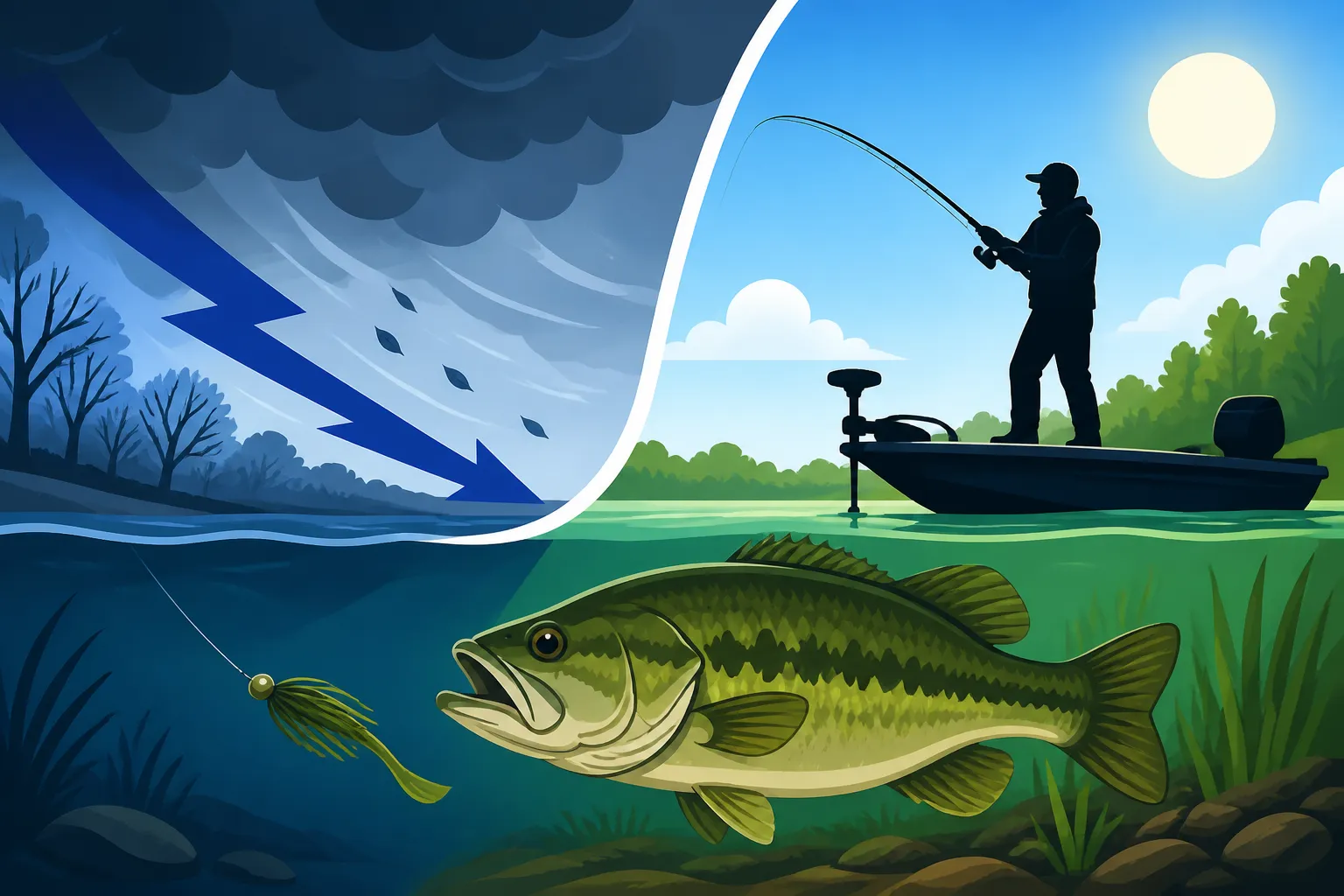
The most immediate and critical change a cold front brings is a rapid increase in barometric pressure. Before the front, the pressure often drops, signaling active feeding. After it passes, the pressure shoots up and stabilizes at a higher level. This high-pressure system can make fish feel uncomfortable, almost like they have a headache, causing them to move deeper to equalize the pressure on their swim bladder. It's a physiological response that dictates where they go and how they behave.
Beyond pressure, water temperature can also experience a noticeable dip, especially in shallower areas. While deeper, larger bodies of water like Kentucky Lake or Lake Cumberland might not see an immediate, drastic change in their deeper thermal layers, shallower coves and feeder creeks will cool down quickly. This cooling slows down the metabolism of cold-blooded fish, making them more lethargic and less inclined to chase fast-moving baits. They're still there, but their energy levels are much lower, requiring a different approach.
Species-Specific Reactions to Cold Fronts in Kentucky
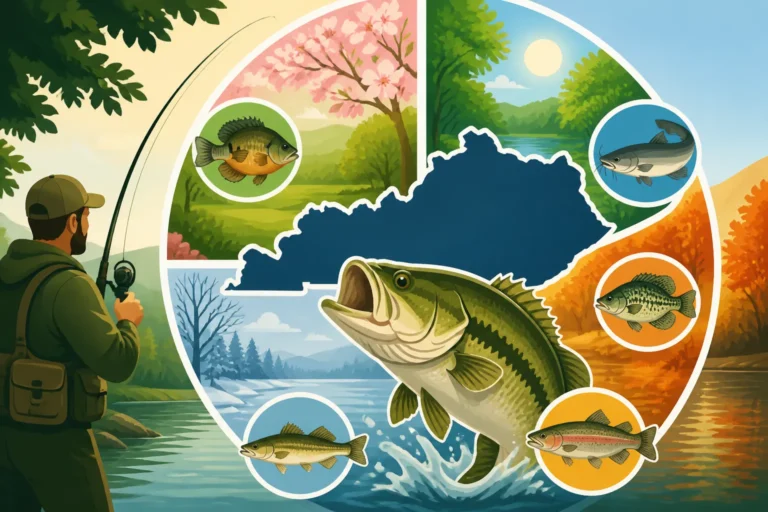
Different fish species react to cold fronts in slightly different ways, though a general theme of slowing down and seeking comfort usually prevails. Understanding these nuances can help you target specific species more effectively.
-
Bass (Largemouth, Smallmouth, Spotted): When a cold front passes, bass often become quite skittish and move from shallow feeding grounds to deeper, more stable water or dense cover. You'll find them burying themselves in thick brush piles, suspended tightly to standing timber, or hunkering down on deep main lake points and ledges. Their feeding windows become much shorter and less aggressive. Instead of chasing a fast retrieve, they prefer a bait presented slowly, practically on their nose. Knowing these deep structures is key, and you can find more specific guidance on different species in our comprehensive Largemouth Bass Fishing in Kentucky: The Complete Guide or Smallmouth Bass Fishing in Kentucky: The Complete Guide.
-
Crappie (Black and White): Crappie are notorious for "shutting down" after a cold front. They'll typically abandon shallow banks and suspended schools in open water, retreating to the safety and thermal stability of deeper brush piles, submerged timber, or bridge pilings. They often hug these structures very tightly, sometimes even burying themselves deep within the cover. Your presentations will need to be extremely subtle and precise to coax a bite from these finicky fish. Learning about Kentucky Crappie Fishing: Spring Spawn Run Guide can offer insights into their behavior around structures.
-
Catfish (Channel, Blue, Flathead): While often more resilient than other species, catfish aren't immune to cold fronts. Channel and blue catfish might move deeper into river channels or main lake basins, becoming less active. Flatheads, which prefer live bait, might become even more particular about their meals. However, big blues and flatheads on the Ohio River, for example, are often somewhat insulated by the river's sheer volume, so while their activity might lessen, they can still be caught with persistent effort in deep holes. Check out our Kentucky Catfish Fishing: Ohio River and Kentucky Lake Guide for more on these resilient species.
-
Trout (Rainbow, Brook, Brown): In Kentucky's stocked trout waters like Lake Cumberland or specific tailwaters, trout can sometimes be less affected by cold fronts in terms of their willingness to bite, especially if the water itself remains cold and stable. However, drastic swings can still make them lethargic. You'll often find them holding tight to bottom structure, waiting for an easy meal. Precise, subtle presentations are key, and patience is a virtue when targeting these beautiful fish. Our guide on Winter Trout Fishing at Kentucky's Lake Cumberland provides more detail on cold water trout tactics.
Adapting Your Approach: Lures, Baits, and Presentation
Fishing after a cold front demands a complete overhaul of your usual tactics. Forget the fast-paced, aggressive retrieves that work so well during stable weather. The name of the game now is slow, subtle, and persistent. You're trying to appeal to a fish that's not actively hunting but might take an easy, irresistible meal.
Slow and Subtle: The Key to Post-Front Lure Selection
When fish are lethargic, smaller, more natural-looking baits presented with minimal action often outperform flashy, fast-moving lures. Think about what a fish needs to expend the least amount of energy to eat.
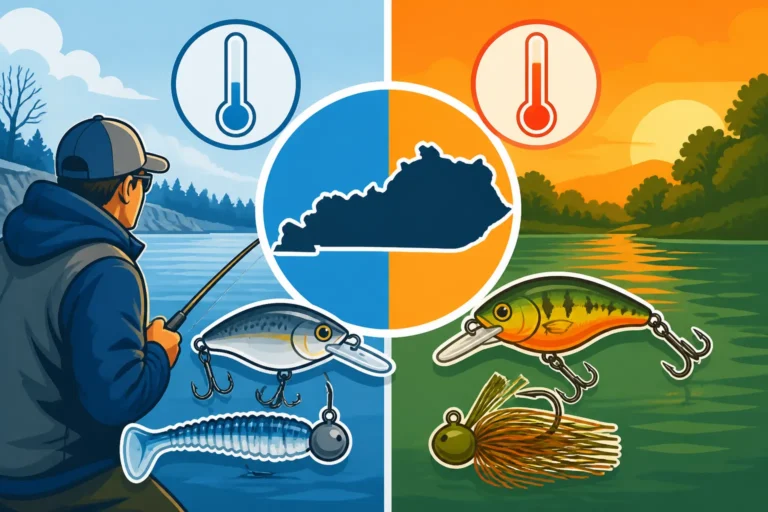
- Jigs: These are absolute workhorses after a cold front. For bass, a small jig and trailer, like a 1/4 to 3/8 ounce football jig with a subtle craw or chunk trailer, slowly dragged or hopped along the bottom, can be deadly. Hair jigs, especially in cold water, have a natural breathing action that fish find hard to resist. Crappie jigs, often 1/16 or 1/32 ounce, tipped with a small plastic body or minnow, should be fished vertically or with a painfully slow retrieve around brush piles. You can find a vast selection of these versatile lures on Amazon, often allowing you to compare different weights and colors to match local conditions.
- Soft Plastics: Carolina rigs, Texas rigs, or drop shots featuring finesse worms, creature baits, or small craws are fantastic for bass. Rig them weightless or with minimal weight, allowing them to flutter slowly on the fall. The key is slow, long pauses between subtle twitches. For bass, you might rig a 4-inch worm on a light Texas rig and simply drag it along the contours of a deep ledge or through submerged cover. For crappie, tiny tube jigs or Bobby Garland-style plastics on a light jig head, fished suspended or slowly bounced, can be irresistible. Many anglers find their go-to soft plastic brands and colors through retailers like Amazon, ensuring they have a good stock for finicky days.
- Blade Baits and Spoons: In deeper water, vertical jigging with a blade bait or a flutter spoon can tempt reluctant fish. Let the bait fall to the bottom, then lift it a foot or two with a short snap, letting it flutter back down on a semi-slack line. Most bites will come on the fall, so pay close attention to your line. These baits mimic dying baitfish, a perfect presentation for fish that aren't willing to chase. The flash and vibration can trigger a reaction strike even from sluggish fish.
Live Bait Tactics When Fish Are Finicky
Sometimes, no matter how subtle your artificial lure, only live bait will convince a post-front fish to bite. Live bait offers natural scent, movement, and a taste that simply can't be replicated, making it an excellent choice when fish are ultra-fussy.
- Minnows for Crappie: A lively minnow, hooked through the lips or dorsal fin and suspended under a small slip bobber or fished directly on a jig head, is a crappie magnet after a cold front. Position your boat directly over a brush pile you've located with your fish finder, and drop the minnow right into the thick of it. The natural struggle of the minnow can be just enough to trigger a strike.
- Shiners or Shad for Bass: For stubborn bass, a large shiner or a small shad, hooked through the back and fished slowly along deep drop-offs or near heavy cover, can be incredibly effective. Consider using a weighted float or a Carolina rig setup to present the bait near the bottom without it snagging too much. The natural movement and scent of a stressed baitfish can be the ultimate trigger for a large, lethargic bass.
- Nightcrawlers or Cut Bait for Catfish: Catfish, especially channel cats, often respond well to a simple nightcrawler rig, fished slowly on the bottom. For larger blue or flathead catfish, fresh cut bait (shad or sunfish) or a live bluegill, presented on a stout bottom rig in a deep river hole, can still entice bites. Just remember to be patient, as bites might be extremely light and slow to develop.
Finding Post-Front Fish: Location Strategies in Kentucky Waters
Just as important as how you fish is where you fish. Fish will relocate after a cold front to find comfort and stability, meaning your usual honey holes might be barren. You need to think like a fish and predict where they'll seek refuge.
Deeper Waters and Bottom-Hugging Fish
After a cold front, fish generally push deeper, seeking more stable water temperatures and less fluctuating barometric pressure. This means abandoning shallow flats and moving towards the main lake or river channels.
- Main Lake Points and Ledges: These are prime post-front locations. Fish will stack up on the breaks and ledges leading into deeper water. Use your electronics, like a good fish finder (many excellent options are available on Amazon to help you locate these features), to identify hard bottom changes, subtle humps, and baitfish schools. Concentrate your efforts on the deeper side of these structures, often where the bottom flattens out before another drop. Pay particular attention to secondary points that lead into major creek arms, as fish often stage here before moving further into the main lake. This is where you might find bass relating to structure as detailed in Best Bass Fishing Spots on Kentucky Lake.
- Deep Creek Channels and Submerged Timber: If a major creek channel winds its way through a flat, fish will often gravitate to the deepest parts of that channel. Submerged timber, especially old river channels full of standing trees, provides excellent vertical cover for fish to hold tight to, often suspending just above the branches. Your fish finder will be invaluable here, showing you the exact depth and density of the cover, allowing you to present your bait precisely. Understanding Where Do Fish Go in Winter can also give you clues, as post-front conditions often mimic winter patterns.
Structure and Cover: Where to Find Reluctant Biters
Even in deeper water, fish won't just sit in open space. They'll relate to some form of cover or structure that offers protection and ambush points.
- Brush Piles and Rock Piles: These are magnets for crappie and bass, especially after a cold front. Use your electronics to pinpoint these structures. Once you find one, position your boat to make precise casts or vertical drops right into the cover. These fish are often buried deep within, so you need to be prepared to get snagged occasionally. Being able to visualize the structure with your fish finder is critical to presenting your bait effectively without constantly losing it. Anglers often spend time creating and placing their own brush piles, which become hotspots after a front.
- Docks and Standing Timber: Docks, especially those with considerable depth underneath or nearby submerged structure, can hold fish. The shade and cover they provide offer security. Standing timber, prevalent in many Kentucky reservoirs like Lake Barkley or Taylorsville Lake, gives fish a vertical element to relate to, allowing them to adjust their depth easily. Fish might be suspended at various depths within the timber column, so exploring different levels with slow presentations is essential. This vertical movement is a key consideration when learning How Falling Water Temperature Changes Fish Behavior.
Patience and Persistence: The Angler's Mindset
Fishing after a cold front can test the patience of even the most seasoned angler. It's not about speed or quantity; it's about meticulousness, observation, and celebrating every small victory. The fish are there, but they're playing hard to get, and it takes a special kind of dedication to coax them into biting.
Adjusting Expectations and Celebrating Small Wins
One of the biggest mistakes anglers make after a cold front is sticking to their normal expectations. You're probably not going to fill a livewell, and you might not even catch a personal best. Instead, shift your mindset. A single bite, a single fish, can be a huge accomplishment on a tough post-front day.
Focus on the process of fishing. Are you getting the right depth? Is your lure moving slowly enough? Are you feeling subtle "thumps" or slight weight changes that might indicate a bite? Each cast is an opportunity to learn, to refine your technique, and to understand what the fish are not doing, which is just as important as what they are doing. Don't let the slow pace discourage you; instead, revel in the challenge and the satisfaction of outsmarting a finicky fish.
Observing Conditions and Learning from Each Cast
Pay obsessive attention to every detail. Did the wind shift slightly? Did the sun peek out from behind the clouds for a moment? Did you get a lighter-than-usual bite on a specific part of the structure? These small observations can be the key to unlocking the pattern for the day. Water clarity can also change after a front, sometimes clearing up, which might require even more natural bait colors or lighter line. You can explore topics like Best Rods and Reels for Kentucky Fishing and Best Tackle Box Setup for Bass and Crappie to ensure your gear is optimized for subtle presentations.
Keep experimenting with depths, retrieve speeds, and lure colors. What worked for a bass at 15 feet in a brush pile might not work for another at 20 feet on a main lake point. The fish are often grouped tightly in small, specific zones, so once you get a bite, try to replicate that exact cast and presentation. A good fish finder, perhaps one you researched on Amazon, can help you mark those exact spots. Learning from each cast and each subtle hint the fish give you is the true mark of a successful angler after a challenging cold front.
| Condition | Fish Behavior | Recommended Location | Recommended Lure/Bait | Presentation Tactic |
|---|---|---|---|---|
| High Barometric Pressure | Lethargic, deep-seeking, tight to cover | Deep points, ledges, channels | Jigs, soft plastics, live minnows | Slow drag, vertical jigging, dead stick |
| Dropping Water Temperature | Reduced metabolism, less active feeding | Deep brush piles, timber, docks | Smaller profile jigs, finesse worms, live shiners | Painfully slow retrieve, long pauses, precise drops |
| Clear Skies | Skittish, light-sensitive | Shaded cover, deeper water | Natural colors, subtle action, lighter line | Stealthy approach, long casts, minimal disturbance |
| Increased Water Clarity | Can see better, more wary | Dense cover, deep structure | Downsized baits, fluorocarbon leader, natural colors | Finesse techniques, exact placement |
Disclaimer
This article is for general informational purposes only and does not constitute professional advice. Laws, prices and regulations vary by location and change over time. Consult a qualified professional for guidance on your specific situation.