Best Baits for Late Fall Fishing
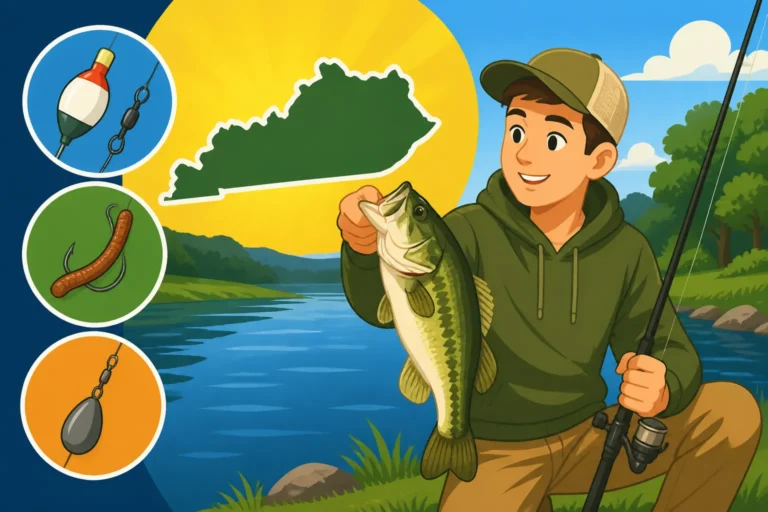
As the crisp autumn air turns truly chilly and the trees shed their last golden leaves, many anglers start to hang up their rods, thinking the fishing is over until spring. But hold on a minute! Late fall fishing in Kentucky can be incredibly rewarding, though it definitely presents its own set of unique challenges. Fish behavior shifts dramatically as water temperatures plummet, and what worked in September likely won't cut it in November. This guide is all about helping you understand those changes and arming you with the best bait choices to keep those lines tight right up until the ice forms.
Understanding Kentucky's Late Fall Fishing Challenges
When you're out on a Kentucky lake or river in late fall, you're not just battling the cold weather yourself; you're also dealing with fish that are feeling the chill. Their metabolism slows down significantly, making them less active and less willing to chase after a fast-moving meal. It's not like the high-energy feeding frenzies of spring or the steady bites of summer. This is a season of subtle presentations and slower movements, where every cast counts. Understanding these fundamental changes is the first step to choosing the right bait. You might find it helpful to review some general strategies for cooler weather by checking out our guide on How Falling Water Temperature Changes Fish Behavior.
Water Temperature and Fish Metabolism
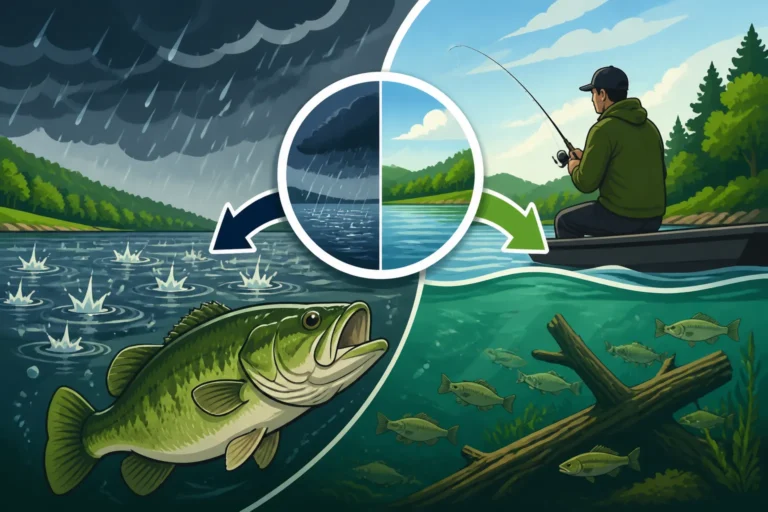
The biggest factor dictating fish behavior in late fall is the dropping water temperature. As the thermometer dips below 50-55 degrees Fahrenheit, game fish like bass and crappie become more lethargic. They're still feeding, often trying to pack on calories for the lean winter months, but they're doing it in a much more calculated way. Instead of expending a lot of energy to chase down prey, they're looking for easy meals. This means your bait needs to be presented slowly, often right in their face, without requiring them to move far. Think of it like a cold morning when you just want breakfast delivered to your bed – that's how the fish are feeling!
Furthermore, the baitfish and other forage they typically eat are also becoming less active or migrating to deeper, more stable water. This changes the menu, so to speak. Your bait choices need to reflect what the fish are actually looking for and what they're capable of catching without a lot of effort. This is why subtlety often trumps flashiness in late fall.
Locating Fish in Colder Water
In late fall, fish often school up and move to deeper water where temperatures are more stable. They'll gravitate towards structure like ledges, drop-offs, deep points, humps, and submerged timber. On massive lakes like Kentucky Lake or Lake Barkley, finding these congregations can be like looking for a needle in a haystack. But once you find a school, the fishing can be lights out. This movement to deeper, more predictable locations means your bait needs to be designed to reach those depths and stay there, lingering in the strike zone.
It’s less about covering vast amounts of water quickly and more about meticulously working a specific area. If you're struggling to find fish, consider how Where Do Fish Go in Winter as a primer on their general cold-weather movements. This often means using your electronics to locate schools of baitfish or game fish before you even make your first cast. Without that understanding of where they've gone, even the best bait won't do you any good.
Top Baits for Largemouth and Smallmouth Bass in Chilly Kentucky Waters
Bass are still catchable in late fall, but you need to adjust your approach significantly. Forget the fast-moving topwaters and crankbaits from summer. This is the time for slow, deliberate presentations that mimic dying or lethargic prey. The key is to make the bait an irresistible, easy meal. Many anglers find the late fall a challenging but highly rewarding time to target these fish. While the numbers might not be what they are in the Kentucky Bass Fishing: The April-May Peak Season, the quality can be outstanding.
Jig and Pig Combos
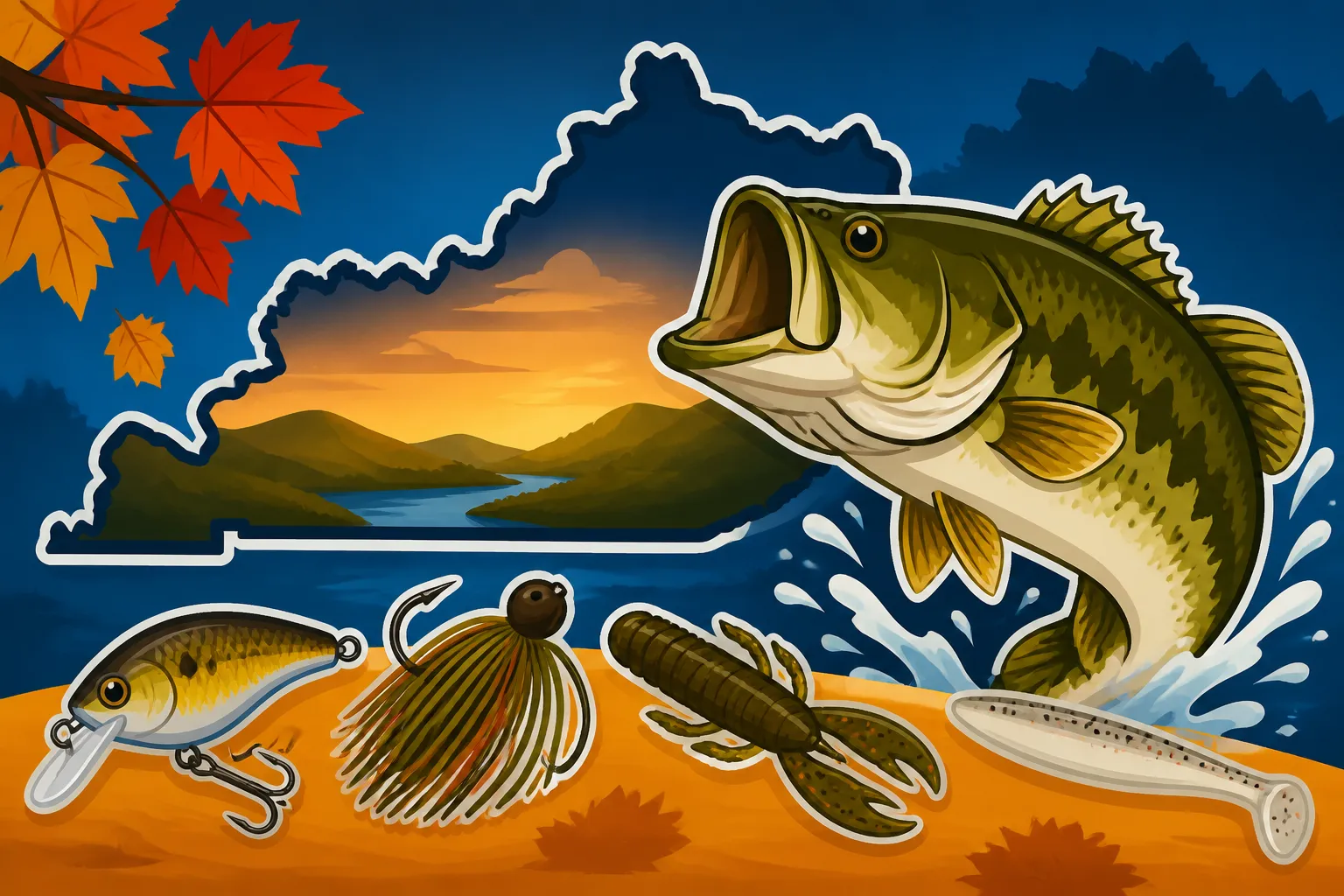
When the water gets cold, a jig and pig combo is an absolute staple for bass anglers. This classic presentation perfectly mimics a crawfish or a bulky baitfish that's either injured or moving very slowly along the bottom. The jig's skirt provides a subtle, lifelike action, and a soft plastic trailer (the "pig") adds bulk and a natural profile. For late fall, opt for darker colors like black and blue, brown, or green pumpkin, which are fantastic imitators of cold-water forage.
The trick is in the presentation: work it agonizingly slow. Hop it gently along ledges, drag it across deep points, or let it sit motionless for extended periods. Bass often inhale these baits without a violent strike, so pay close attention to any subtle "thump" or the feeling of extra weight on your line. You can find a huge variety of jig and pig combos on Amazon, allowing you to experiment with different sizes and colors to match your local forage.
Jerkbaits for Suspended Bass
Jerkbaits truly shine in colder water, especially when bass are suspended over deeper water or near drop-offs. These baits are designed to be twitched, paused, and then allowed to suspend motionless in the water column. That long pause is absolutely critical in late fall, as it gives the lethargic bass ample time to eyeball the bait and decide to strike without having to chase it down. The darting, erratic action followed by a dead stop perfectly imitates a struggling baitfish.
Look for jerkbaits that are "suspending" models, meaning they'll stay at a specific depth when you pause them. Colors like chrome and blue, chartreuse, or natural baitfish patterns are often effective. Experiment with the length of your pauses; sometimes a 10-second pause is what it takes to trigger a strike. It takes patience, but the rewards can be incredible.
Drop Shot Rigs
For targeting finicky, deep-water bass, the drop shot rig is an undeniable champion in late fall. This finesse technique allows you to present a small, soft plastic bait right at the fish's eye level, keeping it off the bottom while your weight maintains contact with the lakebed. The beauty of the drop shot is that you can impart very subtle action to the bait with minimal rod movement, making it look like an easy meal.
Small worms, minnow imitations, or creature baits in natural colors like green pumpkin or brown are excellent choices. This rig is perfect for vertically fishing over deep structure, brush piles, or schooling fish. The key is to be patient, let the bait sit, and give it just enough twitch to make it quiver enticingly. It's a technique that demands precision and sensitivity, but when the bite is tough, a drop shot can often coax strikes from even the most unwilling bass. For more specific bait recommendations, check out our guide on Best Bait for Largemouth Bass in Kentucky Lake.
Effective Crappie Baits for the Late Autumn Chill
Crappie, much like bass, undergo significant changes in late fall. They school up tightly, often moving to deeper water associated with structure like bridge pilings, submerged timber, and brush piles. While they're still feeding aggressively, their window of opportunity can be much smaller, and their preferred baits shift. This is not the time for fast retrieves; rather, it’s about slow and steady.
Small Jigs and Soft Plastics
When it comes to late fall crappie, small jigs tipped with tiny soft plastics are king. These aren't your chunky bass jigs; we're talking about 1/16 to 1/32 ounce jigs, sometimes even smaller. The plastics should be subtle – tube jigs, tiny grubs, or small minnow imitations are perfect. Colors can vary, but often darker or more natural hues like black, brown, chartreuse, or even translucent smoke with glitter can be highly effective.
The presentation is crucial: slowly lower your jig to the depth where you're marking fish, and then subtly twitch it or just let it hang. A slow, almost imperceptible lift-and-drop or a steady retrieve just fast enough to keep the jig moving is often all it takes. Think about mimicking a lethargic baitfish that's barely swimming. Anglers often keep a wide selection of these small jigs in various colors and styles, easily replenishable from retailers like Amazon, as crappie can be picky about their preferences from day to day.
Live Minnows
Sometimes, nothing beats live bait, and for crappie in late fall, a small live minnow is often the ultimate temptation. The natural scent and subtle, lifelike movements of a minnow are hard for even the most sluggish crappie to resist. You can present them in a few ways:
- Under a bobber: If crappie are suspended at a consistent depth, a slip bobber rig allows you to fish a minnow at a precise depth. The bobber signals even the lightest bites.
- On a jig head: Hook a minnow through the lips or dorsal fin on a light jig head for a combination that offers both natural appeal and a bit of weight for casting or vertical jigging.
- On a plain hook: Use a small hook (size 4 or 6) with a split shot or two to get the minnow down to depth.
Always use fresh, lively minnows. The colder the water, the more fish rely on scent and subtle movement, so a struggling or dead minnow won't be nearly as effective. For more general tips on crappie baits, consider reading Best Bait for Crappie Fishing.
Blade Baits
While often associated with bass or walleye, small blade baits can be surprisingly effective for crappie in late fall, especially when they are schooled up tight. The vibration and flash produced by a blade bait, even on a slow retrieve or vertical jig, can be just enough to irritate or attract a cold-water crappie. These baits fall quickly and wobble on the retrieve, making them excellent for probing deeper schools.
Again, the key is moderation. You're not trying to make the crappie chase it wildly. A simple lift and fall, or a very slow, short retrieve, allows the bait to do its work. The vibrations travel through the water, alerting crappie to its presence, and the flash provides a visual cue. When you're fishing vertical over a deep brush pile, dropping a blade bait right into the school and giving it a gentle jig can often trigger bites when other baits fail.
Best Baits for Kentucky Catfish as Winter Approaches
Catfish are incredibly resilient and remain active even as water temperatures drop. While their feeding habits might slow down compared to the warmer months, they are still very much catchable in late fall in Kentucky, particularly in large river systems like the Ohio River or big reservoirs such as Kentucky Lake. Often, this is a prime time for targeting trophy blue and channel catfish, as they gorge themselves before the coldest parts of winter. If you're looking for more general information on fishing for these whiskered giants, check out Kentucky Catfish Fishing: Ohio River and Kentucky Lake Guide.
Fresh Cut Bait
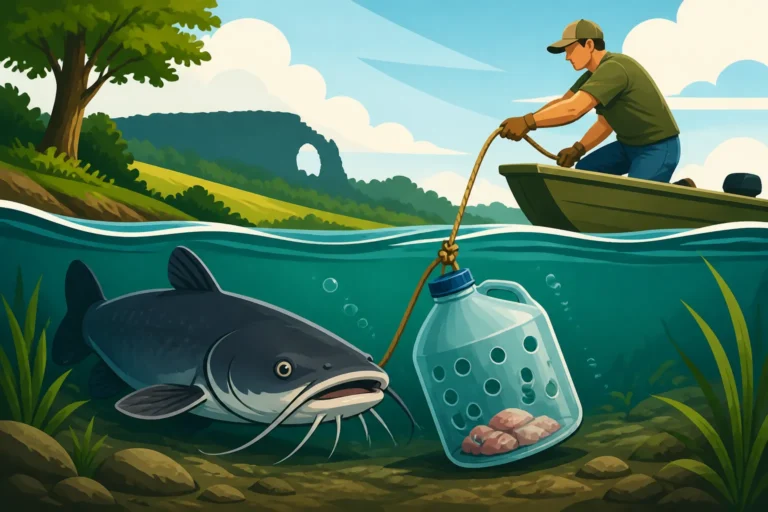
For big blue and channel catfish, fresh cut bait is almost always the best choice, regardless of the season. In late fall, its natural oils and scent become even more critical as catfish rely heavily on their sense of smell in colder, often murkier water. Shad, herring, skipjack, or even drum can make excellent cut bait. The fresher, the better.
Cut your bait into chunks that are appropriate for the size of catfish you're targeting. For trophy blues, larger chunks or even whole small fish might be effective. For channel catfish, smaller strips or cubes work well. Present it on a simple Carolina rig or a three-way swivel rig, allowing the bait to sit on the bottom where catfish often cruise in deeper holes or along ledges. The beauty of cut bait is that it doesn't need much action; its scent trail does all the work. It’s worth stocking up on good quality hooks and heavy leader material for these bruisers, and Amazon is a reliable place to find these essentials.
Prepared Stink Baits and Punch Baits
While fresh cut bait is king for larger catfish, prepared stink baits and punch baits still have their place, especially for channel catfish and smaller blues. These baits are designed to create a strong scent plume in the water, attracting catfish from a distance. In colder water, where fish are less mobile, a strong scent can be what draws them in.
Punch baits, in particular, are favored by many anglers because they are designed to stay on the hook well, even in current. They are usually very sticky and have a potent, often cheesy or fishy, aroma. The key to using these in late fall is, again, patience. Catfish might take longer to locate the scent and move to your bait. Set up on deeper bends, holes, or current breaks in rivers, or along deep flats in lakes. While these might not catch the absolute largest trophy fish, they can be highly effective for consistent channel cat action. You can often find a good selection of these prepared baits at local tackle shops or through online retailers. For specific insights, our guide on Best Bait for Channel Catfish Fishing might be helpful.
Live Bait for Flathead Catfish
Flathead catfish are unique among Kentucky's catfishes in that they strongly prefer live bait. Even in late fall, a lively sunfish, bluegill, or small suckers presented on the bottom will be your best bet for these predatory fish. Flatheads are ambush predators, so they want a meal that's alive and kicking, tempting them to strike from their lair.
When fishing for flatheads in late fall, focus your efforts on areas with heavy cover: submerged log jams, rock piles, or deep holes with plenty of timber. These are their preferred ambush points. Use a stout rod and reel, heavy line, and a sturdy circle hook to ensure you can handle a big flathead once it takes the bait. Present your live bait on a simple Carolina rig, allowing it to swim naturally just above the bottom. Remember, flatheads are often solitary and territorial, so you might need to move around to find them. Don't be shy about checking out Best Bait for Flathead Catfish on the Ohio River for more specialized advice.
Late Fall Bait Selection at a Glance
To give you a quick reference, here's a table summarizing some of the top bait choices for late fall fishing in Kentucky.
| Fish Species | Primary Bait Type(s) | Why It Works in Late Fall | Key Characteristics & Presentation |
|---|---|---|---|
| Largemouth | Jig and Pig | Mimics slow, lethargic crawfish/baitfish, easy meal. | Dark colors, slow drag/hop on bottom, deep structure. |
| & Smallmouth | Suspending Jerkbaits | Imitates struggling baitfish, long pauses trigger strikes. | Erratic action, long pauses, suspended over deep water. |
| Bass | Drop Shot Rigs | Finesse, presents small bait at eye level to deep, finicky fish. | Small plastics, natural colors, subtle twitches. |
| Crappie | Small Jigs & Soft Plastics | Mimics small, slow baitfish, easy to present vertically. | 1/16-1/32 oz, tubes, grubs, minnow imitations, slow retrieve. |
| Live Minnows | Natural scent and movement irresistible to lethargic crappie. | Fished under bobber, on jig head, or plain hook. | |
| Blade Baits | Vibration and flash attract from distance, good for schooling fish. | Small size, lift & fall, vertical jigging. | |
| Catfish | Fresh Cut Bait | Strong scent trail attracts cold-water catfish. | Shad, skipjack, herring chunks, Carolina rig on bottom. |
| Prepared Stink/Punch Baits | Potent scent for channel cats, stays on hook well. | Cheesy/fishy aroma, fished on bottom in holes/bends. | |
| Live Bait (for Flatheads) | Flatheads prefer live, struggling prey even when cold. | Bluegill, sunfish, suckers, Carolina rig in heavy cover. |
This table offers a quick snapshot, but remember that local conditions, forage availability, and even pressure from other anglers can influence what works best on any given day.
The Importance of Slow and Steady
I can't stress this enough: slow down. This is the cardinal rule for late fall fishing. Whether you're targeting bass with a jig, crappie with a minnow, or catfish with cut bait, fish everything slower than you think you should. Cold water reduces a fish's metabolism and its willingness to chase. A bait moving too quickly will often be ignored, while one that lingers, wobbles, or sits still for extended periods becomes an irresistible, easy meal.
This might mean fewer casts over the course of a day, but each cast becomes more deliberate and purposeful. You're not searching for active fish; you're coaxing bites from reluctant ones. Be patient, pay close attention to subtle bites, and don't be afraid to let your bait sit for what feels like an eternity. Sometimes, that extra few seconds of pause is exactly what it takes for a cold-water fish to commit. Embrace the deliberate pace, and you might just find that late fall can be one of the most rewarding times to be on the water.
Disclaimer
This article is for general informational purposes only and does not constitute professional advice. Laws, prices and regulations vary by location and change over time. Consult a qualified professional for guidance on your specific situation.