How to Match Your Lure to the Water Temperature
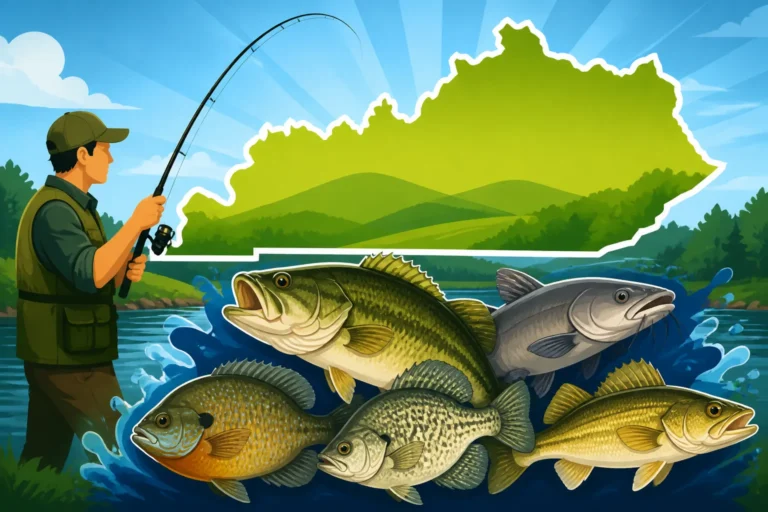
One of the most frustrating things as an angler, especially here in Kentucky, is standing on the bank or sitting in your boat, casting your heart out, and getting absolutely nothing. You've got all the fancy gear, the latest lures, but the fish just aren't biting. More often than not, the missing piece of the puzzle isn't your skill or your rod, it's the simple, often overlooked factor of water temperature. This guide is going to walk you through exactly how to decode what the water is telling you and pick the perfect lure to entice those Kentucky fish, no matter the season or conditions.
Understanding Water Temperature Zones and Fish Behavior
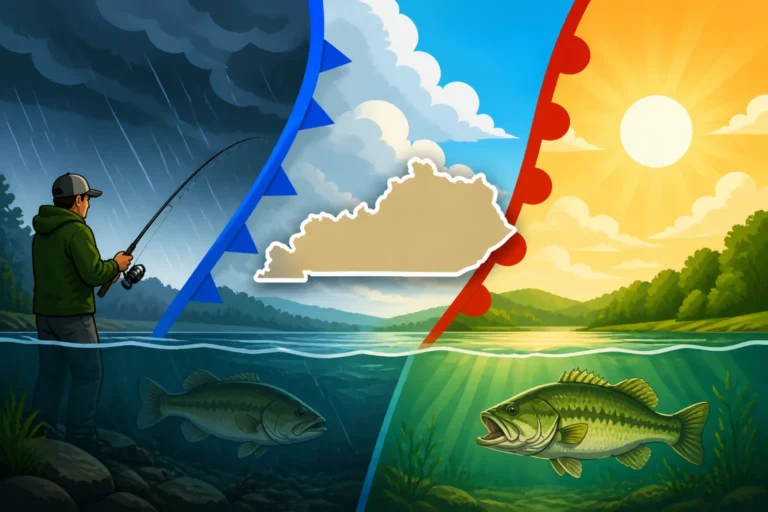
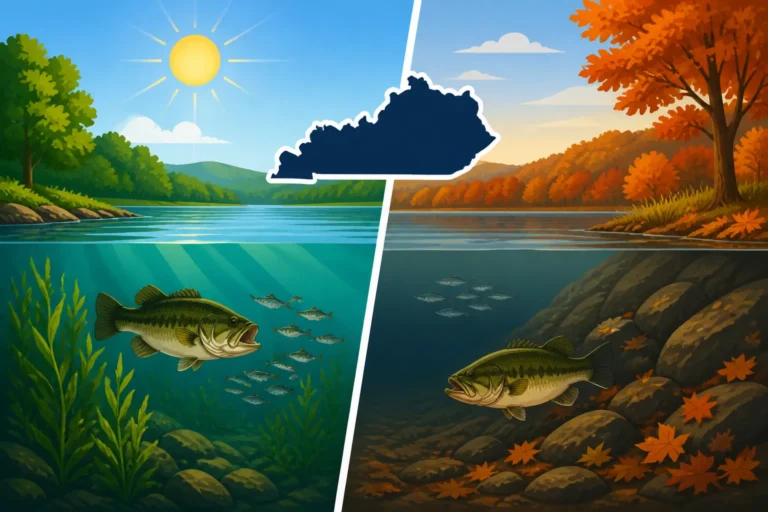
Think of water temperature as the master control panel for a fish's entire life. It dictates their metabolism, where they'll seek comfort, when they'll feed, and even when they'll spawn. Ignore it, and you're essentially throwing darts in the dark. In Kentucky, with our diverse lakes and rivers, these temperature zones can shift dramatically, sometimes even within a single body of water.
Cold Water Below 50°F: The Lethargic Zone
When the water dips below 50 degrees Fahrenheit, fish are generally in survival mode. Their metabolism slows way down, similar to how we feel sluggish on a really cold winter day. They're not going to be chasing down fast-moving prey, burning precious energy for a meal that might not be worth it. Instead, they're looking for easy targets. This is typically when you find fish schooled up tightly, often in deeper, more stable water, trying to conserve energy.
For instance, during the dead of winter on Lake Barkley, when air temperatures are frigid and the water temperature mirrors that, sauger and crappie might still be catchable, but they're not going to hit a crankbait burned across the surface. They're hunkered down, and your presentation needs to be incredibly slow and subtle. Even hardy species like trout in places like Lake Cumberland become less aggressive in extremely cold conditions, though they remain active. Expect very light bites and a need for patience.
Cool Water 50-65°F: The Transitional and Spawn Zone
This is often a golden period for many Kentucky anglers, especially if you're targeting bass or crappie. As water temperatures begin to climb from the 50s into the low to mid-60s, fish activity ramps up considerably. Their metabolism increases, and they start to move more freely, exploring shallow areas that were too cold just weeks before. This range includes crucial pre-spawn and spawning phases for many popular species.
For bass, the shift into the 50-60 degree range signals the pre-spawn staging, where they're actively feeding to build energy for the rigors of spawning. Then, as temperatures nudge into the low to mid-60s, they'll start moving onto beds. Kentucky Bass Fishing: The April-May Peak Season can give you a lot more insight into this exciting time. Crappie, too, begin their annual migration to the shallows for their spawn in this temperature band. You'll see fish becoming more aggressive, but they're still often particular about lure action and size, especially if they're guarding beds. It’s a time of increasing opportunity, but also nuance.
Warm Water 65-80°F: The Active Feeding Zone
Once Kentucky's waters settle into this warm range, fish are typically highly active, with their metabolisms in full swing. This is prime summer fishing, where you can often find aggressive strikes and a wide variety of effective techniques. Fish are spread out more, using various types of cover and structure, and are generally willing to chase a meal. Oxygen levels are usually good, and there's an abundance of baitfish.
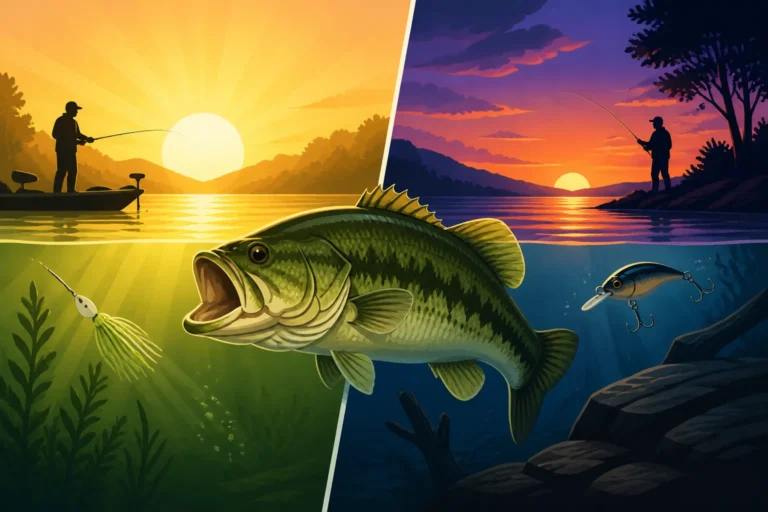
This is when topwater action can explode, particularly in the mornings and evenings on lakes like Kentucky Lake or Herrington Lake. You can work faster retrieves with crankbaits and spinnerbaits, covering more water. Fish are actively hunting and are less hesitant to strike at a moving target. Catfish, especially, become incredibly active in these warmer temperatures, moving into shallower feeding grounds. It's a fantastic time for covering water and experimenting with different presentations.
Hot Water Above 80°F: The Stress Zone
When summer really heats up and water temperatures soar above 80 degrees, fish can start to feel the stress. Warmer water holds less dissolved oxygen, which means fish have to work harder to breathe. This often pushes them deeper, seeking out cooler, more oxygenated water in thermoclines or around springs, or they become most active only during the cooler parts of the day, like dawn and dusk or even at night.
During the hottest parts of the afternoon on a lake like Barren River Lake, you might find bass and crappie holding tight to deep cover, only willing to strike at slow, precise presentations. They're still feeding, but it's less about a frantic chase and more about conserving energy. Similarly, while catfish are generally tolerant of warm water, even they might seek deeper holes during the midday scorcher. Understanding this "stress zone" is key to finding success when the mercury climbs.
Lure Selection by Temperature Range in Kentucky
Knowing how fish behave at different temperatures is the first step; the next is pairing that knowledge with the right lure. Different lures have different actions, profiles, and retrieve speeds, making some far more effective than others in specific temperature ranges.
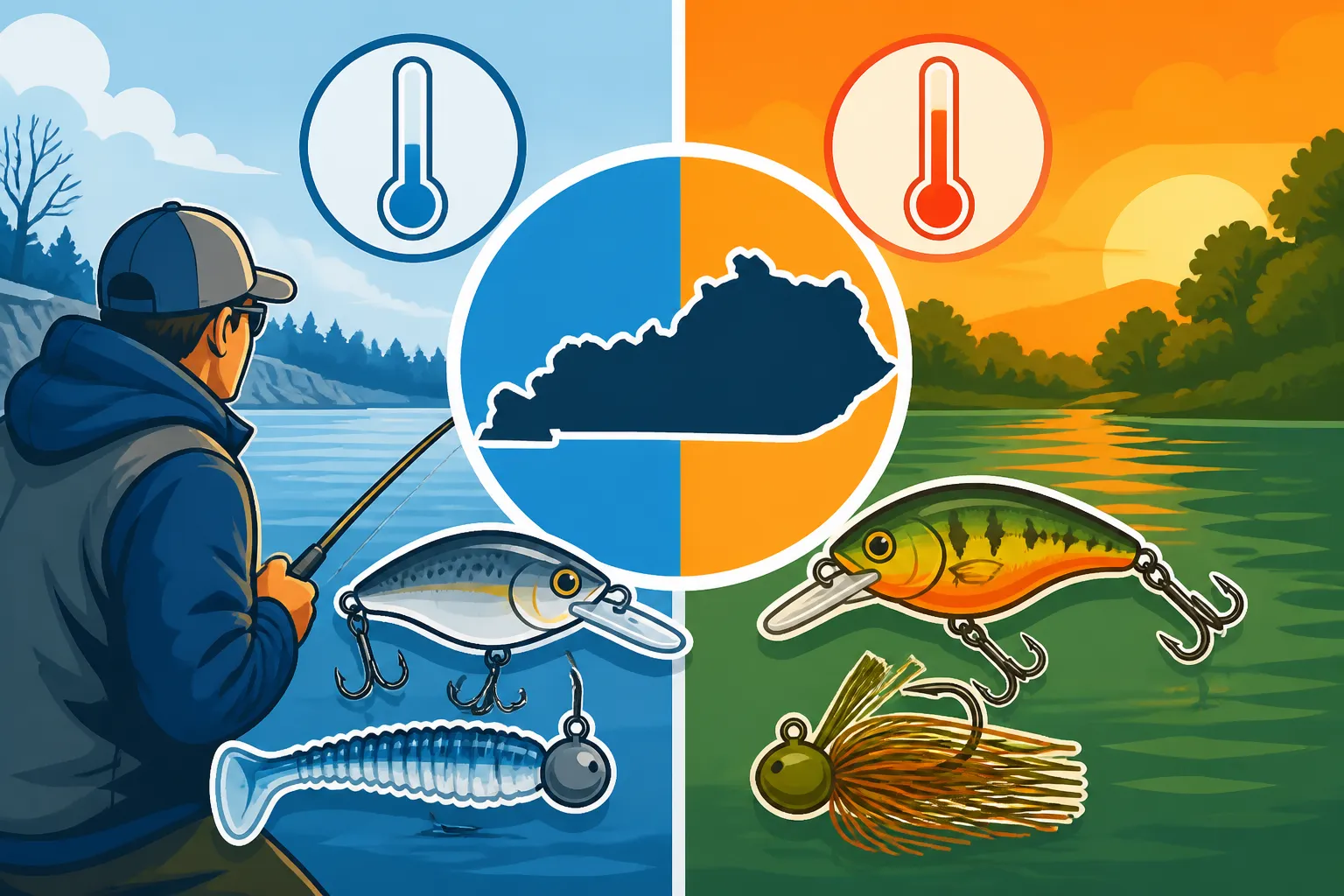
Cold Water Lure Strategies Below 50°F
When the water is downright cold, your approach needs to be slow, deliberate, and often subtle. The goal is to present a lure that requires minimal effort from the fish to strike.
- Jigs: Finesse jigs, football jigs, and especially hair jigs are excellent choices. The natural breathing action of a hair jig with minimal movement can be irresistible to lethargic fish. Dragging a football jig slowly along the bottom, pausing frequently, can mimic a dying crawfish. For trout, tiny jigs or micro-spoons can work wonders.
- Suspending Jerkbaits: These lures are invaluable. Cast them out, give them a few twitches, and then pause for an extended period – sometimes 10, 15, or even 30 seconds. The lure just hangs there, tantalizingly, right in the fish's face, making it an easy target. Brands like Lucky Craft and Rapala make excellent suspending jerkbaits available on Amazon.
- Blade Baits & Spoons: These can be deadly, especially when vertically jigged over schools of fish found deeper. A lift-and-drop presentation allows the lure to flutter and flash, drawing strikes from fish that won't chase.
- Small Finesse Baits: Think tiny soft plastics on a shaky head or a drop shot rig. The subtle movement is often all it takes. For winter trout fishing, very small inline spinners or PowerBait can be effective. How to Jig for Sauger in Cold Water offers more specific tactics.
Cool Water Lure Strategies 50-65°F
This is a versatile range where you can start to experiment with a broader array of lures and retrieve speeds. Fish are more active, but not always willing to chase down a really fast-moving bait.
- Crankbaits: Medium-diving crankbaits are fantastic as fish transition from deep to shallow or stage in intermediate depths. Their wobbling action can trigger strikes, and you can vary your retrieve speed. Keep an eye out for models that dive to the specific depth where fish are holding.
- Spinnerbaits & Bladed Jigs: These shine in cooler, often stained water, especially during pre-spawn. The flash and vibration can draw fish from a distance. Slow-rolling a spinnerbait near cover is a classic tactic for big bass in spring. Bladed jigs, often called ChatterBaits, offer a unique vibration that fish find hard to ignore.
- Jigs (Rubber & Skirted): A classic jig-and-trailer combination is still king, especially when pitching to cover or around spawning beds. The natural crawfish profile and slow fall can be incredibly effective.
- Texas Rigs & Carolina Rigs: Soft plastics rigged weedless are perfect for working through submerged grass or brush piles where fish might be staging or spawning. The Carolina rig allows you to present a soft plastic behind a weight, keeping it just above the bottom, perfect for covering flats. Best Bass Lures for Spring Fishing will give you more ideas.
- Swimbaits: Paddle tail swimbaits, either Texas-rigged or on a jig head, can mimic baitfish and are excellent for targeting fish actively feeding.
Warm Water Lure Strategies 65-80°F
Welcome to the summer bite! Fish are aggressive, and your lure choices can reflect that. This is the time to generate reaction strikes and cover a lot of water.
- Topwater Lures: When the sun isn't too high and the water is warm, nothing beats a topwater strike. Poppers, walking baits (like a Zara Spook), and buzzbaits can trigger explosive bites, especially in the mornings and evenings. Topwater Lures for Early Morning Bass Fishing is a great resource.
- Deep-Diving Crankbaits: As fish seek deeper, cooler water during the day, a deep-diving crankbait is your tool to reach them. These lures dive quickly and can be excellent for hitting those deep ledges and humps. Knowing How to Fish a Crankbait Around Cover is crucial.
- Plastic Worms & Jigs: Texas-rigged worms, shaky heads, and football jigs are still highly effective for working structure and cover where fish might be ambushing prey. Longer worms can entice bigger fish.
- Spinnerbaits & Swimbaits: Continue to be strong producers, especially around grass lines or brush. Faster retrieves can often be key.
- Night Fishing Lures: For warm water catfishing on the Ohio River, large cut bait or stink bait on a bottom rig is excellent. For bass, dark-colored jigs or large worms worked slowly are great options for Night Fishing Techniques for Catfish or bass.
Hot Water Lure Strategies Above 80°F
When the water gets really hot, you might need to slow down again and focus on deep water or low-light conditions.
- Deep Diving Crankbaits: Just like in warm water, but you'll be targeting the absolute deepest parts of the thermocline or structure.
- Shaky Heads & Drop Shots: Finesse presentations become critical again. A small worm on a shaky head or a drop shot rig presented slowly to deep structure can be deadly for stressed fish.
- Texas Rigs & Carolina Rigs: For working deep brush piles, ledges, or shell beds. Keep your plastics dark or natural colors.
- Live Bait: Sometimes, nothing beats the real thing. Live minnows for crappie or bluegill, or live shad for bass and catfish, can tempt even the most finicky, heat-stressed fish.
- Dawn/Dusk & Night Fishing: Focus your efforts during the cooler parts of the day. Fish will move shallower to feed under the cover of darkness. This applies to most species, from bass to catfish.
Here's a quick reference table to help visualize:
| Water Temperature Range | Fish Behavior | Recommended Lure Types | Typical Fish Species Actively Targeted (Kentucky) |
|---|---|---|---|
| Below 50°F (Cold) | Lethargic, deep, schooled, slow metabolism | Hair jigs, suspending jerkbaits, blade baits, small finesse soft plastics, small spoons, live bait | Trout, Sauger, inactive Bass/Crappie, White Bass (deep) |
| 50-65°F (Cool) | Increasing activity, pre-spawn/spawn, staging | Medium-diving crankbaits, spinnerbaits, bladed jigs, jigs (rubber), Texas rigs, swimbaits, chatterbaits, small crankbaits | Largemouth/Smallmouth Bass, Crappie, White Bass, Walleye |
| 65-80°F (Warm) | Highly active, aggressive feeding, widespread | Topwater lures, buzzbaits, deep-diving crankbaits, plastic worms, spinnerbaits, jigs, swimbaits, large soft plastics | Largemouth/Smallmouth Bass, Crappie, Catfish, Striped Bass, Bluegill, Panfish, Walleye |
| Above 80°F (Hot) | Stressed, deep, low oxygen, active at dawn/dusk/night | Deep-diving crankbaits, shaky heads, drop shots, Texas rigs (slow), live bait, night fishing lures | Bass (deep), Catfish (deeper), Crappie (deep), Panfish (shade/deep) |
Essential Considerations Beyond Temperature
While water temperature is paramount, it's not the only factor influencing your lure choice. A few other elements can drastically change how fish react, even within the right temperature range.
Water Clarity and Color
The visibility in the water directly impacts what colors and actions fish can perceive. In Kentucky, we have everything from crystal-clear mountain streams to stained, muddy river systems.
- Clear Water: In very clear water, like some parts of Lake Cumberland or Herrington Lake, fish rely heavily on their eyesight. They can see lures from a distance, but they can also spot flaws or unnatural presentations. Natural colors (green pumpkin, watermelon, shad patterns) and realistic profiles tend to work best. Subtle actions are often preferred. You'll want to use lighter lines and sometimes downsize your lures.
- Stained or Murky Water: In stained or muddy conditions, such as after heavy rains on the Ohio River or many of our major reservoirs, fish rely more on their lateral line (to detect vibration) and smell. This is when brighter colors (chartreuse, orange, firetiger), high-contrast patterns, and lures with strong vibration (crankbaits, spinnerbaits, bladed jigs) really shine. Think about creating a "thump" that fish can feel. Scented baits can also be a huge advantage here. Don't be afraid to go big and loud.
Forage Base and Matching the Hatch
Fish aren't just eating anything that swims by. They're typically keyed into the prevalent baitfish or prey in their environment. This is often called "matching the hatch."
- Shad: In many Kentucky lakes, shad are a primary forage. If you see shad flickering on your fish finder or jumping at the surface, using shad-colored crankbaits, swimbaits, or spinnerbaits is a smart move. Silvery, white, and light blue lures mimic shad effectively.
- Crawfish: Particularly for bass, crawfish are a staple. Jigs with brown, green pumpkin, or black and blue skirts, often paired with a plastic craw trailer, are designed to imitate them. Texas rigs with plastic craws are also excellent.
- Sunfish/Bluegill: Larger bass and pike will prey on smaller panfish. Lures with a bluegill or sunfish pattern, often with green, orange, and black, can be very effective, especially when fish are relating to shallow cover.
- Size Matters: Pay attention to the size of the baitfish in the area. If you're seeing small minnows, tiny finesse baits are probably better than a giant magnum crankbait. Conversely, if you're targeting trophy fish, don't be afraid to throw bigger baits to match the larger forage they might be targeting. Forage changes with the seasons; for example, young-of-the-year shad are plentiful in summer.
Presentation Speed and Action
This ties directly back to water temperature and fish metabolism, but it's worth emphasizing.
- Slow for Cold, Moderate for Cool, Fast for Warm: This is a good general rule. Cold water means slow retrieves, long pauses, and subtle twitches. Cool water allows for a bit more aggression, but still often a steady, moderate retrieve. Warm water often means you can burn a spinnerbait or buzz a topwater with confidence.
- Experimentation is Key: While these are guidelines, fish are individuals, and conditions change. Always be willing to experiment with your retrieve speed and lure action. Sometimes, a slow retrieve in warm water can trigger a finicky fish, or a sudden burst of speed in cool water can elicit a reaction strike. Pay attention to what the fish are telling you. An easy way to experiment is to have a selection of lures, perhaps from Amazon, that allows for different speeds and actions.
Measuring Water Temperature and Staying Flexible
You can guess the water temperature based on the air, but why guess when you can know for sure? Modern electronics make this incredibly easy.
Tools for Temperature Measurement
- Boat Electronics (Fish Finders/GPS Combos): Most modern fish finders and GPS units come with a built-in water temperature sensor in the transducer. This is arguably the most accurate and convenient way to get real-time water temperature readings. As you move around the lake, you'll see the temperature fluctuate, helping you pinpoint those crucial zones.
- Handheld Thermometers: If you're bank fishing or don't have boat electronics, a simple, inexpensive handheld water thermometer can be a game-changer. You can find robust, accurate models online or at most tackle shops. Just dip it in the water, wait a minute, and you'll have your reading. It's a small investment for a lot of valuable information.
Knowing the exact temperature allows you to make informed decisions. A small difference of just a few degrees, say from 48°F to 52°F, can mean the difference between fish being locked to the bottom and them starting to roam and feed more actively. This information helps you select the right lure, but also the right depth and retrieve.
Adapting to Fluctuations
Kentucky weather is famously unpredictable. A warm front can raise water temperatures quickly, while a sudden cold snap can drop them just as fast. How Falling Water Temperature Changes Fish Behavior is something every angler should understand.
- Carry a Variety: Because conditions can change rapidly, it's crucial to have a diverse selection of lures that cover various temperature ranges and presentations. Don't go out with just a tackle box full of topwater baits if there's a cold front rolling in!
- Observe and Adjust: Pay attention not only to the water temperature but also to fish activity levels. Are you seeing baitfish? Are fish jumping? Are you getting bites on a fast retrieve or only on a slow one? Be willing to switch up your lure, color, size, and presentation throughout the day. The most successful anglers are those who are constantly observing, adapting, and problem-solving on the water.
Matching your lure to the water temperature isn't some secret handshake for pro anglers; it's a fundamental principle of effective fishing. By understanding how temperature impacts fish behavior and having the right lures on hand, you'll dramatically increase your chances of success on any of Kentucky's fantastic fishing waters.
Disclaimer
This article is for general informational purposes only and does not constitute professional advice. Laws, prices and regulations vary by location and change over time. Consult a qualified professional for guidance on your specific situation.