How to Identify a Largemouth Bass Vs a Smallmouth Bass
It can be incredibly frustrating to be out on the water, reeling in a beautiful bass, only to pause and wonder, "Is this a largemouth or a smallmouth?" The distinction might seem minor to a beginner, but for seasoned Kentucky anglers, knowing the difference is key to understanding habitat, behavior, and even local regulations. This comprehensive guide will walk you through the precise characteristics that separate these two popular sport fish, ensuring you can confidently identify your catch next time you're casting lines in the Bluegrass State.
The Most Obvious Visual Cues: Mouth Size and Jawline
When you're trying to tell a largemouth from a smallmouth, the most prominent and reliable indicator is, fittingly, their mouths. It's right there in their names, after all! This is the first thing I look for when a bass is in my hands.
Largemouth Bass: That Distinctive Oversized Jaw
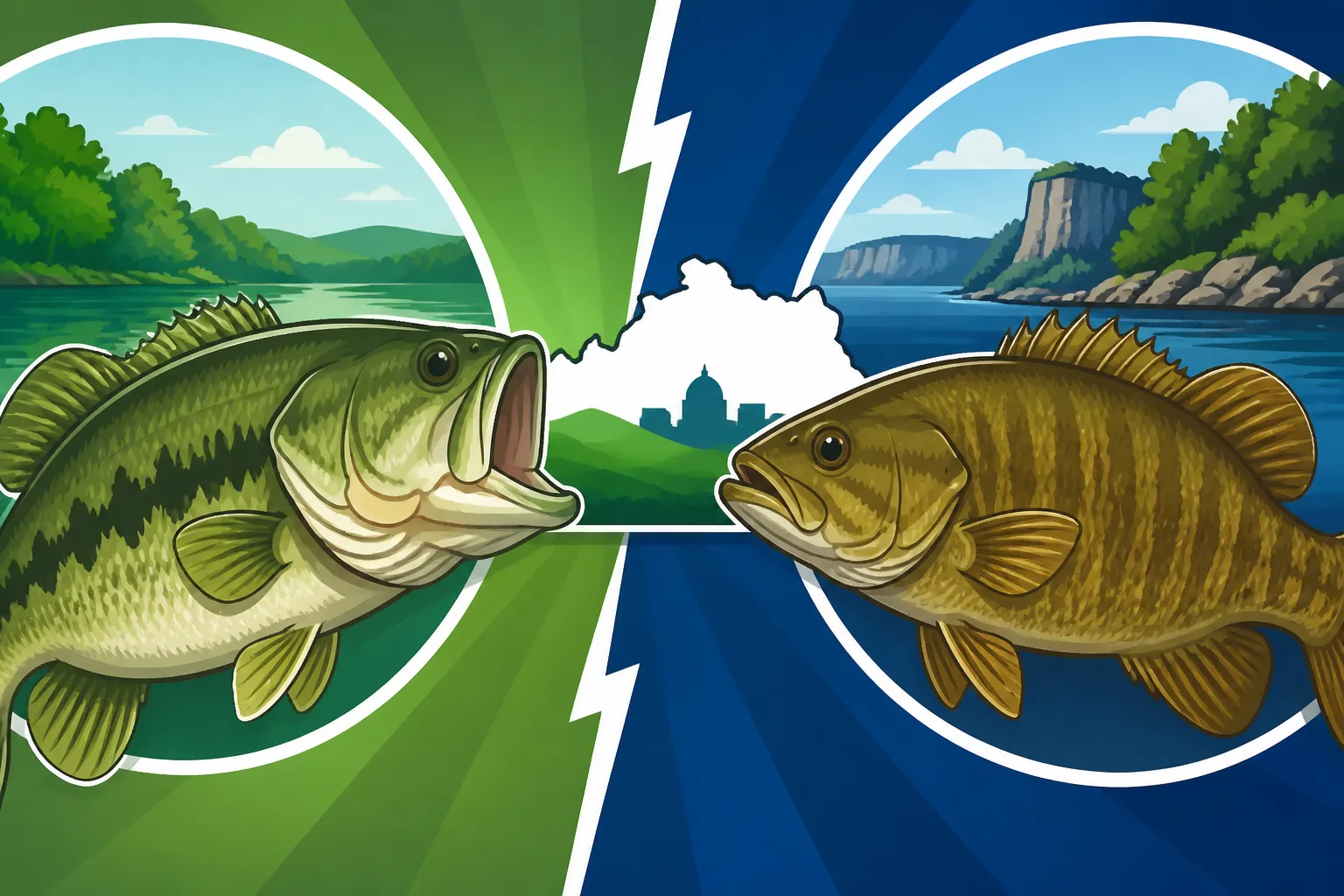
The largemouth bass, as its name suggests, has a mouth that extends well beyond its eye. If you hold the fish horizontally and imagine a vertical line running straight down from the back of its eye, the jaw hinge of a largemouth will always fall behind that line. It's quite pronounced, giving the fish a somewhat aggressive, determined look. This large mouth is perfectly adapted for ambushing prey, gulping down frogs, larger baitfish, and even small waterfowl. You can imagine how effective this wide gape is when they explode on a topwater lure.
Beyond the sheer size, notice the upper jaw (maxillary bone) which is often quite thick and extends noticeably past the rear of the eye. This anatomical feature is a dead giveaway. The shape of a largemouth's head tends to be a bit more elongated and sleeker, accommodating that substantial mouth. If you look closely, you might also notice a deep indentation or notch between the dorsal fins, making them appear somewhat separated. This isn't always the most reliable identifier for a beginner, but it can be another clue once you get used to the other, more obvious features. Getting a good look at this mouth is often the quickest way to make a positive identification. You can even find identification charts and posters on Amazon that highlight these specific features to help you visualize them.
Smallmouth Bass: The More Proportionate Mouth
Conversely, the smallmouth bass has a mouth that doesn't extend nearly as far back. If you draw that same imaginary vertical line from the back of its eye, the jaw hinge of a smallmouth will typically align with or fall slightly in front of that line. Their mouth still looks substantial, especially on a bigger fish, but it’s just not as exaggerated as its largemouth cousin. This more compact mouth is better suited for snatching crayfish and smaller baitfish from rocky crevices and swift currents, which aligns with their preferred habitat.
The smallmouth's head often appears a bit more compact and robust, complementing its smaller mouth. Their dorsal fins, unlike the largemouth's, usually appear more connected, without that deep indentation. It's a smoother, more continuous line along the back. While the mouth size is the primary identifier, observing the overall head shape and dorsal fin connection can provide supporting evidence for your identification. Remember, practice makes perfect, and the more bass you catch, the easier these distinctions will become. Don't worry if it takes a few tries to get it right; even experienced anglers sometimes have to double-check, especially with a particularly feisty fish that doesn't want to cooperate for a close inspection!
Body Shape and Coloration: More Subtle Distinctions
While mouth size is your go-to, the overall body shape and coloration patterns can offer additional, albeit more subtle, clues to distinguish between a largemouth and a smallmouth bass. These features often vary depending on the specific water body, diet, and even the clarity of the water, but general patterns hold true.
Largemouth Bass: Greenish Hue and Lateral Stripe
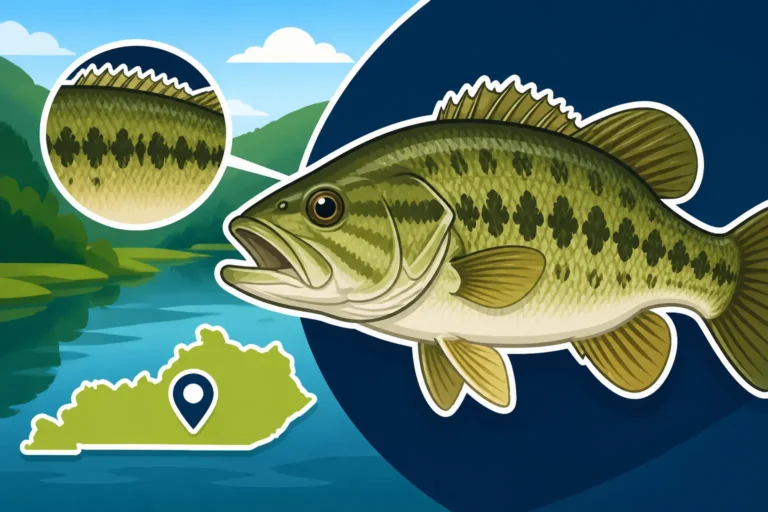
Largemouth bass typically exhibit a more vibrant green coloration, often ranging from olive to dark green on their backs, fading to lighter green or white on their bellies. The most distinguishing color pattern is a prominent, often broken, dark horizontal stripe running down the middle of their body from gill plate to tail. This stripe can sometimes be very distinct, looking almost like a painted line, while on other fish, especially those from murkier waters, it might appear as more of a series of blotches or diamonds. This lateral line is a key characteristic when trying to How to Identify a Largemouth Bass.
Their body shape tends to be a bit more football-like, or elongated, and less compressed than a smallmouth. They often appear thicker and heavier for their length. The fins of a largemouth bass are usually dark, sometimes with a yellowish or dusky tint. In certain clear water lakes, the green can be quite striking, almost emerald. However, in muddy rivers or ponds, they might appear much darker, almost blackish-green. It's a spectrum, so don't get hung up if your fish doesn't perfectly match a picture, but look for that horizontal band as your primary color marker.
Smallmouth Bass: Bronze and Vertical Bands
Smallmouth bass, often affectionately called "brown bass" or "bronzebacks," typically display a beautiful bronze, golden, or brownish coloration on their sides, blending into a creamy white belly. Instead of a single horizontal stripe, smallmouth bass usually have several dark, vertical bars or tiger-like stripes along their sides. These bars can vary in intensity, from very distinct to faint, depending on water clarity and the fish's mood. In some ultra-clear waters, these vertical bands can be incredibly striking, almost radiating from their body. This makes them truly stand out when you're admiring your catch.
Their body shape is generally more streamlined and torpedo-like, often appearing more muscular and stocky for their length. They are usually more compressed laterally, meaning they're flatter side-to-side compared to the rounder largemouth. Smallmouth fins are typically dusky or translucent, sometimes with a reddish or orange tint, especially on the caudal (tail) fin and anal fin. The eyes of a smallmouth are often reddish-orange, which can be another subtle indicator. When you're trying to How to Identify a Smallmouth Bass by Its Markings, those vertical bars and bronze hue are what you should be looking for. Remember that these color patterns can serve as camouflage in their preferred rocky, gravelly habitats, making them blend in with the bottom.
| Feature | Largemouth Bass | Smallmouth Bass |
|---|---|---|
| Jaw Extent | Past the back of the eye | Aligned with or in front of the back of the eye |
| Coloration | Green (olive to dark green), white belly | Bronze, golden, or brown, creamy white belly |
| Body Markings | Distinct or broken dark horizontal stripe | Several dark vertical bars or tiger stripes |
| Body Shape | More elongated, football-like, often thicker | More compact, robust, torpedo-like, laterally compressed |
| Dorsal Fins | Deep notch between spiny and soft dorsal fins (often looks separated) | More connected, less pronounced notch (looks continuous) |
| Eye Color | Typically dark or golden | Often reddish-orange |
Habitat and Behavior: Where They Live and How They Act
Understanding the preferred habitat and general behavior of largemouth and smallmouth bass in Kentucky can give you crucial clues about which species you're likely to encounter, even before you cast a line. Their physical differences are adaptations to their distinct environments and lifestyles.
Largemouth Bass: Ambush Predators of Structure and Cover
Largemouth bass are true homebodies, often found relating to some kind of cover or structure. They are ambush predators that love to hide and wait for unsuspecting prey. Think about those classic bass fishing spots: submerged timber, weed lines, lily pads, docks, brush piles, rocky points, and even shady overhangs along the bank. These areas provide both cover for hunting and protection from predators. In Kentucky, you'll find largemouth thriving in the vast reservoirs like Kentucky Lake: The State's Top Bass Fishing Destination and Lake Barkley, as well as smaller farm ponds, slow-moving rivers, and backwater sloughs. They prefer warmer, often shallower water with plenty of vegetation or submerged wood.
Their behavior reflects this ambush style. They're not typically chasing down prey in open water but rather lurking in wait. When they strike, it's often explosive and sudden. Largemouth bass are known for their strong initial burst and their tendency to try and bury themselves back into the cover from which they came. They'll jump, shake their heads violently, and use every trick in the book to throw the hook. Because of their affinity for heavy cover, anglers targeting largemouth often use heavier line and stout rods to extract them from dense vegetation or timber.
Smallmouth Bass: Current Lovers and Rock Dwellers
Smallmouth bass, on the other hand, are creatures of current and clear, rocky environments. They prefer cooler, clearer water than largemouth, and you'll typically find them in rivers, streams, and the deeper, rockier sections of large reservoirs. Think about hard bottom areas: rocky bluffs, gravel beds, current seams, riffles, eddies, and points made of chunk rock or boulders. These habitats are rich in crayfish and small baitfish, which form a significant part of their diet. In Kentucky, prime smallmouth fisheries include stretches of the Cumberland River, the deeper, rockier areas of Lake Cumberland, and the clear-water sections of many other highland reservoirs. They don't typically hang out in thick weed beds like their largemouth cousins.
Their behavior is equally distinctive. Smallmouth are known for their aggressive, hard-fighting nature in open water. They make long, powerful runs, often jumping repeatedly and pulling drag with incredible strength. Many anglers consider Largemouth Bass Vs Smallmouth Bass: Which Is Harder to Catch? a tough question, but smallmouth certainly offer a thrilling fight, often described as more acrobatic. They're more inclined to chase down prey in open water and are less reliant on dense cover for ambushing. When fishing for smallmouth, you'll often be focusing on structure, but it's hard structure like rock, rather than soft cover like weeds or wood. Lighter lines and more finesse presentations are often effective in these clearer waters. You can find specialized smallmouth fishing guides and techniques on platforms like Amazon that delve into these nuanced approaches.
Dietary Habits and Preferred Forage
The differences in mouth size, body shape, and habitat preferences naturally lead to distinct dietary habits for largemouth and smallmouth bass. Understanding what each species likes to eat can greatly influence your bait and lure choices, improving your chances of a successful catch.
Largemouth Bass: Opportunistic Eaters with a Broad Menu
Largemouth bass are incredibly opportunistic predators with a remarkably diverse diet. Their large, cavernous mouths allow them to engulf a wide variety of prey, making them less picky eaters than smallmouth in many situations. Their menu often includes:
- Baitfish: Shad, shiners, minnows, sunfish, and small perch. Any fish that fits in their mouth is fair game.
- Crustaceans: Crayfish are a favorite, especially in rocky areas.
- Amphibians: Frogs, salamanders, and even newts. A frog hopping across lily pads is a prime target.
- Insects: Large insects like dragonflies, grasshoppers, and cicadas, especially when they fall onto the water.
- Small Rodents and Birds: Believe it or not, largemouth have been known to eat ducklings, small mice, and other unfortunate creatures that venture too close to the water's edge.
Because they often relate to cover, their feeding strategy is largely ambush-oriented. They'll hide in thick vegetation or submerged timber and dart out to strike. This is why lures mimicking baitfish, frogs, or crawfish are so effective. Think about soft plastics, spinnerbaits, crankbaits, and topwater frogs. When considering Best Bait for Largemouth Bass in Kentucky Lake, live shad or artificial lures designed to imitate them are often top producers. They're not afraid to attack a noisy, splashing lure on the surface or a jig dragged through heavy cover.
Smallmouth Bass: Crayfish Connoisseurs and Invertebrate Hunters
Smallmouth bass tend to have a more refined, or perhaps specialized, diet compared to largemouth. While they will eat baitfish, crayfish are often the undisputed king of their diet. Their smaller mouths and preference for rocky habitats are perfectly suited for hunting these crustaceans. Their diet primarily consists of:
- Crayfish: This is arguably their favorite food, especially in rivers and rocky lake bottoms. Smallmouth will actively hunt and crush crayfish.
- Baitfish: Minnows, gobies (where present), and small darters are also on the menu, particularly in clear water where they can spot them easily.
- Insects: Larvae, nymphs, and adult insects, particularly those found in moving water. Hellgrammites are a particular delicacy.
- Leeches: Another invertebrate often found in rocky, clean water environments.
Smallmouth bass are more active hunters, often patrolling rock piles and current seams, constantly searching for food. They use their excellent eyesight in clear water to pick off prey. This is why artificial lures that imitate crayfish, like tube jigs, skirted jigs, and small crankbaits, are incredibly popular for smallmouth. Small swimbaits or jerkbaits that mimic baitfish are also highly effective. When looking for Best Lures for Smallmouth Bass in Kentucky Rivers, anything that looks like a crawdad or a slender minnow in natural colors is usually a good bet. Their feeding behavior is aggressive, often involving long chases and powerful strikes, which makes them such a blast to catch on lighter tackle.
Fishing Techniques and Lure Selection
Knowing the difference between largemouth and smallmouth bass isn't just for bragging rights or identification; it profoundly impacts how you approach fishing for them. Different habitats, feeding behaviors, and even the way they fight demand distinct techniques and lure choices.
Targeting Largemouth Bass: Power Fishing and Cover Presentation
When you're after largemouth bass, especially in Kentucky's renowned fisheries, you're often thinking about "power fishing" or getting right into the thick stuff. Your approach should focus on their ambush predator nature and their love for heavy cover.
- Heavy Cover Tactics: Largemouth love hiding in lily pads, dense weeds, brush piles, fallen trees, and under docks. This calls for lures that can navigate or penetrate this cover. Think Texas-rigged soft plastics (worms, creature baits) to be weedless, jigs with weed guards, or even punching rigs to get through dense mats of vegetation. For topwater action, hollow-body frogs skipped into tight spots near pads are deadly.
- Structure Fishing: Beyond dense cover, largemouth relate to structural elements like points, humps, creek channels, and roadbeds. Crankbaits are excellent for bumping off hard bottoms, while spinnerbaits and chatterbaits can be highly effective when retrieved near submerged wood or grass lines.
- Rod and Reel Setup: Typically, a medium-heavy to heavy action casting rod, paired with a high-gear ratio baitcasting reel, spooled with strong monofilament, fluorocarbon, or braided line, is preferred. This setup provides the power needed to muscle fish out of heavy cover and handle larger, heavier lures. You can find a vast array of these specialized rods and reels on Amazon, catering to every budget and technique.
- Optimal Times: Largemouth are often most active during warmer months, especially in low-light conditions like dawn, dusk, or on overcast days. During the heat of summer, they'll often retreat to deeper, cooler water or dense shade. Understanding Kentucky Fishing Seasons: What to Catch Each Month will definitely help you time your trips.
For anglers keen on targeting these green giants, understanding their preferred habitats on specific lakes is crucial. For instance, Kentucky Lake: The State's Top Bass Fishing Destination is famous for its abundant largemouth, often found around shoreline grass, submerged timber, and extensive creek channel ledges.
Targeting Smallmouth Bass: Finesse and Current Mastery
Fishing for smallmouth bass is often a game of finesse, precision, and understanding how current and hard bottom interact. Their preference for clear water, rocky habitats, and more active foraging demands a different approach.
- Crayfish Imitations: Given their love for crawfish, lures that mimic them are essential. Tube jigs, football jigs, and small crankbaits in natural brown, green, or orange colors are incredibly effective when fished along rocky bottoms, drop-offs, and current breaks.
- Baitfish Patterns: In clear water, smallmouth will readily chase down baitfish. Jerkbaits, small swimbaits, and even topwater lures like poppers or walking baits can trigger aggressive strikes, especially around rocky points or submerged shoals.
- Finesse Techniques: Drop-shotting, Ned rigs, and shaky head jigs with smaller soft plastics are excellent for enticing wary smallmouth in clear water or when they're less active. These techniques present a subtle, natural offering that can be irresistible.
- Rod and Reel Setup: A medium-light to medium action spinning rod, paired with a sensitive spinning reel spooled with light fluorocarbon or braided line with a fluorocarbon leader, is often ideal. This setup allows for long casts with lighter lures, better feel for subtle bites, and helps absorb the powerful runs of a smallmouth.
- Optimal Times: Smallmouth tend to be more active in cooler water temperatures, making spring and fall prime seasons. They are often less affected by bright sun than largemouth, especially if they can retreat to deeper rock piles. When fishing rivers, understanding How to Fish for Sauger in Cold Water (a species often found in similar habitats) can give you insight into effective cold-water smallmouth tactics too.
Prime smallmouth locations in Kentucky include the rocky bluffs and current seams of the Cumberland River, and the clear, deep waters of Lake Cumberland. On Lake Barkley, while known for largemouth, the main lake channel and deeper, rockier points can hold impressive smallmouth, especially during cooler months. Checking Kentucky Fishing Regulations Explained for specific lake rules is always a good idea, as limits can vary for different species and water bodies.
Kentucky Specifics: Where to Find Each Bass
Kentucky offers fantastic fishing for both largemouth and smallmouth bass, but knowing which lakes and rivers favor one species over the other can save you a lot of time and boost your success. The diverse aquatic environments across the state provide ideal conditions for both.
Largemouth Hotspots Across Kentucky
When you're dreaming of big green bass, Kentucky has an embarrassment of riches. The state's large reservoirs, with their abundant timber, vast weed beds, and numerous coves, are largemouth havens.
- Kentucky Lake and Lake Barkley: These interconnected lakes in Western Kentucky are legendary for their largemouth bass fishing. Their expansive shallow flats, submerged creek channels, boat docks, and copious amounts of submerged brush and grass provide ideal habitat. Anglers flock here for the chance at trophy-sized largemouth, especially during the spring and fall. Lake Barkley Fishing Guide for Kentucky Anglers will give you specific insights into this fantastic fishery.
- Lake Cumberland: While famous for its smallmouth and trout, Lake Cumberland also holds a strong population of largemouth, particularly in its upper, shallower arms and coves with standing timber or laydowns.
- Taylorsville Lake: Located closer to Louisville, Taylorsville Lake is a fantastic largemouth fishery, known for its standing timber, submerged weed beds, and excellent structure. It's a popular destination for local tournaments and recreational anglers alike.
- Green River Lake: Another excellent central Kentucky option, Green River Lake offers plenty of largemouth action, especially around its abundant timber and submerged vegetation.
- Small Ponds and Farm Ponds: Don't overlook the countless small ponds and private waters scattered across Kentucky. These often hold surprisingly large largemouth that are less pressured than their big-lake counterparts. Just be sure to get permission if it's private property!
When you're targeting largemouth in these waters, remember their preference for cover and structure. Whether you're flipping a jig into a brush pile or cranking a submerged point, these are the places where the green giants lurk. Always refer to What Size Bass Can You Keep in Kentucky? and other regulations before you head out.
Smallmouth Sanctuaries in the Bluegrass State
If the powerful, acrobatic fight of a bronzeback is what you crave, Kentucky delivers with some exceptional smallmouth fisheries. These spots typically feature clearer, cooler water and rocky terrain.
- Lake Cumberland: Without a doubt, Lake Cumberland is Kentucky's premier smallmouth destination. Its deep, clear, cold waters, rocky bluffs, vast main lake points, and numerous humps create the perfect environment for smallmouth to thrive. Anglers often catch impressive numbers and sizes here, especially during the cooler months.
- Dale Hollow Lake: Straddling the Kentucky-Tennessee border, Dale Hollow is world-renowned for its giant smallmouth bass. Its exceptionally clear water, rocky shores, and deep structure make it a challenging but rewarding fishery for those seeking trophy bronzebacks.
- Cumberland River (Below Lake Cumberland Dam): This stretch of river, fed by the cold water from the bottom of Lake Cumberland, offers incredible smallmouth fishing, particularly for those who enjoy wading or float fishing. The strong current and rocky bottom provide ideal smallmouth habitat.
- Herrington Lake: Kentucky's deepest lake, Herrington Lake, also holds a good population of smallmouth, especially on its steep, rocky banks and deep bluffs.
- Other Rivers and Streams: Many of Kentucky's smaller rivers and larger creeks with clear water, rocky bottoms, and good current flow can hold excellent populations of smallmouth bass. These include sections of the Kentucky River system and its tributaries.
When pursuing smallmouth, focus on those rocky areas, current seams, and drop-offs. Lures that mimic crayfish or small baitfish presented subtly are often the ticket. Remember, while the statewide Kentucky Statewide Bass Limit: 12 Inches, 6 Fish a Day applies, always check for site-specific regulations for each lake or river, as some areas may have special size or creel limits.
Why Accurate Identification Matters Beyond Bragging Rights
Beyond the personal satisfaction of knowing exactly what you've caught, accurately identifying largemouth versus smallmouth bass is crucial for several practical reasons. It impacts everything from adherence to regulations to conservation efforts, and even your future fishing success.
Adhering to Fishing Regulations
Perhaps the most critical reason for accurate identification is to comply with Kentucky's fishing regulations. While both are bass, they sometimes have different size and creel limits, or specific rules that apply to them. For example, Kentucky Fishing Regulations Explained details general statewide rules, but certain lakes might have unique regulations for smallmouth versus largemouth.
Imagine you're on a lake that has a 12-inch minimum size limit for largemouth but no size limit for smallmouth, or vice-versa. If you misidentify a fish and keep one that's undersized for its species, you could face penalties. Game wardens are diligent in their enforcement of these rules, and ignorance is rarely an excuse. They'll often check your catch during a Game Warden Enforcement and License Checks While Fishing. Always consult the current Kentucky Department of Fish and Wildlife Resources fishing guide before you head out, and if in doubt, release the fish. It's better to be safe than sorry when it comes to conservation and avoiding fines.
Conservation and Population Management
Accurate identification plays a vital role in fisheries management and conservation efforts. Wildlife agencies rely on angler catch data, creel surveys, and scientific studies to assess fish populations and set appropriate regulations. If anglers consistently misidentify species, it skews the data, making it harder for biologists to manage populations effectively.
For instance, if a lake's smallmouth population is struggling but anglers are reporting them as largemouth, the agency might not implement the necessary protective measures for the smallmouth. Conversely, if a largemouth population is robust, but they're being under-reported, opportunities for increased harvest might be missed. By correctly identifying and reporting your catches (if participating in surveys), you contribute to the health and sustainability of Kentucky's bass fisheries for future generations. This is a responsibility we all share as stewards of the outdoors.
Enhancing Future Fishing Success
Finally, understanding the differences between largemouth and smallmouth bass directly translates into becoming a more successful and adaptable angler. When you know which species you're catching (or targeting), you can make more informed decisions about your tackle, lures, and fishing locations.
- Targeted Approach: If you're on a deep, clear, rocky lake like Lake Cumberland and primarily catching smallmouth, you'll naturally gravitate towards smallmouth-specific techniques like drop-shotting for crayfish or throwing jerkbaits. If you're struggling to catch fish, you can confidently switch to different smallmouth presentations rather than trying largemouth techniques that might be ineffective in that environment.
- Pattern Recognition: As you gain experience, you'll start to recognize patterns. "I caught a smallmouth off that rocky point," or "The largemouth were hitting frogs in the lily pads." This allows you to replicate success and expand your knowledge base. When you start to consider Best Fishing Spots in Kentucky, knowing what type of bass thrives in different environments can guide your choice of destination. It helps you build a mental map of where certain fish like to be and what they like to eat, making you a much more efficient and effective angler in the long run.
Ultimately, accurate identification isn't just about trivia; it's a fundamental skill that underpins responsible angling, effective conservation, and a deeper, more rewarding connection with the sport.
Disclaimer
This article is for general informational purposes only and does not constitute professional advice. Laws, prices and regulations vary by location and change over time. Consult a qualified professional for guidance on your specific situation.